Archive for the ‘Speaking on Photography’ Category
2021 WORLDWIDE PINHOLE DAY – Our images
WWPD 2021 LOGO
.
Around the [w]hole world on Sunday April 25, 20201pinholers were out having fun – Making their images for the 2021 Worldwide Pinhole Photography Day.
This year – still in Toowoomba we’ve been working on projects and supporting family. Once again, far away from the darkroom, we’ve fitted a piece of aluminium with a light admitting pin-prick to the body cap of our Olympus Pen camera and braved the parkland at the end of our street. Recently we uploaded our images with a detailed caption to the WPPD website to add to the contributions from Australian pinholers and many more from around the world.
This is the 17th year we have supported the WPPD project!
SEE LINKS to our other submissions at the end of this Post.
WHAT IS WORLDWIDE PINHOLE PHOTOGRAPHY DAY ALL ABOUT?
From the Worldwide Pinhole Photography Day website introduction
All the photographs in this extraordinary collection share two common characteristics: (1) they are lensless photographs (2) they were all made on April 25, 2021.
They also share an additional and less formal characteristic: the sincere enthusiasm of their creators who, by participating in this collective event, shared individual visions and techniques. Hence the amazing diversity of subjects, cameras, techniques and photographic materials combined in this exhibit!
The process is that photographs are made on April 25 > they are processed / optimised by the photographer > uploaded and captioned on the WPPD website. The 2021 Gallery of images can be searched to see what photographers from around the world did on that day…
Here’s the website page of the Australian pinhole photographer’s works:
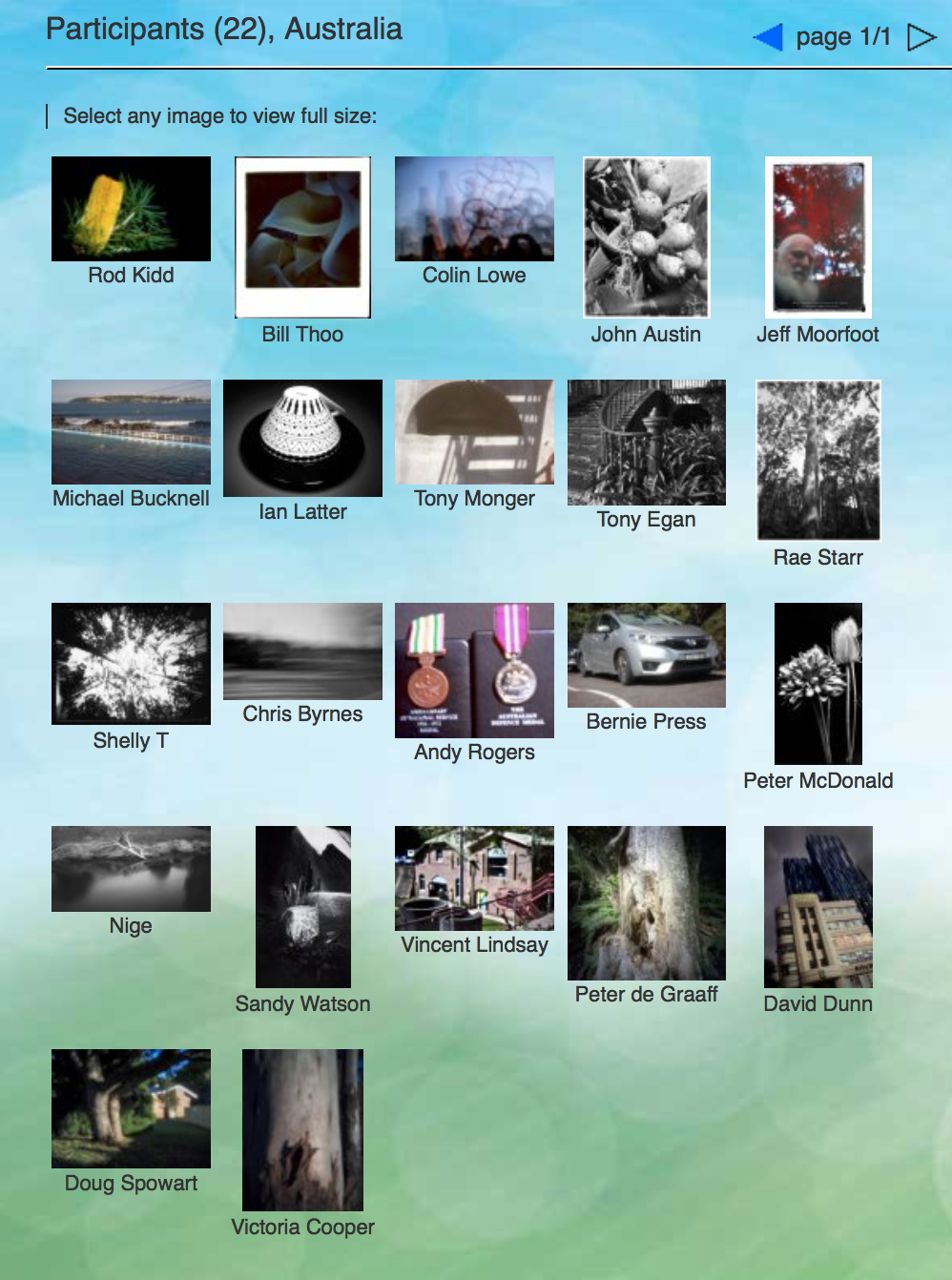
WPPD 2021 Australian submissions @ May 11, 2021
.
VICTORIA’s PINHOLE IMAGE: AFTERNOON WALK
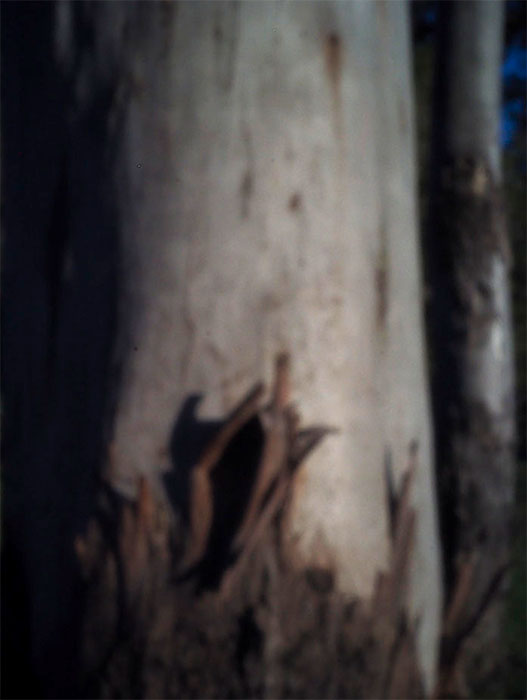
Victoria Cooper’s Evening walk pinhole photo
ABOUT VICKY’S PINHOLE IMAGE:
We pass by these trees everyday… I decided to take pinhole photos of our walk as I enjoy the way they transform these everyday places into a kind of poem, not distinct nor descriptive just evocative.
DOUG’s PINHOLE IMAGE: TREE HOUSE
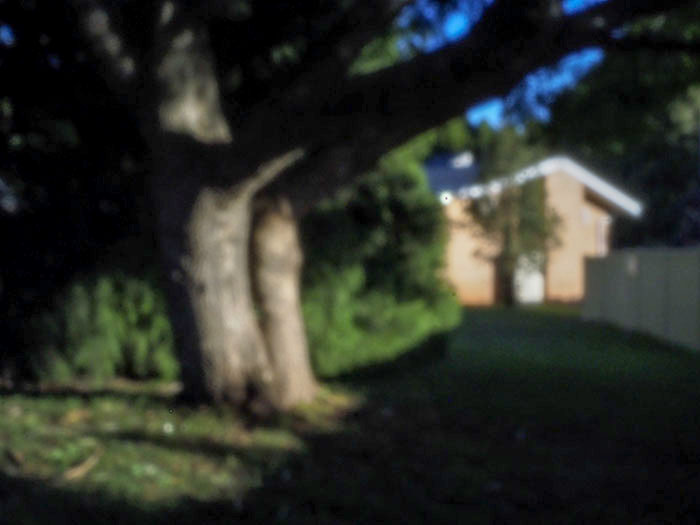
Tree House a pinhole image by Doug Spowart
ABOUT DOUG’S PINHOLE IMAGE:
I chose the late afternoon to go out and make images as the low light angle and the deep shadows add drama and mystery to pinholes made at this time.
Over recent years I have continued to choose a digital camera and aluminium pie dish with a pin prick in it. Wet darkrooms and film, although it suited the zone plates of landscape that I made are beyond my current means – perhaps next year…
.
OUR Digi-PINHOLE CAMERA
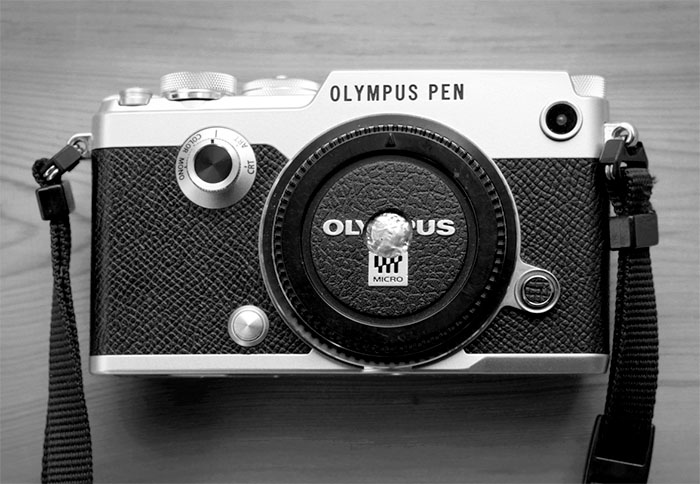
The Cooper+Spowart digi OLYMPUS PEN with pinhole …
This is a converted digital Olympus Pen, shared with my partner Doug Spowart. The pinhole is a pin pierced hole in aluminium which is inserted into a hole drilled into a body cap. It is a hand held exposure of 1/25th second at ISO 2000.
Visit the WWPD Site for details of other submissions: http://pinholeday.org/
.
Our Past WPPD images:
2020 Doug+Vicky https://wotwedid.com/2020/05/13/2020-worldwide-pinhole-day-26-april-our-images/
2019 Doug+Vicky https://wotwedid.com/2019/04/29/2019-worldwide-pinhole-day-28-april-our-images/
2018 Doug+Vicky https://wotwedid.com/2018/04/29/2018-worldwide-pinhole-day-29-april-our-images/
2016 Doug: http://www.pinholeday.org/index.php?id=1235
2016 Vicky: http://www.pinholeday.org/index.php?id=1540
2015 https://wotwedid.com/2015/05/04/april-26-worldwide-pinhole-day-our-contributions-for-2015/
2014 Vicky’s http://pinholeday.org/gallery/2014/index.php?id=1810&City=Toowoomba
2014 Doug’s http://pinholeday.org/gallery/2014/index.php?id=1811&City=Toowoomba
2013 https://wotwedid.com/2013/04/29/world-pinhole-photography-day-our-contribution/
2012 http://www.pinholeday.org/gallery/2012/index.php?id=1937&searchStr=spowart
2011 http://www.pinholeday.org/gallery/2011/index.php?id=924
HERE IS THE LINK to the 2011 pinhole video http://www.youtube.com/watch?v=Yk4vnbzTqOU
2010 http://www.pinholeday.org/gallery/2010/index.php?id=2464&Country=Australia&searchStr=spowart
2006 http://www.pinholeday.org/gallery/2006/index.php?id=1636&Country=Australia&searchStr=cooper
2004 Vicky http://www.pinholeday.org/gallery/2004/index.php?id=1553&Country=Australia&searchStr=cooper
2004 Doug http://www.pinholeday.org/gallery/2004/index.php?id=1552&Country=Australia&searchStr=spowart
2003 http://www.pinholeday.org/gallery/2003/index.php?id=615&Country=Australia&searchStr=spowart
2002 http://www.pinholeday.org/gallery/2002/index.php?id=826&Country=Australia&searchStr=spowart
.
.
 .
.ARTISTS FACING STUDIO CLOSURE: QCA vs Griffith University
Over the last month there have been reports coming out of the Queensland College of Art about proposed changes being instigated by the hosting institution Griffith University. The University’s intentions are outlined in the University’s ‘Proposal for Workplace Change Roadmap to Sustainability *’.
*If link is broken Download a copy of the Proposal for Workplace Change Roadmap to Sustainability ‘ GU-QCA-Proposal-for-Workplace-Change-Roadmap-to-Sustainability_students
.
Outcry from a cross-section of the Arts community has been forthcoming. This has included Arts academics, current and past students, staff and colleagues, Arts organisations like Occuli, NAVA, Brisbane Visual Arts Advocacy Group, Artisan and The Print Council of Australia, Arts Agencies and other supporting groups.

Save our Studios Poster by Isobelle Dwyer
.
.AS ALUMNI WE WANT TO SUPPORT THE QCA
So we composed the following letter to the Griffith University’s Vice Chancellor:
Dear Griffith University Vice Chancellor Professor Carolyn Evans,
By now you will have received a significant number of responses relating to the proposed changes to the Queensland College of Art.
I have read many of the responses to these changes posted online and I concur with the concerns raised by many of the respondents. The Queensland College of Art has history, a solid reputation for the quality of its graduates and the possibility to contribute significantly to the ongoing record of the life of human and non-human habitation on this planet.
Imagine for a moment if you can your world without the framed artwork on the wall – what it’s like to witness the vibe of the well attended gallery, the encounter of a sculpture in a public space, and the wonder of the fleeting image on Instagram. All of these are created by artists – the very people who will be affected by the changes you are intending to implement.
I understand the contemporary funding pressures created by the Pandemic and government indifference to the need to financially support academic study and research into the broader aspects of human existence.
However there is a necessity to be careful that rapid submission to comply, with what may be short-term influences, will have implications. Not just within the fine arts discipline but also, as the artist tells the stories of their times, fewer qualified practitioners will culminate in a gap in the creative record of human existence.
I urge Griffith University to reconsider what has been proposed and find a space to allow art and artists to be nurtured within the Griffith University academic programs.
I also wish you to consider that while many other universities may be considering a similar course of action in cutting Fine arts programs Griffith University has an opportunity to stand firm and continue the Queensland College of Art and realise the benefits identified in the vision and dreams that the supporters of the SAVE our STUDIOS have.
The studio is the crucible that provides the catalyst and engine room for the creative thought…
Sincerely,
Dr Doug Spowart M.Photog, FAIPP, HonFAIPP Dr Victoria Cooper M.Photog, HonFAIPP
Graduate: College of Art Brisbane 1972 Graduate: Queensland College of Art Brisbane 1993
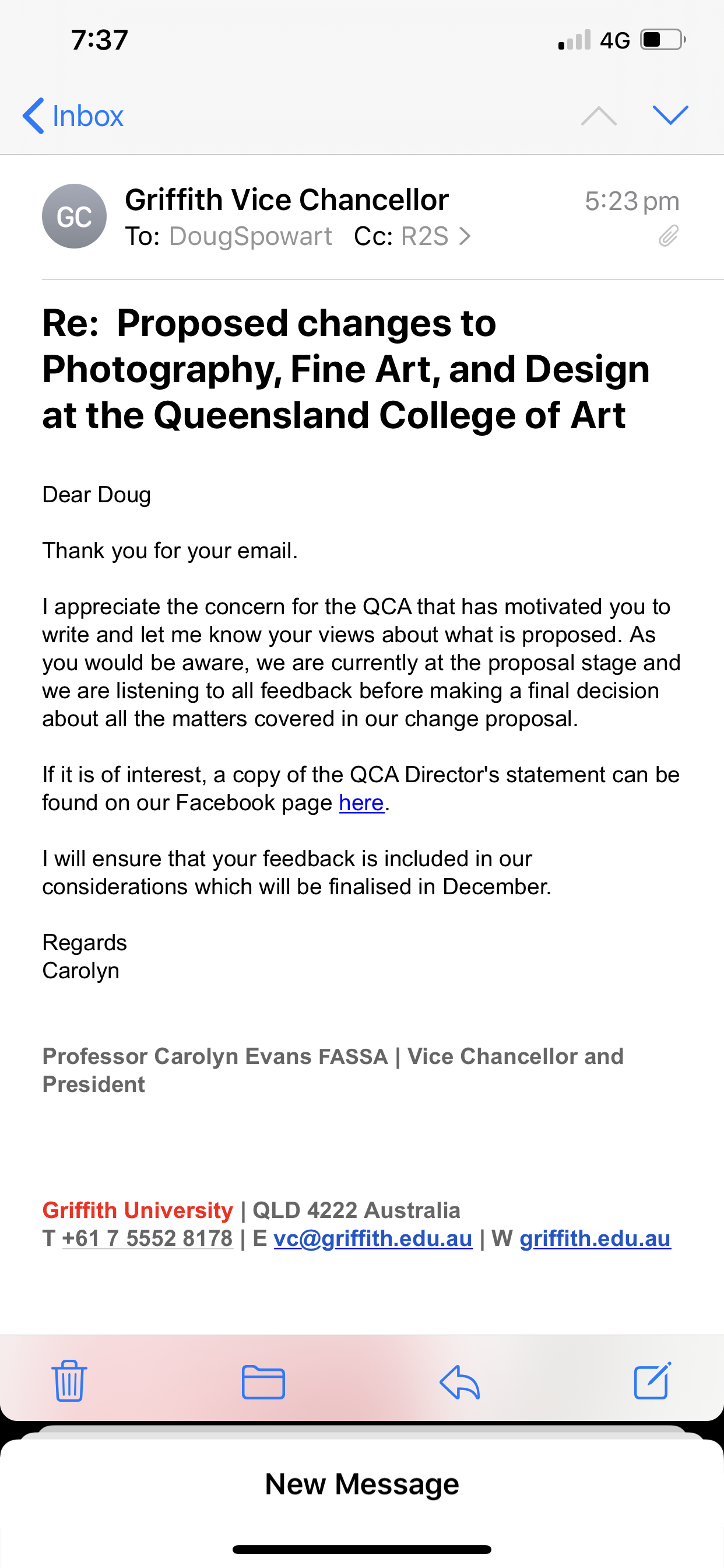
A RESPONSE TO THE EMAIL WAS RECEIVED LATER IN THE DAY …
.
.
STUDENT PROTESTS AND MEDIA REPORTS HAVE BEEN SUCCESSFUL IN GENERATING COMMUNITY AWARENESS
.
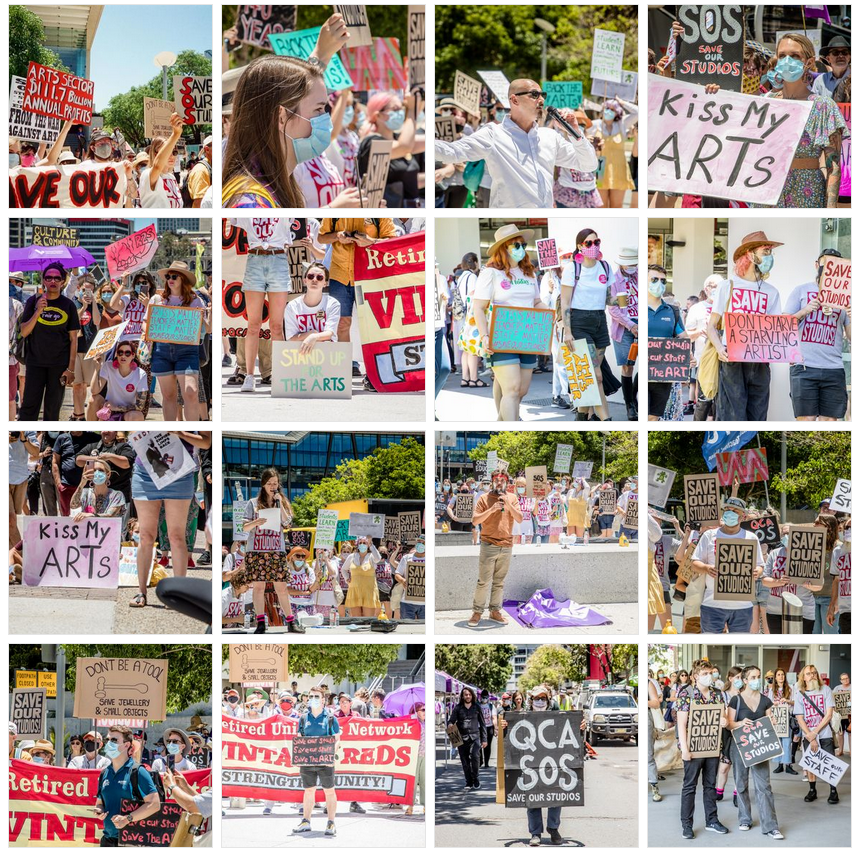
Photos courtesy of Cheryl Bronson
.
An ABC TV REPORT HERE
AND
An ABC RADIO INTERVIEW HERE
(interview begins at around 1:42:45 and runs for 15 mins)
.
A PETITION
At the time of posting the SAVE OUR STUDIOS Petition had received 10.6K signatures
– You can add your support by signing the petition here: http://chng.it/Zv22YbfP6y
.
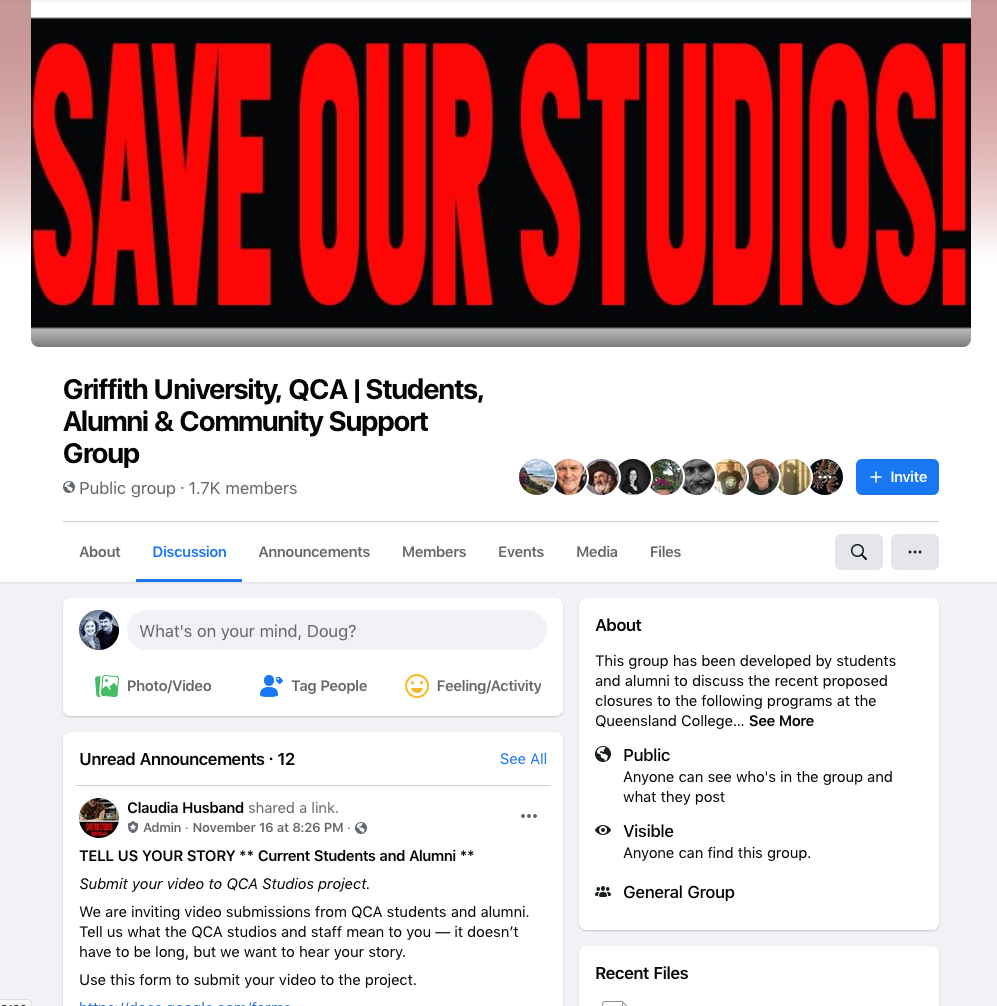
FB Page
FOR MORE INFORMATION ABOUT THE QCA SOS PROTEST VISIT:
https://www.facebook.com/groups/teamqcasos

Save our Studios QCA by Summer Hiskens-Ravest
.
AUSTRALIAN NATIONAL UNIVERSITY and the School of Art and Design
It’s interesting to note that at this time the Australian National University is doing the same for their Art programs with their demand being “…the long-standing structural deficit of the School cannot continue and must be addressed. The School must position itself tobe able to deliver its programs and research with continued excellence but in a financially viable and sustainable manner.”
READ MORE HERE: https://www.anu.edu.au/files/guidance/Managing%20Change%20Proposal_CASS_Tranche%202_November%202020_.pdf?
If link is broken Download a copy HERE ANU-Managing Change Proposal_CASS_Tranche 2_November 2020_
.
.
.
.
QUEENSTOWN’s UNCONFORMITY 2018 – From the Archive
Driving to Queenstown for the 2018 UNCONFORMITY Art Festival
A diaristic record of the journey to Tasmania’s west coast two years ago – October 2018
NOTE: The 2020 UNCONFORMITY was cancelled due to the pandemic.
A link to their COVOD-19 response can be seen HERE
vvv
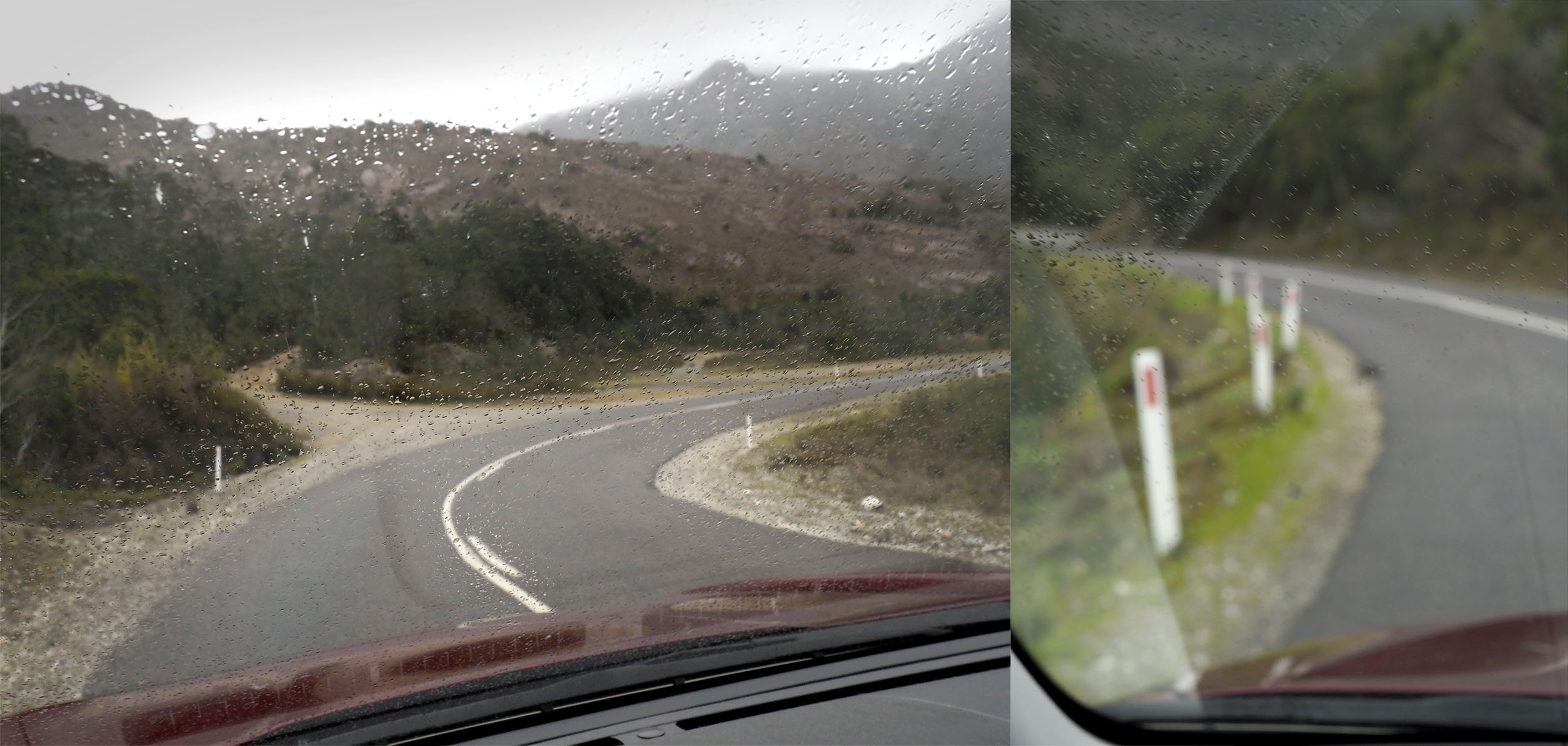
Road to Queenstown
The road convulses, twists and turns as if the wilderness has challenged its taming by the road builders and engineers. Just when the wild begins to overcome your imagination a mountain ridge is crested and opening up before you is a place made by man and commerce showing their destruction of the landscape to make a place, a wild place – home.
The town of Queenstown is nestled in a valley floor through which flows a stream, a road and a railway line. The mining ceased after 100 years of operation and the town now seems devoid of what must have been the hustle and bustle of its glory days. Left orphaned by those who have moved on are commercial buildings intended for a permanence that is now redundant. Other buildings are kept cobbled together by make-do maintenance. The occasional sign in the empty shop window proclaiming “FOR RENT”. Houses of corrugated iron and rough stone construction and the occasional 1940s or 50s flat roofed ‘modern style’ straddle the ridges. They sometimes hang precariously from the narrow winding roads that move from the central business area outwards and upwards like a schematic of the human circulatory system.


In this unlikely place there exists a community of artists ranging from those for whom it is a hobby for personal life enrichment to those, many of whom are of national stature in their disciplines. Bi-yearly a special event in Queenstown celebrates its art community as well as those from around that country and the world who consider the locale as a touchstone and inspiration for their art.
Called ‘The Unconformity’ the event takes its name from an unusual rock formation found locally that was the natural catalyst for the mineral riches that were found there. ‘The Unconformity’ takes place over 3 days and attracts a worldwide audience.
Our unique proposition is to be a cultural conduit into western Tasmania—a place hard to get to and harder to engage—by mining a new cultural commodity with the spirit of independence, boldness, risk and adventure that is melded to our region’s DNA.
Mission statement from The Unconformity website
.


We sat in a café munching on a magnificent homemade pie and at a table nearby the (then) former senator for Tasmania Jacqui Lambie also having lunch. I discovered a long lost cousin, the artist Beverley Loverock in a shop that is her studio at the top end of town. And just walking down a street between visiting art galleries and events we encountered Marc Pricop, a photodocumentary photographer who we knew from Brisbane when he was a student at the Queensland College of Art.


Just off the main street we caught up with nationally recognised printmaker Raymond Arnold who first came to the region in the 1970s as part of the Franklin Gordon Blockade protest. His connection with the place at that time left an indelible mark on him and for the last 18 years has set up his studio there with his wife Helena Demczuk. Called LARQ his modern studio and gallery featured an expansive artwork created in response to his years in Tasmania. It featured 100 hard ground line etchings, some multi-plates, which were presented in the gallery as 100 individually framed works as well as the assembled plates in a mosaic format that stretched the length of the studio’s main wall.


We were only able to stay for the better part of two days as local accommodation is booked out well in advance and we travelled from Tarraleah to Strahan and back to Tarraleah late Sunday afternoon. There was just not enough time to take in the range of art, performance, videos and presentations on offer many of which were booked out … But then there’s the next event in two years – we’ll be back.
HERE IS A COLLAGE OF THINGS WITNESSED DURING OUR VISIT…
NOTE: Due to copyright restrictions Youtube has muted most of the audio in this video – Imagine AC/DC music LOUD…!
.


SOME LINKS…
https://www.theunconformity.com.au/
https://unco-assets.s3.amazonaws.com/static/images/background-looped.4d0f74bf780d.mp4
PROGRAM
https://www.theunconformity.com.au/program/
EVENTS
https://www.theunconformity.com.au/events/
A WIKI
https://en.wikipedia.org/wiki/The_Unconformity
CYANOTYPE IN AUSTRALIA Celebrates World Cyanotype Day 2020
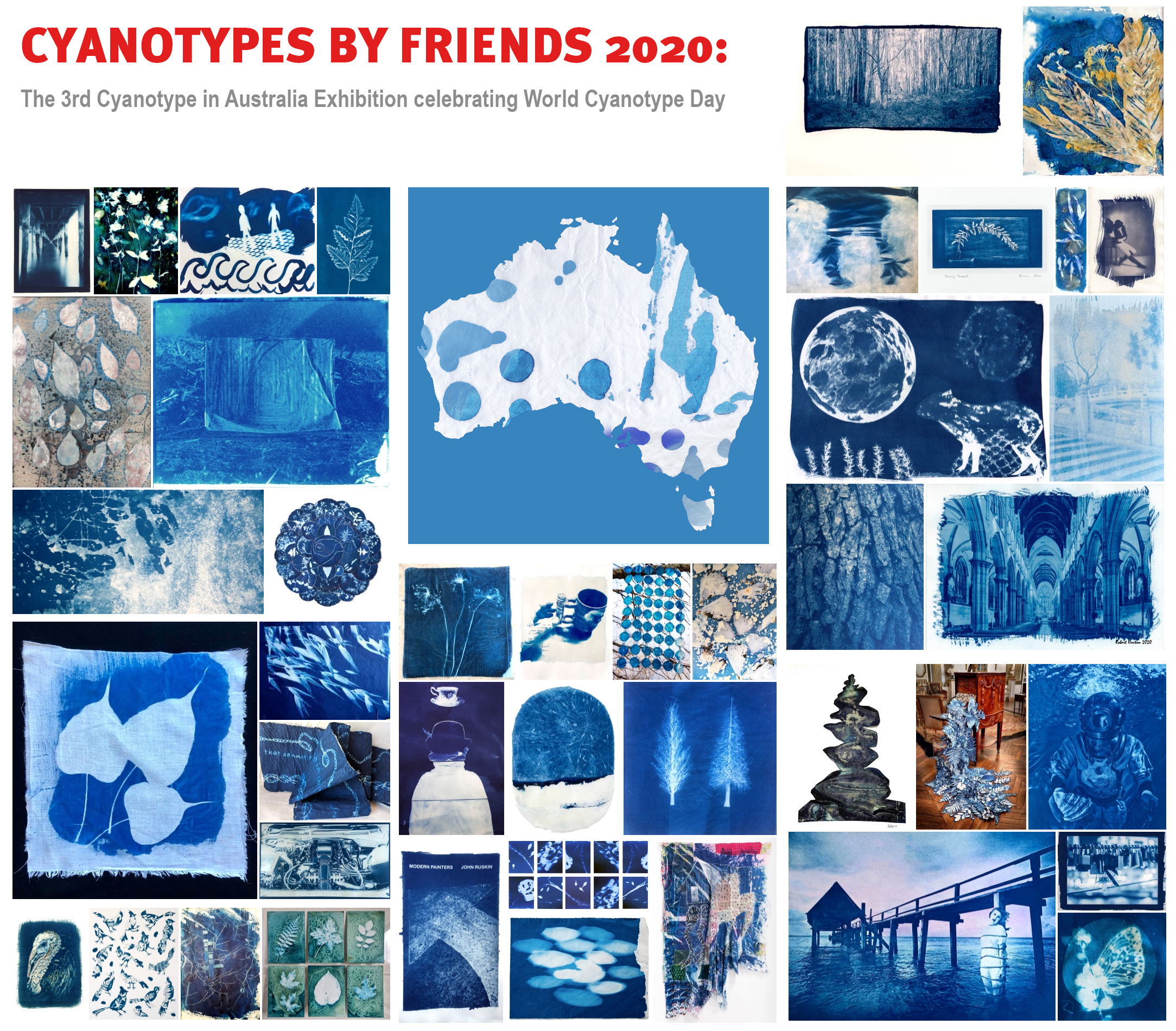
CYANOTYPE 2020 MOSAIC
The world is in a pandemic turmoil but beneath the stress, pain and fear of what some call the ‘new normal’ artists have continued making their art. During this time online connectivity has provided the space to coalesce communities of practice across the world where ideas and creative products can be shared, discussed, recognised and critiqued.
Cyanotypers worldwide celebrated 2020 WORLD CYANOTYPE DAY on the 26th of September by making cyanotypes, presenting work in exhibitions and online through their social media platforms. In the USA there are dedicated groups that have continued to support the medium: Db Dennis Waltrip, Judy & Amy and the World Cyanotype Day web and Facebook group; Malin Fabbri‘s Alternativephotography.com; and Amanda Smith’s Gallery in Texas. These people have created the glue that brings together cyanotypers from around the world.
Two years ago The Cyanotype in Australia Facebook Group was formed to bring together contemporary cyanotype work for presentation in major survey shows to celebrate Australian practioners from across the country on World Cyanotype Day. The first show in 2018, ‘In Anna’s Garden’ was presented at the prestigious Monash Gallery of Art, Melbourne. Last year ‘Under the Southern Sun’ was shown at The Maud Street Photo Gallery – The Queensland Centre for Photography. This exhibition then toured to two venues in the USA: the A. Smith Gallery, Texas, and PhotoNOLA, New Orleans for the international World Cyanotype Day exhibition.
The Cyanotype in Australia Facebook group has actively supported a vibrant community of practice of not only local, but also international cyanotypers. This year, we decided to curate the World Cyanotype Day event online through the Facebook Group page as this space enabled many artists from across Australia and internationally to contribute during these challenging times. We asked our Facebook Group members to select a cyanotype that may have been their first print, an image of a current process investigation or a work that tells a story. Forty-three Australian and a few international Friends responded and posted their work on the page.
This catalogue has now been collated to show the breadth and creative work of these artists. We are again excited to present the amazing work of Australians including our international friends on The Cyanotype in Australia for World Cyanotype Day 2020.
The Cyanotype in Australia Facebook page is a closed group though we welcome ‘Requests to join’ from cyanotype practitioners.
Doug Spowart,
with Gail Neumann, David Symons and Victoria Cooper are The Cyanotype in Australia Team
.
A GALLERY OF WORKS CAN BE SEEN HERE
More information about these works can be found in the catalogue
Download the catalogue via this link ____WCD 2020 CATALOGUE-FINALv4


.
.
Over the last two years the CYANOTYPE IN AUSTRALIA Facebook group has coordinated major events to coincide with this celebration.
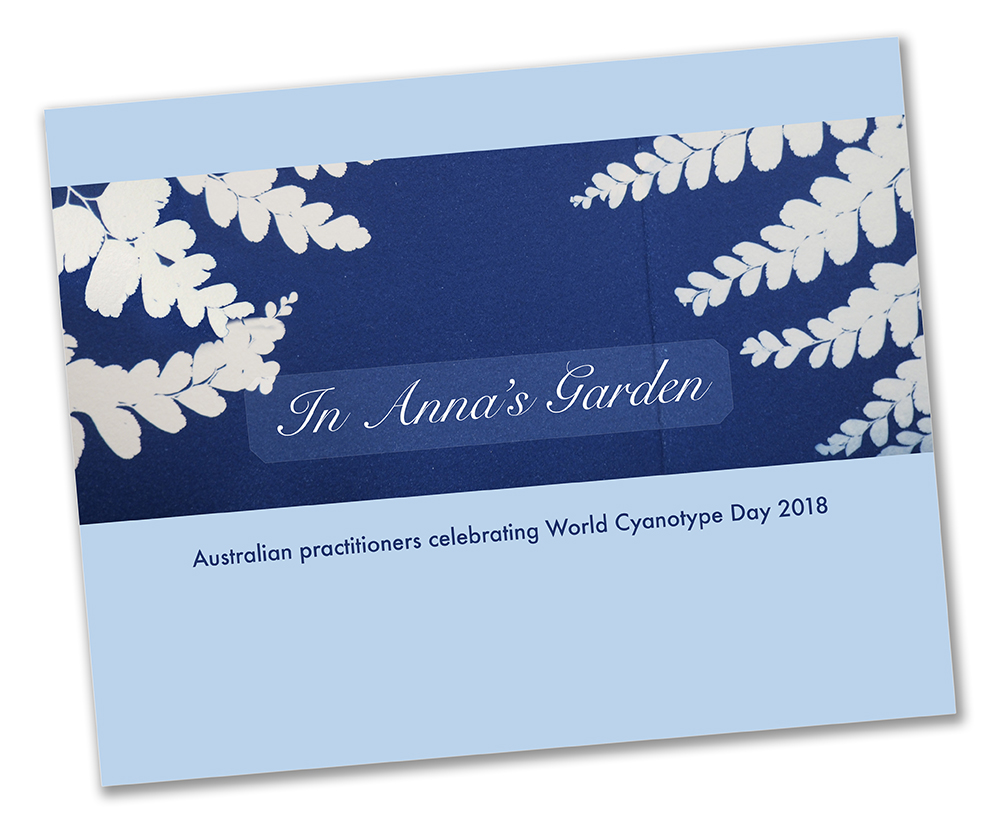
the ‘In Anna’s Garden’ catalogue
In 2018 an exhibition entitled “IN ANNA’s GARDEN” was curated Stephanie Richter, Gillian Jones, Victoria Cooper and Doug Spowart for showing at the Monash Gallery of Art.
A blog post for this exhibition can be viewed HERE
A download of the “In Anna’s Garden” catalogue can be accessed HERE
.
.
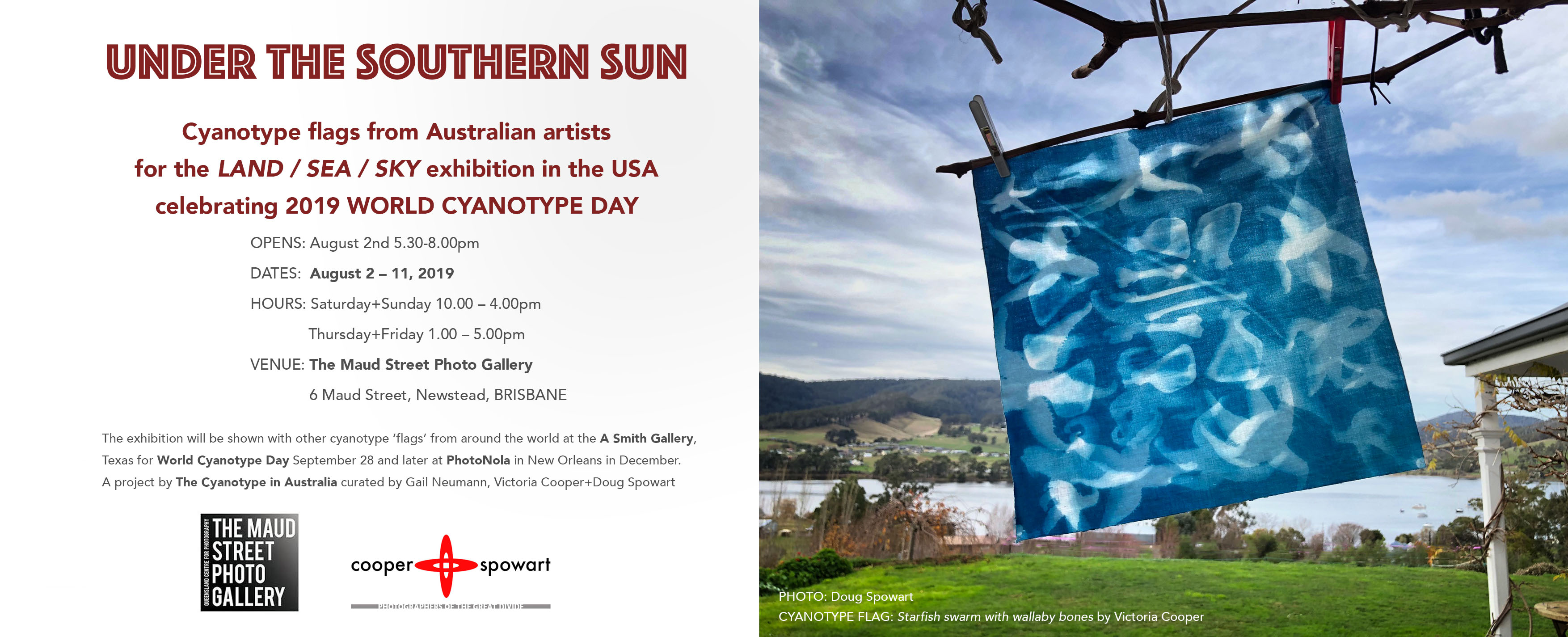
INVITE: Under the Southern Sun
2019 saw the assembly of a group of Australian cyanotyper’s works to be sent to the A. Smaith Gallery and Photo in New Orleans for the WCD International exhibition. The cyanotypes were firstly shown in the exhibition “UNDER THE SOUTHERN SUN” at The Maud Street Photo Gallery – The Queensland Centre for Photography.
A blog post for this exhibition can be viewed HERE
A download of “Under the Southern Sun” catalogue can be accessed HERE
.
.
.
.
.
.
Father’s Day: A remembrance in an art project
Father’s Day 2020 – Thinking of our Dads
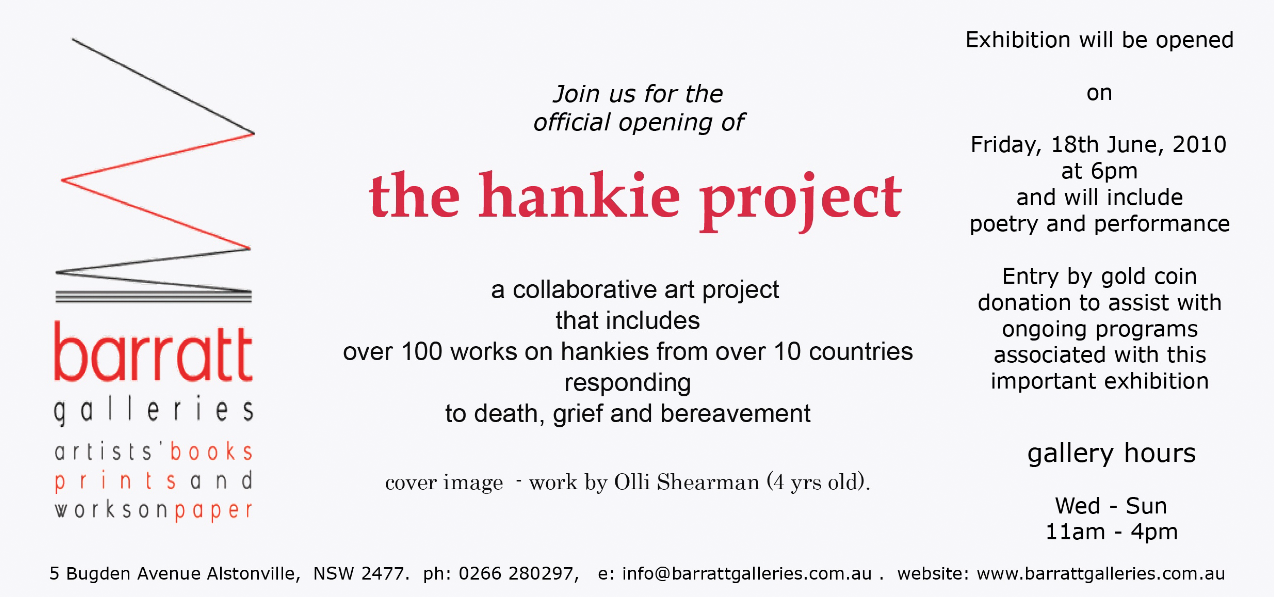
In 2010 artist, and then gallerist, Julie Barratt put out a call for artworks that asked artists to respond about their Fathers and their passing.
The request from Julie Barratt is as follows:
This project was borne out of the recent sudden death of my father, a handkerchief, some emotive words written by a sibling on his death and the traumatic aftermath of a death processed according to particular societal and cultural mores. Interested artists and Individuals are invited to create an artwork on a handkerchief (any handkerchief not necessarily a man’s) based around death/grief/bereavement.
We reflected on our connection with our Fathers and created artworks using the cyanotype process.
Doug’s Hankie
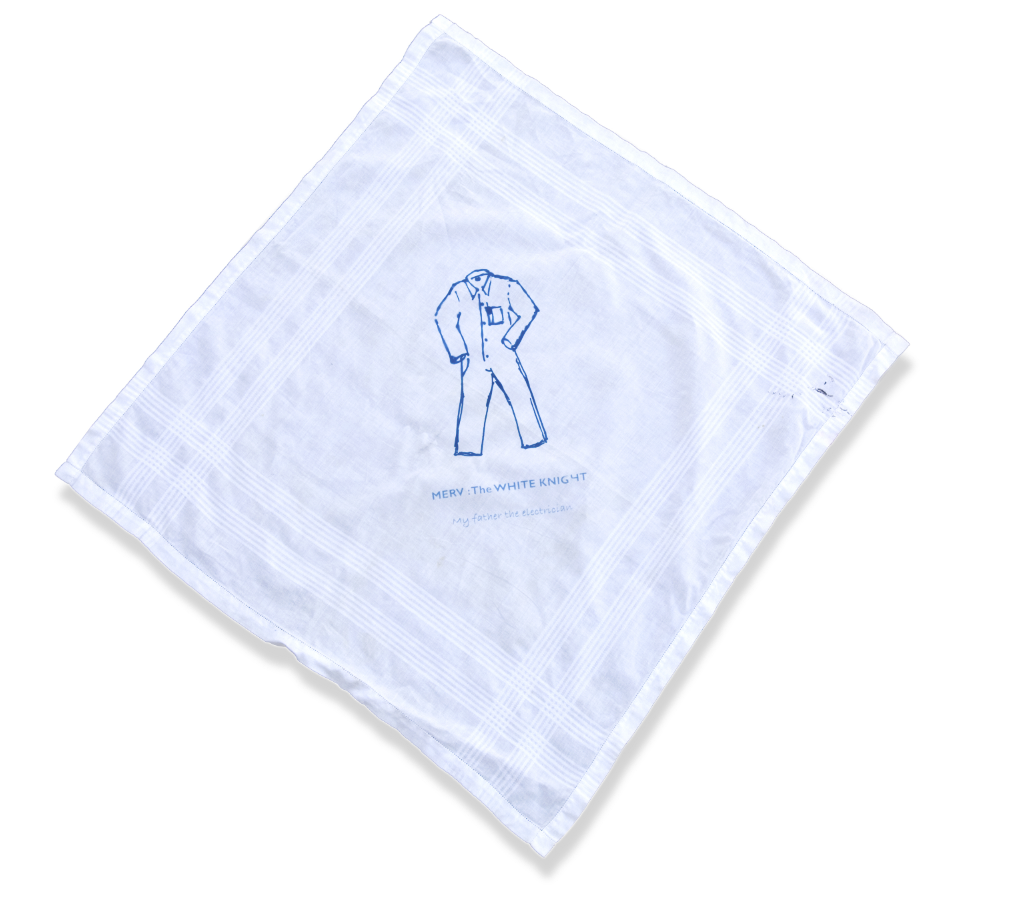
The WHITE KNIGHT – for Merv by Doug Spowart
MERV: The White Knight
My father was an electrician for around sixty years. He always wore King Gee white overalls—even when we went on holidays.
Ever ready to help someone in need he would dash off at a moment’s notice—even when the family organised an outing on the weekend we would always fit in another job along the way.
Over the years he helped many an electrically troubled soul so we, his family, dubbed him the nickname – “The white knight”.
Victoria’s Hankie
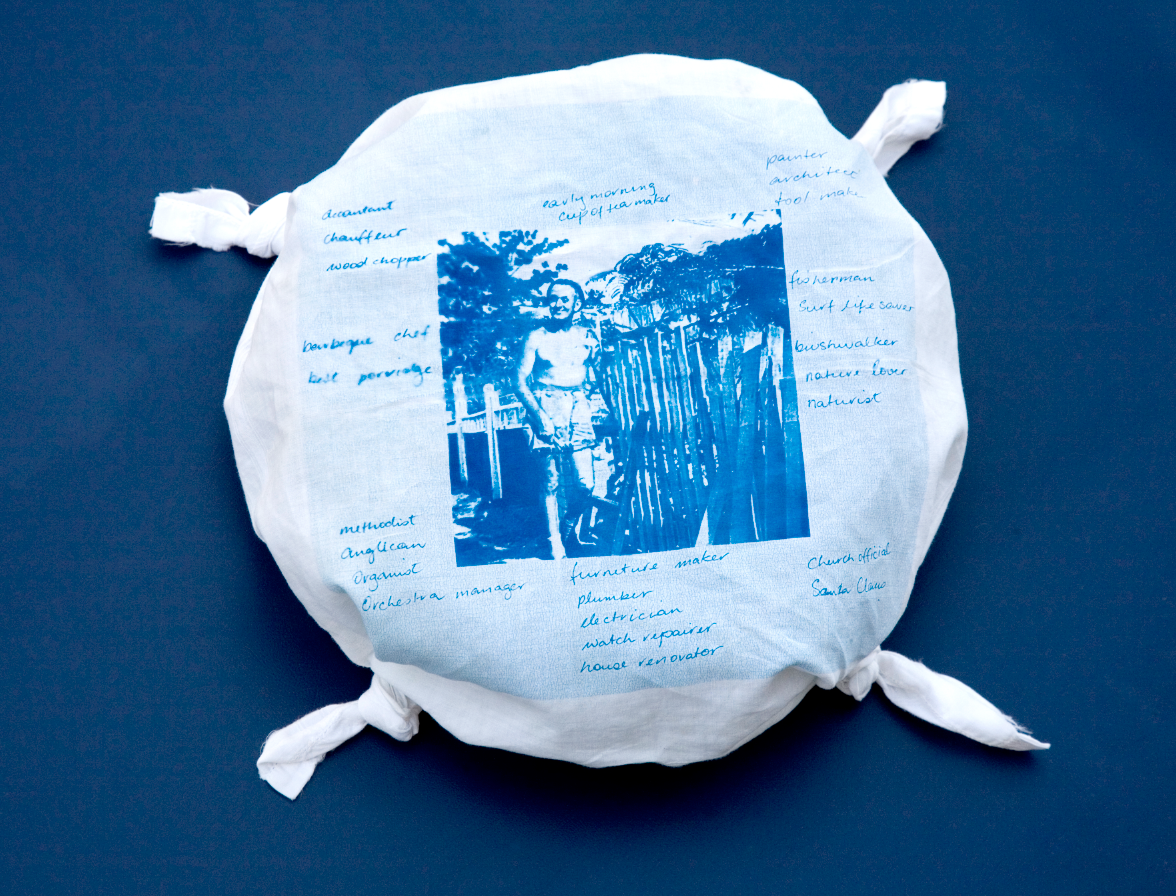
Dad’ll do it – for Reg by Victoria Cooper
Dad’ll do it
I remember that he always tied knots in his hankie to keep it in place on his head and to soak up the sweat when he was working on things around the home. He had lived in this home (in the photo) for most of his life except for the time he was in Papua New Guinea for WW2 and shorter periods of time in other places. Over the years he adapted and renovated this home to suit the changing needs of the family.
.
.
Barratt Gallery Invite
.
The exhibition was shown at Barratt Gallery at Alstonville and Napier Gallery Melbourne
.


A post about the exhibition can be found HERE
.
.
.
.
.
.
A TASMANIAN CYANOTYPE: Untitled Found Objects by Victoria Cooper
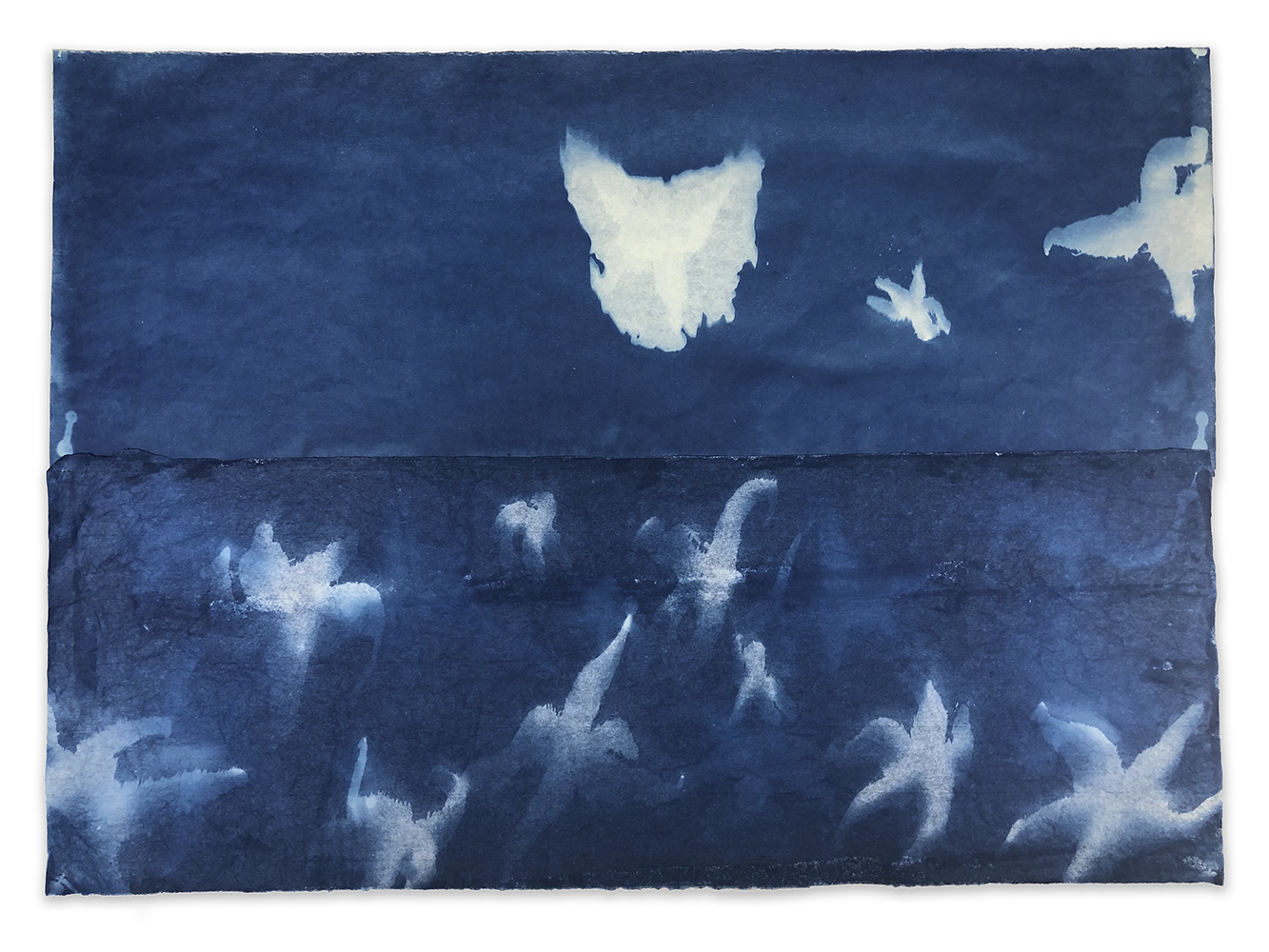 Untitled found objects a cyanotype by Victoria Cooper
Untitled Found Objects is created from a collection made of invasive starfish species colonising parts of Tasmanian waters and a map-shaped beer coaster found discarded in the streets of Hobart. In this work I play with these found objects and speculate on their relationship with Place.
.
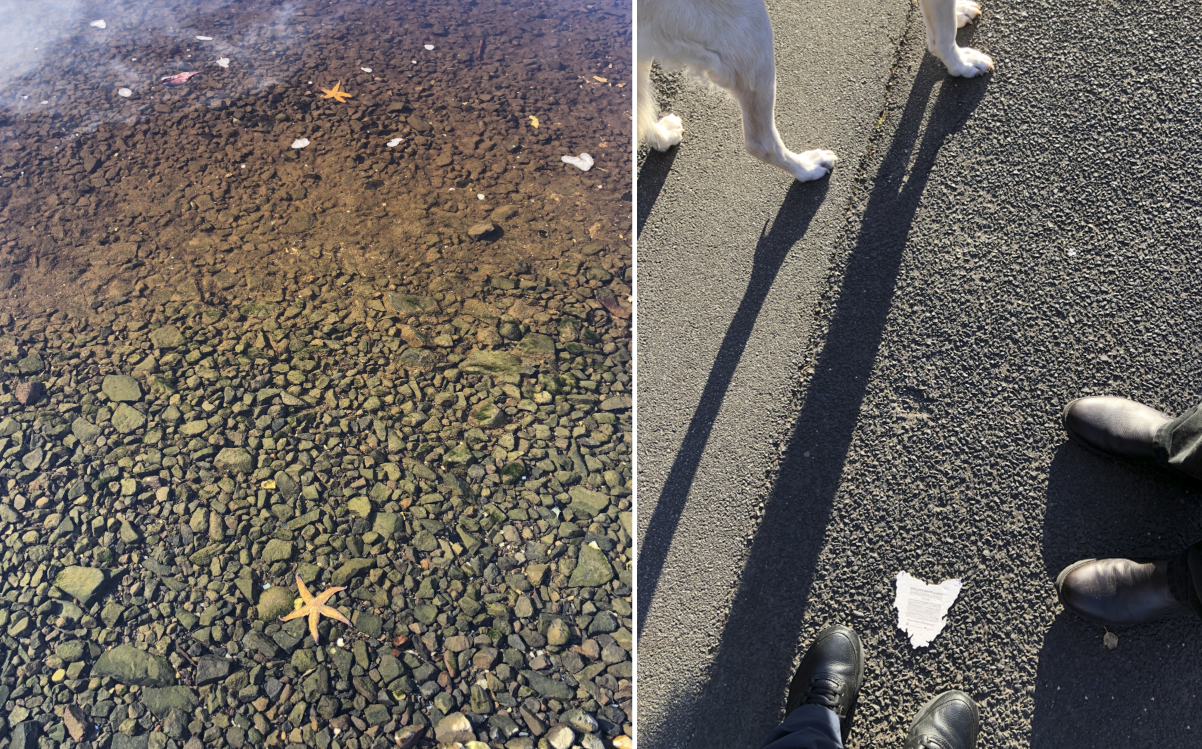 Found objects: Starfish and Tasmanian coaster map
.
When I take the time to study a place through photography and Material Thinking* history is unearthed, reconsidered and reordered. As I walk in each place, I identify and collect objects for further study. Some objects are commonplace or endemic while others may be discarded or dislocated dissonant interventions. I then utilise the cyanotype process as a site-specific medium to record these collections using sunlight and other environmental conditions as experienced in-situ. In this work the cyanotype forms a blue matrix in which these objects are imaged as their shadows. The shadowy imprints inhabit the blue as white ghostly forms referential of their solid origins.
The final work of blue and white is a paradox between its fiction and truth, the featureless blueness only revealing form by its absence. To think about the cyanotype in this way ushers in many questions: Is the cyanotype blue a political or aesthetic statement? Do the white shadows speak of absence or are they the essence of a presence? Does the reader need an exegesis to understand a poem?i
Victoria Cooper
.
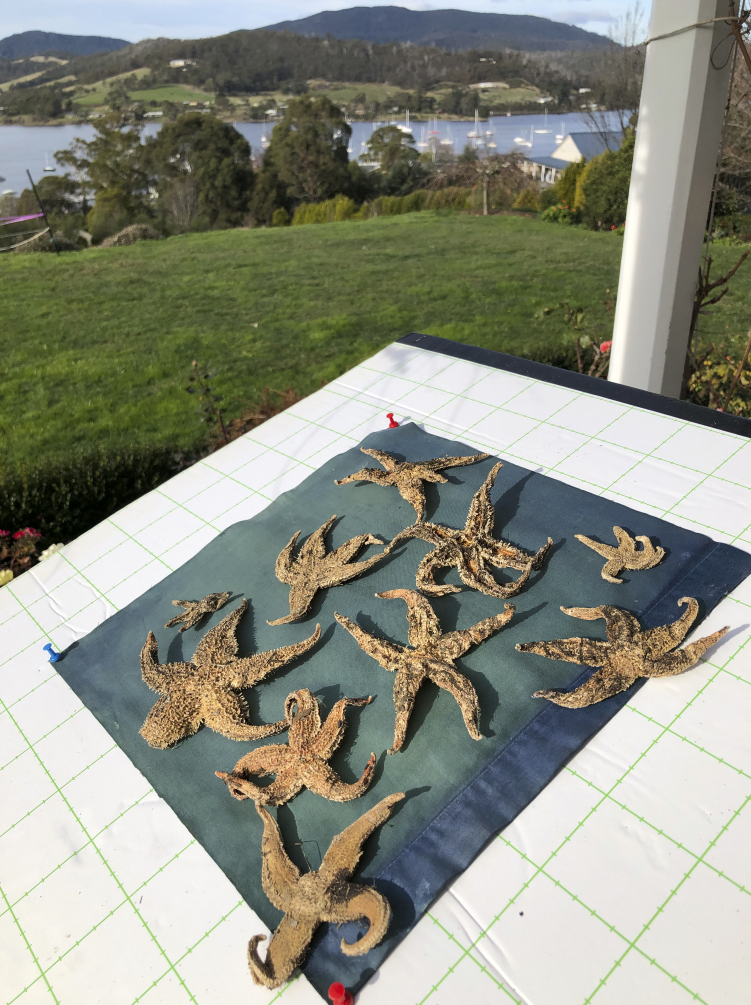 Untitled found objects exposing the cyanotype
*The concept of an aesthetic methodology proposed by Paul Carter in his book, Material Thinking, defines my art, and underpins the making of my work. Through a psychological dialogue with materials, subjects and objects, my work evolves reflexively and in concert with the response to physical experience of time and place. In this process I am taken in new directions and presented with unexpected outcomes for the work.
Just as human collaborators needed to suspend an irritable desire for control of the project, substituting instead a lover’s readiness to be plastically moulded by the other’s (intellectual) desire, so with materials: they self selected, those of especial value to enquiry displaying gifts of amalgamation and self transformation analogous to the emotional environment characteristic of the human exchange. (Carter 2004:xiii)
Paul Carter, 2004, Material Thinking, Melbourne University Publishing Ltd, Melbourne.
.
.
.
.
.
.
©2019 Victoria Cooper
ARTISTS SURVEY #23: Artists in Pandemic Isolation

Artists Survey #23 Composite
ARTISTS HAVE ALWAYS ADAPTED TO AND EMBRACED CHANGE IN CHALLENGING TIMES OFTEN WORKING IN ISOLATION. Nearing the end of their artists in residence in Finland, Australian artist Julie Barratt and Argentinian photographer Solange Baques found themselves stranded on the other side of a pandemic stricken world. Concerned for their friend and colleague, Cooper and Spowart connected with Barratt and proposed the concept of a collaborative Artists Survey book project to present the artists’ experiences during the COVID-19 enforced isolation.
This small book compilation is published by the Centre for Regional Arts Practice is the result of the collaboration. It is a small gesture to bridge the vast physical and psychological distance that this pandemic has engendered.
Here is the story of Artists Survey #23: Artists in Pandemic Isolation project.
THE BACKSTORY TO THIS SPECIAL EDITION OF THE ARTISTS SURVEY
The Centre for Regional Arts Practice (acronym C.R.A.P.) was founded in 2007 during an artist in residence at Arthur Boyd’s Bundanon property near Nowra on the NSW south coast. As artists’ bookmakers, we saw the opportunity to produce a democratic multiple publication to present our perspective on regional artist experience and to develop C.R.A.P. manifestoes.
All of our C.R.A.P. Artists Survey books draw upon humour and irony of the prosaic routines and events encountered in life of a regional artist. These publications are usually produced in editions of 25 with 5 artist’s proofs. They are humble handmade books which are sold to collectors and institutions – most are given away to friends and peers.
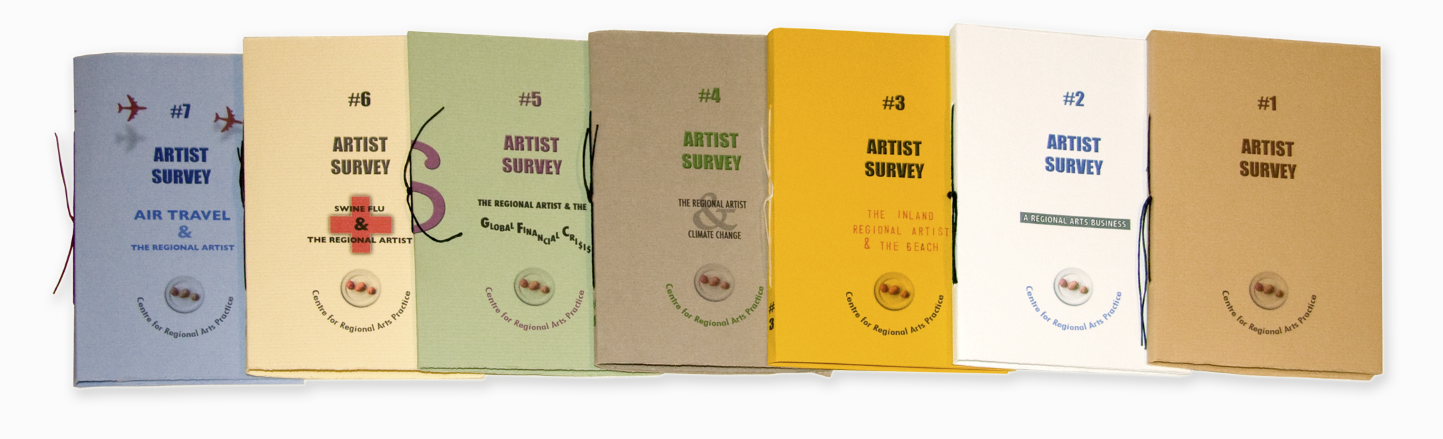
Some early C.R.A.P. Artists Survey books
The C.R.A.P. and its Artists Surveys have become a vehicle for highlighting, critiquing and questioning many issues both local and global affecting regional artists. The 23 editions to date have included topics such as Swine Flu, The Global Financial Crisis and Global warming. On seven occasions collaborative Artists Survey books have been created with a regional artists.
In late March we witnessed Julie Barratt’s situation as a participation in an artist’s residency in regional Finland. At that time the viral pandemic was closing the world down and cutting off homeward travel with airlines grounded. Though Julie seemed unphased we thought our shared isolation experiences could be an important commentary on these times. So we suggested to Julie our idea of a C.R.A.P. Artists Survey book about Covid-19 isolation and she agreed enthusiastically. Within a a short time Julie’s compatriot in isolation – Argentinian photographer Solange joined the project.
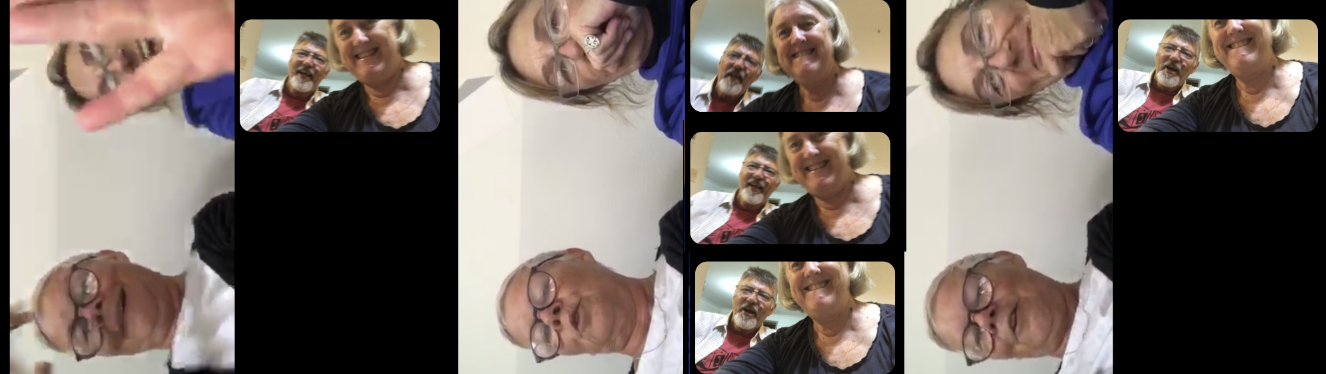
Screen snaps of Facebook group meetings
We formed a Facebook group and held online meetings to talk over the concepts, we shared work, discussed design ideas and quickly our isolation had a creative purpose. We are excited to share our stories with you …
ABOUT THE ARTISTS SURVEY #23
The Artists Survey project culminated in a book of 6 elements:
- An introduction booklet
- 2 works from Solange Baques (1) An image from her ‘Through the window project, and (2) a small piece of Finnish soap enclosed in a stitched holder accompanied by messages about anti COVID-19 hand washing techniques.
- An original Polaroid image made by Julie Barratt in a stitched folder made at the residency with red thread used by Julie in some of her performance work.
- A collaborative concertina book by Victoria Cooper and Doug Spowart.
- All the elements are enclosed in a special folder cover designed and handmade by Doug Spowart with the support of Victoria Cooper

COVER Open with INTRO Booklet
.
A PDF COPY OF THE INTRO BOOKLET CAN BE DOWNLOADED HERE: ARTIST Survey 23 INTRO Book Aug 21
SOLANGE BAQUES: is an Argentinean photographer born in Buenos Aires city. In her work she explores identities through memories and family albums. Her images are intimate and subtle.
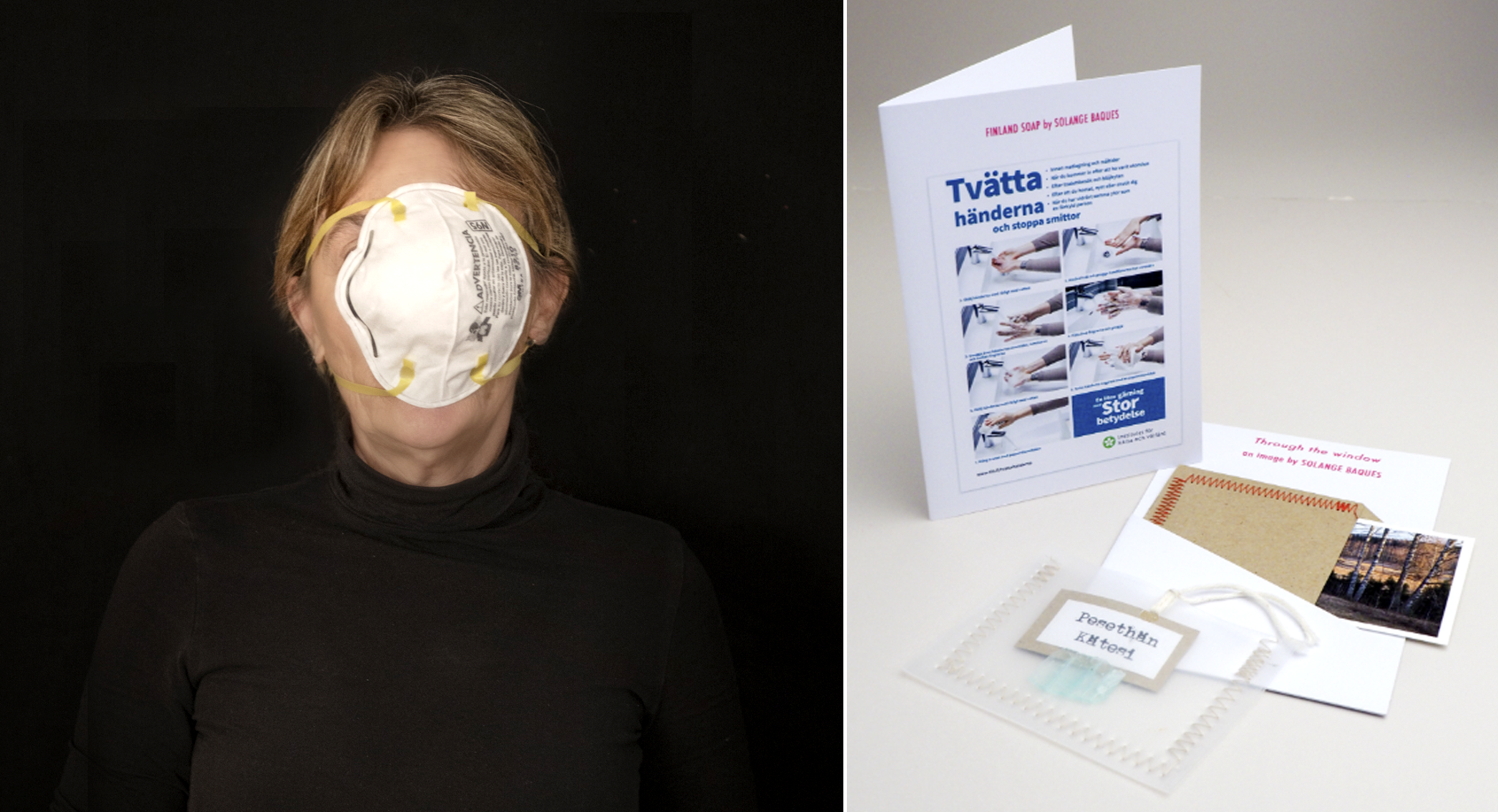
Solange Baques and her two works
.
Solange arrived in Finland on March 2nd to participate in the program “Silence Awareness Existence” as an artist in residency with 13 fellow artists at the Arteles Creative Center, which is located in a rural area near Tampere. Her project was to include visiting Valmet Oy plant and doing some research on the pulp and paper industry but due to the lockdown, this was not possible.
Within a short time of the growing worldwide shutdown of entry to countries 10 of the 13 artists in residency left Finland to return to their home countries. However by March 16 three remained.
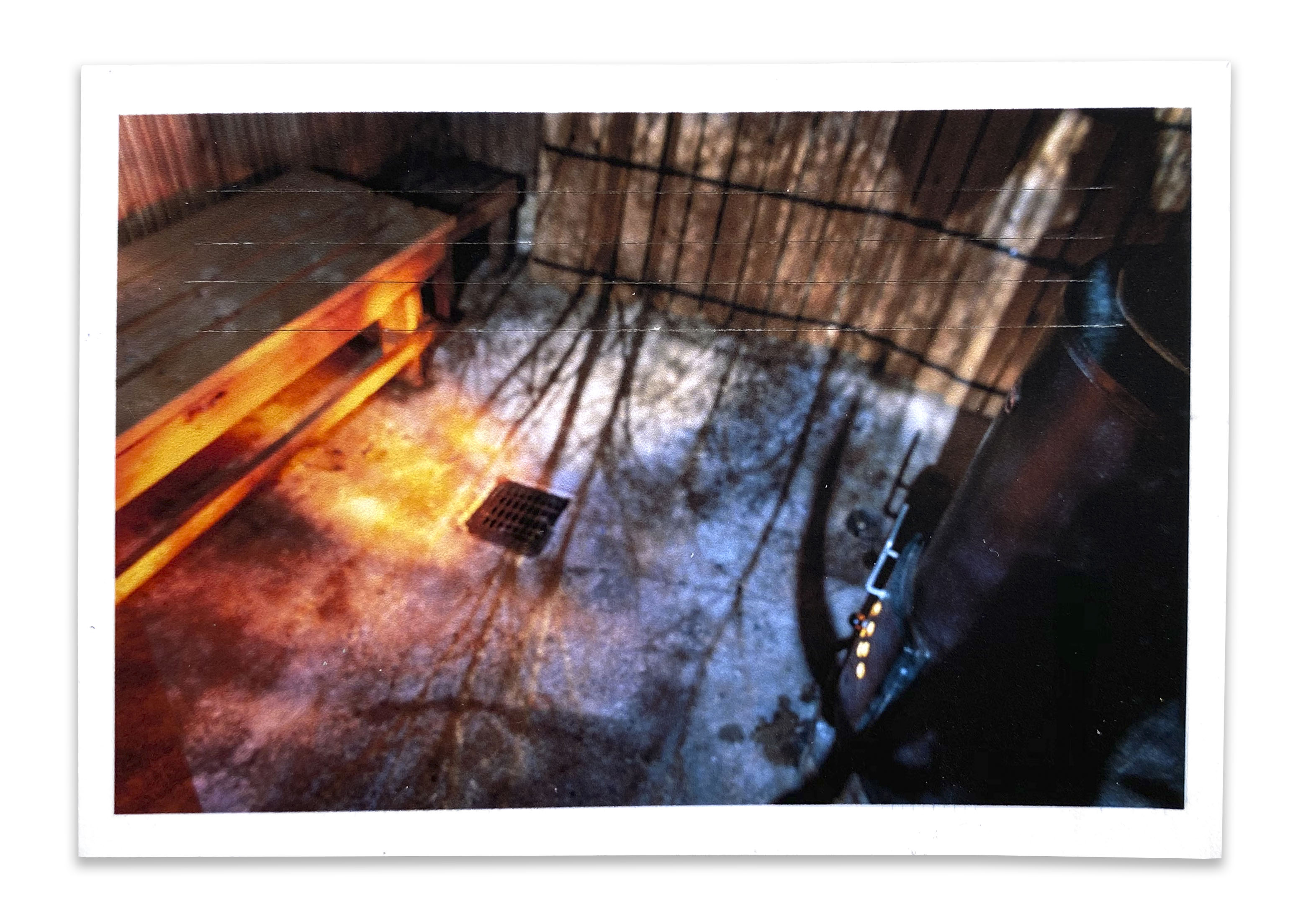
Through the Window images included in this collaborative artists’ book was born as a part of the self-isolation program at Arteles Creative Center.
Solange was not able to return home due to the Argentine borders being closed and the only planes allowed to bring back Argentineans being those of Aerolíneas Argentinas. Around the world there were more than 20,000 citizens trying to get home with only 400 people allowed to arrive every day. On May 9th she was finally able to leave Finland and made it back to Argentina on May 11 and out of quarantine to her family on May 25!
JULIE BARRATT: is an Australian visual artist and arts producer whose mixed media practice encompasses printmaking, photography, artist books, installation and performance.
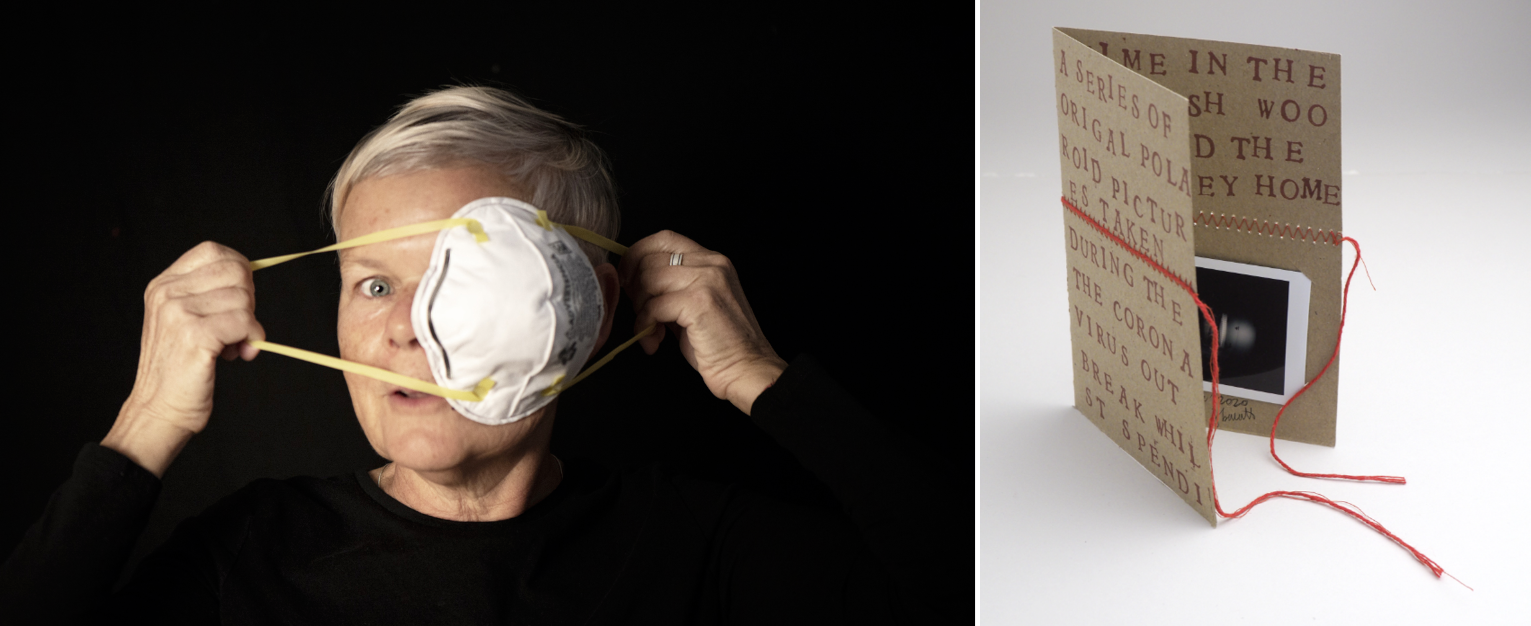
Julie Barratt and her Polaroid print + folder
.
Julie arrived at the Arteles Creative Center in the beginning of March for a 1-month residency. As the worldwide lockdowns were initiated she experienced difficulty in getting flights back to Australia and her residency became an extended period of creative production.
Having this extra period of time in rural Finland has kept Julie just about as far from the grips of Covid-19 as you can imagine. And being distant from family and friends having little access to the Internet or the outside world for that matter was quite surreal!

Although she arrived without a clear project in mind Julie’s work became a visual diary of this period of isolation rendered through the mediums of photography, stitching, mixed media and hand stamping. This work in this collaborative artists’ book made with unique state Polaroid photographs relates to her experience of spending the Covid-19 period of isolation far from home in rural Finland!
By the 4th May she was still there! Cancelled flights, border closures and local transport collapses meant that options for getting home are all but non-existent. Finally Julie was able to get a direct flight from Helsinki to Sydney on May 10. On her arrival in Sydney she was escorted by Federal Police and Army personnel to 2 weeks forced isolation in a Melbourne hotel. She arrived home in Rockhampton on May 24!
COOPER+SPOWART

Cooper+Spowart collaborative book
.
VICTORIA COOPER:
Victoria’s early career in science and microbiology is influential in much of her arts practice. Engaged in experimental photographic processes from pinhole to digital photomontage, she creates visual narratives, in the physical form of the book, exploring the human-non-human relationships of Place.
I began with energy for our collaboration across the ISO CO-void… This seemed a good time to explore new work informed by my past experience with pathogenic microorganisms. But I was unsettled in this COVID space — challenged by the consequences of being in familiar places that now were significantly altered by unseen entities. Continuity of creative thought was becoming increasingly more difficult under the existential struggle as sharp highs and lows destabilized every aspect of daily life.
During this time I utilised the social space of Instagram to break away from the silence of isolation. I captured and collected moments as they presented themselves and then instantly shared their potential to evoke memories and dreams with others. Over the next few weeks, my Instagram archive of isolated and unconnected fragments grew into a poetic narrative.
In this collaborative book with Doug there is no intended theme, our Instagram images present the fractured moments of our shifting altered reality.

DOUG SPOWART: is an Australian visual artist with a multi-media practice.
About 5 years ago Victoria Cooper and I sold our home in Toowoomba and headed out onto the road in search of a new place to live, work opportunities and to connect with friends and our extensive professional networks.
In early March we were on the beach in northern NSW and were planning our next foray into the real estate scene in Victoria. We were just about to head south when we recognised that the expanding threat of Covid-19 was something that could not be taken lightly.
Considering our options we decided to head back to the familiar location of Toowoomba. Our doctor is there, we have family there and importantly we have storage sheds with our art, library and personal effects. We saw isolation as presenting an opportunity to review and downsize our stored possessions.
Within a week we were back in Toowoomba and had viewed possible rental units, made a selection and had paid the first rental instalment.
My contribution to this project is a collaborative concertina book made with Victoria which features photographs made our first isolation period – it is entitled Fractured moments and small glimpses.
.
OTHER STORIES ABOUT C.R.A.P. ARTISTS SURVEYS can be found at the links below:

Artists Survey Flash Mob Grafton
https://wotwedid.com/2013/09/23/artists-book-flash-mob-create-collaborative-artists-survey-book/
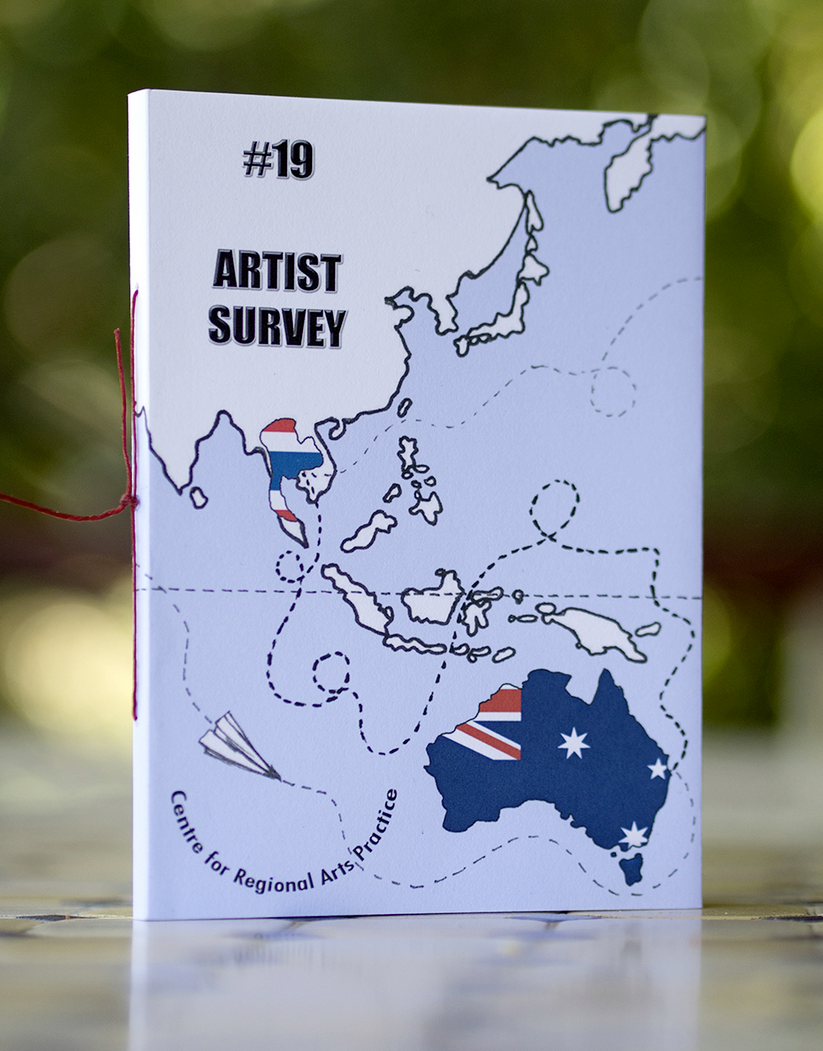
Artists Survey #19
https://wotwedid.com/2018/08/09/a-book-a-collaboration-time-19-artist-survey-book/
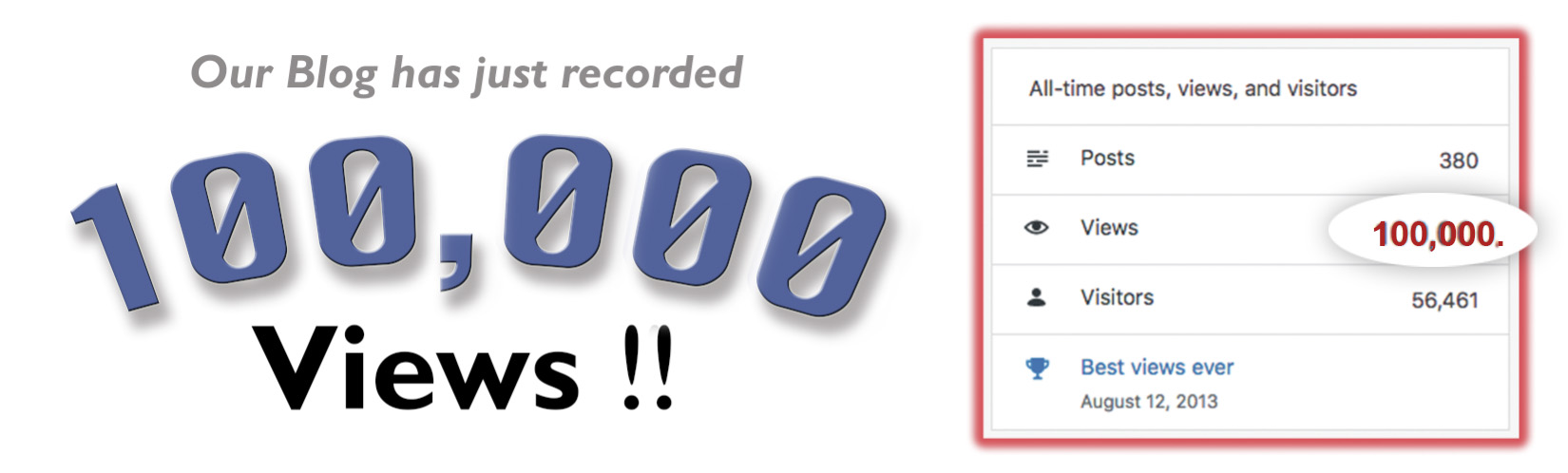
WOTWEDID BLOG CELEBRATES 100,000 VIEWS
100K Header
Our www.wotwedid.com blog reached the milestone of 1000,000 views last week. It has had 56,000 visitors who have had the opportunity to view 380 posts and read around 250K words and see the hundreds of photographs that we have made to compliment the stories.
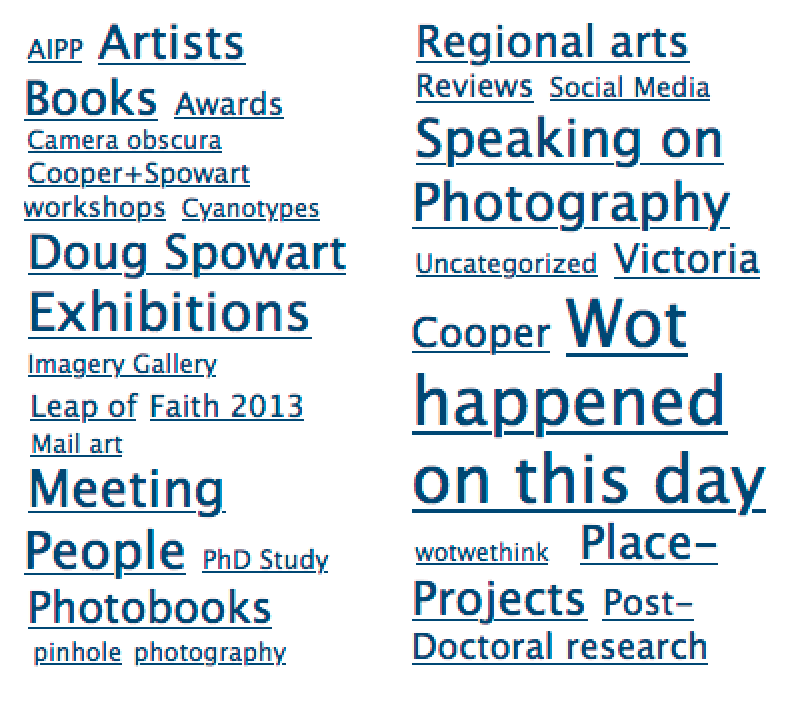
Our wotwedid Blog was started nine years ago as an opportunity to connect with our friends and creative communities via social media. The topic cloud for the wotwedid Blog includes ARTISTS’ BOOKS, PHOTBOOKS, CAMERA OBSCURA, EXHIBITIONS, MEETING PEOPLE, THE ART AND PRACTICE OF PHOTOGRAPHY, REGIONAL ARTS, CYANOTYPES, PLACE PROJECTS and POST-DOCTORAL RESEARCH.
Topic cloud wotwedid
Usually the content that we post is generated by us and includes the written commentaries, the photographs and illustrations – it can be quite a lengthy time consuming task to get a blog up.
While many posts relate to what we do, have done or will be doing, the Blog represents a chronology of activity in our art practice, our lives and issues that we are concerned about. Due to the contemporary space that the arts and artists occupy today much activity and many events go unnoticed and unrecorded. So a significant driver is to provide a space for commentary on what is happening outside of the popularist ‘art bubble’.
Early this year we were excited to learn that the State Library of Queensland had nominated wotwedid.com for inclusion in the Pandora Archive managed by the National Library of Australia, ‘to ensure the collection and long-term preservation of online publications relating to Australia and Australians. This objective contributes to the Library’s statutory function to comprehensively collect Australia’s documentary heritage.’
Over the years we have found that many views, screen dumps and downloads of resources we make available take place anonymously without comment or feedback. Then again, we understand that this is the same for most online resources. Despite this we find that as we travel and meet friends, fellow artists, academics and curators many say how much they appreciate and enjoy the content that we generate and post.
So, a BIG Thank You to all have visited … And we look forward to your return to help take www.wotwedid.com to the next milestone – 200,000K views.
D+V with masks
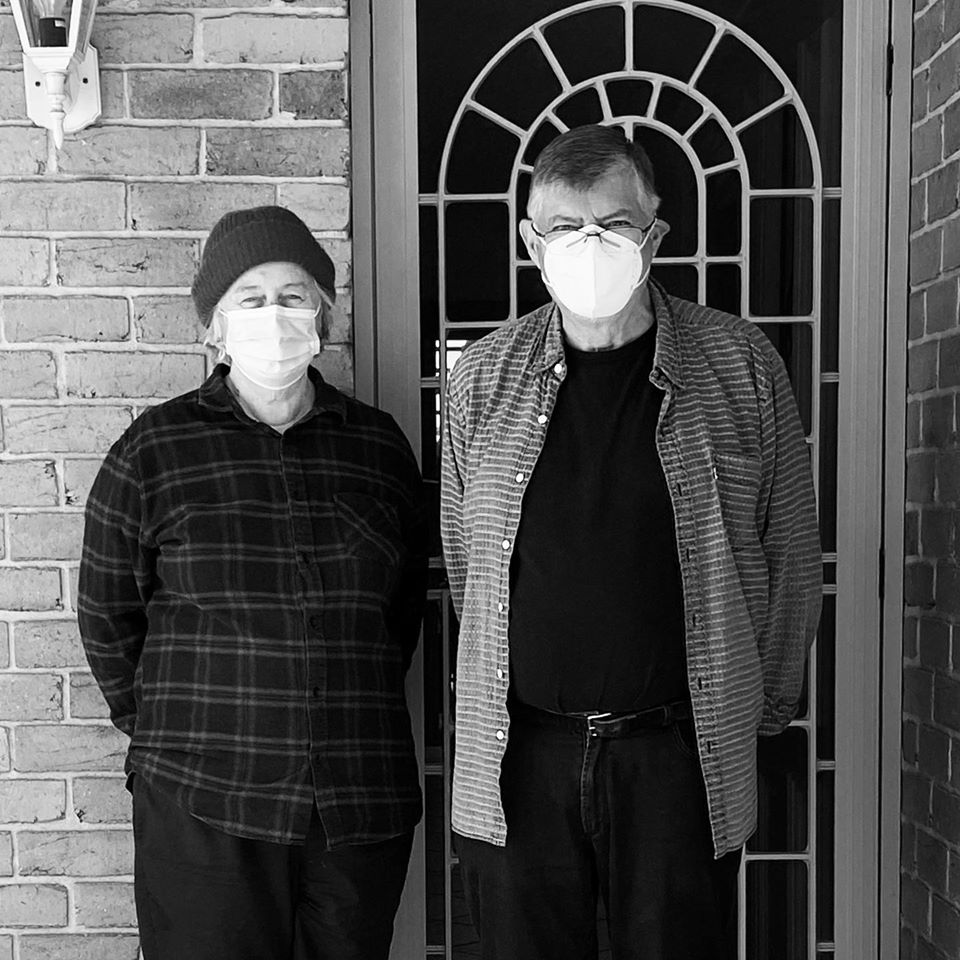
Vicky+Doug
PORTRAIT PHOTO: Susan Belperio
Here are some images of people met, events documented and our own art activities over recent years …


©2020 Doug Spowart+Victoria Cooper
..

.
Our photographs and words are licensed under a Creative Commons Attribution-NonCommercial-NoDerivs 3.0 Unported License.http://creativecommons.org/licenses/by-nc-sa/2.5/au/..
FOUND: A camera obscura in a storage shed box
An image is found in a packing box
.
.
So today we were planning a day of shedding in our storage shed. We donned our dust masks and glasses, and cut through the five years of dust on many boxes and began to move our precious things into protective packing boxes.
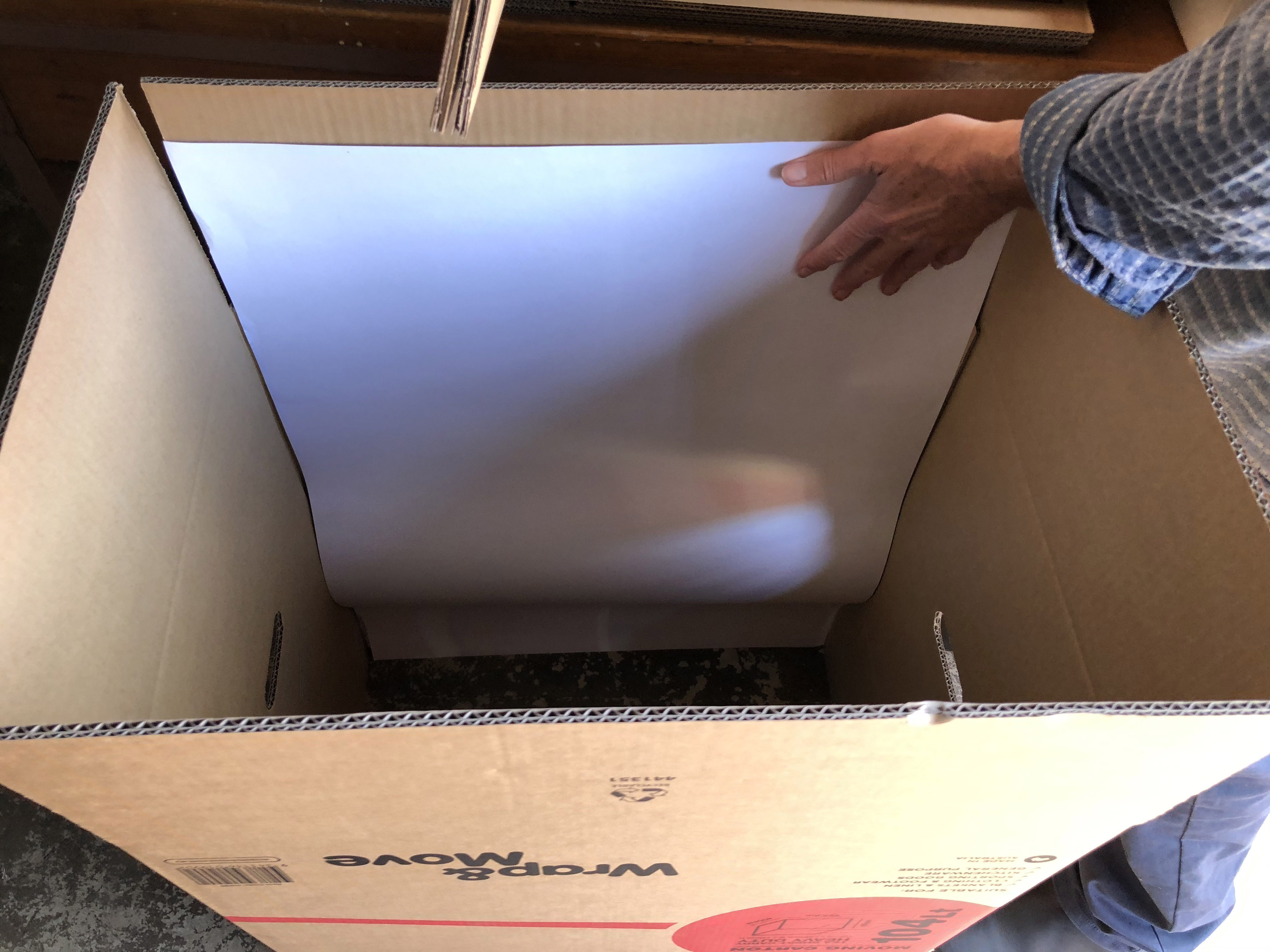
Just as we were getting into the rhythm of this challenging chore we found something amazing in one of the empty boxes…
From that moment we stopped all work…
What follows is an impromptu document of performance we made in this remarkable image discovery. Found within an ordinary box – in a dusty storage shed – somewhere in the rows of storage sheds where we and others store our forgotten treasures…
.
A video featuring the performance …
.
.
.
.
Here are some images and a video on the refinement of the image by using other boxes and a pair of gloves to mask-out the light admitting aperture to around 3cm square.
.


.
A video revealing the storage shed packing box set-up …
.
.
OTHER COOPER+SPOWART CAMERA OBSCURA POSTS:
A collection of camera obscura works
https://wotwedid.com/2013/10/26/camera-obscura-2000-2020-in-hotels-and-other-places/
A porthole camera obscura on the Spirit of Tasmania
https://wotwedid.com/2019/01/11/2018-field-studies-camera-obscura-spirit-of-tasmania-porthole/
A gallery camera obscura
https://wotwedid.com/2016/11/14/maud-gallery-camera-obscura-for-one-day-only/
Our Tarago CarCamera Obscura
https://wotwedid.com/2016/05/13/ode-to-tarago-carcamera-obscura/
.
.
.
Until the next obscura reveals itself …
.
.
.
ARTISTS BOOKS+AUSTRALIA: Comment for CODEX Journal
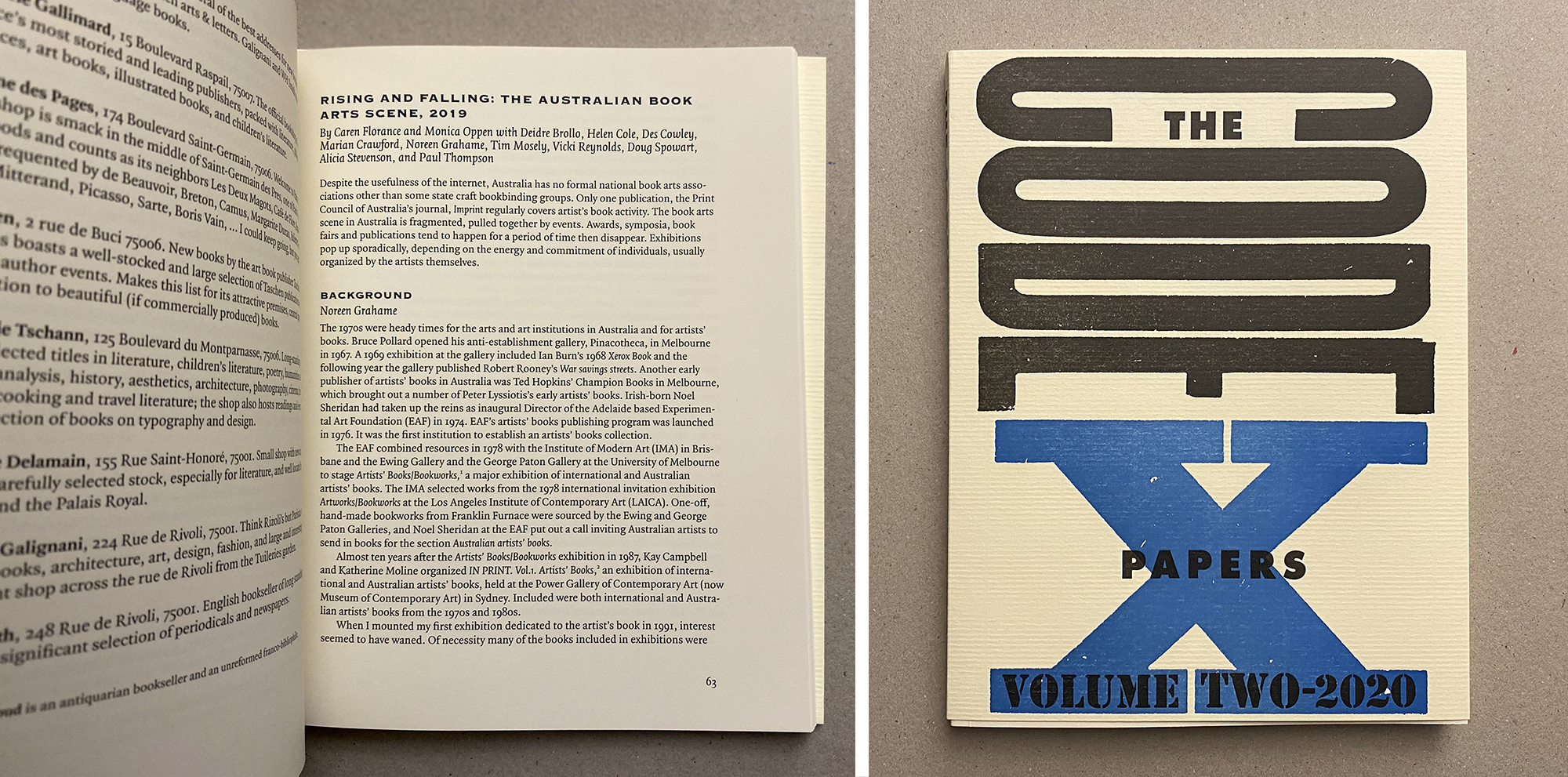
CODEX X Papers – Journal Cover+Text Page
.
Early in 2019 Vicky and I received an email from Monica Oppen and Caren Florance inviting our contribution to a report commenting on news and updates on book arts activity in the Antipodes that they were preparing for the Codex Foundation‘s new journal The Codex Papers. They mentioned that they were asking for those involved with projects, conferences, workshops, collections and awards to send through their comments and plans so the local scene could be collated into the report.
Monica and Caren added that, Your commitment to the photo books and also to documenting events for the past years (or is it decades now?!) has lead us to decide that we must ask you what you see as the trends and key events of the past couple of years. Any feedback (your personal view) on the state of the book arts in Australia at the moment would also be of interest.
We were particularly excited to have been invited to contribute and over the days following the request we collaborated on a document that outlined our view of the scene. Photo documents that we had made were reviewed and prepared and forwarded, along with our text to Monica and Caren. The task of collating and blending the individual responses into a single report was completed and forwarded to the Codex Foundation.
Early this year the report was published and we received a contributor’s copy. We were impressed with the journal and the many interesting commentaries on the book arts from around the world. It was interesting to see the complete report and to read the individual contributor’s comments.
Published below is our text and some of the photographs we contributed in response to Monica and Caren’s invitation.
.
Notes on the Antipodean book arts in the Antipodes for Caren + Monica
.
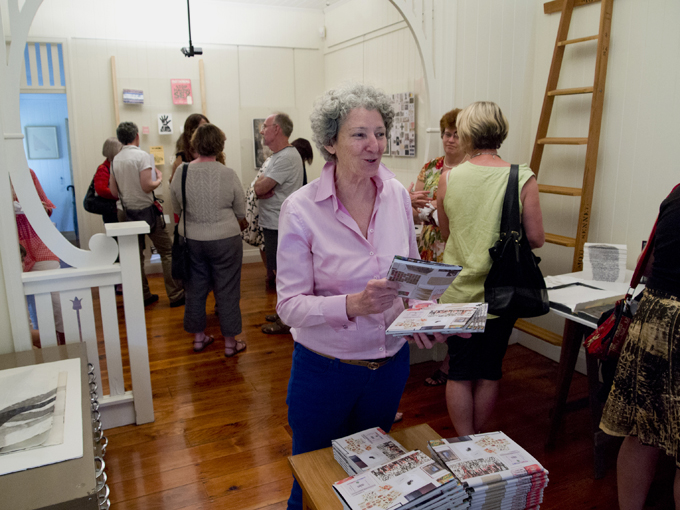
Noreen Grahame in the exhibition Lessons in History Vol. II – Democracy 2012
In the 1990’s and early 2000’s, the world of the artists’ book in Australia was an exciting place. In Brisbane Noreen Grahame, through her Grahame Gallery, Numero Uno Publications, Editions and the Centre of the Artists’ Book championed the Australian artists’ book discipline. Grahame efforts were directed towards artists’ book exhibitions which started in 1991, art book fairs the first of which was held in 1994 and special invitation themed artists’ book exhibitions featuring clique of prominent national book makers.


Artspace Mackay under the directorship of Robert Heather hosted the first of 5 Focus on Artists’ Book (FOAB) Conferences in 2004. Over the years FOAB brought to Australia some of the world’s noteworthy practitioners and commentators on the discipline including Marshall Weber, Keith A Smith and Scott McCarney and juxtaposed them with local key practitioners. For the next 6 years those interested in artists’ books gathered to participate in lectures, workshops, fairs and a solid community of practice developed. In 2006 Artspace Mackay added the Libris Awards: The Australian Artists’ Book Prize that, with a few breaks, continues to be the premier curated artists’ book exhibition and award in Australia.
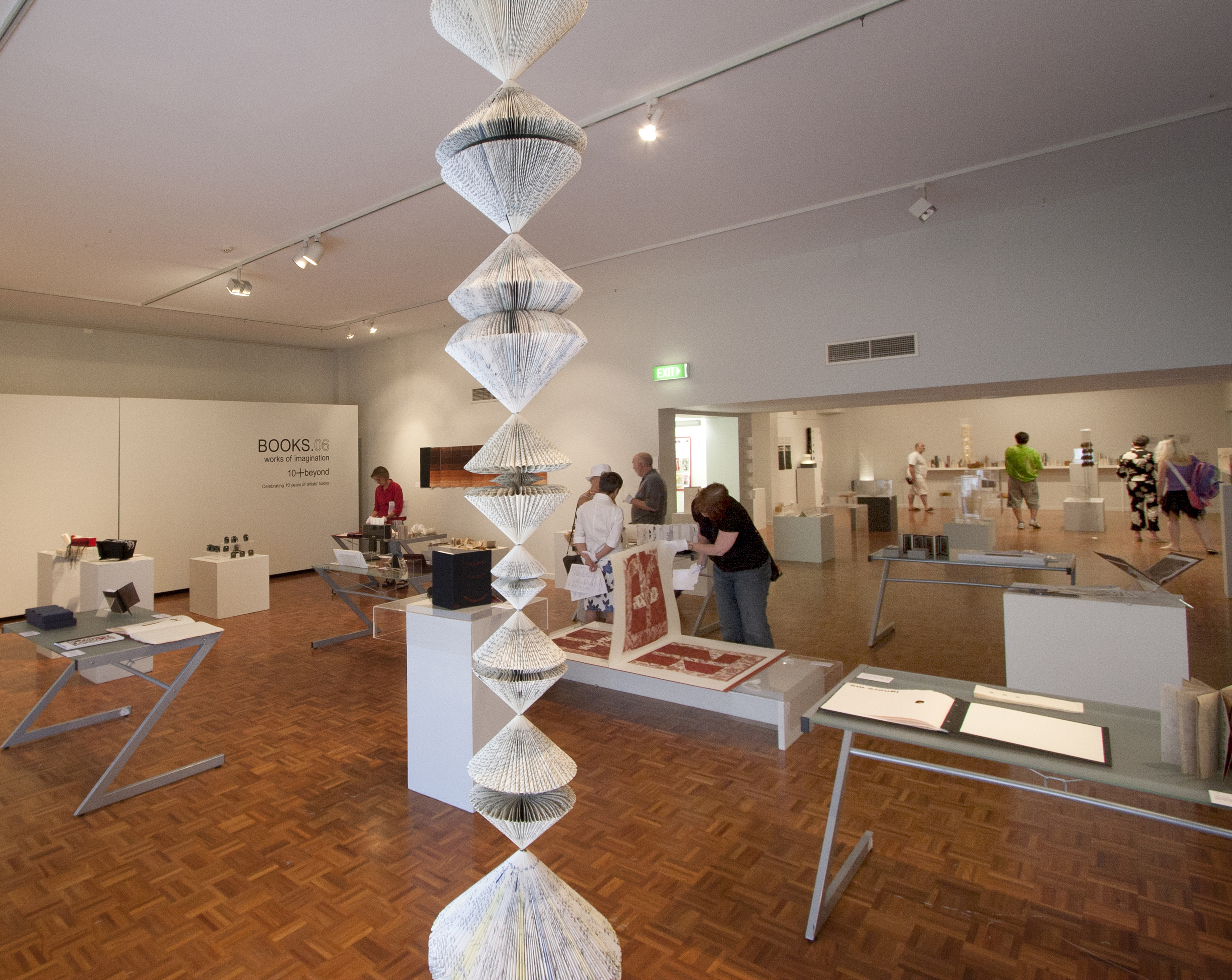
Noosa 08 Artists’ Book exhibition – Noosa Regional Gallery
Queensland also had 10 years of artists’ book exhibitions and 5 years of conferences from 1999-2008 at Noosa Regional Art Gallery. In many ways Queensland was the place to be if you were into artists’ books.
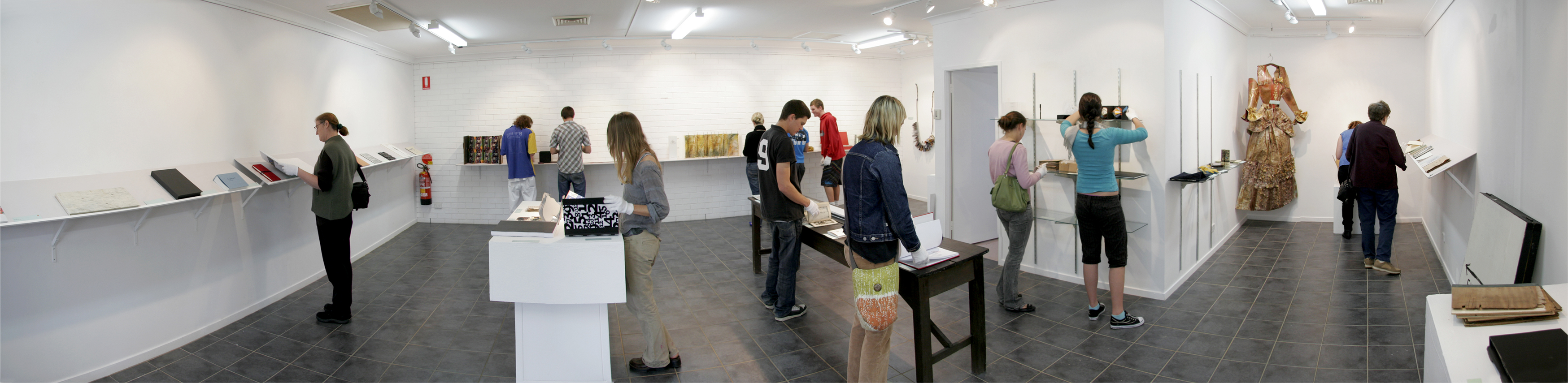
Southern Cross Artists’ Book Award 2007
In this period a few other artists’ book awards took place including the Southern Cross University’s Acquisitive Artists’ Book Award from 2005-2011.
Throughout the 1990s and until fairly recent times State Libraries and the National Library of Australia actively collected and built significant artists’ book collections. These included many forms of the artists’ book including: private press publications, significant book works by recognised international and Australian practitioners, books as object/sculpture, zines and the emergent photobook.


Now around the country major libraries are feeling the push by managers to move access to the library’s resources online thus the importance of the physical object and the tactile connection with items such as artists’ books is now not considered part of the service that the institution needs to provide. For example, the State Library of Queensland’s Australian Library of Art, which houses one of the largest artists’ book collections in the country, is now without a dedicated librarian. Research fellowships and seminars that were once administered by the Library and supported the Siganto Foundation are no longer available. Information and advice about the collection and other exhibitions or group viewings of artists’ books from their extensive collection have been significantly affected.


In recent years two Artists Book Brisbane Events coordinated by Dr Tim Mosely at Griffith University has facilitated a significant connection between the American and European scenes with guest speakers like Brad Freeman (Columbia University – Journal of Artists Books), Sarah Bodman (Centre for Fine Print Research – The University of the West of England), Ulrike Stoltz and Uta Schneider (USUS). The conferences also have included a place for discussion and review of the discipline by academics and emergent artist practitioners from Masters and Doctoral programs. These two ABBE conferences have provided a platform for academic discourse.
The artists’ book medium has been principally the realm of the printmaker as their artform easily enabled the production of printed multiples. Digital technologies, new double-sided inkjet papers as well as print-on-demand technologies have enabled the emergence of a range of new self-publishers – particularly photographers.
In 2011 I completed my PhD the title of which was Self-publishing in the digital age: the hybrid photobook. From my experiences in the artists’ book field as a practitioner and commentator and my lifelong activities in photography I saw a future for the photobook which could be informed by the freedoms and the possibilities for the presentation of narratives. While some aspects of this prophecy have been the case with some photographers, particularly those involved in academic study, the main thrust for the contemporary photobook has been towards the collaboration with graphic designers. These books take on various design and structure enhancements including special bindings, foldouts, mixed papers, page sizes, inclusions and loose components that can, at times, dilute the potential power of the simple photographic narrative sequence. The contemporary photobook has developed into its own discipline and through the universal communication possibilities of social media, conferences and awards a new tribe has emerged quite separate from and unaffected by the artists’ book community.
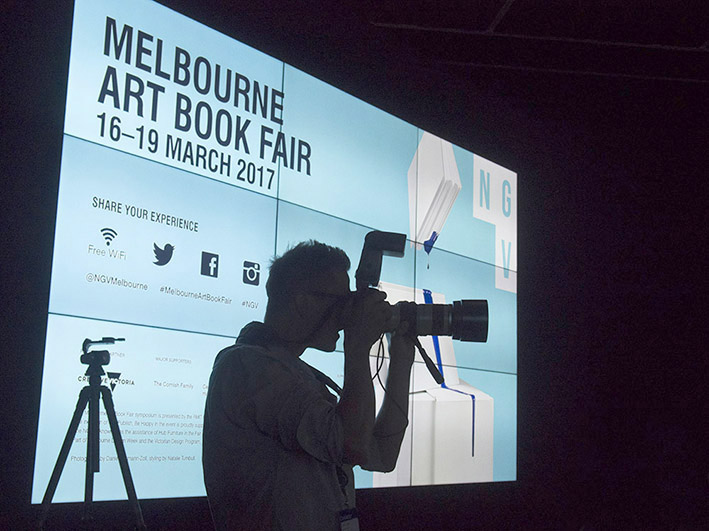
NGV Melbourne Art Book Fair 2017
Over the last 5 years the National Gallery of Victoria has presented the Melbourne Art Book Fair. In keeping with the art book fair worldwide movement participants man tables selling their publications. These can range from Institutional/gallery catalogues, trade art publications and monographs, artists’ books, photobooks and zines. The umbrella-like term and the spectacle of the ‘Art Book Fair’ as an event to witness and participate in has captured the individual disciplines and united the various tribes into one, not so homogeneous – community.


A quick review of the 2019 Melbourne Art Book Fair’s 86 table-holders there were only a handful of artists’ book-makers, perhaps a similar number of photobook publishers and a large contingent of zinesters and self-published magazines. The bulk of the tables were held by book distributors, bookshops, arts organisations, educational institutions and art galleries. The discipline of artists’ books was not significantly represented in this space. Was that due to the National Gallery of Victoria’s selection of table-holders or was it to do with artists’ book practitioners not considering the event as a relevant opportunity to show and sell their works?
Ultimately the question is – what is the status of the artists’ book in Australia at this time? My impression is that one of artists’ books key strengths was its closeness to the printmaking discipline and the cohesive bond of makers, critics and commentators, educators, journals, collectors and patrons. As many of these are connected to the tertiary academic environment and collecting libraries, both of which are fighting for their relevance in a changing education and library world, could it be considered that this is a defining moment in the history and the future of the artists’ book in this country?
Doug Spowart co-written with Victoria Cooper
.
.
.
.
All photographs ©Doug Spowart

 wotwedid