Over the last ten years I have had many conversations with Juno about her work and its need to be published to tell the story of The Movement as well as recognise the extensive documentary archive that she had created. Such a publication would celebrate her life’s work as a photo-activist.
Last year, Juno was finally able to publishus her extensive document of The Movement. About the time of it being launched she forwarded a copy of the book to me. What follows is an essay by me commenting on Juno which may help us to understand her motivation and what sustains her in her undertaking of this level of witnessing for fifty years.
.
Juno Gemes in the exhibition Up Close at Fireworks Gallery 2015
.
.
The totemic power inherent in the photographic image comes from the subtitle power of recognition and connectivity between people. These are the dynamics I work from.
After fifty years of prodigious and dedicated activity in photographically documenting Indigenous life and challenges in Australia Juno Gemes has finally published a book to house an edited selection of photographs from her exceptional archive. The book, entitled Until Justice Comes: Fifty Years of The Movement for Indigenous Rights is a weighty publication, not unlike the topic of its contents. In turning the pages of the book it would seem that Juno and her camera were there to record every aspect of Indigenous life. Photographs, mainly in black&white range from people – both the significant and famous to ordinary people living on traditional ancestral lands to major and minor protest events and moments where recognition and respect has been achieved.
In 1995 edition of the Photofile Juno Gemes posed the question: “What can a woman do with a camera?”[ii] Today, with the publication of this latest book we can now reflect upon her question and come to a conclusive answer.
How does one describe Juno Gemes? For me she is some kind of a rhizomic individual, a chameleon, and a shape-shifter. She is everywhere for everyone and watch out if you are on the wrong side – particularly if it is to do with injustice. There is more to Juno Gemes. The manifesto that drives her is deeply and often quite vocally expressed is rooted in social justice. Central to her personal crusade are concepts relating to humanity, culture/s and communication.
In 2003 she posed the following observations and questions in relation to what motivates her work: “If cultural difference is the true wealth of humanity … why is it that people from one culture find it so difficult to recognise the cultures of others? If our sense of culture–our value system–is fragmented and broken, how can we heal it? How does mythic thought function for different peoples?”[iii] Her strategy in responding to these questions are: “… to be curious and ask the difficult questions is the crucible of art.”[iv]
Over fifty years her photographs have become powerful statements, they are authentic, they respectfully bear witness and give voice to issues of Aboriginal identity and presence on the land. Gemes’ photographs were distributed in all kinds of media, not only those of the Movement itself but also in political and academic papers and mainstream newspapers like the Sydney Morning Herald.
The art of the camera and the photograph became her way of dealing with the difficult questions of the times – Australia and its treatment and recognition of its first peoples. But Gemes’ approach to photography may not have been the traditionally accepted ‘impartial’ documentary style but rather more inclusive, active and interactive motivated by her, and her subject’s desire for authenticity in the story that is told through her photographs. Rather than calling herself a documentary photographer, Gemes considers her work photo-activism. This stance is based on advice given to her by many of her mentors and teachers including UK photographers Jo Spence and David Hurn. In 1979 at a workshop in Venice photographer Lisette Model counselled Juno advising that: “You do not photograph with your camera but with your eyes, your head and your heart…”
In 1978 when photographing on Mornington Island Juno was to ask: “What images should I make? What do you want your fellow Australian to see?” The answer from the Aboriginal community was: “Show them that we are still here, we been here all along. Show them that our culture is still strong. Show them that, my girl.”[v] Juno made photographs then, and ever since, as an advocate of this simple request.
Due to the photo-activism approach to photography she was not always successful in getting what she wanted published. In 1982 she documented the land rights marches associated with the Commonwealth Games Action Protests in Brisbane. When she offered her images to the Sydney Morning Herald the pictorial editor said: “Juno, I can’t publish this, it’s clear what side you’re on. What about your objectivity?”[vi] She replied: “Objectivity is fiction. It’s a refusal to take a conscious position. There can be no fence–sitting on this issue. Pictures you are publishing also have a clear position. A negative position not informed by what this action is really about.”[vii]
Juno Gemes signs her book PROOF, Sydney 2017
Over time Juno Gemes’ photographs have become a comprehensive record of the times, and with camera in hand, she continues to amass and archive of critical and sublime moments of Aboriginal culture, life and those who and connect with it. What cannot be left out in this story is the significant support that Juno Gemes has given to an entourage of Aboriginal photographers in all fields of practice from personal documentation to the highest levels of art photography.
In reflection on Juno’s approach to her work, one looks for defining moments in her life that underpin and inspire her dedication, empathy, respect and creativity. She references being born in Hungary and coming, as a child, to Australia. As a child she talks of questioning the history of this country that was taught in her classroom. She also speaks about how her life was disrupted by dispossession from her homeland. In a Photofile journal in 1995 she recounted one of her earliest childhood memories that shaped her life: “… carried out of my homeland, Hungary, on my father’s shoulders; he was walking in knee-deep snow, gunfire rang out in the distance.”[viii]
As a closing summation Juno’s own words may add to our understanding of the person. These come from the catalogue of the National Portrait Gallery’s 2003 exhibition Proof: Portraits from the Movement 1978-2003, Juno Gemes says:
I have eyes that see in a particular way. My eyes are informed by everything I have experienced, by all that I am. I saw powerful beauty, strength, resilience, ingenuity, and hope at a time where others mostly saw only despair, their own discomfort and shame. I saw what had been hidden, kept invisible. I tried to communicate from within one culture to another. It was sometimes a lonely place to be. I had many great teachers who taught me so much along the way. I understood how important it is never to forget what has been. For we are also — what we have lost.[ix]
I say again: “What can a woman do with a camera!” we now know the answer.
Congratulations Juno Gemes on your work in Until Justice Comes: Fifty Years of The Movement for Indigenous Rights book and thank you for your solid contribution to making the often invisible visible and sharing these stories through the photographs you have made …
.
Dr Doug Spowart
.
.
.
[i] Gemes Juno, “Until Justice Comes: Fifty Years of The Movement for Indigenous Rights” v Upwell Publishing. Perth 2024
[iii] “The Political and the Personal Process in Portraiture: Juno Gemes in Conversation,” Australian Aboriginal Studies (The Journal of the Australian Institute of Aboriginal & Torres Straight Islander Studies) (2003).
Late in 2025 Home Of The Arts (HOTA) on the Gold Coast featured a selection of Ruby Spowart’s photomontage works in the exhibition HOTA Collects: Metamorphosis. The show was a major undertaking bringing together over 30 works from the HOTA collection that represented artists’ use of collage and photomontage to reconfigure images examining themes such as feminism, environmentalism, and the connection between self and place.
Ruby Spowart works Metamorphosis PHOTOs: Charlie Hillhouse
Artists selected for Metamorphosis included: Brett Whiteley, Rebecca Ross, Rosalie Gascoigne, James Gleeson, Robert Klippel, Julie Rrap, Sally Smart, Jemima Wyman, Lorraine Connelly-Northey, Judith Wright as well as Ruby.
RUBY’S WORKS IN THE EXHIBITION
Ruby Spowart South Stradbroke Triptych 1992
Ruby Spowart – EXPO Geometric 1, 2 & 3 1988
RUBY SPOWART FEATURED IN A HOTA DOCUMENTARY
To accompany the Metamorphosis exhibition HOTA commissioned a documentary film which covered her background, her work and legacy. Four artists were invited to reflect on how Ruby had shaped their lives and artistic journeys.
HOTA’s statement for the documentary states:
Born in 1928 in the regional Victorian town of Numurkah, Ruby Spowart was a pioneering artist who forged an expansive arts career and enduring legacy. Her visionary spirit was always evident, sustaining a prolific photographic practice whilst giving back to the community through her role as co-founder of Imagery Gallery (Brisbane).
Edit Suite filming of interviews IMAGES: Courtesy of The Edit Suite
THE INTERVIEWEES: Top Left – Doug and Kimberly Stokes, Top Right – Rebecca Ross, b-l Jo-Ann Driessens and b-r – Paul Andrew and Doug Spowart
Each artist provided their insights: Paul Andrew connected with Ruby and her work in the 1980s by attending Imagery Gallery exhibitions. After time working as a curator at the Australian Centre for Photography, he is now well known for his Australian ARI Living Archives Blog and research on the Gay movement. Jo-Anne Driessens attended Imagery Gallery photo workshops in the 1980s and is a respected first nations photographer, curator and consultant. Rebecca Ross is a Gold Coast artist, curator and academic who although never met Ruby personally has been inspired by Ruby’s work.
Commenting on Ruby’s practice and legacy online documentary interviewee Paul Andrew was to make the following comment about working on this video project:
it was … a great joy and pleasure to be involved in. Speaking reflectively about the photomedia informed creative practice, experimental practice and social practice of Ruby Spowart [1928-2024] was an essential experience for me, as Ruby was one of many invaluable mentors for myself and many others as we set out as young artists in Eighties Brisbane to start a series of artist run spaces in Brisbane Meanjin. The short HOTA documentary includes artist colleagues from the Gold Coast region and forms part of the bedazzling exhibition. As a stalwart of Southeast Queensland artist-run communities of practice in the 1980s and 1990s Ruby’s practice is kaleidoscopic in nature and her legacy continues today, a cultural polymath.
Ruby’s ROIDSCAPES exhibition @ Centre Gallery opening
Ruby had quite a connection with the Gold Coast City Art Gallery (now known as HOTA). Back in 1986 her exhibition ROIDSCAPES (Polaroid SX-70 collages) premiered along with a Jim Brodie exhibition when The Centre Gallery was opened. Her work was included in the exhibition A Complementary Caste: A Homage to Women Artists in Queensland Past and Present held at The Centre Gallery on the Gold Coast in 1988.
Ruby with South Stradbroke Triptych at the Gallery in 1992
In 1989 she was a joint winner, National Women’s Art Award Gold Coast Art Prize. Following on in 1992 as a participant in an artist’s in residence on South Stradbroke Island with other art luminaries which resulted in her seminal work South Stradbroke Triptych 1992 and exhibited at the gallery in 1992. In 2005 Ruby moved to the Gold Coast and continued with the Gold Coast City Art Gallery connection as a volunteer for many years.
HOTA Gallery Director Tracy Lavery-Cooper’s mention in VAULT Magazine
In 2019 the HOTA Gallery Director Tracy Lavery-Cooper contributed to an article in VAULT Magazineasked a series of prominent female curators, artists and creatives to nominate a female artist or artists for whom recognition is overdue. Lavery-Cooper nominated Ruby remarking that:
Ruby’s work has a freshness that aligns more with a younger generation of photographers. Her constructed images explore collage and Polaroid techniques and have a clear tendency towards international photography practice in the 1970s. Now in her early 90s Ruby lives locally and is still active in national photography awards and exhibitions.
In 2021 negotiations began with HOTA to receive a selection of Ruby’s work. It concluded the following year with a large and comprehensive collection of Ruby’s works being acquired by part purchase and part donation. The range of work, all vintage in origin and mostly as unique states, provided an opportunity for HOTA to have a unique and important body of Ruby’s work. She was quite excited with this outcome. Additionally the QAGOMA acquired a small number of works to add to their small collection of Ruby’s works, and later on the State Library of Queensland took her professional archive and a suite of photographs into their artist’s archive. The SLQ had in 1995 accepted the 15-year Imagery Gallery archive.
Ruby + Doug in Imagery Gallery c1988
Ruby and Doug co-founded Imagery as a photo-based artist-run space in South Brisbane in 1980. Imagery Gallery operated between 1980 to 1995 and showed 205 exhibitions featuring work by Ruby, Doug and many local, interstate and international artists.
THE DOCUMENTARY TEAM
The documentary was coordinated by HOTA Curator Kimberly Stokes and produced by The Edit Suite team on the Gold Coast. Four interviews for the documentary were completed over two days in Brisbane and at the Gallery on the Gold Coast. Doug Spowart provided visual material from personal archives and advice on matters relating to Ruby’s work and life.
Ruby passed away late in 2024 – there is no doubt she would have been excited by this exhibition and documentary project. If she were here, she would have expressed her thanks to all who made this possible including the 4 interviewees, HOTA Curators Kimberly Stokes and Sam Creyton, HOTA Registration Manager Liam Bryan-Brown, artist colleagues Rebecca Ross, Jo-Ann Driessens, Paul Andrew, former HOTA Directors Tracy Lavery-Cooper, Susi Muddiman and The Edit Suite team.
Doug Spowart and Victoria Cooper also wish to express their thanks to all involved with the project.
Copyright: Portraits of Ruby by Doug Spowart except for the 2021 photo by Ted Spowart. Gallery installation photos are by Charlie Hillhouse. Film stills and video ‘HOTA Collects: Ruby Spowart’ (2025), produced by The Edit Suite. Courtesy of The Edit Suite. @theeditsuite
.
In the preparation of this text Doug Spowart sourced some text elements from the HOTA website and press material, Doug also wishes to acknowledge that some editorial refinement and structural feedback was provided through dialogue with ChatGPT.
“… this project keeps growing with wisdom, connection and
heart with every place (and places) that are present
and all who share in it.”
Sound artist Bree Marchbank.
.
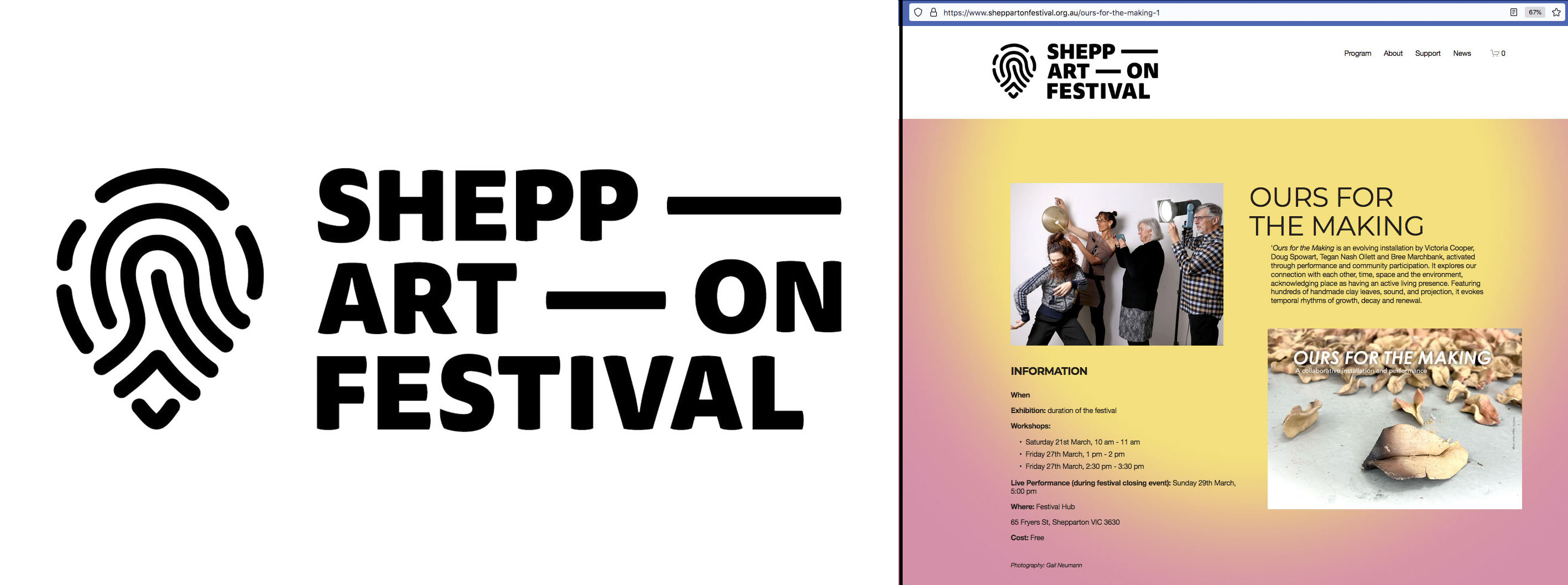
In March 2026 the Ours for the Making project was presented at two venues: the first, for Beechworth Biennale on the 7–9 of March and the second, at the Shepparton Arts Festival Hub 20–29 March. The following text is edited from project documents written by Tegan Nash Ollett with contributions from team members Bree Marchbank, Victoria Cooper and Doug Spowart.
.
Ours for the Making is an evolving installation activated through performance and community participation in clay leaf-making sessions. The project was presented as an audio/visual installation. In the final day of each showing was concluded with an improvised live performance. It explores our connection with each other, time, space and the environment. It also acknowledges place as having an active living presence. Featuring hundreds of handmade clay leaves, sound, and visual projections the work is intended to evoke temporal rhythms of growth, decay and renewal that mirror the life histories embedded in natural materials.
The Ours for the Making is a newly formed collective with each of the artists having a long-standing commitment to exploring place as an active, living presence. All four artists live and work in Benalla. Tegan Nash Ollett’s work in performance and community engagement foregrounds artistic practice as a connective, transformative process. Bree Marchbank’s sound works draw from environmental listening and experimental composition while Victoria Cooper and Doug Spowart’s photographic, artists book and site-responsive practices examine how landscapes accumulate memory.
Separately, the four artists have received awards and featured in festivals and galleries across Australia, however, each share a strong interest and connection to regional contexts and communities through their work.
.
.
THE CORE INSPIRATION FOR THE PROJECT
Over many years Tegan has work with communities in a process that engages participants in conversation while they worked by hand with potter’s clay to form leaf shapes. She found that people gathering together in this way shared their lived experiences, community’s histories and other personal reflections. Through these sessions the conversations were metaphorically embedded into the leaf objects they made. For her “making is a conduit for connection” and she believes “that through this process, knowledge is not transmitted hierarchically but shared laterally – through material, gesture, and collective experience”.
Following the leaf-making sessions Tegan fires the clay with wood in a fire-pit. Variations in the colour of the clay and occasional ‘blush’ marks and the maker’s fingerprints on the ceramic leaves evidence the story of their making.
Later the ceramic leaves are incorporated into the existing body of leaves created by the Artist (Tegan), allowing the installation’s evolution, with design considerations to reference a response to site. They are the muse for the artists in the development of the full audio-visual installation. The leaves are the centrepiece of the artwork.
.
A communal clay leaf-making sessions taking place at The Old Priory
.
.
.
VIDEO PROJECTION IMAGES+SOUND
Through initial team discussions, five themes/concepts arose as evocative and powerful connections for the leaves with the project. Each of the five themes evoked different expressions of being with/and in Nature. Cooper+Spowart drew from their lived experience traversing landscapes and walking. From this they created visual narratives – montages, for projection, as pathways through each of the five themes.
These five videos were then passed on to Bree who crafted her sound-works to respond to the visual montages. As Bree states she “approaches sound creation as ritual and collaboration, using improvisation to explore the life cycle of a leaf and our connection to place”.
Viewing of these video works in the installation is enhanced by the fragmentation of the image as it passes over the different suspended ‘veils’ they are, in themselves, individual performative elements, Acts, adding depth and filling the space with imagery.
Together the experience of each animated projection montage with the sound work is deeply layered and form individual elements – Acts, within the installation.
SEE: Bree, Victoria and Doug’s Artist Statements at the end of the Post for deeper insights on process and meaning
THE FIVE VIDEOS
Act of Fire
Act of Paralysis: Burnt Banksia
Act of Transformation: Decay and renewal
Act of Fragility: Sunrise
Act of Intimacy: Walking the path
THE INSTALLATION
Tegan’s draft install plan (Detail)
.
.
.
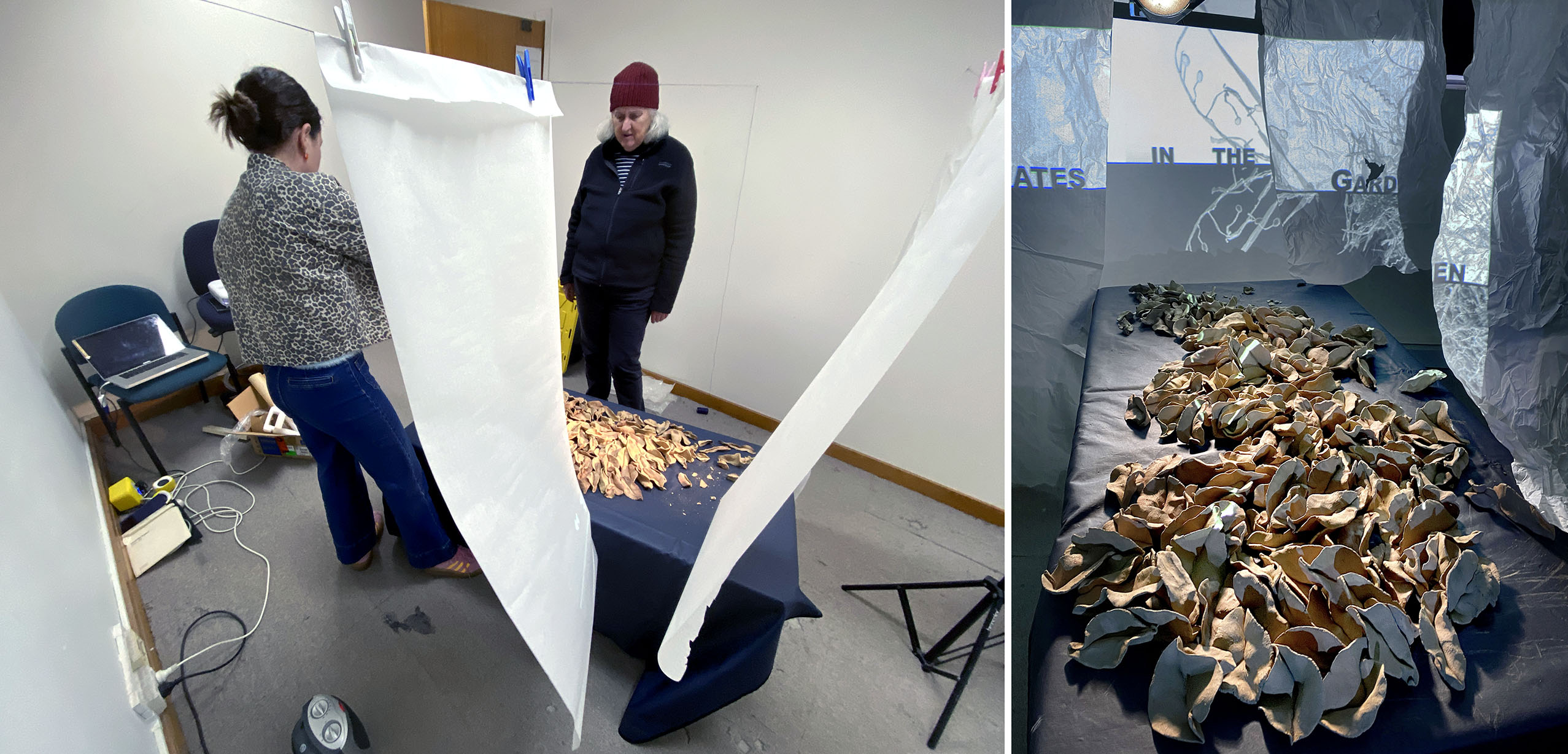
In the installation a flow of clay leaves is both architectural and organic. Suspended above are rice-paper veils that catch image projection’s light, shadow, and act like memory skins. The rice paper has been intentionally torn and crumpled to add texture and visual light play. The grouping of leaves suggests concepts of ritual and offering, acknowledging its close relationship to nature, while the veils evoke garments, shrouds, and thresholds.
The sound and image projection animate the space slowly, asking viewers to linger rather than consume. The overall installation invites contemplation of time, care, and the residue of human gesture where gathering becomes an act of devotion and what remains has both material and memory.
.
THE PERFORMANCE
..
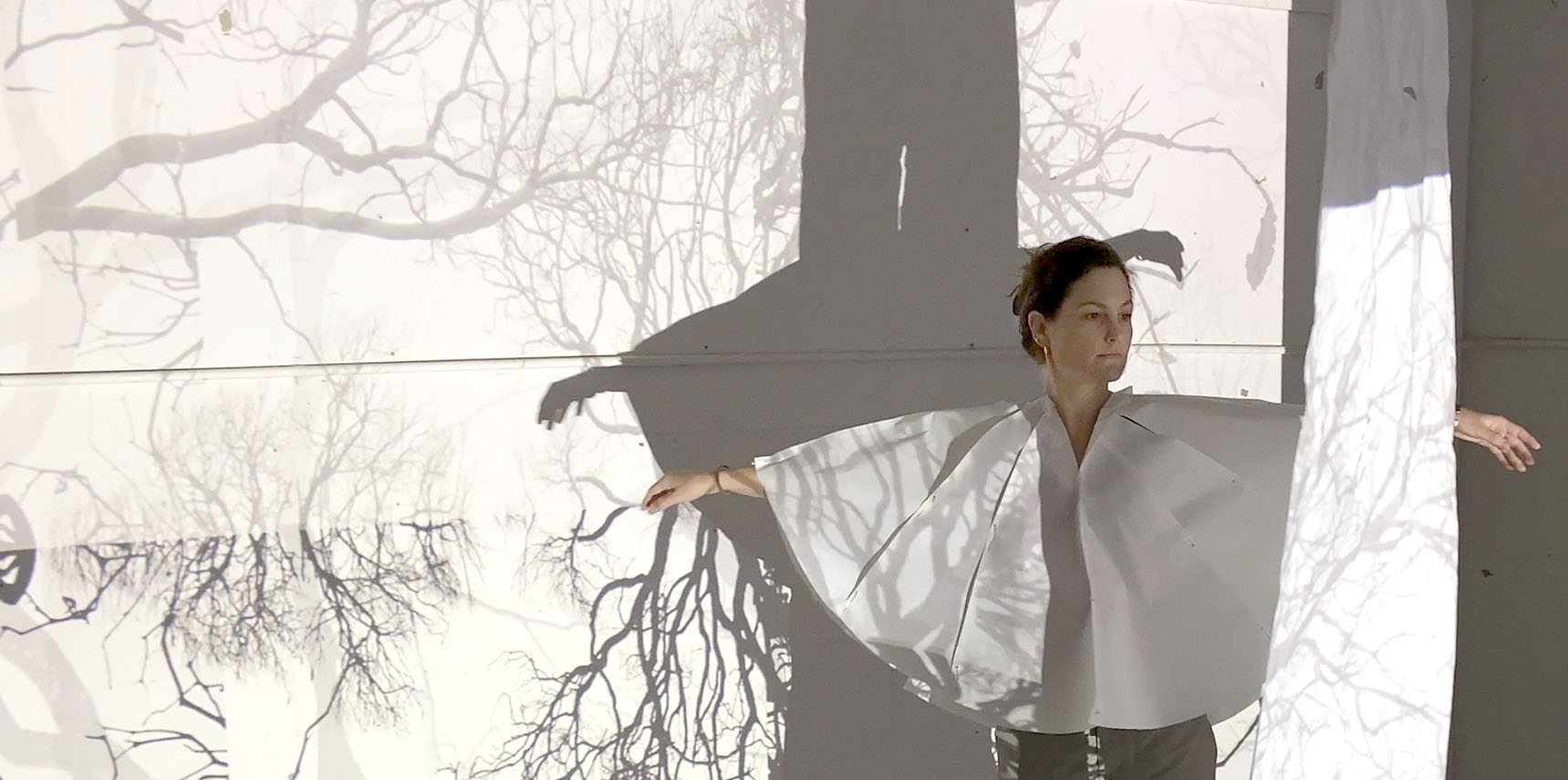
The one-off live performance is a unique opportunity for attendees to experience the Ours for the Making installation, highlighting the work’s themes through movement, sound and performance. The performance is improvised and features movement by Tegan. Bree activates her instrument’s and sings, at times harmonising with Tegan. In this live performance both respond, through movement and sound, to the sonic and visual rhythms of growth, decay and renewal.
SEE: Tegan’s Artist Statement at the end of the Post for deeper insights on process and meaning
.
This YouTube video of the Beechworth Biennale performance by Cooper+Spowart is from a stationary camera position. Its run time is 40 minutes and is best viewed on a larger screen device.
.
.
VICTORIA+DOUG’S REFLECTION ON THE PROJECT
In 2025 we connected with Tegan and her practice in performance and dance. Each month she leads a free ranging improvisation space for community engagement at Benalla Art Gallery called Fresh Juice. At one of these sessions Tegan witnessed Victoria’s exploration of the materiality of rice paper through her crumpling and ripping the sheet then moving it through the air and identified the performative nature of the act.
In a later conversation we learned about her many years of working with community engaging them in conversation while working with clay making leaf shapes. She mentioned that what she had seen at Fresh Juice had inspired her to discuss a collaborative project with us using rice paper, her ceramic leaves and a movement performance.
.
.
Excited by the flow of concepts we set up an experimental installation with Tegan in our studio. We hung veils of rice paper from the ceiling over a large surface covered with her clay leaves. Studio lighting was arranged and an animated interpretation of an artists book by Victoria was projected over the scene. We saw potential for the work to be developed further. As Tegan had a strong connection with sound artist Bree Marchbank – she was invited to become the fourth member in this evolving collective project.
.
.
With a successful application for an audio-visual, and sculptural installation engaging community to be developed for the Beechworth Biennale we began to work on the project – that was now entitled Ours for the Making.
From the start this work was developed though the team’s sensory response and reflexive exploration and this continued through to the final installation as a visual, spatial and sonic connection with the site.
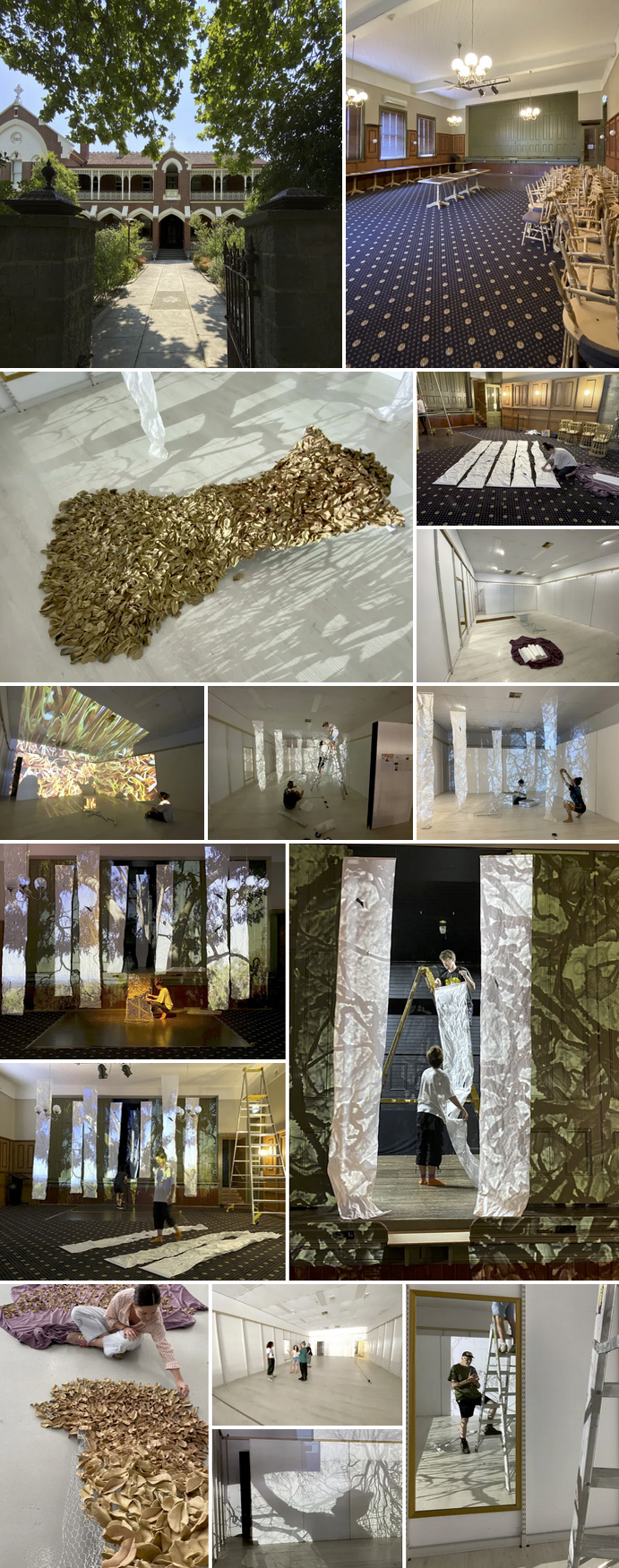
After discussions with the Beechworth Biennale we were offered the theatre in The Old Priory. Built in the 1870s the large seating area, stage, dance floor all under an 8-metre ceiling – the site at first seemed challenging. However the installation issues were resolved, and the site was opened for public viewing on March 7 for the duration of the Festival, with a one-off performance taking place on the evening of the 9th of March.
.
.
Through Tegan’s efforts we also received an offer of a presentation of the installation in The Hub at the Shepparton Art Festival. As a transformed vacant shop it was a totally different space and provided an exciting opportunity to reinterpret the installation and the concluding improvised performance.
In Conclusion
For us Ours for the Making has been both an exciting and challenging project. Working within this creative and innovative team was an enriching experience. We can see potential for this project to continue in other spaces – each time, a reimagining.
.
Vicky+Doug
April 4, 2026.
.
.
SOME DOCUMENTS OF THE SETTING UP OF THE 2 SPACES
.
BEECHWORTH BIENNALE 7-8-9 March 2026 in THE OLD PRIORY (Site 11)
.
SHEPPARTON ARTS FESTIVAL in the Festival HUB 20–29 March
.
ARTISTS’ STATEMENTS
Tegan Nash Ollett in projection
TEGAN NASH OLLETT
While developing the ceramic leaf component of the installation, engages deeply with both the conceptual framework of the work and its physical, immersive elements, including space, projection, sound and structure. Nash-Ollett’s movement practice embodies both the visceral and experiential dimensions of the work’s central themes of life cycles and transformation, offering a physical articulation of the body’s encounter with these ideas.
Through improvisation, she responds intuitively to the spatial environment, sonic landscape, projected imagery, and the installation itself, activating the work and foregrounding the body’s relationship to place and its capacity to hold memory. This exploration unfolds through an emotive and physical engagement with life and its cyclical nature. Each cell of the body becomes implicated in this inquiry, as movement transports performer and audience through layered moments of embodiment.
.
.
Bree Marchbank with gong
BREE MARCHBANK
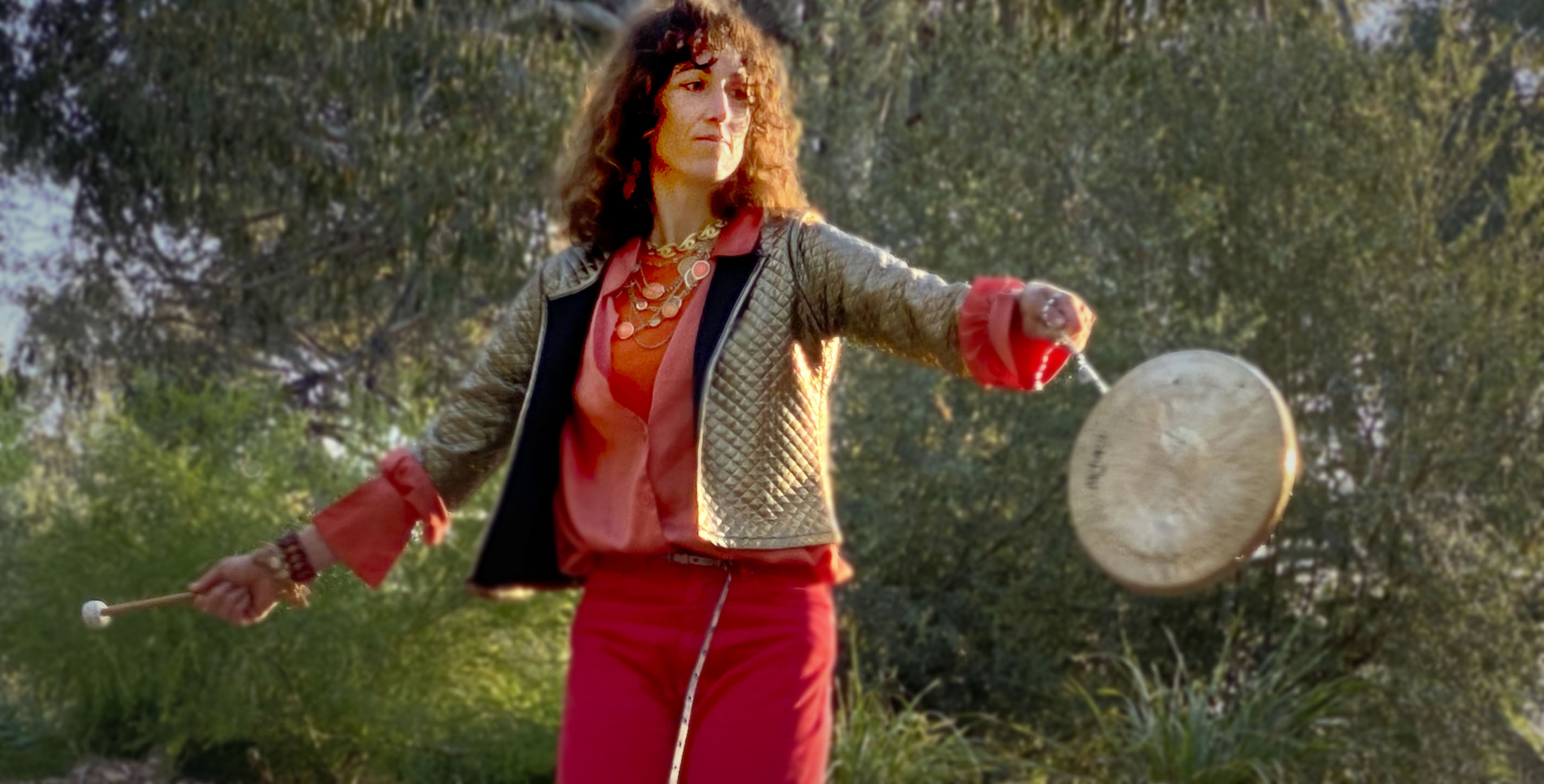
Approaches sound creation as ritual and collaboration, using improvisation to explore the life cycle of a leaf and our connection to place. The sound developed through a devotional practice which included field recordings and attentive listening in community and nature. These recordings capture the living presence of place, with and without instrumentation, creating sonic textures, and relational gestures that invite deeper connection and shared experiences for the audience. The sound reflects repeating patterns that mirror organic processes of emergence and transformation.
For me music begins with deep listening, sitting, feeling and remembering with/and on country. Sounds, song, rhythm, movement, melody and their carriers always ask me to listen with all my essence first. Being invited to collaborate on this project, I was pulled to go and sit with country and listen in deep remembering in different locations that were connected to land, waters and sky of each of the festival sites. From there, sometimes I was invited in to sing and create in song and ritual and other times it was to go home and take in what I had remembered or had to relearn/unlearn and then act accordingly. It is devotional, it is ritual, but it is also humbling and honouring to be able to create music.
I create improvisations for and with my body, my blood, all my ancestors (known and remembering), mother earth, mother universe, all spirit who share this journey with me. This was how I began the listening journey for ‘Ours for the Making’. Then I went into deep listening in collaboration with us as a team, and all the places we brought together, further places upon where deep listening had happened, and with community who shared in story, place, creating together, connecting in and with country.
.
.
Cooper+Spowart – Toowoomba Gothic Assisted Photo by John Elliott
VICTORIA COOPER + DOUG SPOWART
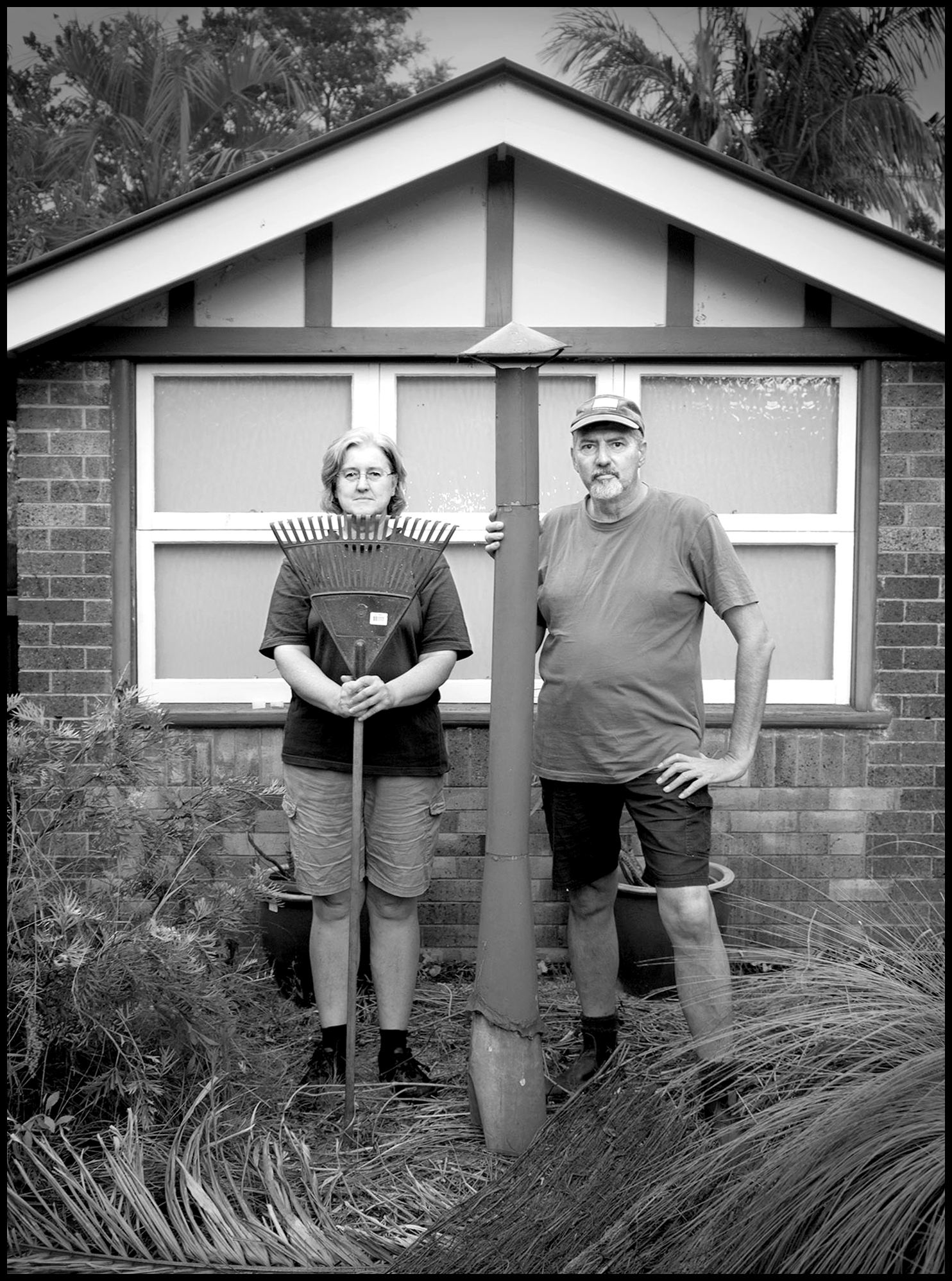
For these two artists collaboration is a dynamic space to test and challenge their individual creative practice and explore new and uncharted territory. They are informed by Charles Green’s book The Third Hand, where he proposes that collaboration creates a new entity full of potential and possibilities.
Over time they have recognised that their collaboration with Nature and the non-human has deepened and broadened their perceptions of Being-in-the-world. Their practice of Being is therefore fully engaged with Nature. Here, they loose themselves – corporeality evaporates and the physical space becomes a psychological state where poetic and aesthetic narratives emerge through deep reverie.
.
.
IN A FUTURE BLOG POST
In the future we will consider a reflection statement for the project. Currently under development there is a video documentation of the project’s performance at the Shepparton Art Festival which will be made public when complete.
.
.
.
ACKNOWLEDGEMENTS
The artists acknowledge the support of Nina Machielse Hunt the BEECHWORTH BIENNALE team, and Gareth Hart the Executive Producer of the SHEPPARTON ART FESTIVAL, Eric Nash and the Benalla Art Gallery. Also families and friends across Victoria, Melbourne and Benalla, who have contributed to the installation through leaf-making sessions, discussions and sharings in the development of the ceramic leaf feature.
.
Acknowledgement of Country
The artists also wish to acknowledge the Traditional Owners of the various Country locations on which this art project has been made and presented. The artists also acknowledge and pay their respect to the ancestors and Elders – Past, Present and Emerging from these lands and any indigenous people who may attend or read about this presentation.
.
.
The post header photograph is by Tegan Nash Ollett.
.
The team photograph is by Gail Neumann.
.
The portrait of Victoria + Doug was an assisted self portrait with John Elliott.
.
All photographs are by Doug Spowart + Victoria Cooper unless otherwise credited.
“Artists’ books break all the rules. They stretch, fold, sculpt and reimagine the book as an object — not just something to read, but something to experience”
Curator Maria Savvidis.
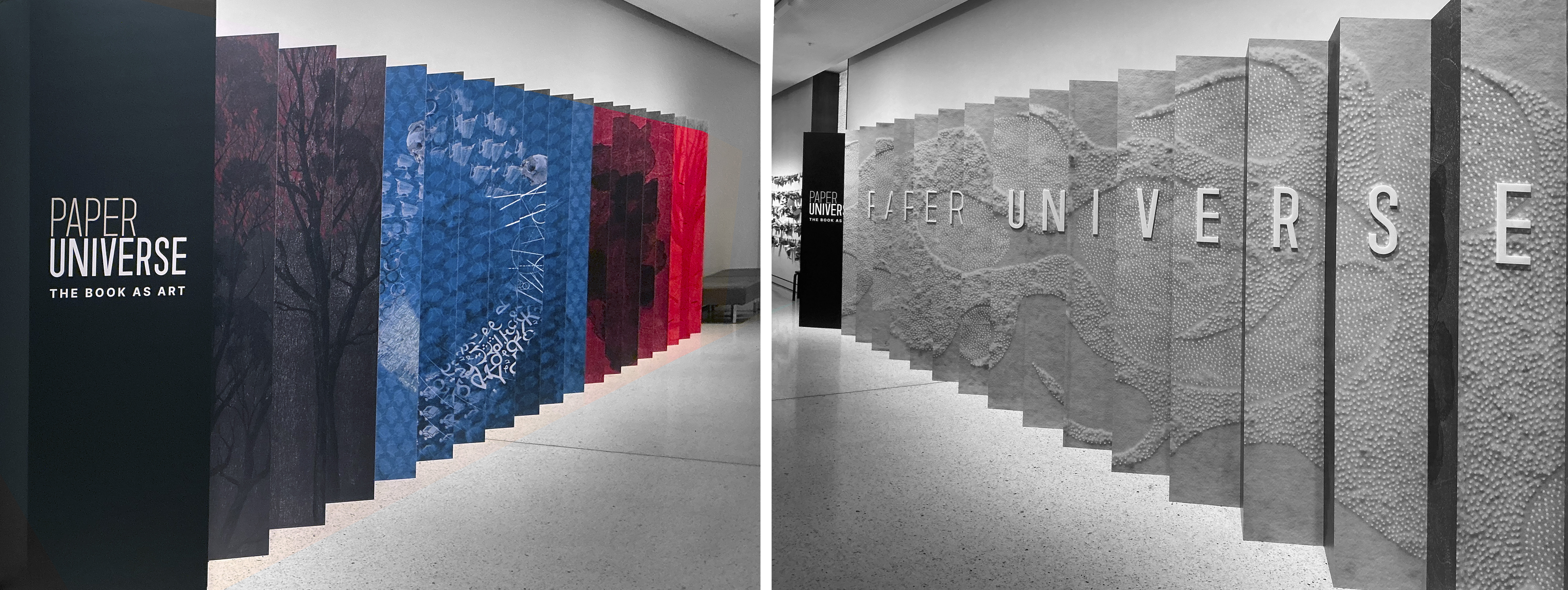
Two views of the ‘Paper Universe: The Book as Art’ entry concertina PHOTOs: Helen Cole
.
PAPER UNIVERSE: THE BOOK AS ART
A MAJOR EXHIBITION OF ARTISTS BOOKS AT THE STATE LIBRARY OF NSW
.
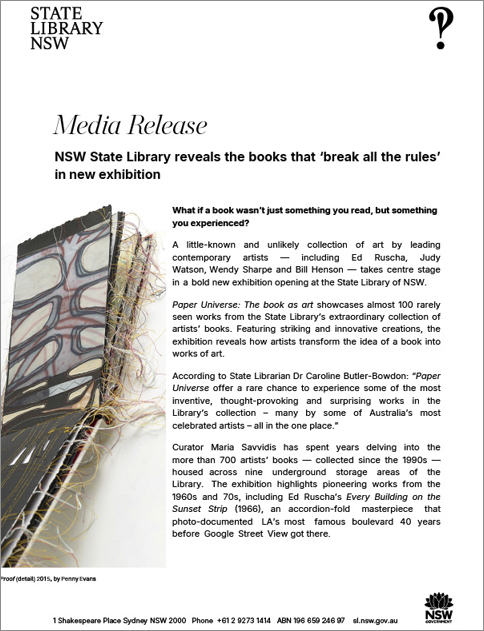
The exhibition press release states, ‘Paper Universe: The book as art’ showcases almost 100 rarely seen works from the State Library’s extraordinary collection of artists’ books. Featuring striking and innovative creations, the exhibition reveals how artists transform the idea of a book into works of art. According to State Librarian Dr Caroline Butler-Bowdon: “Paper Universe offers a rare chance to experience some of the most inventive, thought-provoking and surprising works in the Library’s collection – many by some of Australia’s most celebrated artists – all in the one place.”
.
Paper Universe: The book as art is a free exhibition at the State Library of NSW until 3 May 2026
.
Visiting ‘PAPER UNIVERSE’ with Helen Cole+Victoria+Doug
Towards the end of 2025 we were drawn to Sydney to encounter the seminal artists book exhibition PAPER UNIVERSE: The Book as Art. We invited our friend Helen Cole to join us and Helen was able to arrange a meeting with the curator Maria Savvides to discuss the exhibition, the books and their presentation.
After our viewing of the exhibition our reflective discussion about what we had encountered led to an invitation for Helen to write an informed essay from her significant experience and knowledge of the artists book.
What follows after a selection of images, mainly taken by Helen, is her essay and a collection of documents and a video of the exhibition.
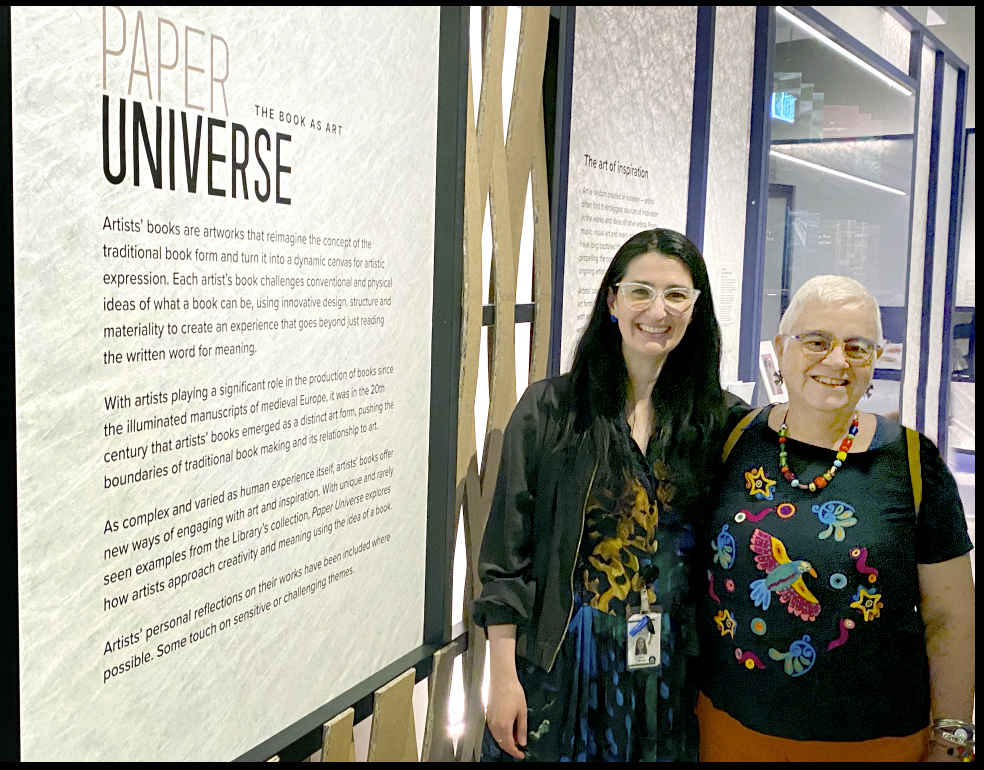
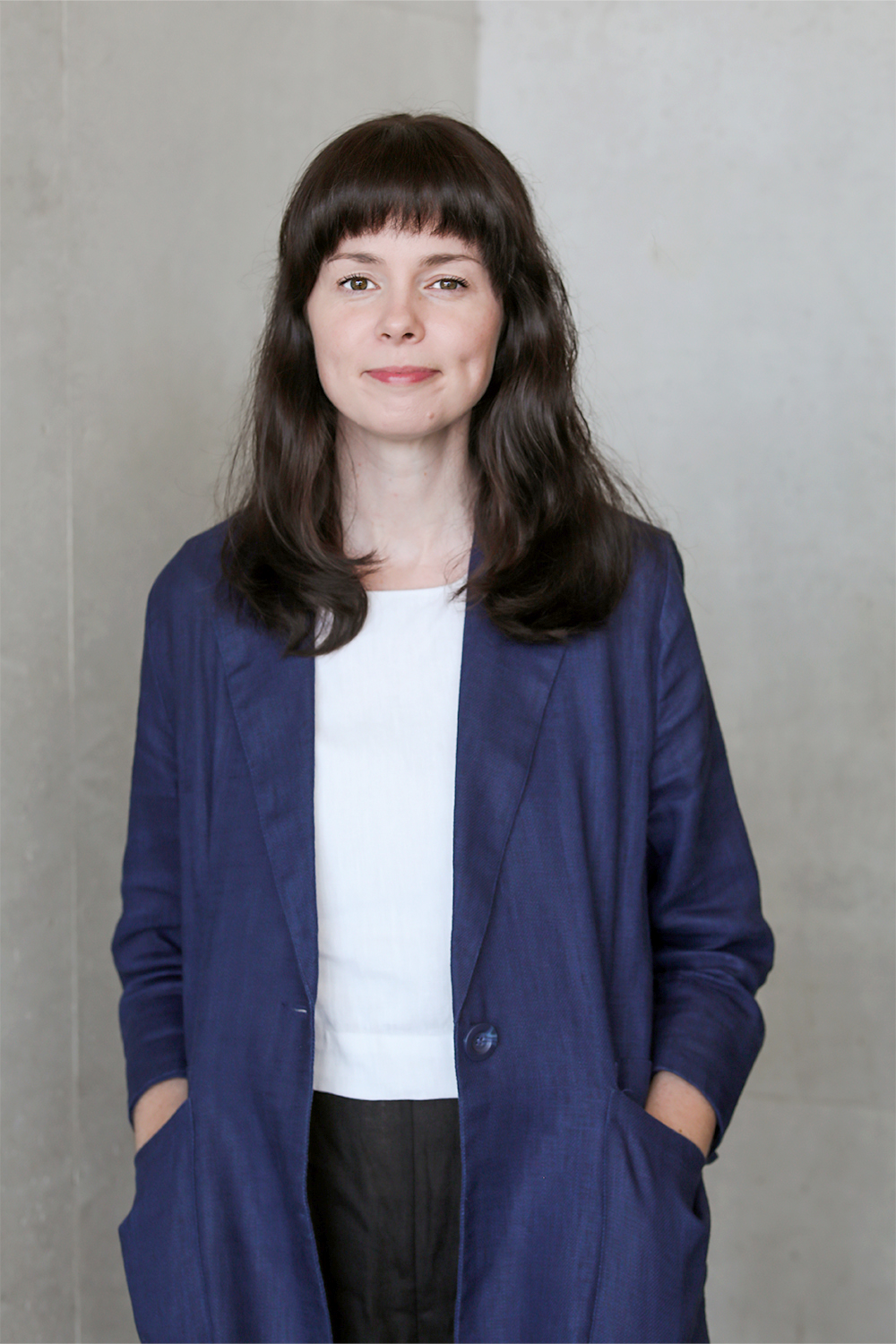
Paper Universe: The Book as Art – curator Maria Savvidis with Helen Cole PHOTO: Doug Spowart
.
HERE’S A SELECTION OF BOOKS FROM THE EXHIBITION
“Click” on the image to enlarge and see the caption.
.
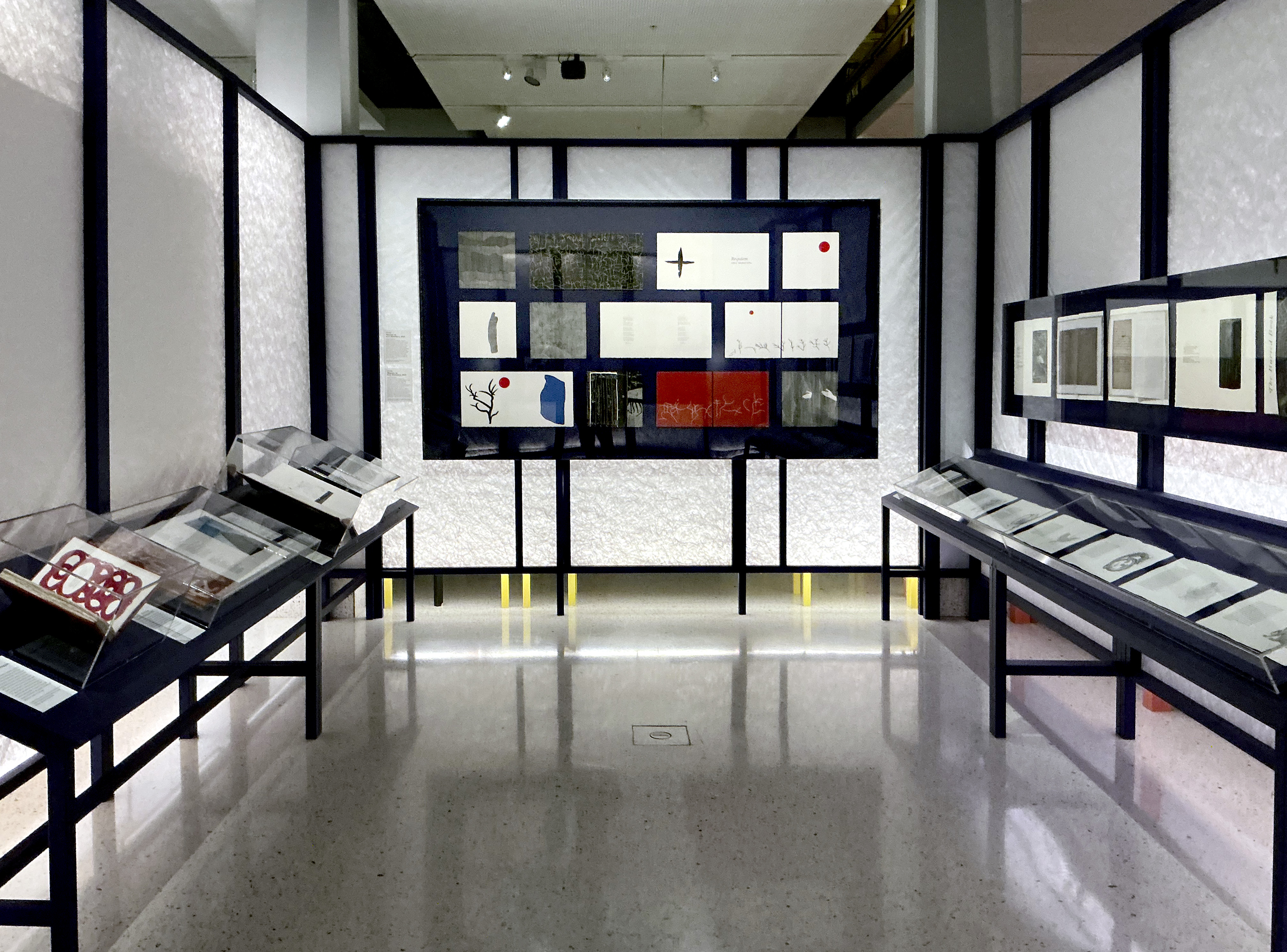
G.W. Bot Requiem by Anna Akhmatova, 2020
Paul Uhlmann New Insecta, Queensland -AA Girault, 1989
Sara Bowen Lossed, 2022
Peter Lyssiotis & George Matoulas Bridge, 2021
Penny Evans Proof, 2015
Micky Allan My Trip, 1976
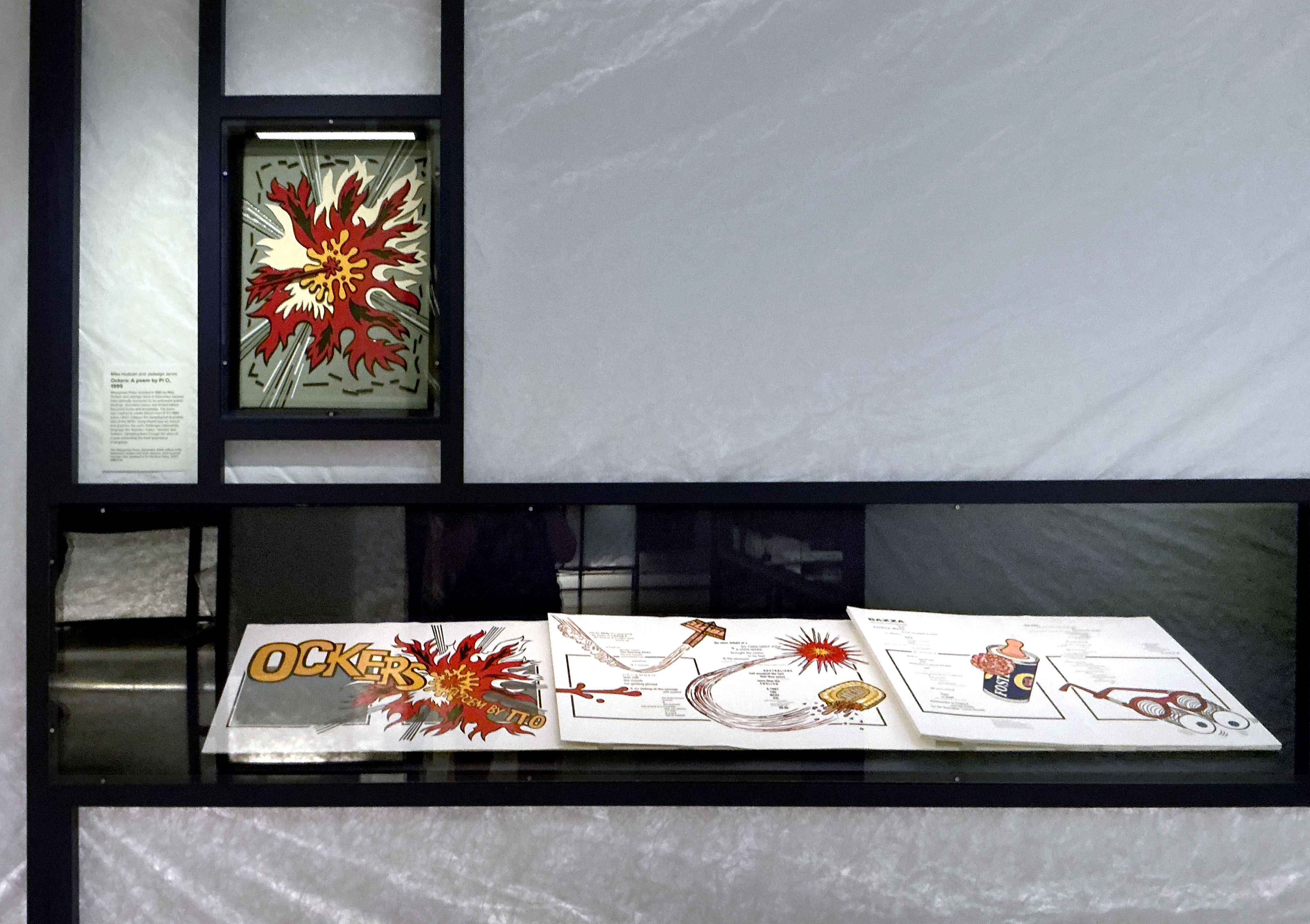
Mike Hudson & Jadwiga Jarvis Ockers – A poem by Pi O 1999
Nicole Hayes Flow, 2022
Paper Universe installation PHOTO: Doug Spowart
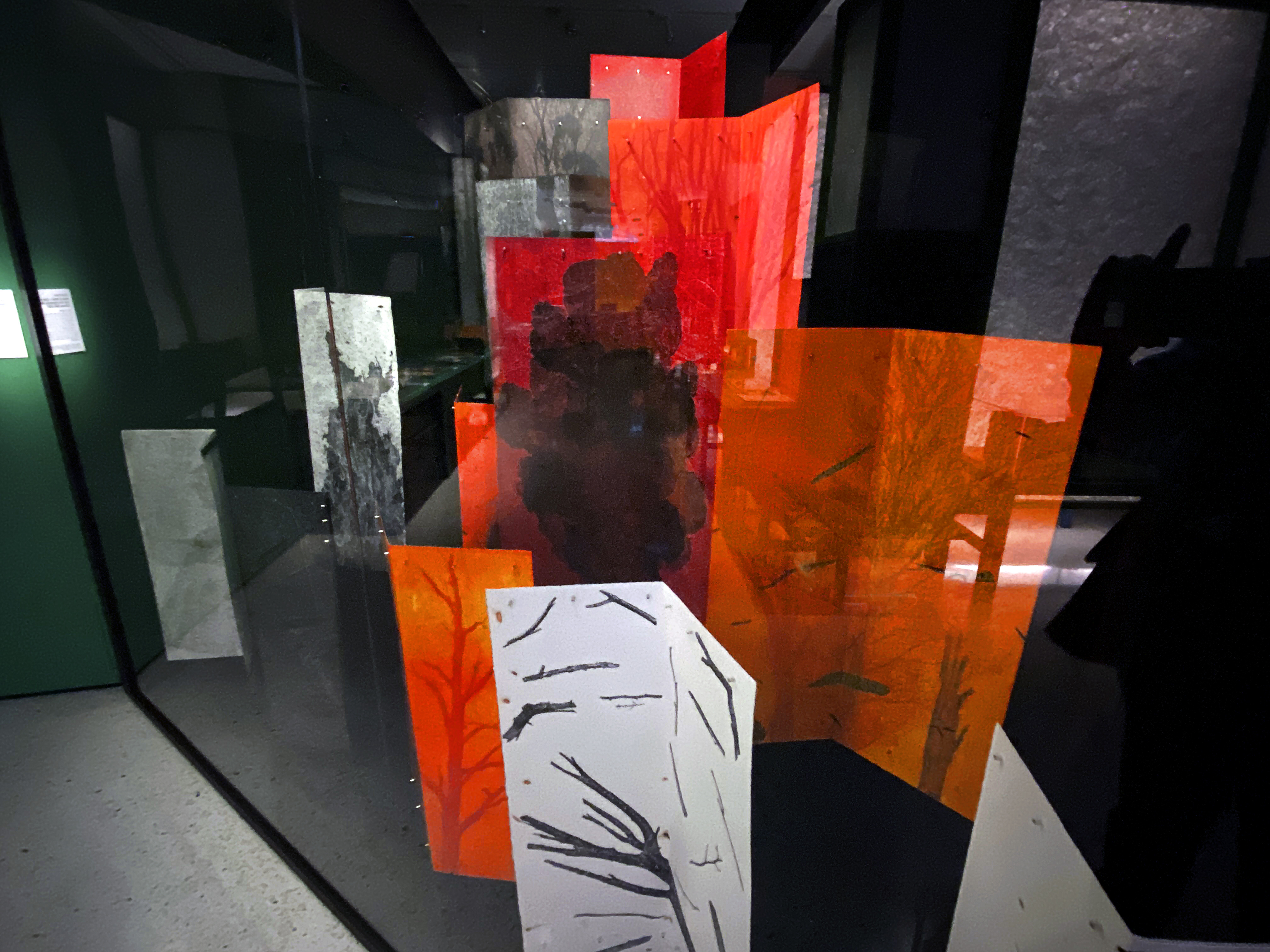
Dianne Fogwell Ashes to Ashes – Dust to Dust- Ash Wednesday 16th February 1983, 2018 PHOTO: Doug Spowart
Ed Rusha Every Building on the Sunset Strip, 1966 + Philip Quirk Oxford Street Profile, 2011 PHOTO: Doug Spowart
Garry Shead Ern Malley, The Darkening Ecliptic, 2003
Geraldine Rede & Violet Teague Night Fall in the Ti-Tree, 1905 PHOTO: Doug Spowart
Judy Watson A preponderance of Aboriginal blood, 2005 PHOTO: Doug Spowart
Darren Bryant Fold, Volume 2, 2020 PHOTO: Doug Spowart
Caren Florance WYSIWYG, 2013
.
HELEN COLE’S REFLECTIONS ON THE SHOW
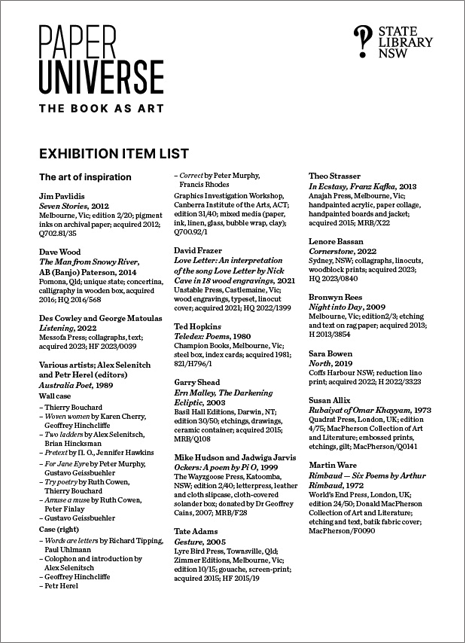
When I curated the artists’ books exhibition Freestyle Books from State Library of Queensland’s artists’ books collection in 2008 it was supposed to be a mere taster before a major exhibition of the artform. That never happened. It was very gratifying to find out that State Library of New South Wales has taken up the challenge of both curation and display of this form that can be difficult to exhibit, and given it the title of Paper Universe: The book as art. The curator, librarian Maria Savvidis and her supporting team of librarians, conservators and designers have done a superb job in showcasing the richness of stories and artworks that artists books yield. They were fortunate to have five years to bring the exhibition to fruition, and this is shown by the attention to detail in its staging.
.
The exhibition is introduced in the wide corridor leading to it by a huge concertina ‘book’ with blown-up details of three distinctive works. Before you enter, the view of the concertina is a quiet white book by Nicole Hayes with a delicate texture pierced through the page from front and back with pins. As you leave the view is of colourful, forceful black, red and blue designs in linocut and digital prints from books by Dianne Fogwell and Lyn Ashby, summing up the other extreme of the books you have seen.
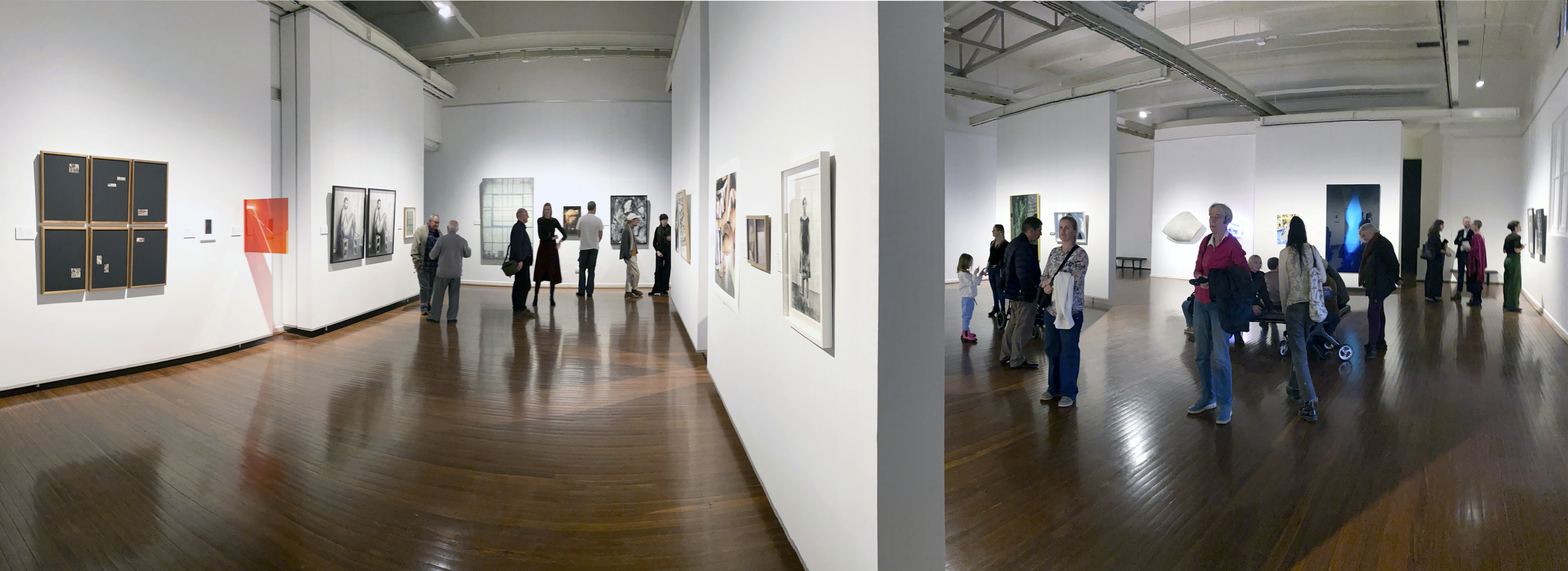
Paper Universe exhibition PHOTO: Doug Spowart
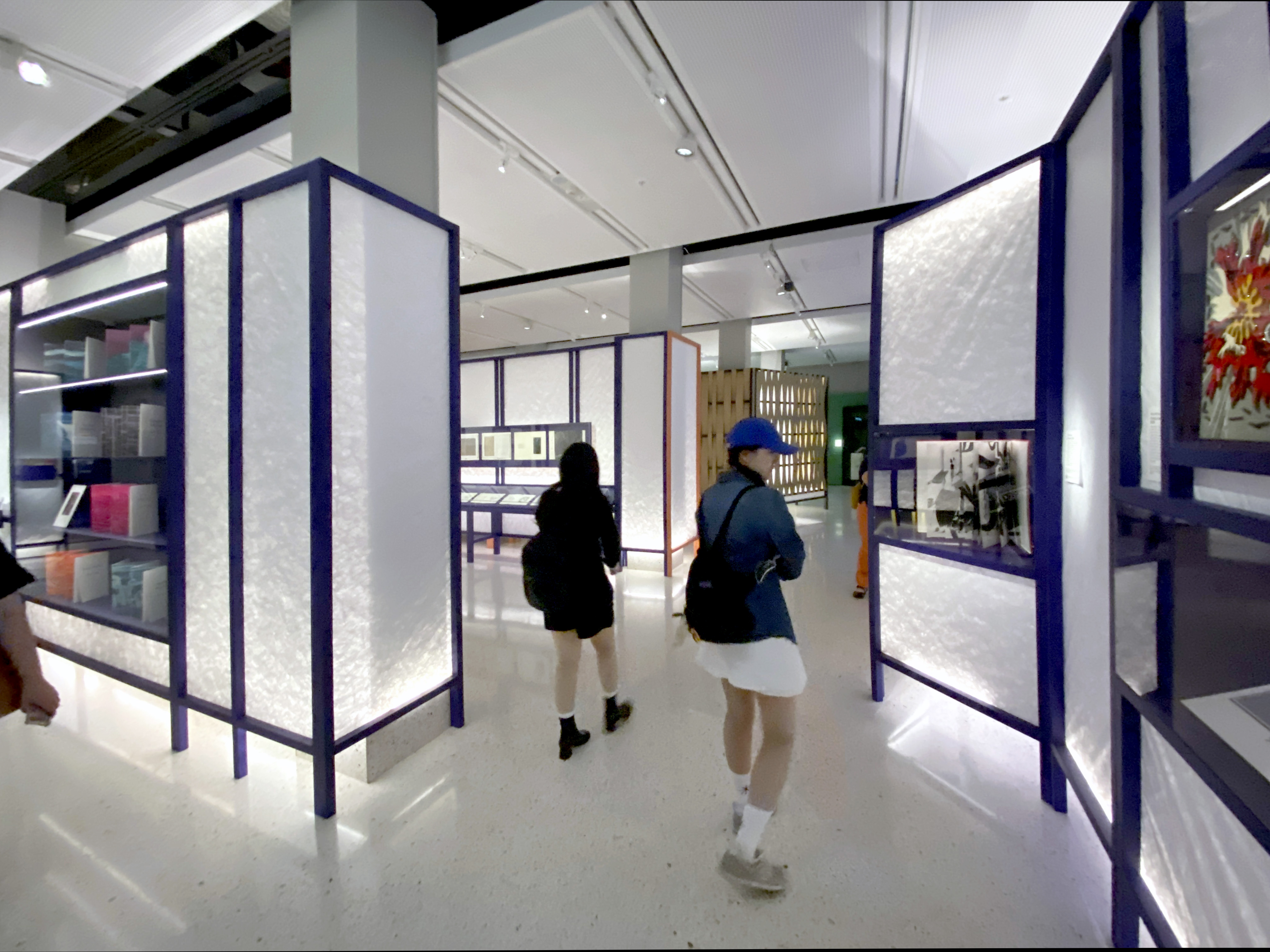
That calm entry leads into a quiet space to engage with the works in the exhibition, provided by dividers reminiscent of Japanese shoji screens. The themes around which the exhibition is woven are well chosen and enunciated in the didactics: the art of inspiration – influences and sources in other artists work; the natural world – its beauty, its power, but also its fragility; the civil condition – investigating, reflecting and challenging social issues, politics, morality and equality; unveiling identity – the shaping of personal, family, and national identities and memories; the artist’s eye – investigations into the notion of the book. Each is signified by a different colour in the surrounding exhibition architecture – walls, plinths and borders on the screens
The books are very well displayed, individually, with several strategies used to overcome the perennial problem of exhibiting artists books, that they generally cannot be fully experienced when closed or open at only one page. The most common comment about an artists’ book exhibition is “I wish I could see the whole book” and indeed it is my thought too, even knowing how difficult it is to avoid. The curator has gone to great lengths to show as many books in their entirety as possible.
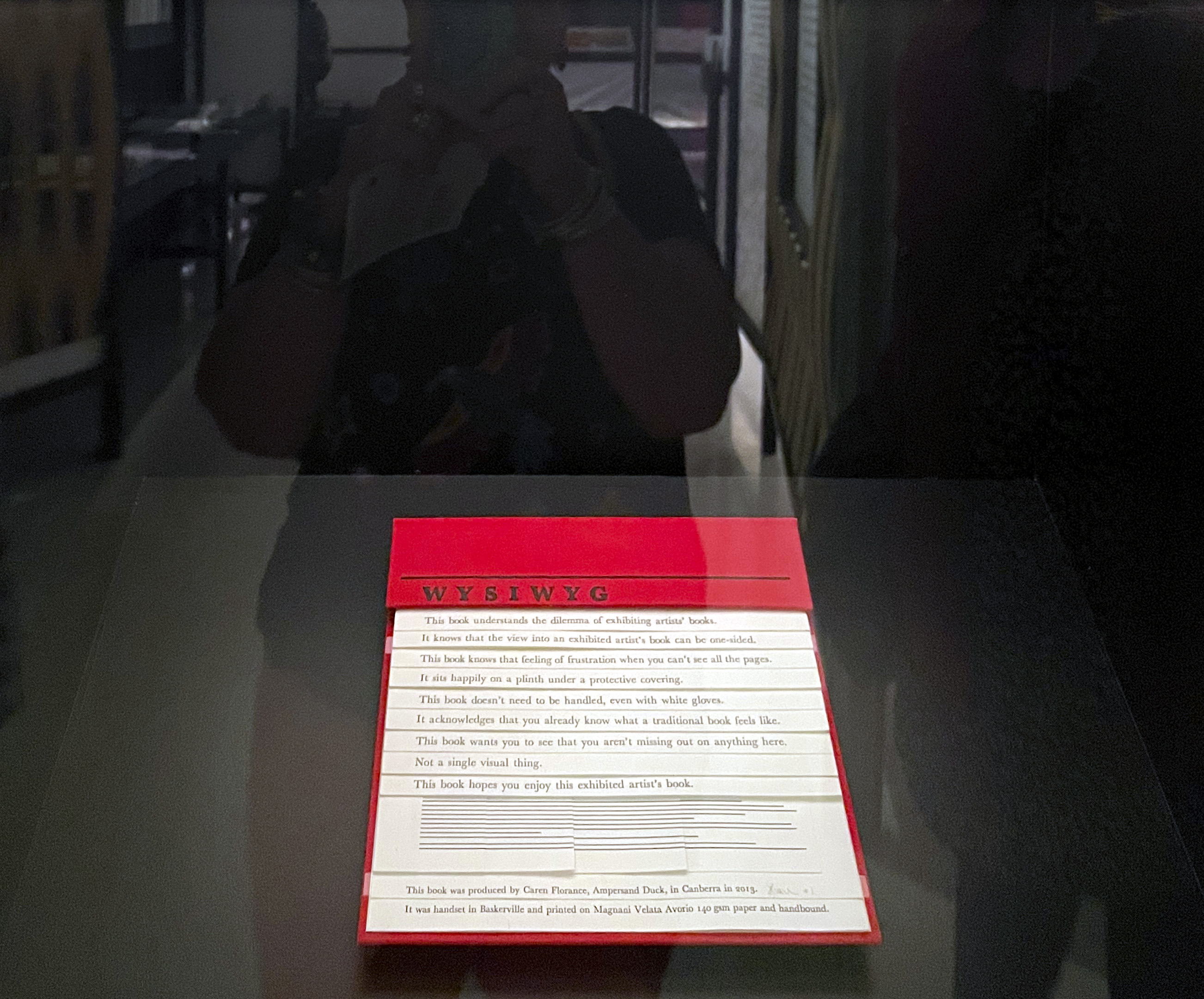
Caren Florance WYSIWYG, 2013
The first book in the exhibition, or is it the last? WYSIWYG (What you see is what you get) (2013) by Caren Florance, the curator’s own copy, was designed to be seen as a whole when the book is closed, displaying what a rarity that is. The text lines are printed on increasingly larger pages, each peeking out from the one above. Maria Savvidis wrote: “This book served as both a talisman and inside joke for me as the curator of this exhibition, years spent thinking about the paradox of exhibiting artist’s books…WYSIWYG is a wry but generous show of empathy from the artist who understands this difficulty and has shown mercy on collecting institutions tasked with the impossible.” Anne-Marie Hunter created the Tower of Babel (2006), (The Tower of Babel, Artists’ Book By Anne-Maree Hunter | State Library of Queensland) a book in the round which was exhibited in my 2008 exhibition, with the same intent.
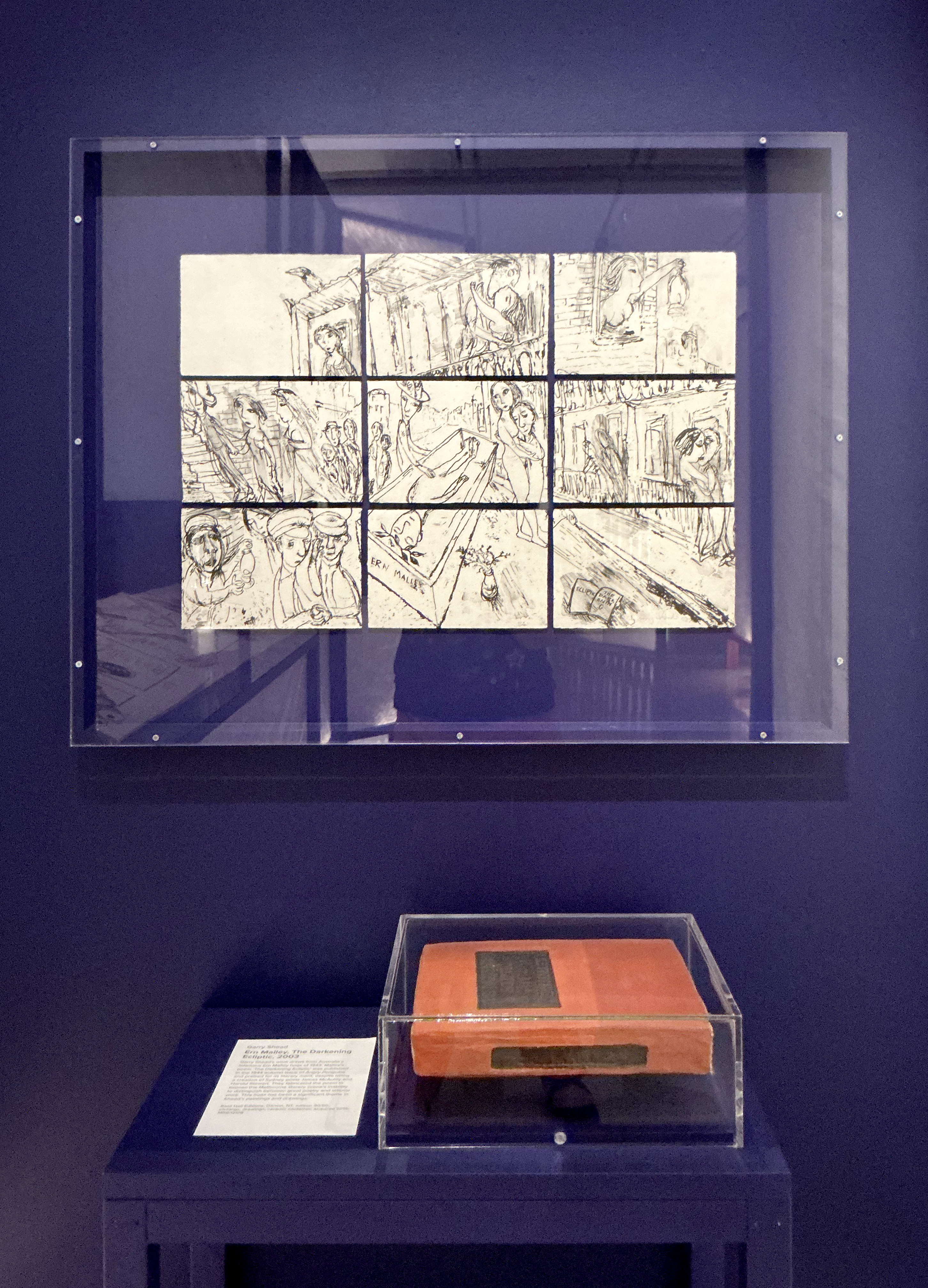
Garry Shead Ern Malley: The Darkening Ecliptic, 2003
Several of the works have been removed from their covers and are displayed, page by page, on the wall. These include Garry Shead’s Ern Malley: The darkening ecliptic (2003): a sequence of etchings, which when presented together create a single image. Along with the display of the ceramic box in which it was presented, this is possibly the best way to show this work.
G.W. Bot Requiem by Anna Akhmatova, 2020
The pages of G.W. Bot’s superb linocuts for Requiem by Anna Ahkmatova (2020) are beautifully arranged framed on a blue background, however not all pages of the book are included so it is unfortunately a circumscribed view of the production.
Other works displayed page by page include Paul Uhlmann’s New Insecta, Queensland: AA Girault(1989), Judy Watson’s A preponderance of Aboriginal blood (2005), Peter Lyssiotis and George Matoulis’ Bridge (2021) and Glenda Orr and Kathy Boyle’s Paradise Lost : an artists’ book exploring the status of threatened & iconic plants from Australia and New Zealand collected by Daniel Solander and Joseph Banks during Captain Cook’s 1770 voyage (2020).
Dianne Fogwell Ashes to Ashes – Dust to Dust- Ash Wednesday 16th February 1983, (2018) PHOTO: Doug Spowart
The pages of Di Fogwell’s Ashes to ashes – dust to dust: Ash Wednesday 16th February 1983 (2018) are arranged upright to evoke the flames of the bushfire it describes. There has been some comment that this destroys the original form and order of the books, but I disagree. Some books are meant to be rearranged by the reader or at least read in any order they want. Also, the curator went to some lengths to speak to the artists and present their work as they would want. For most of the works artists’ statements are provided, along with translations of foreign language texts, where appropriate.
I don’t consider print portfolios on a single subject, often by printmaking groups, constitute successful and cohesive artists books, and there are a few in this show including Natural Collection (2017) by the Warringah Printmakers Studio. It was published to celebrate the 20th anniversary of the Studio and is based on the species and ecological communities of the Northern Beaches of Sydney that are under threat. Ten of the 29 prints that comprise the work are exhibited over three changeovers, not including the texts which accompany each print. I don’t think this work has a conceptual framework – a common subject, yes, but not enough to tie them together – as a book.
Mike Hudson & Jadwiga Jarvis Ockers: A poem by Pi O 1999
Concertina books are perfectly made for display, extended either framed on a wall or standing upright on a plinth. The bold and colourful Wayzgoose Press book Ockers: a poem by Pi O(1999) is displayed partly opened behind glass. A thoughtful work previously unknown to me was Theo Strasser’s In ecstasy, Franz Kafka (2013) in acrylic painting and collage, based on an aphorism by Kafka. Another is Lossed (2022) by Sara Bowen. Reduction lino prints of her parents, at first strong, becoming lighter as the book is opened page by page. I’m not sure if it represents her memory of them fading or their memories of each other fading through dementia, but it is a very touching work which is displayed to perfection.
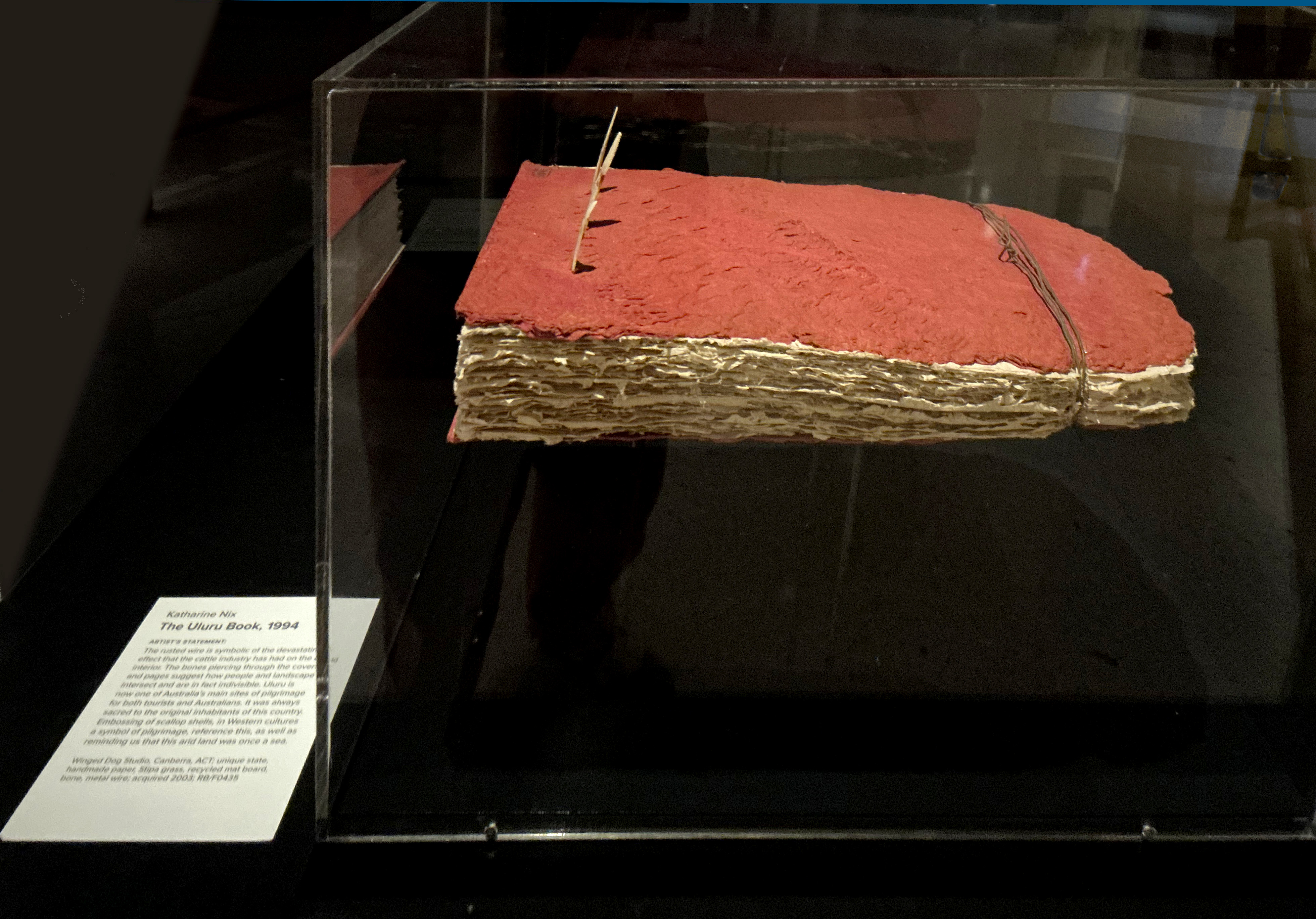
Katharine Nix The Uluru Book, 1994
Several works which could be regarded as book objects were included. The Uluru Book (1994) by Katharine Nix has an imposing physical presence; multiple layers of the hand-made paper for which she is well known, with ochre coloured covers tied with rusted wire and pierced by bones. All elements allude to the close links between the rock and its original inhabitants, and the damage done to the rock and its surrounding environment by the thousands of visitors. Teledex (1981), by Ted Hopkins is a container for poems in the form of an old-fashioned metal teledex, indexed with tabs.
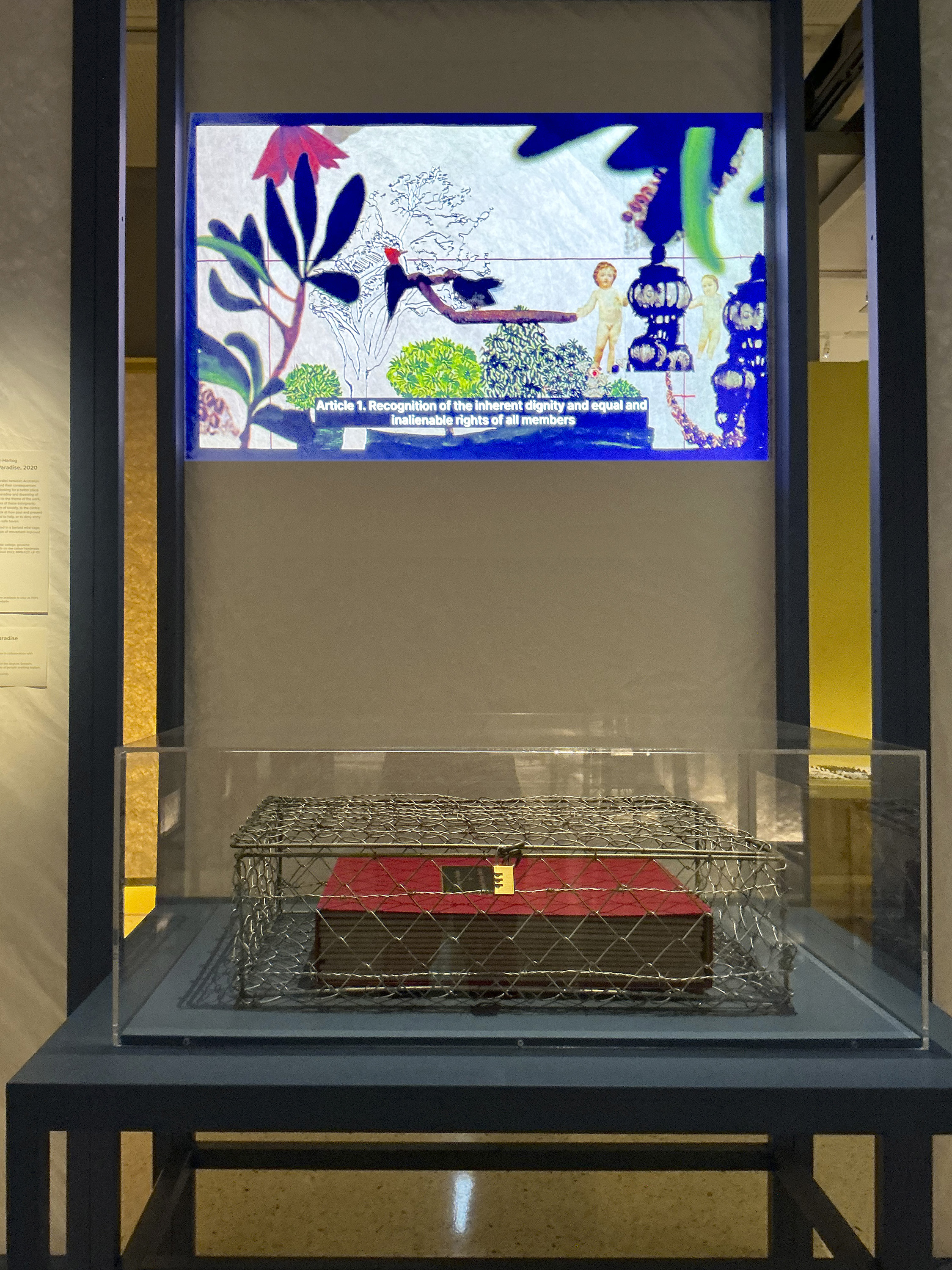
Nathalie Gautier-Hartog Looking for Paradise, 2020 + Video a collaboration with Broken Yellow
Looking for paradise(2020) by Nathalie Gautier-Hartog, is about refugees seeking a home in Australia, but subject to Australian government policies. It is presented as 12 books inside a wire cage, further emphasizing the restrictions placed on refugees. It is noted that all of the books are available to view as PDFs on the artist’s website with a QR code linking to it displayed. There is also a clever animation based on the United Nation’s Human Rights Charter with images from the books showing in the gallery. It is also on her website. It was created in collaboration with Broken Yellow Studio and the Asylum Seekers Centre. I’m not a great fan of digitised artists books but must admit this combination of media enhances interaction and appreciation of the work.
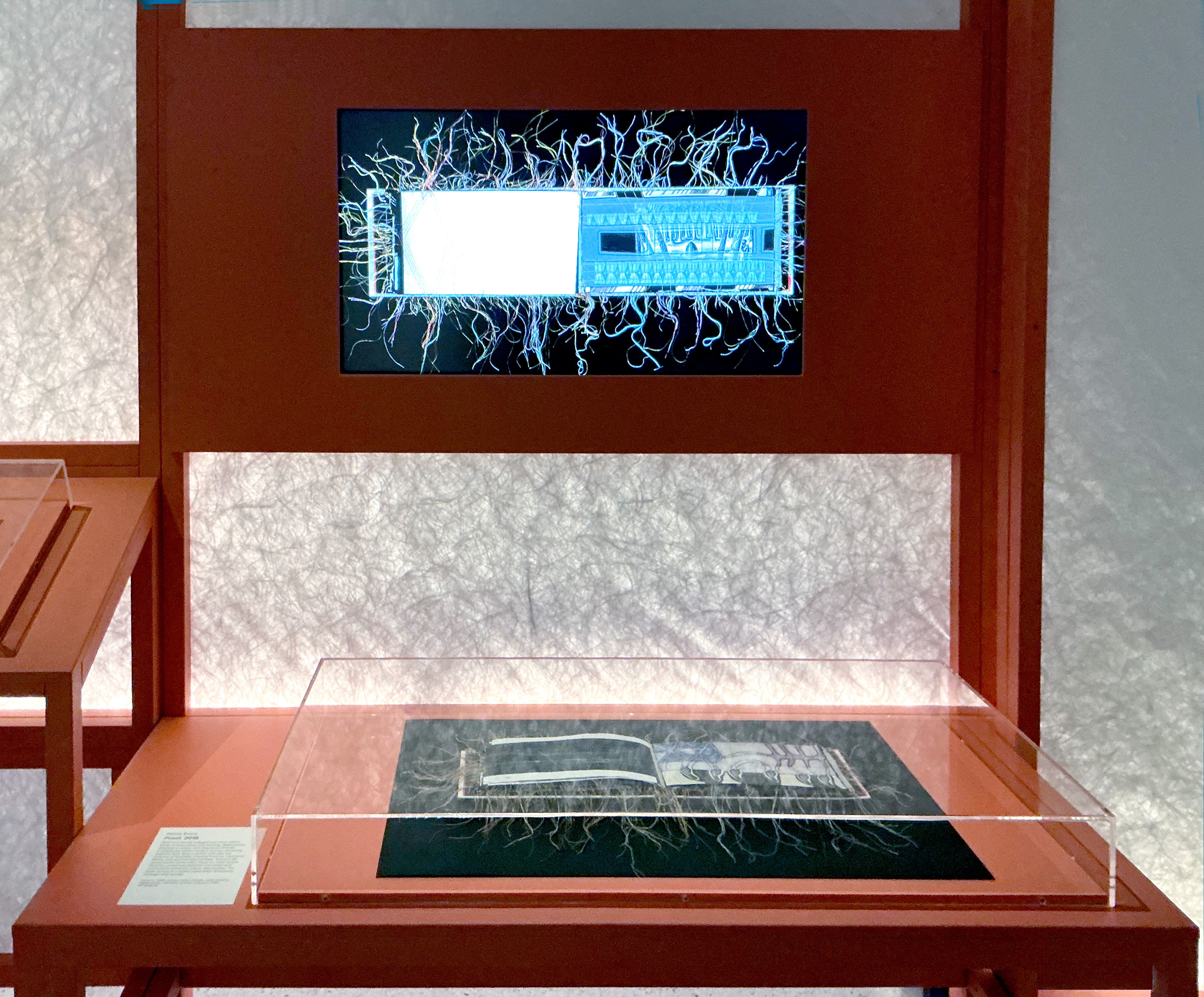
Penny Evans Proof, 2015
Relatively few First Nations artists create artists books, so it was great to see a works by Judy Watson and a work by Penny Evans, who has Gamilaroi, Welsh, Irish and German heritage using the form to examine connections between culture and country in her unique state book Proof (2015). Using collage and digital prints with stitching it was accompanied by a page-by-page video of the work.
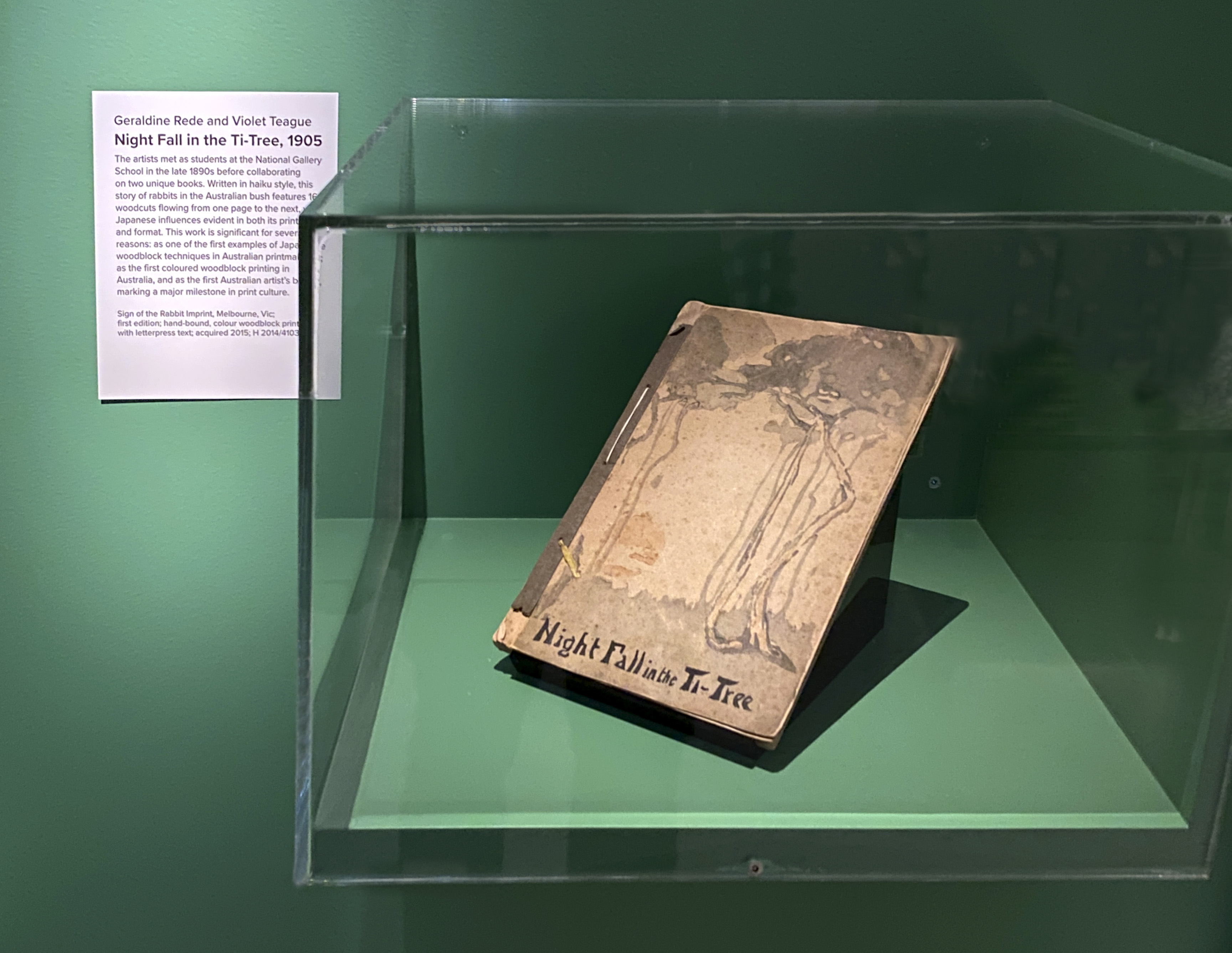
Geraldine Rede & Violet Teague Night Fall in the Ti-Tree, 1905 PHOTO: Doug Spowart
I was surprised that no works from the origins of artists books were shown: books such as those by Picasso and Bonnard published by Ambroise Vollard and Daniel-Henry Kahnweiler in Paris in the early twentieth century. It could be because the library doesn’t hold them. A quick search of the SLNSW catalogue revealed Dingo, with drypoint etchings by Pierre Bonnard published by Vollard in 1924, but few others. I was pleased to see the inclusion of Night fall in the ti-tree (1905) by Violet Teague and Geraldine Rede with its delicate woodcuts, and its acknowledgement as the first Australian artists’ book.
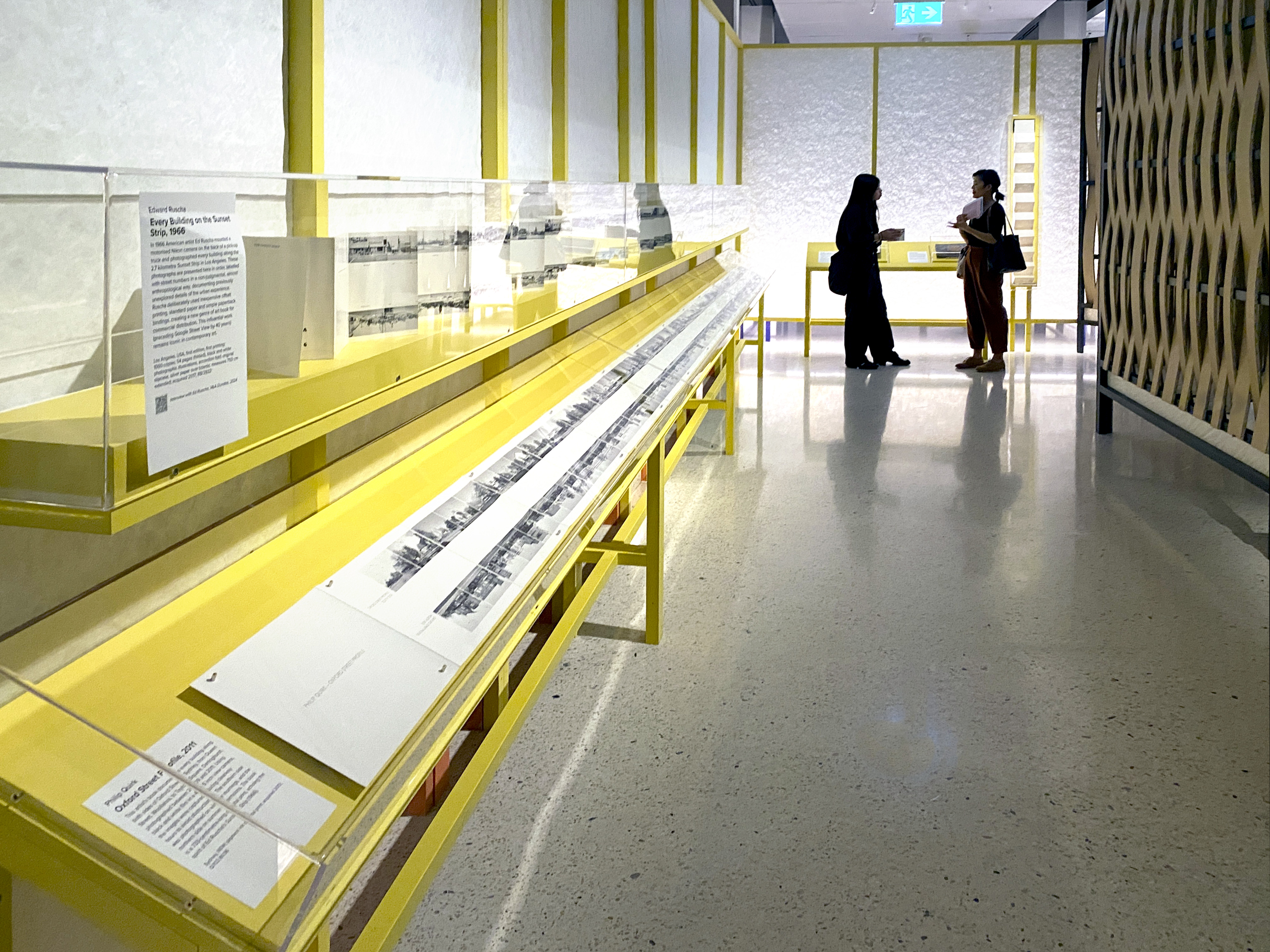
Ed Rusha Every Building on the Sunset Strip, 1966 + Philip Quirk Oxford Street Profile, 2011 PHOTO: Doug Spowart
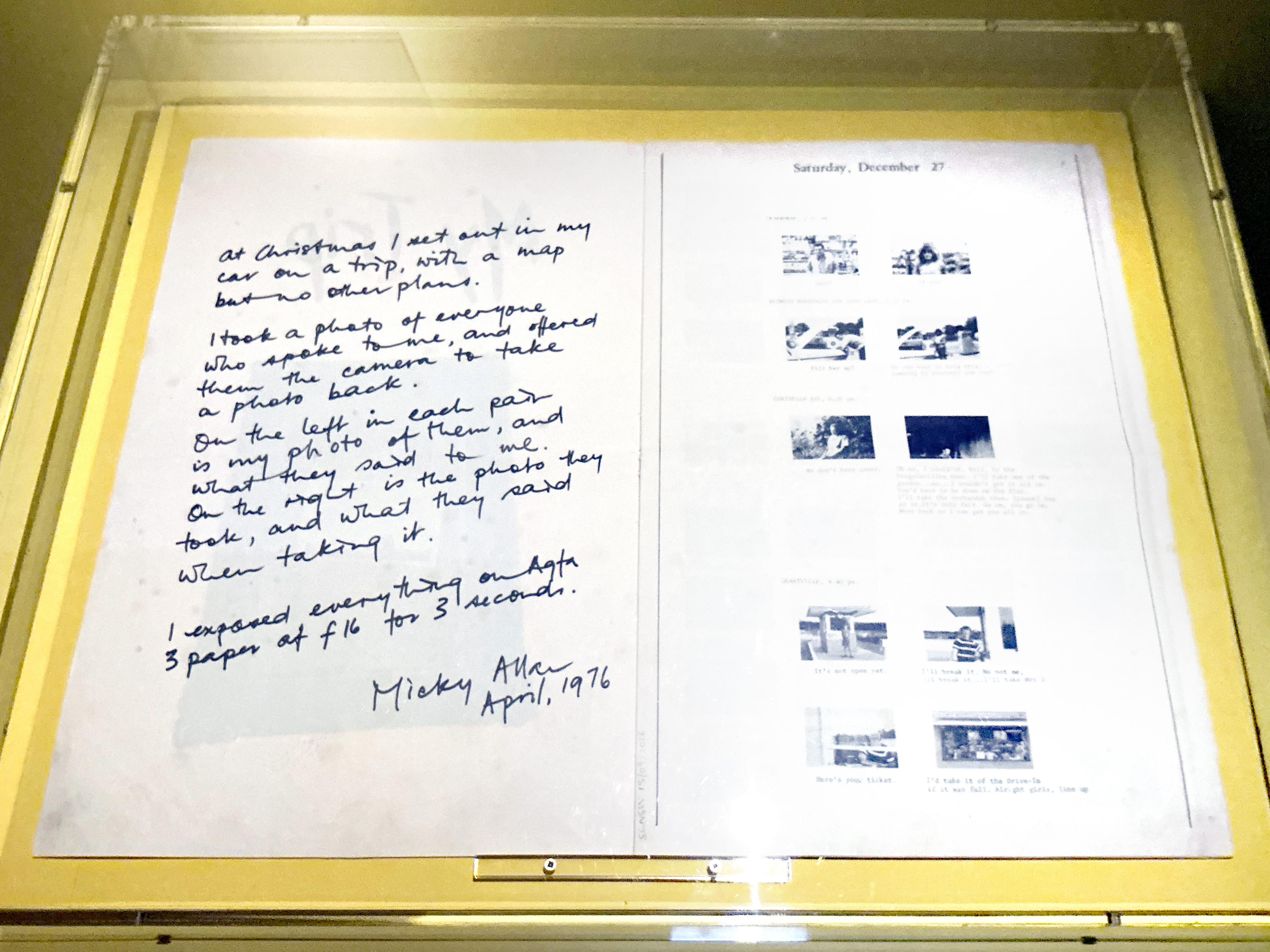
In a small way the exhibition demonstrates the limitations of the artists’ book collection at the SLNSW, which has not concentrated on its development until relatively recently. Most of the exhibited works have been created in the twenty-first century. There are few books published overseas, one being the fabulous version of the Rubaiyat of Omar Khayyam (1973) by the British artist Susan Allix. The Rubaiyat is a very popular subject for interpretation by artists. An important artist in the history of the artist’s book is American Edward Ruscha, an early exponent of the democratic multiple. He is represented by the concertina photobook Every building on the sunset strip(1966) which has had a huge influence on other artists who continue to create similar works. In this exhibition the book is unusually displayed fully extended to 7.5 metres and is shown with Oxford Street Profile (2011) documenting Oxford Street in Sydney by Australian photographer Philip Quirk. It only stretches to 7.33 metres. It was interesting to see Micky Allan’s early (in Australian terms) artist’s book My Trip (1976). Displayed open, a full facsimile of its newspaper format is also available for closer investigation.
Micky Allan My Trip, 1976
Dancing Over Dark Waters (2012), Howl for a Black Cockatoo (2015), and Phantomwise Flew the Black Cockatoo (2017), by Sue Anderson and Gwen Harrison, with Peter Lyssiotis writing the text for Dancing over dark waters, very impressive books all, are very similar materially and in subject. They could have been replaced by other works expanding the breadth of vision made available in the exhibition. Similarly, several artists are represented by more than one work when other artists and their ideas could have been embraced.
Deanna Hitti Towla, 2017
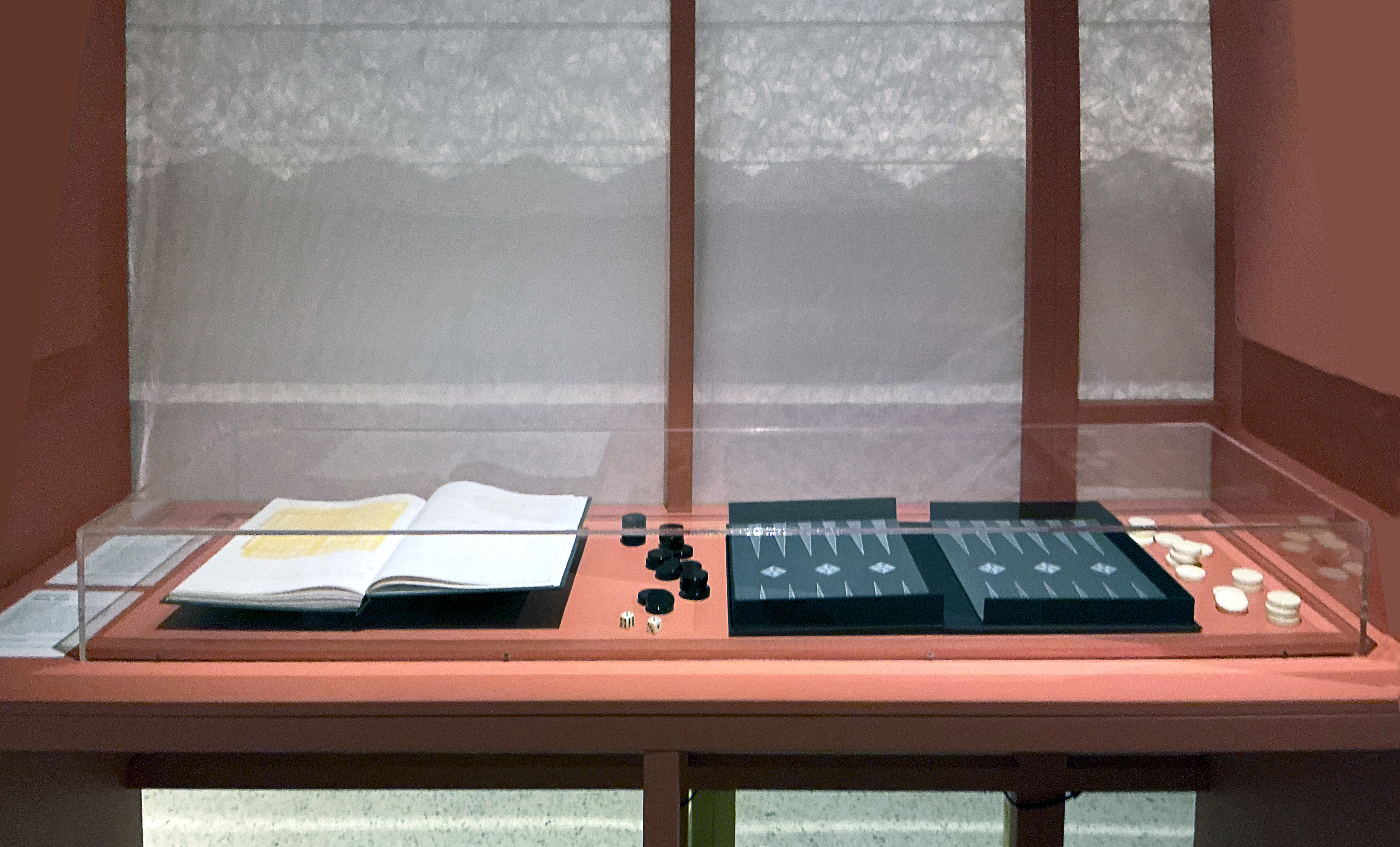
The exhibition includes some of my favourite artists books including Towla (2017) by Deanna Hitti, with the integral clamshell box creating a board for backgammon, the subject of the book. It is an intriguing book with instructions for backgammon phonetically translated using Arabic and Latin characters but with a twist. Arabic letters spell the instructions in English and Latin letters spell the instructions in Arabic. Some of the books in this exhibition have become my new favourites.
In Conclusion
Criticisms of some components of the exhibition are mere quibbles. In retrospect I could make many about my own exhibition in 2008. This is a fabulous exhibition, beautifully curated, wonderfully designed, and a rare opportunity for the public to experience the breadth and depth of the artists’ book. I hope it will introduce the magical world of artists’ books to a whole new audience in Sydney who will follow up with personal experiences with artists’ books in the library. I also hope that SLNSW will continue to support the art form in both acquisitions and exhibitions.
Helen Cole
March 14, 2026
.
Judges: Helen Cole & Roger Butler with Clyde McGill PHOTO: Artspace Mackay
HELEN COLE: Brief Biography
Helen Cole is intimately acquainted with the world of artists’ books, including their collection and the opportunities and difficulties in presenting these artworks in a public context. Helen was the Arts and Rare Book librarian at State Library of Queensland for thirty years. During much of that time she was responsible for the development of the Library’s extensive Artists’ Books Collection. She has been significantly involved in the artists’ book discipline writing articles and making presentations at conferences. She has judged the Manly Artists Book Prize once and on two occasions judged the Libris Australian Artists’ Book Prize for Artspace Mackay. In 2008 she curated the SLQ exhibition Freestyle Books: Artists’ books from the collection. Helen also co-curated the Tales from the Lyrebird with Ron McBurnie for Artspace Mackay. Apart from her work developing public collections she has amassed a personal library of cherished books.
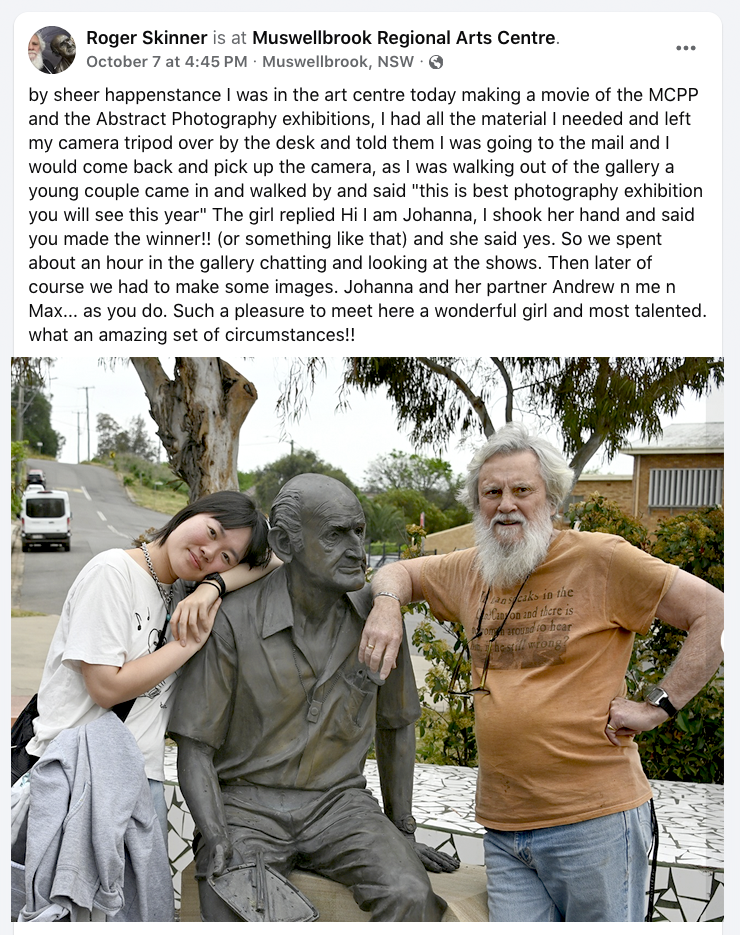
Muswellbrook Regional Art Centre 14 August – 11 October 2025
.
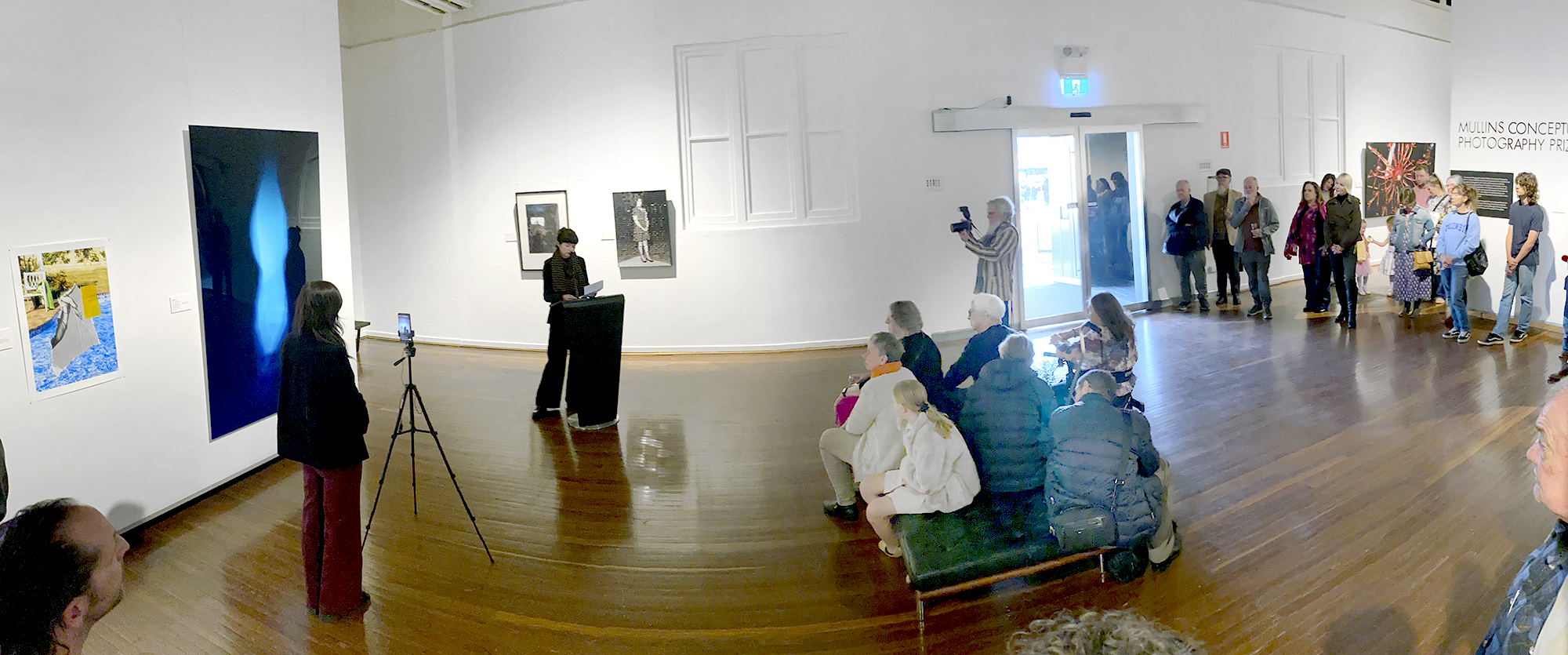
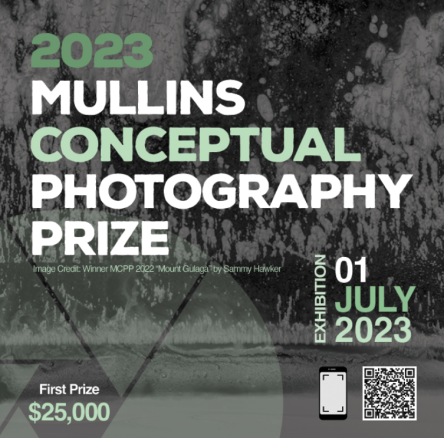
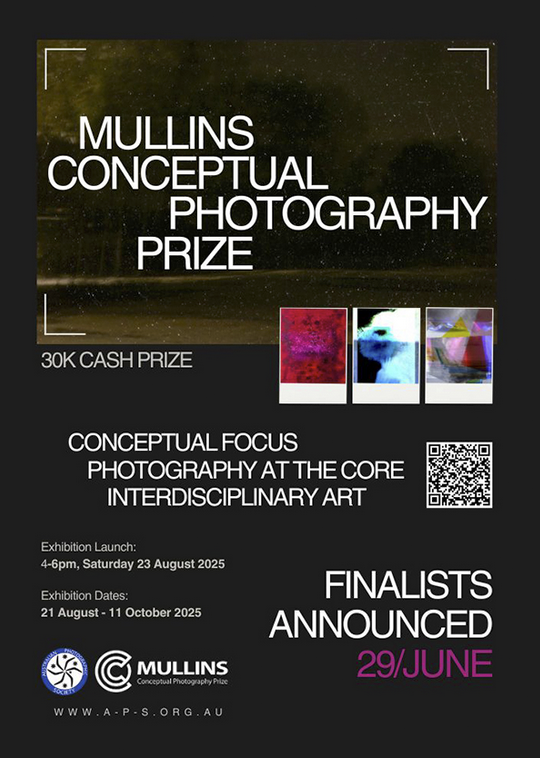
The Mullins Conceptual Photography Prize seeks artist entities that challenge the viewer via the illustration of a concept rather than being merely illustrative or representational.
The work must be primarily photographic but not to the exclusion of mixed media and three dimensional objects.
The Australian Photographic Society’s Mullins Conceptual Photography Prize is a national $30,000 acquisitive prize that seeks to find Australia’s best conceptual photographic works. Finalists of the prize are exhibited annually at Muswellbrook Regional Arts Centre with the prize-winning work joining the Muswellbrook Shire Art Collection, and a collection of contemporary photographic works acquired through the Muswellbrook Photographic Award (1987 – 2014). Means of work presentation are unrestricted, inviting photographers to illustrate the intent of their works through a myriad of mediums.
.
Antares Wells Assistant Curator MCA PHOTO: liya Cohen Headshots
ABOUT THE ADJUDICATOR (From the APS Instagram)
This year’s sole adjudicator is Antares Wells, Assistant Curator at the Museum of Contemporary Art Australia. Antares is a curator and writer with a specialisation in photography. Previously, she was Curator at the Powerhouse Museum, Sydney, and Curatorial Assistant in the Department of Photographs at the J. Paul Getty Museum, Los Angeles.
.
.
.
THE 30 FINALISTS (Selected from 366 entries)
Images supplied by the Mullins Conceptual Photography Prize. “Click” on the image to enlarge entry and to see maker and title.
.
Ali Tahayori – History repeats itself, 2025
Angus Brown – Torqued Image Object 1, 2024
Annabelle McEwen – Reflected Gesticulation, 2024
Callan Skimin – Ext. Day., 2025
Carolyn Craig – Remediate, 2024
Claire Paul – Entangled, 2024
Claudia Nicholson – Primera Comunión, 2024
Darron Davies – The Self and the Others, 2025
David Rosetzky – Between Wakefulness and Sleep, 2024
Dylan Marriott – Red Chandelier, 2024
George Angelovski – Study for CRITICAL DREAMS . I ( eye ), 2024
Canberra Photographer Hilary Wardhaugh
Isabella Capezio – Decoy, Casuarina, 2024
Izabela Pluta – Cavitation (darkroom study), 2025
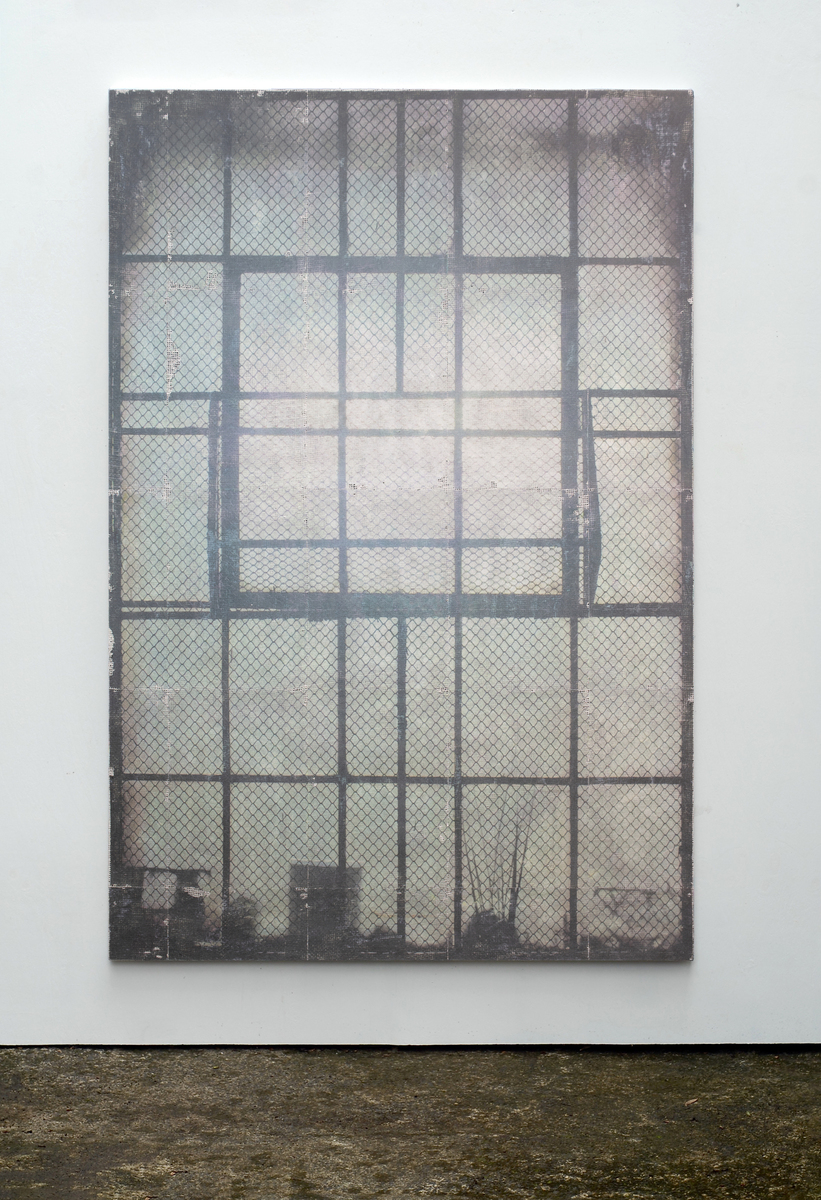
Jeremy Drape – Untitled (Shade Cloth), 2024
Jessie Turner – The Sting of Immortality, 2024
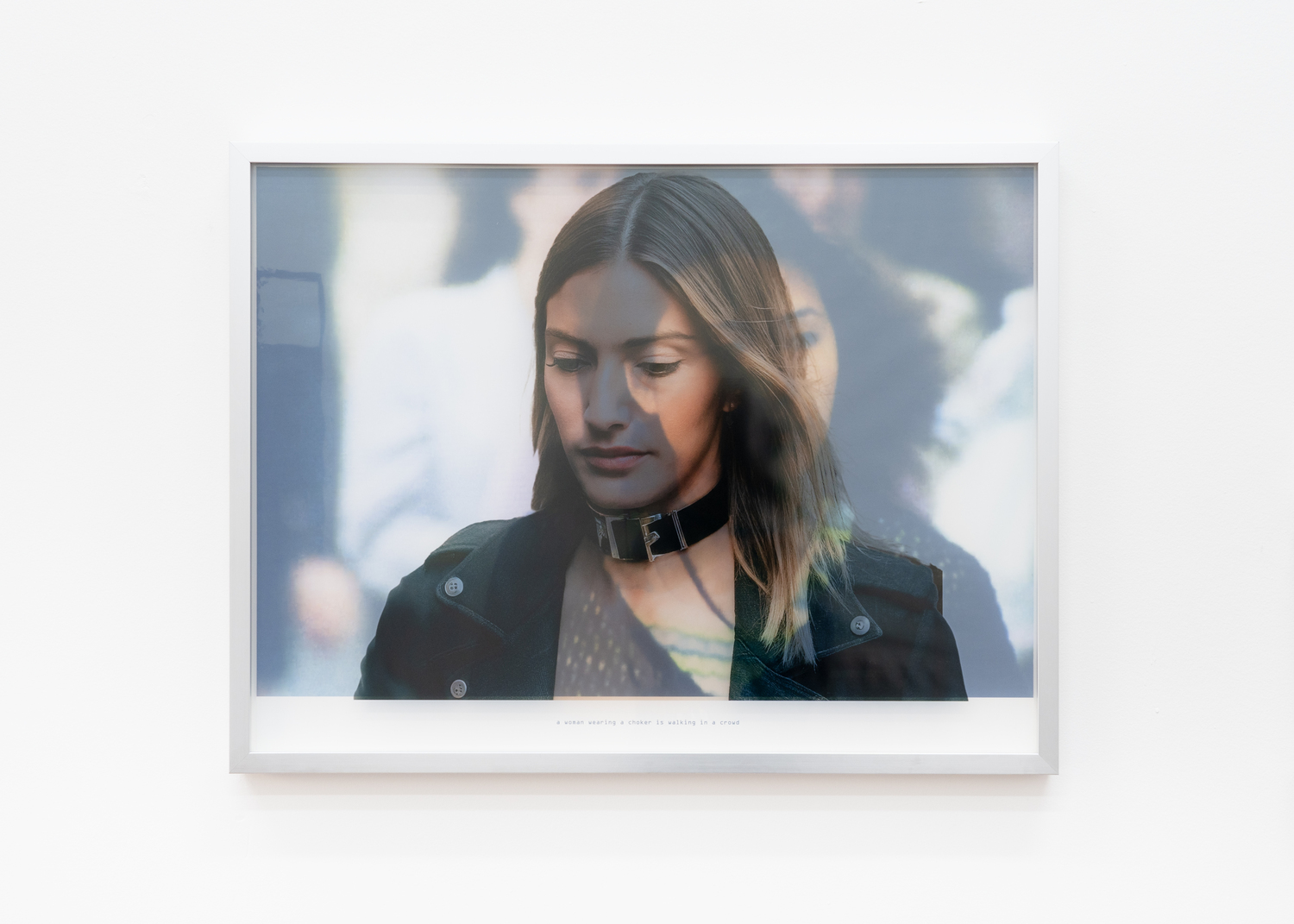
Johanna Ng – a woman wearing a choker is walking in a crowd, 2024
Julie Purdie – As far as the eye can see, 2025
Justine Roche – A Faceted Unknown, 2025
Kathy Mackey – Body Drawing 5, 2025
Lilah Benetti – Trace Elements, 2024
Lisa STONHAM – Interior Fragments, 2024
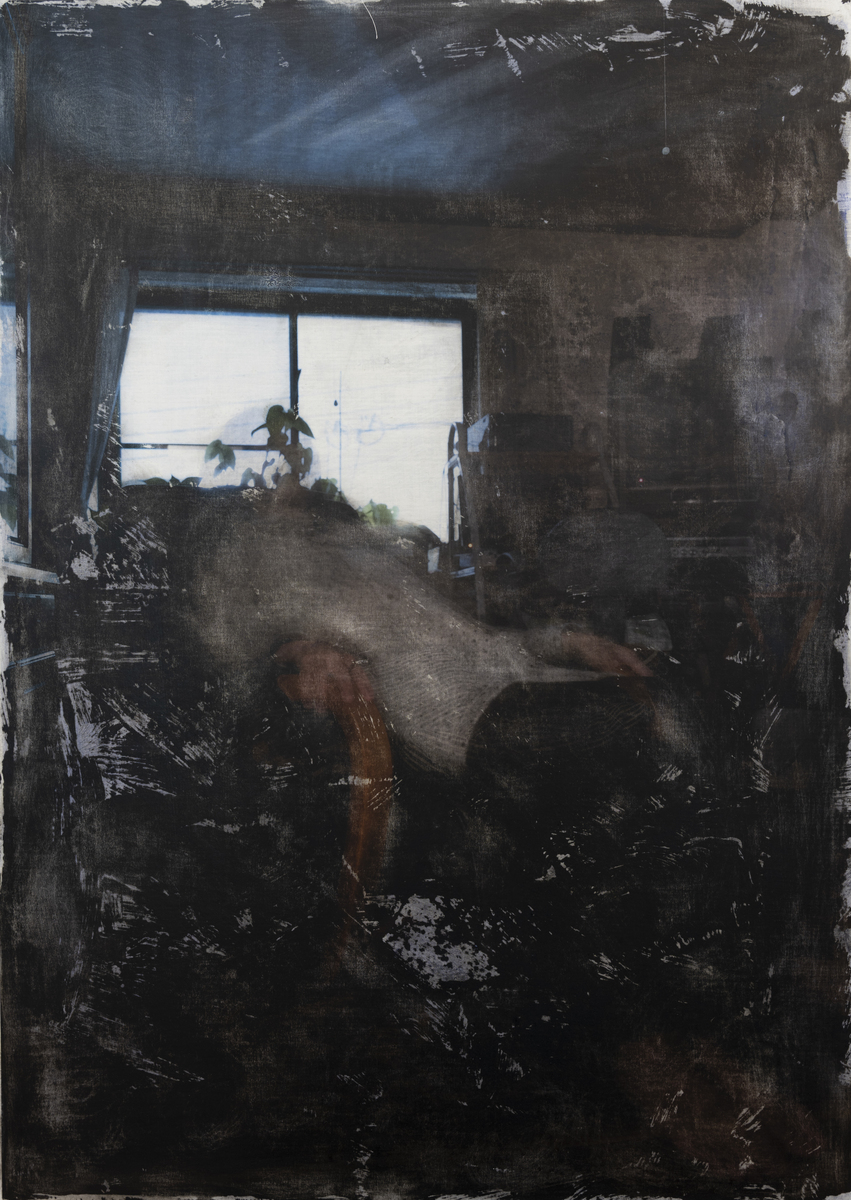
Miho Watanabe – Awareness of Between-ness A Day After My Father’s Departure – Self-Portrait in His Room on His Chair, 2025
Minami Ivory – Would I ever recognise him, or would a different sense betray his presence, 2025
Mungo Howard – Studio Window, 2025
Nicholas Hubicki – United (Omen), 2024
Shea Kirk – Warwick Gow and their Besser Blocks (left and right view), 2024
Skye Wagner – To, Too, Two, 2025
Chemo Decay: Sun Ritual
Yvette Hamilton – Things I Can’t See From Places I Can’t Be (Elizabeth Fulhame) #1-6, 2024
.
.
.
Antares Wells announces the Prize-cropped
.
THE ADJUDICATOR’S ADDRESS AND PRIZE ANNOUNCEMENT
Good afternoon everyone, and thank you all for coming. It’s wonderful to see so many people here celebrating contemporary photography. My name is Antares Wells and I am Assistant Curator at the Museum of Contemporary Art Australia. It’s an honour to have been invited by the Australian Photographic Society to judge the 2025 Mullins Conceptual Photography Prize and I am thrilled to be here with you today. I’d like to acknowledge the Wonnarua people as the traditional custodians of the lands on which we are gathering tonight and I pay my respects to elders past, present and emerging.
This year’s Mullins Conceptual Photography Prize received hundreds of entries from across the country and I am delighted to have selected 30 finalists for this exhibition. The work presented here spans the breadth of contemporary photographic practice in Australia.
Artists Justine Roche, Nicholas Hubicki, Claire Paul and Isabella Capezio engage thoughtfully with the natural environment and its relationship to photography, presenting work that reflects a deep consideration of materials. Works by Carolyn Craig, Shea Kirk and David Rosetzky critically consider the body, desire and the self. Artists Mungo Howard, Angus Brown, Lisa Stonham and Annabelle McEwen mine the relationships between photography and other media, such as painting and sculpture, encouraging us to think critically about what a photograph is.
Works by Skye Wagner, Claudia Nicholson, Darron Davies and Callan Skimin reframe existing found and archival imagery, creating new image worlds in the process that harness the photograph’s associative power. Artists Jeremy Drape, Jessie Turner and Julie Purdie experiment with perception and the capacity of the lens to frame a world.
Works by Dylan Marriott, George Angelovski, Kathy Mackey, and Tamara Voninski experiment with colour and form, while artists Izabela Pluta and Yvette Hamilton consider sites of photographic history and practice through formally ambitious works. Finally, Miho Watanabe, Hilary Wardhaugh, Ali Tahayori, Lilah Benetti, and Minami Ivory explore memory, trauma, loss, and possible futures, in quietly affecting and powerful ways.
For those of you drawn to processes of technical experimentation, you are in for a treat. We have artists who are working in new ways with historical processes, such as salt prints, wet collodion and opalotypes; we have artists inventing new processes, such as ‘chemography’; and we have artists working critically with new technologies such as 3D printing, moulding, and Artificial Intelligence.
As you can imagine, with this group of finalists it was incredibly difficult to identify a winner, and I thank Elissa, Brian and Roger for their patience over the past 48 hours!
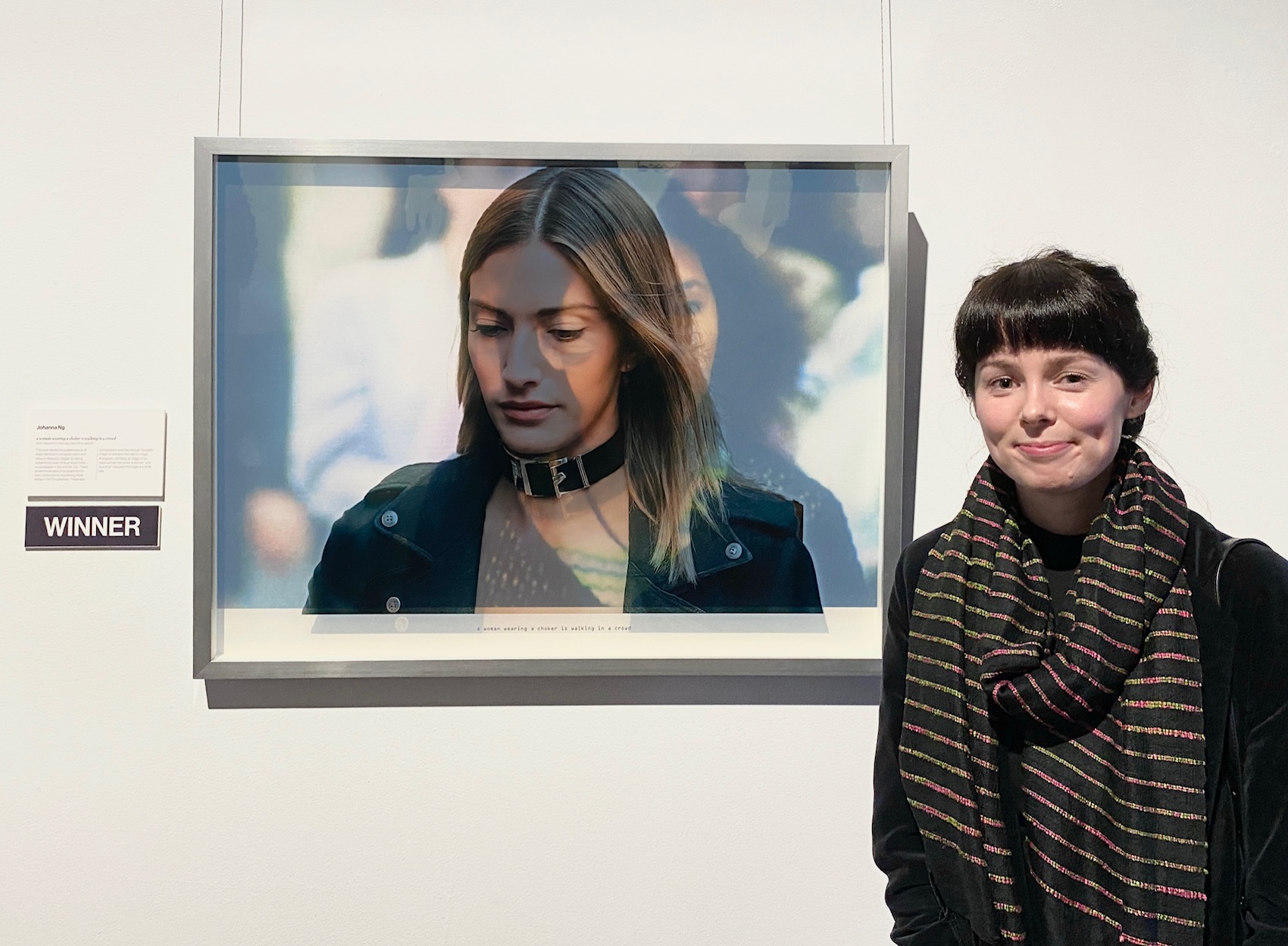
Johanna Ng – a woman wearing a choker is walking in a crowd, 2024
I am delighted to announce that the winner of the 2025 Mullins Conceptual Photography Prize is Johanna Ng, for her work a woman wearing a choker is walking in a crowd (2024). Drawn from her broader body of work every asian in sex and the city, Johanna’s work utilises screenshots of Asian extras in the TV show, often glimpsed in the background. Johanna writes in her statement: I “photographed the extras in new compositions” and then “fed these compositions through Google’s image-to-text and then text-to-image AI engines. Ultimately, an image of an Asian woman becomes ‘a woman’ and the text ‘a woman’ conjures the image of a white one.”
Johanna’s work is visually compelling and turns on its ability to make you stop, look, and then look again. There’s a dimensionality to it best experienced in person, which gives form to questions of visibility, erasure, and the biases structuring the image and text generation systems that are increasingly shaping how we see, think and behave. Congratulations, Johanna!
I am also pleased to award two works as Highly Commended:
Mungo Howard – Studio Window, 2025
Congratulations to Mungo Howard for his work Studio Window (2025), a beautiful work hovering somewhere between painting, sculpture and photography, turning on the power of introspection.
.
Miho Watanabe – Awareness of Between-ness A Day After My Father’s Departure – Self-Portrait in His Room on His Chair, 2025
Congratulations to Miho Watanabe for his work Awareness of Betweenness: A Day after My Father’s Departure – Self-Portrait in His Room on His Chair (2025), a quietly affecting meditation on memory, grief and the passage of time.
.
Congratulations to all of the finalists, and thank you again to Muswellbrook Regional Arts Centre and the Australian Photographic Society for having me as this year’s judge.
.
The Adjudicator Antares Wells with the winning entry
.
.
.
.
SOME DOCUMENTATION OF THE EXHIBITION OPENING EVENT
“Click” on the image to enlarge and see the caption.
.
2025 Mullins Conceptual Photography Prize3
In the MCPP exhibition
Shea Kirk – Warwick Gow and their Besser Blocks (left and right view), 2024
Yvette Hamilton – Things I Can’t See From Places I Can’t Be (Elizabeth Fulhame) #1-6, 2024
Roger Skinner thanks Brian Rope for his work on the MCPP management team
Kathy Mackey – Body Drawing 5, 2025
Isabella Capezio ad her entry Decoy, Casuarina, 2024
In the MCPP exhibition
In the MCPP exhibition
APS President Pia Jessen with Roger Skinner from the MCPP management team
Antares and Ollie
.
.
SPONSORS OF THE MCPP
The 2025 Mullins Conceptual Photography Prize is made possible by the Australian Photographic Society in partnership with the Muswellbrook Regional Arts Centre, and with the support of Bengalla Mining Company, MACH Energy, Malabar Coal, AGL Hunter, and Australian Photography Magazine.
2025 LIBRIS AWARDS: THE AUSTRALIAN ARTISTS’ BOOK PRIZE
.
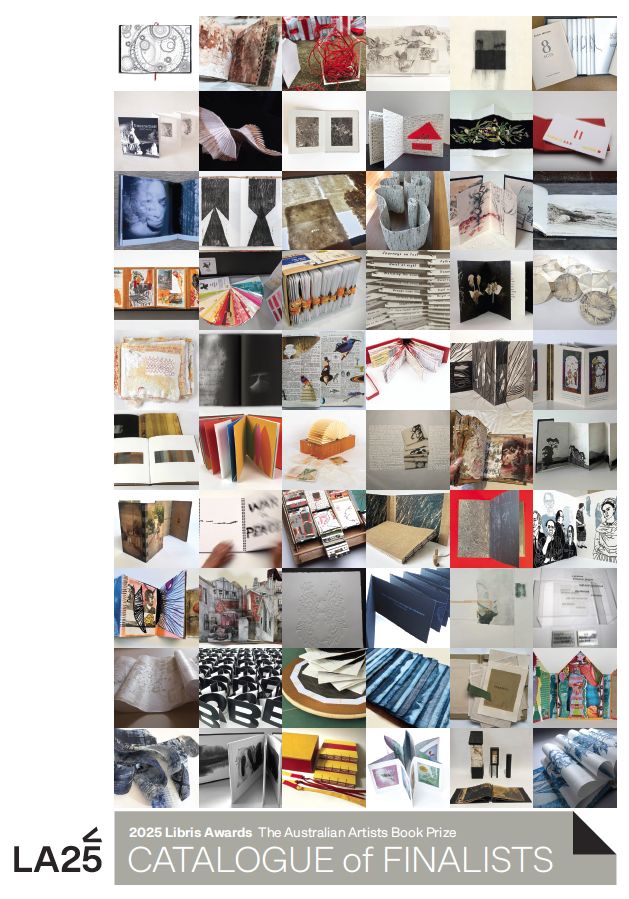
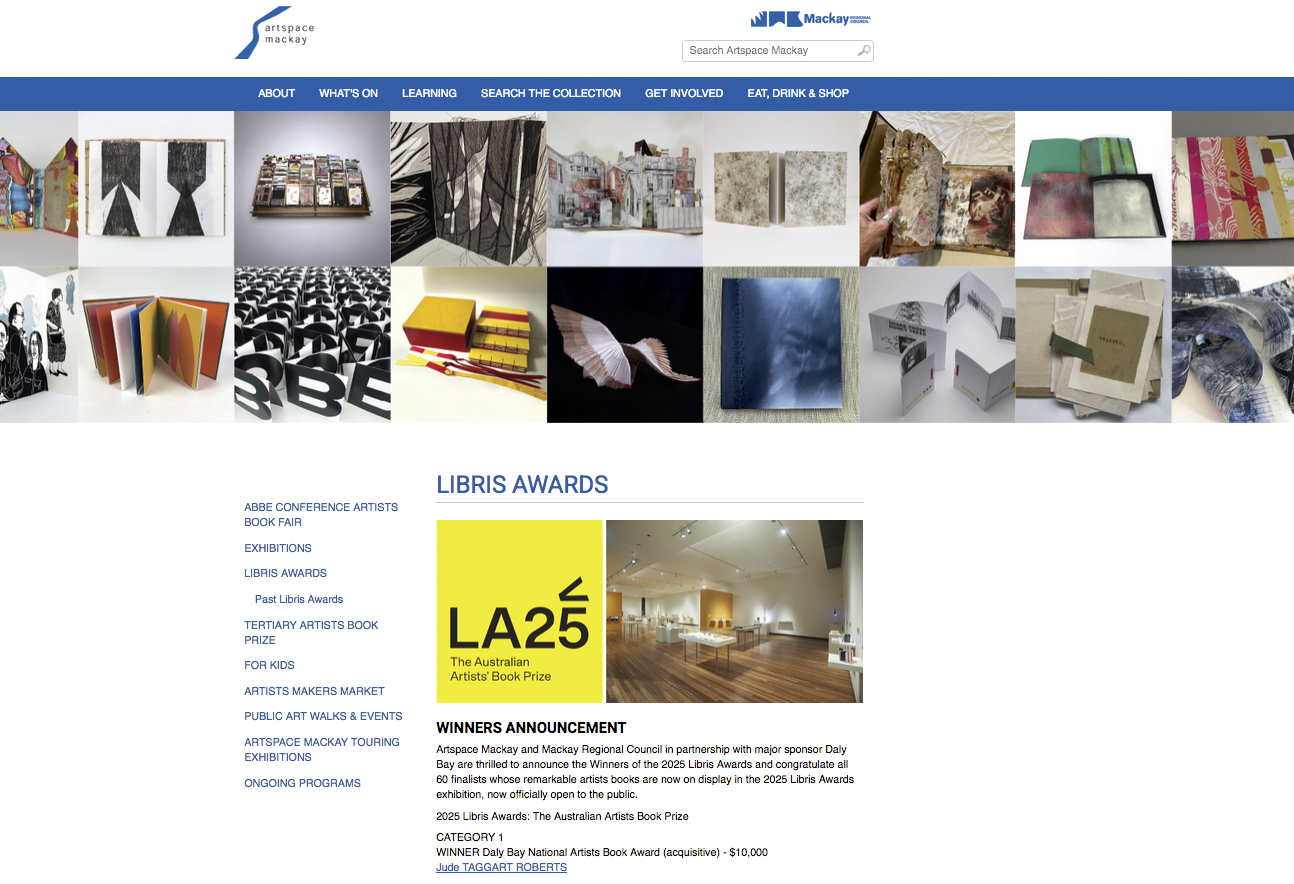
Held biennially by Artspace Mackay the Libris Awards brings together artist book works by leading and emerging makers from across Australia. The awards celebrate the artform by providing a snapshot of the discipline at a particular time and place. Of the hundreds of submissions received this year 60 finalists were selected to compete for three award categories:
CATEGORY 1 – Daly Bay National Artists Book Award (acquisitive) …………………– Daly Bay National Artists Book Award, Highly Commended (acquisitive)
CATEGORY 2 – Cathy Knezevic Regional Artists Book Award (acquisitive)
CATEGORY 3 – Tertiary Artists Book Prize – an invitational award (acquisitive)
Award winning artists books are acquisitive and each Awards event build on the gallery’s nationally significant artist book collection.
ABOUT THE JUDGES (From the Awards website)
The 2025 Guest Judges were MARIAN MACKEN is a writer, researcher, educator, and artist trained in architecture, landscape architecture and visual art, and is currently Associate Professor at Te Pare School of Architecture and Planning, Waipapa Taumata Rau University of Auckland, New Zealand.
AND
ANA ESTRADA is a Brisbane-based socially engaged artist working in healthcare, exploring how art can be used to create safe spaces for dialogue. Her practice involves storytelling, photography, poetry, bookmaking, and, more recently, performance, all of which serve as crucial tools for voicing the experiences of aged care workers and residents.
.
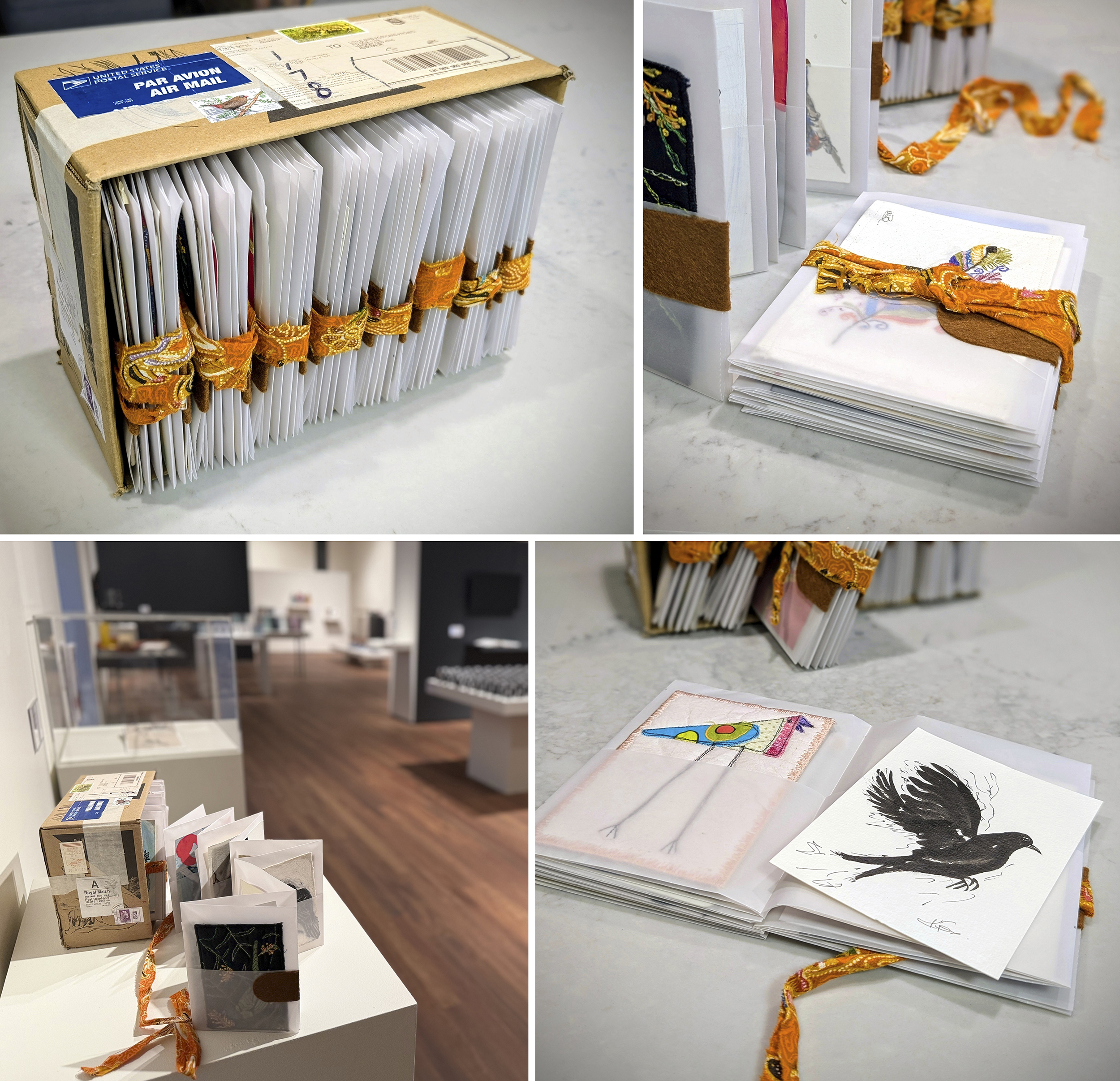
BEING PRESENT: Eight Acts – Image, Folders and clamshell
.
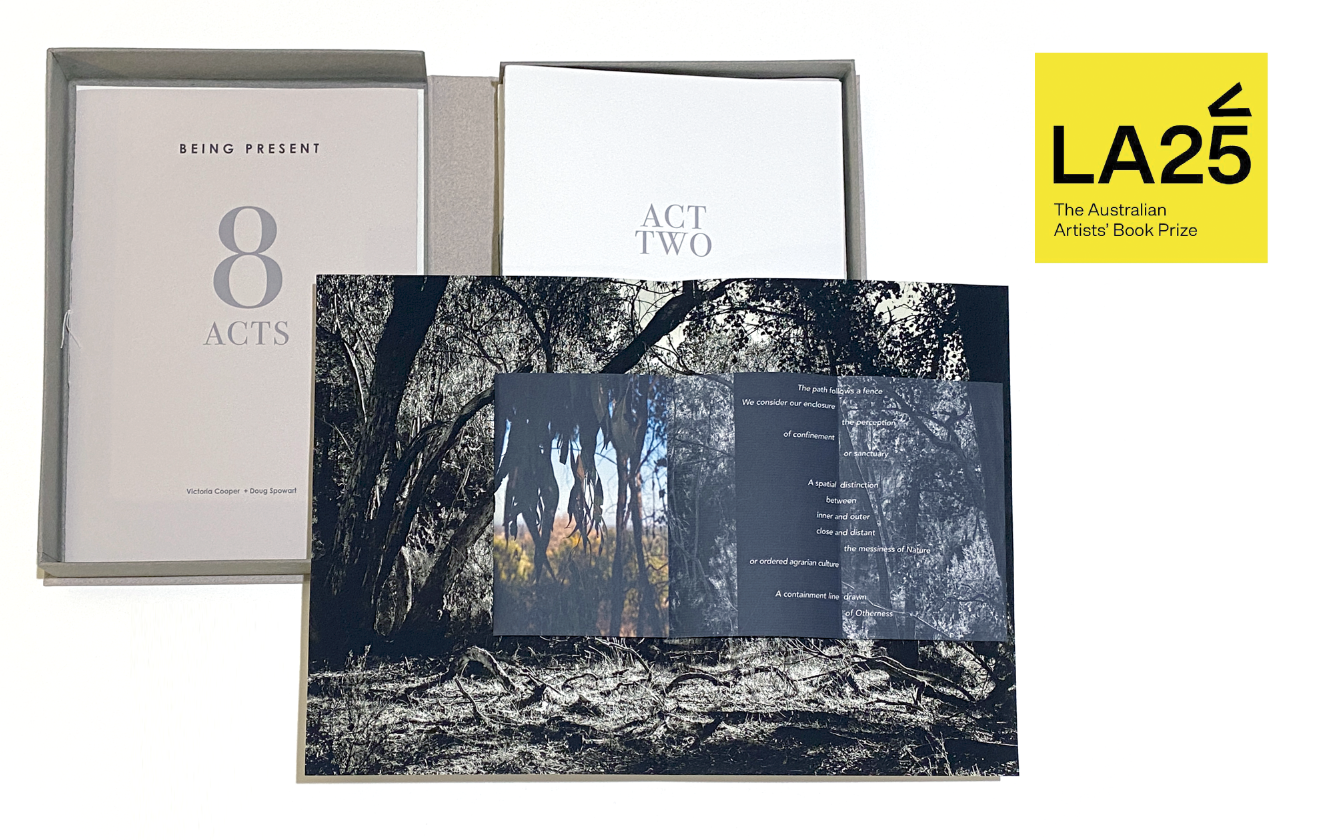
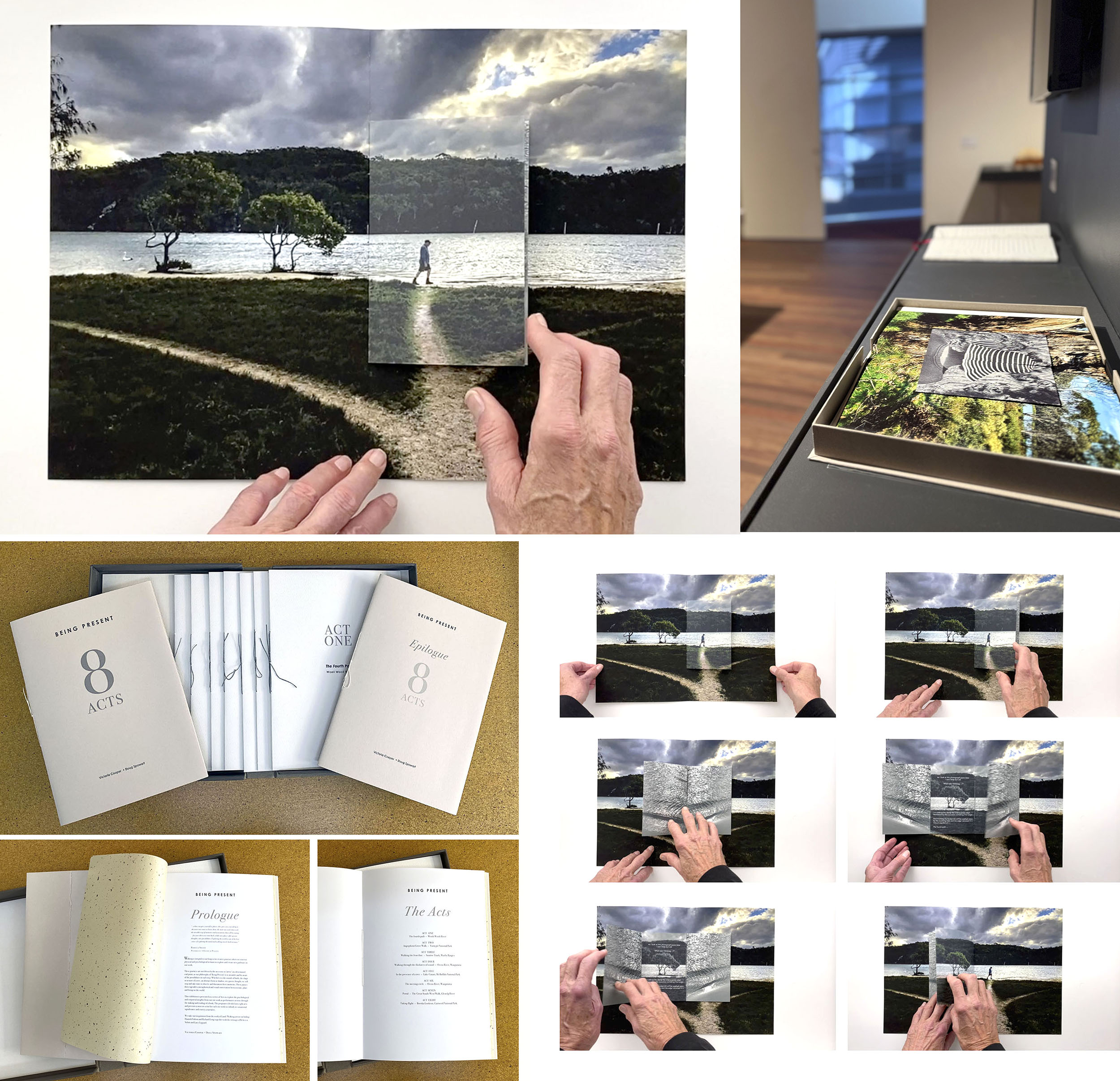
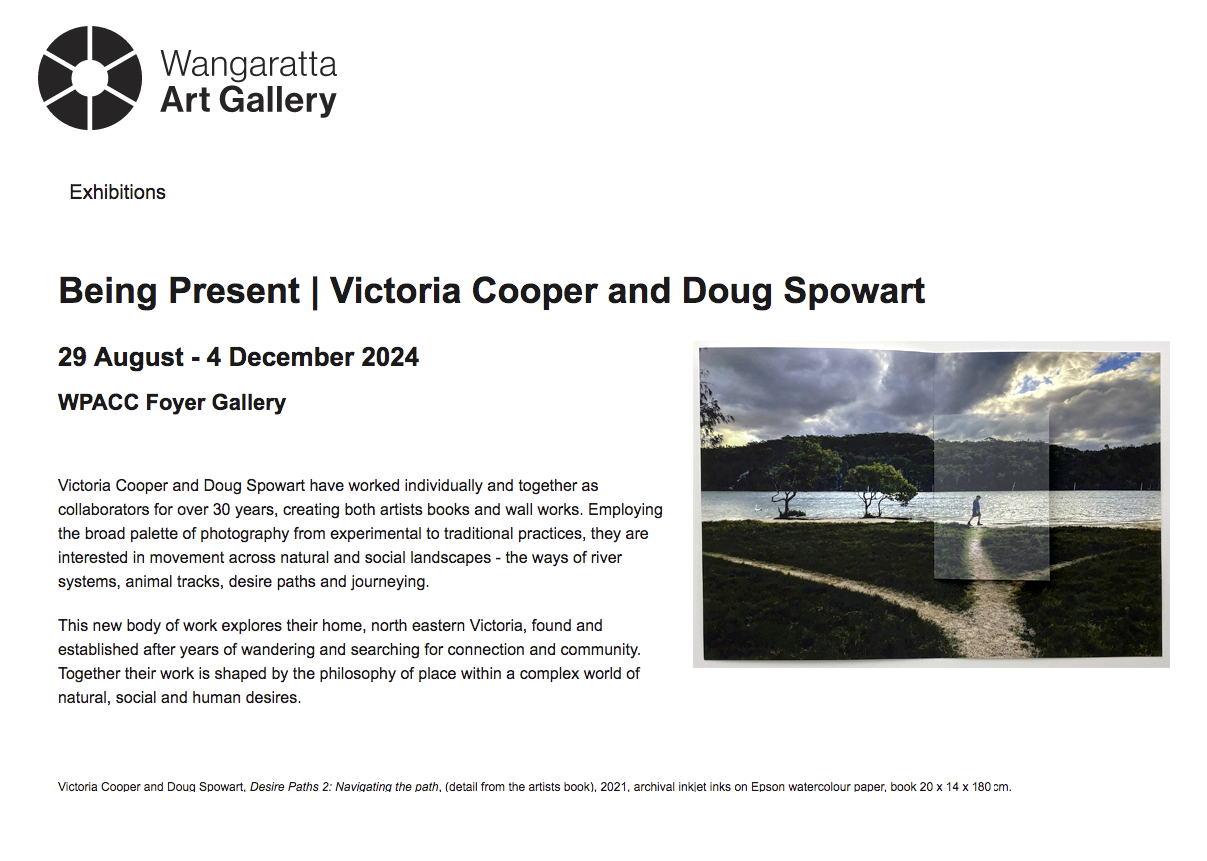
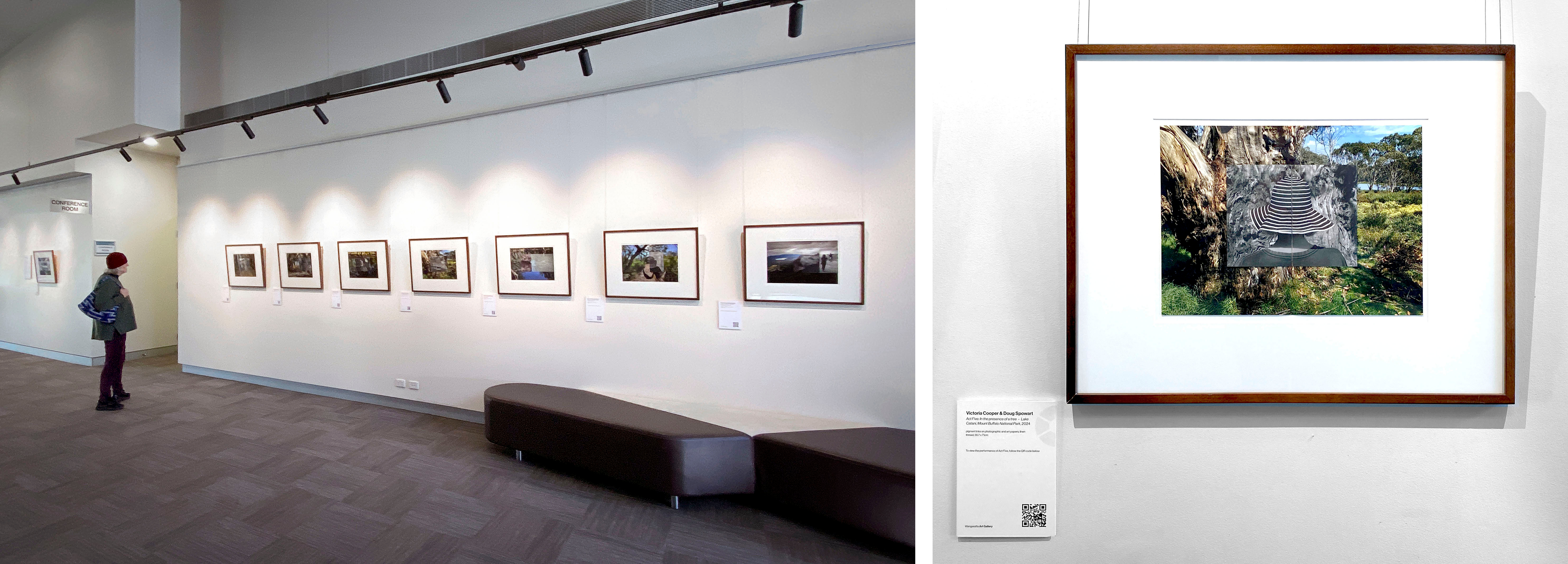
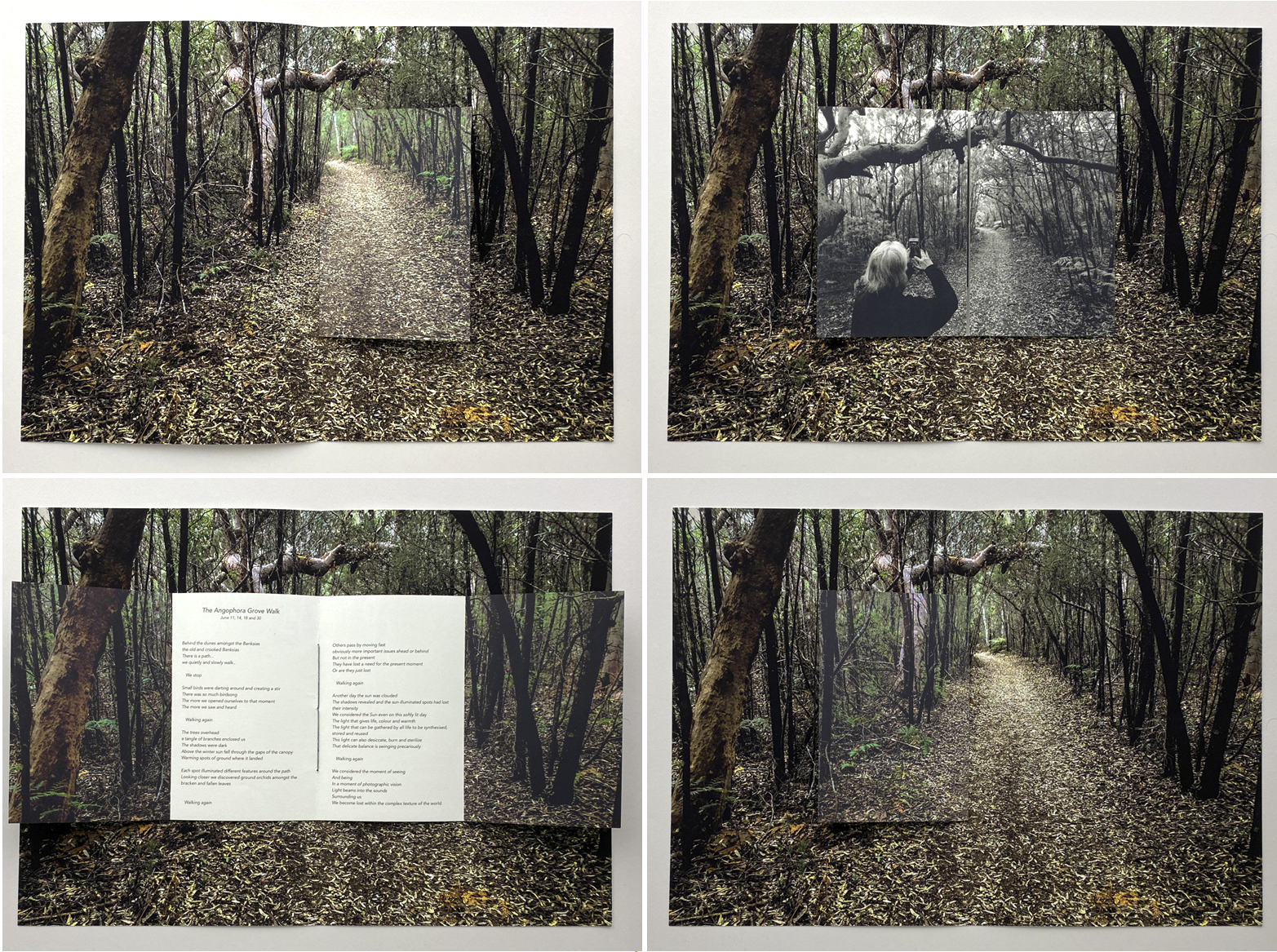
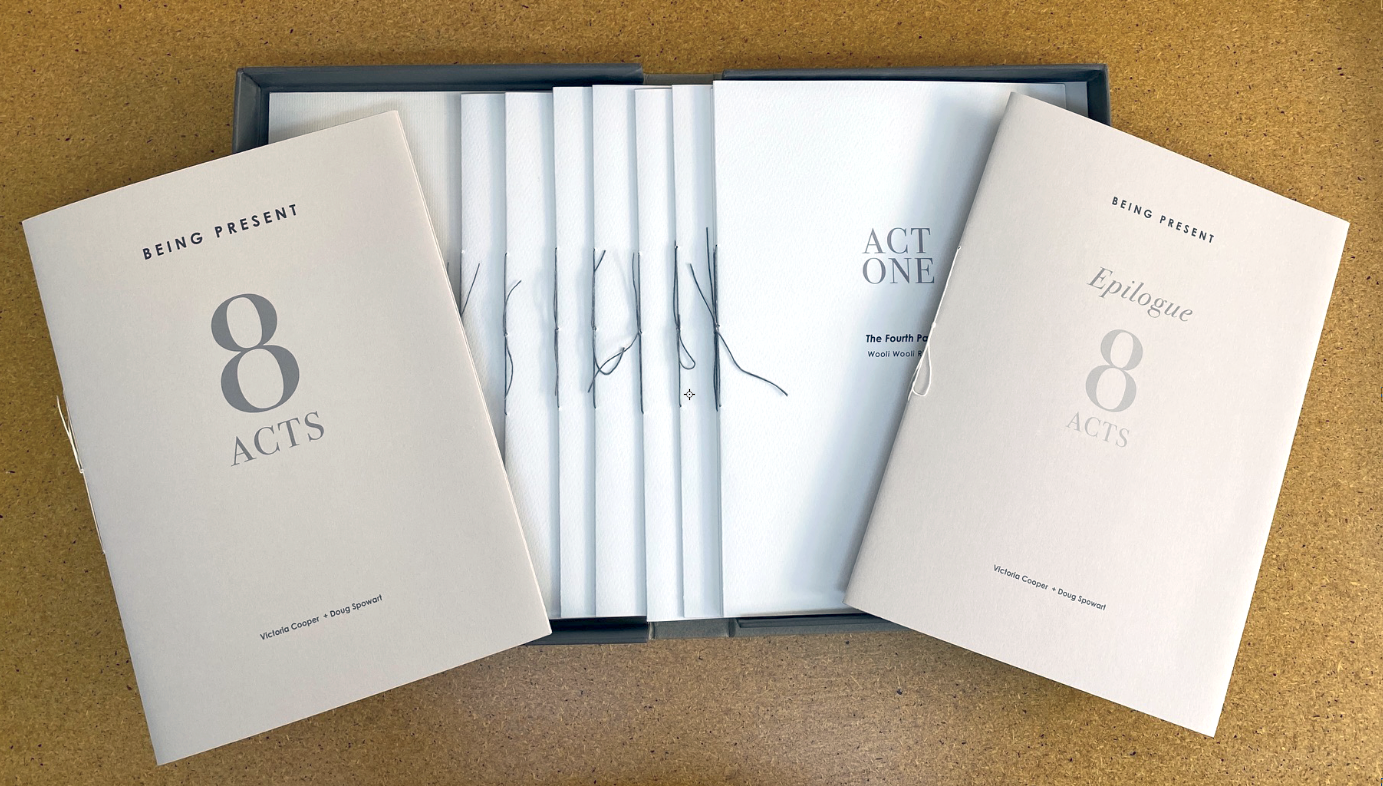
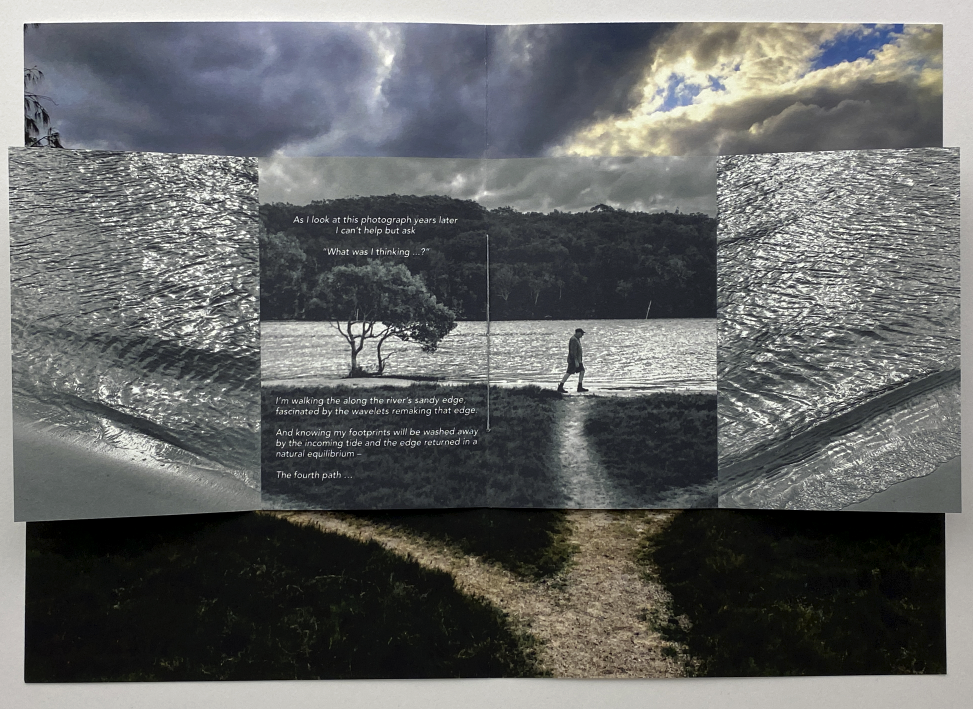
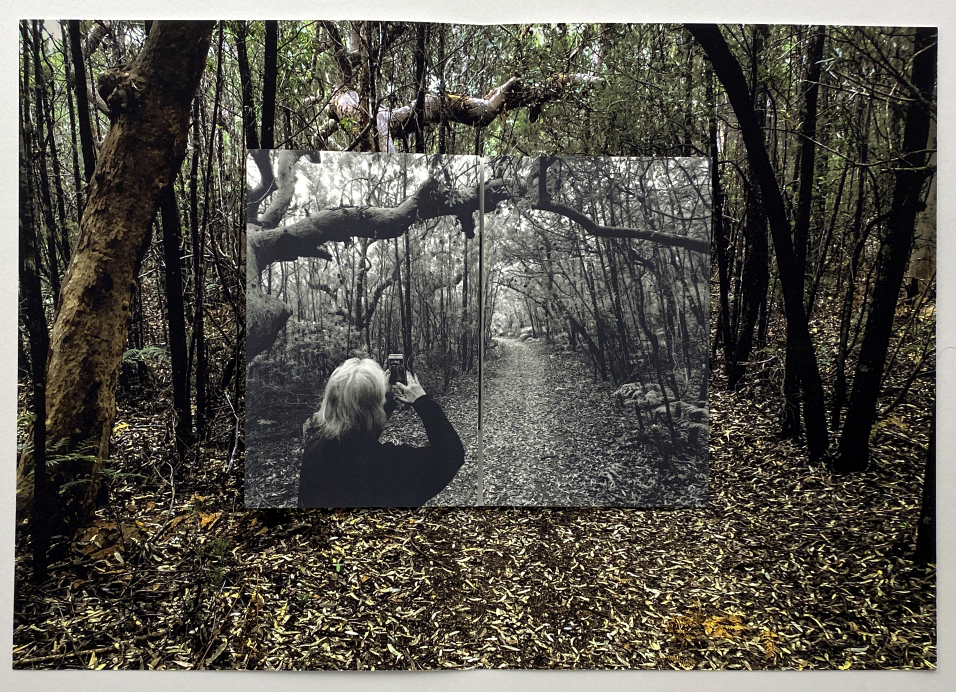
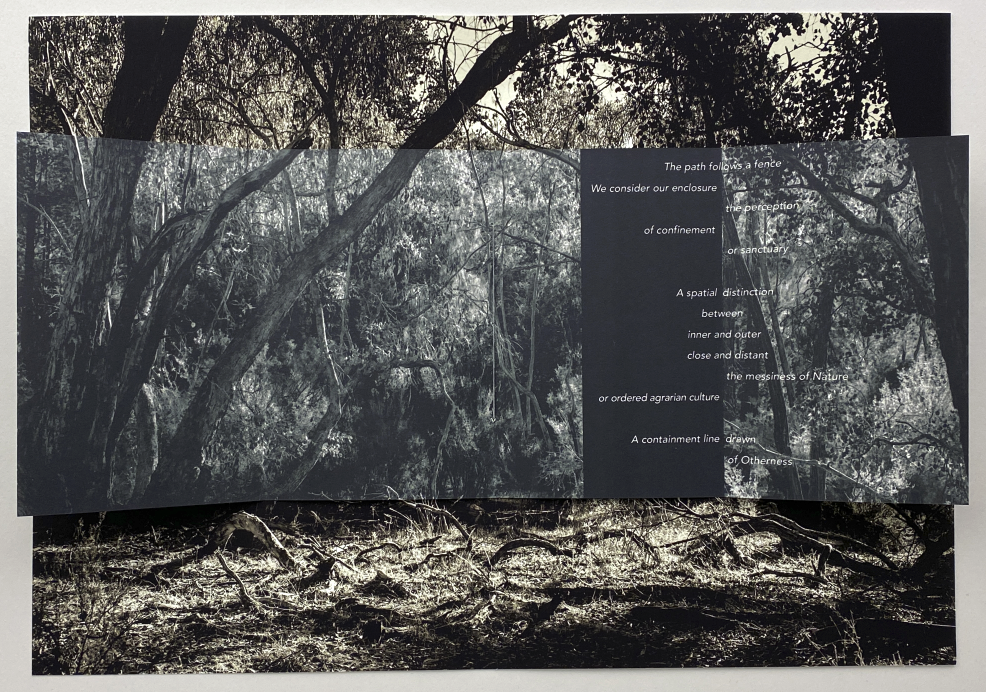
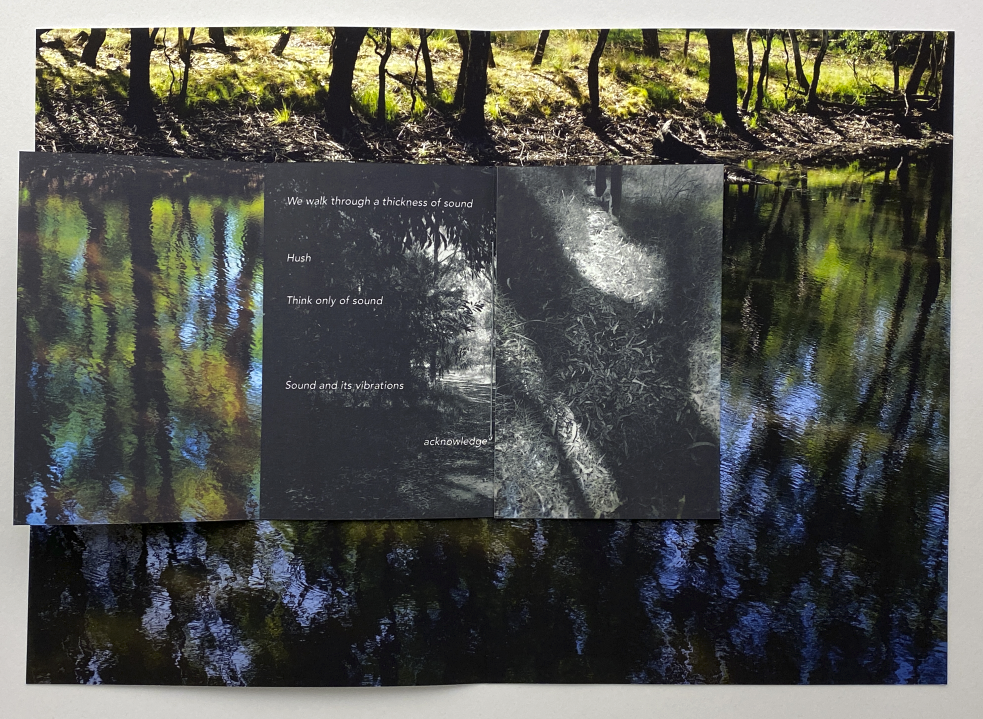
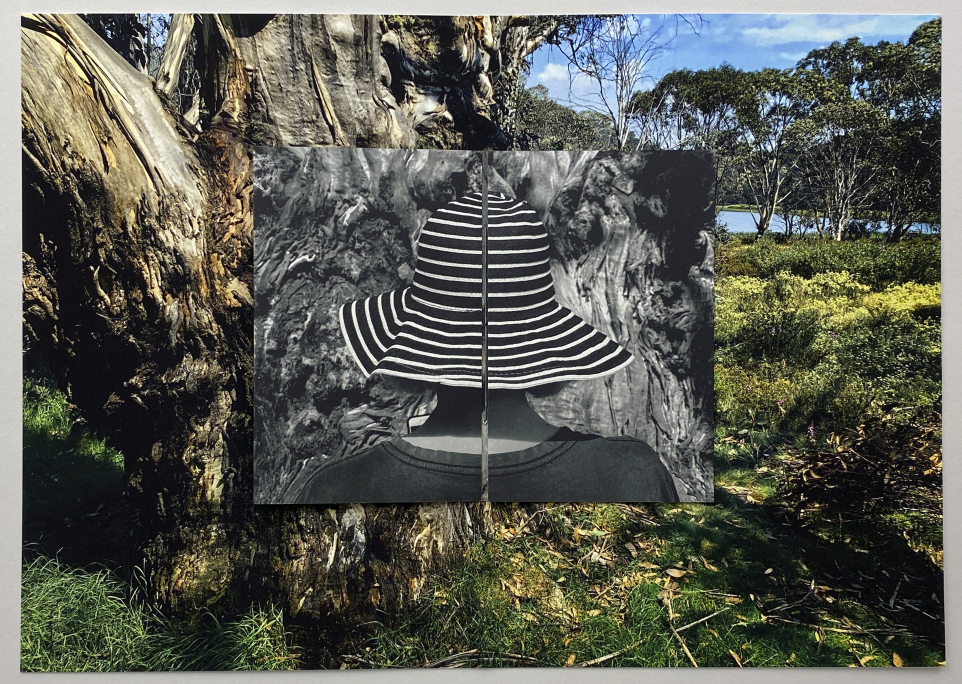
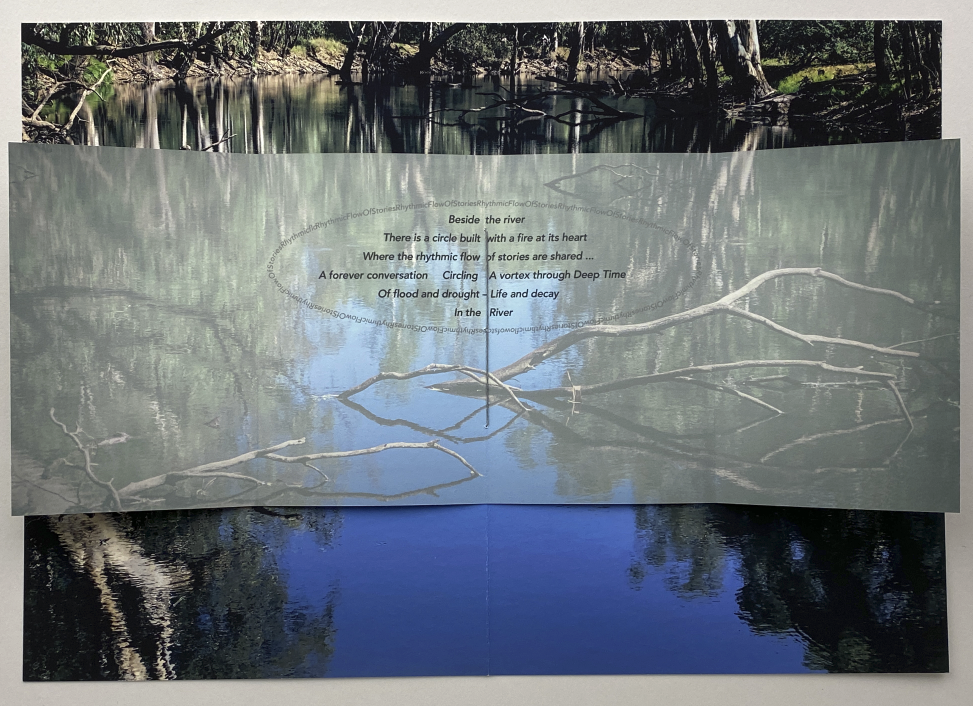
The Cooper+Spowart entry in this year’s Awards was our book Being Present: Eight Acts which was recently presented in a framed format in the Wangaratta Performing Arts Gallery.
Our artist’s statement was:
Walking is integral to our creative practice and being present in everyday life. These journeys, both physical and psychological, are not driven by the necessity to arrive at a determined end point but to meander and be aware of the possibilities in each step. Walking and Being Present also refers to the concept creation in, and performative actions of material thinking in the making of our book works.
Through a combination of materials and book forms, ‘Being Present: Eight Acts’ invites the reader to enter each scene and join us on a slow walk through time, space and considerations of ‘being in the world’.
We were excited to be advised that the book was judged as ‘Highly Commended’ by the judges and acquired for the Artspace Mackay Collection. While unable to attend the Award presentation event we forwarded the following words that were read by Gallery Director Tracey Heathwood.
We are deeply honoured to receive the Daly Bay Highly Commended Award in this prestigious exhibition and award. The Libris Awards is an important event to the artist book community, and we are thrilled with the knowledge that our book will now be included in the highly acclaimed Artspace Mackay artists book collection.
‘Being Present: Eight Acts’ evolved over many months of deep questioning and material thinking. The concept of walking and performance through both the physical and psychological space of the book is deeply embedded in both the making and reading of this book. It is an invitation the reader to enter each scene and join us on a slow walk-through time, space and an awareness of being in the world.
We wish to thank the sponsors Daly Bay for their support and the continued commitment that Artspace Mackay makes to the artists book community. We also wish to thank the Judges who we have taken care and time to connect with all the amazing books that have been presented to them for this award.
Thank you
.
THE 2025 AWARD WINNERS
.
CATEGORY 1
WINNER Daly Bay National Artists Book Award (acquisitive)
.
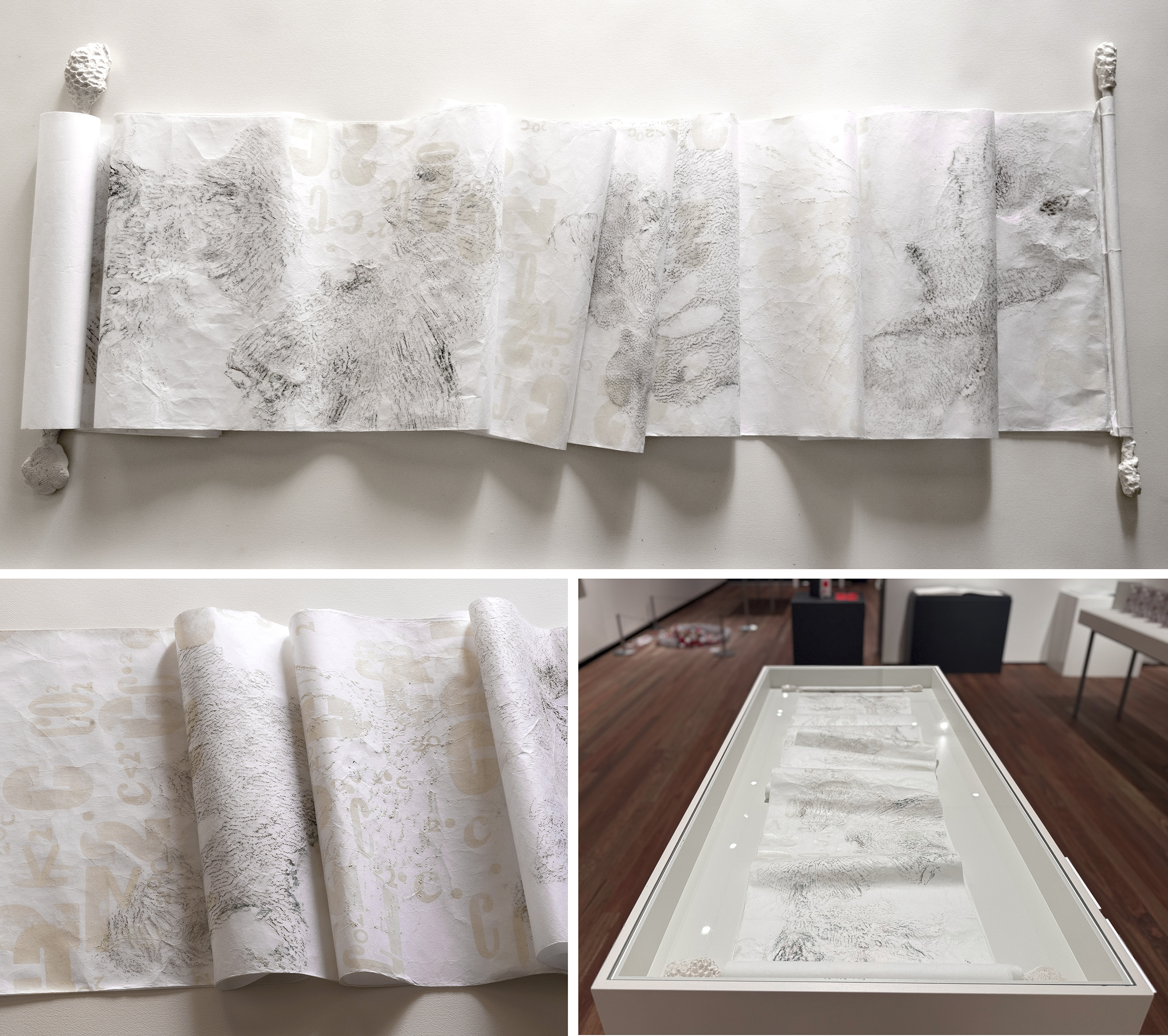
Jude Taggart Roberts Less than 2 degrees 2025
.
Jude TAGGART ROBERTS Less than 2 degrees 2025
Drawing, relief print on Hosho with paperclay, 160.0 x 46.0 x 4.0cm (open).
Images courtesy of the artist and Artspace Mackay
.
.
.
HIGHLY COMMENDED Daly Bay National Artists Book Award (acquisitive)
.
COOPER+SPOWART Being Present – Eight Acts 2024
.
Victoria COOPER and Doug SPOWART Being Present: Eight Acts 2024
Pigmented inks on photographic and art papers, edition of 3 + 1 AP, 31.0 x 22.0 x 3.5 cm
Images courtesy of the artists and Artspace Mackay
.
.
.
CATEGORY 2
Cathy Knezevic Regional Artists Book Award (acquisitive)
.
Karen Hurford & Natalie Field The Little Bird Compendium 2025
.
Karen HURFORD and Natalie FIELD The Little Bird Compendium 2025
Mixed media, 19 x 27.0 x 13.0 cm. Images courtesy of the artists and Artspace Mackay
.
.
.
CATEGORY 3
Tertiary Artists Book Prize – An invitational award (acquisitive)
.
Megan Kennedy Hold Hands Spring Tide 2025
.
Megan KENNEDY Hold Hands Spring Tide 2025
Mixed media, 20.0 x 22.0 x 4.0 cm (closed), 20.0 x 44.5 cm dimensions variable (open).
Images courtesy of the artist and Artspace Mackay
.
.
.
The 2025 Libris Award: The Australian Artists’ Book Prize exhibition will be on display at Artspace Mackay until the 14th of September.
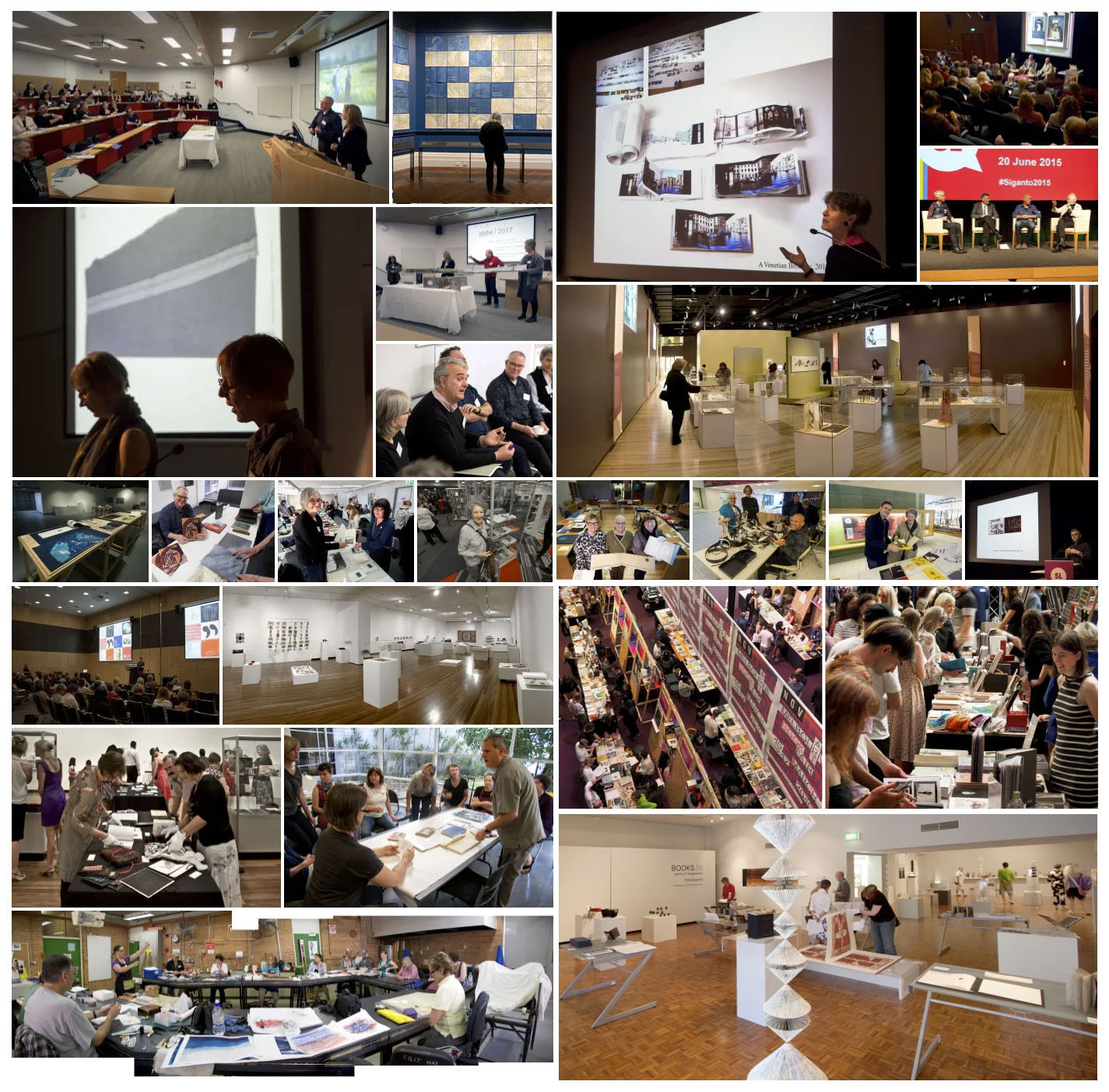
In July the artists book symposium ABBE 2025 took place at Artspace Mackay. A key theme of this event was the ‘mapping Australia’s artists book histories’ and in the extended brief for the conference there was the lament that while artists books in Australia had been broad and active there was a scant record of the history the discipline.
.
Reference was made to the understated history of the two main texts Gary Catalano’s The Bandaged Image (1983) and Alex Selenitsch’s NGA published Australian Artists Books 2008, conferences such as those coordinated by Artspace Mackay, many unpublished PhD thesis and the ‘valiant attempts by journals’ that burn out after a few years.
‘Bring your stories, your artifacts, and your memories’ they said so I put forward a submission consisting of aspects of the visual record that I have been making over 22 years of the artists book scene. My submission was to be an illustrated presentation consisting of approximately 200 portraits of the people of the artists book discipline as well as a few events.
.
Here is my submission rationale:
AN ARTISTS BOOK FAMILY ALBUM – A ‘paper’ by Dr Doug Spowart
“A family’s photograph album is generally about the extended family
and, often, is all that remains of it.”
Susan Sontag in On Photography 1977
Family archives are a profound thread connecting past, present, and future, serving as repositories of memory, identity, and history.
Photography is more than just a medium for capturing pictures—it is a lens through which we view and understand history. Its ability to document, provoke, and preserve moments in time has made it an indispensable tool for both personal and collective memory.
In this way photographs hold the power to evoke vivid recollections, introducing us to lost relatives and forgotten stories while anchoring us within a broader familial narrative. Yet, the fragility of these archives is striking — images tucked away on devices or in drawers risk being lost to time, their stories untold.
The passing of key family members often deepens this void, as context and meaning tied to people and events can vanish. Establishing and preserving a family archive becomes not just an act of personal curation but a legacy-building effort, ensuring that these visual fragments of memory remain accessible to future generations.
In an era where countless photos are taken but rarely saved, the challenge lies in collecting and annotating these fleeting moments. A taking them into lasting archives for some to have as a touchtone for memory, and for others to review and research. Maybe to tell the story for future eyes and minds of the books that were made, what events happened and who was there…
This paper will present an illustrated fragment of photographs of the artists book family taken by the author over a 20 years period.
Dr Doug Spowart
.
.
This submission was accepted, and the presentation offered to attendees of the symposium, and later online as a movie via the Artspace website.
.
.
A LINK TO THE YOUTUBE VIDEO ON DOUG SPOWART’s Channel: “CLICK IMAGE”
For BEST viewing quality select HD quality in the SETTINGS menu. NOTE: The full video is 12 minutes long.
.
.
.
.
PRESENTER’S COMMENT from Doug Spowart
In curating these photographs I have focussed on selecting images from the broad artists book community and have not included many photographs from my collaborative practice with Victoria Cooper.
Every attempt has been made to ensure correct captions – Please advise of any errors or omissions. Thanks to Caren Florance, Helen Cole, Robert Heather and Adele Outteridge for their assistance with captions.
Victoria and I have provided commentary about the artists book and photobook disciplines for many years in our Blog, journals, events coordinated and lecture presentations.
.
.
.
All photographs are Copyright Doug Spowart (Some by Victoria Cooper). The subject pictured, after contacting the copyright owner, may be able to use the portrait of themselves for non-commercial applications. Other usage may require negotiation of a fee.
.
.
.
.
.
WHAT FOLLOWS IS A LIST OF ALL CAPTIONS IN THE VIDEO
.
MABF 2017 National Gallery of Victoria
Deanna Hitti and Deidre Brollo @ MABF 2017 National Gallery of Victoria
‘Life’s Journey’ exhibition @ Redland Art Gallery, Cleveland 2012
Julie Barratt in her gallery at Alstonville 2011
Dianne Longley in her exhibition ‘Navigations’ at Barrett Galleries 2008
Tim Mosely in his exhibition Make Like An Eskimo 2012
grahame galleries opening of Lessons in History Vol. II – Democracy 2012
Heather Matthew and Stephen Spurrier @ grahame galleries opening of Lessons in History Vol. II – Democracy 2012
Monica Oppen and Jan Davis @ grahame galleries opening of Lessons in History Vol. II – Democracy 2012
Volume Art Book Fair, Artspace, Woolloomooloo, Sydney 2017
Helen Cole chairs presentations by Keith Smith and Scott McCarney State Library of Queensland 2012
Siganto Seminar: The Trouble with Artists’ Books SLQ 2013
Helen Cole –Siganto Seminar: The Trouble with Artists’ Books SLQ 2013
Noreen Graeme and Jan Davis – Siganto Seminar: The Trouble with Artists’ Books SLQ 2013
Hearsay book launch with Euan Mcleod, Ron McBurnie, Susi Muddiman & Lloyd Jones SLQ 2013
Jo Kambourian at Artists Books Flash Mob Survey Book event Grafton 2013
Catherine McCue Boes Books as art: 30 years in the making Bundaberg Regional Gallery 2014
George Paton Gallery, Artist’s Books (reprised) University of Melbourne 2014
International speaker Sarah Bodman presents a paper – Abbe 2015 Griffith University
International speaker Brad Freeman – Abbe 2015 Griffith University
Lyn Ashby – Abbe 2015 Griffith University
Convener Tim Mosely presenting – Abbe 2015 Griffith University
Books By Artists exhibition – Abbe 2015 Griffith University
Sue Anderson + Gwen Harrison Abbe 2015 Griffith University
Deidre Brollo with Christene Drewe + Helen Cole and Marian Crawford with Sarah Bodman
Abbe 2015 Griffith University
Penny Carey-Wells and Caren Florance Abbe 2015 Griffith University
Robyn Foster + Fiona Dempster and Angela Gardner Abbe 2015 Griffith University
Sheree Kinlyside and Impress Printmakers: Sue Poggioli + Jennifer Stuerzl Abbe 2015 Griffith University
Tim Mosely and Heather Matthew Abbe 2015 Griffith University
Adele Outteridge + Wim de Vos – Abbe 2015 Griffith University
Jo Kambourian and Darren Bryant at Lismore Art Space 2014
The SLQ White Gloves team Christene Drewe, Helen Cole and Jeanette Garrard for Abbe 2015
State Librarian Janette Wright welcomes attendees SLQ 2015
Brazillian artist Amir Brito Cadôr keynote presentation Siganto Foundation Artists’ Book Seminar 2015
Julie Barratt and Clyde McGill discusse their Siganto Foundation Creative Fellowship 2015
Jan Davis and Doug Spowart discuss their Siganto Foundation Creative Fellowship 2015
A forum on collaboration – Siganto Foundation Artists’ Book Seminar 2015
Judy Bourke and Adele Outteridge+Wim de Vos at the Siganto Foundation Artists’ Book Fair SLQ 2015
Clyde McGill and Anne Kirker and Sue Poggioli at the Siganto Foundation Artists’ Book Fair SLQ 2015
Helen Malone and Sandra Pearce at the Siganto Foundation Artists’ Book Fair SLQ 2015
Amir Brito Cadôr with Noreen Grahame & Helen Malone at the Siganto Foundation Artists’ Book Fair SLQ 2015
Helen Cole, Michael Wardell & Clyde McGill at the Siganto Foundation Artists’ Book Fair SLQ 2015
Dr Marie Siganto makes a presentation to Ana Paula Estrada and Victoria Cooper
PAPER CONTEMPORARY – Sydney Contemporary 2015
Grahame Galleries stand with Ron + Jonathan McBurnie at Paper Contemporary – Sydney Contemporary 2015
Victoria Cooper, Jan Davis and Trent Walter at Paper Contemporary – Sydney Contemporary 2015
Sue Anderson + Gwen Harrison and Brigita Oppen at Paper Contemporary – Sydney Contemporary 2015
Helen Cole, Akky van Ogtrop, Robyn Berkeley from Berkeley Editions and Victoria Cooper at
Paper Contemporary – Sydney Contemporary 2015
Fellow Travellers a book by William Kelly, SLV Creative Fellow and Baldessin Press Studio Residency recipient
Personal Histories International Artist Book Exhibition Uni of NSW Canberra 2015
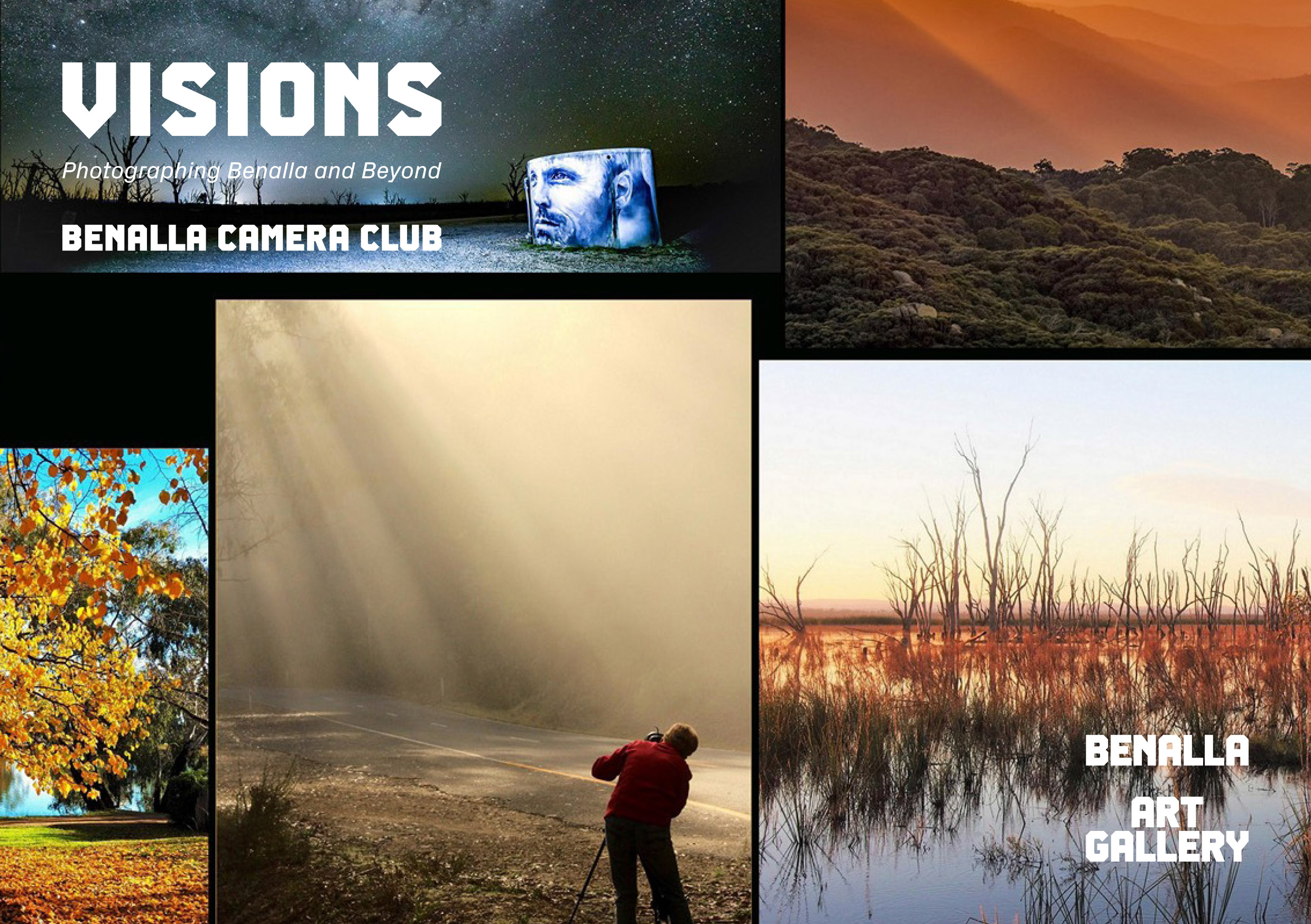
An exhibition celebrating the 70th Anniversary of the Benalla Camera Club at the Benalla Art Gallery October 15 – December 8 2024
.
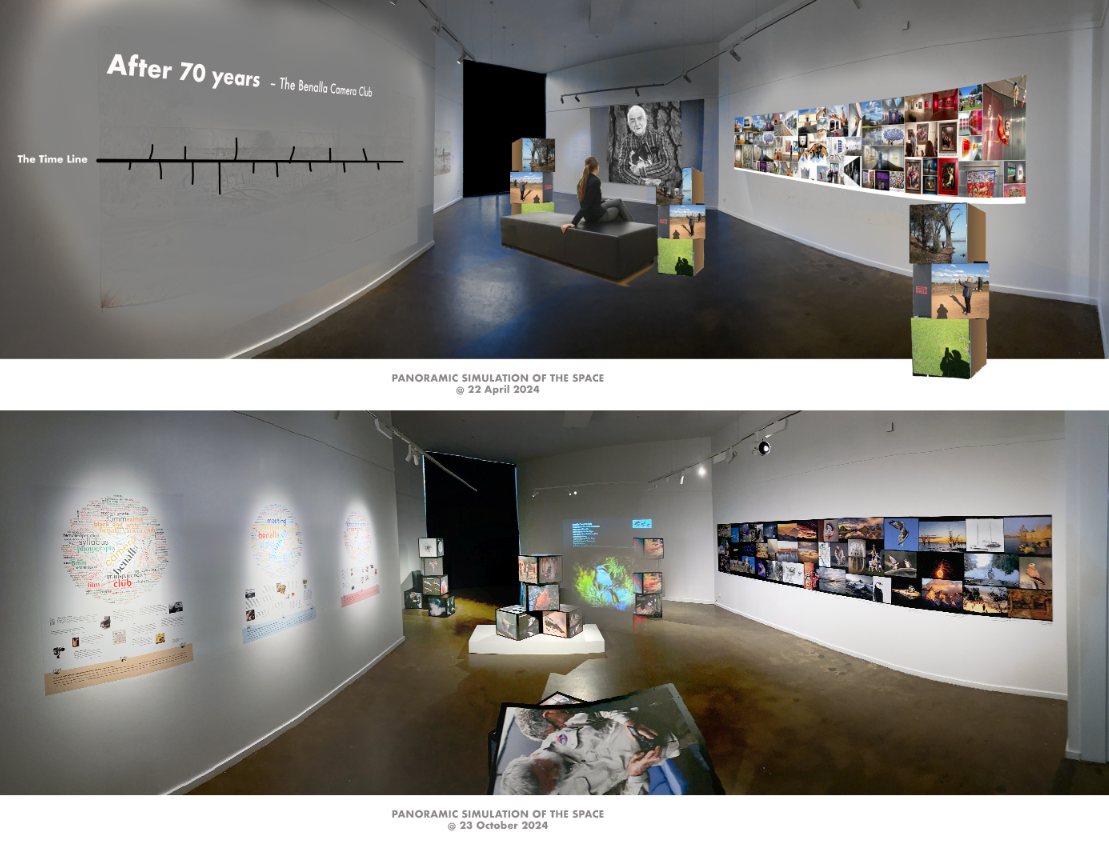
VISIONS instalation
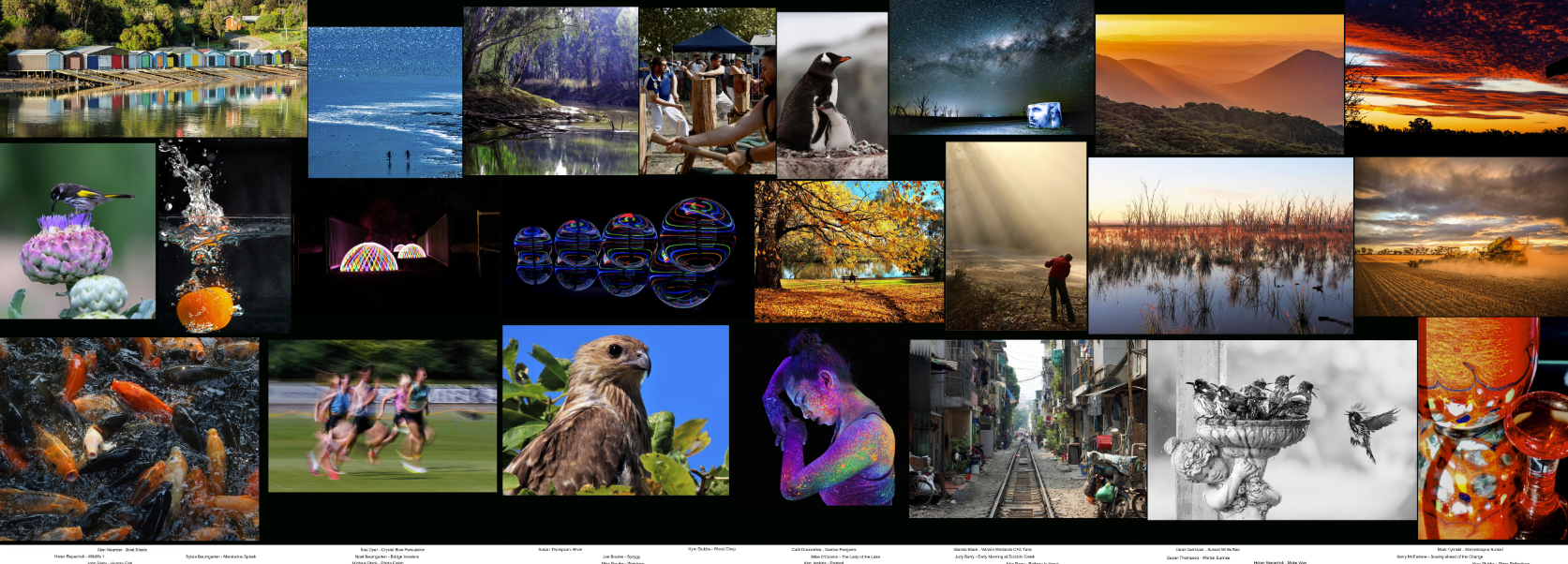
VISIONS montage
VISIONS image boxes
.
In early 2024 we were invited by the Benalla Camera Club to participate on the organising team of an exhibition that celebrated the Club’s 70th anniversary of its founding in 1954. From October to December this year the club’s showcase was to be held in the Simpson Gallery space of the Benalla Art Gallery. As members of the club, we were excited to be able to contribute to the project through our knowledge and experience of exhibition production.
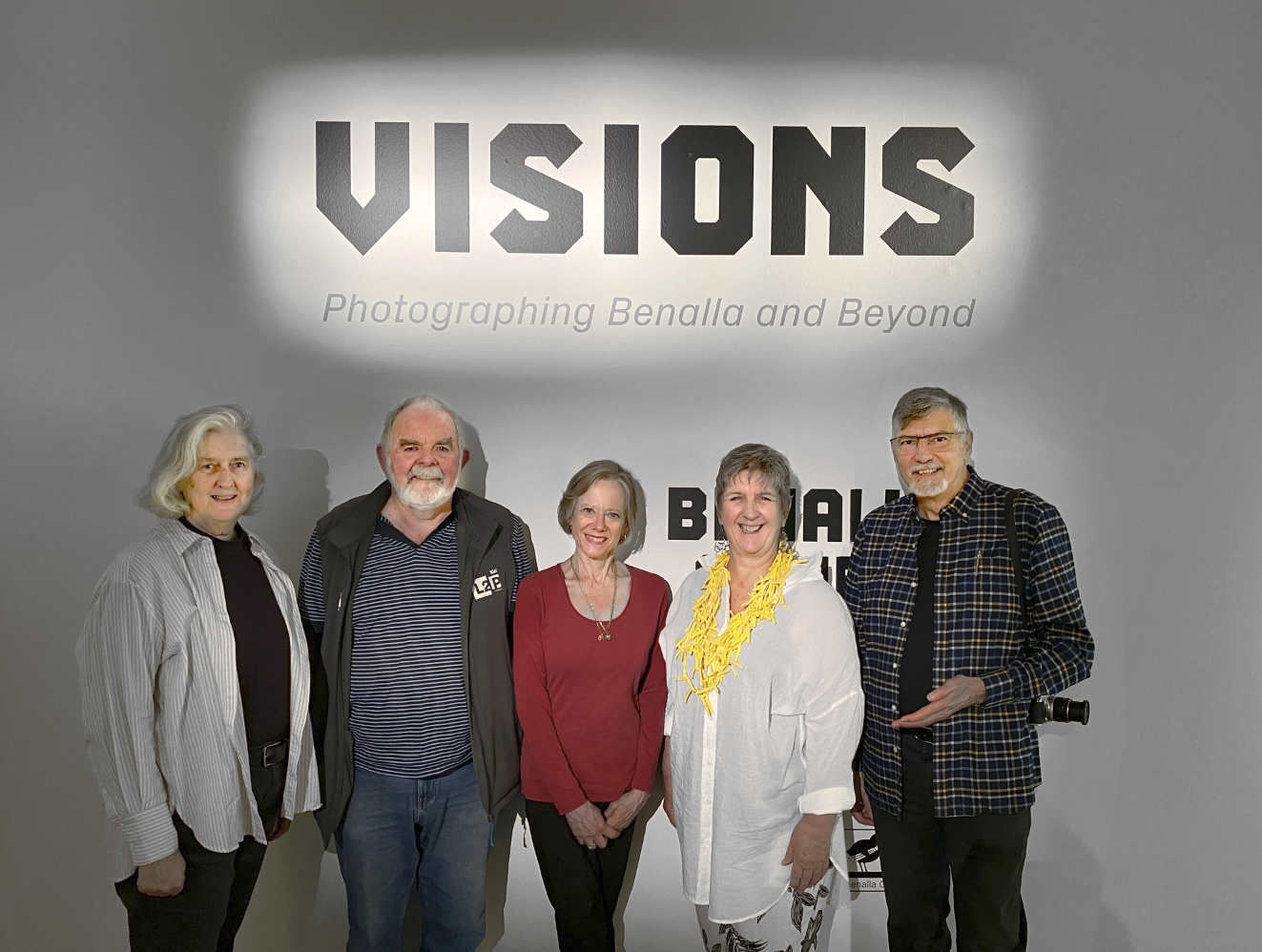
The team included artist Kym Stubbs, digital designer and technician Mike O’Connor, Club Treasurer and club historian Judy Barry and the two of us. At the beginning of the project the team met with Benalla Art Gallery Director Eric Nash to discuss the gallery’s requirements and process for the exhibition. Meetings of the committee, and at times included Eric, continued at regular intervals throughout the project.
.
The Team – Benalla Camera Club VISIONS exhibition
.
Early in the project we presented a suggested layout that included a large image mosaic around 7 metres long for one wall, a large projected image screen, a showcase of equipment and a timeline. To make for a dynamic experience for viewers in the centre space of the gallery, team member Kym suggested 3D sculptural collections of boxes with images affixed to them.
.
Proposal and final install of Visions Exhibition
.
The key theme was to celebrate the club’s current membership while highlighting references to, and stories from, the past 70 years. Concepts and ideas were refined and the exhibition gradually took shape to be an innovative and contemporary display. Special challenges were set for Mike experimenting methods for ganging images together for the montage mural and the printing of images for the boxes. Kym experimented with sizes and arrangements for the boxes and their placement in the gallery space. She also sourced a local manufacturer to make the boxes and then, with fellow club member Helen Repacholi, painted and prepared the boxes. The Gallery already had engaged a local master printer Marty Burke Signs for the adhesive backed vinyl wall mural and other didactic panels. Apart from general project coordination our task was to collate and prepare a timeline from information supplied by the club historian Judy.
.
A section of the Visions montage
.
Images by current club members were to be presented in the exhibition in many formats. The largest was a photographic montage 8 metres long featuring 44 images. A further 80 images appear on Kym Stubbs’ boxes with around 44 images, and an early movie, in digital projection slide show – all of which were collected and assembled by Mike O’Connor. Kym and Mike collaborated on the selection of image sets for the boxes.
.
THE INSTALL
In the days before the opening the camera club team members along with Eric and the Gallery team worked to install the exhibition.
.
Installing the montage with Eric, Fleur and Doug
Kym in the installation – Benalla Art Gallery
Kym and Vicky in the install
Mike installing photos on the boxes
In the installation – Benalla Art Gallery
.
THE OPENING
.
The exhibition was opened on October 18, 2024 by the club Vice President Noel Baumgarten, with other speeches by Dom Testoni CEO Benalla Rural City Council, and Eric Nash Director of the Benalla Art Gallery.
In his introductory remarks at the opening Gallery Director Eric was to make the following comments –
Exhibitions such as this are incredibly important as they speak directly to the diversity and vibrancy of Benalla’s artistic community; those who pursue their artform with passion and dedication. In doing so these creative members of our community are not only benefitting personally, but they are enriching our entire region. And what an incredible thing that the Benalla Camera Club has been doing this for our community for 70 years! A round of applause please everyone on an incredible milestone.
And I think it’s wonderful within this exhibition that we can not only celebrate some stunning images by current members, but also through the illustrated timelines gain an appreciation of the full scale of those changes; stretching back to 1954 when the Club staged competitions centered on Kodachrome film, and 16, 8 and 35mm black and white film, to an adoption in recent years of the online platform MyPhotoClub for the administration, judging, and presentation of photo competitions.
.
THE TIMELINE EXHIBITION COMPONENT
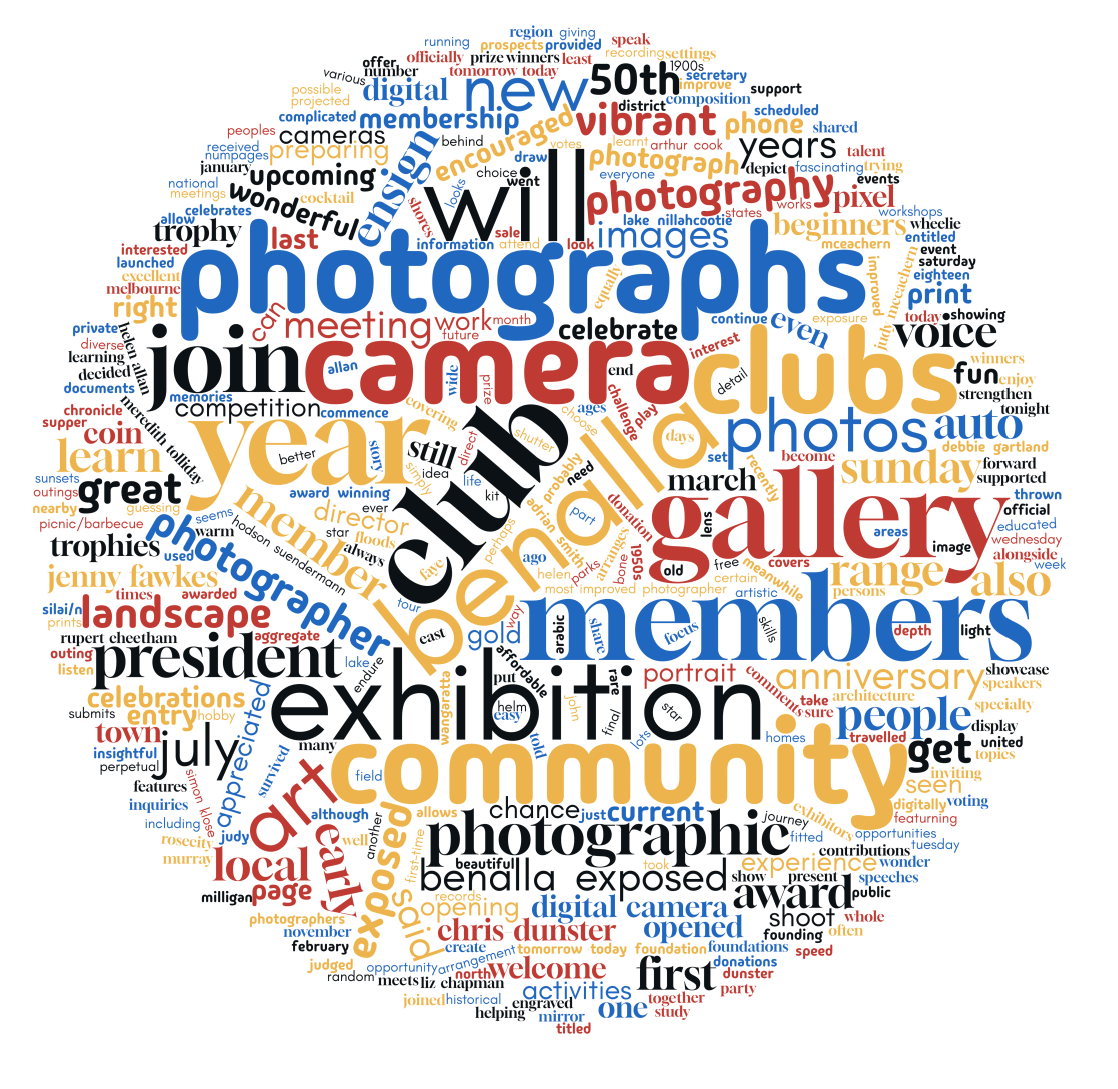
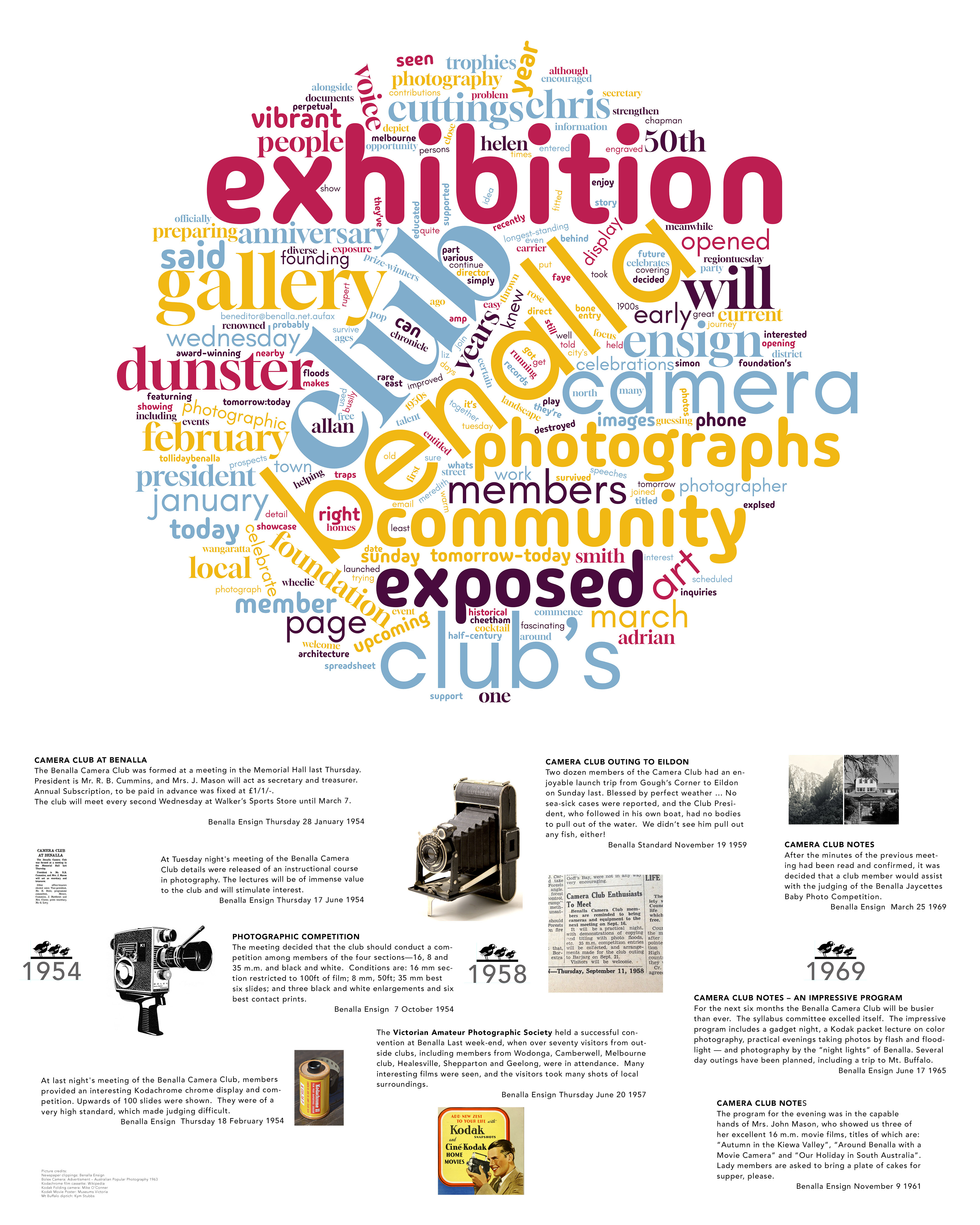
Our task was to resolve the Timeline component of the exhibition. We worked to find ways to incorporate the great volume of text material collated by Judy that had been sourced from local newspaper clippings from the Benalla Ensign and club reports. We selected three time periods to generally represent the eras of photographic practice over the 70 years: 1954–1969, 1970–1999 and 2000–2024. To present the information from each era in a visually interesting way we fed the gathered texts relating to that period into a ‘word cloud’ app. The resulting graphic created by the app was a circular design where the size of each word was determined by the number of times it appeared in the text.
.
Timeline word cloud for 1970-1999
.
An additional element to the Timeline was a succinct history of photography over the 70 years highlighting changes and transitions in technology and the change from analogue (film) to digital capture and output. Here’s a sample of this text from 1970-1999.
.
“TOWARDS A PHOTOGRAPHIC TIMELINE FROM THE 1970s to the 1990s – A Brief Commentary
ART MOVEMENTS AND APPROACHES TO MAKING PHOTOGRAPHS: Pictorialism (popular in camera clubs), Modernism and Post-Modernism, Documentary and Art – the foundation of the Australian Centre for Photography
PHOTOGRAPHIC IMAGING TECHNOLOGY: Analogue along with digital technology development of digital imaging and output in the 1990s
IMAGING DEVICES: Analogue camera brands with new digital still and movie cameras in the 1990s including Kodak, Sigma, Sony, Samsung, Canon, Nikon, Pentax and Fuji
CAPTURE MATERIALS: Analogue materials persisted although in the late 1990s digital emerged as the dominant technology. Flatbed and film scanners created opportunities to bring analogue materials into the digital space
PRESENTATION TECHNOLOGIES: Prints, projectors for slides and movies were gradually replaced by digital projectors with screens and speakers
SPECIALISED TECHNOLOGY: Darkrooms became redundant and were replaced by computers and digital imaging programs like Adobe Photoshop. Inkjet printing with desktop devices began to replace professional laboratories. In the 1990s the Internet became the medium for sharing and disseminating digital files”.
.
Benalla Camera Club Timeline 1954-1979
.
An additional Timeline element were small quotes from the newspapers that describe the activities of the club at that time …
.
(CLICK ON EACH TEXT BLOCK TO ENLARGE)
.
IN CONCLUSION
It was exciting to be part of the team that created this innovative presentation of the Benalla Camera Club. Importantly the exhibition presents the visual record in many photographic styles from artistic representation to documentary, and abstract to natural history recording. As photography enthusiasts the club members are a part of a world-wide community. Through personal expression and creativity, they provide visual statements of the times in which they lived and stories of their community. Their manifesto states:
“Today our club continues to explore expanding opportunities for photography. As well as creating images of the world around us, we pursue a range of techniques and photo-making experiments to capture the world beyond the scope of the human eye. We can be found with camera in hand at every community occasion. Through our regular club competitions, activities and excursions, we work to share our knowledge, skills and experience of the art and craft of photography with the wider community. (From the Gallery didactic)
.
Congratulations Benalla Camera Club and their members on their 70 years of operation – we look forward to seeing the Club thrive in the next 70 …
.
Victoria Cooper+Doug Spowart
.
.
.
More Information About the Benalla Camera Club
The Benalla Camera Club is a local club, with current membership of approximately 30 active photographers. The Club meets monthly for photo competitions, workshops, activities and outings. Anyone interested in photography is welcome to attend meetings and learn more about the Club, which caters to all photographers from beginner to advanced. To learn more or become involved, visit: www.benalla.myphotoclub.com.au
A long-term underlying driver of our creative practice both individual and collaborative is linked to a philosophy of Being Present. Our work responds to a variety of conditions and influences including historical that relate to the contemporary experience of a place, space and time.
This bookwork and exhibition is the culmination of work started in December last year when we were offered a show by the Wangaratta Art Gallery Director Rachel Arndt in the Wangaratta Performing Arts Centre (WPAC). Very early in the project, Arndt selected the image of Doug walking along the Wooli Wooli River to be the featured image. This image holds a lot of meaning for us as it is emblematic of our long journey along many paths following new directions in our creative and personal life.
In the WPAC space we could only present framed work as a requirement for the organisation due to the complexity of presenting off the wall art in that public space. As our medium is artists books and photobooks with wall art to support the concept, we were then confronted with the dilemma of how to present an exhibition that was potentially an artists book. We forged ahead, confident that this would be resolved as we materially worked through the project.
.
Ovens River Wangaratta
.
Following on from recent work in the nearby Winton Wetlands (Mokoan) and our Desire Paths series of books, we began the project by exploring tracks within the local place of Wangaratta, the Ovens River and the Warby Ranges.
During this time we also returned to the place of the Wooli River walk in northern NSW where we further developed the conceptual and creative work.
At this time we identified and drew upon a connection to the exhibition space as a site that related to our practice that involves self-documentation as a performative exploration of each concept.
The book was now taking shape as a series of Eight Acts that brought together our physical and psychological documentation together with the concepts of performance. As Arndt highlights in the exhibition didactic our work is:
… not driven by the necessity to ‘arrive’ at a determined end point, but instead guided by a shared philosophy of ‘being present’ – to meander and be aware of the possibilities in each step. Attuned to the sounds of birds, the texture or shape of a tree, an abstract form or shadow, or a poetic thought, they will stop and take time to observe and document these moments, each pause a metaphorical and visual conversation between time, place and being-in-the-world.
.
Being Present: 8 Acts installation
.
Presented as a series of eight ‘Acts’, Cooper and Spowart’s new body of work explores the psychological and corporeal insights of their walking practice. Their performative actions are captured through the making and reading of a book, with each framed work presenting one page turned and exposed, while another is hidden below. Just as one leg steps forward, the other remains behind in shadow. The ground, or their mise-en-scene, bringing situational significance.
.
4 images of Angophora Grove Walk showing different aspects of the book
..
We designed the book so that each ‘Act’ offers an engaging haptic reading experience through unfolding the pages. In the exhibition space we were unable to show the book, therefore to give viewers an opportunity to see it in its entirety we made videos performing each ‘Act’ folio. Visitors to the exhibition can access these high definition videos via QR codes on the didactic panel next to each frame. We will also be presenting the book at specified times during the exhibition’s 3 month duration.
.
Being Present: Eight Acts book and clamshell
.
.
.
HERE ARE THE EIGHT ACTS
ACT ONE – The fourth path
ACT 1 – The fourth path – Wooli Wooli River
TO VIEW A VIDEO PERFORMANCE of this ACT “Click” HERE
.
.
ACT TWO – Angophora Grove Walk
ACT 2 Angophora Grove Walk, Yuraygir National Park
TO VIEW A VIDEO PERFORMANCE of this ACT “Click” HERE
.
.
ACT THREE – Walking the Fenceline
ACT 3 Walking the fenceline – Sunrise Track, Warby Ranges
TO VIEW A VIDEO PERFORMANCE of this ACT “Click” HERE
.
.
ACT FOUR – Walking Through the Thickness …
ACT 4 Walking through the thickness of sound – Ovens River, Wangaratta
TO VIEW A VIDEO PERFORMANCE of this ACT “Click” HERE
.
.
ACT FIVE – In the Presence of a Tree
ACT 5 In the presence of a tree – Lake Catani, Mount Buffalo National Park
TO VIEW A VIDEO PERFORMANCE of this ACT “Click” HERE
.
.
ACT SIX – The Meeting Circle
ACT 6 The meeting circle – Ovens River, Wangaratta
TO VIEW A VIDEO PERFORMANCE of this ACT “Click” HERE
.
.
ACT SEVEN – Portal, The Great South-West Walk
ACT 7 Portal – The Great South-West Walk, Glenelg River
TO VIEW A VIDEO PERFORMANCE of this ACT “Click” HERE
.
.
ACT EIGHT – Taking Flight, Boroka Lookout
ACT 8 Taking flight – Boroka Lookout, Gariwerd National Park
TO VIEW A VIDEO PERFORMANCE of this ACT “Click” HERE
.
.
THE ARTISTS’ EPILOGUE TO THE BEING PRESENT BOOK
Throughout the development of this project, we have been informed by, and acted on, insights arising from both the physical: walking and corporeal contemplation; and the psychological: metaphorical and poetic connections with our surroundings.
Being Present is a philosophy that resonates throughout our creative careers and everyday life – underpinning our past, and as we navigate new paths.
The performance and creation of the eight ACTS has set the stage for future visual books to share, through the haptics of reading and visual metaphors, a deep connection with narratives of place.
.
.
THE MAKING OF THE BOOK
This body of work was first exhibited as a book in frames in Wangaratta Art Gallery’s exhibition space at the Performing Arts Centre in August to December 2024.
The book was resolved, printed and bound in our Bridge Street Studio in Benalla.
Being Present: Eight Acts is printed on an Epson printer with pigment inks on Epson Velvet Fine Art Paper and Zerkall printmaking papers and bound in Stonehenge covers, with Kozo Kawairi interleaved papers and waxed linen thread.
.
ACKNOWLEDGEMENTS
We wish to thank Rachel Arndt, Director of the Wangaratta Art Gallery for the opportunity for us to conceptualise, develop and create a new body of work that relates to the continuing theme in our work – Being Present.
We wish to thank Dr Felicity Rea for the access given to her family retreat at Wooli where we worked on this project. We also wish to acknowledge her continuing commentary and support of our work.
Thanks also to Cassandra Pollack for her knowledge and companionship along the Ovens River walk.
Thanks to Remy at She’s Arty in Benalla for the framing of the exhibition.
We also acknowledge the First Nations as the traditional custodians of the Country on which we have travelled through and worked. We respect their deep and enduring connection to their lands and waterways and recognise that sovereignty was never ceded.
We honour and respect their ancestors, Elders past, present and emerging and the continuation of cultural, spiritual and educational practices of all Aboriginal and Torres Strait Islander peoples.
Regional Art Galleries exhibitions and events not only say a lot about the culture of a local community but they also provide a connection to the broader national and international world of art. These institutions are places where locals can engage with and present their stories and celebrate their creative spirits. This experience is not one that a capital city can provide – it is unique to the regional gallery and arts centre. It also provides an opportunity for local artists to be located or acknowledged within the broader art community. The Grafton Regional Gallery is one of these galleries.
.
.
When visiting this region we always make time to see what is showing at the gallery and the current exhibitions were again full of interesting stories and creative work. The entrance to the front of the gallery and information centre is on the ground floor of historic Prentice House[1] . In these front rooms there is a wonderful show of botanical drawings and paintings by local artist, Doris O’Grady. O’Grady’s art can be appreciated for the aesthetics and taxonomic work she made from her collection during the mid 20th Century.
.
Doris O’Grady “Mushrooms” exhibition
.
Interestingly the place where we are staying in this region had some strange fungi growing in the garden about which we were curious. Amongst Doris’ paintings was the very same fungus we had seen that morning in the front garden! O Grady’s work in emblematic of the blurred lines between art and science. Where the scientist or naturalist creates interpretive aesthetic drawings of their beloved subject for both further investigation and display.
.
The Mush Room Family Play Space with soft sculptures by Antony Perring, Design and education by Bush Fairy animations by Clara Lagor (USA) and Emma Scarth (Canada)
.
Across the courtyard the newer second part of the gallery, we encountered a magical space inventively named, The Mush Room. Here artists and designers have playfully created a space of soft sculptures, a video and didactic wall panels. There is also an interactive drawing and sculpture for the young at heart to investigate fungi and environmental themes by creating their own work and adding leaf elements to adorn the wooden tree shapes.
.
“A Printer’s Proof: The Fred Genis Collection”
“A Printer’s Proof: The Fred Genis Collection”
A work by John Coburn
A work by John Olsen
A work by Brett Whiteley
A work by James Gleeso
.
In the next gallery spaces, mushrooms and fungi feature again within a larger exhibition of prints and an artists book, The Printer’s Proof: The Fred Genis Collection. Genis over his long career as a master printmaker collaborated with many nationally and internationally renowned artists including John Cage, Robert Rauschenberg, Tim Storrier, Judy Watson and Brett Whiteley.
.
John Cage’s Mushroom Book
John Cage’s ‘Mushroom Book’
.
There is a huge diversity of themes and work, the Mushroom Book by John Cage is a main feature. Pages from the book are displayed between Perspex to allow the viewer to see both sides of the pages and connect with the books conceptual design incorporating lyrical texts and visual elements. The bound book was displayed in a vitrine adjacent with some archive documents of the production and sale.
.
Not Wanting to Say Anything about Marcel
Not Wanting to Say Anything about Marcel
.
Artists Proof is a comprehensive exhibition bringing together a history of art and printmaking, the artists and studios. It is an exhibition that would appeal to many particularly those wanting to touch with the practice of Genis and his contemporary colleagues. There is the potential for many discussions around the individual works as objects and concepts, of and for their time in art.
We will return to the gallery as to fully engage with the depth of these exhibitions will take more than one visit.
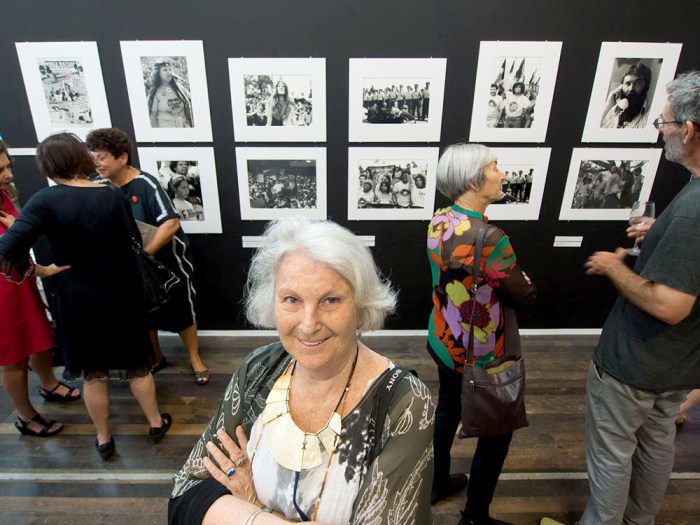
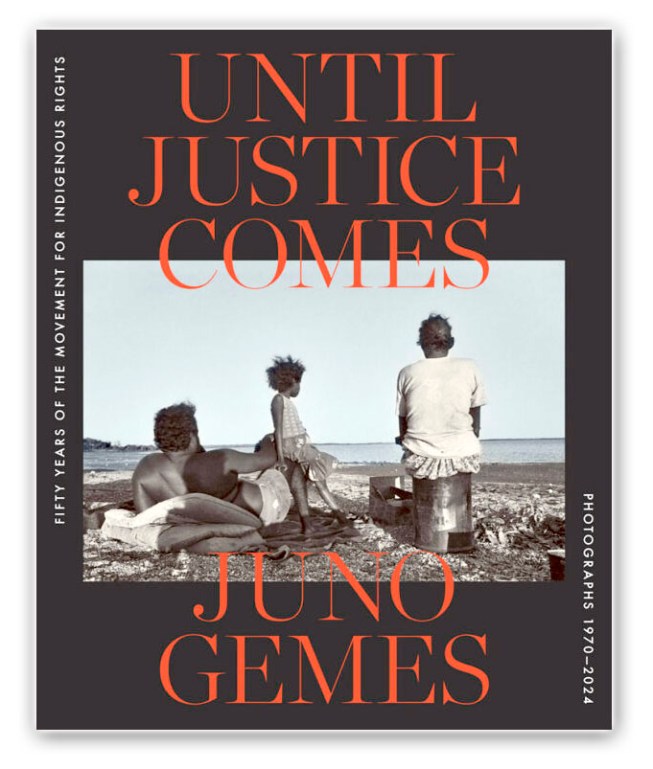
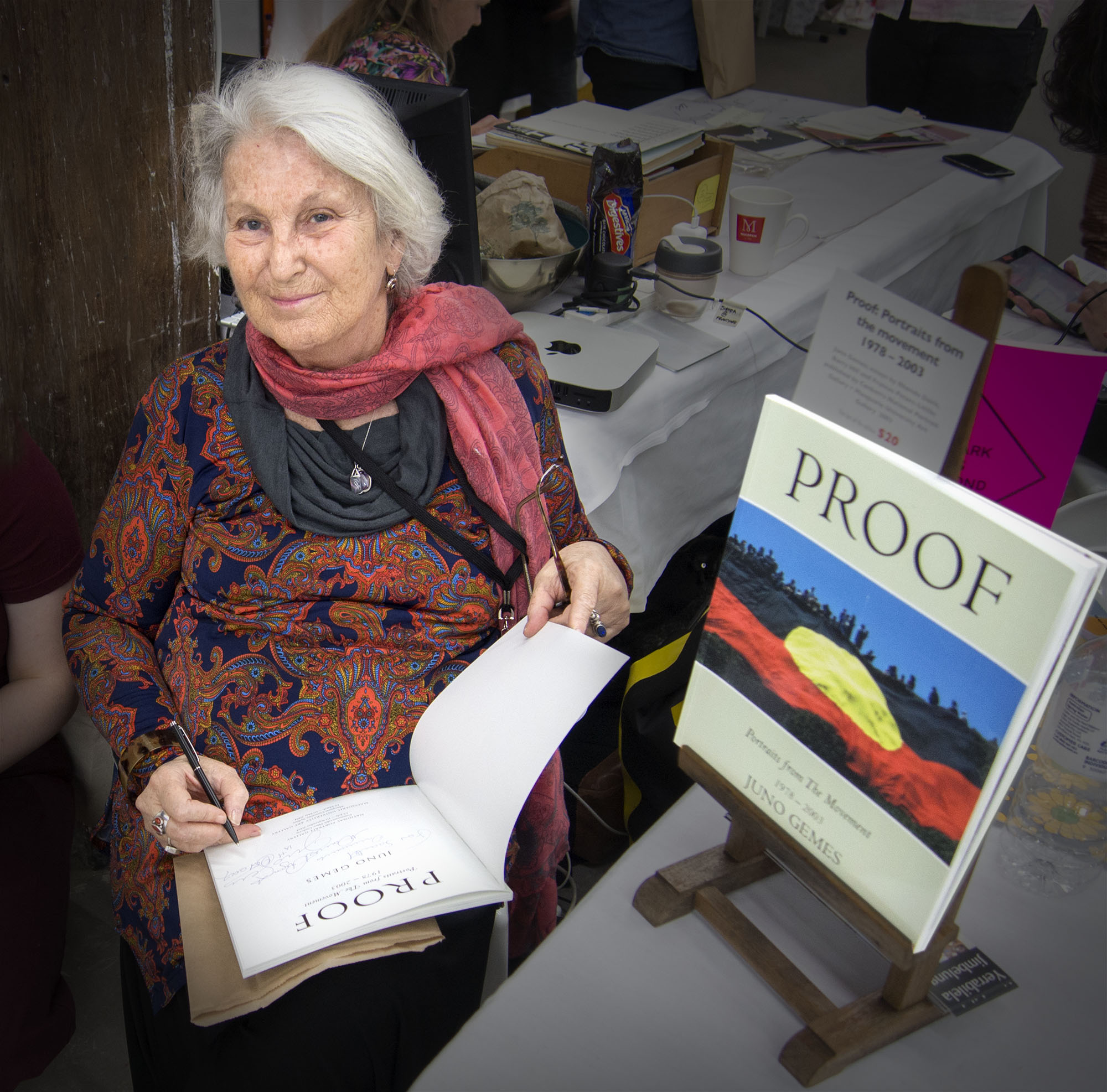
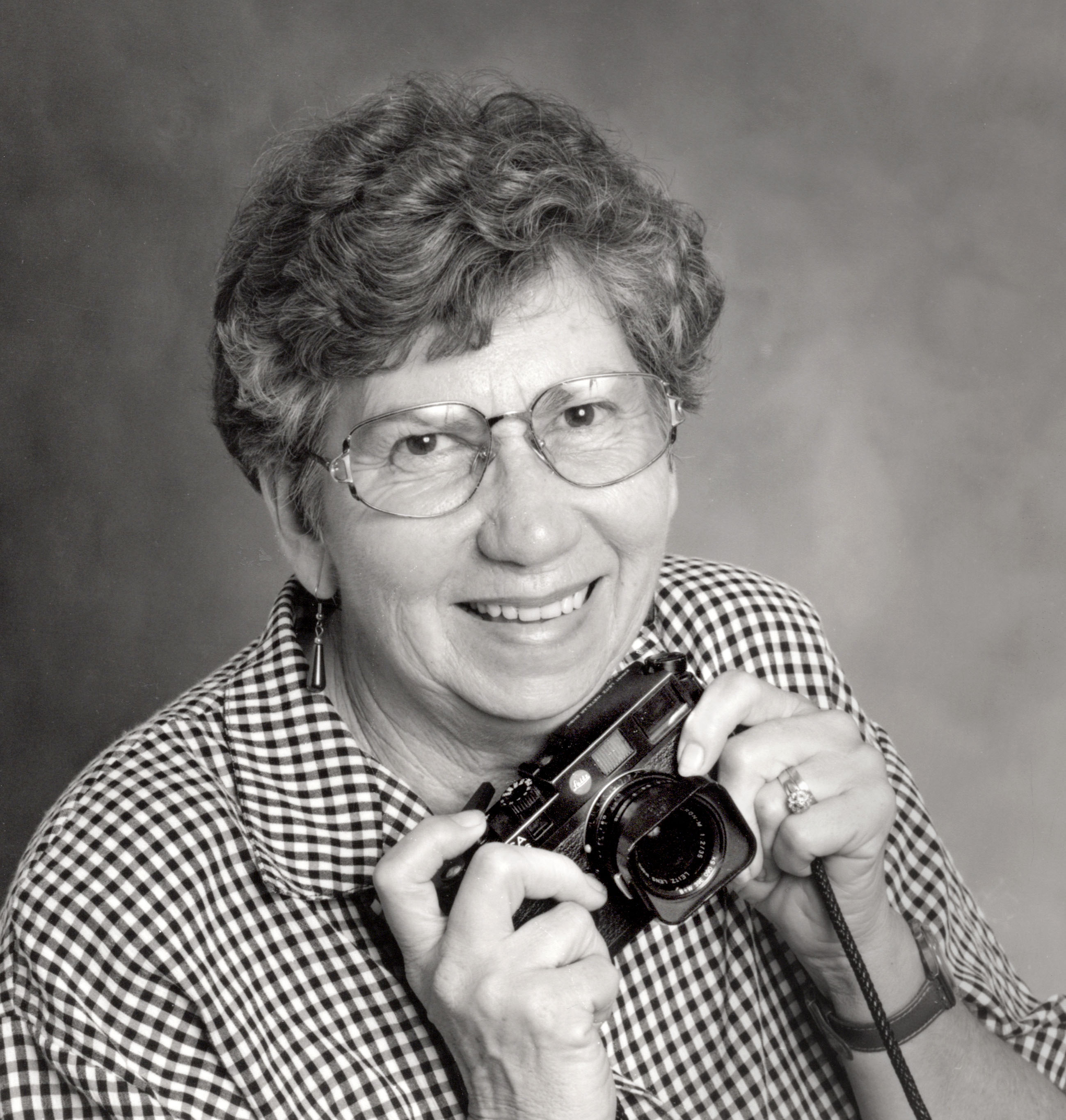

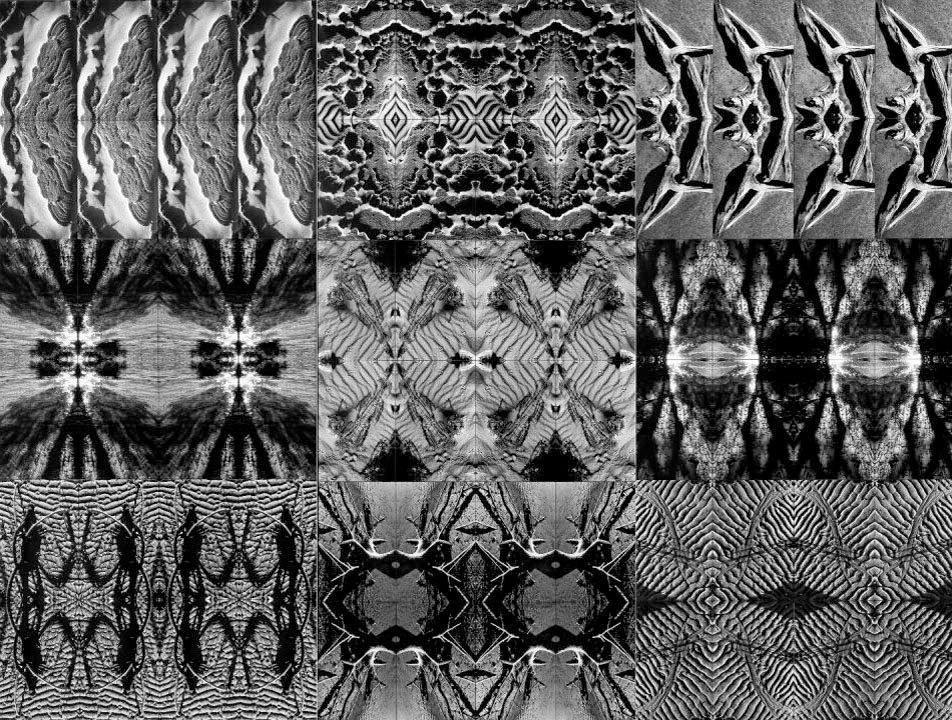

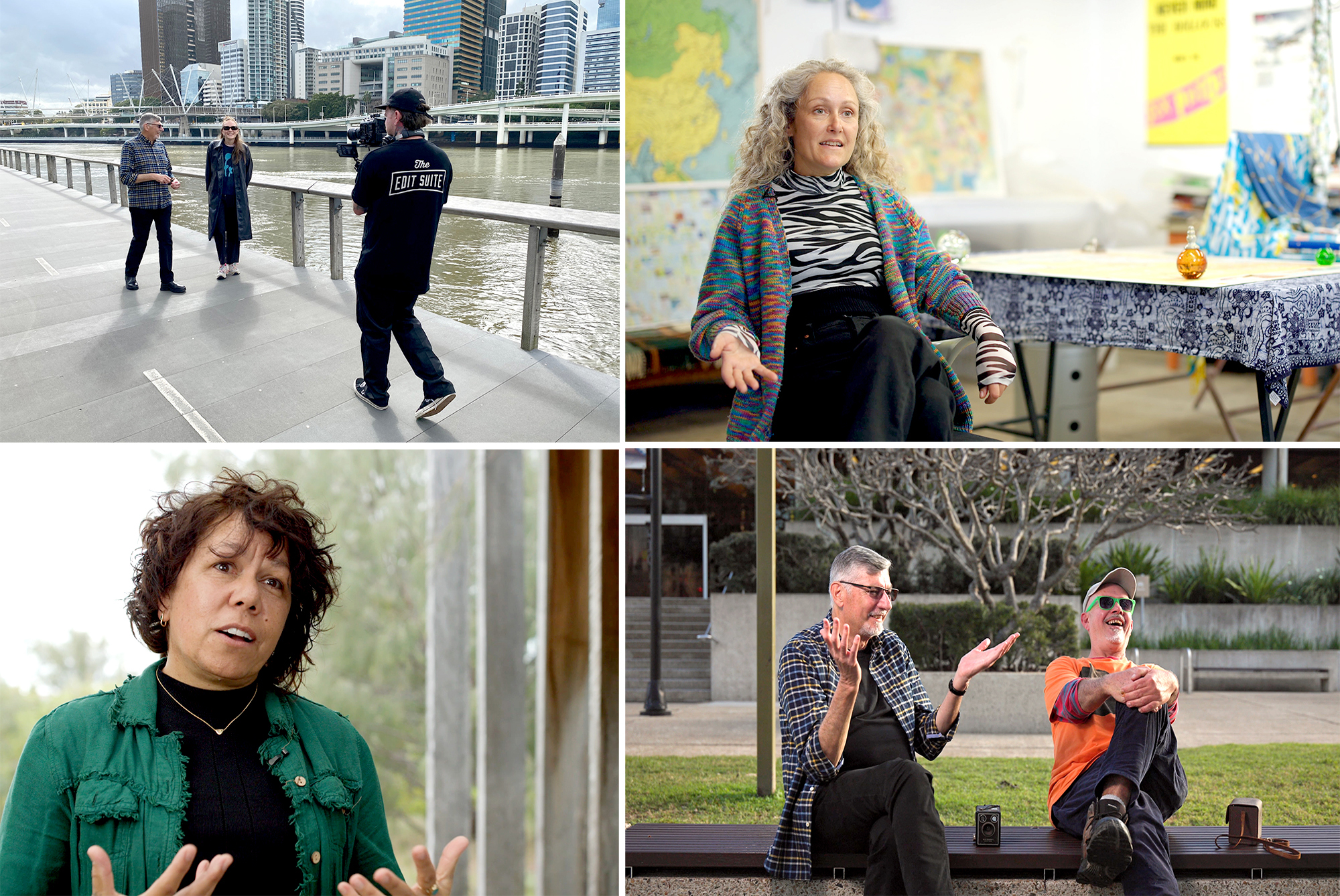

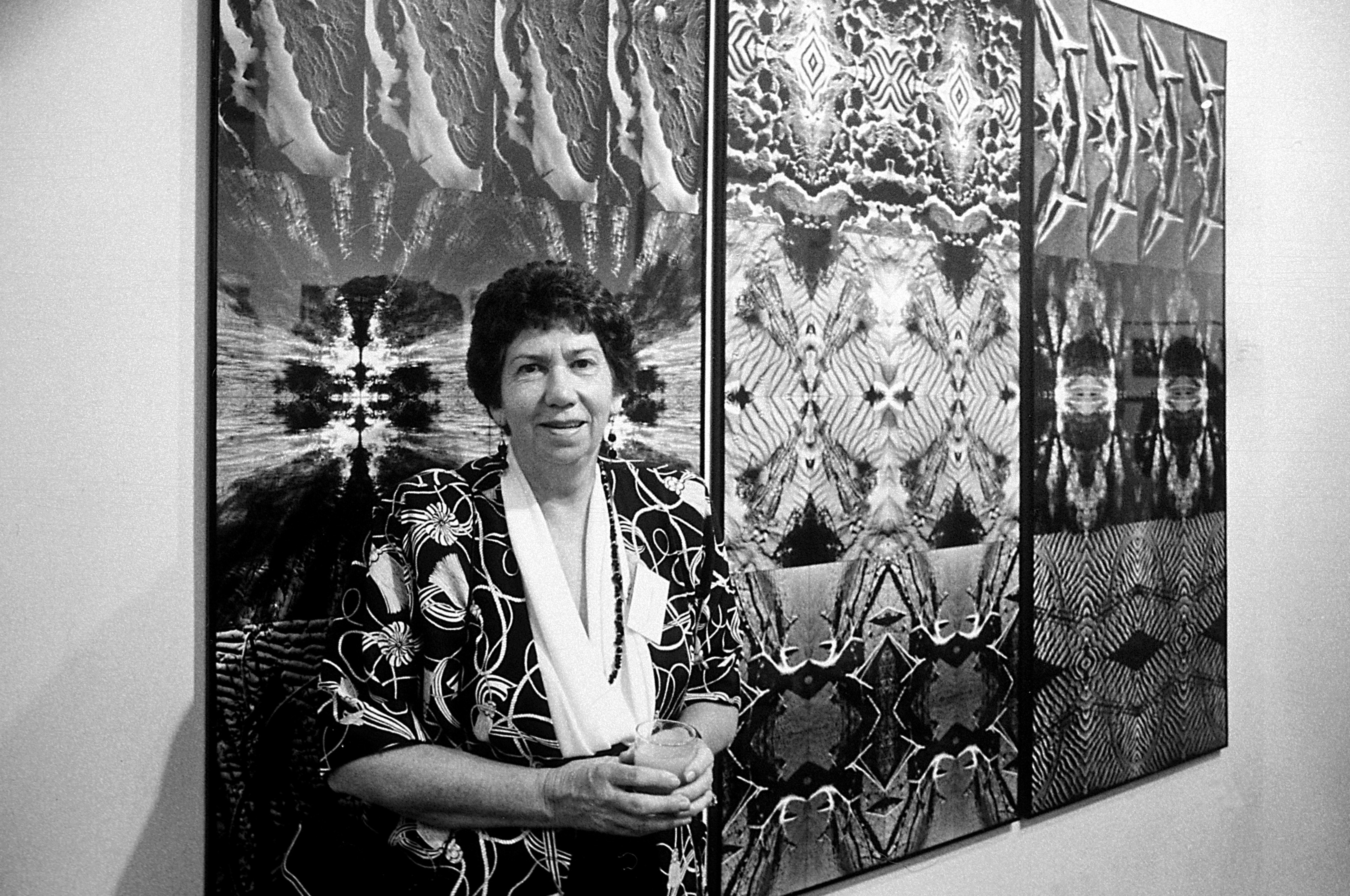
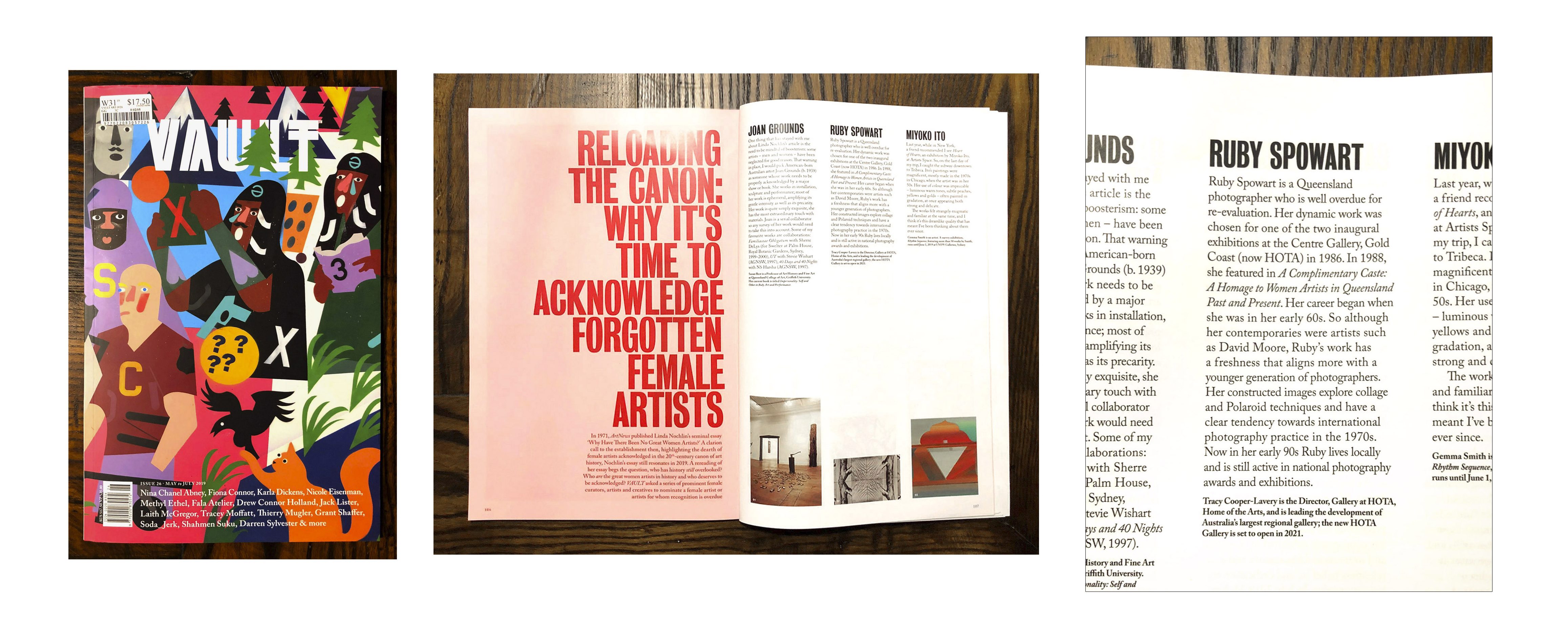
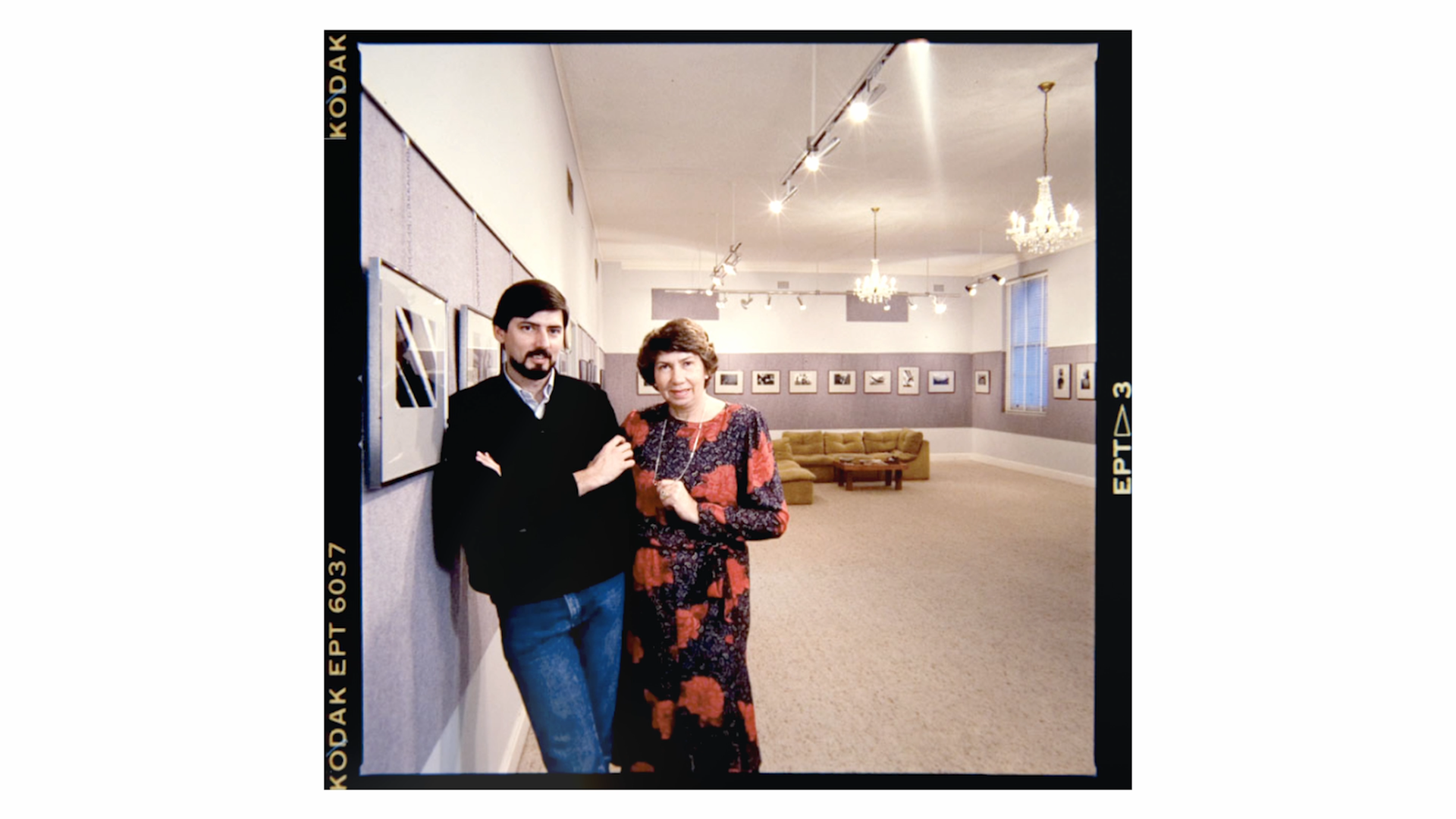
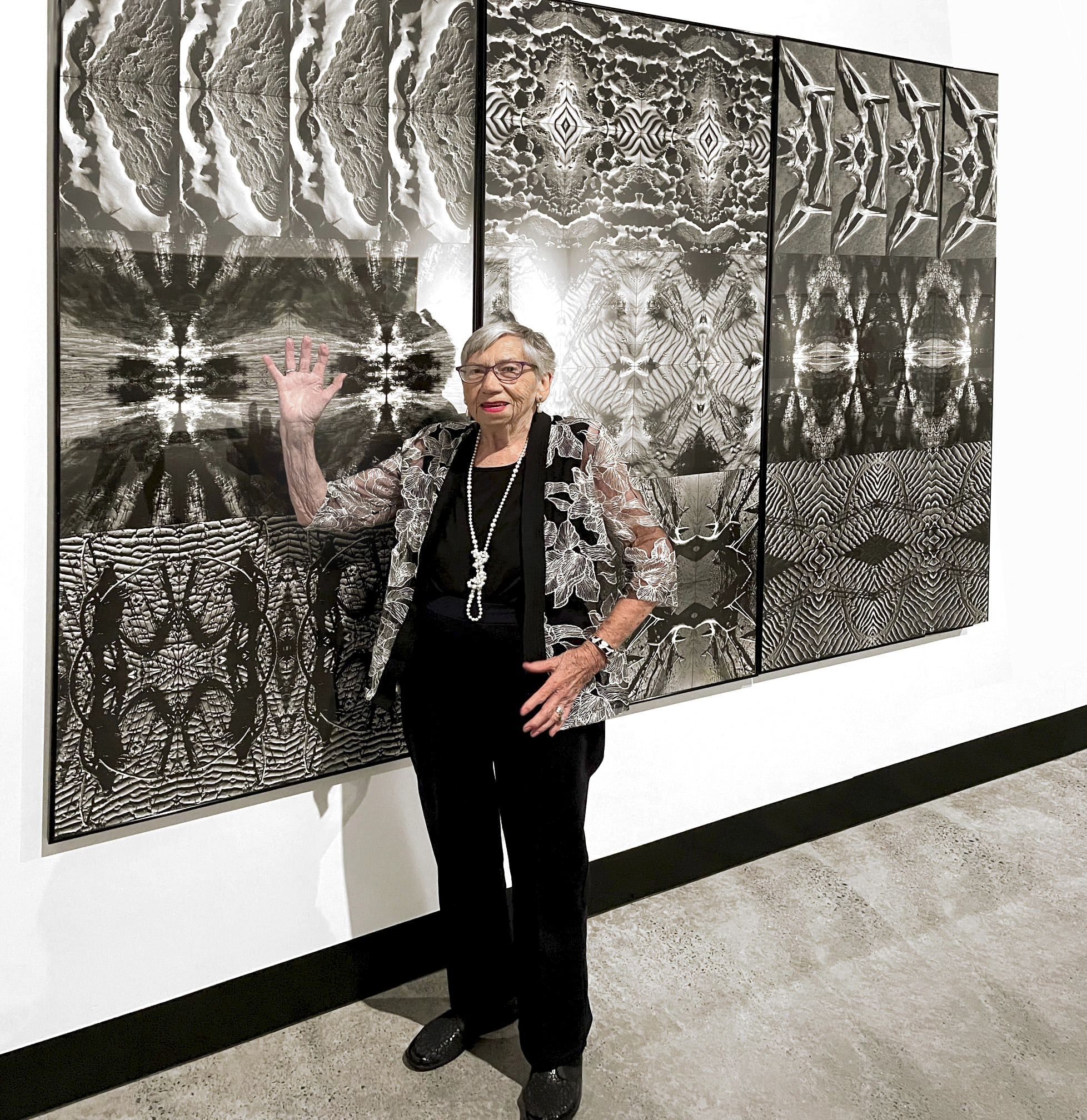
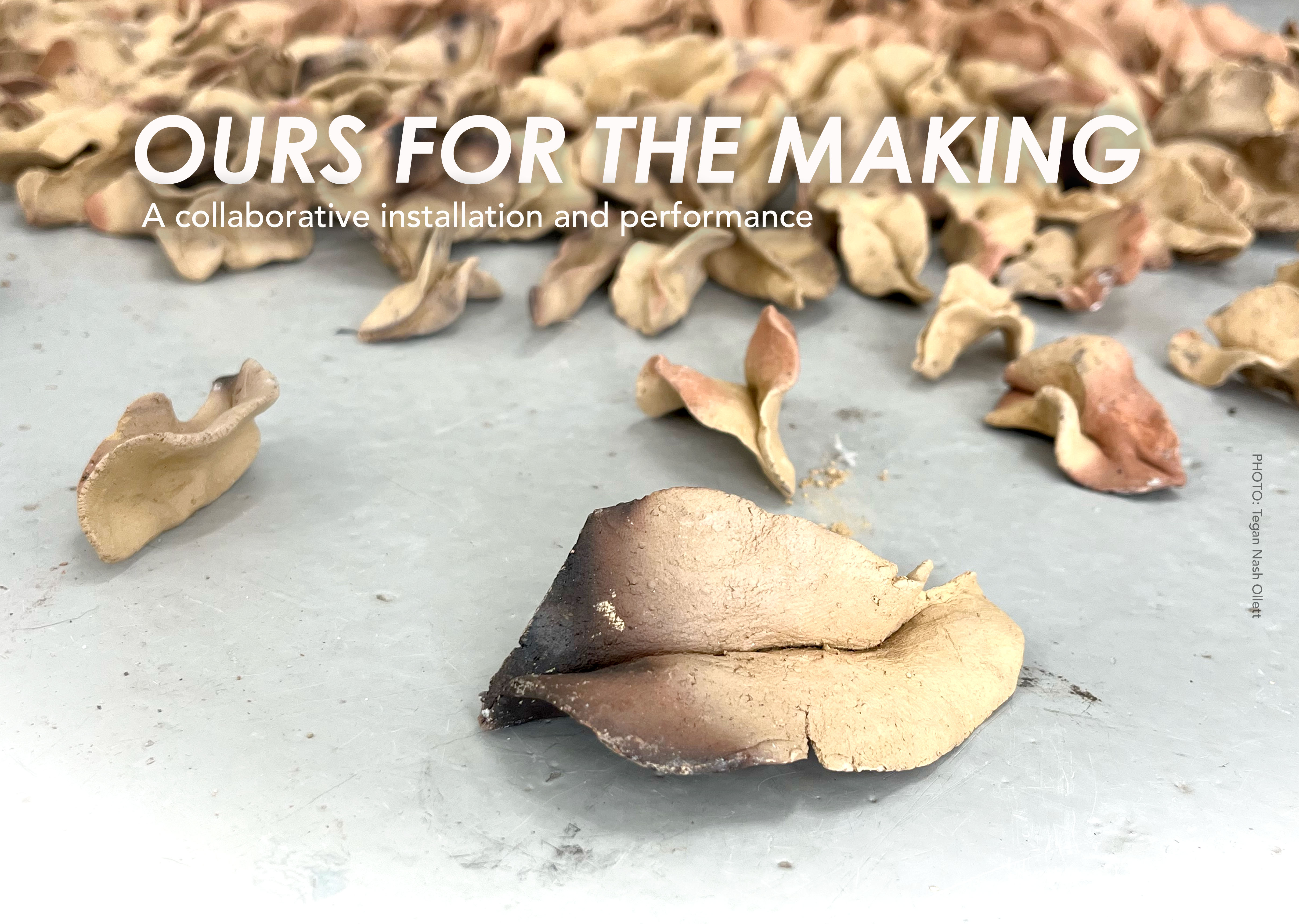
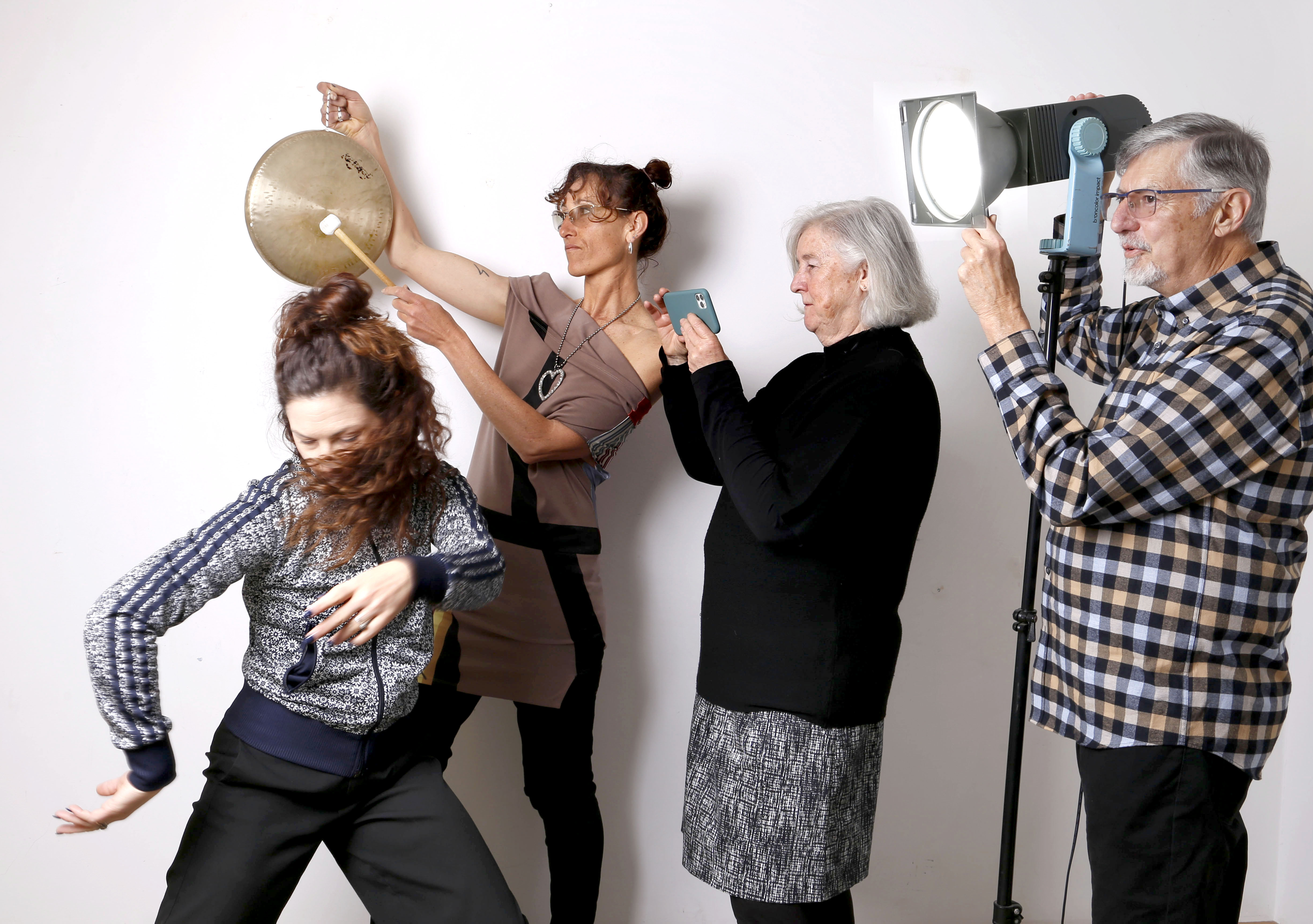
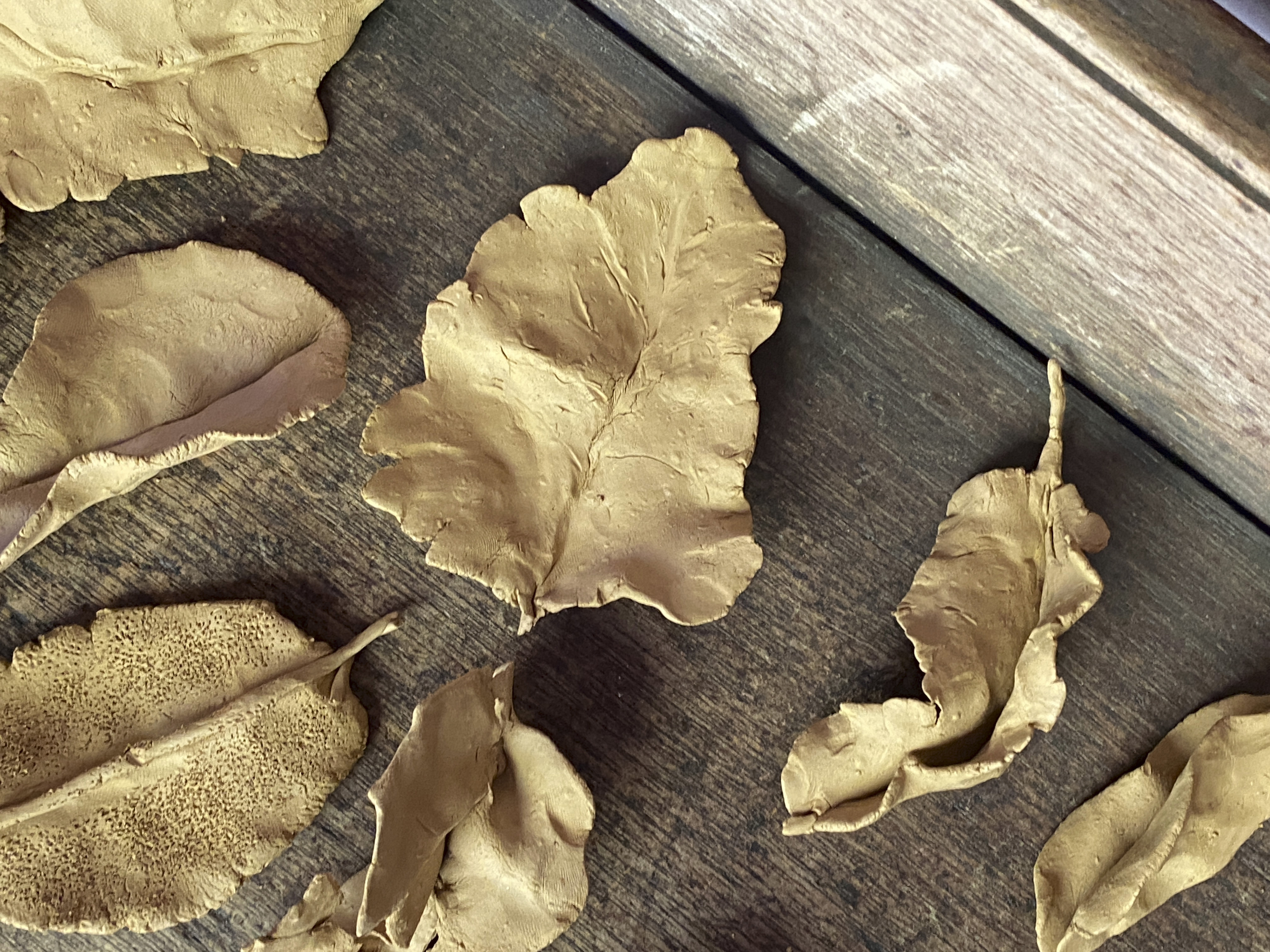
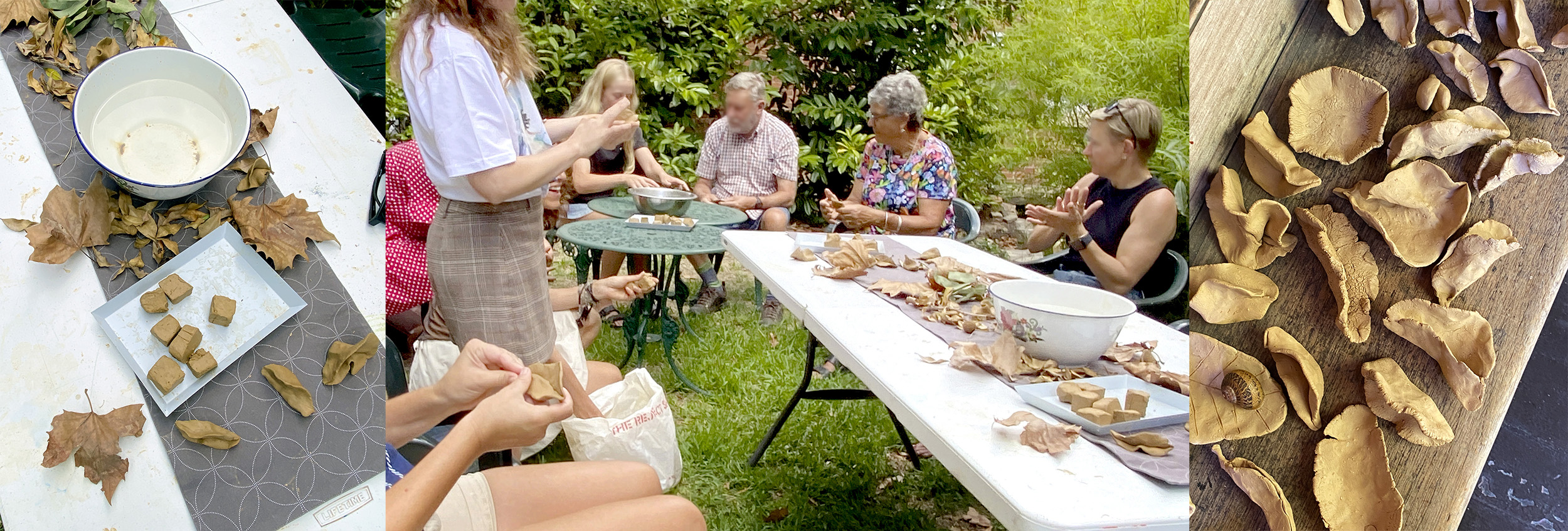
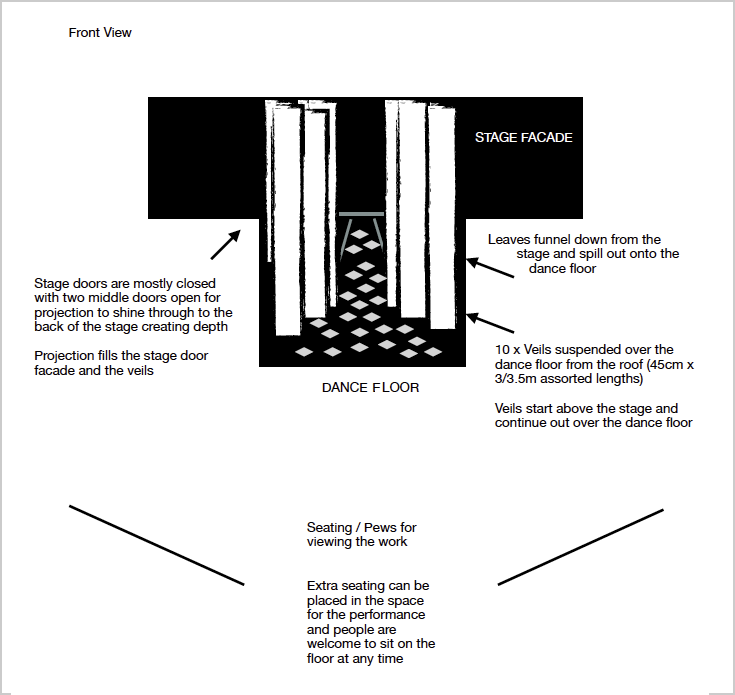
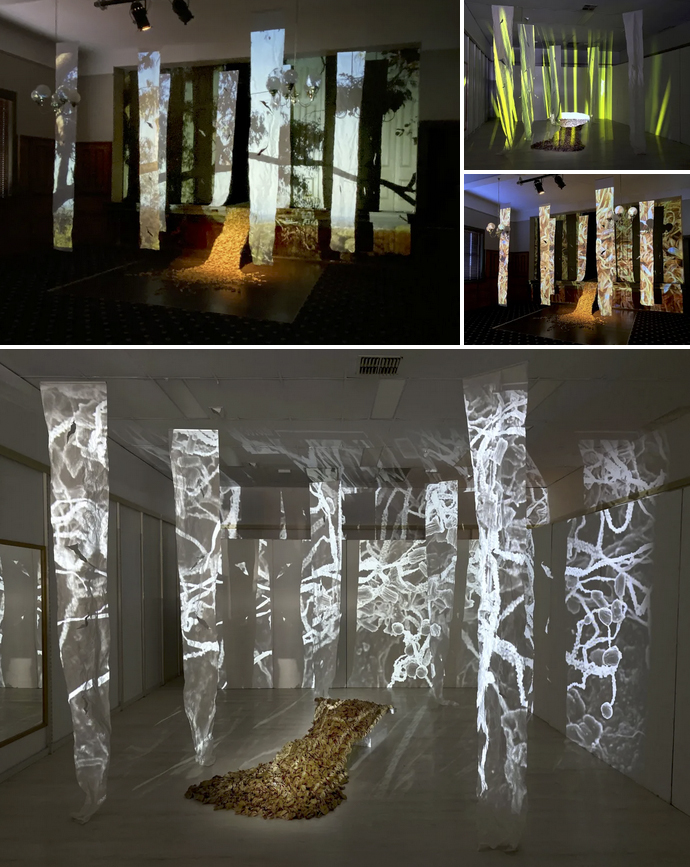
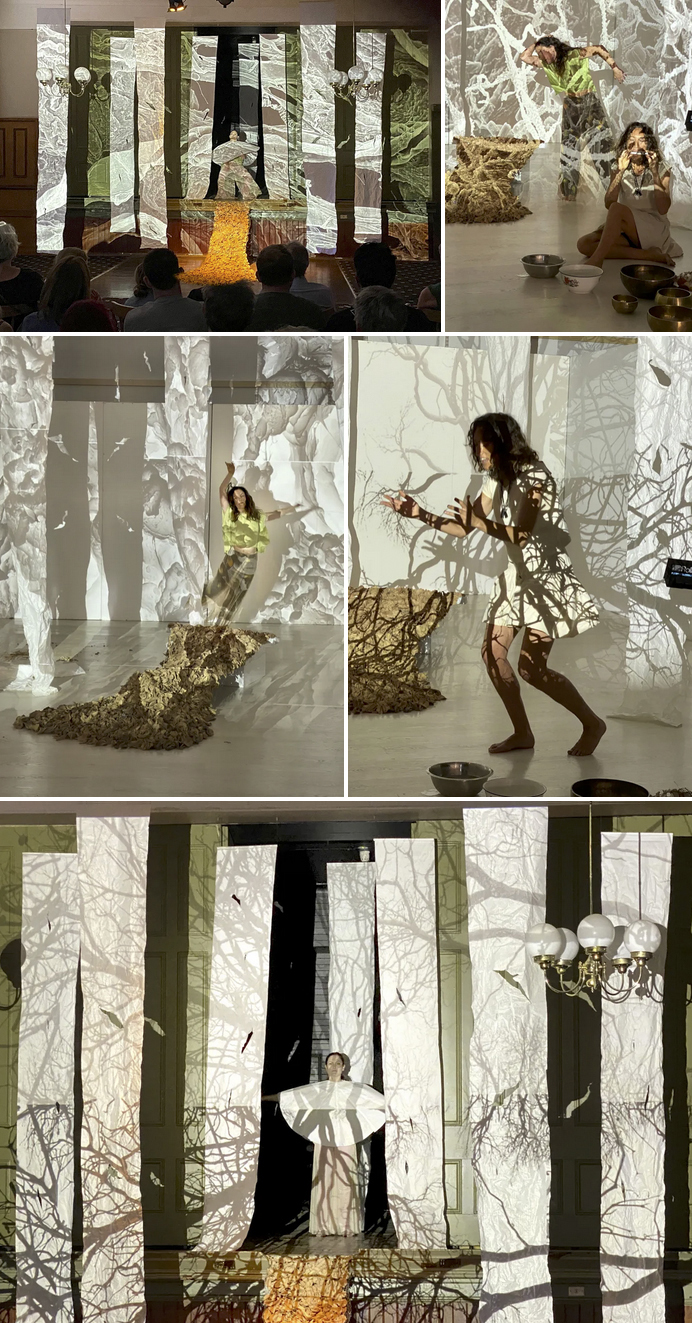 ..
..