Archive for the ‘Wot happened on this day’ Category
FIELD STUDIES INTERNATIONAL 2016: Our contribution
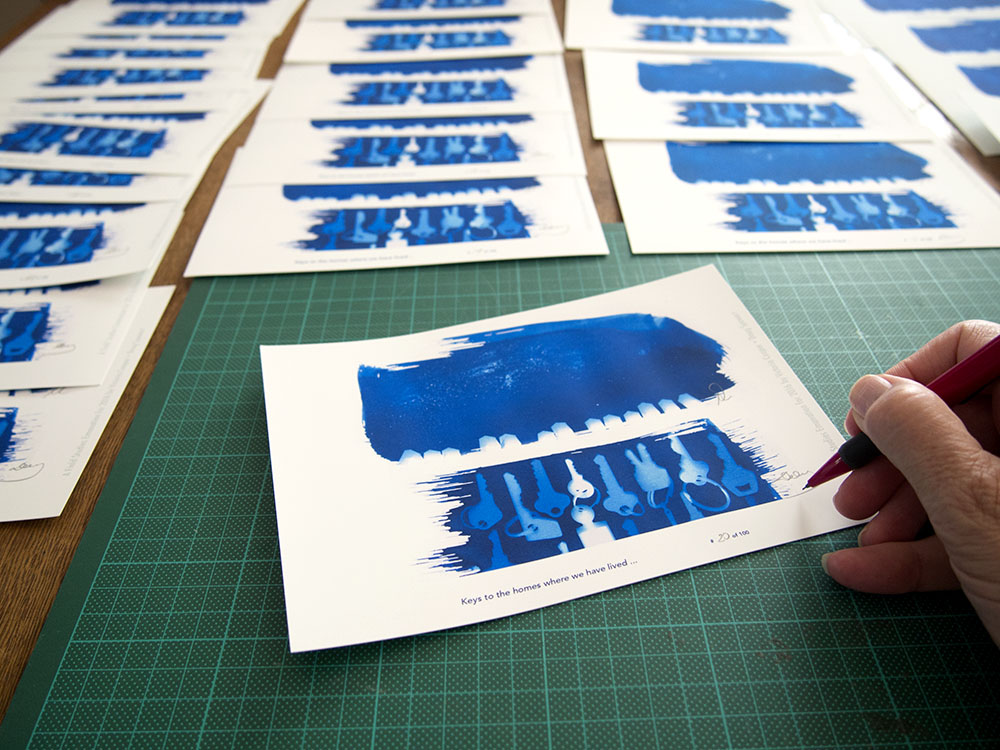
Signing the Field Studies 2016 contribution
We have been busy the last few days completing our contribution to the 2016 Field Study International report project. Led by David Dellafiora in Geelong the Field Study project is now in it’s 22nd year. Field Study Report contributions are called emanations and can include all kinds of things including: ‘documentations of performances, actions and exhibitions, tracts, rants, instructions, manifestoes, reflections and experiments.’ They are a mashup of Fluxus, DaDa, Surrealist inspired, zine-ish paste-up, rubber stamps, torn up letter ransom notes and concrete poetry. The Field Study Report becomes a snapshot of artistic, social and/or political commentary at the time of its publication.
Our submission for 2016 is a commentary on our present nomadic lifestyle. Since moving from Toowoomba 2½ years ago we have been house-sitting, doing artists in residence projects, staying with friends and renting – we have lived in approximately 15 places.
For our submission we made a diptych of original cyanotype images recently while staying on the beach at Wooli. One print represents a starry night above a line of houses. The other print is a selection of of different keys –referencing all the houses we have stayed in. The two cyanotype prints were copied, scaled and arranged on the one sheet with the captions: ‘Keys to the homes where we have lived …’ and, ‘A Field Study Emanation for 2016 by Victoria Cooper + Doug Spowart’.
Each A5 print is numbered and signed and the edition is 100. Each contributor gets a copy of the assembled works and some copies are sold to support the project and the group that helps make it happen.
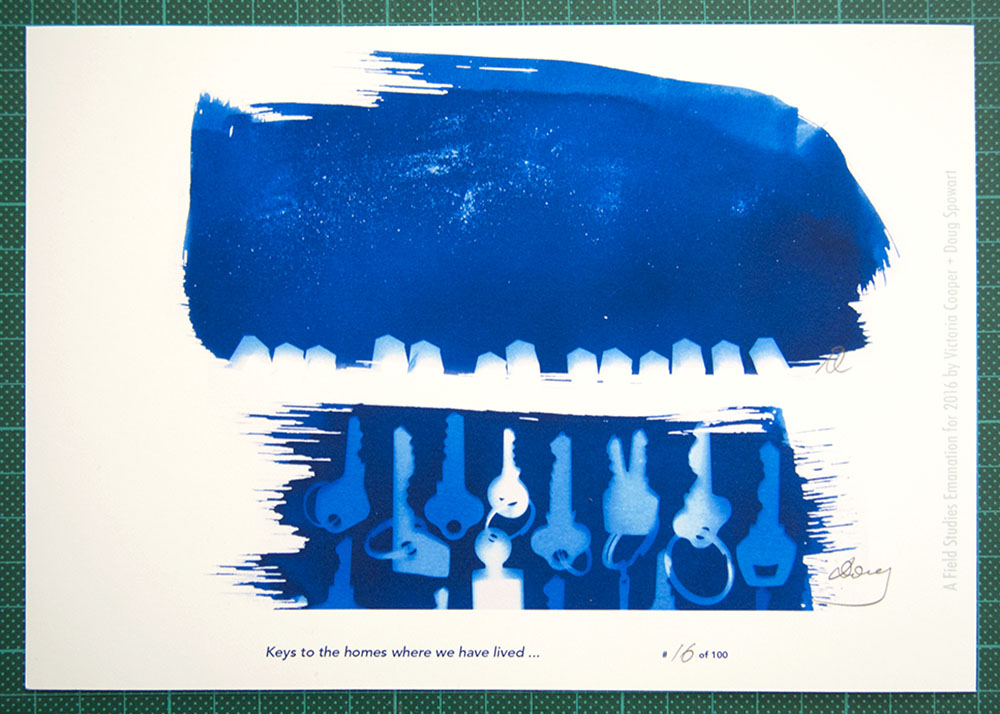
Cooper+Spowart Field Study 2016 contribution
Submissions for 2016 are now closed however, get ready for 2017. For more information about Field Study and other projects see: https://daviddellafiora.blogspot.com.au/
About Field Study:
Field Study began in 1993 as a way of reclaiming the negative spaces between art and life. Activities stemming from Field Study are emanations and group emanations are manifestations. Field Study sees each work as a manifestation of a collective spirit. Everyone is welcome to become a member of Field Study, irrespective of their arts practice, and contribute to the Field Report. Field Study also produces the assembling publications WIPE and ReSite, and, in collaboration with Karingal, KART.
An earlier WOTWEDID Blog post has more detail… Check it out:
https://wotwedid.com/2013/01/05/field-study-international-our-contribution/
.
.
.
A GIFT OF A CAMERA: David Tickell’s cameras
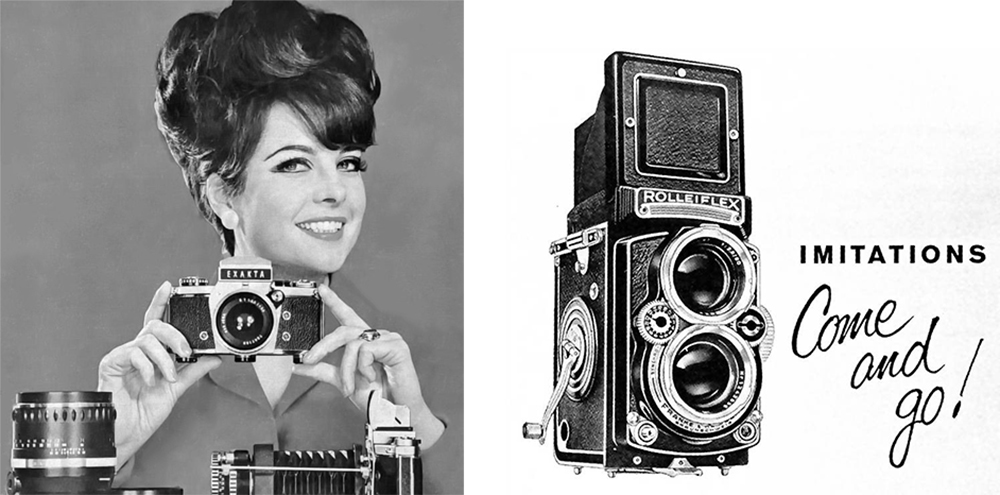
Advertising stuff from the 1960s for David’s cameras
In March 2013 I was contacted by David Tickell who wanted to meet with me to talk about a proposition he had in mind. I had known David for many years – he had been a writer and critic for the local press and had written the text for a book by my photographer friend John Elliott. In the early 2000s David had enrolled in photography studies at the college I taught at in Toowoomba. He was always an enthusiastic contributor to the classroom as he sought to learn and master digital photography. It became evident to me at the time that David had a considerable interest and capability in photography from his past career activities.
When David came by to visit he brought an aluminium case covered with the patina of travel and use. Inside the case were the things that David had wanted to talk with me about. We sat in our carport rainforest and talked about what we’ve both been up to and changes in our lives. David spoke about downsizing his life’s goods and chattels and introduced the aluminium case’s treasures to me… a Rollei twin lens reflex with a range of filters and accessories, an Exakta 35mm SLR – all neatly packed with manuals and other ephemera. It was all in immaculate condition. He told me that he had purchased it in the Middle East at a time in his journalism career that needed quality photographs.
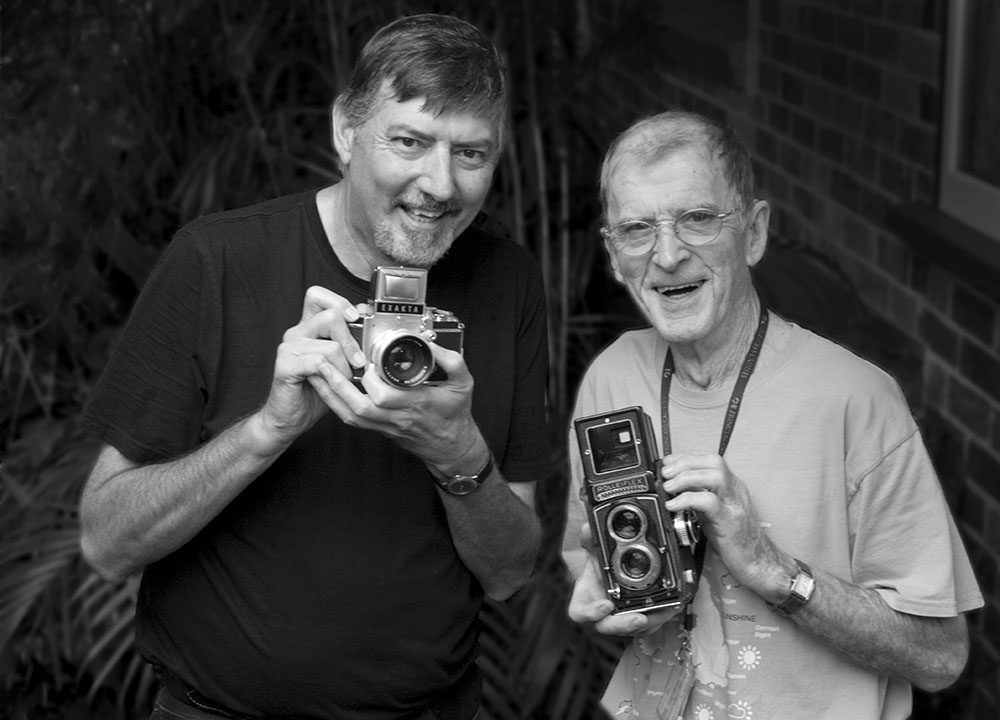
With David Tickell on the day of his gift to me in 2013
His dilemma now was that with digital photography he had no need for the equipment and he wanted to pass it on to someone who would appreciate it and perhaps even use it – he proposed that I was that person. I appreciated his gesture and felt honoured by his offer. I mentioned that Vicky and I had a Rollei in our possession and that we would look after the gear and pass it on to an individual, perhaps a student, who we considered would value this equipment and use it to extend their analogue photography work. We made photographs of our meeting with the cameras and David left feeling excited that his gift was well received and would be looked after.
For some time I’ve been looking out for a suitable person to receive David’s gear. Quite a few years ago I’d come across a Brisbane band webpage called ‘Something from the scene’, and a little while later I had a student who was interested in contemporary band photography who had found the same site as an inspiration. In June 2015 we met Thomas Oliver at the Siganto Artists Book Forum in Brisbane. He was the guy from ‘Something from the scene’. We both connected with Thomas who we found out was a Queensland College of Art Bachelor of Photography student. Our paths have crossed many times since including his involvement in exhibitions and projects I’ve curated include a Skype artist’s talk that he participated in at Maud Gallery in March for the In situ documentary show.
Recently Thomas has completed his Bachelor of Photography and was the winner of the John Mckay Award for the student going into honours, and a Saint Margaret School’s internship award. He is continuing his studies with an Honours year at QCA. I was particularly interested in Thomas’ engagement with analogue photography. Extensive project work while on study tour to Europe, the UK and Canada was shown at Maud in the ‘In situ’ show and his graduating BP work featured an involvement in the variants and deviations possible from the printing of the singular black and white film negative.
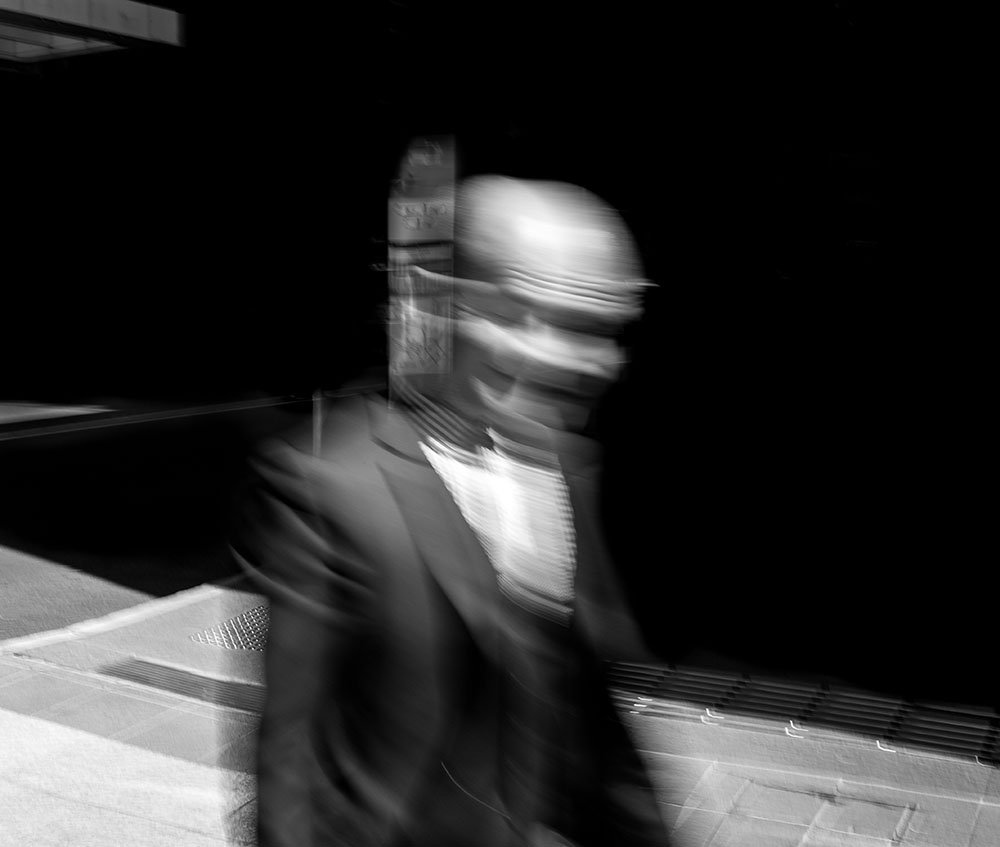
PHOTO: Thomas Oliver from his ‘Disconnection’ series
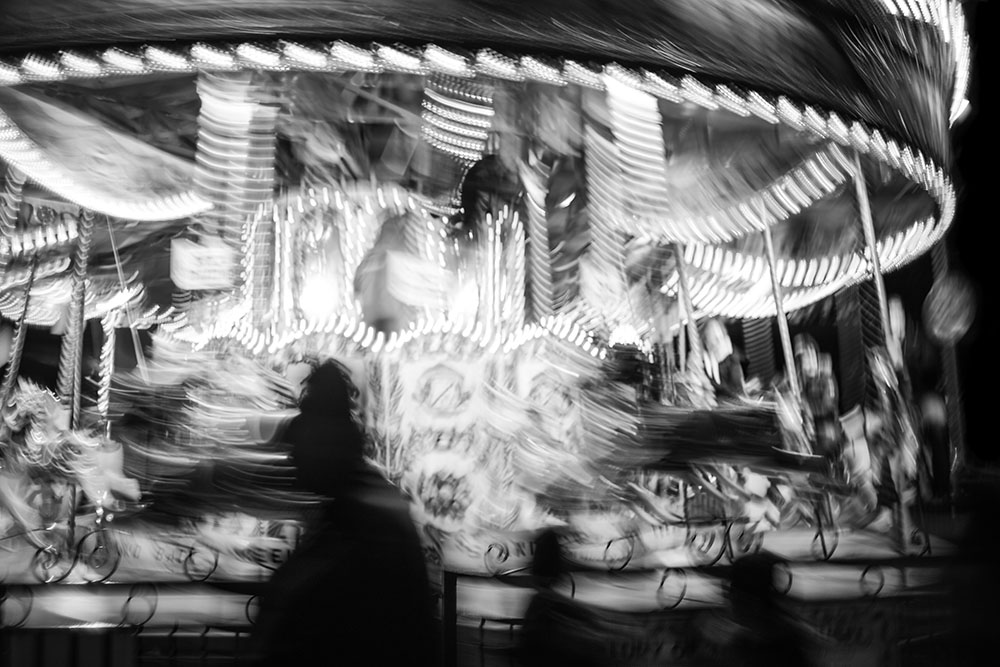
PHOTO: Thomas Oliver from his ‘Disconnection’ series
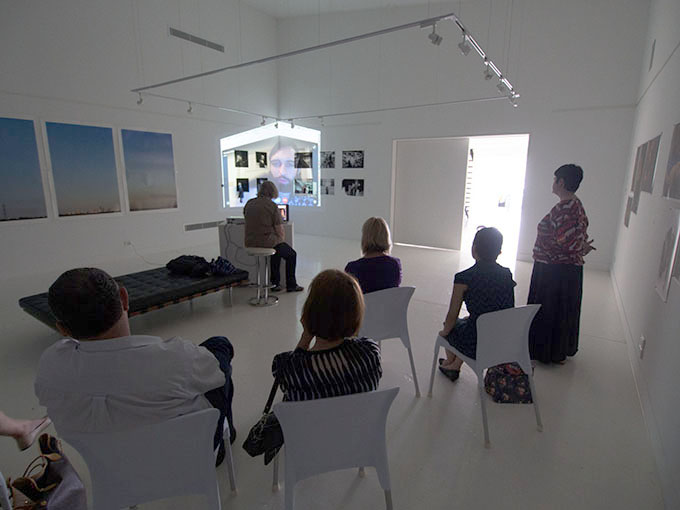
Thomas Oliver giving his ‘In Situ’ floortalk by Skype from Canada
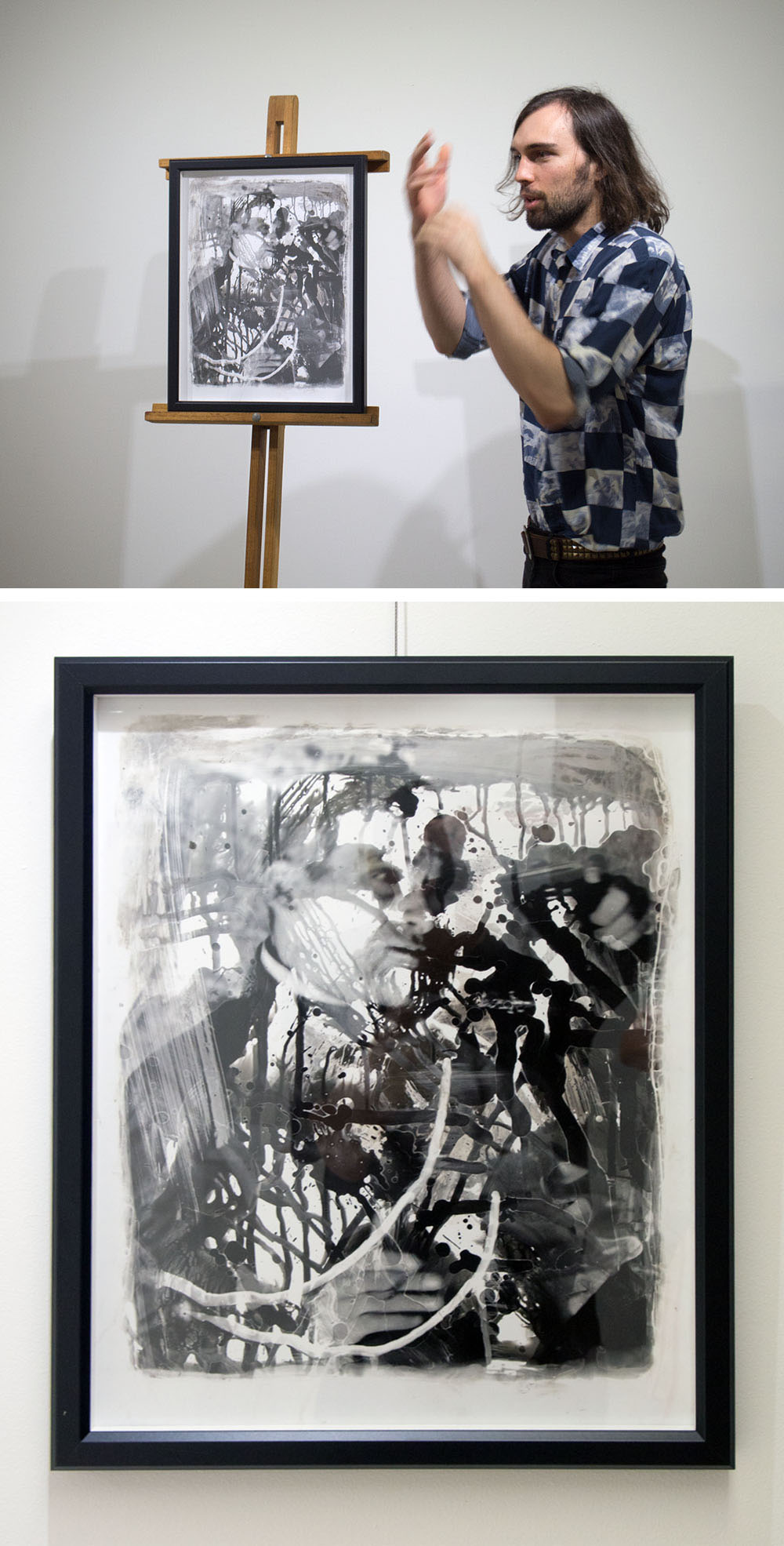
Thomas talking about his work at the Maud Gallery ‘Dark Love’ event in November 2016
For his enthusiasm for photography and his dedication to analogue photography I chose to pass on David’s gear to Thomas. We met at Maud Gallery at the end of November and the exchange made. He was excited to be the recipient of David’s equipment legacy and excitedly talked about how the gear could be used in his future photographic research work.
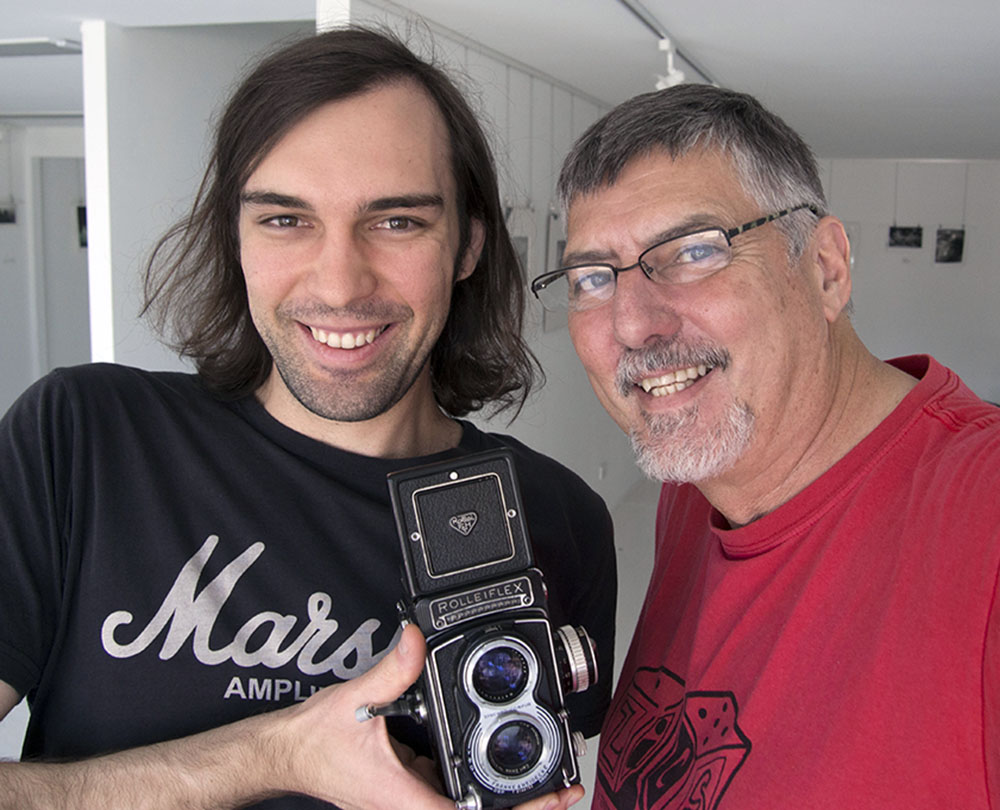
Thomas Oliver and me
David’s equipment has found a new life with Thomas and as long as he has a need and a interest it will reside with him – until he wishes to pass it on to a new custodian…
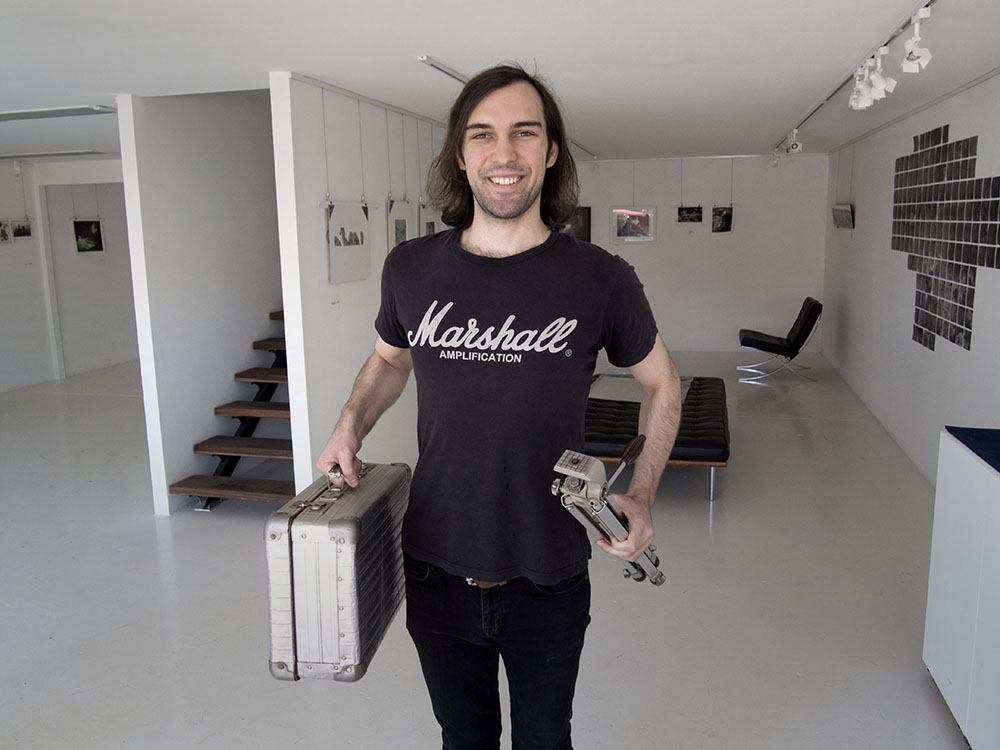
Thomas Oliver with David’s gear
Words about David Tickell from John Elliot’s photographic documentary book The Last Show published in 1986. The book was about the last Toowoomba Agricultural Show held on the inner-city site bordering Bridge, Campbell and Lindsay Streets. Elliott’s photographs were complimented by a text telling the story of the show written by David.
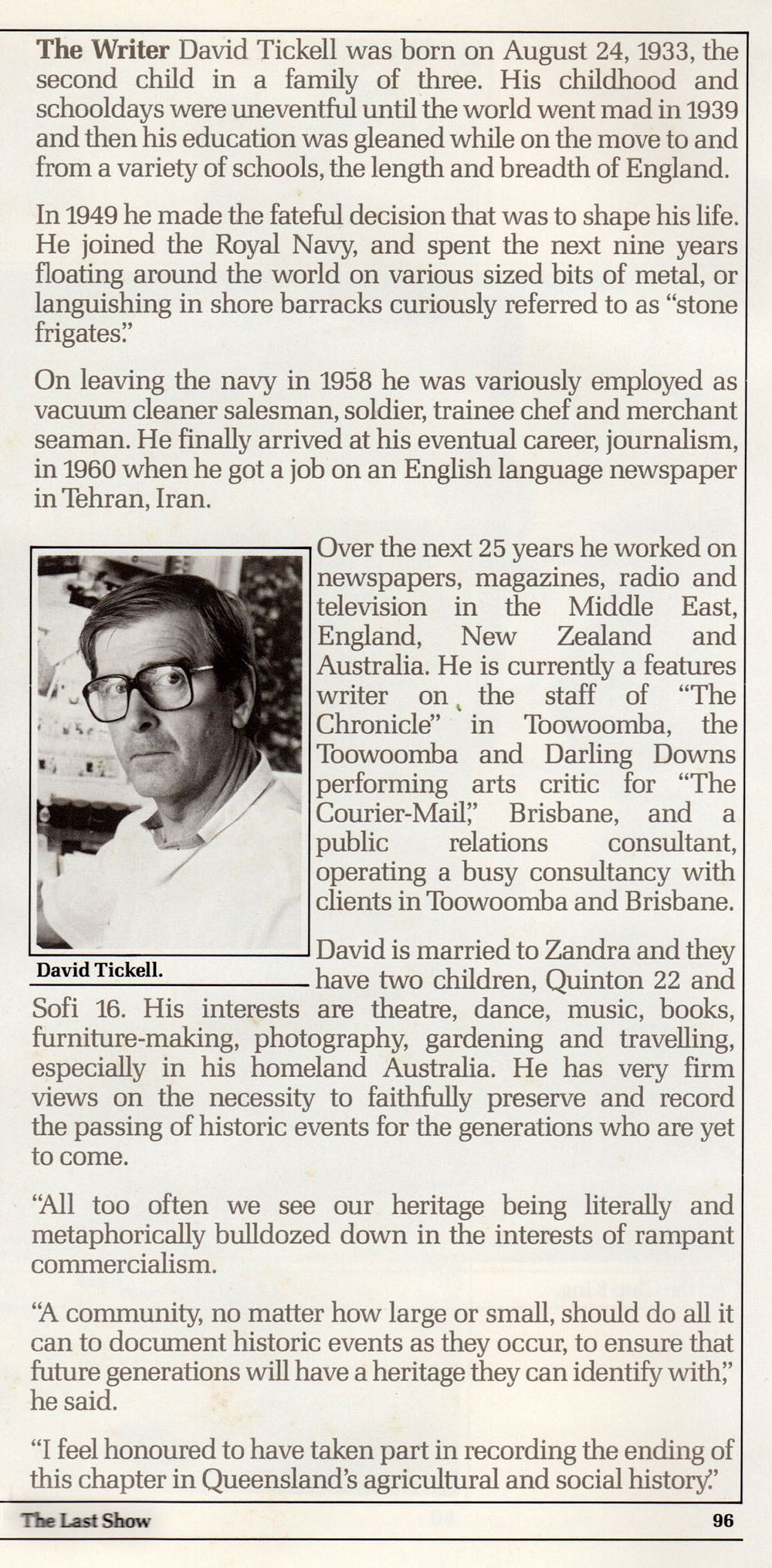
From John Elliott’s book The Last Show 1986
.
.
.
.
DARK LOVE: Stories of the darkroom @ Maud Gallery
It seems that in the digital age many photographers still pine for the days past when the darkroom was familiar territory. While older photographers may have fond memories, today they share their darkroom love with new-comers, mainly younger and digitally native photographers. To honour the past and to celebrate the future of the darkroom we worked with the Director of Maud Creative Gallery Irena Prikryl recently to host a series of events and workshops to recognise analogue photography in contemporary photographic practice.
On November 8 a group of photographers responded to the call to attend an event at the gallery called DARK LOVE: Stories of the Darkroom. They were asked to come along with something special about the darkroom and tell a story associated with it. On arrival at the gallery their photographs were prepared and then hung on the wall. The presentations were timed at around 5 minutes and were quite fascinating.
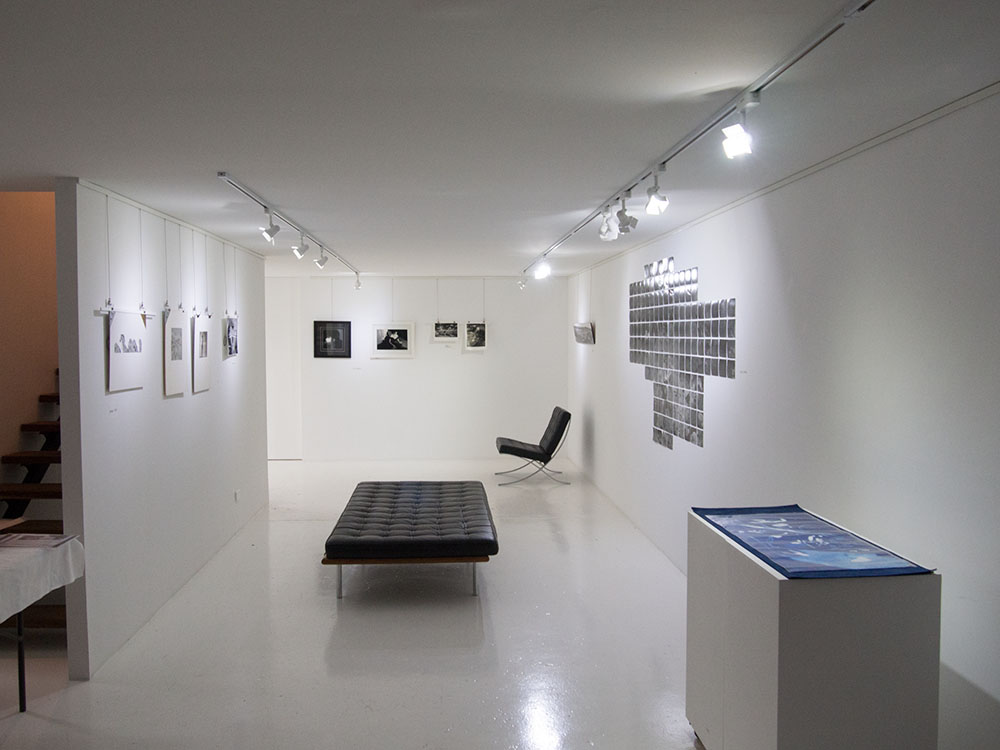
Part of the Dark Love exhibition at Maud Gallery
What follows is a photo of the attendee, their print and a brief comment about their stories …
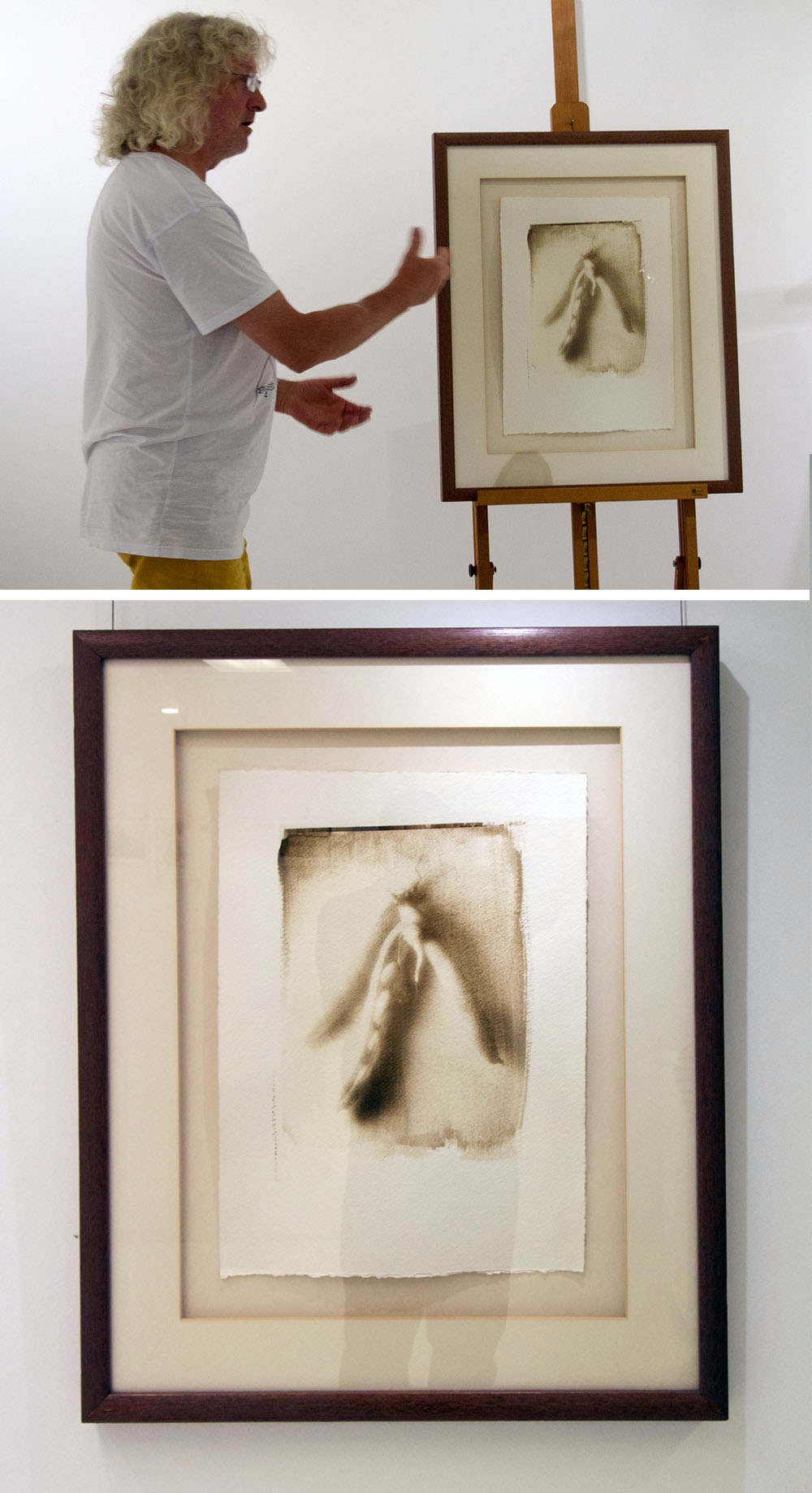
Alex Buckingham
Alex spoke about working with Liquid Light emulsions
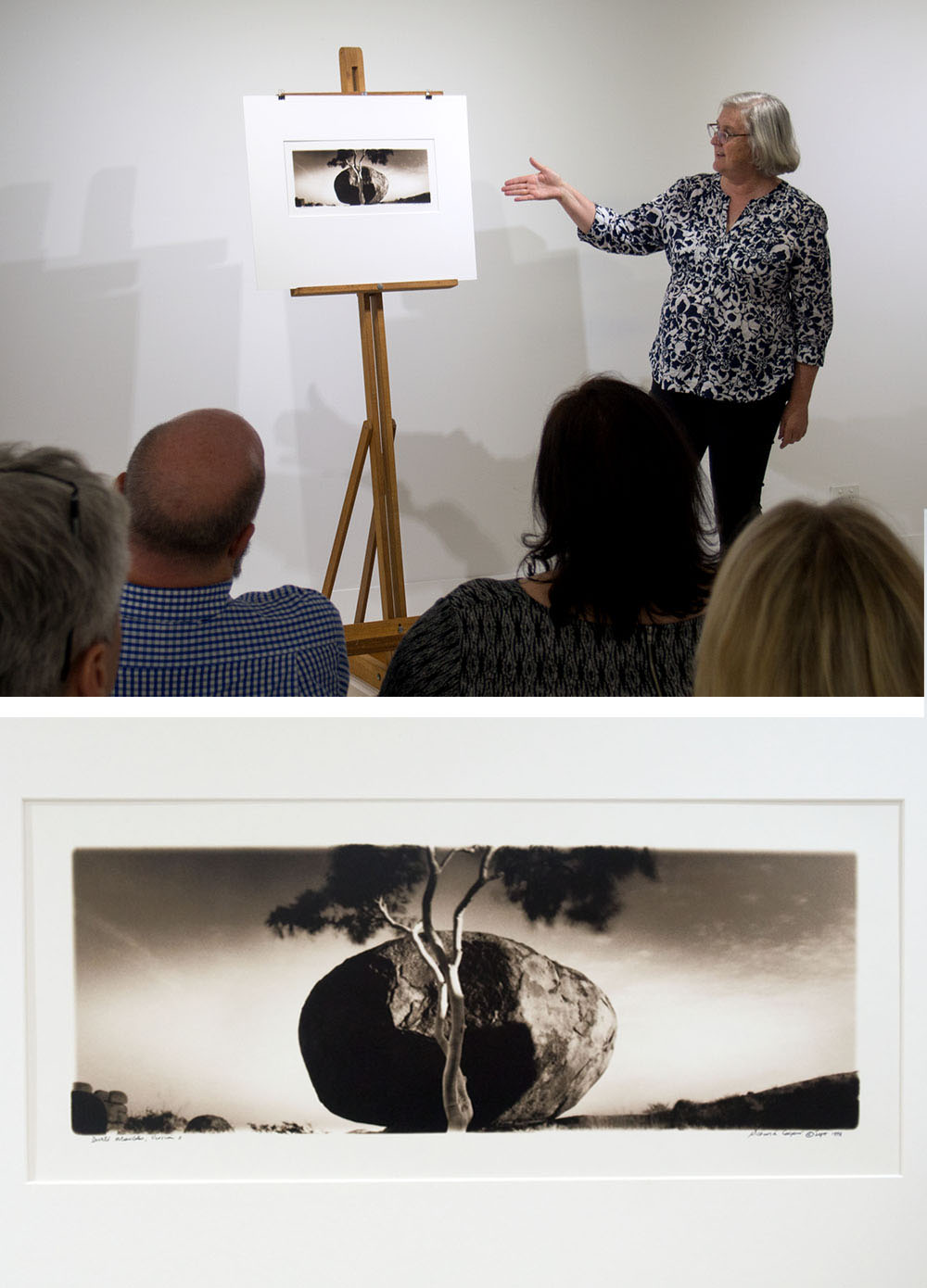
Victoria Cooper
Victoria Cooper discussed the making of this pinhole biscuit tin photo and the challenges of printing the 6x18cm negative
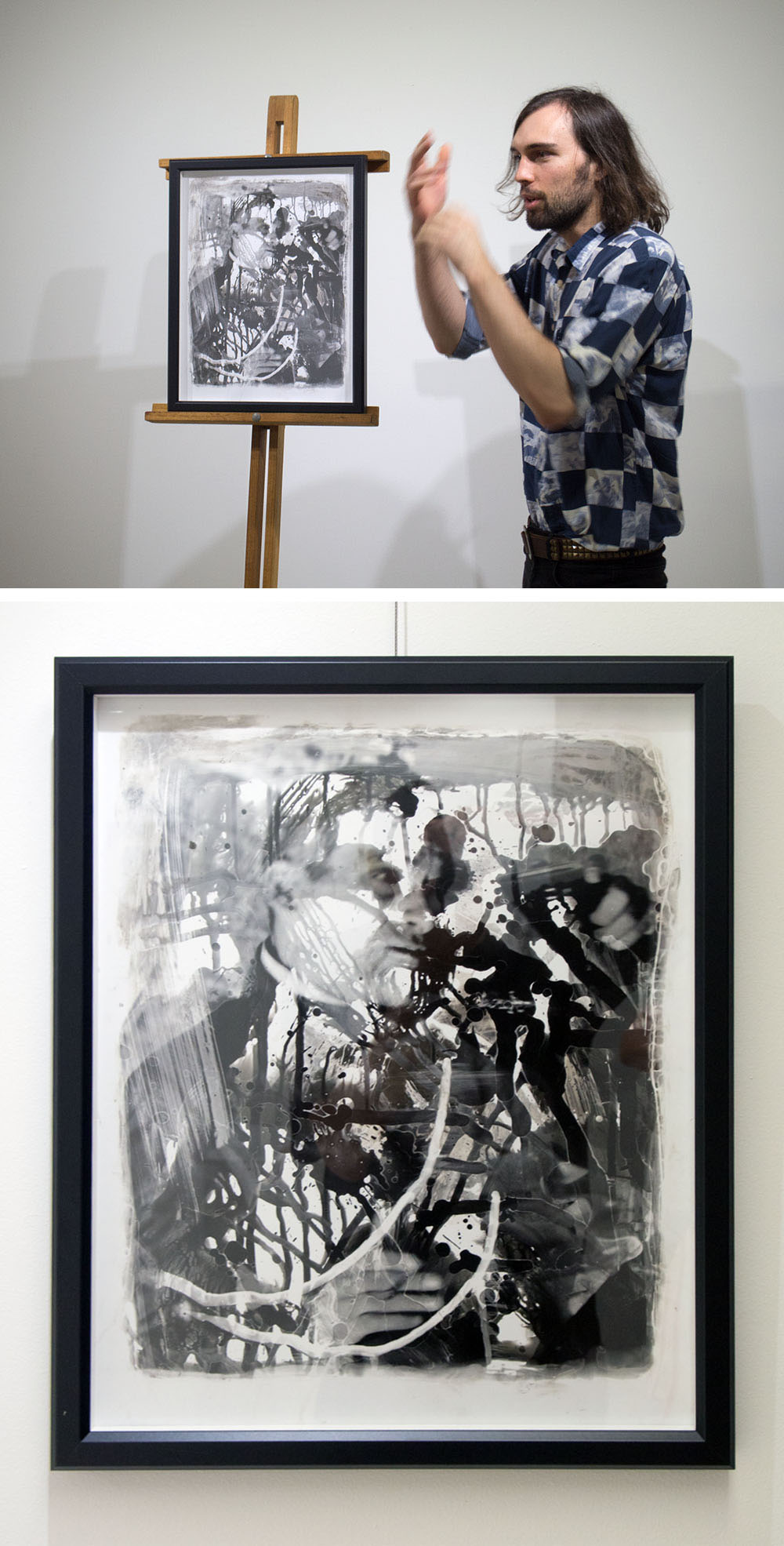
Thomas Oliver
Thomas spoke about his current academic research in the multiple printing of a single negative.
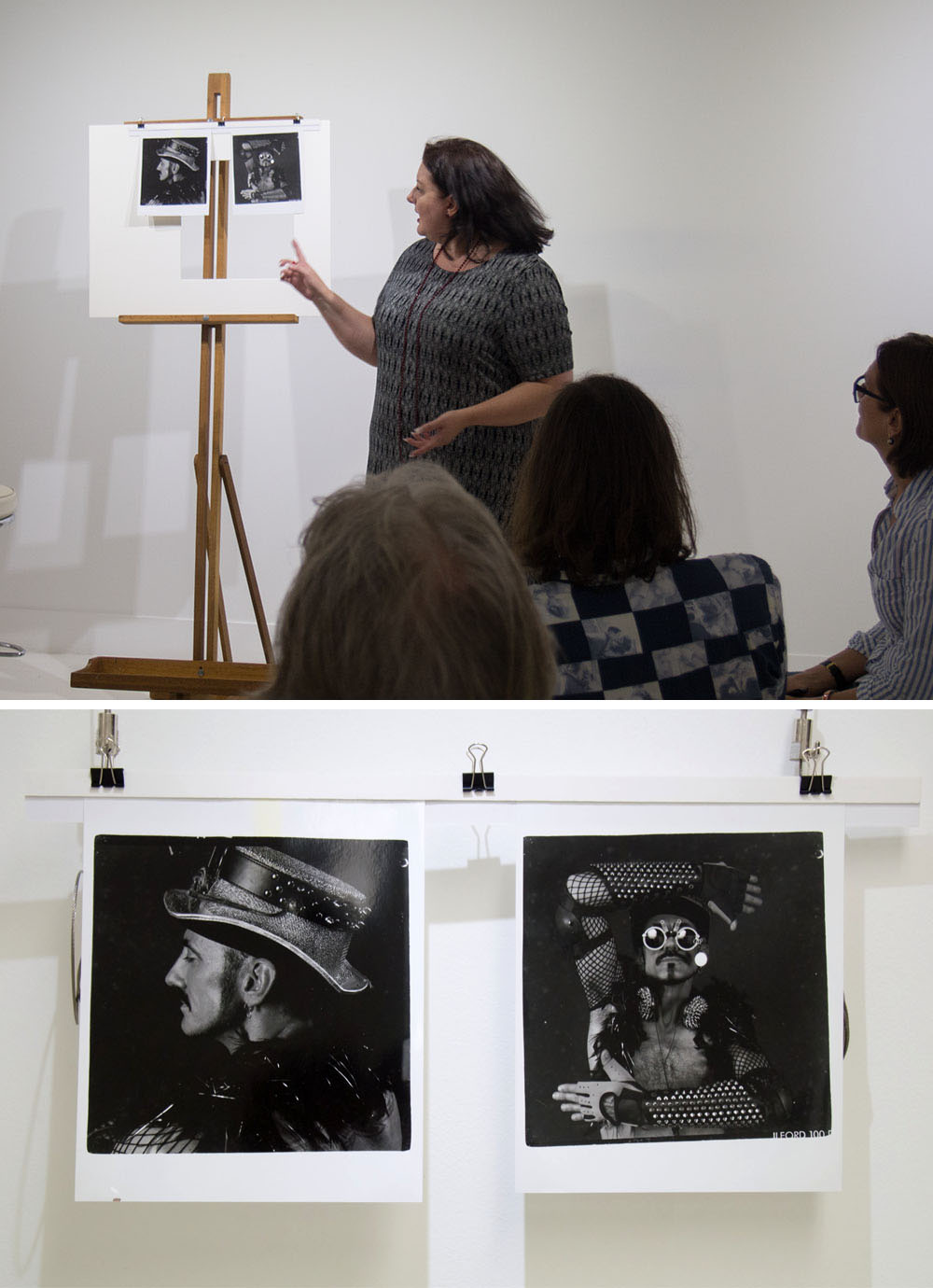
Tammy Forward
Tammy discussed the making of a studio portrait.
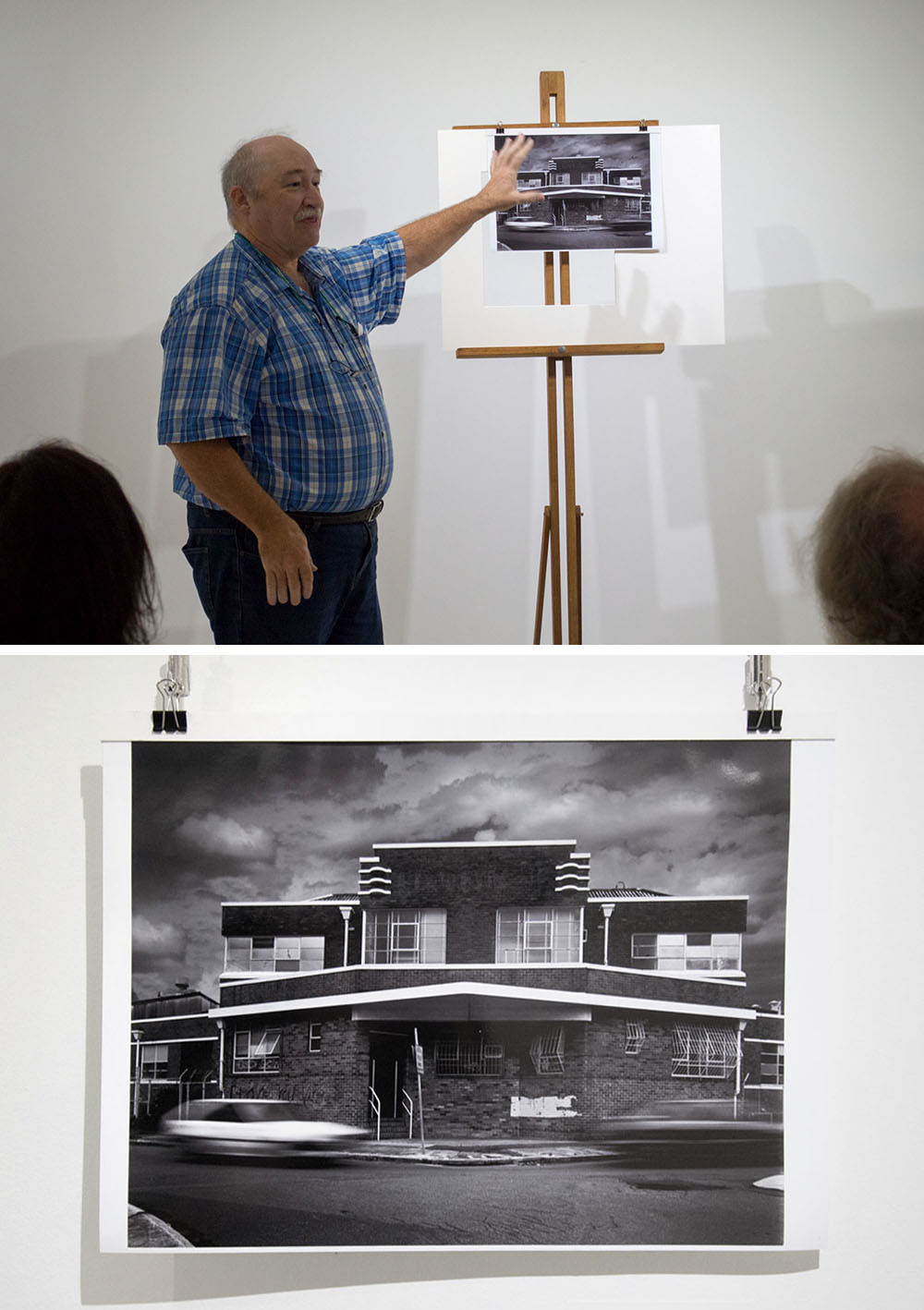
Sandy Barrie
Sandy spoke of the dangers of shooting large format in busy Sydney traffic.
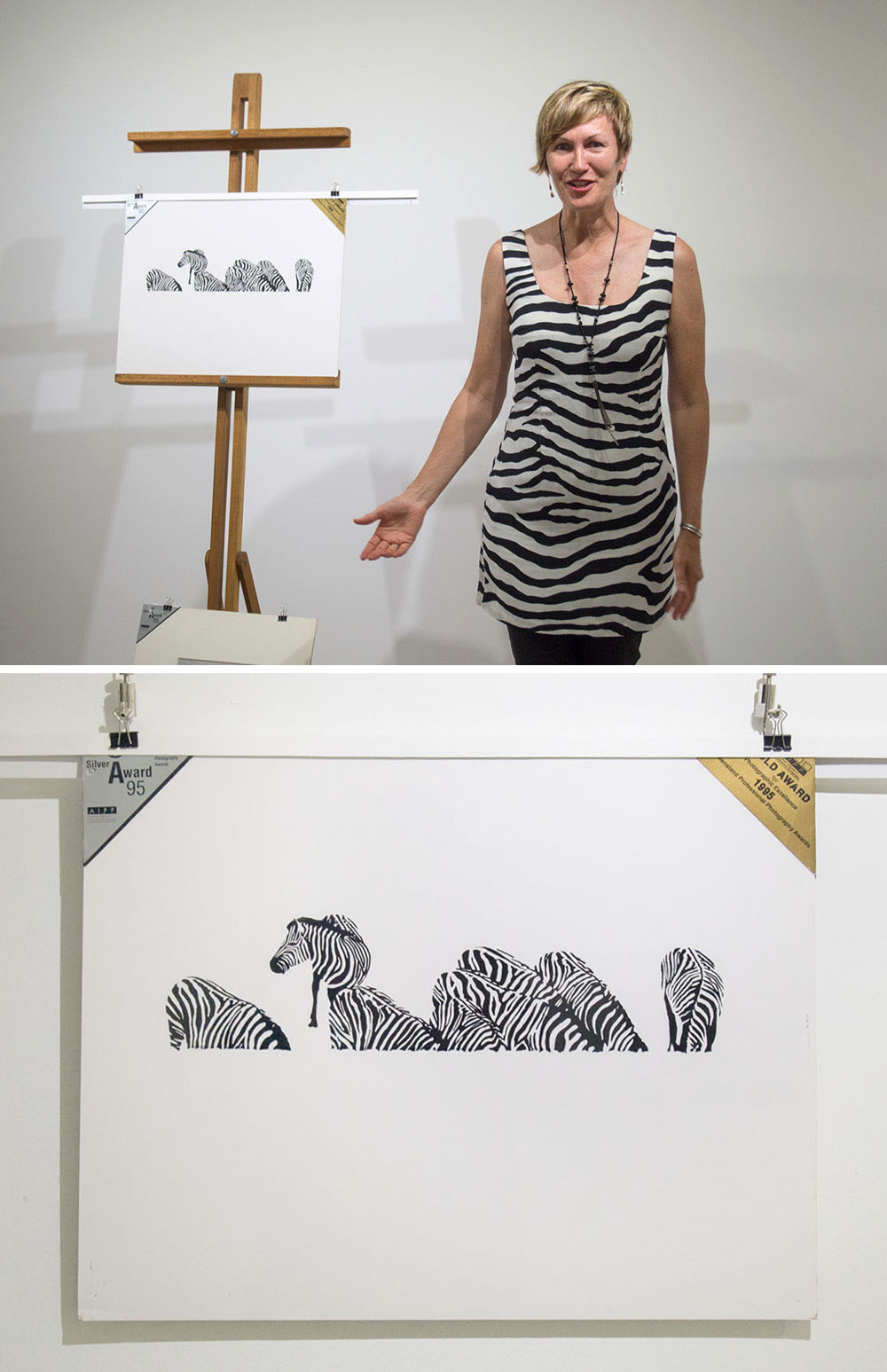
Robyn Hills
Robyn told the story of the making of this award winning print – from its origins from a point-n-shoot camera to darkroom high contrast printing ‘Tipp-ex” and a little bit of marker pen… A great animated performance….

Rob Crapnell
Rob discussed his interest in the darkroom and work with a 6×7 Pentax documenting how old heritage buildings in Brisbane are being cramped by the skyscraper…

Peter Pescell
Peter discussed his use of an ‘ancient’ bellows camera and reloaded 120 aerial film on spools to make this image… the old and the outdated still have currency in analogue…
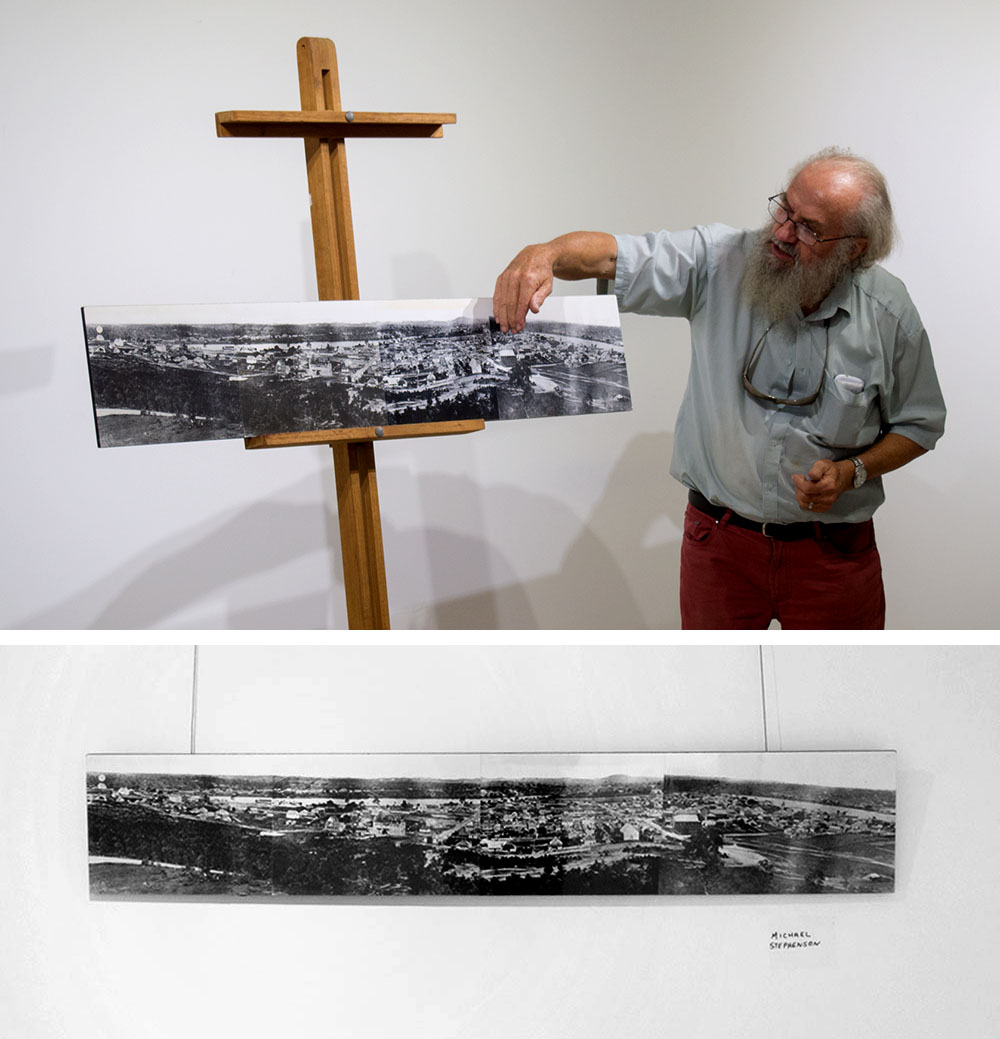
Michael Stephenson
Michael discussed his modern printing of a series of lantern slides that represented a panorama of Brisbane made in the 1870s(?) by the photographer a Mr Wilson(?).
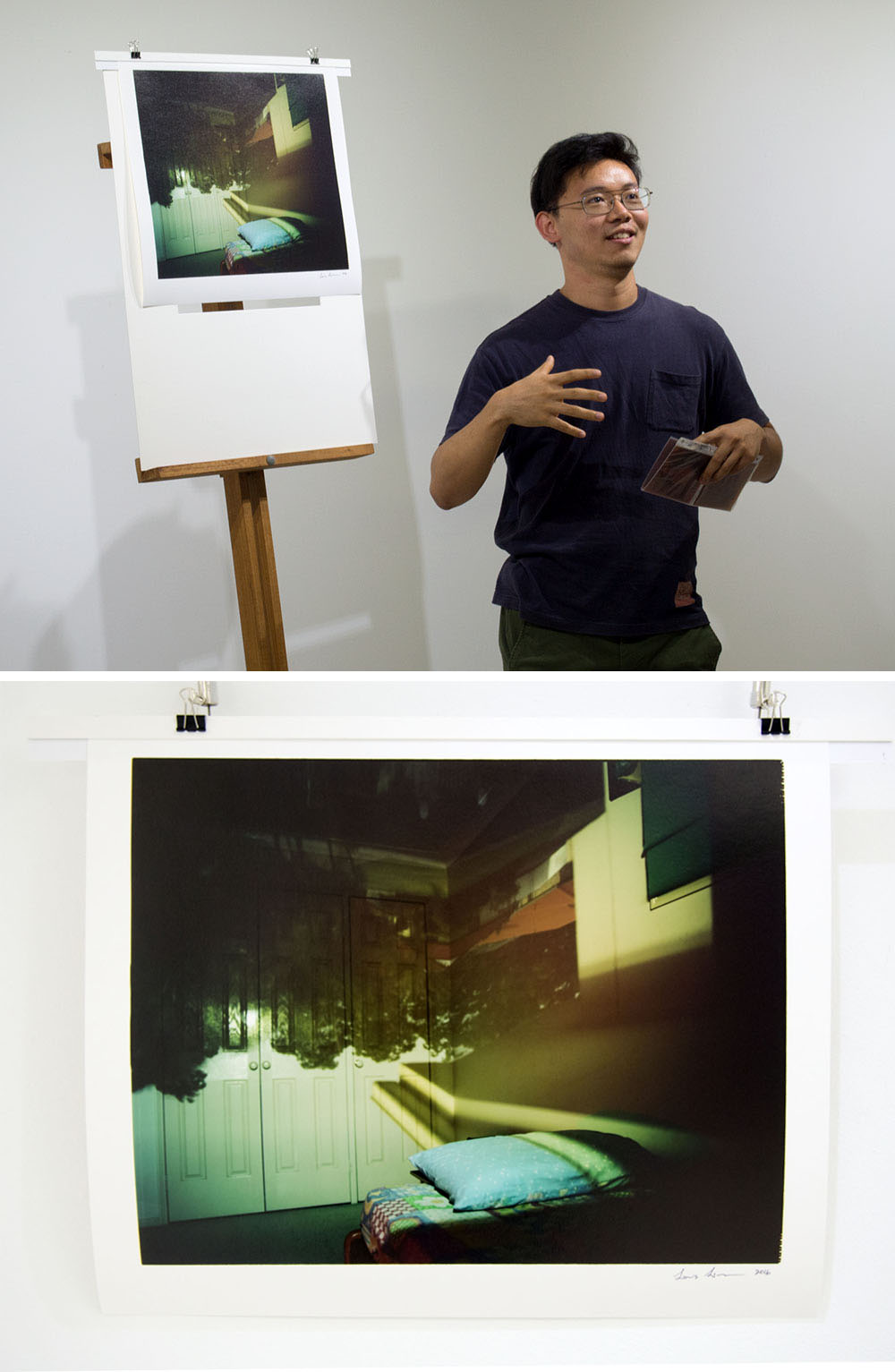
Louis Lim
Louis spoke of a camera obscura that he made in a children’s hospital as part of an artist in residence. He described the view of Vulture Street in Brisbane on the ceiling of the room and how children visiting the space were enthralled by the images on the ceiling and walls…
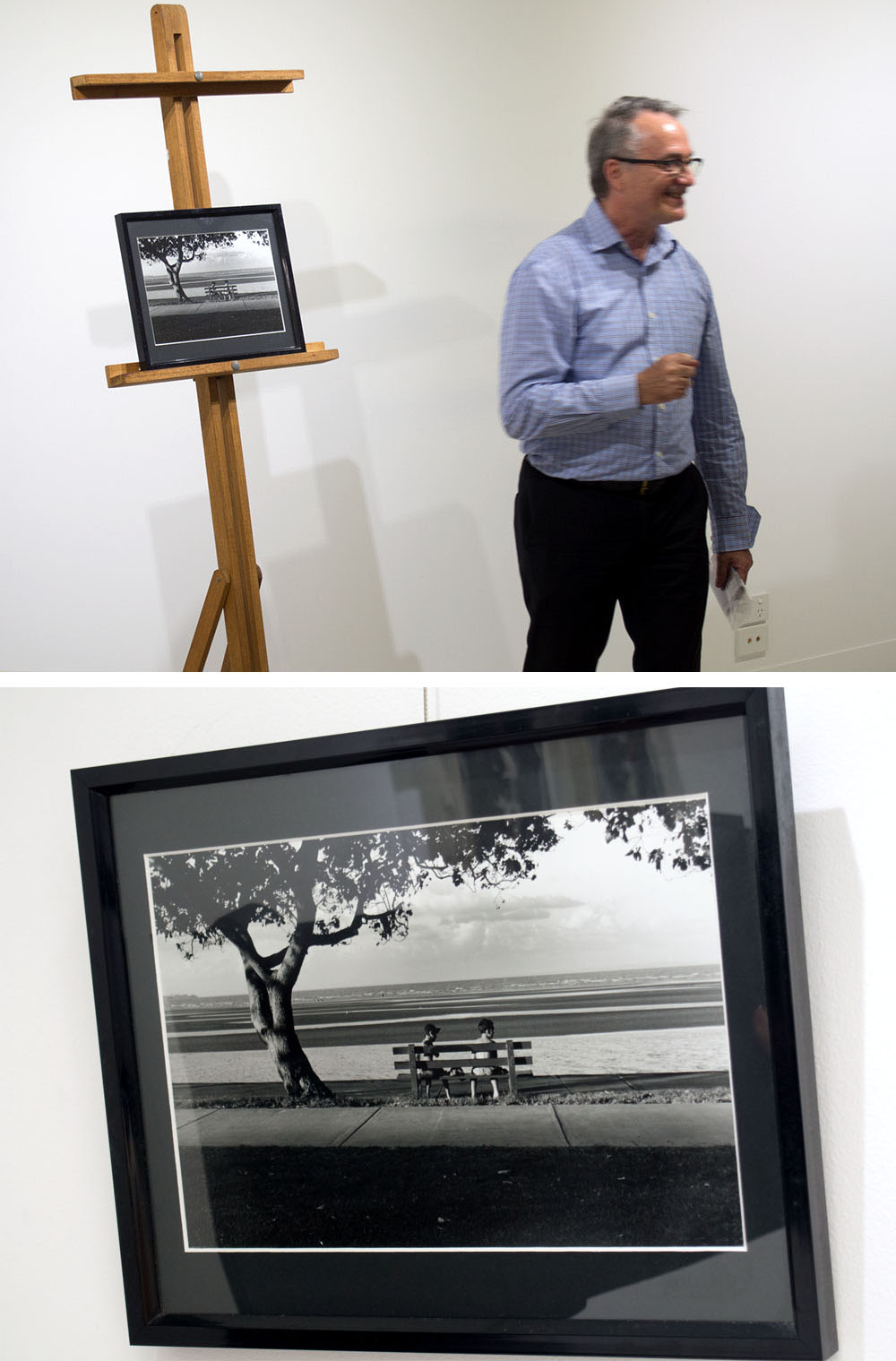
Jeff Ryan
Jeff discussed the taking of this photograph and its connection personal connection with he and his brother’s lives. The photo was made relatively recently at a place where Jeff and his brother played as kids 40 years earlier.

Irena Prikryl
Irena’s story related to buying her first serious camera – a Hasselblad and then taking some photos in Grand Central Station in New York. The camera was balanced on a railing and the shutter speed was long… The photo was recently printed in a Fine Art Print workshop at Maud with Doug+Vicky.
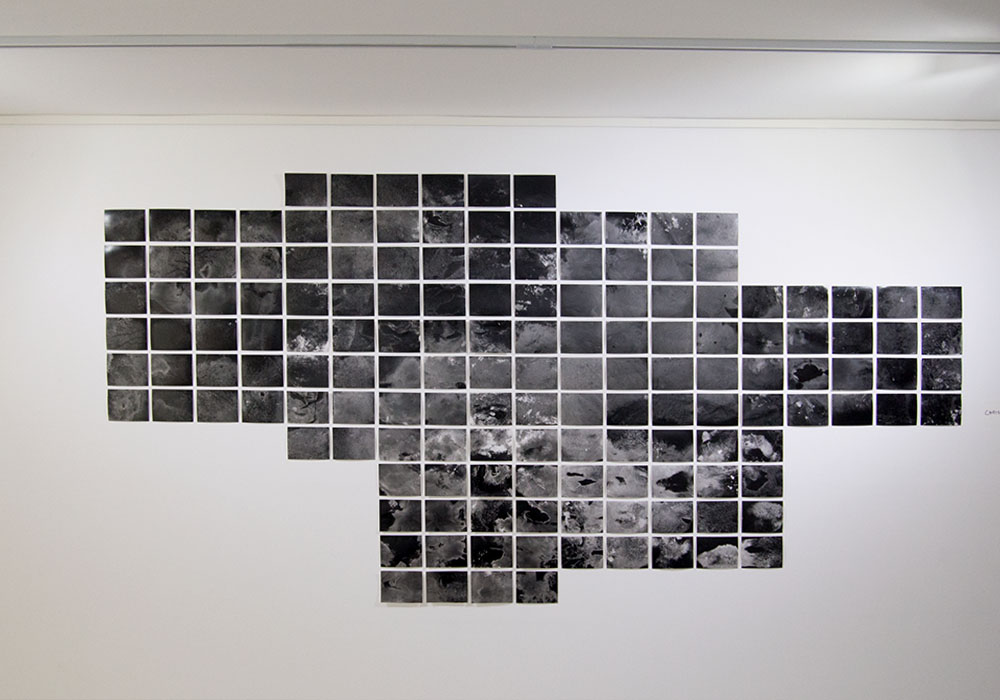
Chris Bowes
Chris Bowes was unable to attend but had come by earlier to install his personal investigation of self and sweat by placing un-exposed B&W photopaper against his body. The prints are then process yield a ‘Chemigram’. Chris will present a floortalk at the gallery. Check the Dark Love page for details…

David Symons
David discussed that the origins of his 1980s photographic series was a response to the work and photobooks of David Hamilton. Hamilton was well known for his ‘soft-porn’ photos of young girls. Symons spoke about how he appropriated Hamilton’s photos by double printing copy negatives through a cracked mud image. Texts from Hamilton’s book were adapted by Symons using a redactive process to reveal an alternative story….
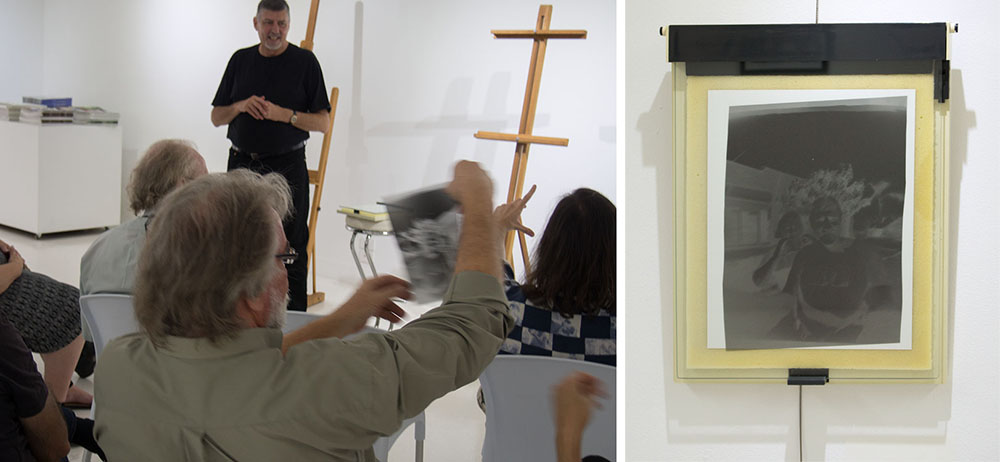
Doug Spowart
I commented about how a recent re-connection with pinhole photography during the Pinhole workshop last weekend had helped to resolve a need for a new project that Vicky and I will be working on next year. I passed around an 8″x10″ film pinhole negative that had revived my interest and love of the darkroom. PHOTO: Victoria Cooper.

Edwin Wecker
Edwin discussed his experiences with film photography whilst on tour to India with his friend Russell Shakespeare.

Gail Hoger-Neuman
Gail showed some photographs from her early 1990s exhibition ‘Hollywood Stills’ that was shown at Imagery Gallery.
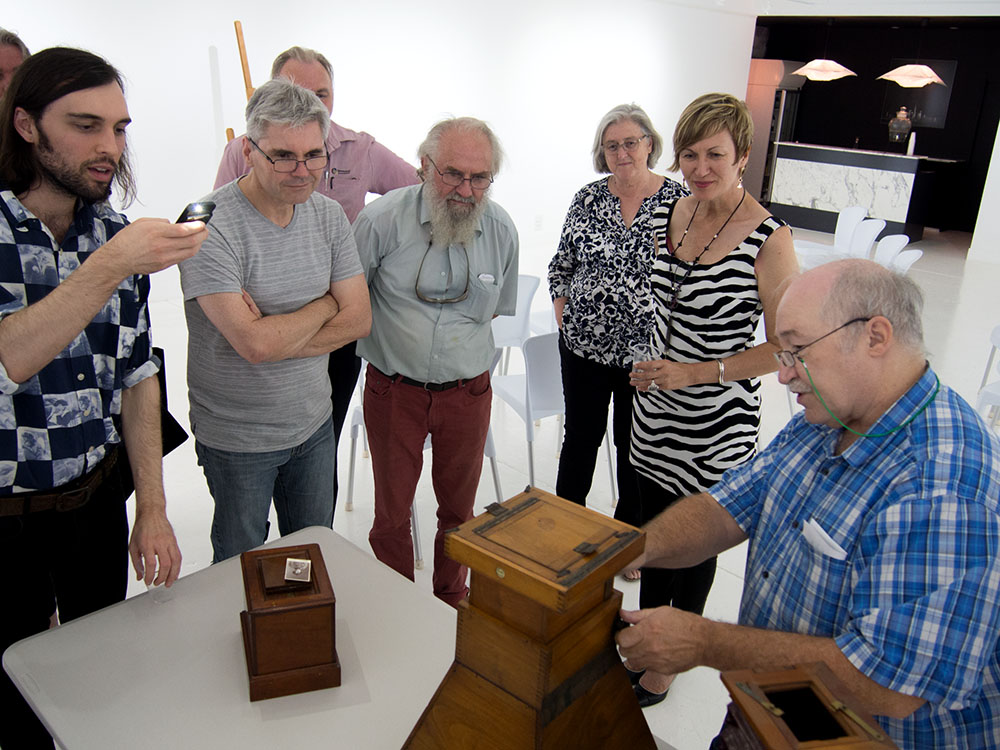
Sandy Barrie demonstrates ancient portable daylight enlargers – the oldest was made before 1859.
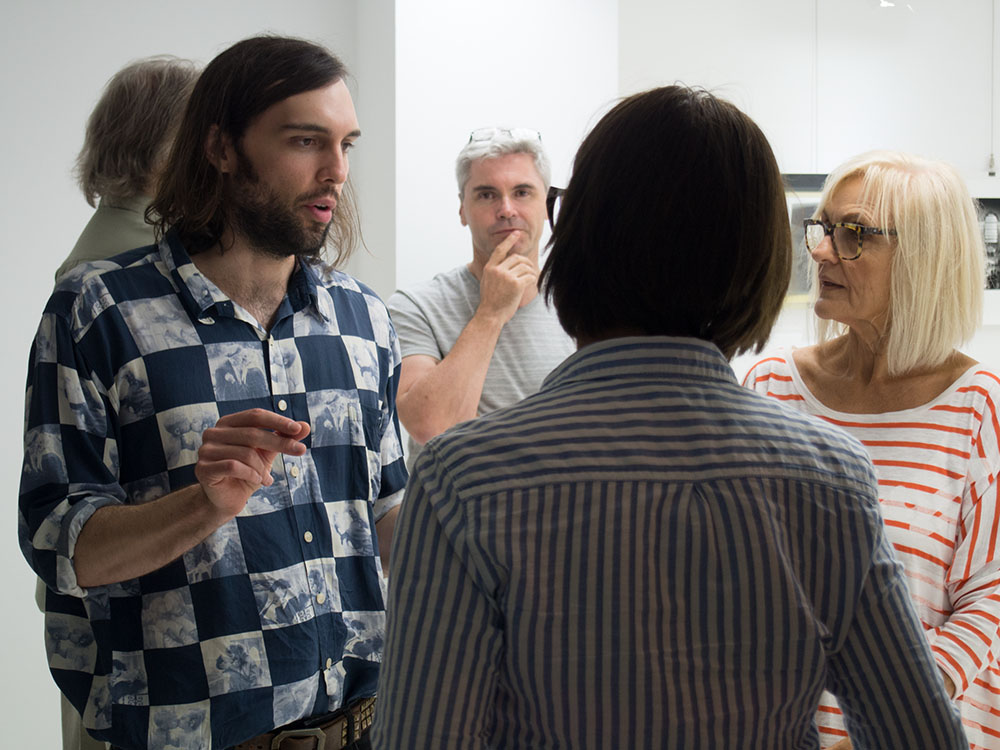
Conversations continued after the presentations
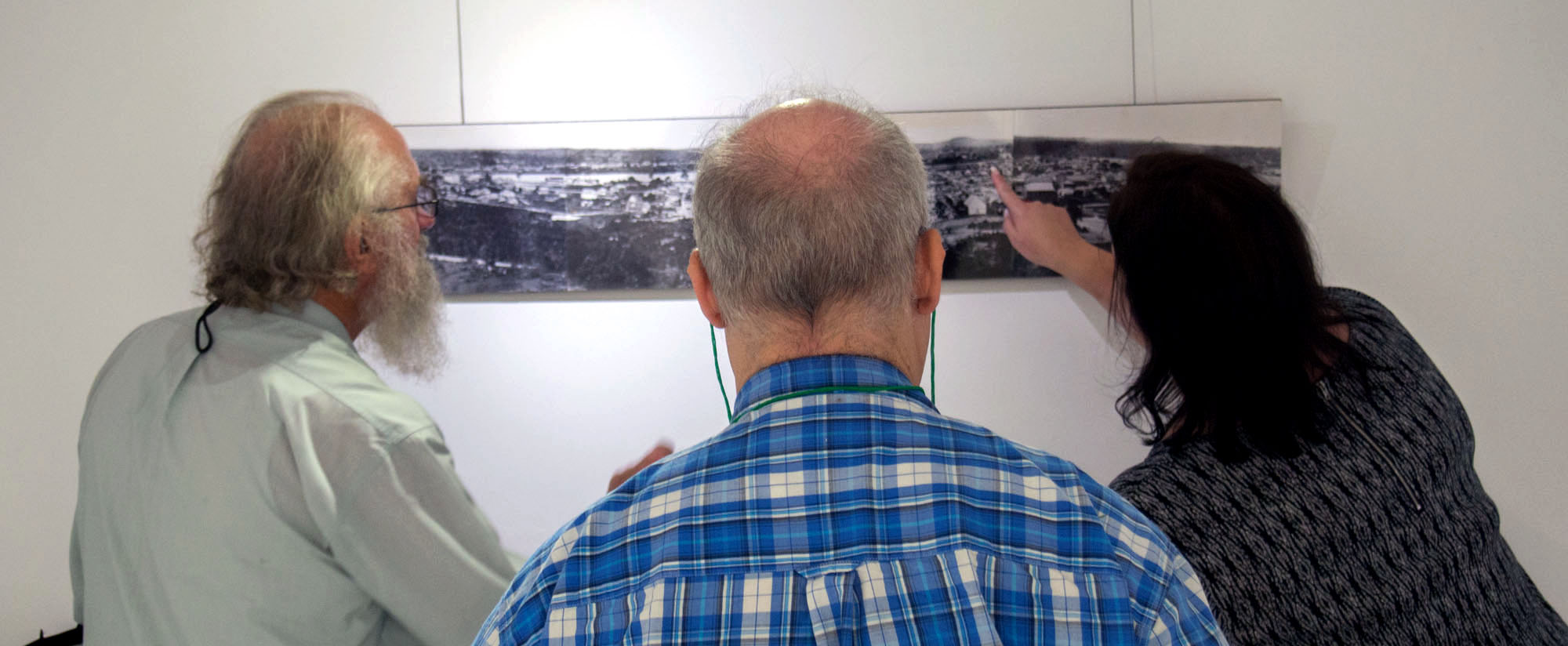
The DARK LOVE works were enjoyed and discussed
CHRIS BOWES FLOORTALK – 26 November – details to be confirmed
A FINE ART PRINTING WORKSHOP WILL TAKE PLACE ON – Postponed to 2017
A CYANOTYPE WORKSHOP – Details HERE
AND THE FRONT GALLERY WILL BE CONVERTED INTO A CAMERA OBSCURA on November 26 (to be confirmed)
Festival of the Darkroom logo
All portrait photographs and gallery documentations unless credited otherwise ©2016 Doug Spowart
.
.
STUDIO WEST END: REPRISE
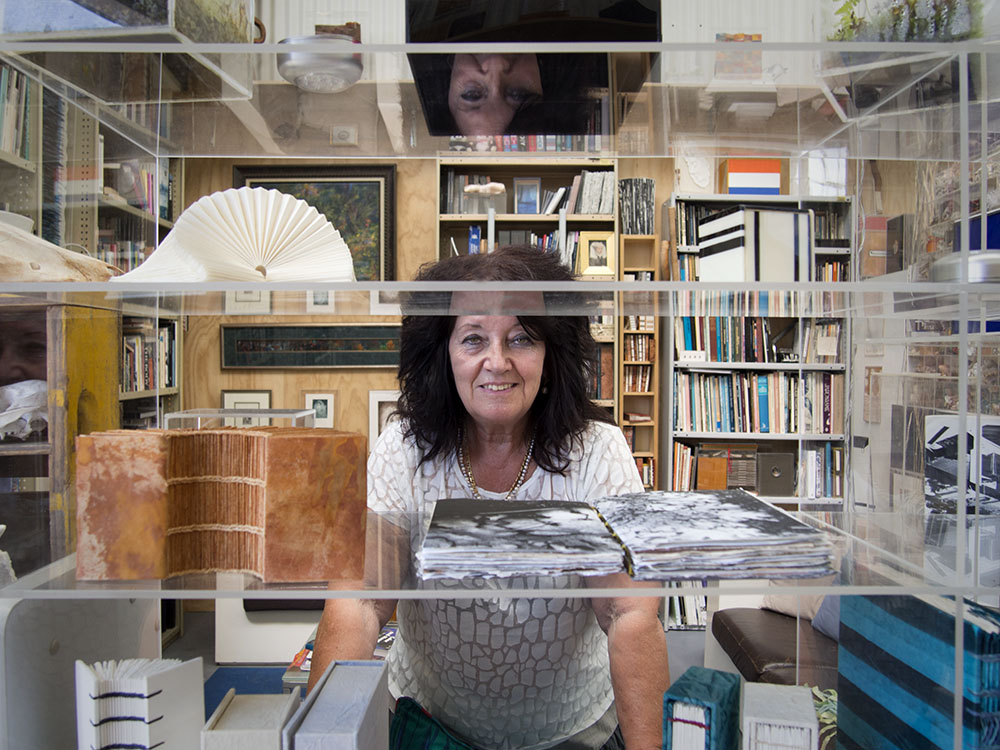
Adele Outtridge photographed in the new Studio by Doug Spowart
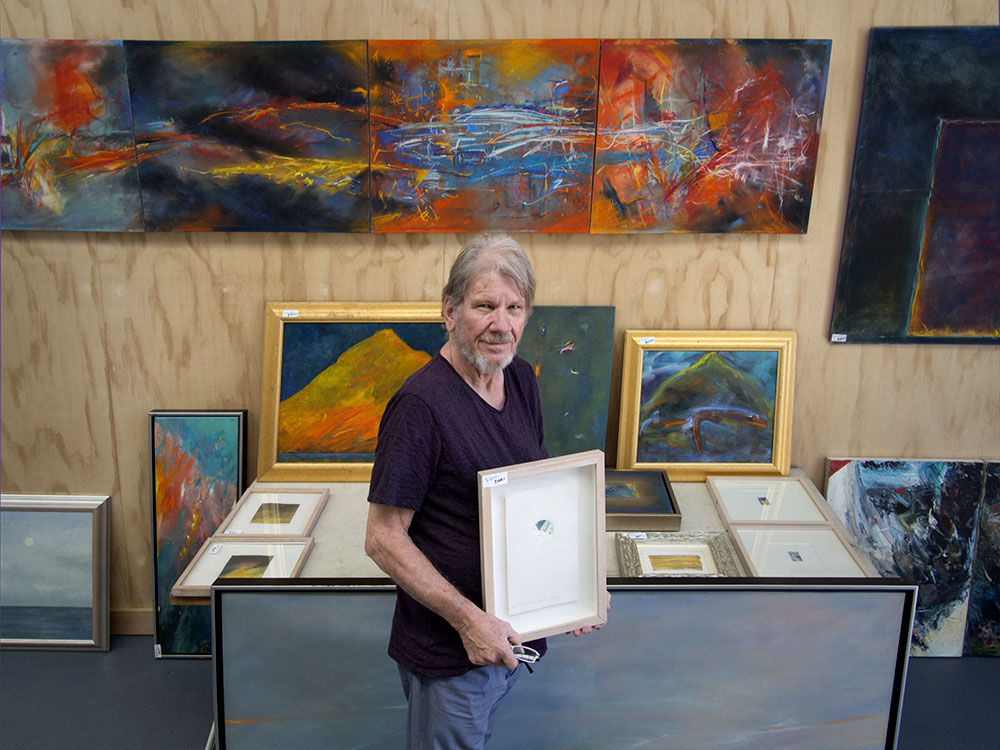
Wim de Vos photographed in the new Studio by Doug Spowart
Adele Outteridge and Wim de Vos are like ‘family’ for many artists and creatives in Queensland, and I’m sure around Australia and beyond. Their Studio West End has provided a space for artists to access printing technologies, be supported by mentoring and teaching provided by Adele and Wim, and also connect through the social meeting place that the studio was.
Over the years both Vicky and I have connected with them in many different ways; as co-teachers in an art college, as collaborators on art projects, attending events that each other had organised, learning and sharing skills and, at times, just sitting around – as other do – talking about art and artists…
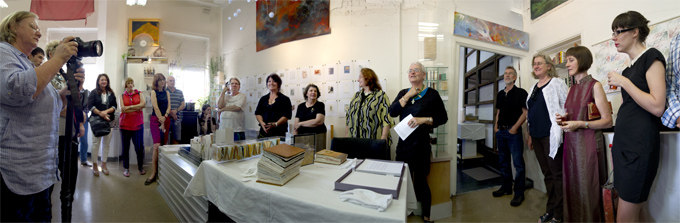
Helen Cole opens the Studio West End artists book show Photo: Doug Spowart
Adele and Wim have for many years operated their business Studio West End in the suburb of West End in Brisbane in an old soft drink and later and ice-cream factory. They made these places little palaces of art, inspiration and creativity. The workshop was often converted into an exhibition space and example of which would be the project launch of EX LIBRIS: WHO OWNS THIS BOOK
However the creeping menace of gentrification and the scourge of massive high rise development meant that earlier this year they had to pack up and leave their premises in the ABSOE building.
Vicky and I attended the last day party on the 23rd of April and I made some photographs of the state of the studio and its conversion into neat stacks of crates on pallets. What follows is a small selection of the ABSOE Studio West End wake…
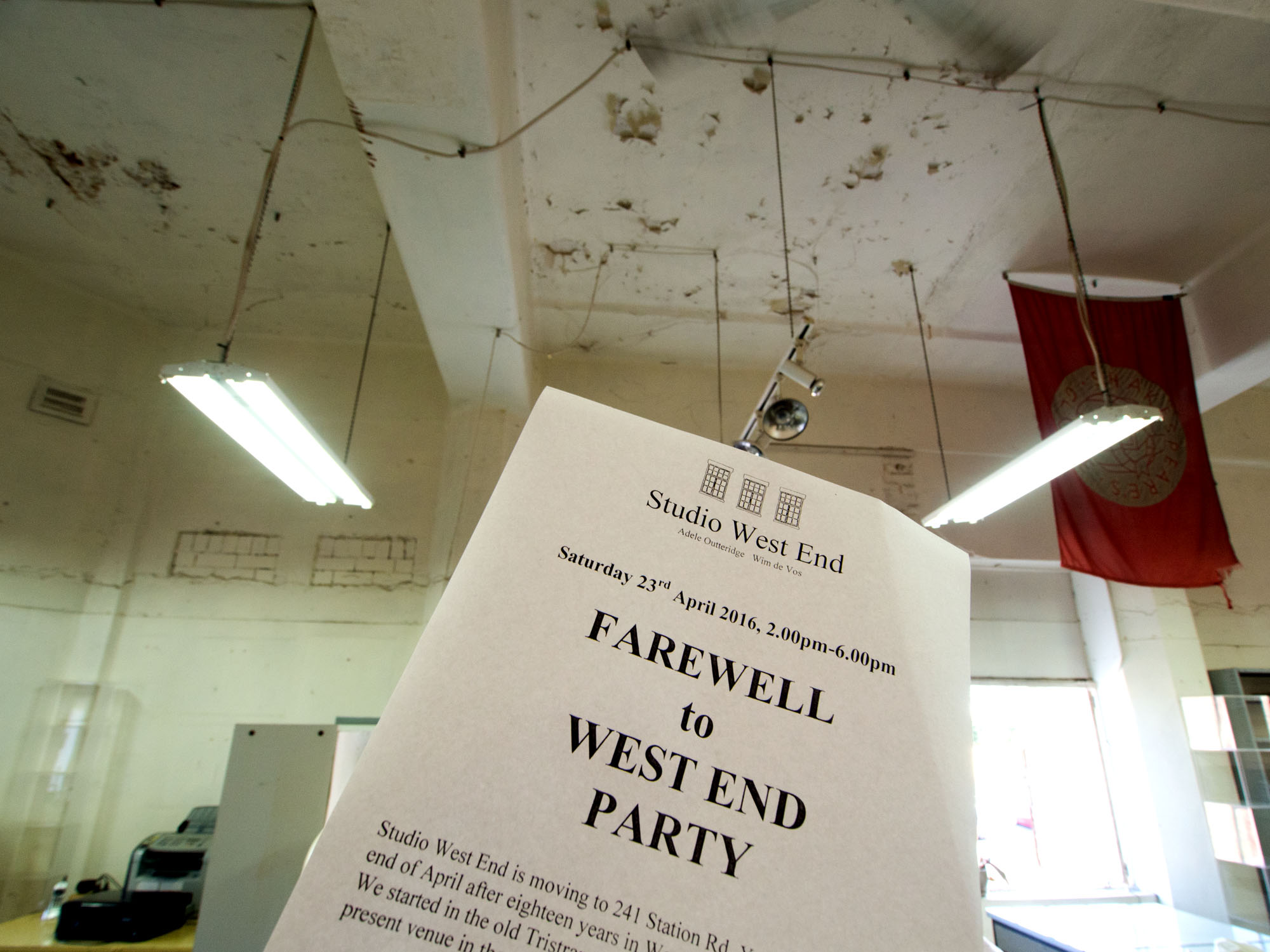
Invitation to the Farewell Party
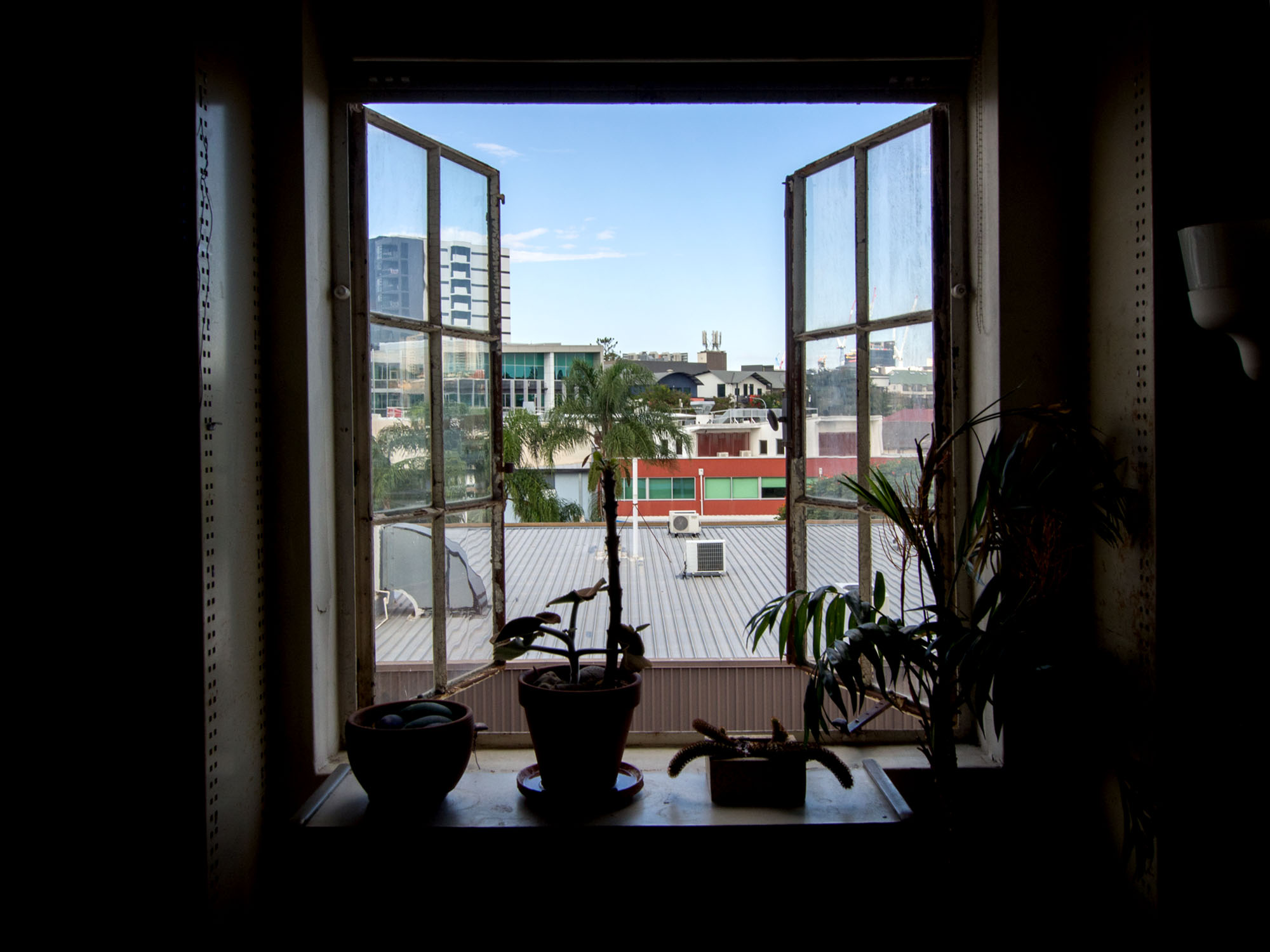
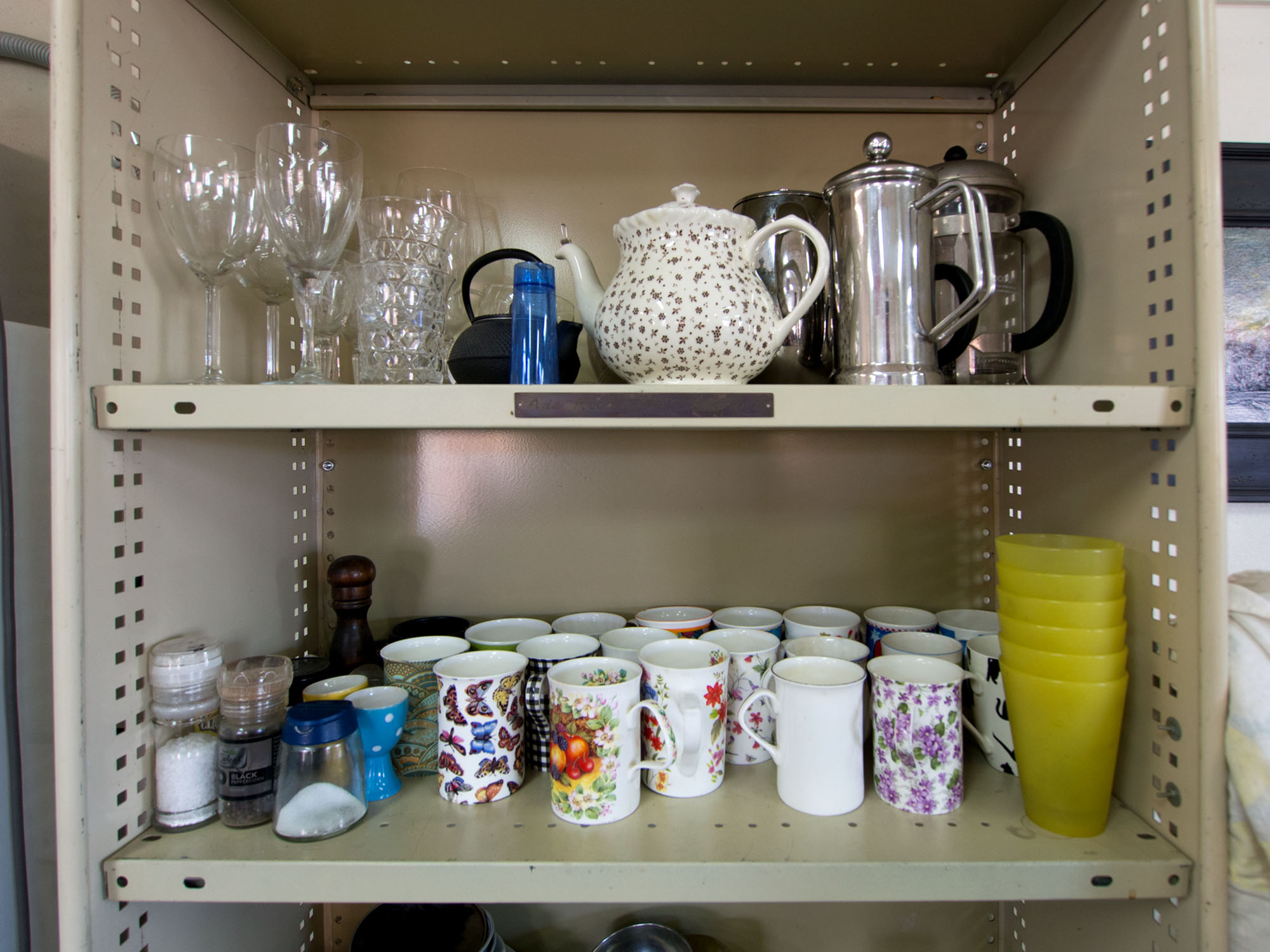
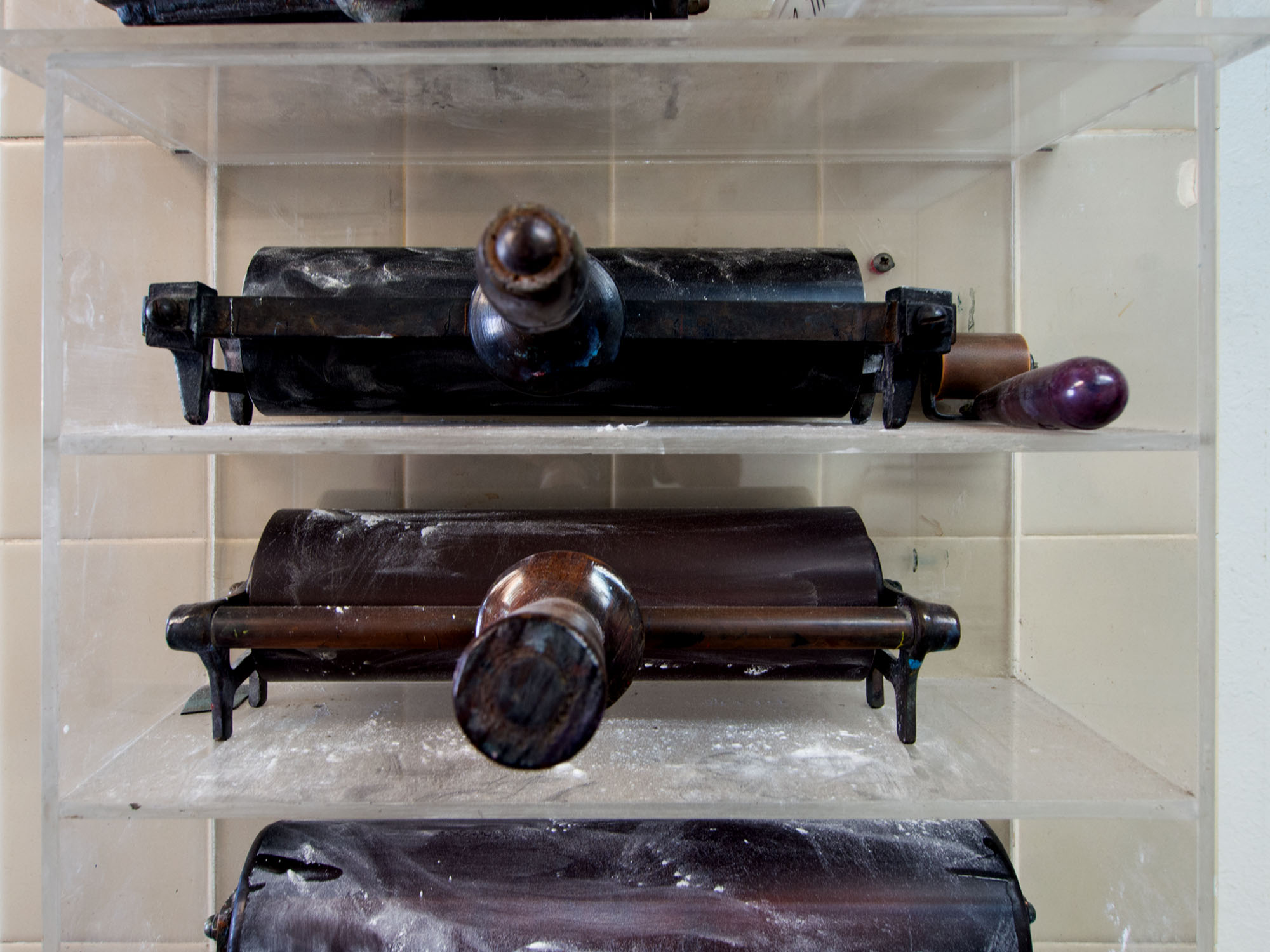
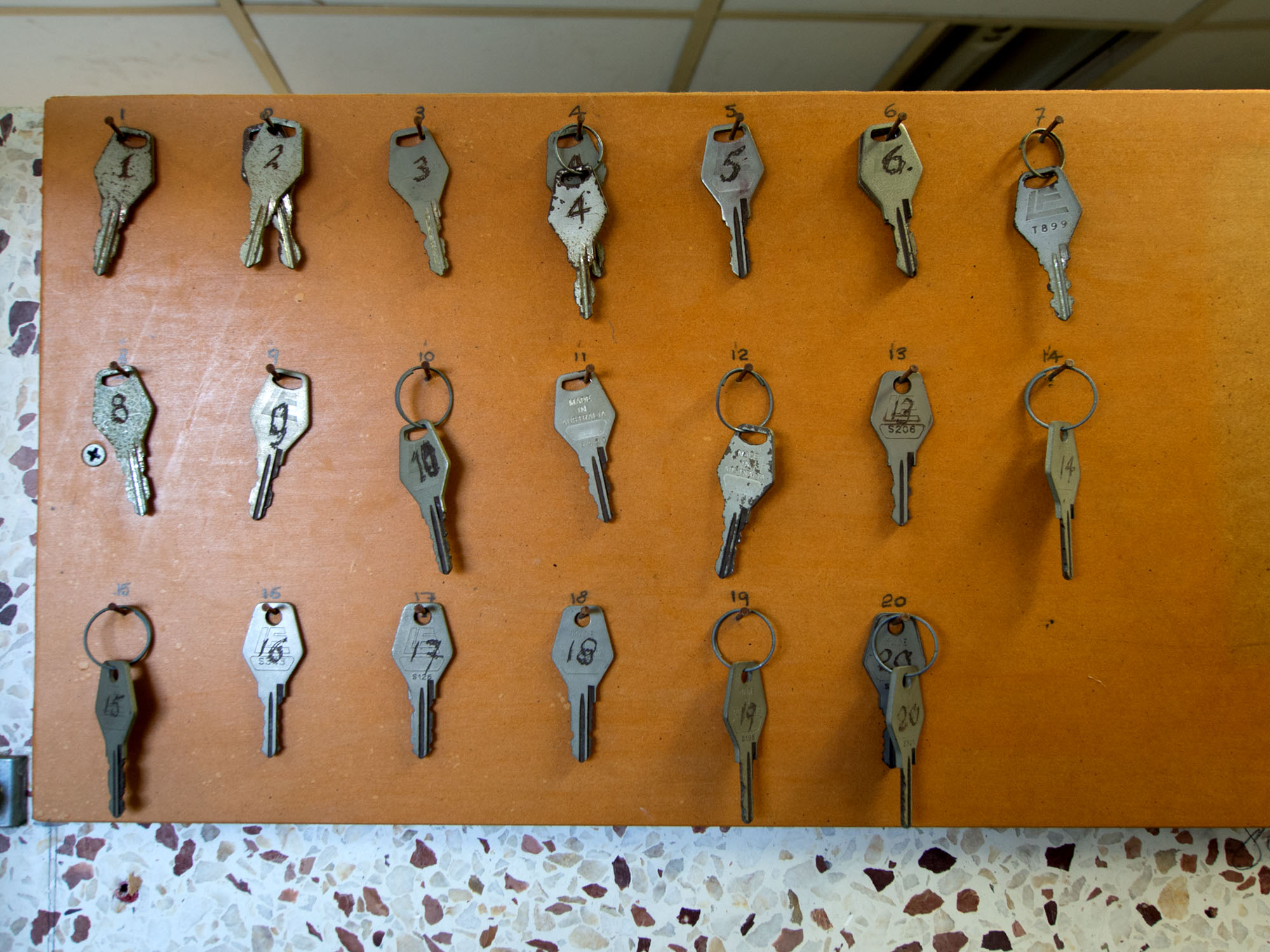
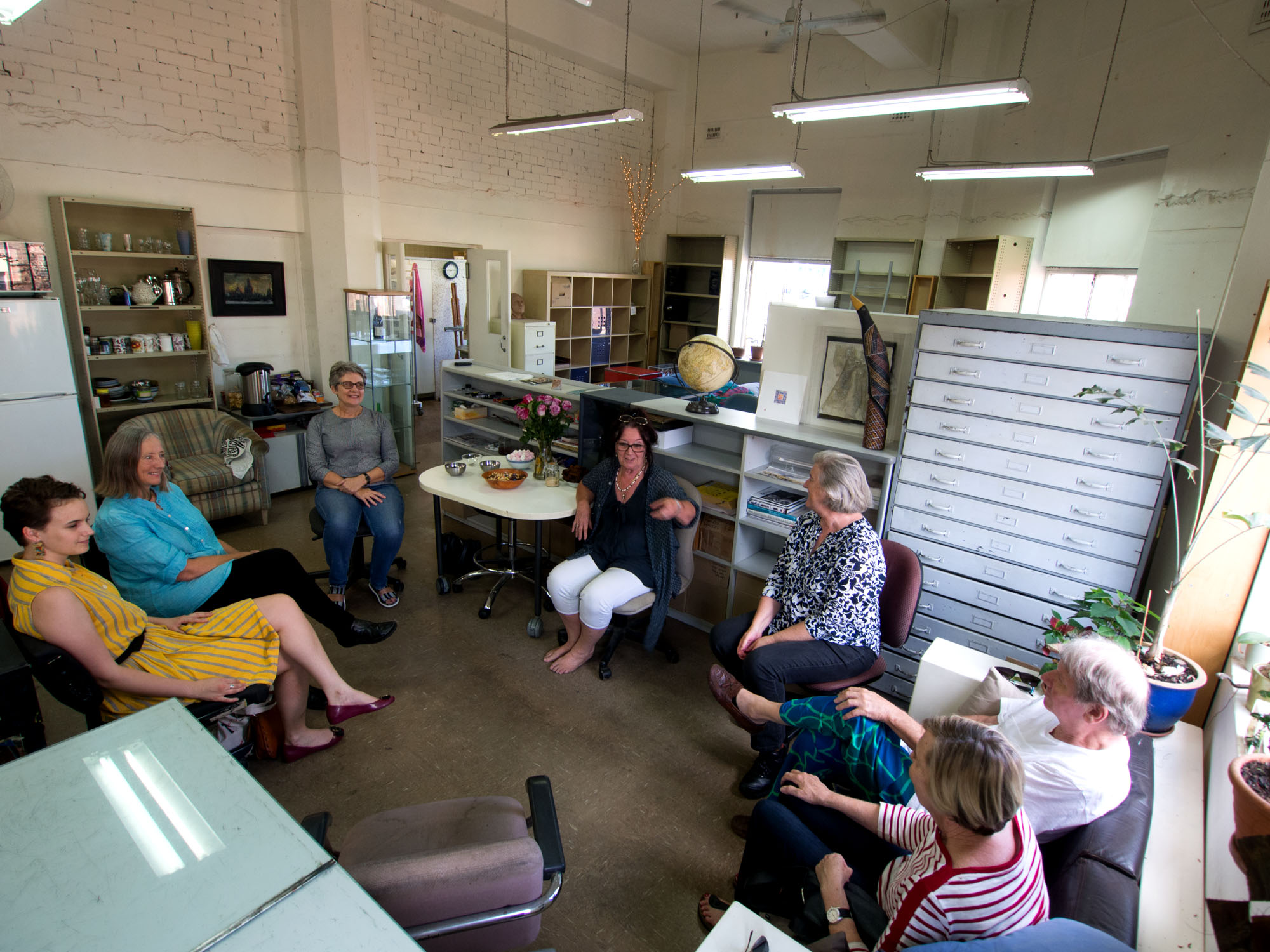
The farewell Absoe Building wake…
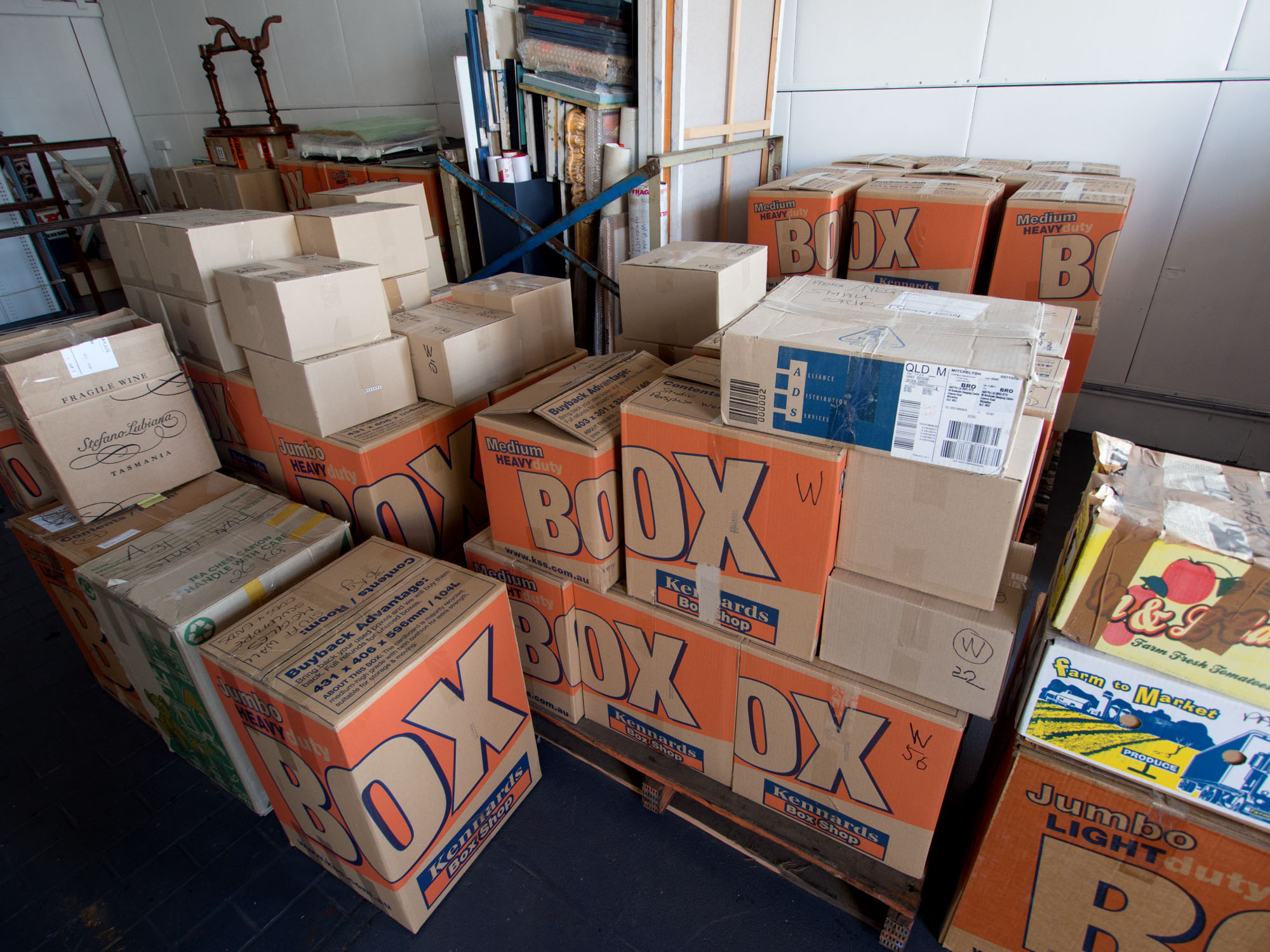
Moving out of West End
On October 30 Adele and Wim re-opened STUDIO WEST END at a new location –
241F Station Rd, Yeerongpilly 4105. Come to Gate 4, YCP (Yeerongpilly Corporate Park)
A large opening party was held on Friday evening with the new consecration of the new studio being performed by artist and raconteur Janet de Boer OAM. Acquaintances and friends were invited to visit the studio over the weekend and we went along for lunch the next day. We wish them all the best for the Studio’s continued operation.
What follows is a documentation of the new space and its migration into a new space for art making, teaching and mentoring artists…
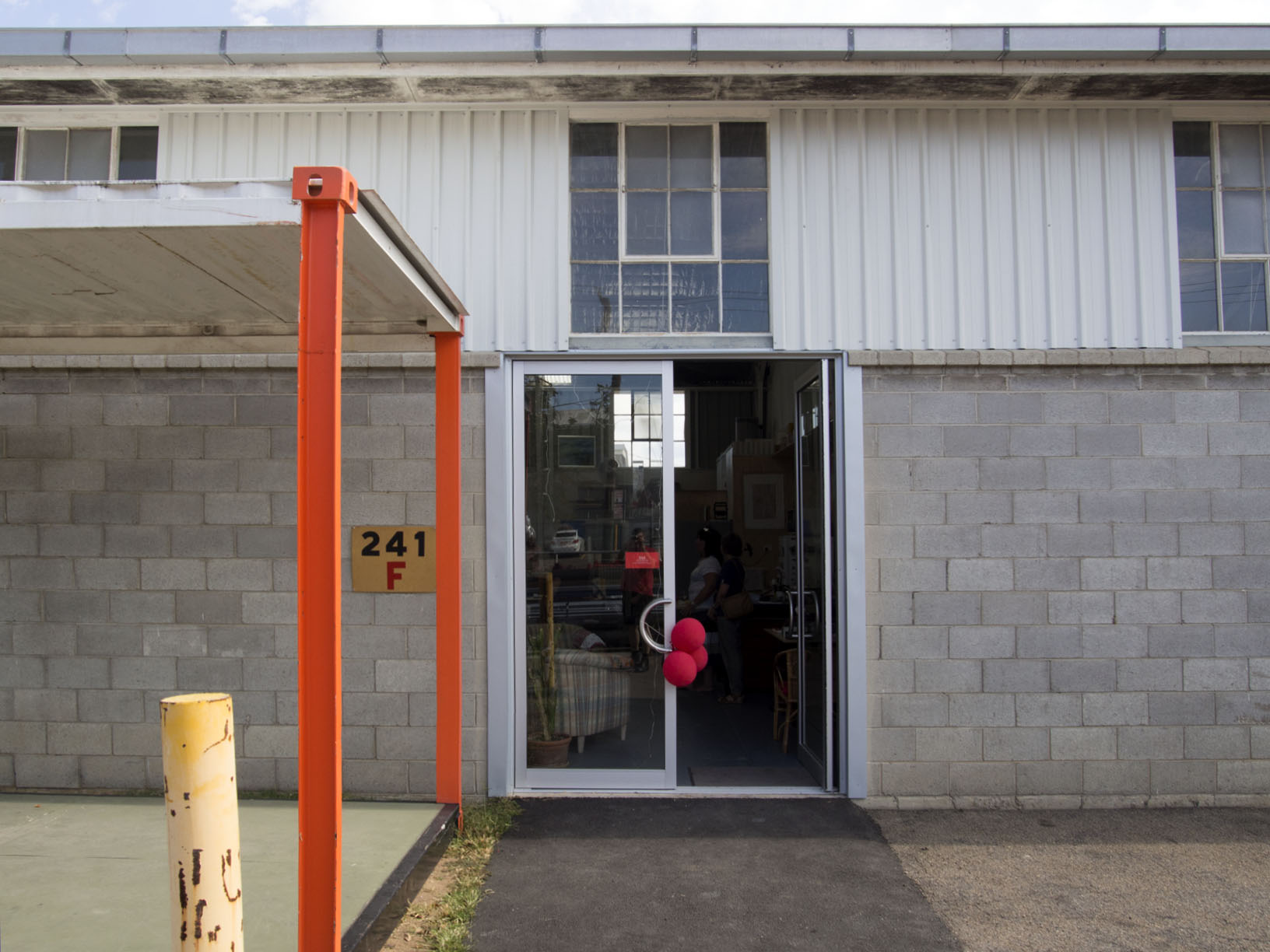
The NEW Studio West End
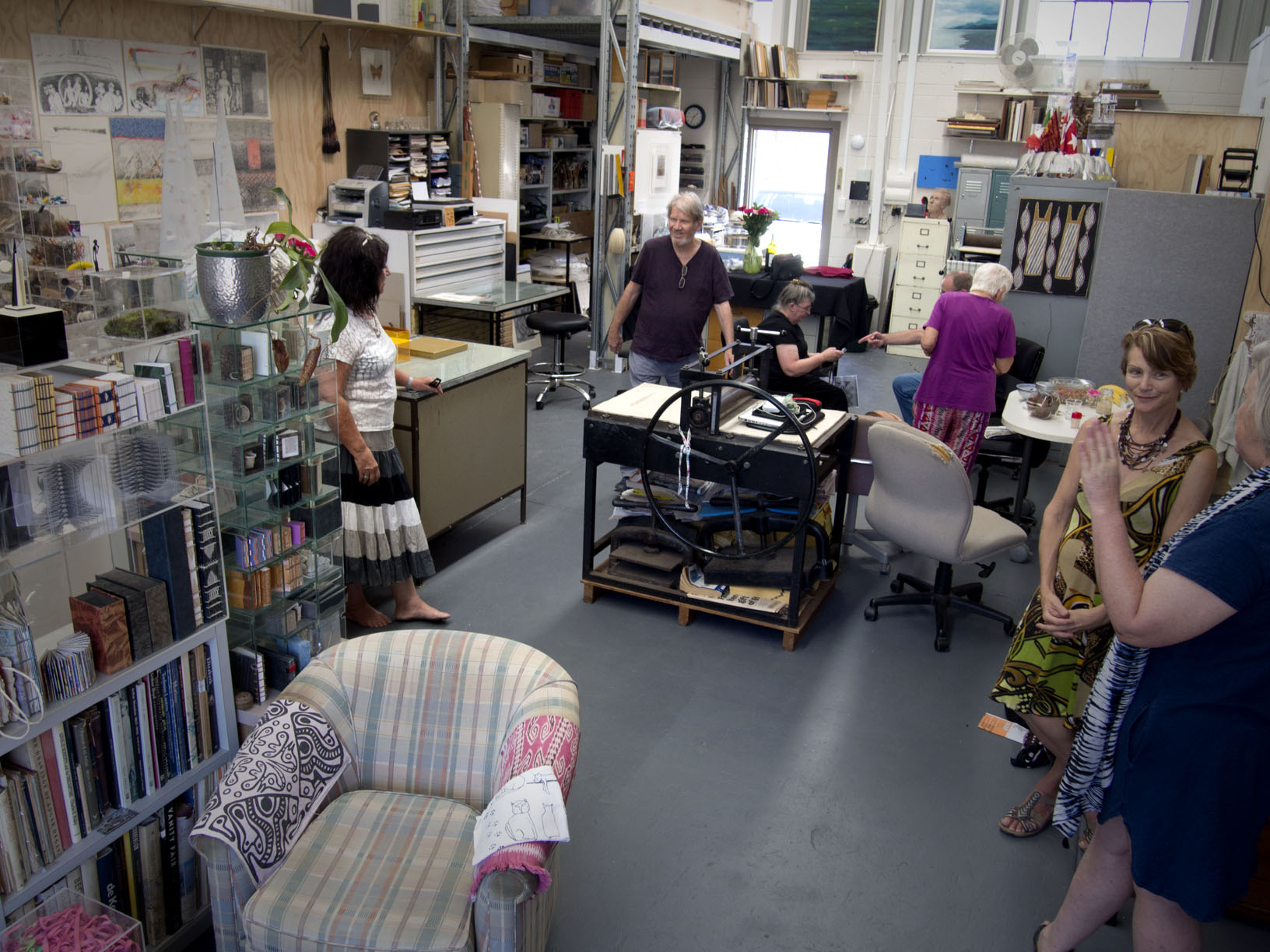
In the new Studio West End
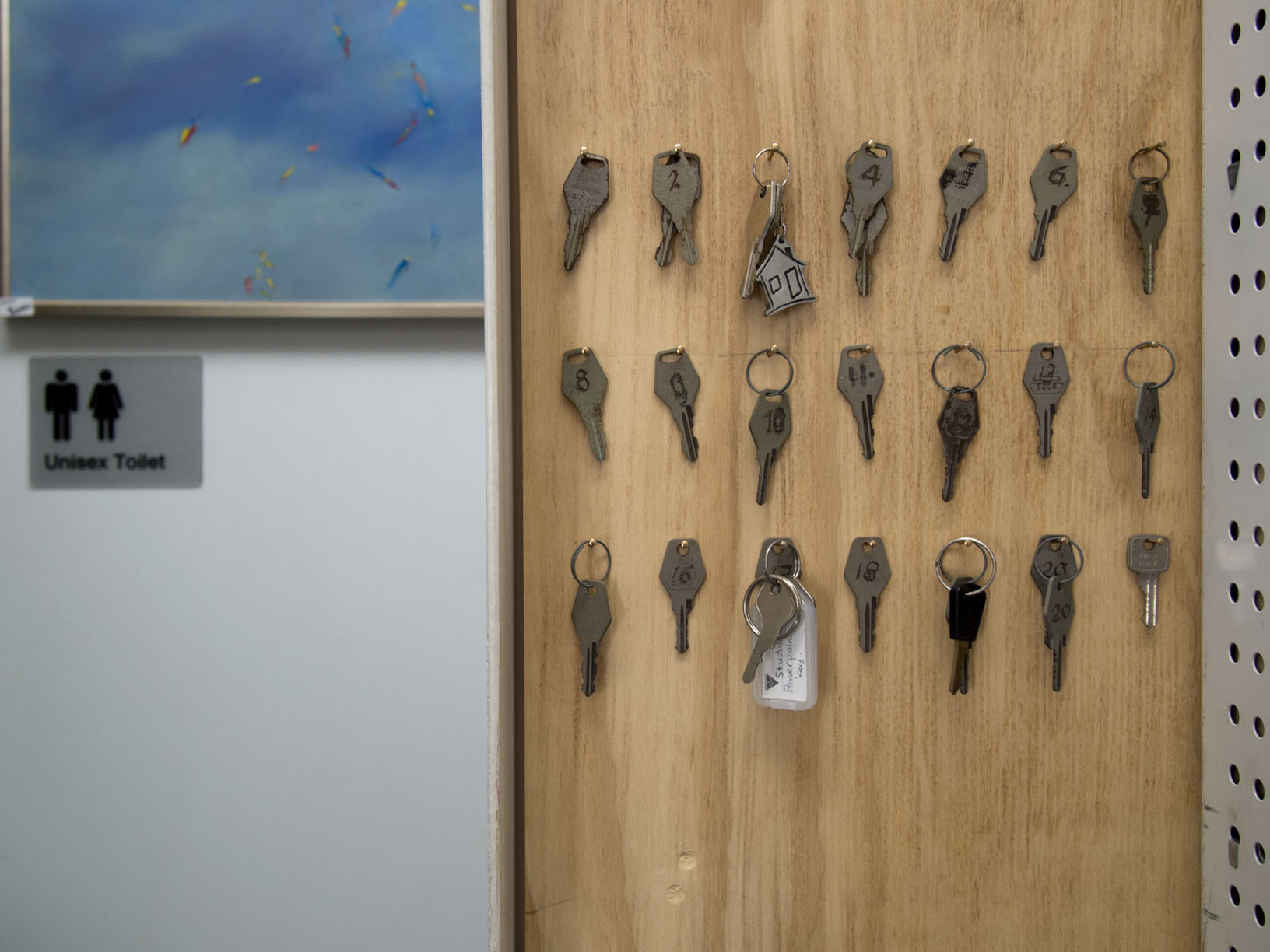
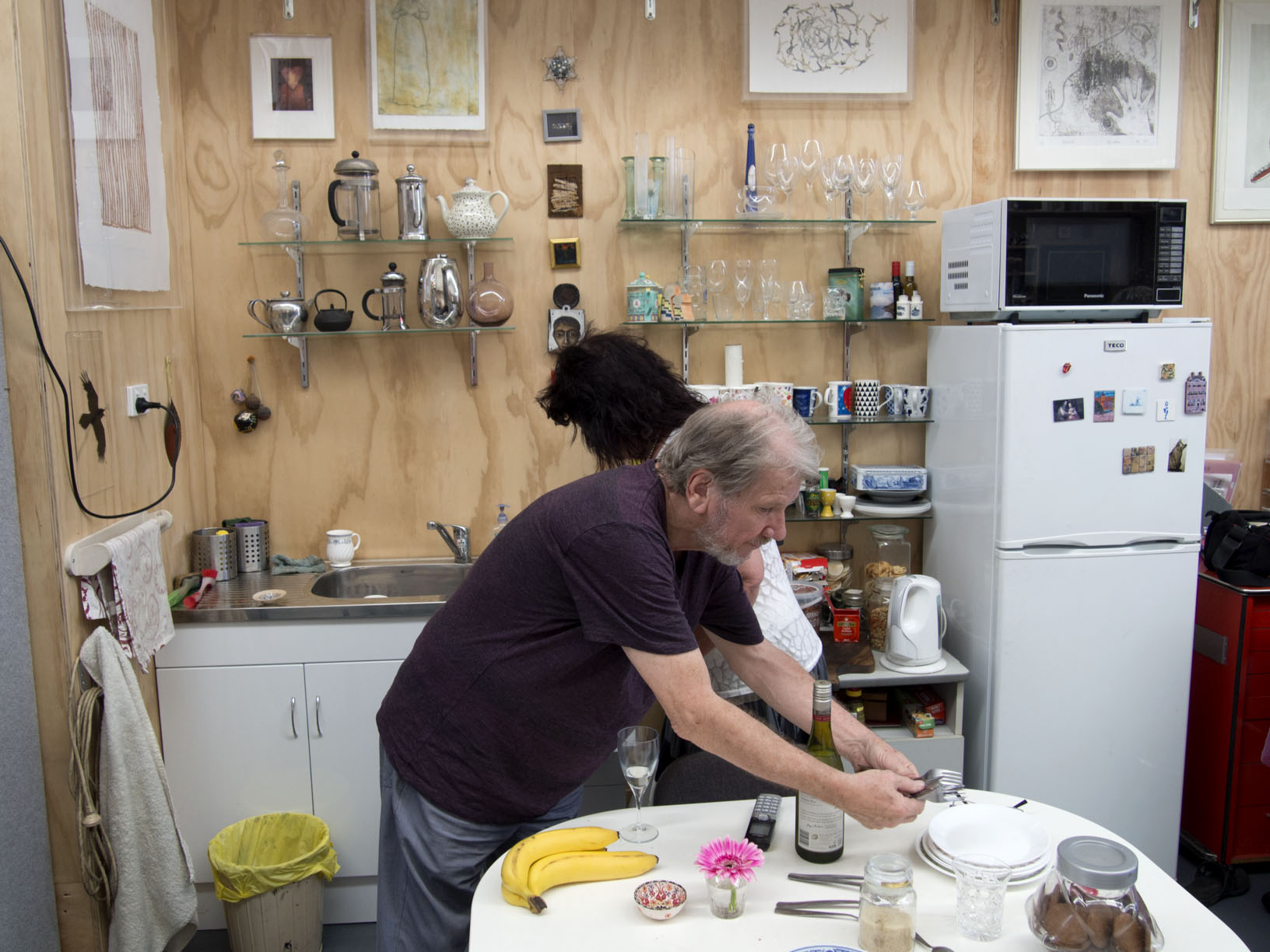
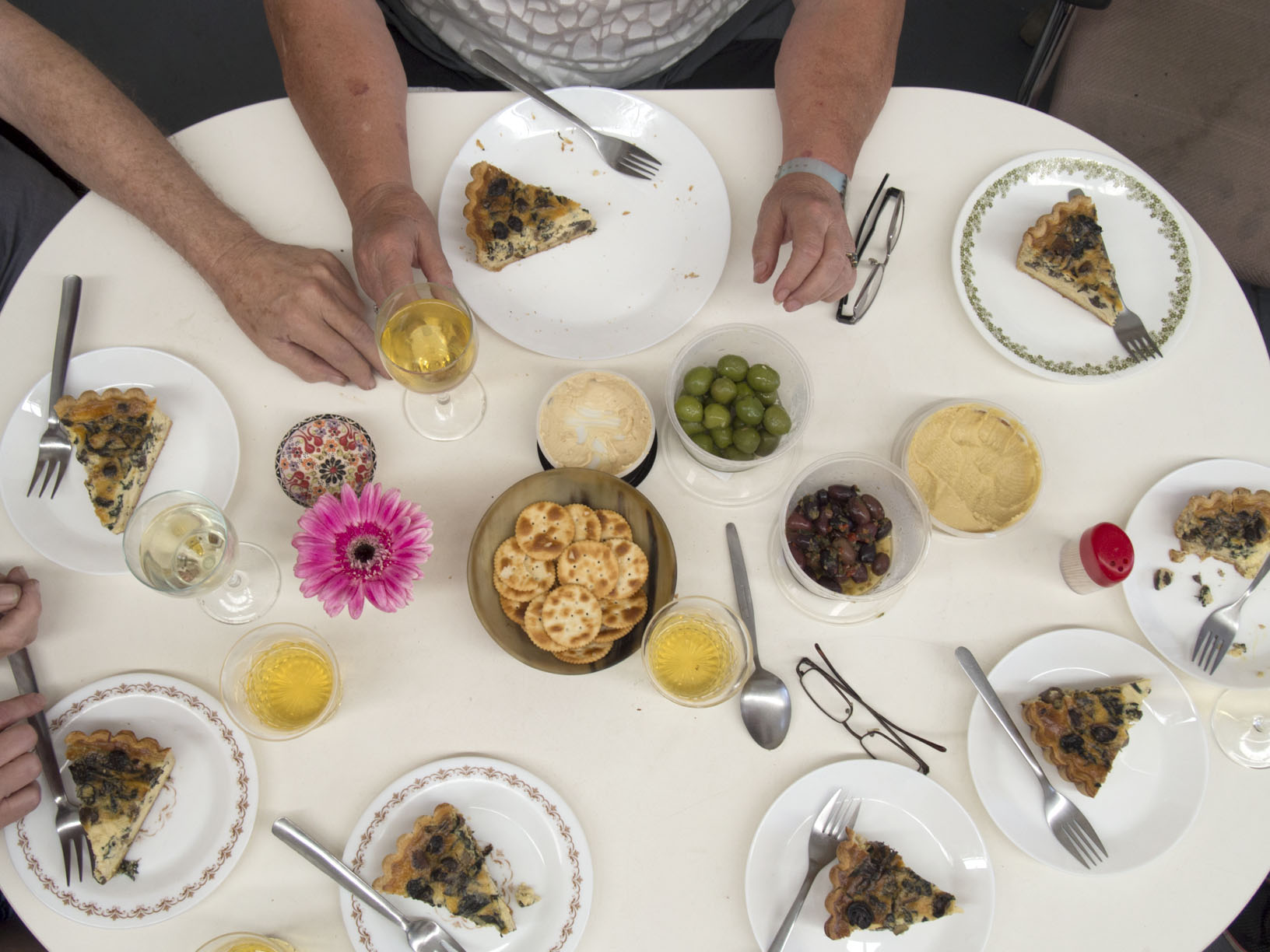
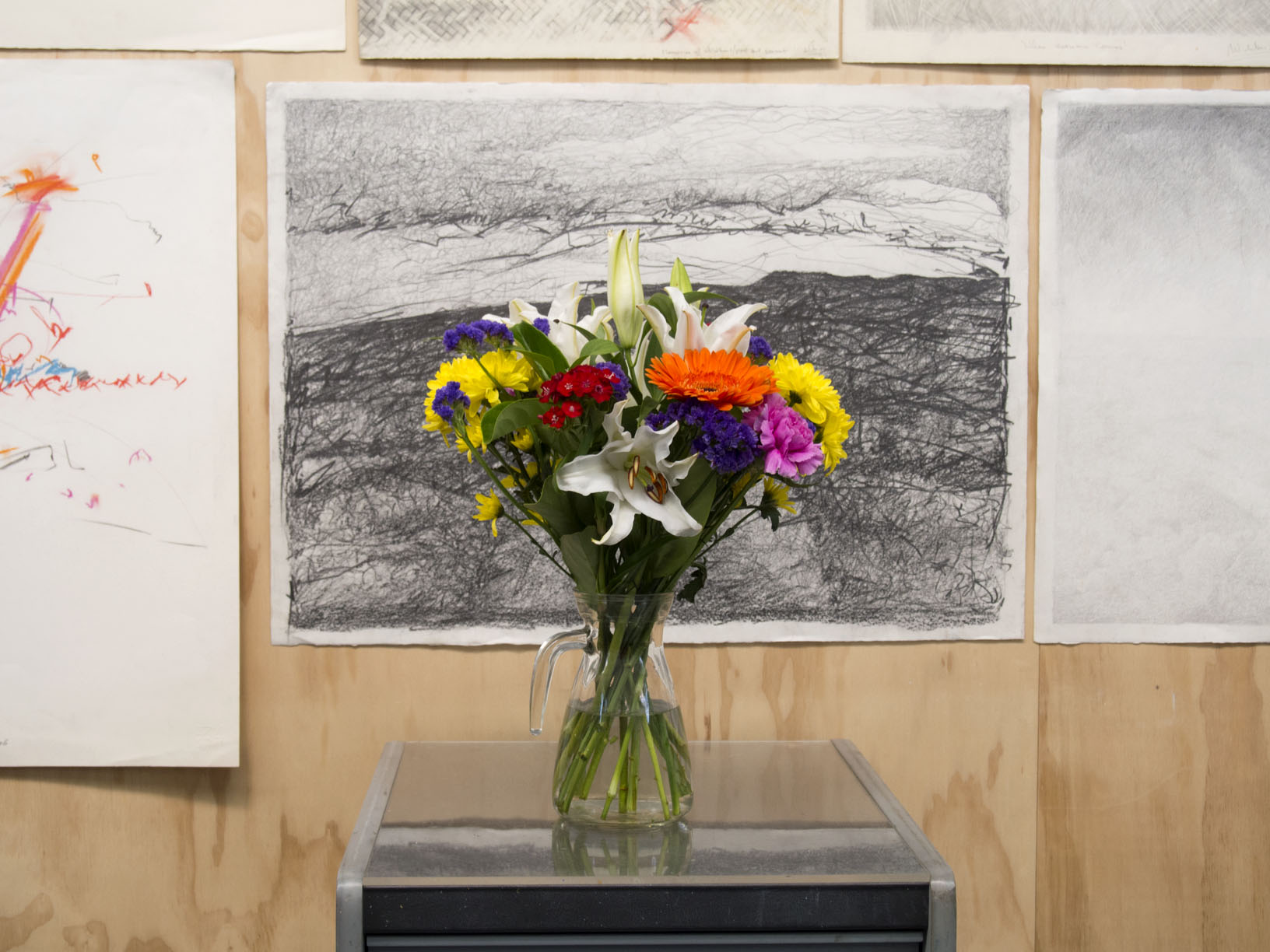
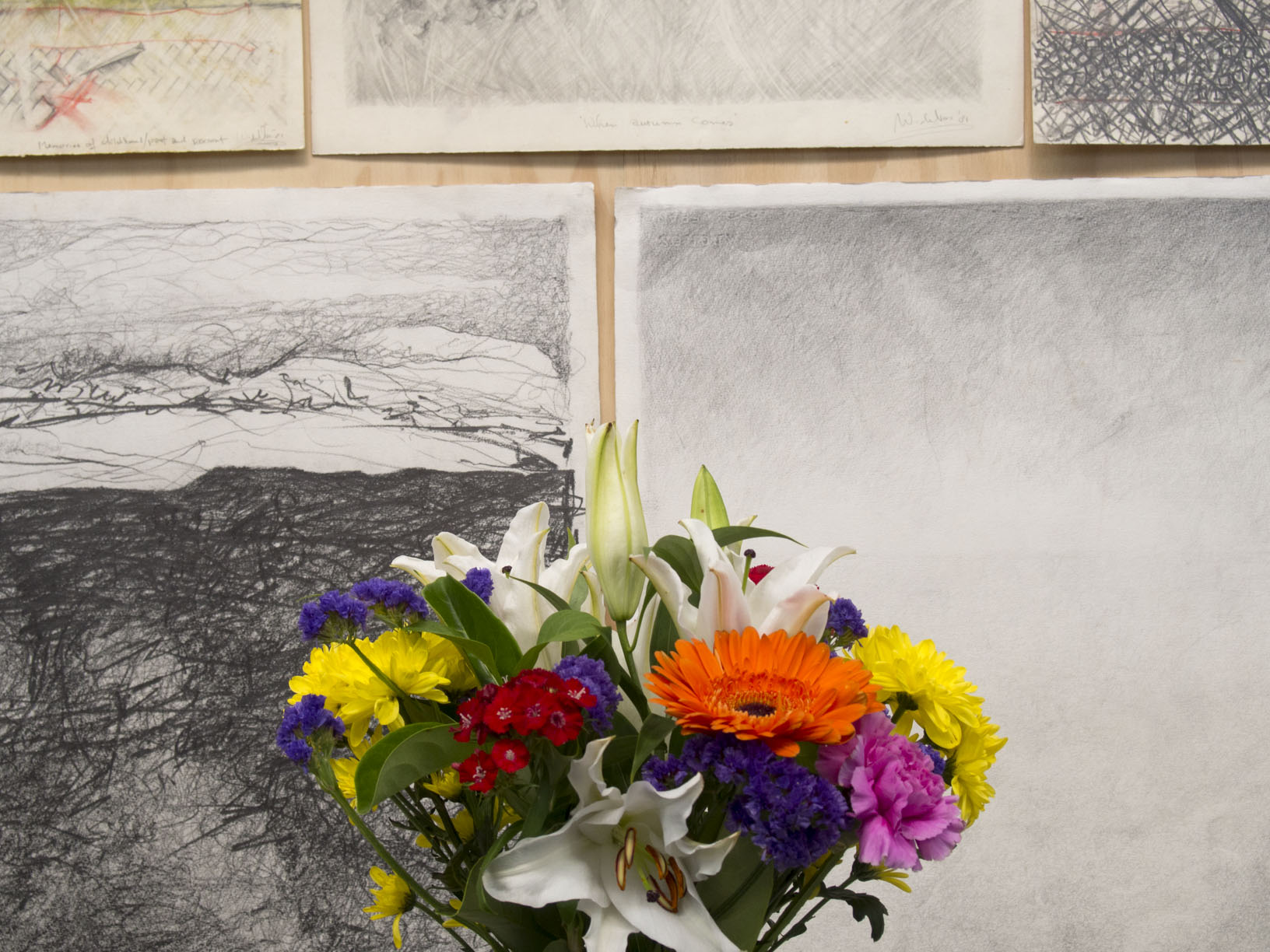
ALL photographs and text ©2016 Doug Spowart
.
.
ANA PAULA ESTRADA’s new book “MEMORANDUM”
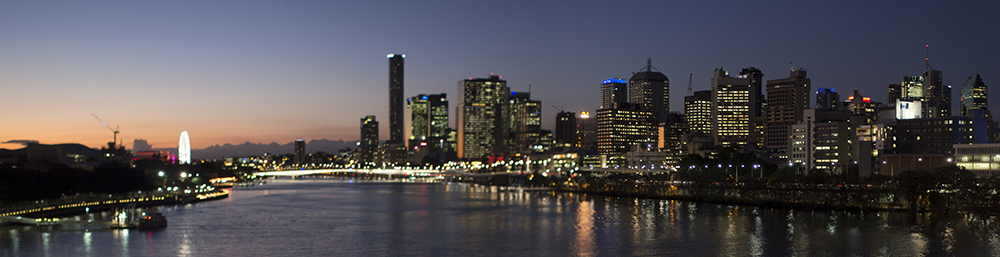
Brisbane City skyline
Brisbane is not a place not known for its photobook makers… there’s not much happening. Occasionally a gem from Dane Beesley, a few college student publications made for assessment and, every now and again, artists’ books/photobooks from yours truly and Victoria Cooper. So it is an exciting time when a new book is made as a total production from concept to printing and binding in Brisbane. That book is by photographer and photobook self-publisher Ana Paula Estrada and is entitled Memorandum. The book was completed as a project associated with Estrada’s Siganto Foundation Creative Fellowship in the Australian Library of Art at the State Library of Queensland.
.
Memorandum is a conceptual bookwork and is concerned with concepts of aging and memory, remembrance and the recounting of stories. In this book Estrada presents evocative associations where the photograph infers a memory or moment re-called.
At a first glance Memorandum could seem to be just a book of straight portraits featuring old people. The are multiple images on successive pages occasionally interspersed with a range of other photos and ephemera. Each of the people pictured in this book have been interviewed by Estrada and shared with her stories of their lives. Fragments of their memories, exhumed from the depths of memory, or in some cases, from lost recesses of the mind caused by age-related memory impairment or varied stages of Alzheimer’s disease. Estrada’s portrait sequences present the subjects with subtle expression changes. Turning the pages of the book are like a conversation with the person – animated and suggesting a dialogue is taking place.
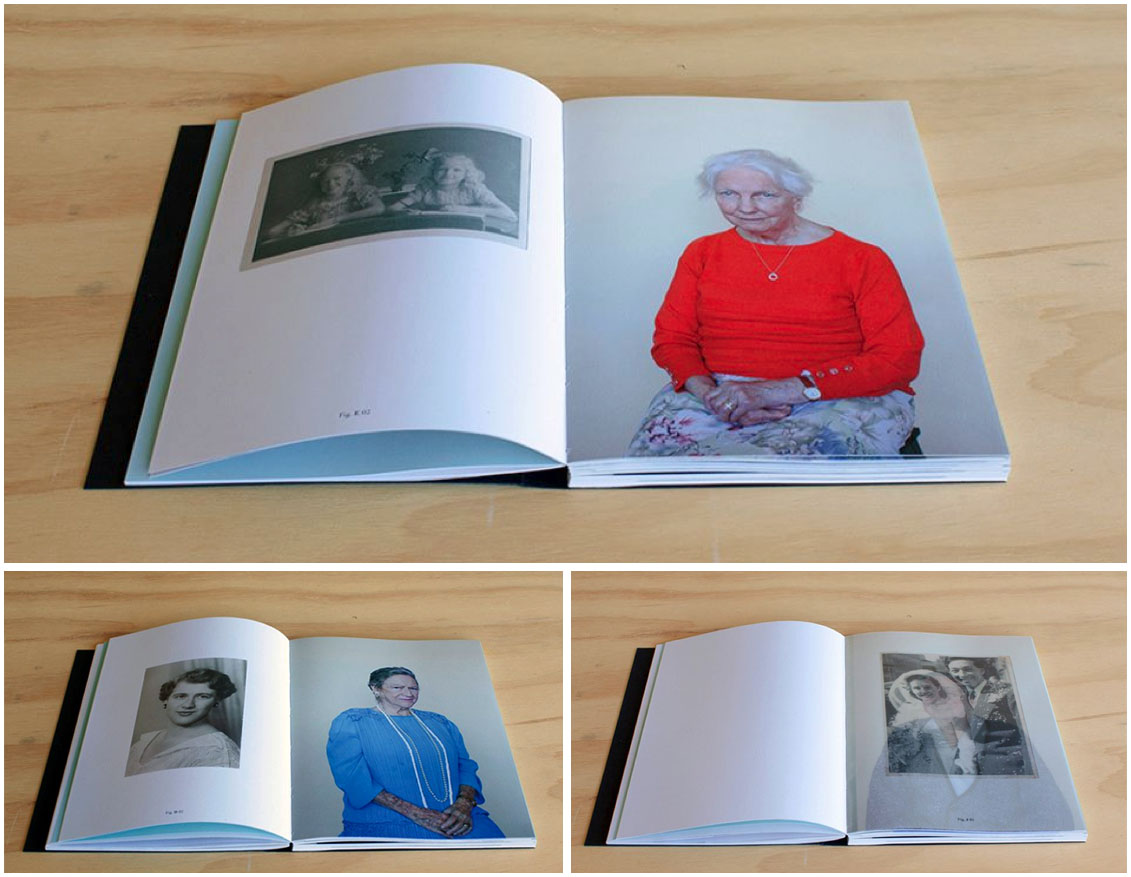
Page openings – Memorandum
Facing pages are sometimes blank to create a punctuation or pause in the conversation. Sometimes images and other ephemera are on the verso pages. These act as windows to the conversation – they need no caption, they are physical evidence of existence, substantiating the memory. They act as memory maps placed before the reader as additional information. Many of these images have been sourced from the person in conversation. Other photographs have been sourced by Estrada from the archives of the State Library of Queensland to illustrate the memory relayed to her in conversation with the subject.
Memorandum has achieved the notice of the world-wide photobook community:
Harvey Benge comments on the book https://harveybenge.blogspot.com.au/2016/08/ana-paula-estrada-memorandum-new.html
The Royal Photographic Society’s curated photobook exhibition https://issuu.com/bjsdesign/docs/photobook_exhibition_2016_catalogue
Shortlisting for the Artspace Mackay Libris Artists’ Book Awards 2016-librisawards_illustratedlistofworks
Shortlisting for the Encontros da Imagem Festival (Braga, Portugal)
A review by Gabriela Cendoya (in Spanish) can be seen HERE
The State Library of Queensland BLOG about the development of the book can be read HERE
The Australian Library of Art at the State Library of Queensland and the National Library of Australia have both bought copies.
I was honored to have Ana Paula approach me to write an essay to accompany the book. My text is printed as a broadsheet page folded and inserted into a pocket in the book’s cover. My essay is as follows….
PHOTOGRAPHIC MEMORY
Sitting here, I’m trying to recall the earliest memories of my life as a child. In this process of reflection I attempt to delve back into my memory searching for images, thoughts, experiences and feelings. What I find are personal, unique and fragmented memories that seem to have the appearance of photographs.
As I remember more of my childhood, I wonder if there is another way of visualising memories? But what emerges again in my mind are stilled photographic moments in particular, one of a family group. These photo memories have no colours, just black and white and slightly sepia. Wide white borders surround each memory and the corners are slightly bumped showing the patina of being handled. It even seems plausible to me I could even turn the memory over, and there would be a caption there in someone’s handwriting.
How could I, at 3 years of age, have known the significance and the outcome of my father’s posed group – my brother, mother and me? Other aspects of the photograph, like how youthful my mother appears, or how my father was not yet bald, give me something to base what I think should be my memories of that time. Could it be that I remember the photograph and have forgotten the moment of its making?
Writer and critic John Berger claims that, ‘All photographs are there to remind us of what we forget.’[i] Does this mean that because we have photographs, we allow ourselves to forget? What I do know is when we want to remember – we look at photographs. And when it comes to remembering there are social rituals that help us do this. Every family, for example, at some time or another, gathers together and the musty pages of photo albums are turned, old yellowed Kodak print packets thumbed through and the slides are held up to the light with everyone squinting to see some glimmer of recognition in the tiny frame. We have seen the archived baby photos, the wedding couple, holidays and kids playing at the beach, the new house and the other treasures that vernacular photography presents as a personal record. Through this ritual we encounter the rich archive of our family and ancestor’s lives. These now become ‘conditioned memories’, whether real or fiction. When we next see these photos we will think we remember the moment of their making and not necessarily our moment of first encountering them.
This conceptual bookwork by Ana Paula Estrada is concerned with the human condition of memory. Perhaps more specifically this work deals with concepts of ageing and memory, remembrance and the recounting of stories. The work also comments on the interpretation of stories and the retelling of what could be referred to as meta-stories in the form of a book.
As the pages of Memorandum are turned – people will be met. There will be conversations through the sharing of photographs, documents and news-clippings of these people’s lives. Through the process of making this book, memories have been revisited, refreshed and retold anew. These stories are offered for reader’s contemplation, perhaps even for future remembering. Memoranda, such as these, may be about other people’s stories – but in many ways they may stir our memories and become part of our stories as well.
Doug Spowart
[i] Berger, John. Keeping a Rendezvous [in English]. Granta in association with Penguin, 1992.
.
- Black soft cover, Section Sewn (Exposed Spine), 21 cm x 15 cm Stock: Ecostar Uncoated It contains a small 8pp booklet, fold out pages and a tipped in 112gsm translucent page
- 170 pages and 86 photographs
- Selling price $80
Other details about the book:
Photographs & Text:
Ⓒ2016 Ana Paula Estrada
Subject´s personal photographs.
John Oxley Collection, State Library of Queensland.
Design & concept: Ana Paula Estrada
Essay: Dr. Doug Spowart
Artwork: Linda Carling
Colour management: Martin Barry
Printing: Allclear in Brisbane, Australia
Typefaces: Chronicle Display and Aparajita
Paper stock: 120gsm &140gsm Ecostar
First edition, 2016
Print run: 200
Ana Paula Estrada’s Memorandum makes a significant contribution to the contemporary photobook genre in her ability to resolve the conceptualisation, capture – in photographs and recorded interview, the design and coordination of a complex concept into the simple form of of a book. And in doing so give us an opportunity to consider contemporary issues of our time through the photobook.
Doug Spowart
October 31, 2016
PHOTOS OF THE BOOK LAUNCH
AVID READER IN WEST END BRISBANE
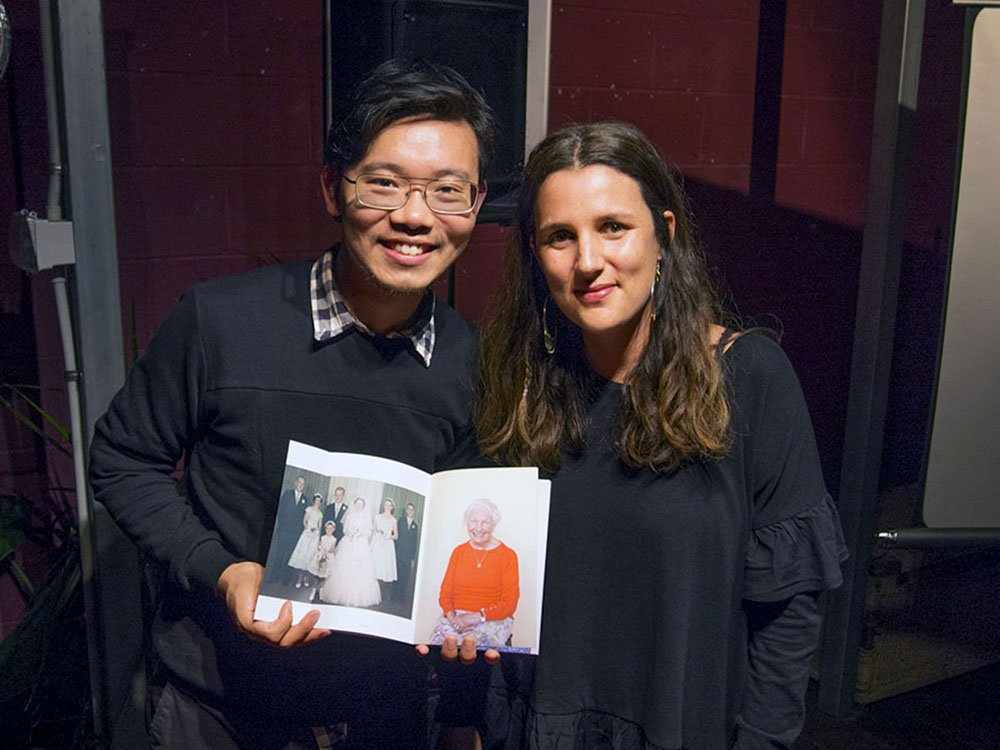
Louis Lim bought a book
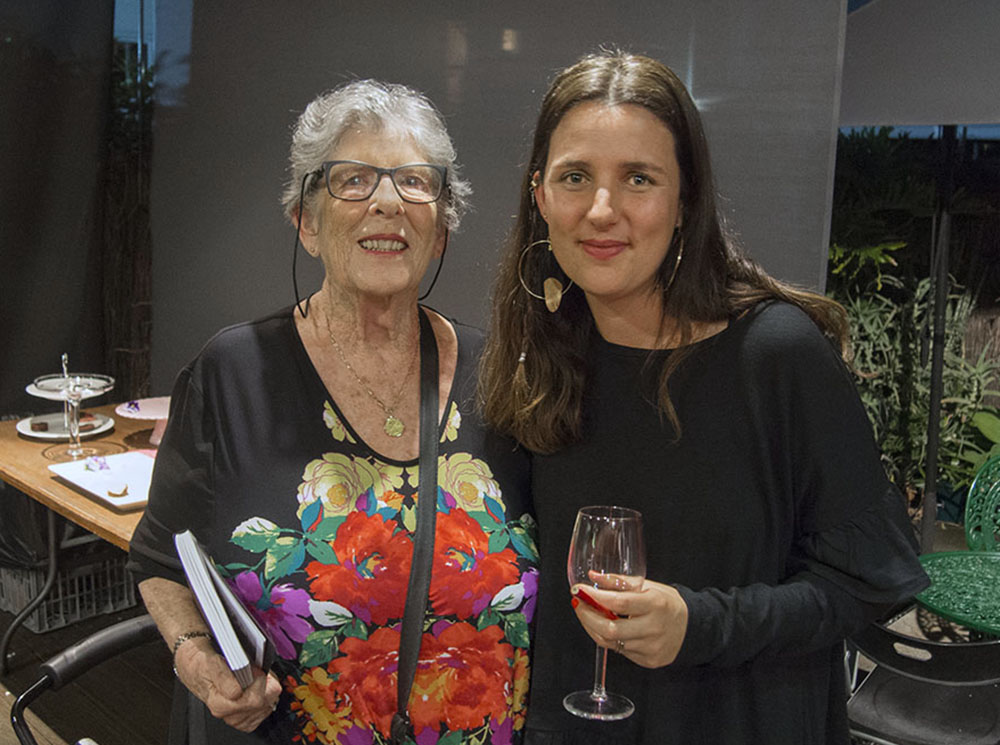
Annette Green and Ana Paula
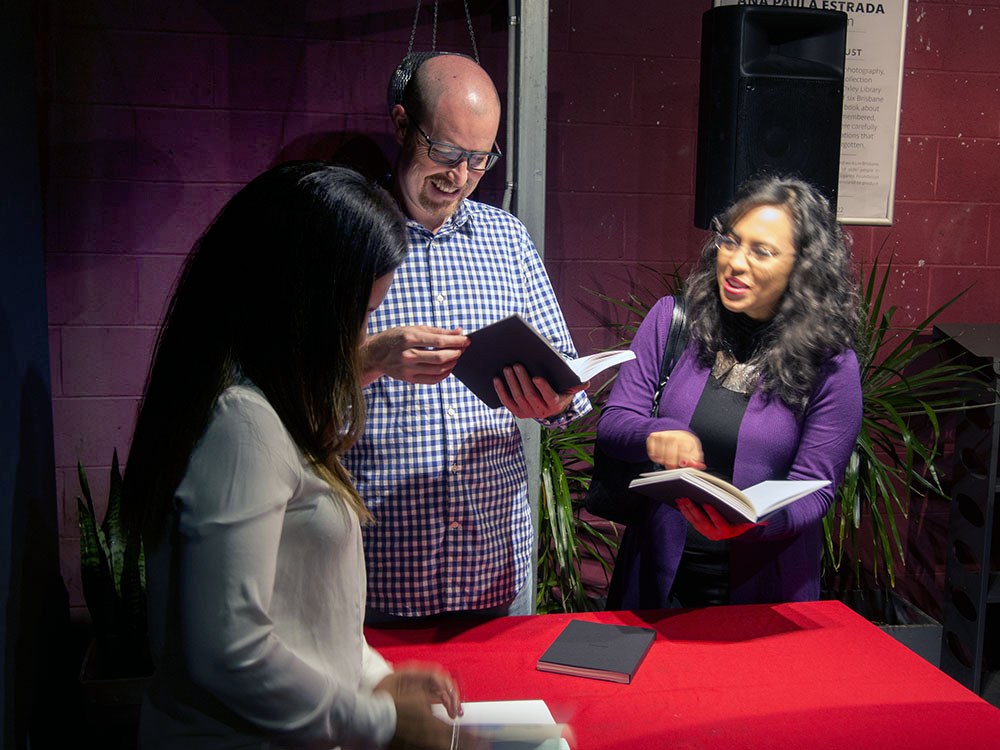
Looking at the book
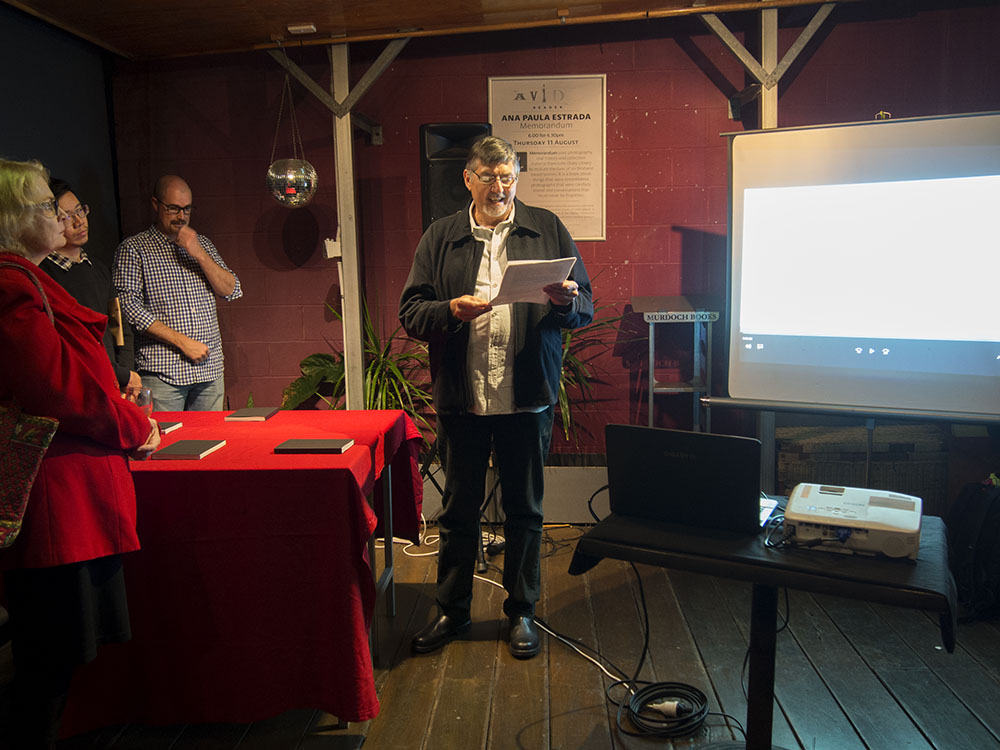
Doug Spowart reading his essay from the book
.
.
.
ARTLANDS: Our missing presentation
Artlands Dubbo Webpage
ARTLANDS DUBBO CONFERENCE: Regional voices missing
Today we were to present a paper at the ARTLAND DUBBO REGIONAL ARTS AUSTRALIA CONFERENCE. Earlier this year we made a submission based on one of the conference themes and were excited to learn that our submission was accepted and that we were going to be able to add our story and project activities in regional arts in Australia to the conference.
However, then we found that the conference fees, despite ‘early bird’ and presenter discounts, combined with the costs to get to Dubbo and be accommodated were enormous. We had to look at support options for grants in Arts Queensland and the Regional Arts Fund and we found that none either ‘fitted’ with our needs or could be responded to in time to register. We therefore withdrew our presentation.
As regional artists, although we’ve been in Brisbane of late, and also independent researchers we have noticed many opportunities at conferences and seminars now require presenters to fund their place in the program. Now that might be affordable to academics, those employed in arts management or facilitation or those who have taxable incomes where such can be an allowable income tax deduction, but others just cannot afford to bear such costs.
It seems to us that many voices in the field of art in Australia are being kept out of the conversation by the cost of participation and the lack of grant support.
There is no doubt that ARTLANDS DUBBO will be a success and all who attend will benefit greatly from the shared experience and networking possible but for us, on this occasion, we stayed at home and worked on our art.
.
For those interested what follows is our proposal that related to the conference theme – REGENERATION: Exploring arts and cultural development using creativity that positively impacts on community vitality and well being.
ABSTRACT
Artists in residence programs provide unique opportunities for artists to explore their practice while contributing to the community’s cultural development. We will discuss ‘3 tiers’ of community engagement in our Nocturne AIR Projects: artist as creator, community as creator, and social media as a creative flux for interactive engagement.
OUR PRESENTATION
We will present a background on the Centre for Regional Arts Practice (Centre) that we formed in 2007 as a response to the circumstances and challenges of artists living in regional Australia. From the beginning the ‘Centre’ has engaged in advocacy, representation, commentary and the development of projects for regional artists and the communication of regional art perspectives.
Nocturne Projects
The ‘Centre’ engages in artist in residency programmes that enable the development of community based Nocturne Projects. These projects have been sponsored through the regional galleries of Muswellbrook, Grafton, Bundaberg, Miles and Armidale. We have also self-funded Nocturne documentary projects across eastern Australia and Tasmania.
3 Tiers of Engagement
In developing the methodology for our AIR Nocturne Projects we identified 3 tiers of community engagement, these are:
- artist as creator;
- community as creator: artist as facilitator; and
- social media as creative flux for interactive engagement.
Artist as creator:
We will talk about how our AIR work allows us to explore themes, both personal and collaborative, in the investigation and representation of “site” and “place” in the Australian landscape. We work to connect contemporary social issues with historical, scientific and mythological insights intrinsic to each site. Critical to, and inherent in, this work is these visual narratives that are deeply rooted in the recording and interaction with each place.
Community as creator – artist as facilitator:
Beyond our own work Nocturne AIR Projects we develop, in conjunction with the local gallery education officers programmes that provide creative development to suit each community’s needs. Included in these programmes may be workshops, practical digital photography shoot-outs and assignment work, image enhancement and file optimisation, one-on-one mentoring, developing social media skills as well as photobook and zine making.
Participants, whether they use hi-tech DSLR cameras, point-n-shoot cameras, tablets or smart phones, connect through meetings and workshop sessions. To provide a continuous stream of inspiration, feedback, instruction and support we establish closed Facebook groups for participants.
Social Media as a creative flux for interactive engagement:
All of the major Nocturne AIR Projects are connected to the broader community by a Facebook page. It enables an online space for sharing and presenting the project work. In the more recent projects, where there was an issue of distance for the regional community members to participate in the project, we managed two FB pages: one for those closely involved in the creative development of the Nocturne Project and another for the gathering and sharing stories through the broader community.
Using the methodology of the three tiers of engagement we believe we explore arts and cultural development using creativity that positively impacts on community vitality and well-being.
Western Downs Regional Council’s Community Development Officer Carollee Murphy stated the following about our Nocturne Miles Project:
Thank you for empowering our community with practical photography and book-making skills. Nocturne Miles installed a greater sense of shared space and community pride. The multi-modal outcomes of this project have been far-reaching, especially through social media and have painted Miles and district in a new light.
.
A LINK TO OUR NOCTURNE PROJECTS CAN BE FOUND HERE
.
.
COOPER+SPOWART – JOURNEY NORTH
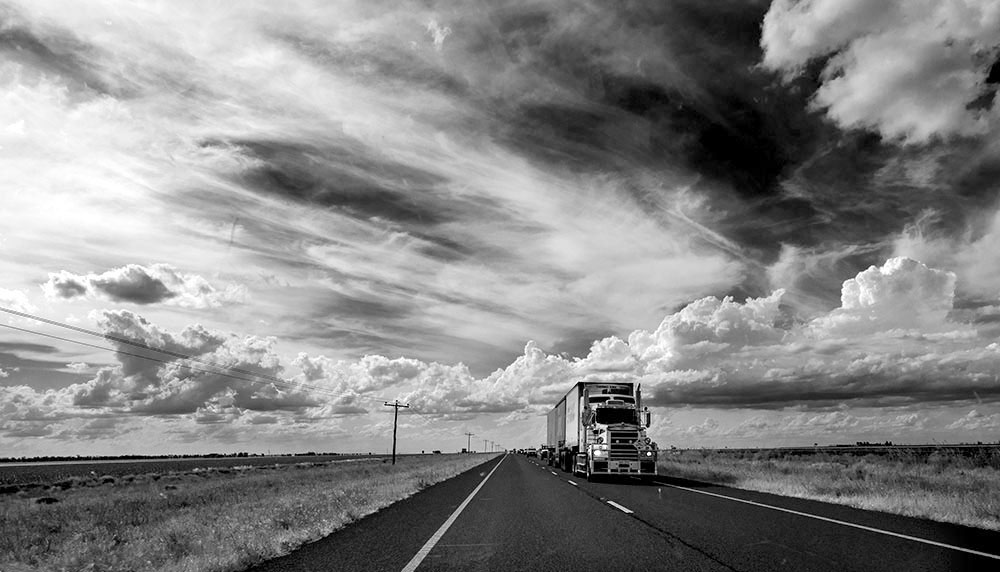
Travelling along highways north….
.
We are travelling up to north Queensland at the end of September for a month of artists’ book and photography projects, workshops and lectures.
.
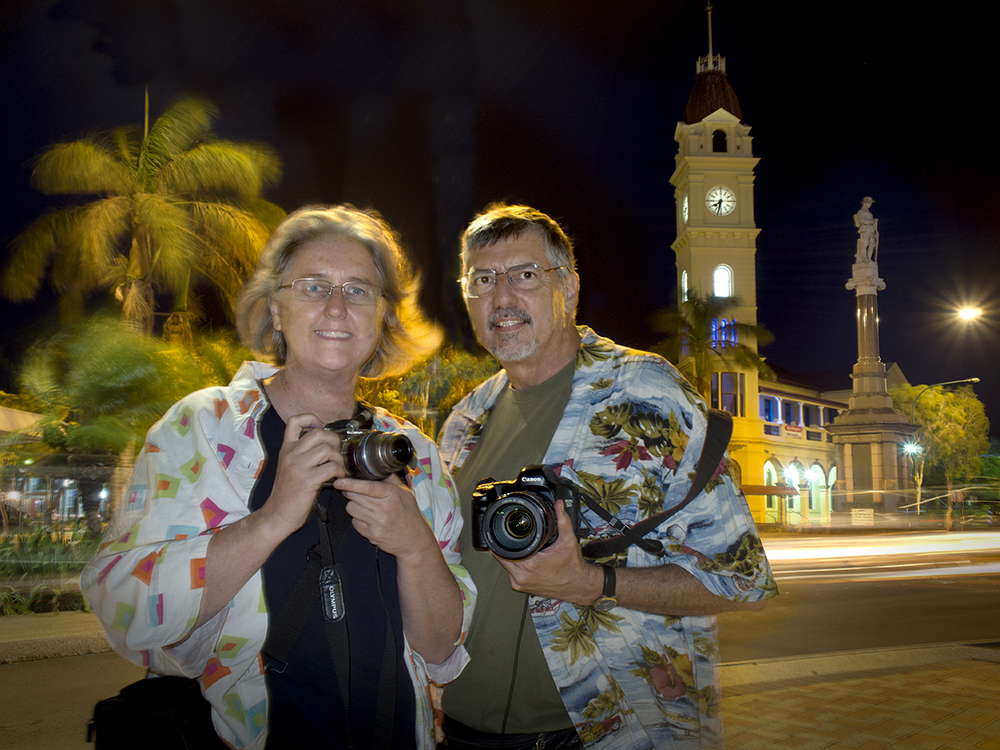
The artists in tropical garb with palm trees…
.
Our Journey …


Capricornia Printmakers logo
.
September 27 ROCKHAMPTON: CAPRICORNIA PRINTMAKERS
We will present an evening talk about our artists books/photobooks and the Siganto Foundation Research Fellowships work we have been doing in the Australian Library of Art at the State Library of Queensland.
.
.
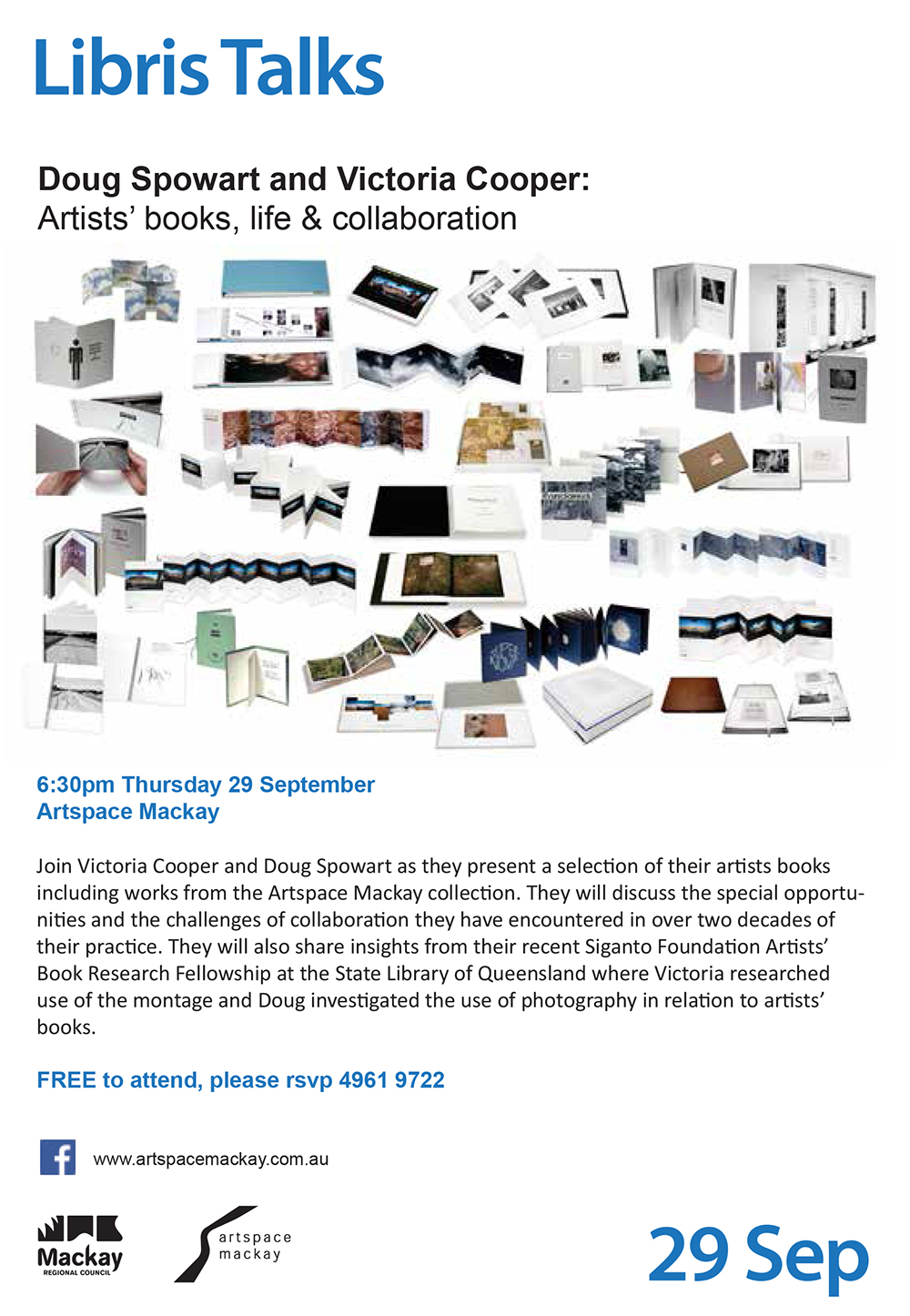
September 29 MACKAY: ARTSPACE MACKAY as part of the LIBRIS AWARDS PROGRAM
Here are the details…
.
.
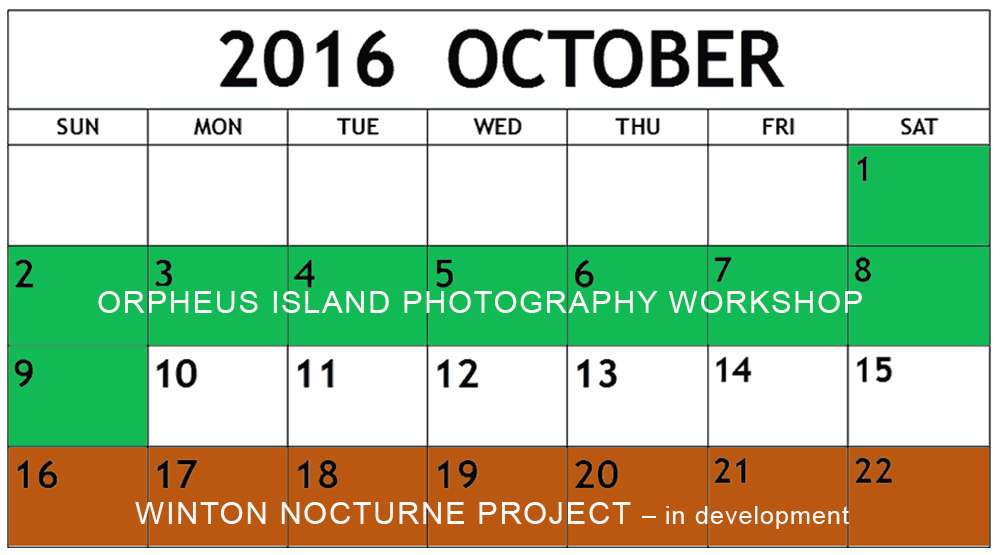
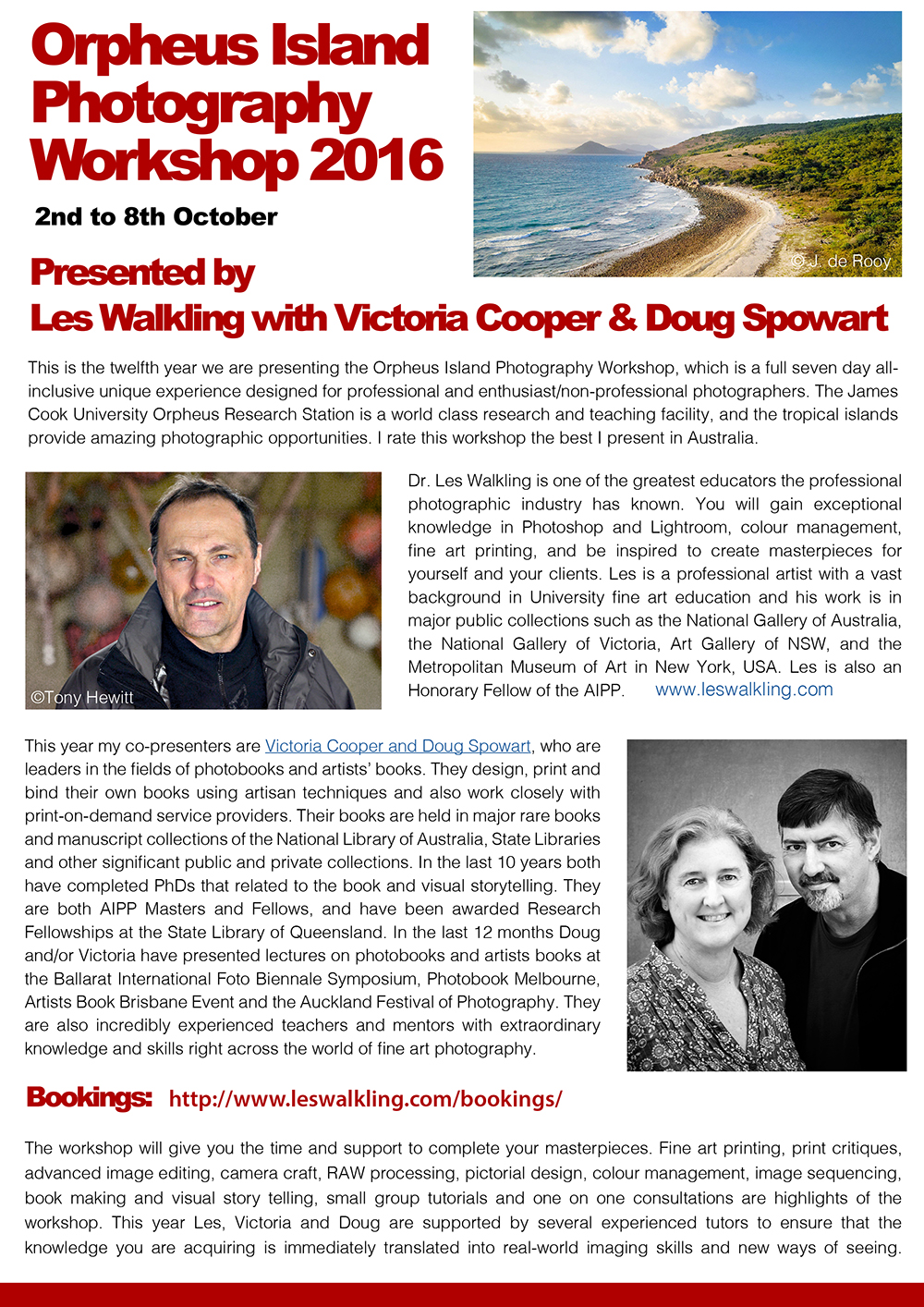
October 2-8 ORPHEUS ISLAND
Here are the details…
.
.
October 16-22 WINTON: NOCTURNE WINTON – To be confirmed
See our other Nocturne Projects … HERE
A few images like those we could be making at Winton follow…
.

Walker’s Hotel, Grafton
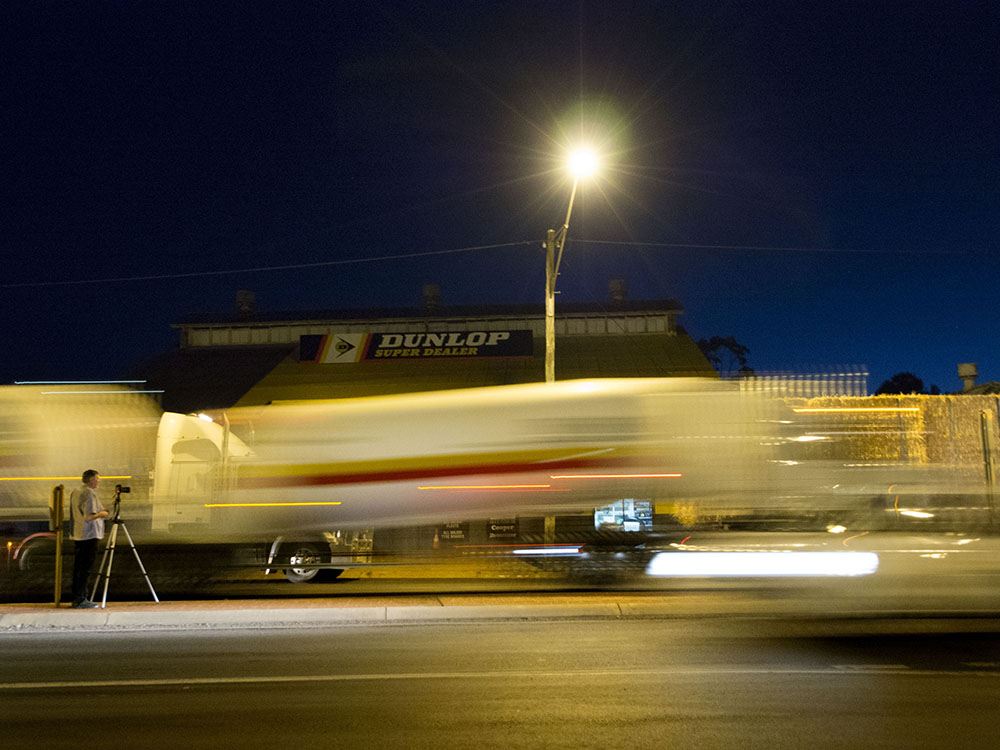
Trucks through town…
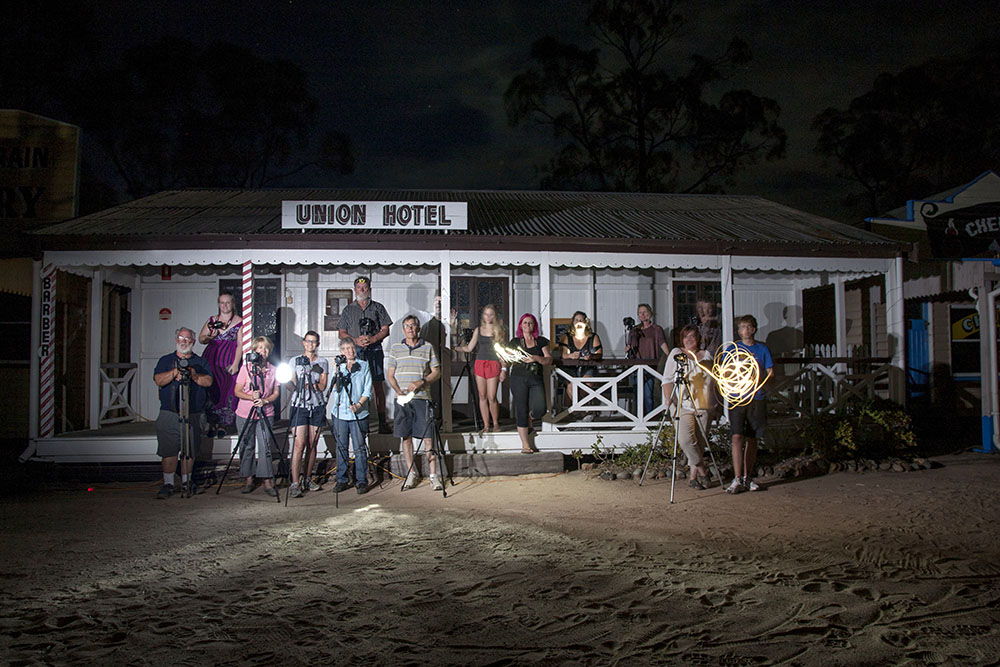
A group of Nocturne photographers
.

Nocturne Winton FB Logo
.
CONTACT US FOR DETAILS OF ANY OF OUR JOURNEYS NORTH ACTIVITIES
.
.
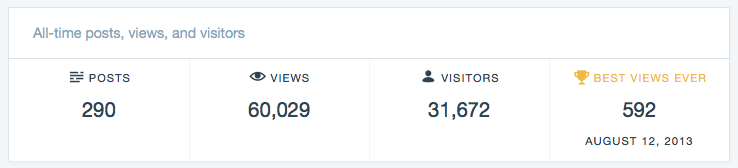
CELEBRATING 60K VIEWS ON OUR WOTWEDID BLOG
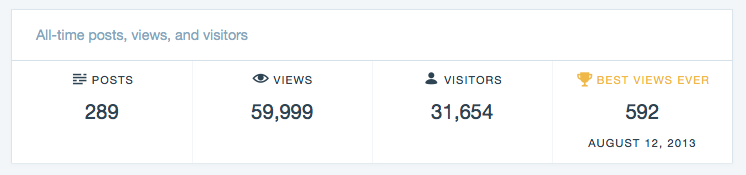
WHO will be the 60,000th viewer…?
Leave a message….
A couple of minutes later… THANK YOU…!
Let us know if you’ve just visited…
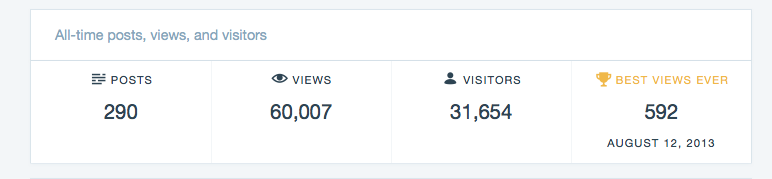
This morning it’s now….
ODE TO TARAGO CARCAMERA OBSCURA
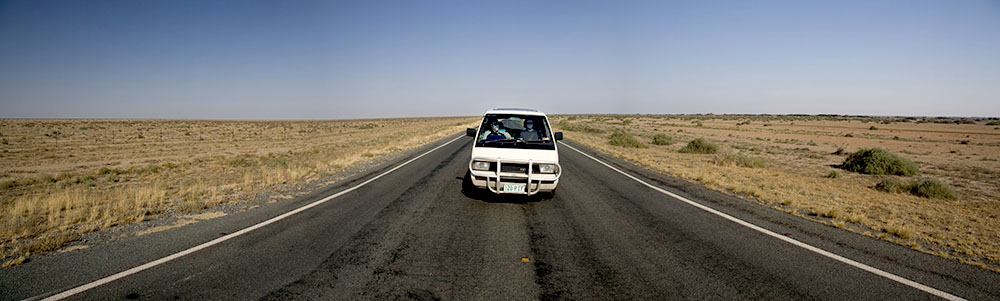
Just turned 500,000 kms on the Hay Plains near Balranald, NSW
Today I was just remembering when I first bought
the Tarago as a new car…
It was a smooth car/van in 1986 even though it was a 1985 model.
… I was its sole owner
.
Although Doug was a major driver and sharer of the running costs
then there are all those kilometers we three have travelled
Doug, Me and Tarago….
.
We have travelled, camped, forded flooded creeks, pushed through tracks that only
four wheel drives should go, crossed the sea (Tasmania), been invaded by possums,
carried our art, groceries, garden waste, house moving, friends, family,
and even a tour group of Japanese tourists,
Dodged kangaroos except for one that jumped into the side of us,
driven through bull dust without getting bogged,
though – monsoonal rains,
locust plagues, searing heat,
snow, sleet and frost, wild winds,
And beautiful spring days …
.
Dodged crazy drivers that were talking on mobile phones while simultaneously writing
in a book resting on the steering wheel!!!!
And then there was that really big spider that walked across the windscreen while I was driving…
was it inside or outside – not sure where that ended up?
The Tarago survived break-ins back in the Imagery Gallery days in Fish Lane …
There were the breakdowns… we all have so why not CarCamera Obscura Tarago?
But Treg… you always got her going again – Thank you so much …
.
Tarago suffered our singing along with the old cassette tapes
of the Travelling Wilburys, George Harrison and Pink Floyd
We planned, we imagined, we argued, we laughed, we cried, we did many things
We ate fish and chips on the Great Ocean Road …
.
We made the car into a camera obscura! And drove it across Australia …
Just as we celebrated 630,000 km …
the journey for our Tarago was to end….
..
We said our farewells – April 10, 2016
The Tarago CarCamera Obscura will be auctioned we were told…
.
.
A PICTURE STORY OF OUR TARAGO CARCAMERA OBSCURA
.
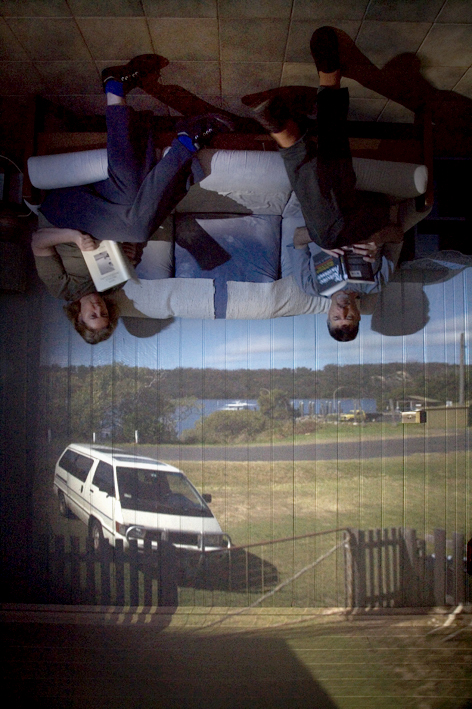
Wooli Camera Obscura with the Tarago
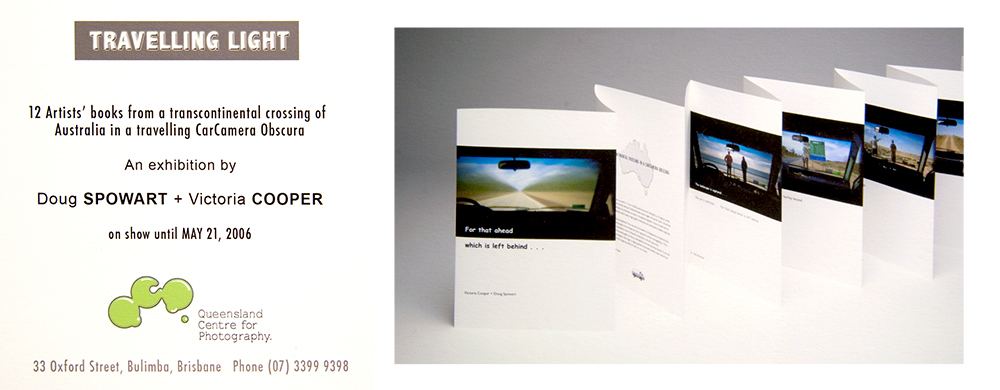
TRAVELLING LIGHT-Invitation from the Qld Centre for Photography show
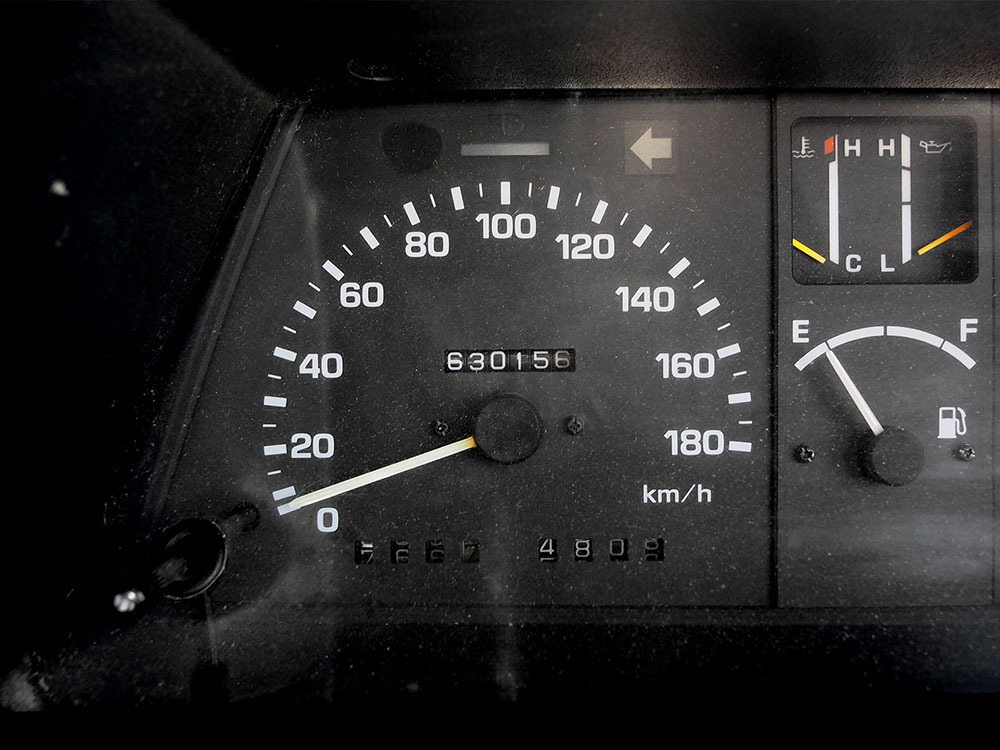
630,000 km – the final reading
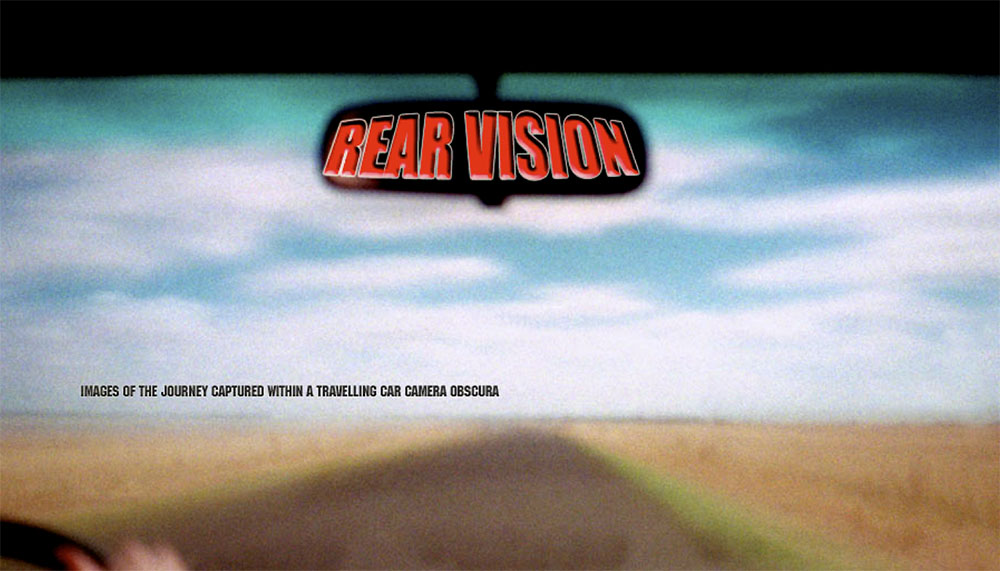
Frontpiece for the Photospace exhibition at the Australian National University
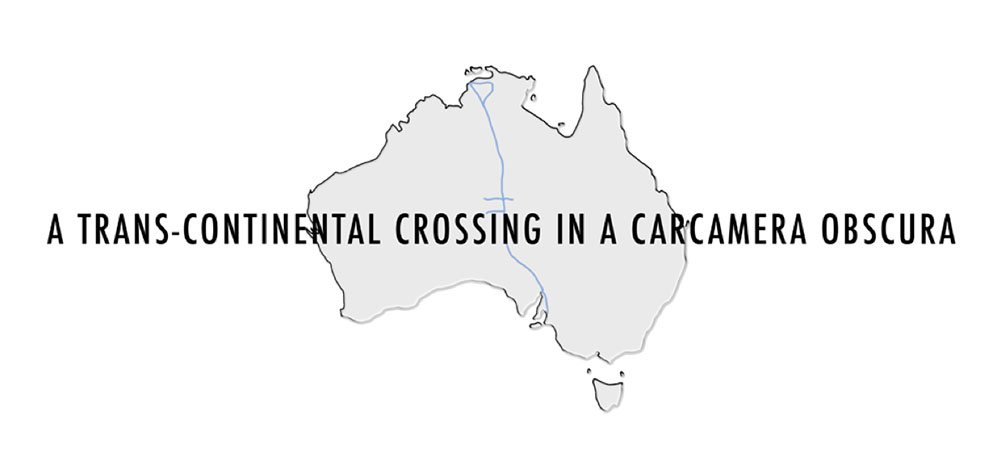
Transcontinental Crossing graphic
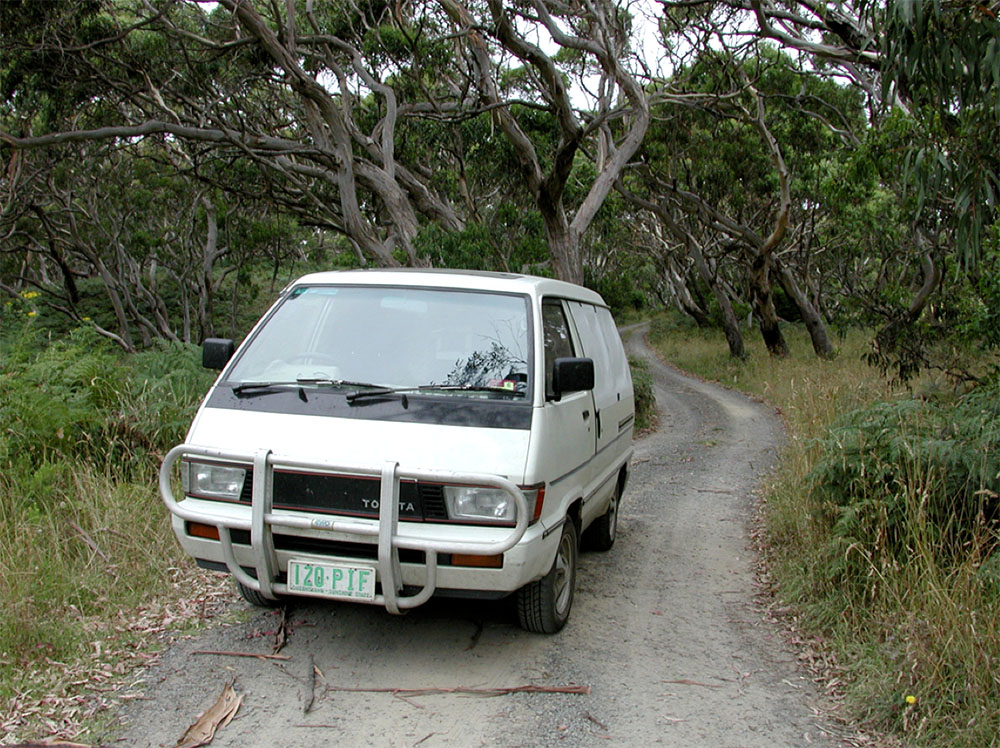
The CarCamera Obscura in the Ottway Ranges
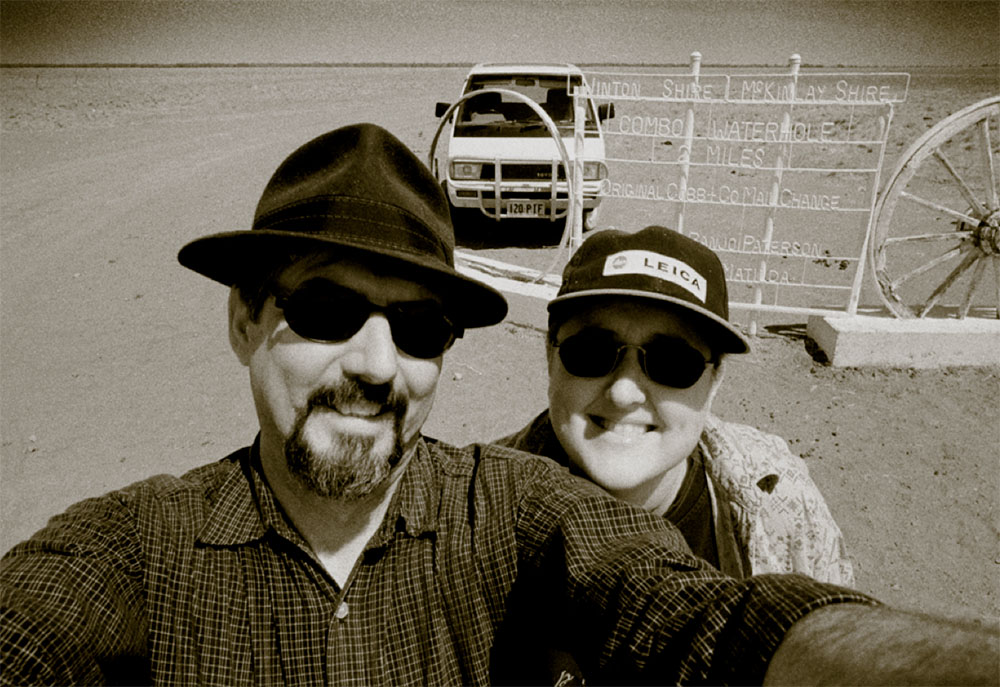
The Tarago at the Combo Water Holes near Winton
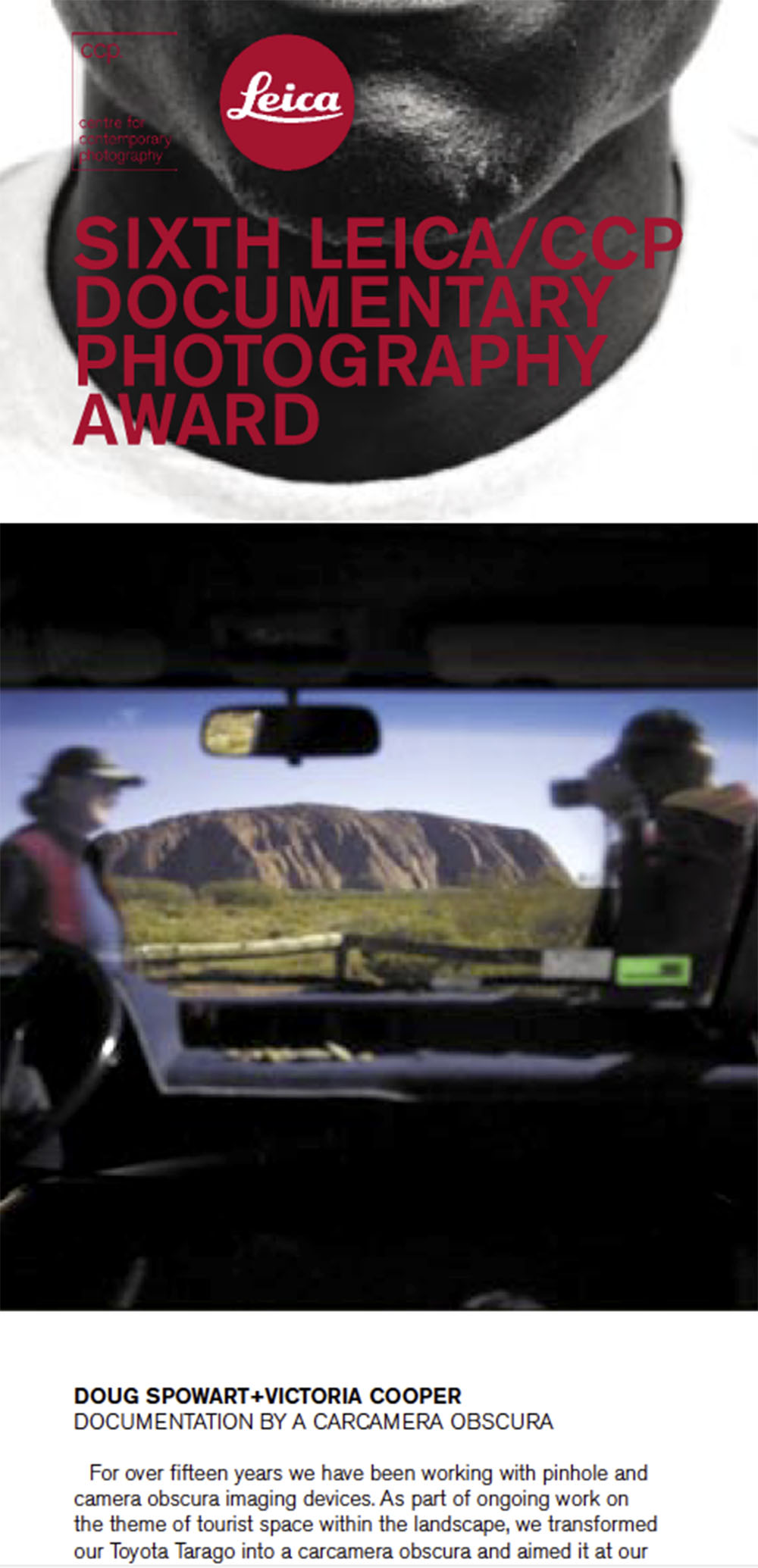
The CarCamera Obscura folio was a finalist in the LEICA CCP Photodocumentary Awards

CarCamera Obscura graphic – how it works…
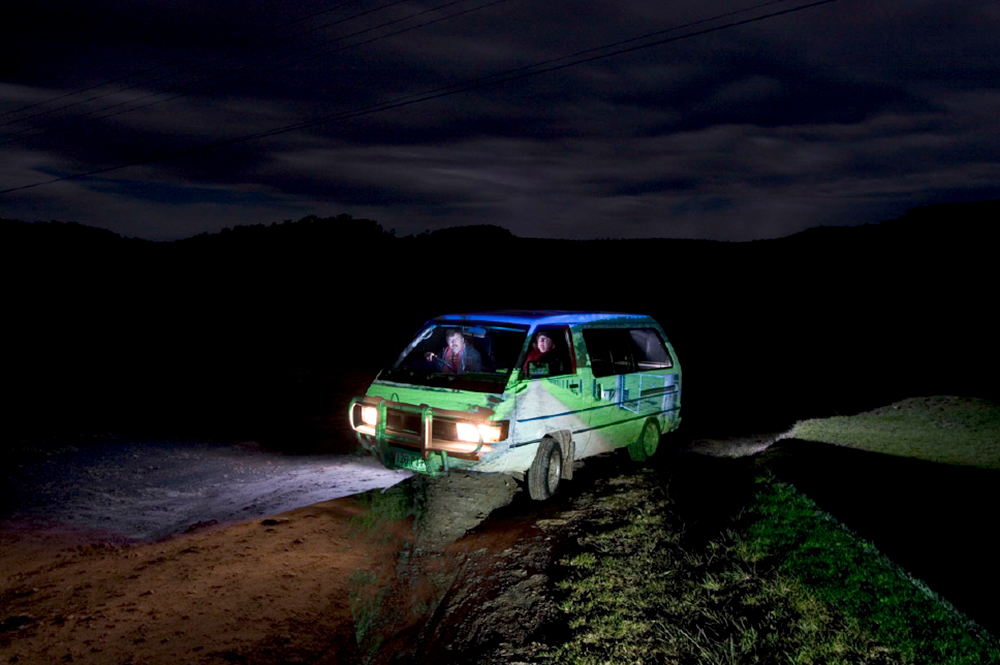
The CarCamera photographed as a projection @ Bundanon in 2007

A CarCamera Obscura on the Barkly Tablelands 2005
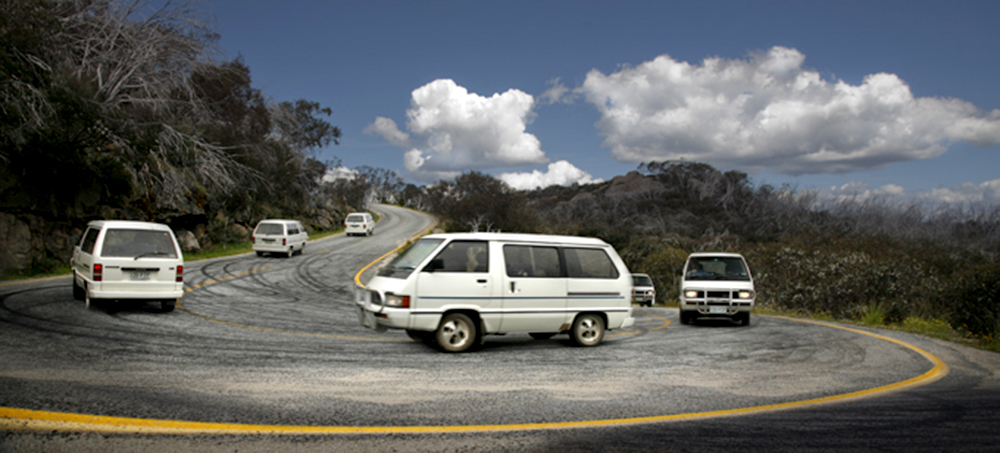
Negotiating a hairpin bend at Mt Buffalo, Victoria
.
.
.
.
THE OPENING RENATA BUZIAK’S ‘Medicinal Plant Cycles’ by Dr Victoria Cooper
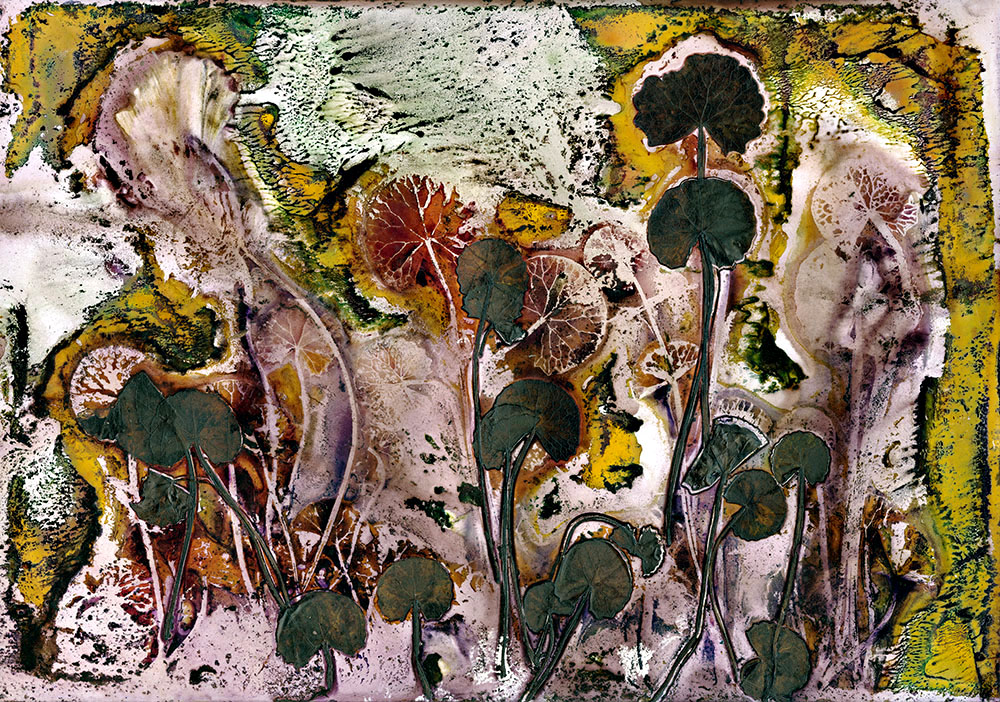
Renata Buziak: Centella asiatica anti-inflammatory 2015, archival print on paper, 66.7 x 95cm.
.
MEDICINAL PLANT CYCLES: RENATA BUZIAK
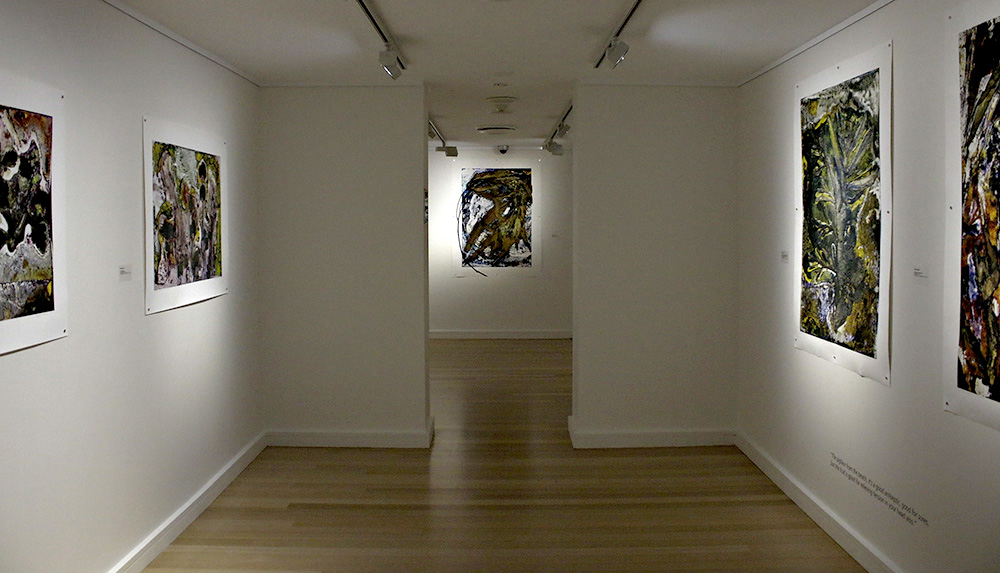
Medicinal Plant Cycles installation
@ Redland Art Gallery: 24 APRIL – SUNDAY 5 JUNE 2016
Medicinal Plant Cycles by Renata Buziak is an exhibition of medical plant images was opened by Dr Victoria Cooper on April 22nd. Buziak’s work is based on the fusion of organic and photographic materials in a process of decomposition that Buziak names the ‘biochrome’. They are generated by arranging plant samples on photographic emulsions and allowing them to transform through the bacterial micro-organic activities that are part of cyclic decay and regeneration.
Through this exhibition Buziak hopes to reveal a beauty in decomposition and raise notions of transformative cycles. This focus on Minjerribah medicinal plants aims to promote the recognition, appreciation, and value of local medicinal plants in the context of Aboriginal knowledge and natural science. (From the gallery and Renata Buziak’s website)
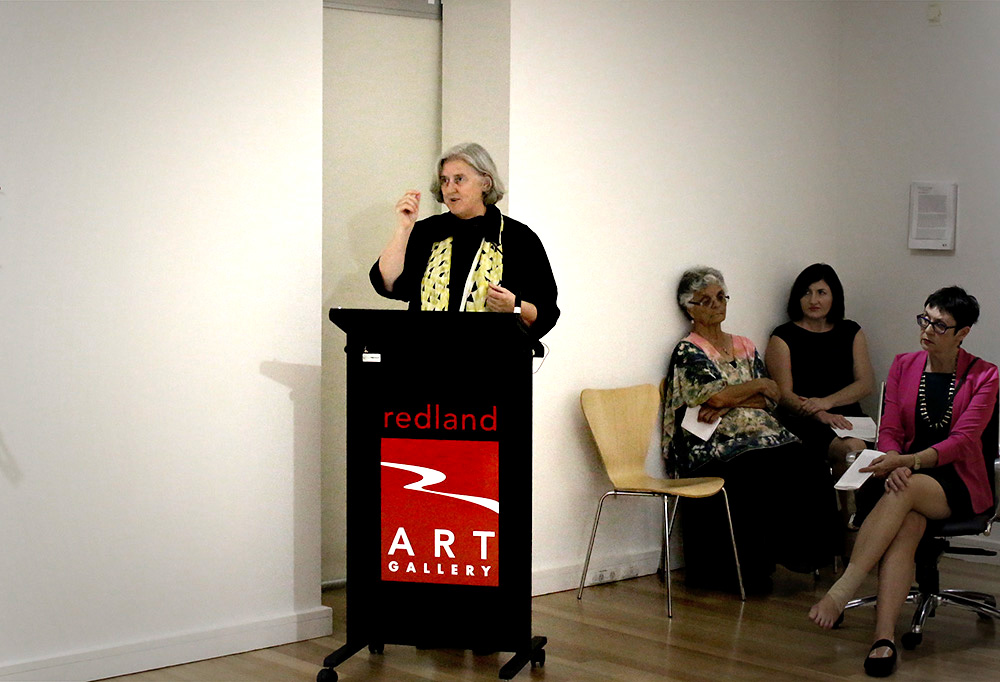
Dr Victoria Cooper opening address
.
An extract from Victoria’s opening address:
Renata Buziak’s art presents a synergy with the natural environment rather than the considered reconfiguration of natural objects seen in the work of many contemporary artists that follow in the land art tradition of Andy Goldsworthy and Richard Long. As such Buziak’s work and methodology invests in collaboration and empathy in all aspects of her research.
Through her Biochrome process Buziak visually explores the complexity–sometimes messy and chaotic–within the lifecycle of plants and the ecological systems that sustains them. Within the process, and evident in the final works, is the agency of borders, boundaries and edges. It is at the edges of the plants from the leaves and stems down to the cellular level that vital exchanges occur between life, death and decay. Buziak also works in the generative but slippery space that traverses the boundaries of art and science, culture and knowledge.
At first sight, these images are an aesthetic experience: of colour, shape, form and texture. But as I spend time to look into the microscopic worlds made visible within each image, I am drawn into other aspects of the work. I am engaged by the evolving story of her investigation with this process that is underpinned by a respect for the lived experience and knowledge of Aboriginal culture.
As I continue to linger–taking time for reverie–questions emerge along with a sense of wonder. These images are a visual thesis for the Deep Ecology of these medicinal plants and the natural environment that forms the unseen and unknown of our everyday existence.
.
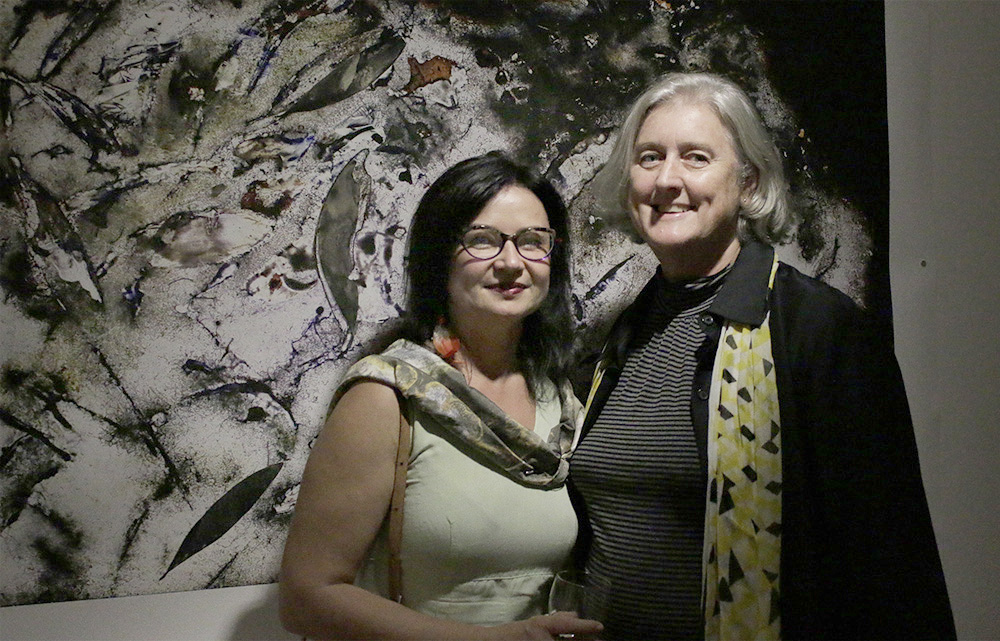
Renata and Victoria
.
.
.

 wotwedid