Archive for the ‘Meeting People’ Category
DOCUMENT MAKING IN METROPOLIS

.
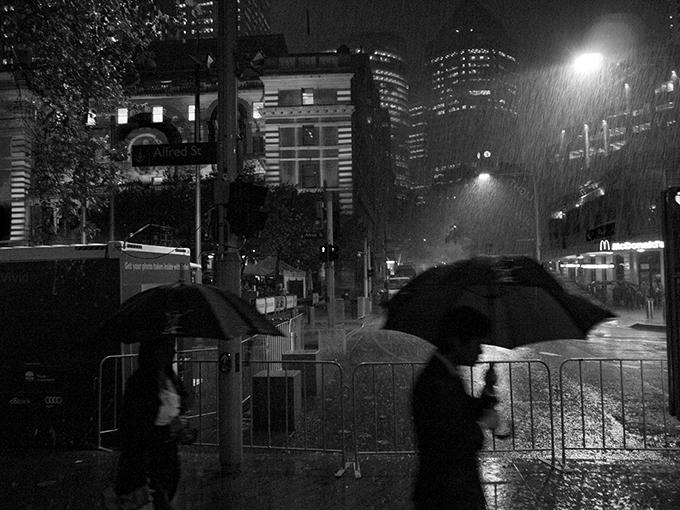
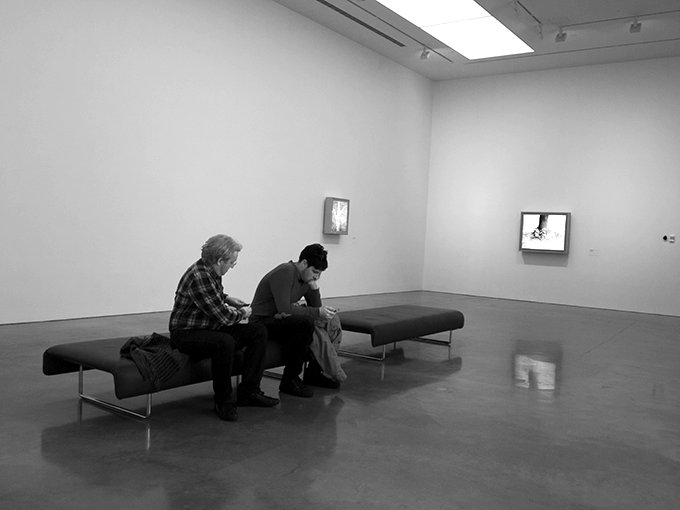
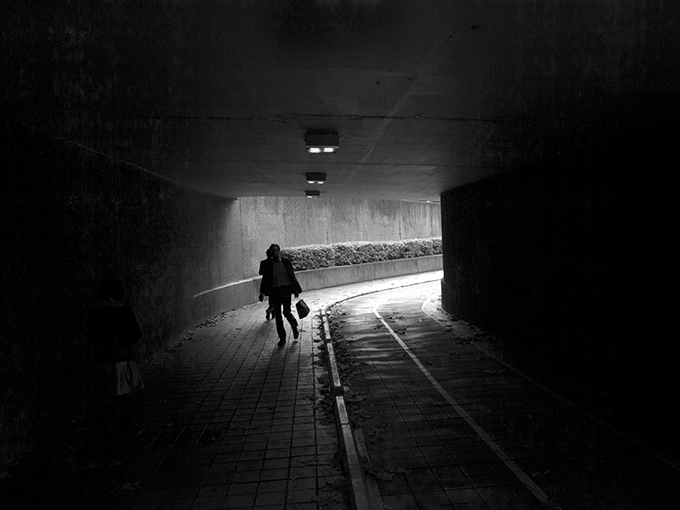
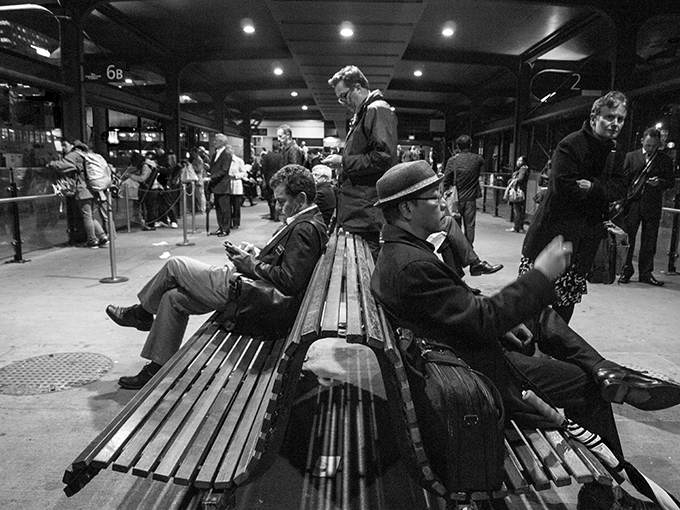
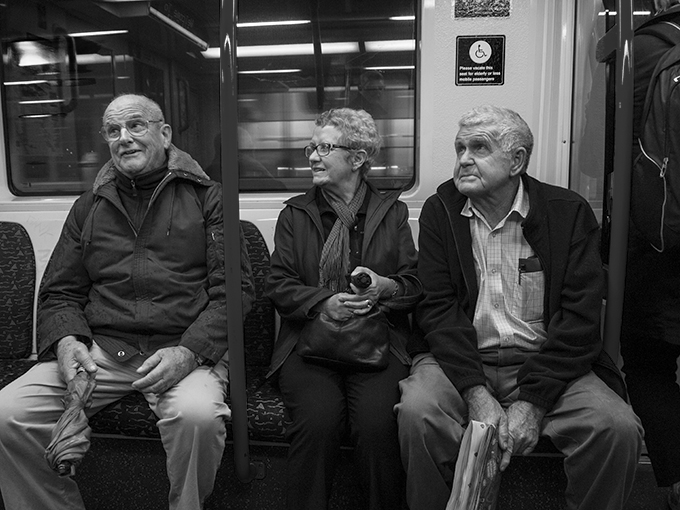
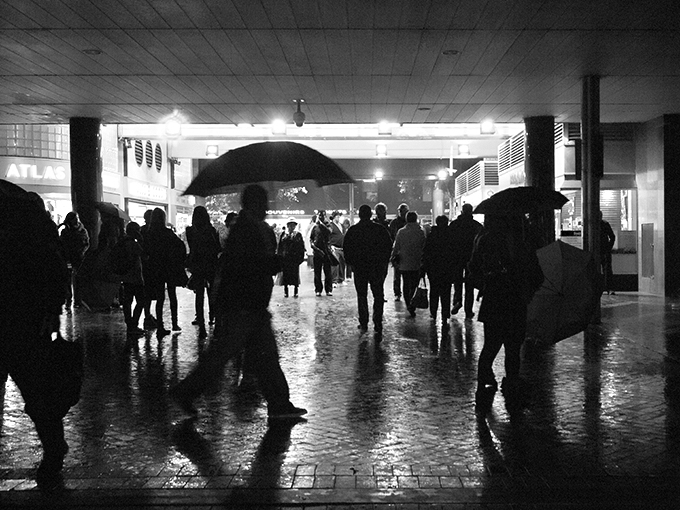
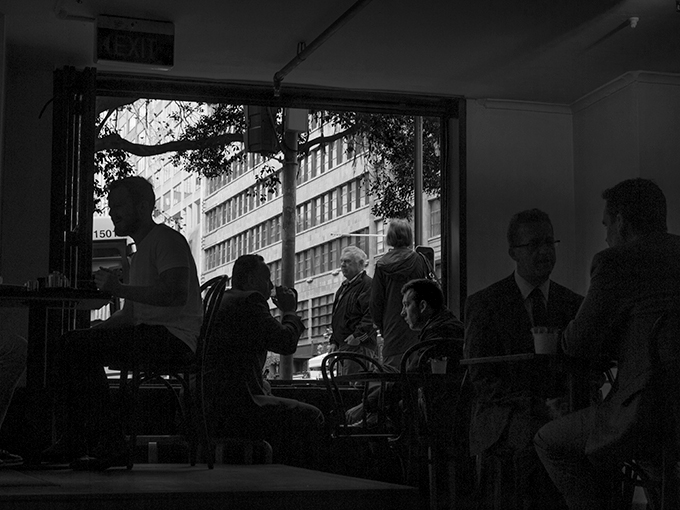
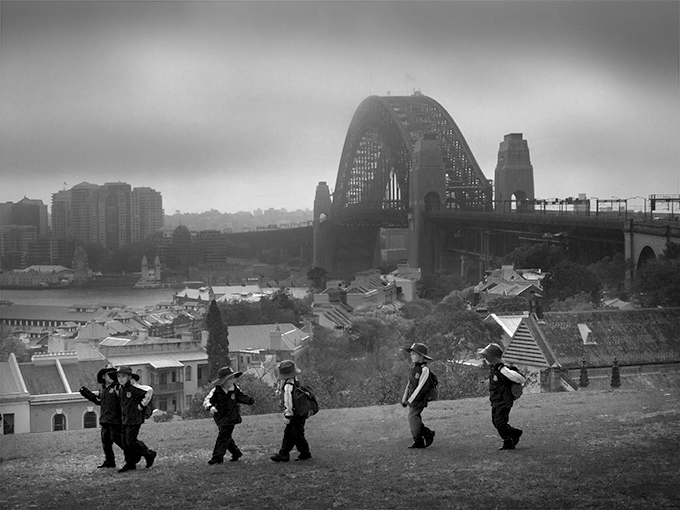
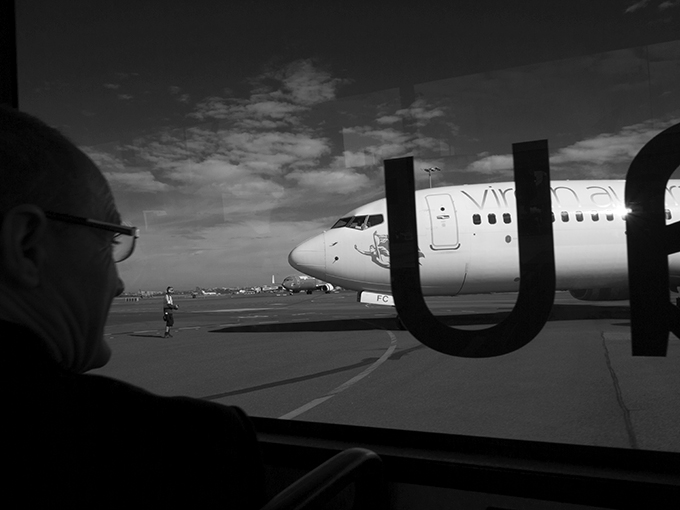
Vicky and I were in Sydney last week. It is a Big city, lots of things to see and do, festivals; Vivid, Headon and Reportage, people everywhere with phones, iPads and DSLRs shooting. We joined in the photo foray that is Sydney and found in ourselves – and in our subjects, a connection with Australian documentary photography that threaded from Parke’s glowing ghost-light, to Dupain and Moore’s modernist clean lines and then all the way back to Cazneaux’s warm pictorialist pictures. These connections with the history of photography were warm and fuzzy for me and gave a feeling of confidence, comfort and purpose for my engagement with image making.
.
I began to think about photography and photographers today, particularly the often cited us and them divide between those who have a significant history, both professional and academic in photography, and those who pick up a camera, or use their smart imaging device and just take pictures.
Questions arose – I’ll use the terms vernacular and serious to distinguish my discussion of these two groups:
- Does a sense of history and experience in photography really make a difference to the ‘quality’ of the resulting image?
- There is a lot of hype and acceptance of the snapshot ethic within photography circles – so what is the difference when between a serious and a vernacular snapshot photo?
- Is the general public today more astute about image design, content, moment of capture than serious photographers choose to give them credit for?
- Is there any difference in the workflow between serious photographers and those ubiquitous vernacular snappers? Isn’t photography still about; having access to imaging technology>looking/seeing/experiencing the world>responding to visual triggers>readying the imaging device>considering it in the viewscreen>take the picture at a selected time/timing> and then doing something with it?
- Does it make a difference if the vernacular photographer engages in a spontaneous act of self-documentation and the serious photographer engages in the process with a methodology that which is informed by a past lived in photography and the appreciation of the underpinning awareness of the photoimaging process, technology, visual literacy and human sociology?
- Are both the vernacular and the serious photographer’s images ultimately the result of the assimilation of every studied or subliminal idea and visual influence that they have encountered?
On these days in Sydney I made my photographs, as did thousands of other photographers who shared my interest in using the photograph, or the very act of photography, to ‘still’ a moment in time. But are there other synergies at play? The philosopher Wilém Flusser might an alternate view on what photographer, vernacular and serious alike. In his book, Towards a Philosophy of Photography (2000) Flusser proposes that everyone using photography is essentially being seduced by the camera and its ‘program’. He states:
Both those taking snaps and documentary photographers, however, have not understood ‘information.’ What they produce are camera memories, not information, and the better they do it, the more they prove the victory of the camera over the human being. (Flusser 2000:59)
Perhaps then, if Flusser is right, we have no say in the process at all and that we are merely slaves to the technology. With that in mind, I guess I’ll just continue to make ‘camera memories’ so that the camera and I can connect with the times, and the places, that we shared together …
Doug Spowart 8 June 2013
.
.
SOME CAMERA MEMORIES OF THE METROPOLIS
My Olympus Pen & me: May 27-30, 2013
.



.
.
All photographs by my Olympus Pen whose ‘program’ made me take the photos….
© Doug Spowart 2013.
.

This work is licensed under a Creative Commons Attribution-NonCommercial-NoDerivs 3.0 Unported License.
.
.
TRANSLUCENCE: Jacqui Dean’s Xrayograms
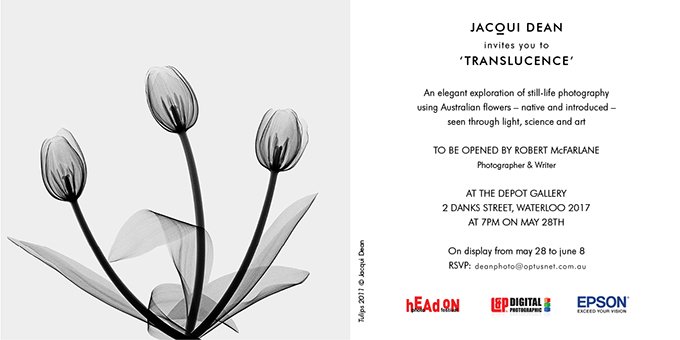
Translucence invitation
.
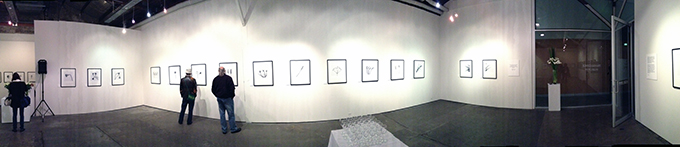
Translucence @ 2 Danks Street Gallery . . iPhone Photo: Doug Spowart
.
Another Universe
.
From the late 19th, and into the early 20th century there was a growing movement in the sciences and the arts that associated with Nature’s inherent resonance of form and structure from the microscopic to the cosmic. These new vistas and universes were recorded not only by the scientists’ hand but also by new developments in technology, notably the invention of the photographic process. Visual communication through imaging technologies continues to be an important tool in scientific research. But these images were not just useful as scientific evidence they were and continue to be inspiration for the creative work of artists and designers.
One noted exemplar utilising this visual medium was Karl Blossfeldt (1865-1932), a sculptor, metal craftsman and teacher. Blossfeldt began taking photographs of botanical specimens to use in his classes as ideas for students to create design forms from nature. But Blossfeldt’s work became very influential in the art, craft and design movement that popularised natural forms as templates for architecture, sculpture and 3D design work. His photographic documentation revealed abstract views of humble everyday roadside plants as visually interesting structural and aesthetic forms. As a result, Blossfeldt’s photographs also became renowned as works of fine art.
Jacqui Dean’s exhibition Translucence, at 2 Danks Street Gallery, Sydney, is the result of artistic curiosity and visual investigation natural forms through the phenomenon of Xrays. Art in this respect is the revelation of the unseen, the beholding of the essence within ordinary objects or a transforming perception of the everyday experience. The photograph, or in this case ‘xrayograph’, seals the object within the frame safe from the changes and inevitable decay over time. At first glance these images could appeal to the naturalist or perhaps a student of design (after Blossfeldt). Yet a deeper – more poetic vision immanent in nature is also suggested through a more contemplative viewing of these images.
Some may argue that this is an uncomfortable clash between the modernist and the romantic, or the objectivity of scientific evidence and the subjective imagination. But could this work identify with a need to embrace a sense of wonder rarely seen within a super-hyped, virtual digital-image society? Dean’s work in Translucence is informed by the poetry of music and her life’s experiences and her prodigious professional practice in photography. However the rewards for the thoughtful viewer will be to share in her wonder of the natural world that surrounds and nourishes our everyday life.
Victoria Cooper . . . June 9, 2013.
.
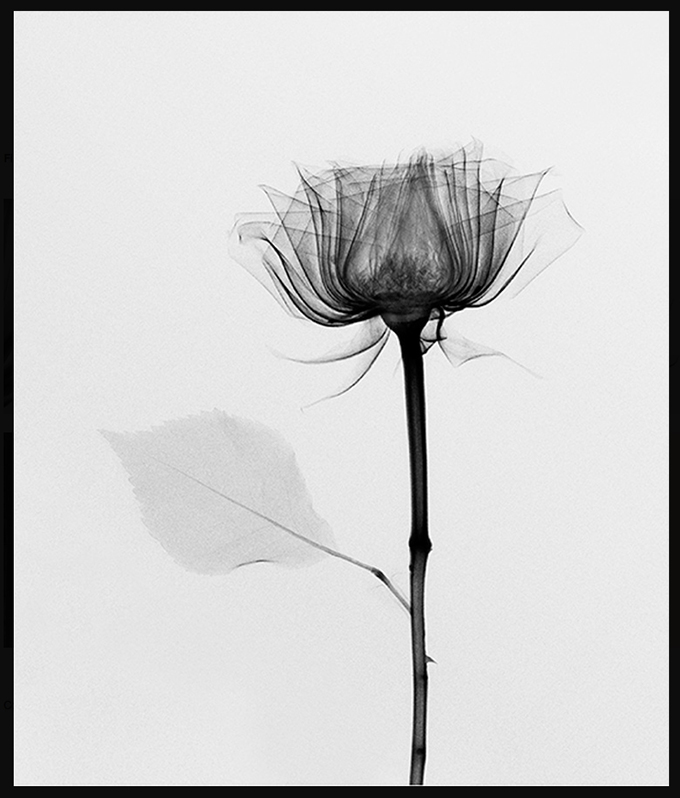
Rose Xrayogram by Jacqui Dean
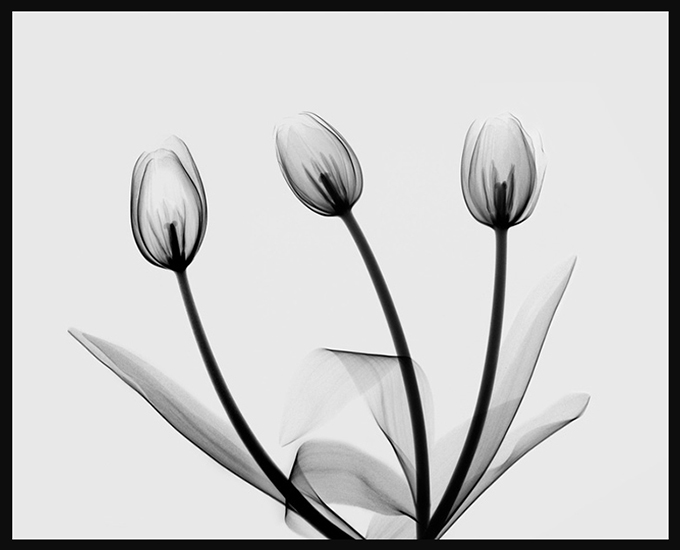
Tulips Xrayogram by Jacqui Dean
.
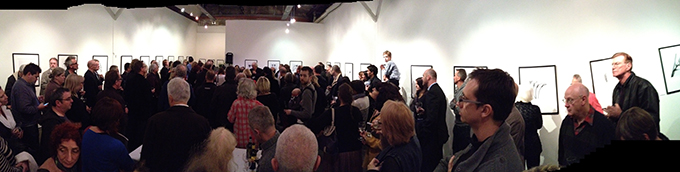
Translucence Opening Crowd . . iPhone Pano: Doug Spowart
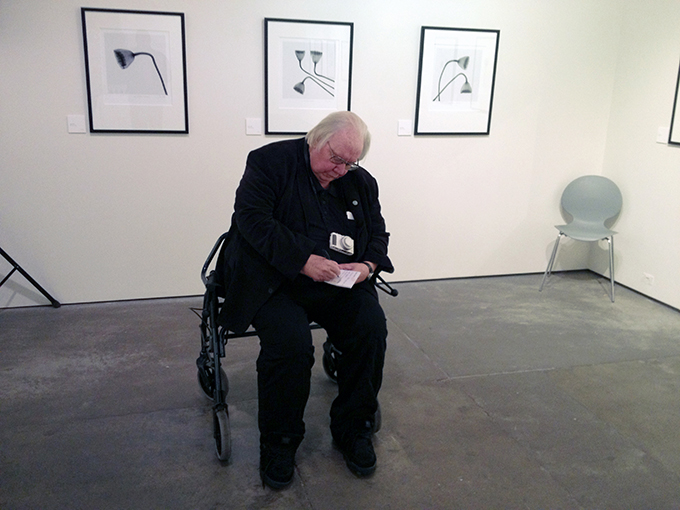
Robert McFarlane preparing his opening remarks . . iPhone Photo: Doug Spowart.
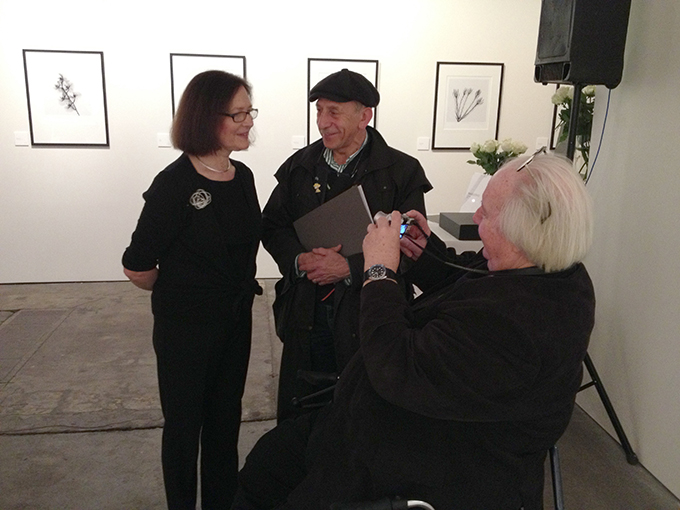
Jacqui, Josef Lebovic and Robert McFarlane . . iPhone Photo: Doug Spowart
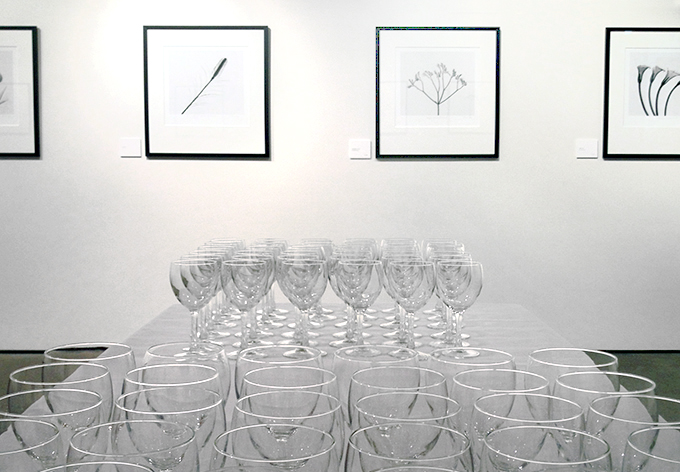
More Translucence. . iPhone Photo: Doug Spowart
.
MORE INFORMATION:
.
Jacqui Dean’s Website: http://deanphotographics.com.au/fine-art/
Interview by Gemma Piali of FBi Radio, Sydney: http://fbiradio.com/interview-jacqui-dean-on-translucence/
Review from Simone Whelton ABC702 http://www.abc.net.au/local/stories/2013/05/31/3659500.htm
“Translucence: Jacqui Dean – A jam packed opening on a Tuesday night meant it was a little hard to see some of the stunning black and white prints that Jacqui Dean has featured in her new exhibition Translucence but I pushed my way through the crowds and was delighted at the little moments of gentle quiet that descended on me as I stared at each picture, delicately constructed. This is spectacular still life photography featuring mainly Australian flowers (orchids and native flowers) and using a combination of x-ray and digital imaging. Tucked away towards the back of the exhibition is a series of photos of beautiful shells. Known for her photographs of architecture (interiors and landscape), this exhibition is part of Head On. Take a few minutes to pop in and enjoy the works! When and where: on at The Depot, 2 Danks Street, Waterloo now until June 8.”
.
Xrayograms: © Jacqui Dean
Review text © 2013 Victoria Cooper
All iPhone photographs © 2013 Doug Spowart
.
This work is licensed under a Creative Commons Attribution-NonCommercial-NoDerivs 3.0 Unported License.
.
.
hEADoN into THE FUTURE OF PHOTOBOOK PUBLISHING
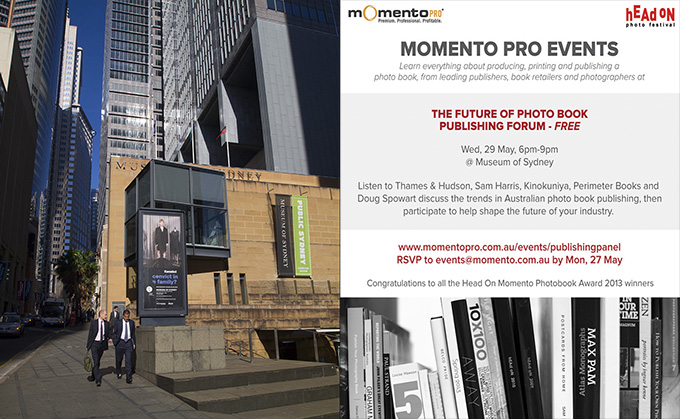
Invite and MOS

The Future of the Photo Book Forum ……Photo: Victoria Cooper
.
RUNSHEET & OVERVIEW:
Momento Pro/HEADON Event: The Future of Photo Book Publishing
.
6.00 pm Panellists arrive on stage
6.10 pm Doug Spowart: Welcome and good evening.
Photographers and those who make photobooks are storytellers – and – with this in mind – I would like to acknowledge and pay respect to the traditional owners and story-tellers of this land on which we meet; the Gadigal people of the Eora Nation.
This evening we will discuss the photobook and consider the opportunities for its future in Australia.
My name is Doug Spowart, I make artists books, photobooks and I have a research interest in photography and the form of the photobook.
This evening I’m joined by an eminent panel of book people with a wide range of knowledge and expertise on the topic.
The order of this evening will begin with an overview by me about the photobook. Then each of the panellists will discuss their involvement within the book and photobook world. Following that the panel will be presented with a range of questions – some sent in from attendees. Towards the end of the forum we have set aside time for your questions and comments to the panel. The forum will close and be followed by refreshments and networking opportunities …
At this juncture I would like to thank our Sponsor Momento Pro and the Organizers of the HeadOn Photo Festival, and the Museum of Sydney for this opportunity to engage in dialogue about this growing and evolving medium …
.
AN OVERVIEW OF THE PHOTOBOOK
.
Photobook luminary Martin Parr states:
… that photography and the book were just meant for each other; they always have been. It’s the perfect medium for photography: it’s printed, it’s reproducible and it travels well. (Parr in Lane 2006:15)
The photobook is indeed the ‘perfect medium’ for photography and its history, the history of photography are inextricably linked with that of publishing. In fact some of the earliest experiments in photography made by Hércules Florence (1804 -1879), Nicéphore Niépce (1765 -1833) and Henry Fox Talbot (1800 -1877) were to discover methods and processes that would enable the copying and printing of texts or designs by capturing and fixing camera obscura images.
![William Henry Fox Talbot, by John Moffat, 1864 By Michael Maggs [Public domain], via Wikimedia Commons](https://wotwedid.com/wp-content/uploads/2013/06/william_henry_fox_talbot_by_john_moffat_1864-by-michaelmaggs-public-domain-via-wikimedia-commons.jpg)
William Henry Fox Talbot, by John Moffat, 1864
By Michael Maggs [Public domain], via Wikimedia Commons
Books illustrated by photographs as a genre of the publishing industry flourished. The photographic image could operate as a storyteller, a precise document of truth, a device to entertain and, at times, a carrier of propaganda. Early photography book works consisted of travel, geographical and military expeditions, trade catalogues, scientific and ethnographic documentation.
Although some photographers, like Talbot, may have established their own publishing ventures, usually the photographer was a supplier of images for a publication that was commissioned by someone else – a publisher, benefactor or government agency. The publishing of a book was, and still is, a task requiring the specialized skills, the entrepreneurship and financial acumen found in the worlds of publishing, marketing and bookselling. Books are created for a purchasing audience: it is a mercantile process where return on the investment in a publishing project is a necessary outcome.
What is it about photographers and their need for photobooks?
Martin Parr describes the influence that photobooks had on his own practice by stating that:
I’m a photographer and I need to inform myself about what’s going on in the world photographically. Books have taught me more about photography and photographers than anything else I can think of. (Parr in Badger 2003:54)
Parr is not alone. The publishing house Aperture – a well established international publisher of contemporary and historical photographic essays and monographs – acknowledges in their organization’s credo that:
Every photographer who is a master of his [sic] medium has evolved a philosophy from such experiences; and whether we agree or not, his thoughts act like a catalyst upon our own — he has contributed to dynamic ideas of our time. Only rarely do such concepts get written down clearly and in a form where photographers scattered all over the earth may see and look at the photographs that are the ultimate expression. (in Craven 2002:13)
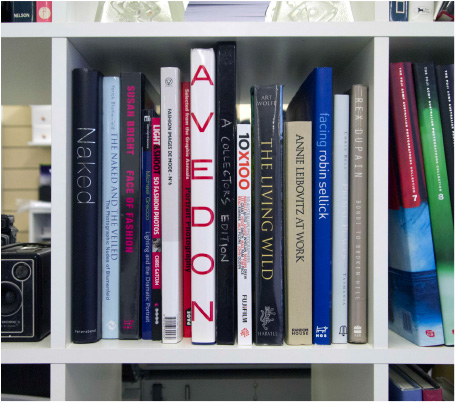
Library
So photographers seek inspiration for their work by building their own reference libraries: have you ever visited a photographer and not had discussions about books or been invited to see their library? It then makes sense that photographers will want a book of their own. Photobook publisher Dewi Lewis exclaims: ‘I have yet to meet a photographer who doesn’t want to see their work in book form.’ (Lewis and Ward 1992:7).
Photobook commentators and publishers of the book Publish Your Photography Book, Darius Himes and Mary Virginia Swanson claim that this need is universal and emotive:
It almost goes without saying that every photographer wants a book of his or her work. It’s a major milestone, an indicator of success and recognition, and a chance to place a selection of one’s work in the hands of hundreds, if not thousands, of people. Plus it is just plain exciting to hold a book of your photographs! (Himes and Swanson 2011:26)
It seems that this ‘rite of passage’ is an important step of professional recognition as photographer, photobook maker and writer – Robert Adams – makes the following statement in his book Why people photograph:
I know of no first-rate photographer who has come of age in the past twenty-five years who has found the audience that he or she deserves without publishing such a book. (Adams 1994:44-5)
Does it then follow that every photographer of note or the creator of a significant body of work deserves a book?
It is not that easy. Amongst others the photobook publisher Dewi Lewis argues that the market for photobooks is limited – where he identifies that: ‘photographers themselves are the largest purchasers of photobooks’ (Lewis and Ward 1992).
Ultimately unsold books are remaindered – something even Magnum photographer Martin Parr experienced. His first book Bad Weather (1982) sold poorly and was remaindered at 40p. In an essay on photobook publishing Peter Metelerkamp reports that:
Parr himself bought in as many copies as he could at that price (very much below the cost of production) (Metelerkamp circa 2004:7).
But while remaindered books can be a great way to acquire a low priced library they represent a loss to the publisher, who may then be wary of undertaking future photobook ventures.
The photographers who are successfully trade-published are usually either well known and/or are those who produce work that is of interest to a broad audience. Most notably in Australia this has included celebrated photographers such as Harold Cazneaux (1878-1953), Frank Hurley (1885 -1962), Max Dupain (1911-1992), Jeff Carter (1928-2010), David Moore (1927-2003), Peter Dombrovskis (1945 -1996), Rennie Ellis (1940-2003).
In contemporary times other avenues of photobook publishing as a documentary/art project have emerged and include photobooks by Tracey Moffatt (1960- ), Max Pam (1949- ), Matthew Sleeth (1972- ), Stephen Dupont (1967- ), Trent Parke (1971- ) Michael Coyne (1945- ) and Wesley Stacey (1941- ) and many others. The field of contemporary pictorial photobook books could be represented by the likes of Ken Duncan (1954 – ), Peter Lik (1959 – ) and Steve Parish (1945 – ). Then there are so many more …
So what about the photographer doing it for themselves?
Historically, the self-publishing of photobooks was a huge investment of time and money – an individual photographer’s access to the required production and printing facilities was a major barrier. Also those who have financed their own publishing exploits generally lacked the distribution and marketing connections that were attached to the major publishing houses.
Access to printing facilities were overcome by the photographer having contacts in or working in the printing industry such as American photobook-maker Ed Ruscha did with books like Twenty-six Gasoline Stations (1963). In Australia Peter Lyssiotis was able to produce: Journey of a Wise Electron (1981) and other books by participating in a co-operative that accessed a commercial printing press during down time or on weekends. But these access points were not available for everyone who wanted to publish a book.
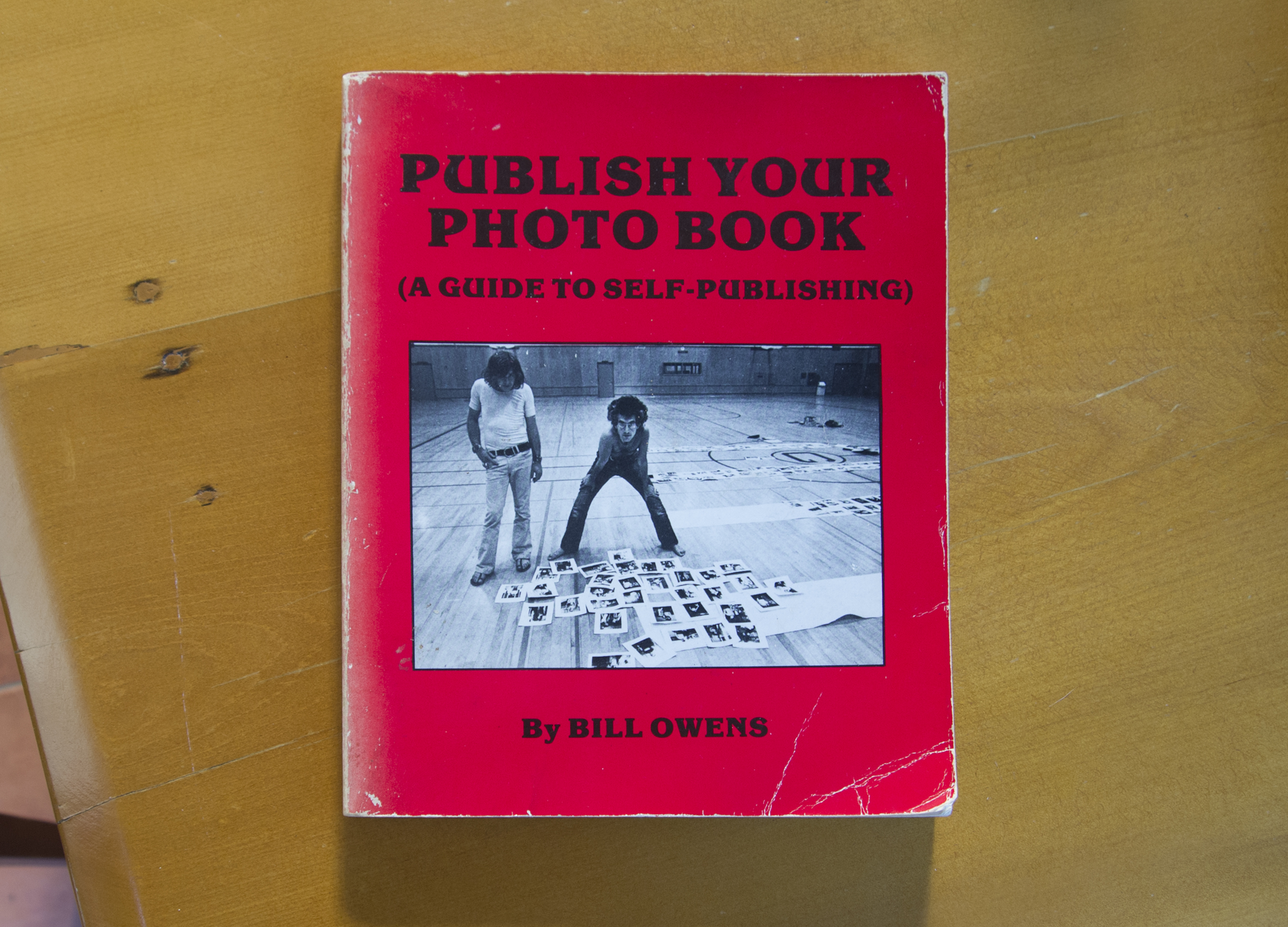
Bill Owen’s book
Nearly 35 years ago American photographer Bill Owens, publisher of Suburbia (1972) and other books made the following introductory statement to his info-guide – Publish Your Photo Book (1979) – a statement that may resonate with the experience of today’s photobook publishers:
Had my photographic books made lots of money I would not have written this book. I wouldn’t need to because I would be part of the establishment and enjoying its privileges. (Owens 1979:3)
It has been a long time coming, but 175 years later with digital technologies including DIY book design software, print-on-demand presses like HP Indigo, the self-published photobook is fulfilling Talbot’s prediction. It’s never been easier for anyone to make a photobooks.
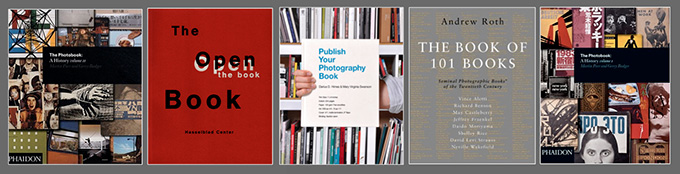
Some seminal photobook texts
The photobook discipline now has commentators and critics, there are awards, linkages with the artists book, supporting independent groups like Self Publish Be Happy, The Photo Book Club and the Indie Photo Book Library.
However just making a book, even your own, does not guarantee success – whatever that might be. But at this time, what are the barriers and opportunities that we in Australia need to consider and respond to as this boom in photobooks continues?
What ideas, social and political mechanisms and appropriate structures do we need to create to nurture and support this emerging publishing paradigm?
Let us now pose some questions to the panel …
.
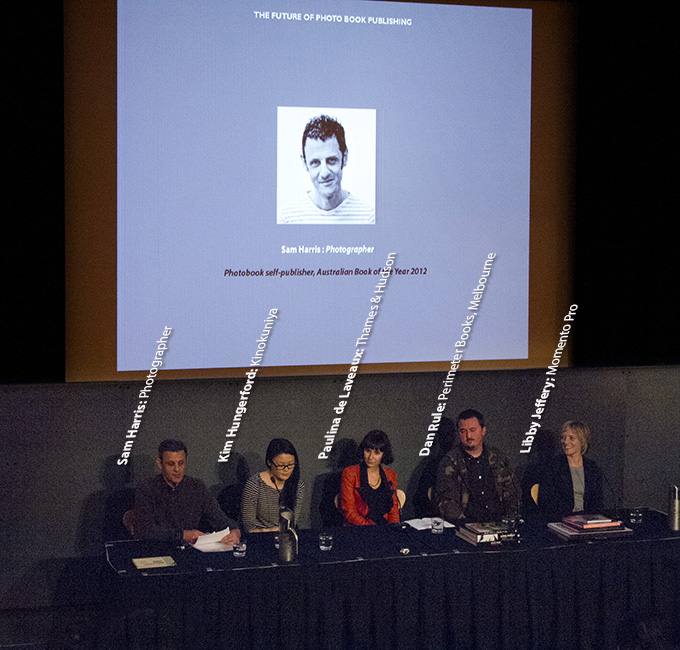
INTRODUCTION OF THE PANELISTS
See invitation blog post for bios http://wp.me/p1tT11-MT
.
.
A SELECTION OF THE QUESTIONS POSED TO THE PANEL
- What is the recipe for the perfect commercially viable photo book?
- Are Awards/Fairs/Festivals/Exhibitions important to or essential for photo book sales and marketing?
- It’s often stated that the basic market for the photo book is photographers themselves – how can this market be expanded so that the photo book can become more popular for a broader audience?
- Is the Australian photo book consumer more interested in Euro/USA content than homegrown books?
- Is there a market for Australian photo books overseas? Are there mechanisms in pace to support photo books as export? Are our photo books internationally competitive?
- If, as a publisher, you were approached by a photographer with a photo book idea – What would you expect them to bring to your meeting with them.
- What kinds of books/themes or content would an independent or niche publisher take on that a mainstream publisher wouldn’t?
- In the photo book genre, as with other special interest low volume publication sales, will print on demand publishing become a viable option – thereby doing away with the practice of remaindering?
- How can we nurture, inspire and develop the Australian photo book market?
.
A SYNOPSIS OF THE DISCUSSION WILL BE POSTED SEPARATELY:
.
In conclusion … I’d like to see, and I guess you would as well, that the photobook break from the publishing paradigm that Bill Owens spoke of before.
Let’s hope that as a result of, or perhaps more modestly, that this forum will contribute to a future where photographers and their photobooks will be recognized, revered and financially rewarded for their contribution to telling their stories, our stories and the stories of humanity and of life on this planet and beyond.
Once again thank you to our panelists …
Our sponsor – Momento Pro
The HeadOn Photo Festival
And to you all —–
You are now most welcome to join us for some refreshments and networking
8.15 pm Close…..
.
.
Bibliography for Doug’s Overview
Adams, R. (1994). Why People Photograph. New York, USA, Aperture Foundation.
Badger, G. (2003). Collecting Photography. London, Mitchell Beazley Ltd.
Craven, R. H. (2002). Photography past forward: Aperture at 50. New York, Aperture Foundation Inc.
Himes, D. D. and M. V. Swanson (2011). Publish Your Photography Book. New York, Princetown Architectural Press.
Lane, G. (2006). “Interview: Photography from the Photographer’s Viewpoint. Guy Lane interviews Martin Parr.” The Art Book 13(4): 15-16.
Lewis, D. and A. Ward (1992). Publishing Photography. Manchester, Conerhouse Publishing.
Metelerkamp, P. (2004). “The Photographer, the Publisher, and the Photographer’s Book.” Retrieved 12 March 2009, from http://www.petermet.com/writing/photobook.html.
Owens, B. (1979). Publish your Photo Book (A Guide to Self-Publishing). Livermore, California, USA, Bill Owens.
Talbot, W. H. F. (1839). Letter to Sir John Herschel, HS/17/289. The Royal Society. S. J. Herschel. London, UK, The Royal Society: HS/17/289.
.
.
.
All photographs © 2013 Victoria Cooper & Doug Spowart
Texts an Overview (except references as cited) © 2013 Doug Spowart
.
This work is licensed under a Creative Commons Attribution-NonCommercial-NoDerivs 3.0 Unported License.
.
.
hEAdoN/Sydney: Doug to moderate panel on Photobooks
 .
.
.
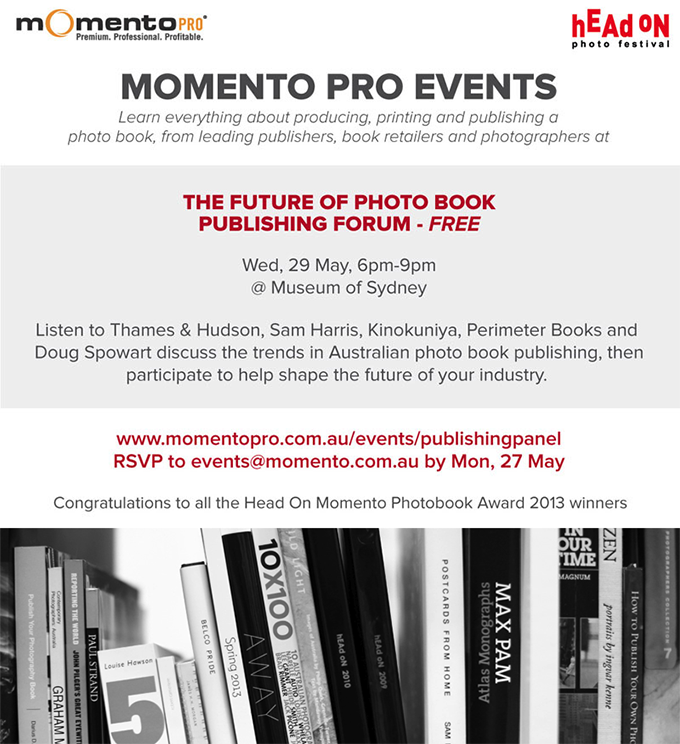
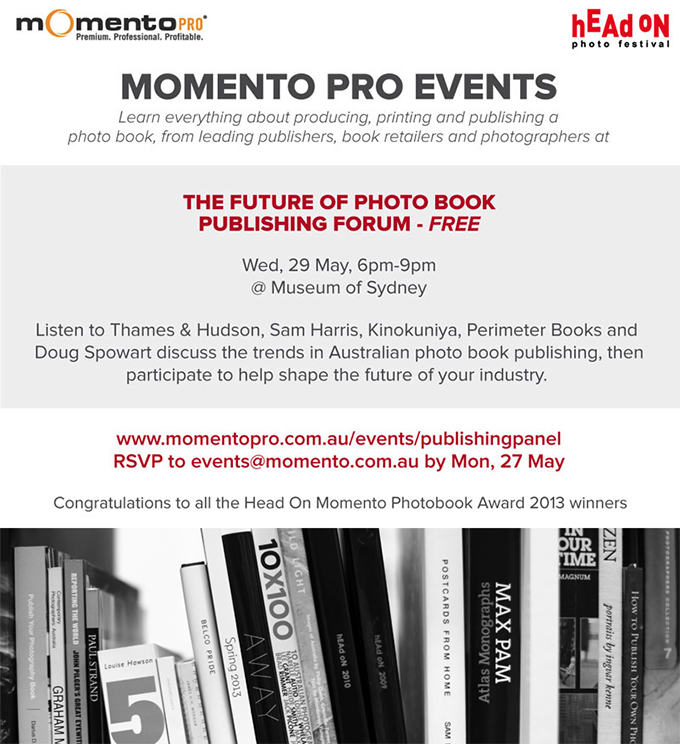
THE FUTURE OF PHOTO BOOK PUBLISHING FORUM
Presented by Momento Pro http://www.momentopro.com.au/events/publishingpanel
A Head On Photo Festival Event
Wed, 29 May, 6.00 – 9.00pm
@ The Museum of Sydney
Admission is free but please RSVP to events@momento.com.au by 25 May
Join panelists and guests from the photography, publishing, print, book retail and creative industries to discuss local and international trends in photographic book publishing, and contribute to shaping its future. The panel discussion will conclude with open questions from the audience, followed by refreshments and networking.
Should you wish to submit questions for consideration please email events@momento.com.au.
THE PANEL
.
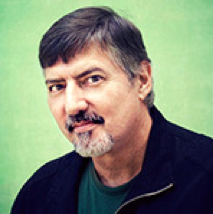
Doug Spowart …..Moderator
Photographer & Academic
Dr Doug Spowart has been extensively involved in creative media areas for over 40 years — his practice includes: artists books, photobooks, artist, critic, judge, writer and teacher. He has completed a Doctorate of Philosophy at James Cook University researching issues of the contemporary photobook. Spowart’s work, as well as collaborative work with Victoria Cooper has found its way into many private, regional and state public galleries, national and international photography and artists’ book collections. Spowart’s photobooks have won the AIPP Queensland Photographic Book of the year on two occasions and he has twice been Runner-up to the national AIPP photobook award.
.
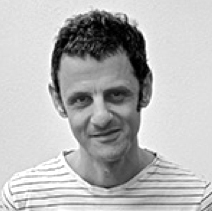
Sam Harris / Photographer
Sam Harris has been a passionate photographer and educator for more than 20 years. He started freelancing in the London music industry making album sleeve art then went on to shoot editorial portraits and documentary features for leading publications including The Sunday Times Magazine, Esquire, GQ and Ray Gun (USA).
In 2002 he re-evaluated his lifestyle to travel the globe with his family, until he settled in the forests of South Western Australia in 2008 where he shoots his on-going family diary, lectures photography, runs workshops and creates photographic books. His book Postcards from Home has received multiple awards including the publishing industry’s Galley Club Book of the Year and Australian Book of the Year Award 2012.
.

Kim Hungerford
Kinokuniya / Art & Design Department Manager
Kinokuniya stocks an extensive collection of graphic novels, art, design and travel books and also features an instore Art Gallery which exhibits works from creative artists to help them develop their careers. As Art & Design Manager, Kim is versed in the distribution, sales, marketing and financials of art and photographic book publishing, the different publishing options available and the differences in reception from book consumers, critics and collectors.
.
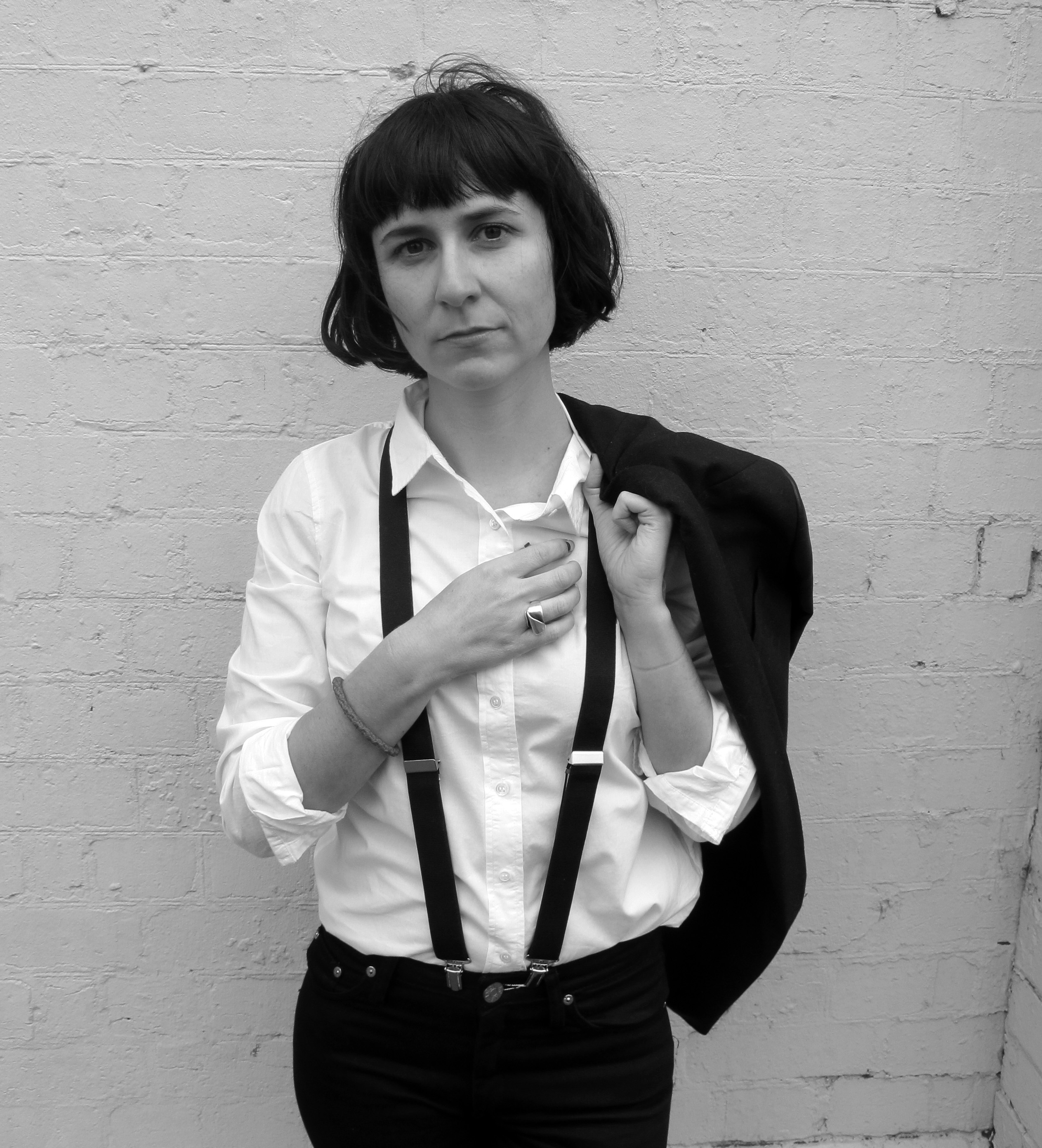
Paulina DeLaveaux
Thames & Hudson / Publishing Manager
Paulina de Laveaux is Publishing Manager of Thames & Hudson Australia specialising in illustrated books on art, architecture, design, photography, fashion and other creative fields.
Paulina is passionate about books, and familiar with what makes a photographic book artistically and commercially successful, what is popular with the mainstream consumer verse the cultural consumer, and has also been a judge for the Head On Momento Photobook Awards 2013 and the Most Beautiful Books Awards
.

Dan Rule
Perimeter Editions / Director
Dan Rule is a writer, critic, editor and publisher from Melbourne, Australia. He is the co-director of Perimeter Books, Perimeter Editions and Perimeter Distribution, the co-publisher of Erm Books and an editor of Composite Journal.
He is also a weekly art critic and columnist for The Saturday Age, contributing editor and senior writer at Broadsheet Media and has written on art, photography, music and culture for The Sydney Morning Herald, Dazed & Confused, Oyster, Vault, Art Guide, Australian Art Collector and countless others.
.
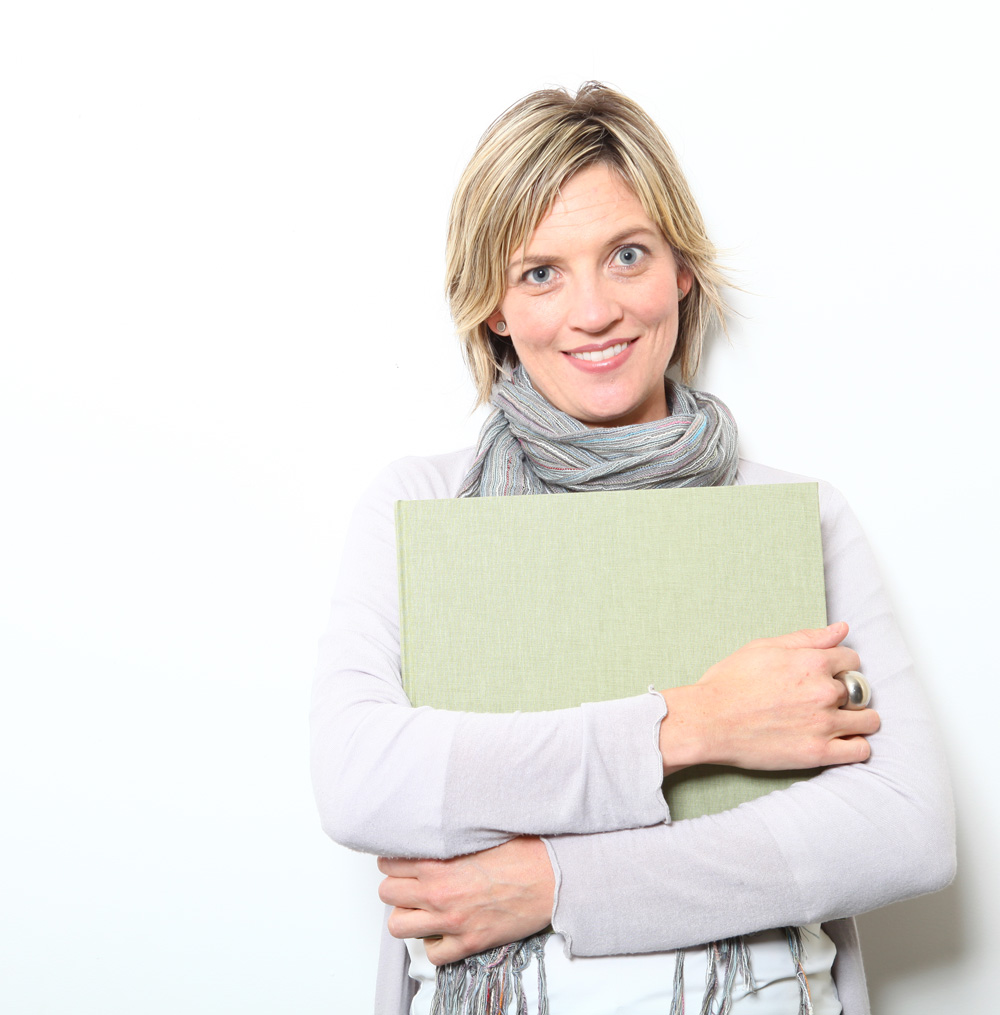
Libby Jeffery
Co-founder and Communications Manager @ Momento
Libby has enjoyed studying and working in communications and media production since undertaking a B.A. Communications at UTS and volunteering with interactive CD-ROM producer Pacific Advanced Media Studios in 1994. Since then her career has revolved around communications, events coordination and media production for creative industry pioneers including OzEmail, the Australian Interactive Media Industry Association (AIMIA), IPR Systems and most recently the Chippendale Creative Precinct.
Following her role in 1999 as Project Manager for the Australian Society of Authors’ e-publishing and digital rights management experiment, OzAuthors, she, partner Geoff Hunt, and colleague James Whitwell founded Momento in 2004. Momento was Australia’s first print-on-demand photo book service and the proprietary Momento layout software, lets anyone design their own coffee-table photo book easily, ready for printing. Momento remains the ‘finest’ service provider in Australia today, celebrating photography and photographers in all forms
.

.
.
ANIMATING SPACES: Toowoomba Projects Announced
Animating Spaces is a state-wide multi-arts initiative, which is intended to revitalise and celebrate significant or unusual spaces within regional communities through locally-driven arts activities and events. Animating Spaces is funded by the Australia Council for the Arts, Arts Queensland, Regional Arts Australia and participating local councils. The initiation and coordination of the Animating Spaces in Queensland will be supported by Artslink over the next three years and will assist 15 regional Queensland communities and their local projects.
.
Toowoomba Celebrates Animating Spaces Celebration
After the invited guests and artists had time to mingle and participate in refreshments provided Community Coordinators Alex Stalling and Elysha Gould addressed the meeting. The following is from Elysha and Alex’s speech.
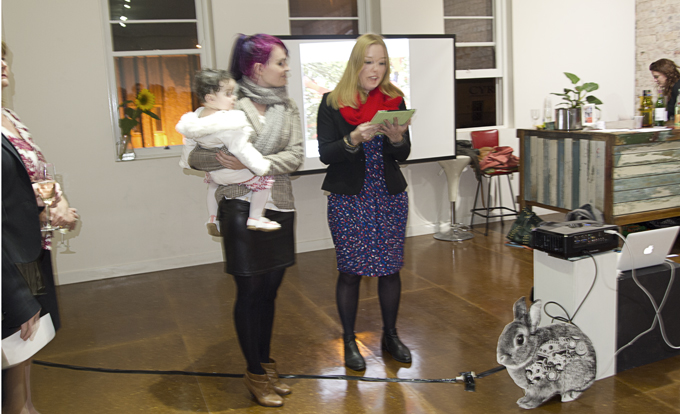
Alex Stalling and Elysha Gould
.
I firstly like to acknowledge the traditional owners of the land in which we are gathered, and acknowledge any elders past and present. Formal welcome to Cr. Billl Cahill and Cr. Geoff McDonald, Artslink Queensland Regional Arts Development Officer Kerryanne Farrer, Curator of Art Galleries Toowoomba Regional Council Di Baker, and Animating Spaces Project Coordinators Andrew MacDonald, Tarn McLean and Ian McCallum and the artists involved in each project.
Tonight we celebrate the beginning of Animating Spaces in Toowoomba. We will start with an introduction from Kerryanne from Artslink Qld, then Cr Geoff McDonald will speak on behalf of Toowoomba RC, and then I will briefly introduce the Project Coordinators who will talk more about their projects.
So to introduce you to Animating Spaces please welcome Artslink Queensland Regional Arts Development Officer Kerryanne Farrer. [Kerryanne spoke of the Artslink connection with the Animating Spaces Project – SEE video for details]
.
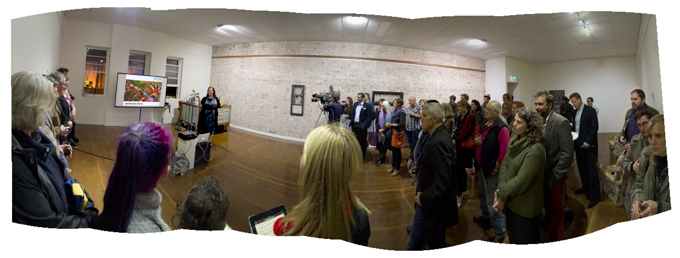
Kerryanne Farrer addresses the assembled group
.
Now welcome Cr. Geoff McDonald from TRC. [Geoff spoke of the Toowoomba Regional Council’s support for Animating Spaces and the important role of art and artists in the community]
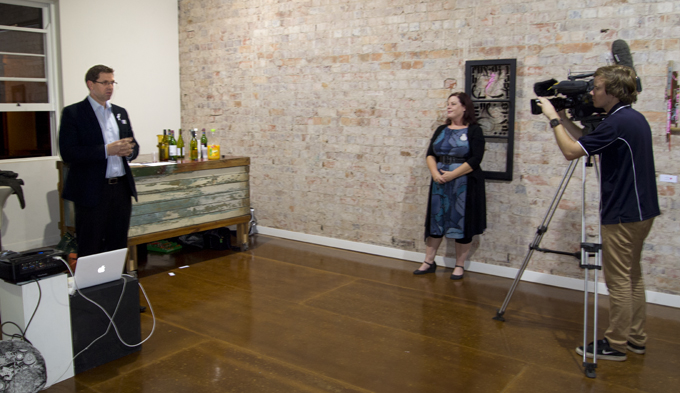
Cr Geoff McDonald speaks
.
I am so pleased to be participating alongside my Co-Director of made.Creative Space – Alex Stalling as the Community Coordinators for Animating Spaces Toowoomba.
Animating Spaces represents an opportunity to identify, embrace and celebrate the some of the city’s unexpected places through the collaboration and creativity of some of this region’s best artists.
It provides a chance for everyone in the community to contribute to the cultural fabric of Toowoomba and inspire a sustainable creative culture.
Toowoomba is home to a passionate and close knit arts community. Through Animating Spaces, Artslink Queensland, have given this community the chance to establish and strengthen the needed skills to develop and coordinate projects like this, and nurture the potential for future projects. These are projects that can further promote the value and participation of the arts, which in turn contribute to the resilience and identity of our community.
We encourage everyone here to it to get involved. Whether you are an artist, or an arts lover, this project’s success relies on the generosity of financial and in-kind sponsors and volunteers. A sign up sheet is available to record your details on the front desk.
There are three amazing public art projects which are Animating Spaces in late August. It is my pleasure to introduce the three project coordinators who are also artists in their own right.
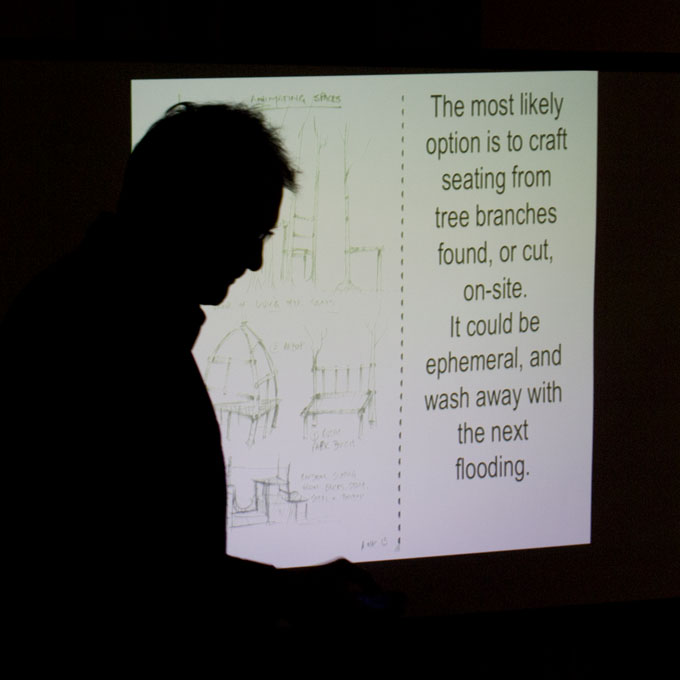
Andrew MacDonald speaks
Andrew MacDonald
Andrew is a technician and sculptor with 20 years experience in the industry. With a passion for recycling, Andrews practice has seen him through an amazing list of career success. Working at USQ, Andrew was the visual arts studio manager and then later production manager working on productions such as the renowned Shakespeare in the Park. He featured as an artist in residence at the 2010 Crush Festival in Bundaberg, and has been involved as an artist in the Woodford Folk Festival, Hampton Food and Wine and numerous other festivals.
He has public artwork in Brisbane’s West End, and I’m sure you’ve all seen his striking work cloud trees just down the road on Margaret Street. He is now working as the factory Manager at Cobb and Co Museum.
Andrew’s project is entitled Up the Creek and will feature the use of pest timbers (such as Chinese Elm, Camphor Laurel and Privet) which will be removed from Toowoomba’s waterways and made available as materials in timber whittling workshops in a public space. Participants work together to create large ephemeral sculptures from the timbers sourced. The artist-designed sculptures will then be displayed back along highly visible waterways.
Local artists Christian Low and Jesse Wright will be involved with the project.
.

Tarn McLean speaks
Tarn McLean
Tarn has 5 years experience as a painter who also bridges into design and video installation. She launched her successful accessories and textiles label ochre designs in 2009, which services international clientele and is also located just down the road upstairs at 249 Margaret Street. As well as being a star mum and devoted wife, Tarn is Co-Director of the artist run gallery Raygun Labs which continues to connect Toowoomba with international arts communities.
She is currently working in collaboration with an architectural design company in Melbourne and has just started her PhD in painting with a cross over into design and architecture.
Tarn’s project is entitled Real Time Your Time and will animate the Toowoomba CBD.
Real Time Your Time will create a public, interactive video projection in the main street of the CBD illuminated at night. Described as a very different experience for people, encouraging them to play and interact with the installation. Free movement and painting workshops will encourage maximum involvement of people.
Participating in the Tarn’s project will be Beata Batorowicz, Ric Carlsson and Aidan Ryan.
.
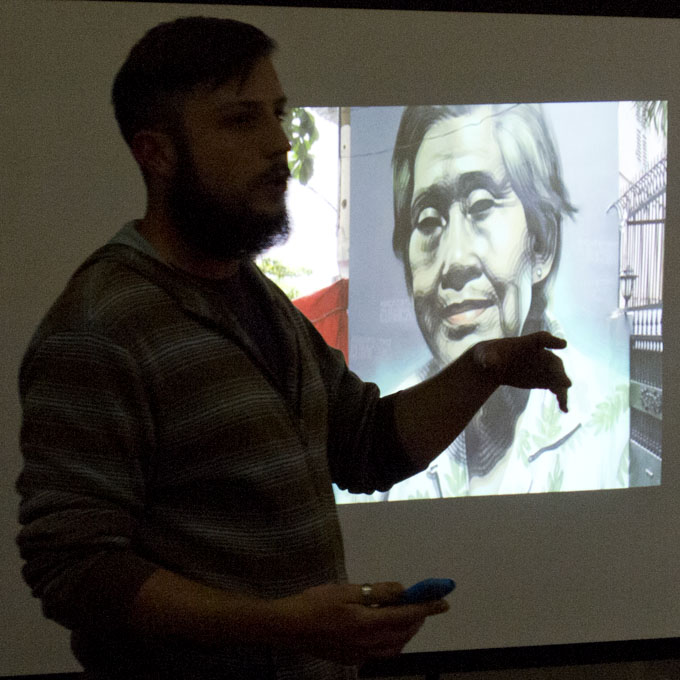
Ian McCallum speaks
Ian McCallum
Ian is a sign writer by trade and a local street art advocate and artist. He is currently completing his Bachelor of Creative Arts at USQ, and also runs his business Kontraband right here at the GRID. Ian has worked alongside internationally renowned street artists at the 2012 crush festival in Bundaberg. You can also see his work right here in Toowoomba’s CBD through his commission with Cracker Print and Press at Club Lane on Ruthven street, Ground Up alley’s Seales walkway just across the street, and the former Sojo’s collections on Margaret Street.
Ian’s project will centre on Serls Laneway including the wall of TheGrid in Chandler Laneway. Entitled Story Wall it will feature a large-scale, comic-book-like urban artwork drawn up by three graffiti artists from around Australia that depicts local children’s stories and drawings of our town. This project includes workshops for children and opportunities for all ages of the community to learn new skills.
.
FOR MORE INFORMATION ON ANIMATING SPACES
ARTSLINK QUEENSLAND FAQs http://artslinkqld.com.au/animatingspaces/faq
TOOWOOMBA REGIONAL COUNCIL http://www.toowoombarc.qld.gov.au/about-council/newspublications/8529-funding-for-toowoomba-arts-project-announced
.
In the Beginning…
Where the planning for the Animating Spaces project began at a community meeting at the Toowoomba Regional Art Gallery on May 24, 2012.
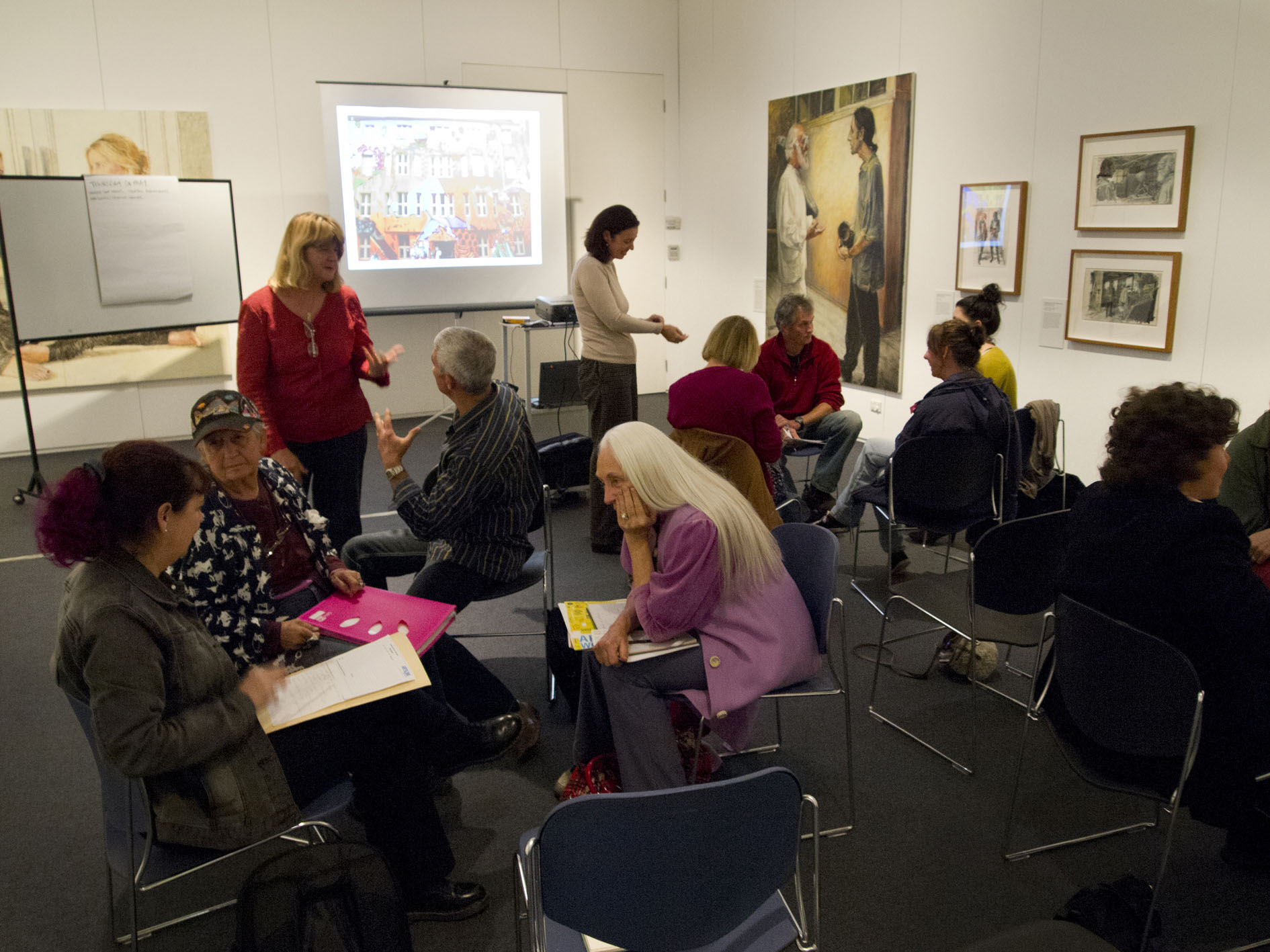
Animating Spaces workshop @ TRAG May 24, 2012
.
All photographs © Doug Spowart 2013.
This work is licensed under a Creative Commons Attribution-NonCommercial-NoDerivs 3.0 Unported License.
.
JUDGING THE SHOW: Photography @ the Goondiwindi P&A Show
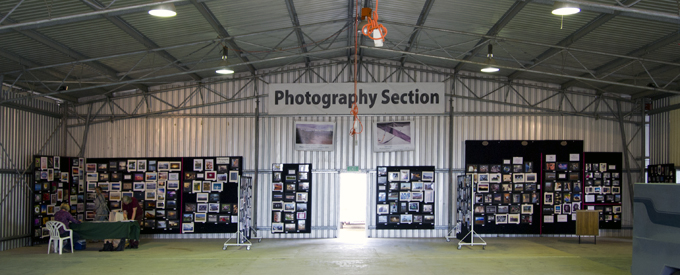
Goondiwindi Photo Section Display
We have been to Goondiwindi before as their local camera club hosted the South East Queensland Association of Camera Club’s conference in 2011 for passionate amateurs to connect and learn about their chosen hobby. This time we were at ‘Gundy’ to judge the P&A Show Society’s 2013 Photography Section. The organizing team are an energetic, cheerful and professional group of people who carry out their duties as a service to the local community.
When we arrived all 424 images were already installed on the portable screens. A welcoming cup of tea and Janet’s delicious homemade orange cake refreshed us after our two-hour drive from Toowoomba. Then all we had to do was to judge the 14 categories, the grand champions and the encouragement award winners. This was an enjoyable task as the images were delightful mix of landscapes, action, animals, humour, travel, poetic and abstract images.
.

Goondiwindi Photo Section Entry Details
.
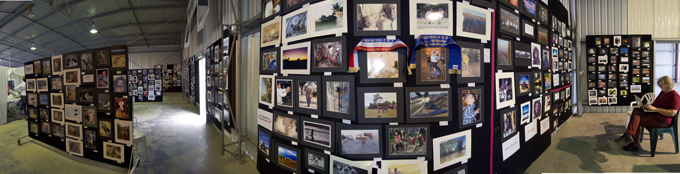
Goondiwindi Photo Section panorama
.
Although there were interesting images of travel, urban spaces, people and places some of the strongest images were found in the sections landscape, ‘a picture tells a thousand words’ and the youth categories. Images taken of their own environment, local people and animals communicated the desire to share and record their own stories. This made our task challenging but more rewarding as we encountered these images.
Some images were amazing: a fish, firmly grasped by a cormorant bites on its captors neck, a young girl fires-off a shotgun, old blokes sit on a park bench in the sun, a huge irrigation sprinkler glistens backlit by the morning sun and a young girl kneels before a poppy studded war memorial. There is a visual calisthenics required to be a judge in this competition. What was evident was a passion for photography and a quality, both technical and conceptual, that would match anything seen from their city cousins.
.
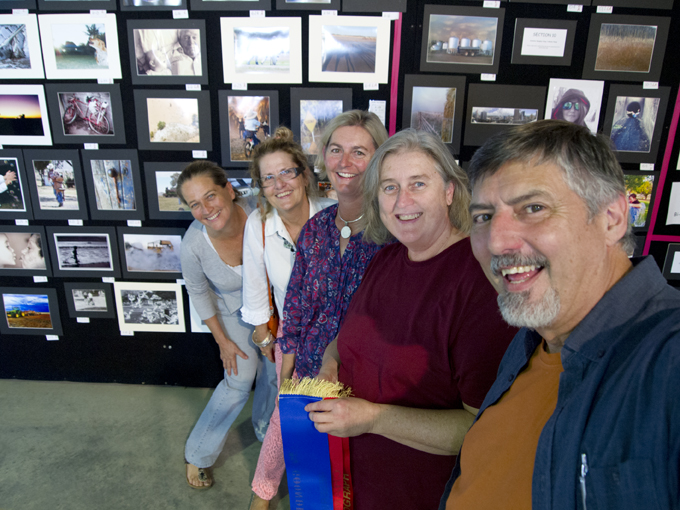
Photo Section Team: Mandie O’Shea, Michelle Kearney, Janet Doyle, Vicky & Doug
.
The Grand Champion photograph was by Rick Kearney and was entitled Flood victims. The photo was made from a helicopter during the floods and shows an island surrounded by water on which 80 or more kangaroos had taken refuge–the helicopter has startled the mob and they have taken off in all directions. The photograph captures this frenzied dash from these isolated animals.
.
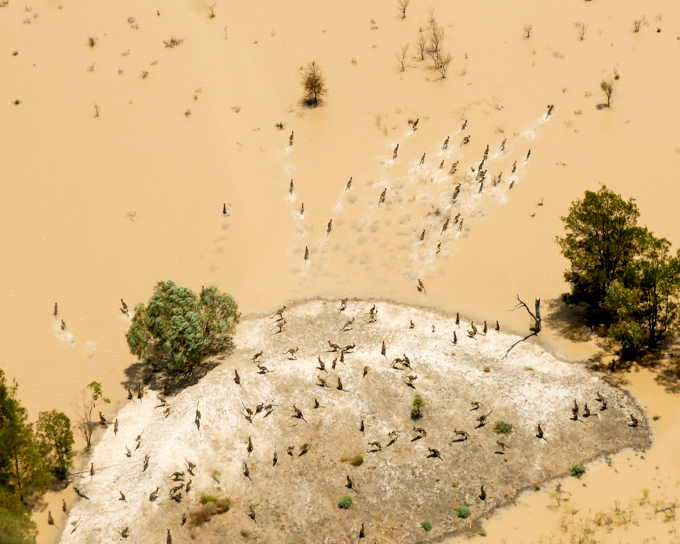
The Grand Champion Print: Flood victims by Rick Kearney
.
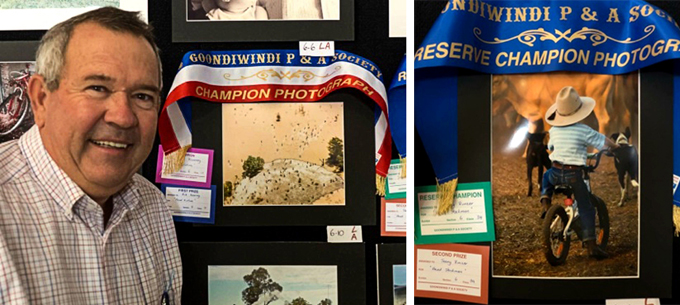
Rick Kearney’s Flood victims+Reserve Champion Teeny Runzer’s Head Stockman. Photo: Michelle Kearney
.
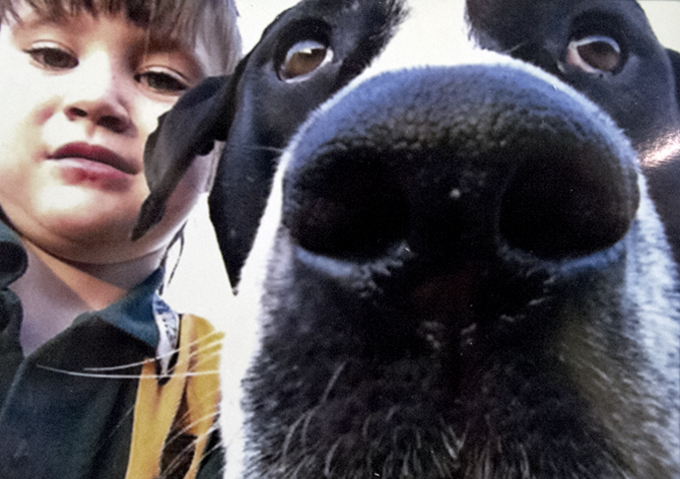
Equal First Prize – Primary Hot Shots: Jenna McCall for Selfie
.
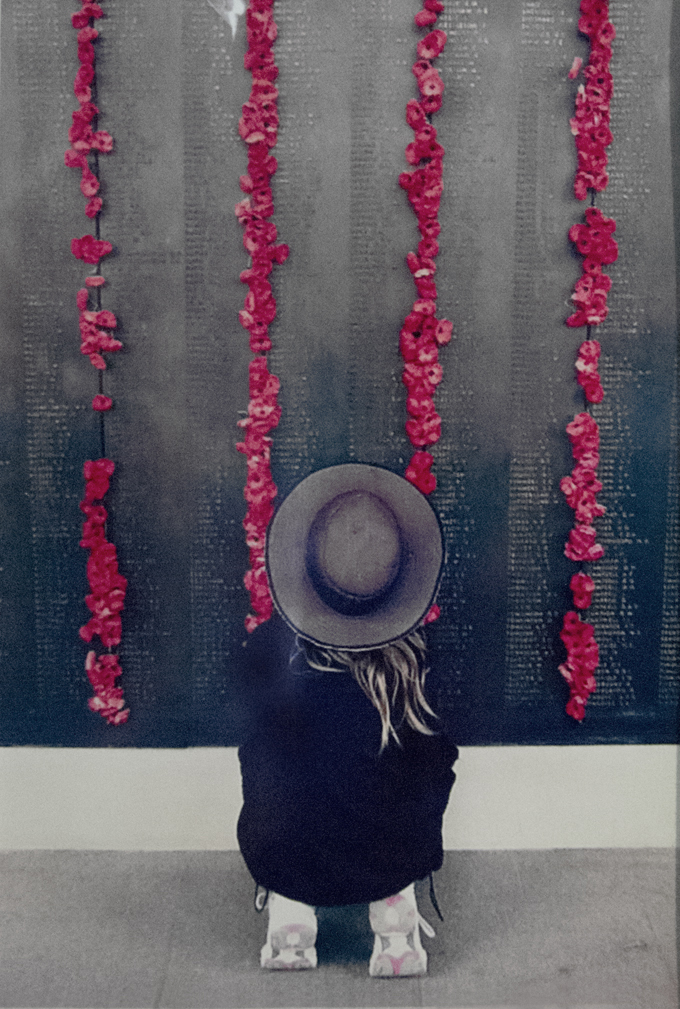
Junior Champion and Equal First Prize – Primary Hot Shots : Bethany Buckle for Poppies
.
Thanks to the Goondiwindi team of Janet, Michelle and Mandie and the photography community for sharing their creativity and vision with us and the hospitality extended to us during our visit.
.
Victoria Cooper and Doug Spowart.
.
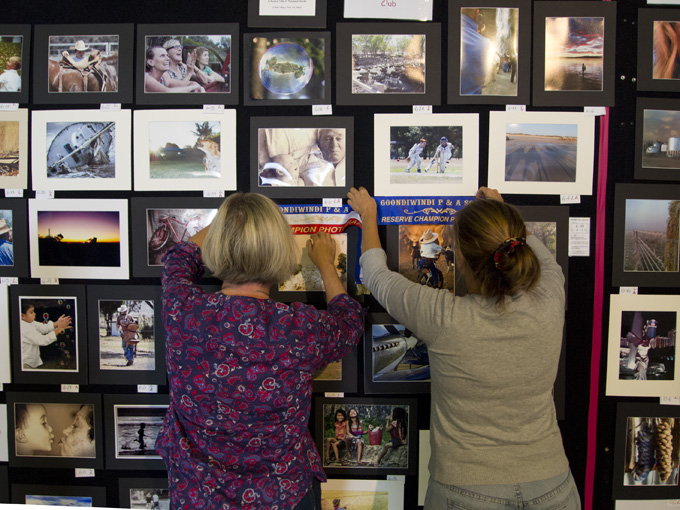
Janet and Mandie place the Champion Ribbons
.
.
Images of the exhibition installation © Doug Spowart, Text © Victoria Cooper, Photo of Rick and Reserve Champion Michelle, © in all other works the photographers credited in the caption
..
This work is licensed under a Creative Commons Attribution-NonCommercial-NoDerivs 3.0 Unported License.
.
SLQ Siganto Seminar: The trouble with artists’ books
AT THIS TIME THE BLOG WILL FEATURE IMAGES OF THE EVENT
We are happy to receive comments and dialogue arising from the seminar and will post selected feedback. Please leave a comment on this blog for consideration by us for posting.
The podcast is available at http://www.slq.qld.gov.au/audio-video/webcasts/recent-webcasts/siganto-seminar
Cheers Doug+Victoria
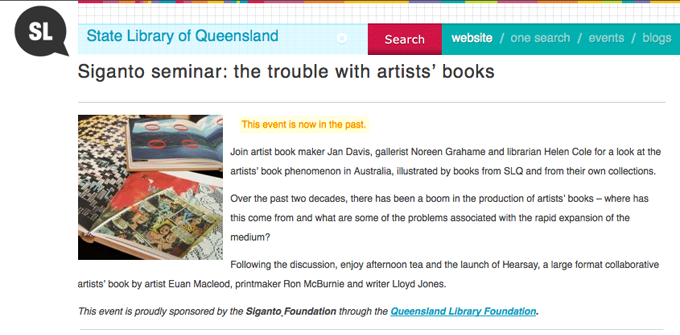
From the SLQ website – Promo for the evnt
.
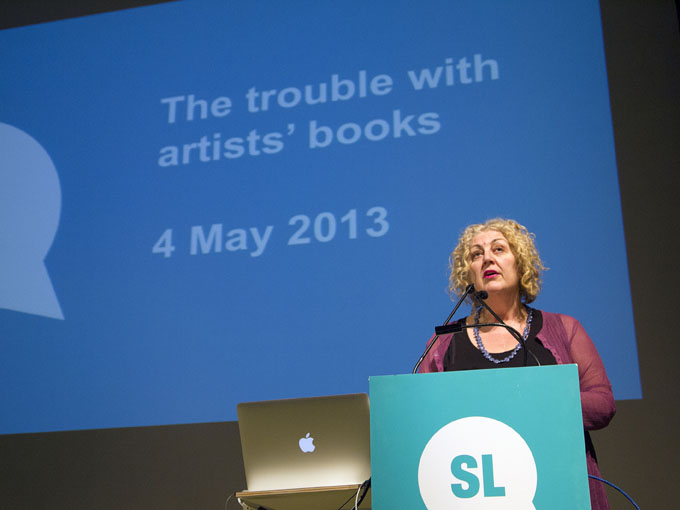
The State Librarian Jeanette Wright opens proceedings
.
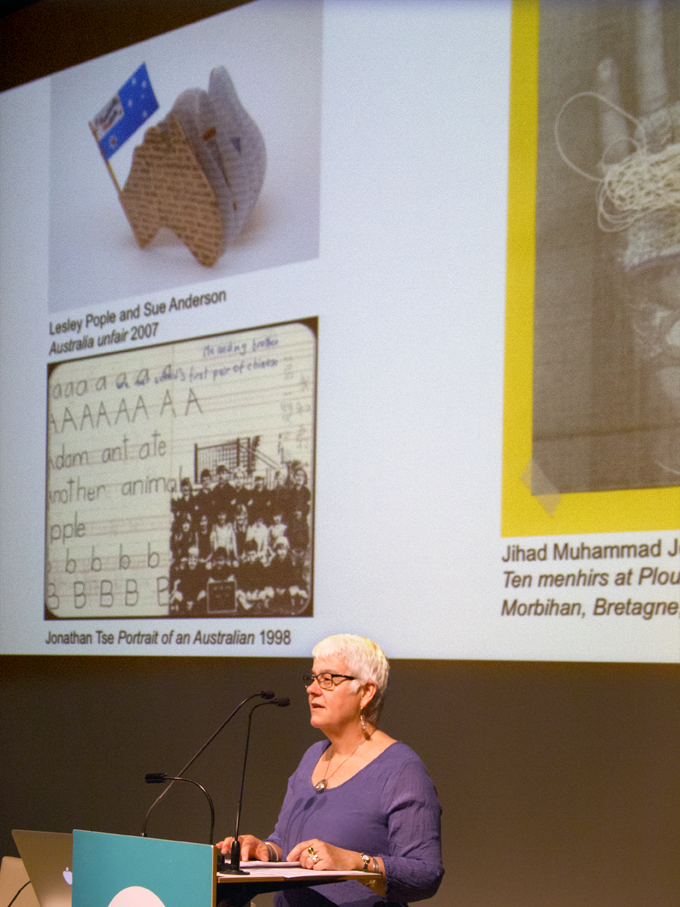
Helen Cole presents the Librarian’s view
.
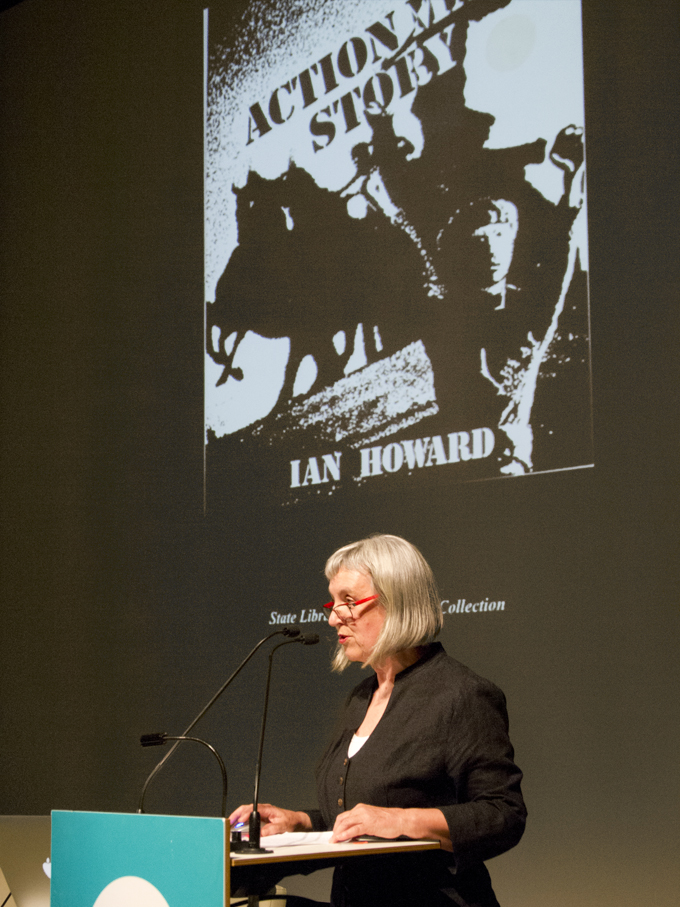
Jan Davis presents the Artist’s view
.
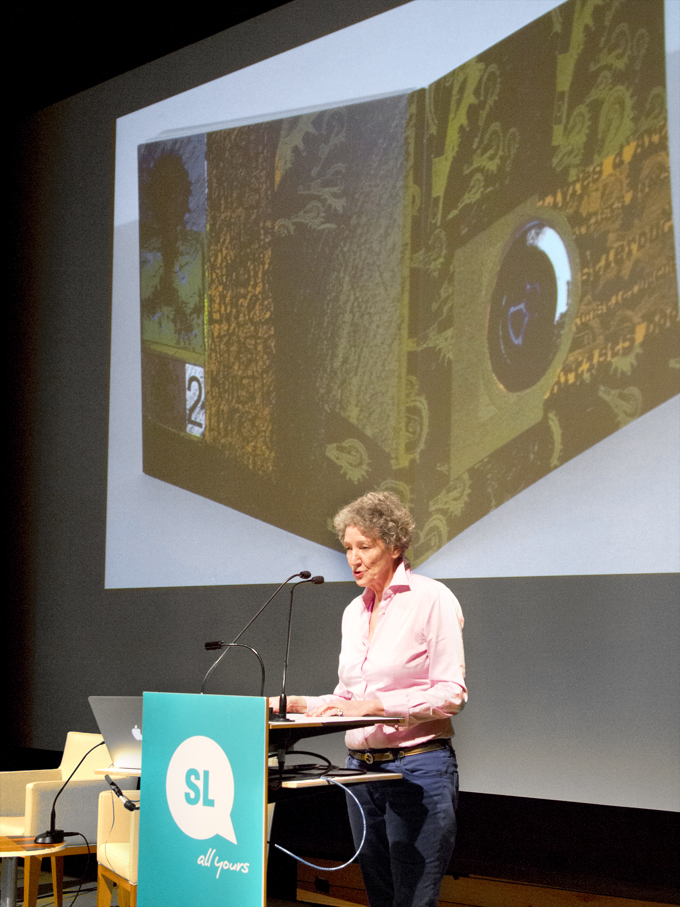
Noreen Grahame presents the Gallerist’s view
.
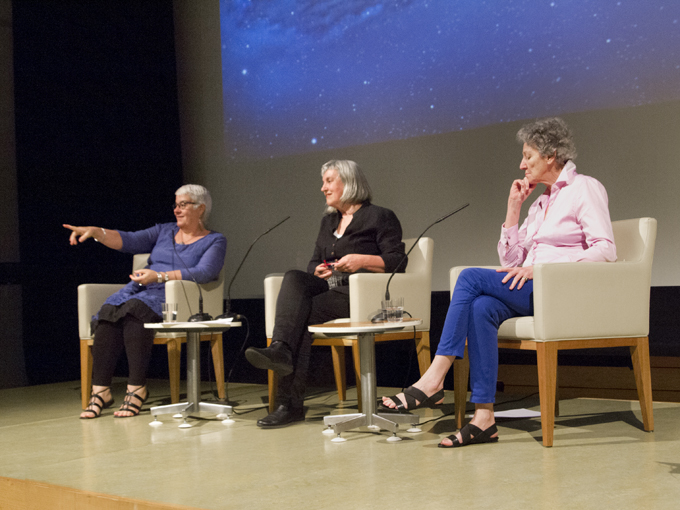
Helen Cole chairing the Question and Answer session
.
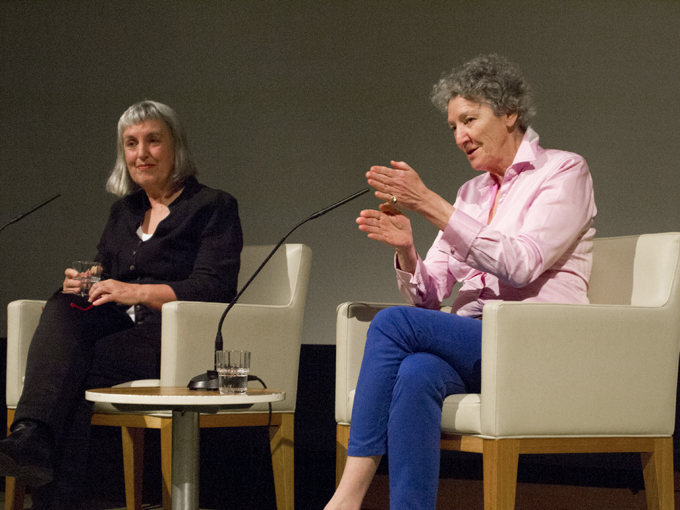
Noreen Grahame answers a question
.
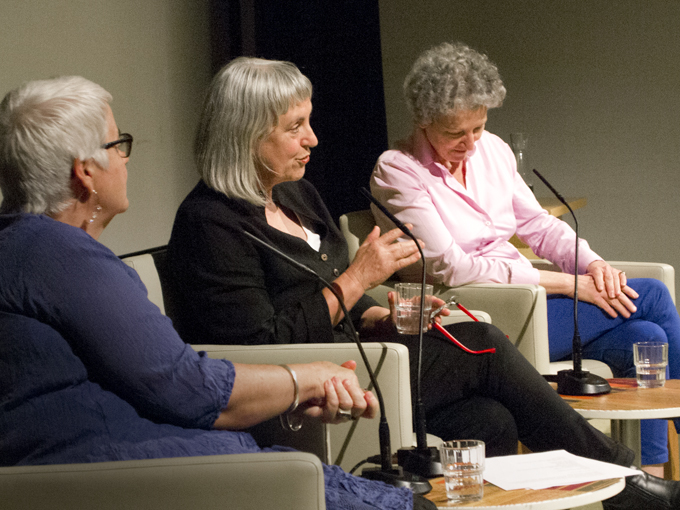
Jan Davis answers a question
.
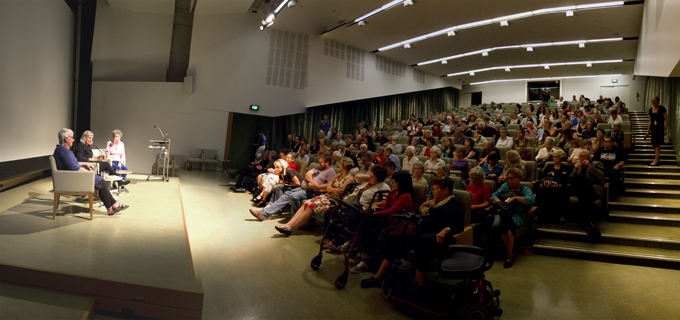
The Auditorium crowd
.
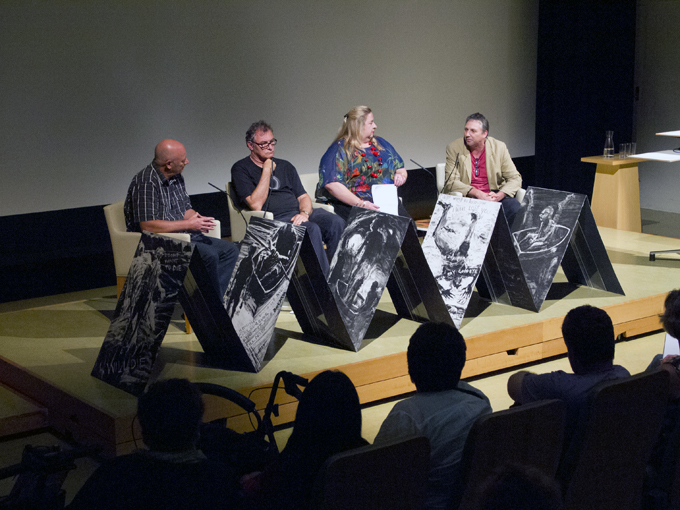
The Hearsay team members discuss the project
.
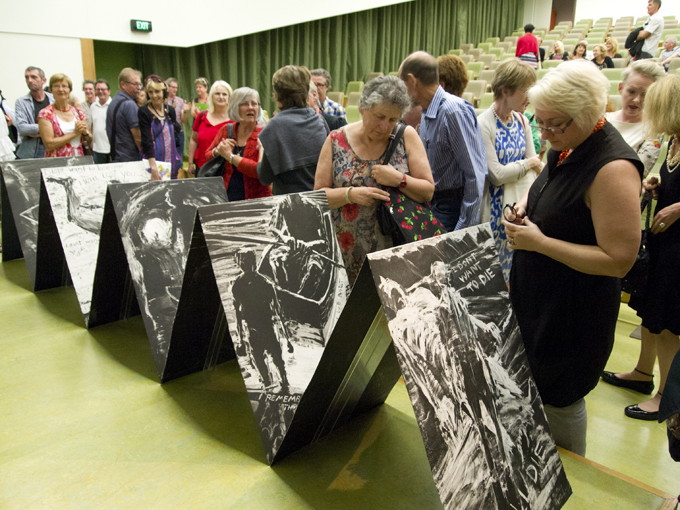
Attendees viewing the Hearsay book
BLOGPOSTS ABOUT THE EVENT ARE AVAILABLE AT THE FOLLOWING:
Judy Barrass ‘Critical mass Blog’ http://www.criticalmassblog.net/2012/?p=2568
.
All photographs © Doug Spowart 2013.
This work is licensed under a Creative Commons Attribution-NonCommercial-NoDerivs 3.0 Unported License.
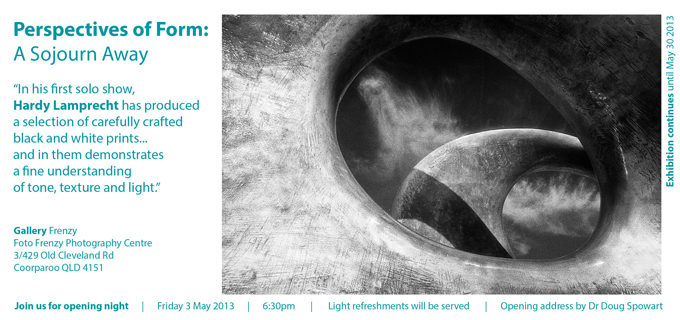
HARDY LAMPRECHT: Solo Photo Exhibition @ Gallery Frenzy, Brisbane
 .
.
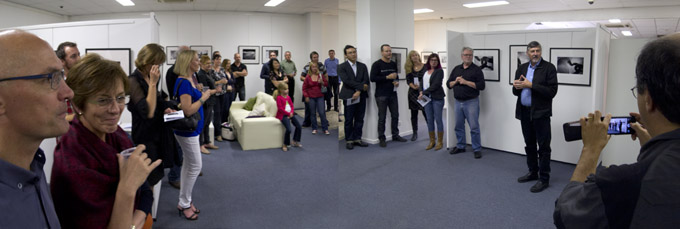
. . Excerpts from an opening address: Hardy Lamprecht | Perspectives of Form: A Sojourn Away
.
. .
.
I’ve known Hardy Lamprecht for over 20 years. He embraced the larger formats of photography and the darkroom with gusto and passion. He enjoyed the landscape and made photography sojourns to the granite tors of Girraween National Park in Queensland, to the shifting sand dunes of Lancelin in Western Australia.
He has also spent a considerable amount of time in the United Kingdom working in his principle career, that has a lot to do with sight and seeing, but the tug of the landscape sent him out on weekends to misty moors, rugged cliffs and into dramatic urban and sculptural spaces.
Time passes and anyone with twenty years experience in photography recognises the need to make the transition of the wet darkroom into the dry digital workspace. While in the past once the films were processed Hardy would venture into the darkroom for extended periods to resolve the lived experience of the shoot as fine art black and white prints. These images would then be presented for exhibition to share his vision with others. Although many photographers of Hardy’s ilk lament the passing of the darkroom and, whenever a sympathetic ear is around, talk of the ‘good old days’ – but not Hardy. He assimilated digital technologies into his workflow by scanning negatives, optimising them in Adobe Lightroom and the printing them on fine art Canson digital papers. What we see on the walls now is the same attention to detail and creativity but within a contemporary medium.
So what this exhibition represents is not only one photographer’s journey in the landscape but also another journey from the traditional black metallic silver specs of the wet darkroom to the emergent digital space of pixels and ink on paper. I believe this work challenges the notion that high quality fine art photographs can only result from the wet darkroom. Should there be any question, I would present to them this body of work where: I’d talk with them about deep rich blacks and clean clear whites, I’d point out the both employ the same baryta paper base, I’d then discuss the dynamic tonal range represented in the prints and theories I have about every photographer today working in digital, is emulating the aspirations of the very few Zone System dilettantes of the past.
Once through with the technical stuff that pervades the discipline of photography and printmaking and much critical dialogue, I would challenge them to see beyond superficial technique to the more sublime nature of these photographs. I would elucidate on aspects of the photographs design–of abstraction, perspective and scale–of chiaroscuro and emotion. This work is the result of seeing and capturing a personal vision and empathy of the subject before the camera–a moment in time of place.
Ultimately Hardy Lamprecht’s images are about what he saw and was inspired by in the continuum of his lived experience. He then captured on film a kind of referential trace extracting a new visual interpretation or meaning of the original subject. In the digital space, aided by software, he reflects on his wet darkroom image interpretation skills and techniques and applies them to the modern tool of the computer. In doing this he achieves something that can be shared, as he did before, with us as viewers. As a result of that we can, in the space of this gallery, transcend time, space and photographic technology and encounter the world in the lens of your own memory.
Hardy, I take great pleasure in declaring this exhibition open … Doug Spowart May 3, 2013

Vicky, Hardy and Doug @ the opening
Selected images from the show….

Threesome
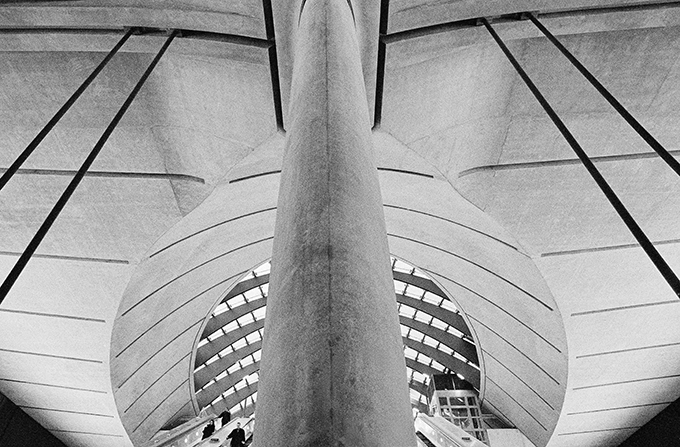
Subterranean Symmetry

Large Reclining Figure by Henry Moore
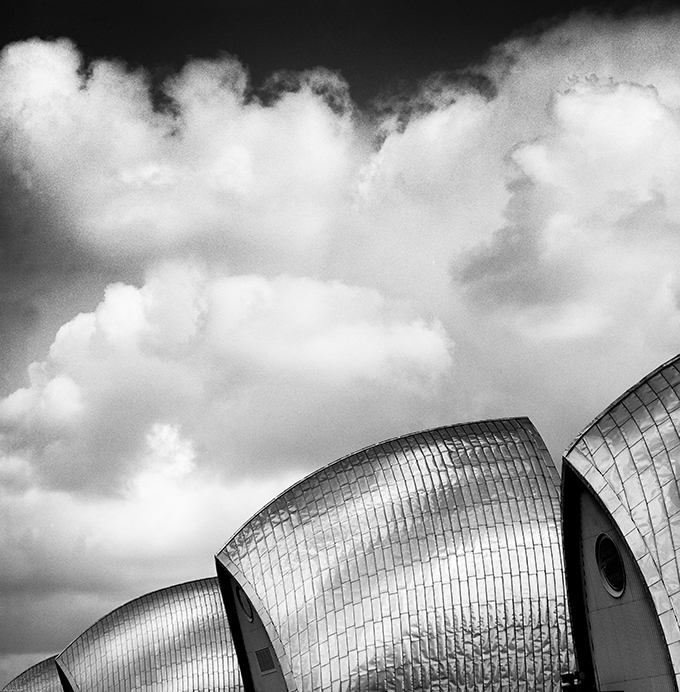
Going Under
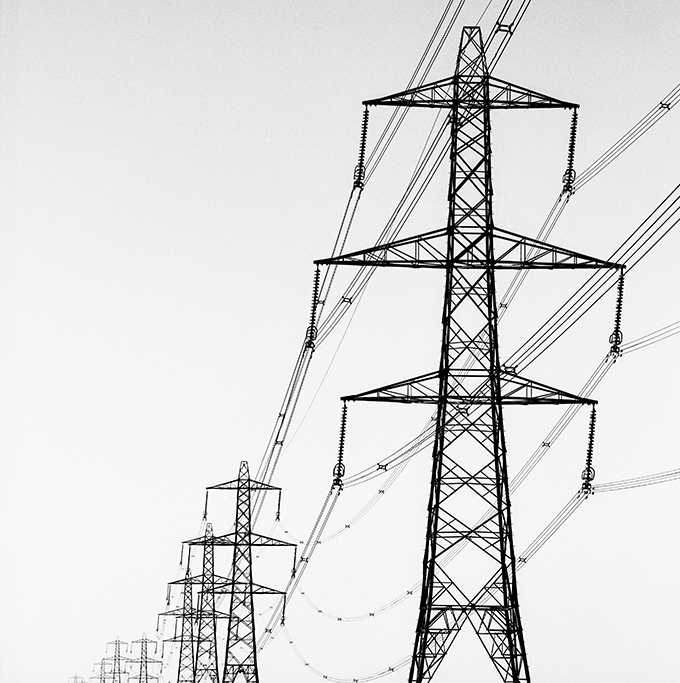
The Sorcerer’s Apprentice
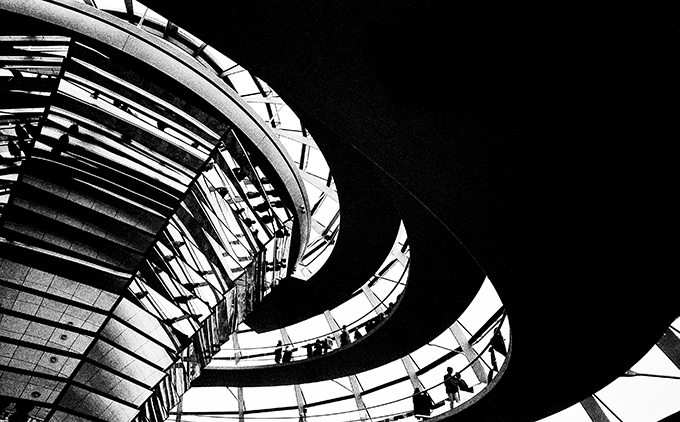
Orbits

Double Ovals by Henry Moore
.
Exhibition photographs ©2013 Hardy Lamprecht, additional photography by Cooper+Spowart
Essay ©2013 Doug Spowart
. This work is licensed under a Creative Commons Attribution-NonCommercial-NoDerivs 3.0 Unported License. . .
VISITING ARTISTS: Foto Frenzy ‘Exploring Photography’ Workshop @ Mt Barney Lodge
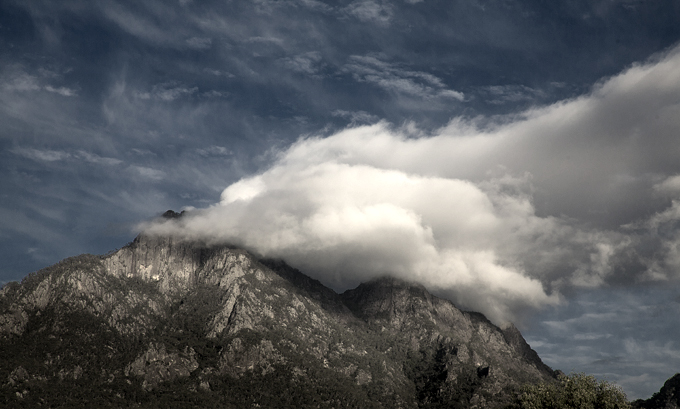
Mt Barney soon after dawn
.
Last weekend we participated in a Foto Frenzy workshop at Mt Barney Lodge in South-East Queensland’s World Heritage listed Scenic Rim.
This bushland retreat is nestled in a valley only a few kilometres from the rugged Mt Barney peak alongside the upper reaches of the Logan River. The location for the workshop is ideally suited for photographers as there are views of both pastoral and rugged natural landscapes in abundance.
.
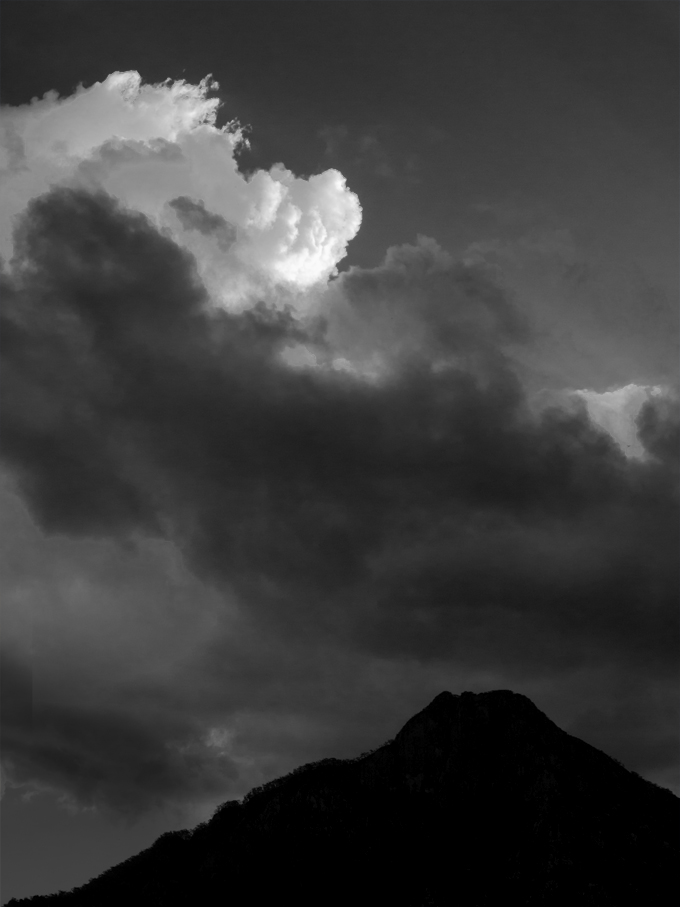
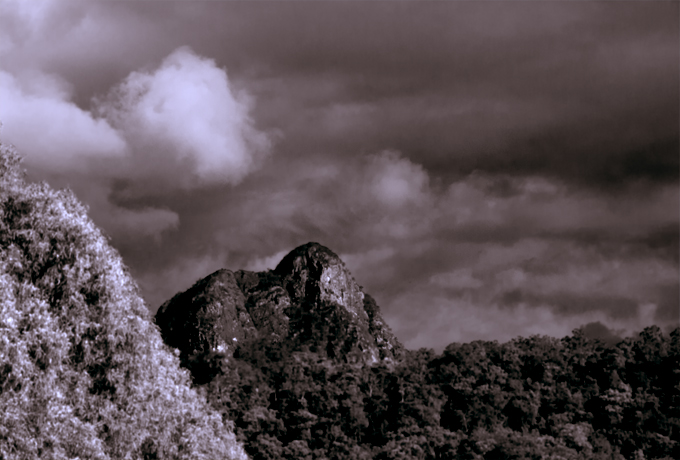
Late afternoon clouds over the Mt Barney peak

An early morning encounter
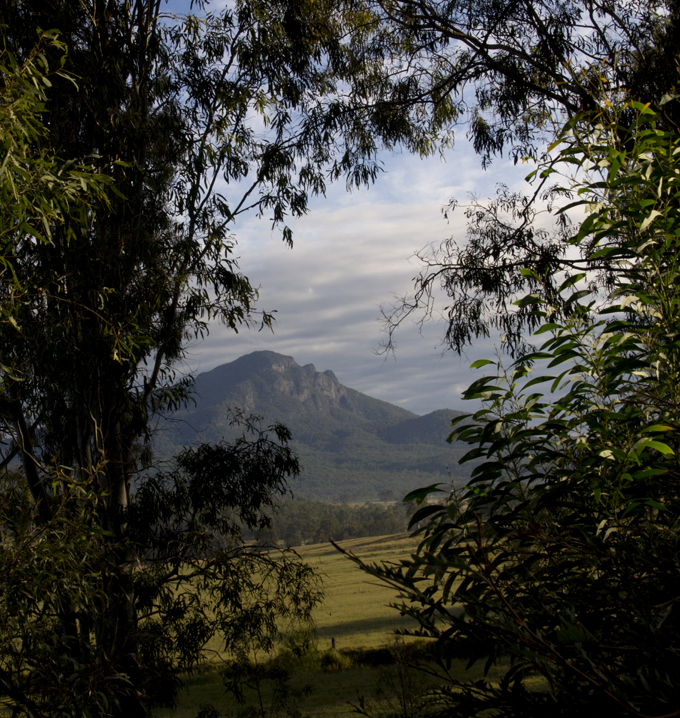
A nearby peak
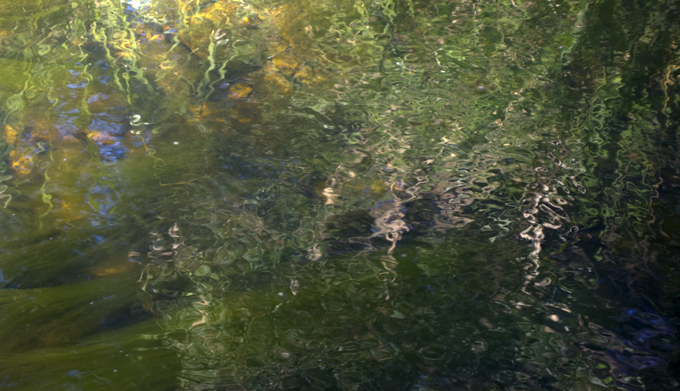
Reflections on the upper Logan River
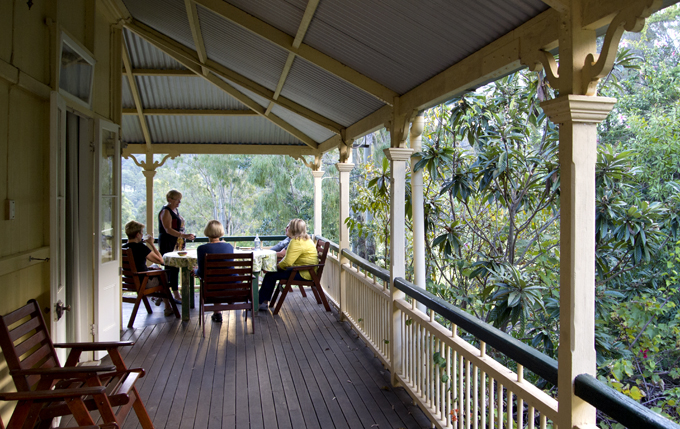
Workshop participants relaxing in their accommodation @ Moringararah Homestead, Mt Barney Lodge
.
Workshop lecturer Darren Jew links opportunities for photography with a hands-on computer set-up with a fine art printing facility. Participants start with an inspirational introductory session followed by colour management induction and calibration of their monitors to ensure quality output.
The keen photographers assembled pre-dawn on Saturday to witness and photograph the setting full moon behind the Mt Barney summit and a cloud-streaked sunrise.
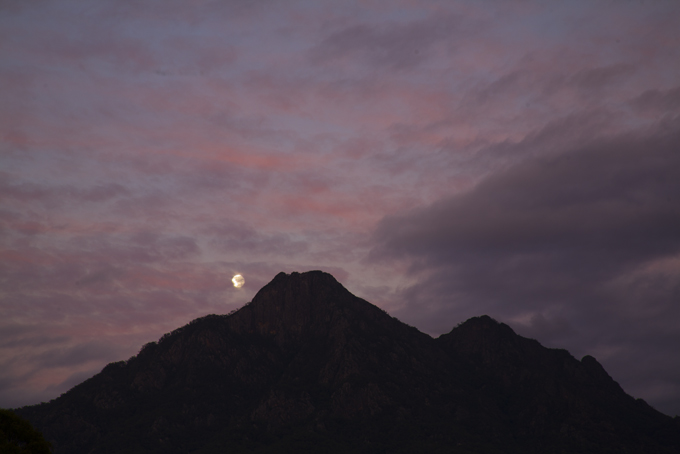
The setting moon over Mt Barney
.
Darren, assisted by Vicky and I, worked with the photographers to ensure that they made full use of the photographic opportunities provided. Breakfast followed and the work of editing and optimising files was carried out with tutorials presented by Darren.
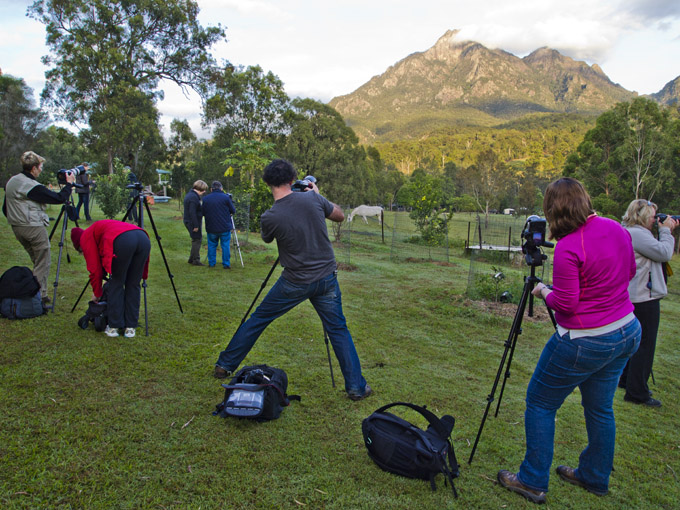
Darren working with participants @ dawn
.
As part of our visiting artists program we worked with the participants offering suggestions and ideas for image enhancement. Other projects undertaken with the group included the setting-up of a camera obscura in Boolamoola Homestead and a ‘projection and light painting’ on Saturday evening.
For many years we have created images of place by combining projected images with electronic flash light painting on outdoor subjects and buildings. These Projections or light sculptures are constructed from individual exposures to make a composite photograph. The final image or series of images presents the viewer with a visual story that is drawn from our exploration of, and empathy with, each place.
On Saturday night we included the participants to witness and make their own photos of the projection work around and on the Moringararah Homestead. The capture of separate elements for the final image was presented by Doug as a performance of how we work in these situations. First we projected a dawn image of Mt Barney over the front of the house for an initial exposure. Next, the internal house lights were switched on to create an exposure for the windows. Finally, additional flash work illuminated aspects of the garden surrounding the house–on this occasion the time exposure for the light painting enabled the ambient moonlight to create a glow in the sky.
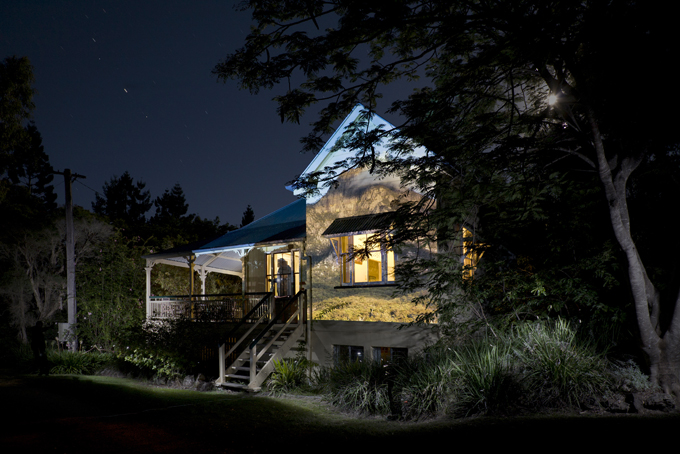
Moringararah Homestead projection and light paint
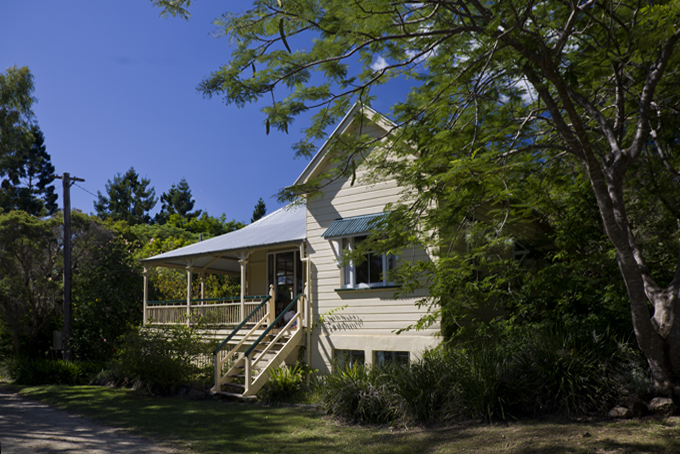
Moringararah Homestead in daylight
.
After this there was another ‘painting with light’ performance and photography opportunity for the participants in a sheoak grove by the small stream at the entrance to the Lodge. Each of the photographers present was given an opportunity to photograph the performance of the projection and light sculpting work.
.
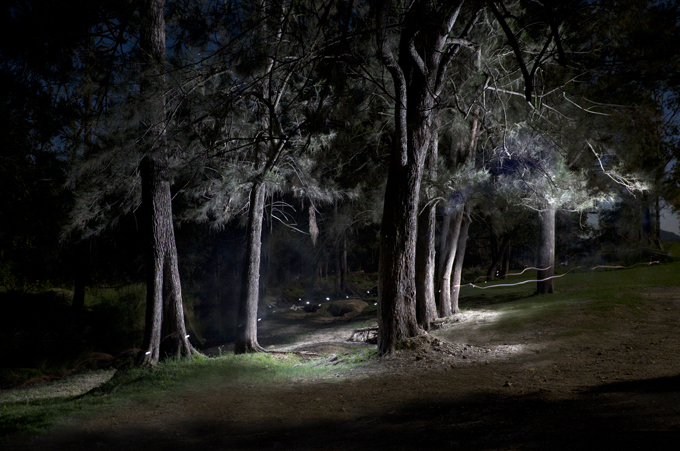
Sheoak grove light paint
.
On Sunday 28th April students were assisted in taking photographs for World Pinhole Photography Day using pinhole devices made at the workshop and fitted to their DSLR cameras. The Boolamoola camera obscura was also available to the students a subject to document or just experience..
The workshop concluded with a frenzy of fine art printing of student work overseen by Darren.
.
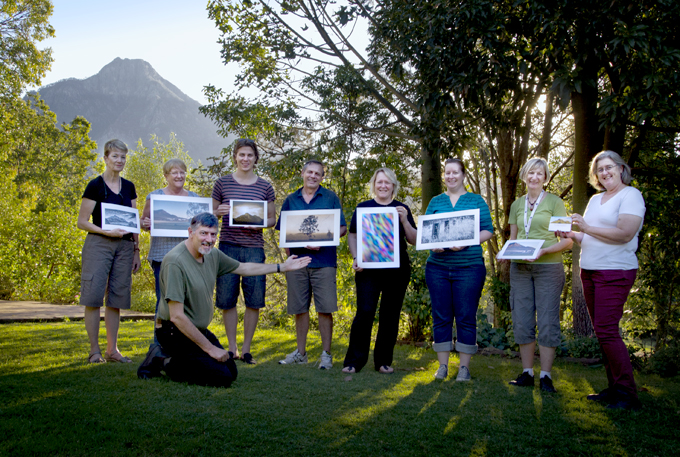
Student group Photo: Darren Jew
.
The natural location of Mt Barney Lodge, the facilities and catering provided by the owners Innes and Tracy Larkin helped to make the workshop a great success. The Lodge provides access to this remote and rugged part of South East Queensland. For accommodation and camping information see their website HERE
This region, alongwith most of Queensland and other Australian places of natural beauty and agricultural importance, is under threat of Coal Seam Gas extraction and open cut mining – Being in this place makes you realise the need for care and consideration of the natural places in this energy hungry, development crazy world. For details of CSG and mining in the Scenic Rim click HERE

.
OTHER IMAGES FROM THE WORKSHOP FOLLOW


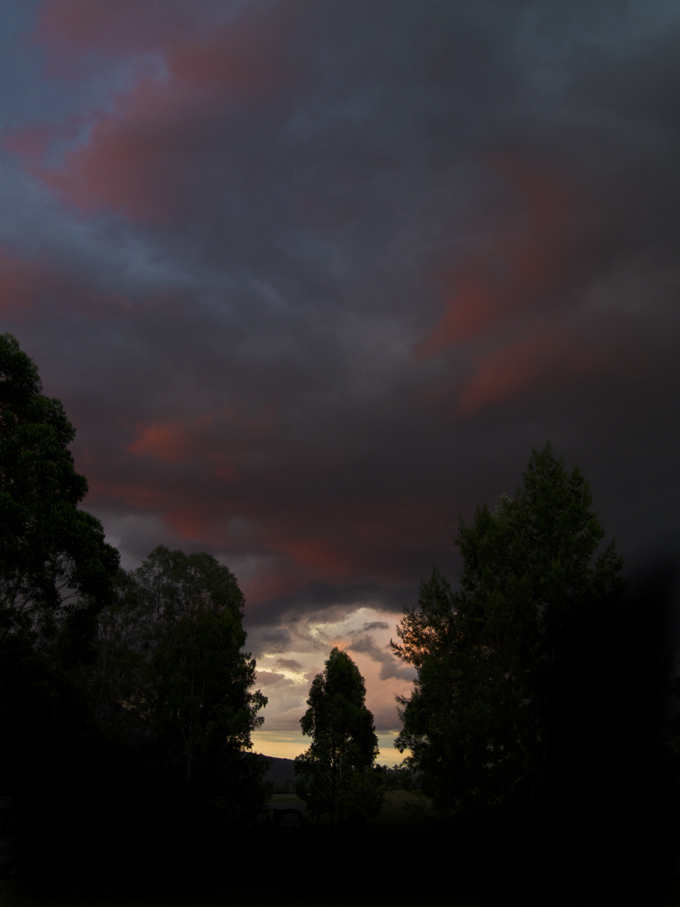
.
All photographs and texts © of the authors 2013.
This work is licensed under a Creative Commons Attribution-NonCommercial-NoDerivs 3.0 Unported License.
.
.

 wotwedid
COMMENTARIES: ARTISTS BOOKS … AS POPULAR AS TATOOs!
leave a comment »
The wide view
COMMENTARIES ARISING FROM THE SLQ SIGANTO FOUNDATION SEMINAR
The trouble with artists’ books
State Library of Queensland – May 4, 2013
.
The quote “artists’ books … as popular as tatoos” was an opening remark by gallerist Noreen Grahame
.
In Volume 7 of the Bonefolder e-journal I reported on the dual artists book events of the 2010 Artspace Mackay Focus on Artists Book V, event and the 3rd Libris Awards. In this report I commented on the speaker’s presentations and reviewed the artists book award. I then concluded that these events were integral to the development and maintenance of a community of practice for those who make artists books in this country. Three years on the energy and enthusiasm for artists’ books remains however the Mackay Focus event has been abandoned and some awards events have slipped from their usual place in the yearly/bi-yearly calendar.
We are indeed indebted to the Siganto Foundation and the SLQ who in 2012 made possible the Keith Smith and Scott McCarney workshop and seminar, and this year the The trouble with artists’ books seminar. It seems to me that artists book community in this country has a great appetite for information, connecting with the heroes and heroines of the discipline, learning about methods and techniques as well as participating in camaraderie with their peers. My concluding words in the Bonefolder report recognised the importance of events such as Artspace’s Focus on Artists Books and the Libris Awards as they invigorate the discipline and the art of artists books … The significant response to this seminar indicates that the pace and frequency of artists book events should not slacken – we want more!
The Bonefolder report concluding comments were:
Awareness of the origins of the discipline of artists’ books and the Australian context as well as issues of contemporary and emergent practice is a unique outcome for FOAB. Where else in Australia this year would one be able to experience, or participate in a program where issues as diverse as Avatars making books in their second life, the death of the book/author, wild books and zoo viewing of books, propositions for new perceptive literature, mail art and the products of psychometry being resolved as artists’ books? Perhaps attendees should be warned of the ride that they would encounter.
Central to need for the FOAB, as an event, is its ability to pull together artists’ book interested people and provide a forum for them to be a part of something bigger than themselves. Artists’ bookmakers are individual artists, sometimes collaborators, librarians, academics, gallerists and collectors are isolated as islands of interest in their usual place of activity. But at FOAB they meet, greet, mingle, chat, discuss, argue and get down to the flensing-out of ideas, polemics and concerns about practice and the book as a work of art. This blend of interested parties forms the nucleus, the hub, of the discipline within this country – without it, there would only be individual soliloquies in the wilderness
.
Julie Barratt
Julie Barratt – Artist
I guess really briefly what I got from ‘the trouble with artist book ‘ talk if I was going to quote is ” it seems the trouble with artist books is that there are too many to love!!!” On a more serious note I guess for me it always comes down to how we talk about/define an artist book, as an ongoing discussion.
Almost on a daily basis when I had the gallery (I always had at lead a few artist books on display) people would ask what these books are! How to define them without quoting Johanna Drucker? Should there be categories i.e. Sculptural, digital etc etc. How do we expect the audience to understand them if we as practitioners have difficulty talking about them? But how do we agree on a definition?
That’s what I imagined the forum to be about because ‘isn’t that the trouble with artist books’? Having said that I thoroughly enjoyed the forum and think there need to be many many more of them when in fact there seem to be less (Mackay forum? ) so that the discussion can continue….
Its always a pleasure to catch up with the artist book community, feels like a reunion every time!
Julie
.
Maureen Trainor
Maureen Trainor – Photographer and QCA Masters student
I found these presentations to be very informative and inspiring.
The content and sequence of the presentations were dynamic.
By breaking down the delivery into the three different viewpoints the three Keynote speakers were engaging and thought provoking.
Starting with Helen Cole presenting ‘the Librarian’s view’, Noreen Grahame presenting ‘the Gallerist’s view’, Jan Davis presenting ‘the Artist’s view’ and ending with an interactive audience time for ‘questions and answers’ was right on target with information.
The Hearsay team discussing their project was fantastic. Combined with humour and wit they certainly kept the attention of a diverse audience.
I truly enjoyed the afternoon and felt I could of stayed into the night with more speakers and presentations.
Maureen
.
Monica Oppen
Monica Oppen – Artist and collector
The Trouble with Artists’ Books (and the Libris Awards)
Coming away from the SLQ seminar where the attendance was so strong and having attended the opening and announcement of the Libris Award at Artspace Mackay the conviction that has risen strongly in my mind is that there is a real need for events such as the SLQ Siganto Seminar. The strong attendance not only indicates a real interest in the topic but a desire of artists to reconnect with others working in the field. As Helen writes in her post about the Libris Awards, and I can vouch for it, there were very, very few artists there but also no other significant persons from the institutions who have an ongoing interest and involvement in artists’ books were there. The tyranny of distance and the associated costs of travel and accommodation will only be overcome by creating an event that is worth travelling for.
The topic The Trouble with Artists Books is pertinent and complex and was way too big to handle in one afternoon; a multi-day conference could have been structure around this topic. Time restrictions meant that Jan Davis and Noreen Grahame could only touch on, hint at and introduce the work/books from which a broader discussion could have expanded. The sense that there is a need for these seminars (judging from the attendance numbers) also hopefully indicates a need for more rigorous, mature critical discourse around the genre, a breadth of conversation and argument. Does the constant discussion of definition and the non-committal responses from ‘those who should know’ arise from this lack of discourse? I don’t consider the definition ‘if the artist calls it a book, it is a book’ to be an adequate, exciting nor empowering definition unless some force is allowed to work in opposition to it, that demands a justification, demands some critical analysis. The lines will always be blurry but this could be an energizing force and contribute a dynamism to the genre. By not taking a stand are we in fact leaving definitions to the gallery? Surely the gallery as a medium is the antithesis of the (artists’) book. The gallery is exposed and extraverted; the book is enclosed and introverted. Always it comes up, the problem with exhibiting artists books— this is because books are not meant to be exhibited, they are meant to be read. What are the implications for the genre if books are only viewed in the gallery, and more seriously if the gallery maintains a ‘no touch’ policy? Ironically, making a (artist’s) book was originally about abandoning the gallery; about the subversion of the commercialism of the art object. The book was meant to be a free-floating object in wider society. Where is that rebel spirit?
A hundred more questions could be asked. I hope the SLQ seminar is not a one-off but gives an impetus to more symposiums throughout the country.
Monica Oppen 14/5/13
.
Judy Barrass
Judy Barrass – Artist
THIS COMMENTARY COMES FROM JUDY’s BLOG – ‘Critical Mass’ http://www.criticalmassblog.net/2012/?p=2568
No one can agree on what they are, or even where the apostrophe should be placed, but a seminar on artists’ books at the State Library on Saturday drew a crowd.
It was a rare get-together of artist book makers and officianados, with attendees travelling from other states and regional Queensland just to attend the two-and-a-half-hour seminar and catch up with old friends.
According to the speakers, librarian Helen Cole, gallerist Noreen Grahame, and artist book maker and academic Jan Davis, artist books are problematic. That’s not just because no one seems to be able to agree on a definition, but also because they are hard to store, hard to display, and are not usually included in mainstream collections or exhibitions. They attract mostly a smallish group of makers and collectors and don’t sell in large numbers. Despite this, artists’ books draw a passionate audience of makers and supporters whenever they are on show (or whenever there’s a seminar).
Queensland has been a leader in the artist book phenomenon. The Queensland State Library is a significant collector, and Grahame Galleries took an early leading role. Artspace Mackay and Noosa Regional Gallery added public gallery support to exhibitions and collecting.
Someone suggested that it’s an inbred audience made up almost entirely of artist book makers, but a show of hands in the crowd on Saturday debunked this myth since at least half the attendees were not makers. Still, as Noreen Grahame remarked, artist books are a sort of ‘underground’ movement outside the mainstream.
I can’t help wondering if this is merely a question of naming. By calling these artworks ‘books’ they are relegated to the collections of libraries rather than art galleries, or they exist in a no man’s land between library and gallery. Nonetheless I have seen many works in public art gallery collections that could (or perhaps should) be called artist books. The boundaries are thin and flexible, and this was evident at the seminar. The mantra seems to be that if the artist calls it a book then it is a book.
One of the more interesting questions on the day was about the growing number of artist books that exist only in digital format. Helen Cole said the library was considering how these books might be collected and preserved, but indicated it was extremely difficult, particularly as technology changes so rapidly and formats and software become obsolete. Noreen Grahame solved the problem by referring to digital books as ‘ephemera’, and Jan Davis thought the number of artists working in the digital realm was small.
Following the discussion, a very chatty audience enjoyed a scrumptious afternoon tea and the launch of Hearsay, a large format collaborative artists’ book by artist Euan Macleod, printmaker Ron McBurnie, and writer Lloyd Jones. They apparently didn’t worry too much whether or not their work was or was not an artist book, but have sensibly hedged their bets by also producing the pages as a portfolio of unbound prints (in case anyone thought it wasn’t art, or more probably because the portfolio might be more saleable than an artist book ).
The seminar ‘The Trouble with Artist Books’ was sponsored by the Siganto Foundation through the Queensland Library Foundation.
The State Library artist book collection is part of the Australian Library of Art.
(Thank you Judy for allowing this re-posting in this blog)
.
.
Wim de Vos
Wim de Vos – Artist
‘The Trouble with Artists Books’
The lecture sponsored by the Siganto Foundation was very well attended by a large audience of art practitioners, administrators, and lovers of Artists Books, and was introduced by the new head of the State Library, Janette Wright. The speakers were Helen Cole, Senior Librarian of Special Collections at the Library; Noreen Grahame, Gallerist and long time respected promoter of the Artist Books within Australia and Internationally; and Jan Davis, Academic, and practitioner of Artists Books at Southern Cross University, Lismore, NSW.
Technically the lecture was informative, ran smoothly and was very well presented.
It was great to see so many practitioners (well over half the audience) and the general public, as this event facilitated a forum – to share, and some time to catch up with friends and colleagues. This has over the last few years become non-existent with the loss of the Art Space Mackay Artist Book Forum. Also the Noosa Regional Gallery’s ‘demise’ of the Artists Book annual exhibition was a sad occurrence. In addition, both venues offered successful workshops with renowned National and International Practitioners in the Visual Arts to nurture the visual arts and the book.
Many aspects of the development of Artists Books were addressed. Helen Cole addressed the ‘Trouble with Artists Books’ from a Librarian’s point of view, in that, because they were ‘Artists Books’ and diverse in so many ways, the logistics of preservation, cataloguing and storage were ‘Troublesome’. Furthermore, it was stated that the ‘Galleries’ had passed the Artists Books onto Libraries to display and make use of them, and by making Libraries the custodians of the ever-growing phenomenon of the Artists Book.
The concept of Artists Books is generally not an easy topic to present. It is in fact generally not understood at all. A friend recently pointed out, ‘I didn’t even know that an artist book existed, but as I have learnt through the language of art over time, I can say, I view this process as Book Works by Artists.’ A major exhibition of books of this nature: DAS BUCH was presented at the Queensland Art Gallery in association with the Museum of Contemporary Art in Sydney and the Goethe Institut in Germany during 1992. This was, I’m sure, a huge influence on art practitioners and the public. At the time, it placed an emphasis on the ‘Book as Object’ in a context never before experienced in the Antipodes. There has been no major exhibition of this type in a public gallery in this State, since.
As I am a practising artist and maker of prints, paintings, and sculpture, and work with a wide variety of materials, the book as object comes naturally as a medium to extend my practice. It has in fact tied together all my processes of making art, including text, giving me the freedom of story telling on many levels.
I observed, as the afternoon progressed, that in the presentation not all aspects of Artists Books practice was being fully covered and explored by the presenters. This became, indeed, troublesome. There is actually content within books, books with text, images and text, objects and materials, and so on. There was very little mentioned on the subject of the Sculptural Book or the Photo Book. A visual list WAS presented with images of the types of books that were in the collection of the Library. But no further elaboration was offered to those in the audience that were not already ‘in the know’. The State Library of Queensland has one of the largest collections of Creative & Historical books in the southern hemisphere.
Let it be said that we can be proud of a comprehensive, diverse, eclectic and public collection of books – particularly in the collection of Contemporary Art practice in Queensland and beyond. It is promoted that it ‘may be visited at any time, by appointment’.
I recognise that there is not time to cover everything fully. This made duplication and repetition even more irritating. Time may have been used more productively.
The lecture continued with the history of the Artists Book and it’s growth within Australia over the last 30 odd years. This painted an impressive picture of collections and practise over that time. Artists were mentioned who were instrumental in its development, but presenters did not go far enough on this issue, and failed to mention key motivators: artists both local and international. There was a ‘flow of words’ promoting a few artists over and over again. When the presentation of ‘Favourite Artists Books’ was introduced the theme of the lecture was totally abandoned. We were presented with a self-indulgent diversion as to what the book may mean only to the ‘literate Artists Book fans’ present.
It would have been more useful to give the audience an indication of how they may wish to learn more about Artist Books through the public and private system. There was enough talent and experience behind the microphone to impart this information. It seemed much of this lecture was preaching to the converted.
Afternoon tea on the terrace was followed by the launch of a collaboration of an Artist Book created by two well-known visual artists: Ewan McCloud and Ron McBurnie, and the writer Lloyd Jones. This was a very good presentation chaired by Suzi Muddiman: Director of the Murwillumbah Regional Art Gallery in NSW. This gave the opportunity for the layperson to experience the processes of collaboration in art making.
As there are no indications of any follow-up lecture or activities relating to Artist Books, it would be worthwhile to plan something on the promotion and educational aspects of Artists Books. I am sure it would be a great success.
A ‘large bouquet’ to Helen Cole in particular, and the State Library, for organising this generally informative and pleasant afternoon. We look forward to a more expansive event in the future.
Wim de Vos
.
.
Peter Lyssiotis
Peter Lyssiotis – Artists book-maker and photomonteur
Peter’s letter
.
A vodcast for the event is available at http://www.slq.qld.gov.au/audio-video/webcasts/recent-webcasts/siganto-seminar
.
Cheers Doug+Victoria
.
.
© Of all texts resides with the authors
Photograph of the SLQ Theatre, Julie Barratt, Monica Oppen, Wim de Vos © Doug Spowart 2013. Self-portrait of Maureen Trainor ©2013. Judy Barrass portrait supplied by Judy.
This work is licensed under a Creative Commons Attribution-NonCommercial-NoDerivs 3.0 Unported License.
.
.
.
Share this:
Written by Cooper+Spowart
June 3, 2013 at 1:56 pm
Posted in Artists Books, Meeting People, Reviews, Wot happened on this day
Tagged with Artists Books, artists' books in Australia, Artspace Mackay, Bonefolder e-journal, commentary on artists books, communities of practice, communities of practice artists books, Focus on Artists' Books, Helen Cole, Judy Barrass, Julie Barratt, Libris Awards, Maureen Trainor, Monica Oppen, Peter Lyssiotis, Siganto Foundation, State Library of Queensland, the trouble with artists' books, Wim de Vos