Archive for the ‘Exhibitions’ Category
BOOKEND: Photobook Melbourne — what a read?
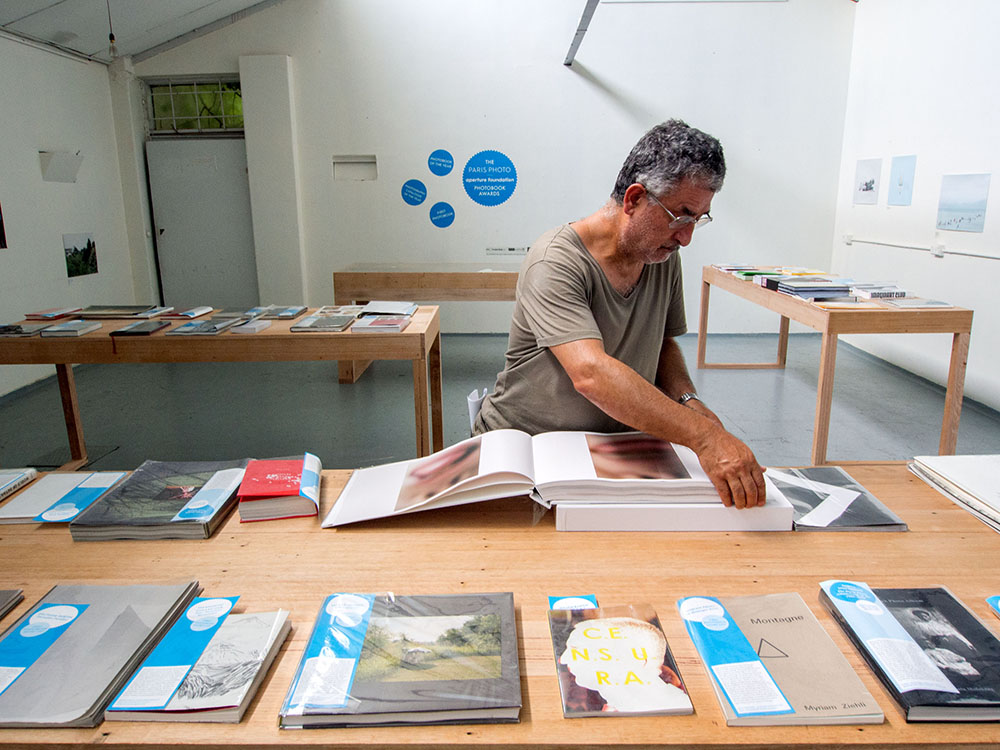
Photobook Melbourne: Peter Lyssiotis looking at an Aperture Books
We all know that feeling when you are really getting into a book, its narrative and flow, and then you reach the point where, as the last page is turned, you wish it could go on, and on… Photobook Melbourne (PM) was something of that kind of experience. The books seen, perhaps around 300, the exhibitions seen, and the people met now all vividly reside in memory and digital capture code.
The Photobook Melbourne event took place between February 12 to 22 it was coordinated by Heidi Romano and Daniel Boetker-Smith. It was always an ambitious undertaking. Its vision was to connect international photobook world with makers and lovers of the book from around Australia… and New Zealand. This was achieved through numerous exhibitions, library displays, photobook awards, forums and workshops.
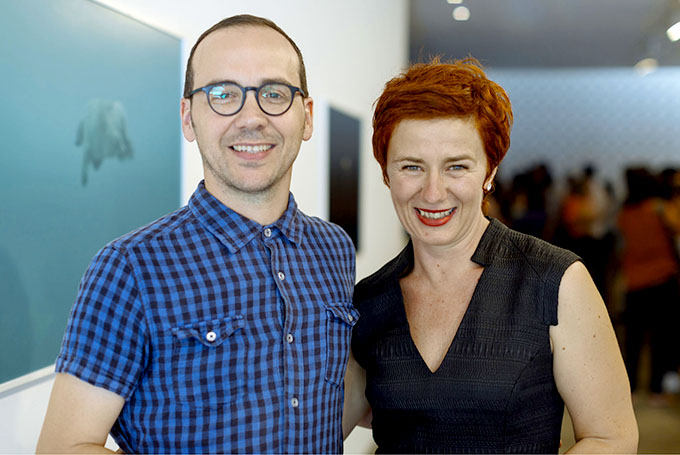
Daniel Boetker-Smith + Heidi Romano PHOTO: Courtesy of Lauren Dunn www.artdocumentation.com.au
Photobook Melbourne can only be described as a massive success. The photobook community of practice needs events like these so they can band together to affirm their interest and belief in the importance and creative power of the photobook. For once, the world of photobooks has come to us, or at least Melbourne, and for that we are a stronger and more informed cohort of makers, readers, collectors and lovers of photobooks.


Some of the attendees have responded to a request for comments – others are posts from Blogs and Facebook posts…
FROM JACOB RAUPACH: Photobook Melbourne was an amazing week full of a genuinely insightful mix of talks, exhibitions and book exhibitions, with the fair during the first weekend proving to be a great networking point for the rest of the week that followed. … I felt that the inaugural festival set an amazing benchmark for the following years! Looking forward to 2016.
FROM HARVEY BENGE‘s BLOG: On a zero to ten scale I’d give the festival a ten! Visit his site for more commentaries about photobook
FROM CHRIS BOWES: For someone naïve to the world of photobooks, Photobook Melbourne was an eye opening experience. Although coming in as a virtual outsider to this rapidly expanding art scene, I sank my teeth into as many of the talks, exhibitions and book collections I could manage, and came away a lot more informed than I was going in. Personal favourites were the Paris Photo – Aperture Foundation Photobook Awards exhibition, where the content of the books was engaging and the calibre unmatched, and ‘The Other Photobook Forum’, where in particular Gracia Haby and Louise Jennison showed that with a little creativity and business sense one can make a buck and do what they love.
FROM LIBBY JEFFERY – Momento Pro: The number of participants, visitors, books and buyers at Photobook Melbourne were fantastic and they confirmed that small press and self publishing is alive and well in Australia. The Awards and Book Fair also proved that a selection of high standard work is being created here, but a collaborative promotion and showcase of Australian photo books to the global market would benefit everyone.
FROM: ANGEL LUIS GONZALEZ FERNANDEZ Facebook Comment Back in Dublin after an amazing first edition of PHOTOBOOK MELBOURNE, having discovered tons of new work and books from Australia, New Zealand, and more -and having met a truckload of awesome people.
FROM KELVIN SKEWES: As someone that attended almost all of the events that were part of Photobook Melbourne I can only describe it as a tour de force for lovers of the Photobook. The festival opened on February 12th at the Centre for Contemporary Photography with Robert Zhao Renhui’s exhibition
A Guide To The Flora And Fauna Of The World and with a smoking ceremony by the traditional owners to welcome the festival to their land. Also announced on the opening night was the Australian Photobook of the year which was won by Raphaela Rosella for her unpublished book ‘We Met a Little Early But I Get to Love You Longer’ and I was humbled to be the runner up with my newspaper as photobook ‘Nauru: What was taken and what was given’. …
The main event for the first weekend of the festival was the Photobook Melbourne Book fair at CCP an event at was full of frenetic energy and far too many photobooks to browse let alone buy; amongst the many booksellers highlights included the infatigable Perimeter book with titles from Mack and Spector books and Anita Totha from Remote books who is doing to sterling job promoting photobooks from New Zealand. …
Great thanks are due to the entire Photobook Melbourne team so thank you Heidi Romeo, Daniel Boetker-Smith, esteemed guests Ángel Luis González Fernández, Ron Jude and the Dysturb Photo Collective, festival partners and sponsors Momento Pro, Photography Studies College, Copyright Agency and venues CCP, MGA, Strange Neighbour, Colour Factory, Neo Space, Baron Said and James Makin Gallery and to all the volunteers without whom this could not have happened so thanks to Felix Wilson, Kate Robinson, Bella Capezio, Katrin Koenning and countless others.
See you next year!
MORE COMMENTS WILL BE ADDED AS THEY BECOME AVAILABLE…
WHAT FOLLOWS IS A PERSONAL DIARY OF PHOTOBOOK MELBOURNE
Our arrival on the first weekend was delayed by my recent medical incursion so we fly into Melbourne on Wednesday. Through a friend we were able to stay in an apartment right in the middle of the city and our journeys out and about were by tram, train and lifts given by friends.
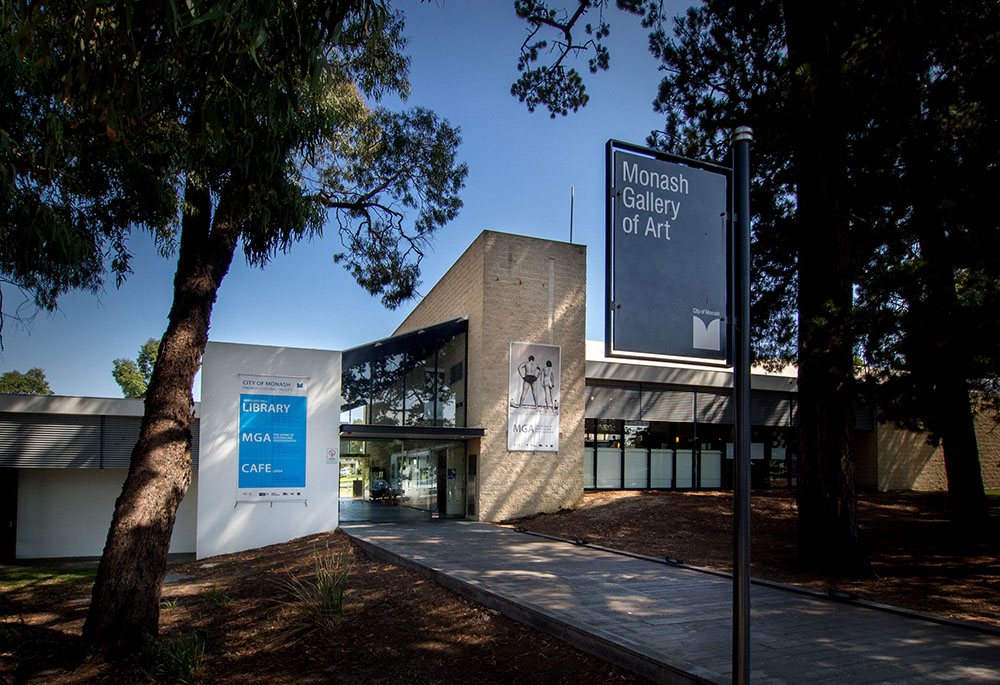
The MGA – The Home of Australian Photography
THURSDAY: We attended two book related exhibitions at the Monash Gallery of Art. Badged as the ‘Home of Australian Photography’ the gallery presented two photobook exhibitions, one of images from the collection that featured the theme of books and reading and was entitled ‘Light Reading’. The other was The Natural Collection an assemblage of books by The Photobook Club’s Matt Johnston and co-curated by Lucy Johnson. The Natural Collection brings together photobooks that explore “the harmony, tension and play” that occurs in the human relationship with nature and the natural landscape.
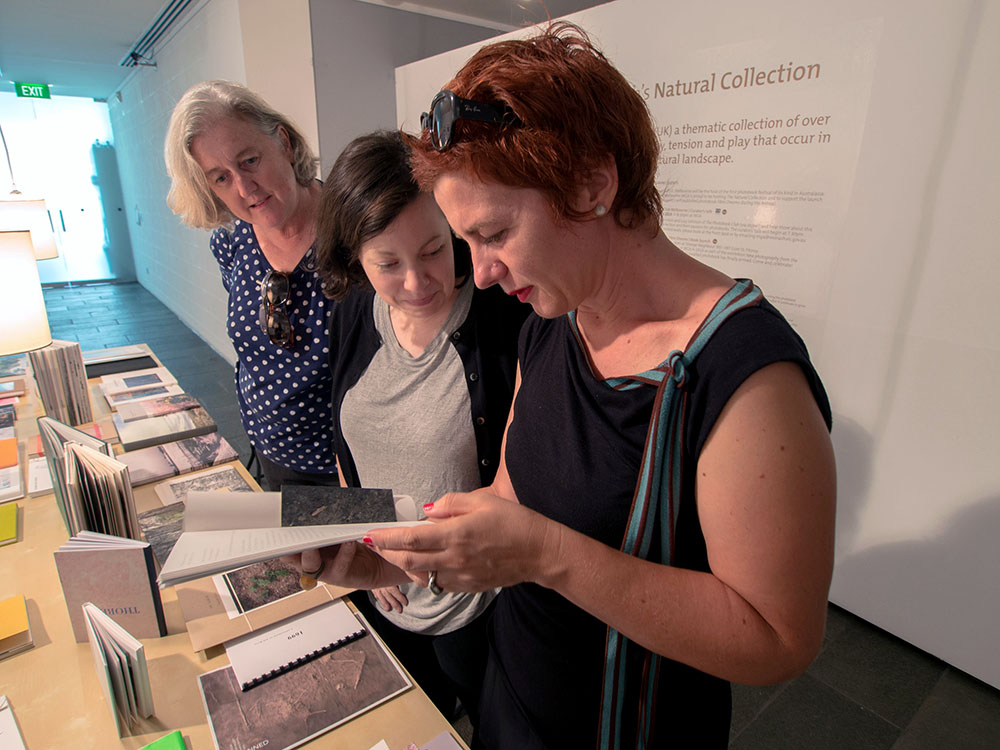
Heidi, Steph and Vicky discussing a book
The exhibition space was setup for readers to sit and work their way through a most interesting selection of Euro/American centric responses to the theme. Grand trade books sat next to simple fold ‘n’ staple zine-like booklets. We were there with Heidi Romano, Simone Rosenbauer from Sydney and MGA Gallery’s Education and Public Programs officer Stephanie Richter. We engaged in a spirited debate about book design; production methods and how to evaluate books.
That evening we attend a dinner for PM speakers, contributors, supporters and sponsors. By this stage it was acknowledged that the PM had been an enormous success so congratulatory statements were announced and a great feeling of an Australian photobook community being well and truly launched by this event.
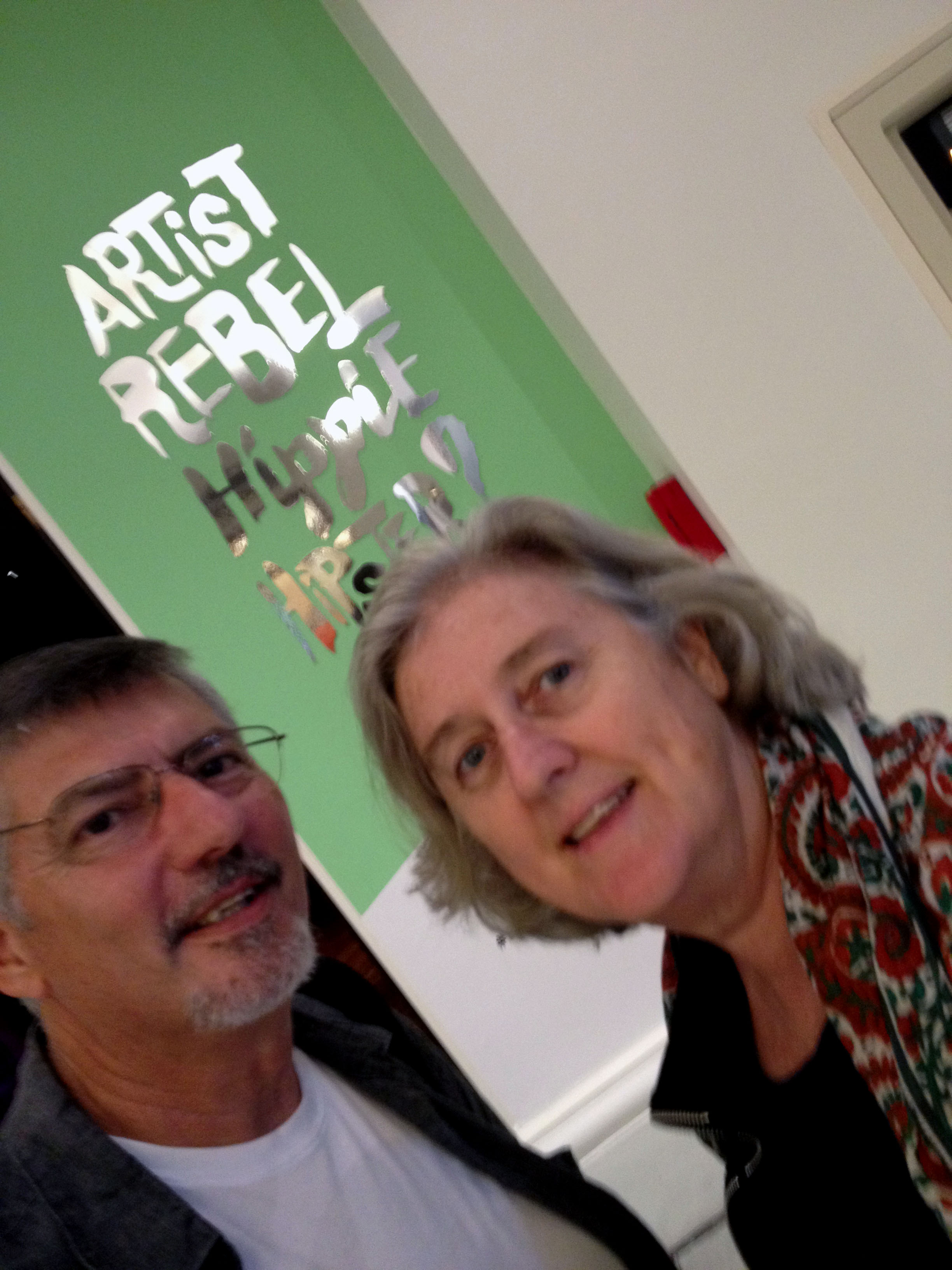
Bohemian Vicky+Doug
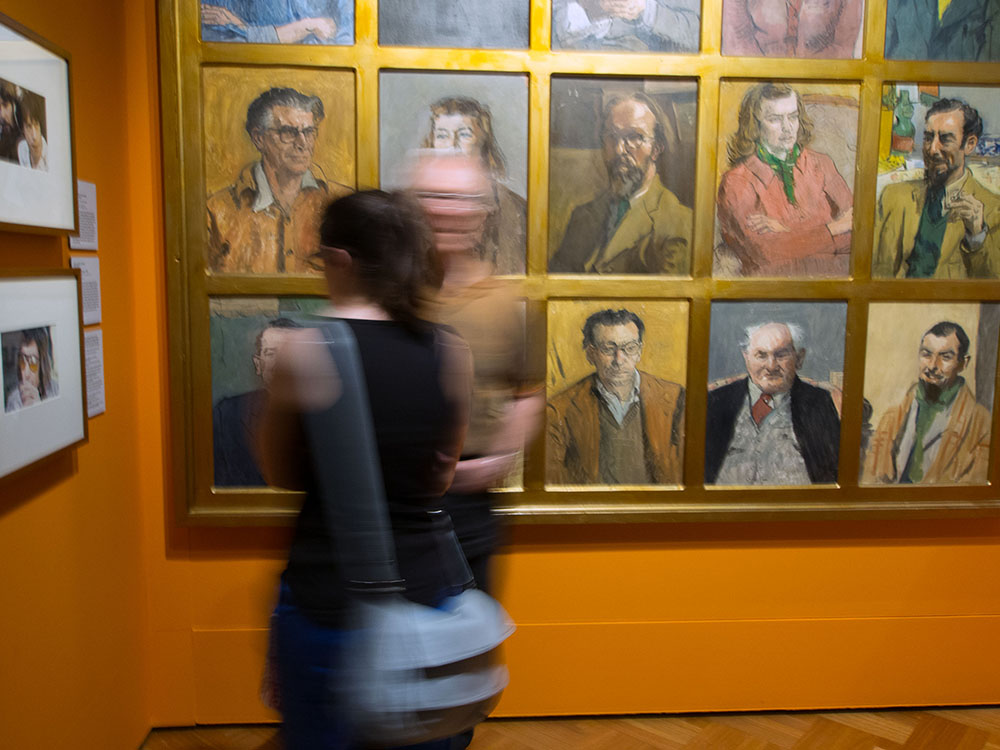
Bohemian Melbourne portrait wall
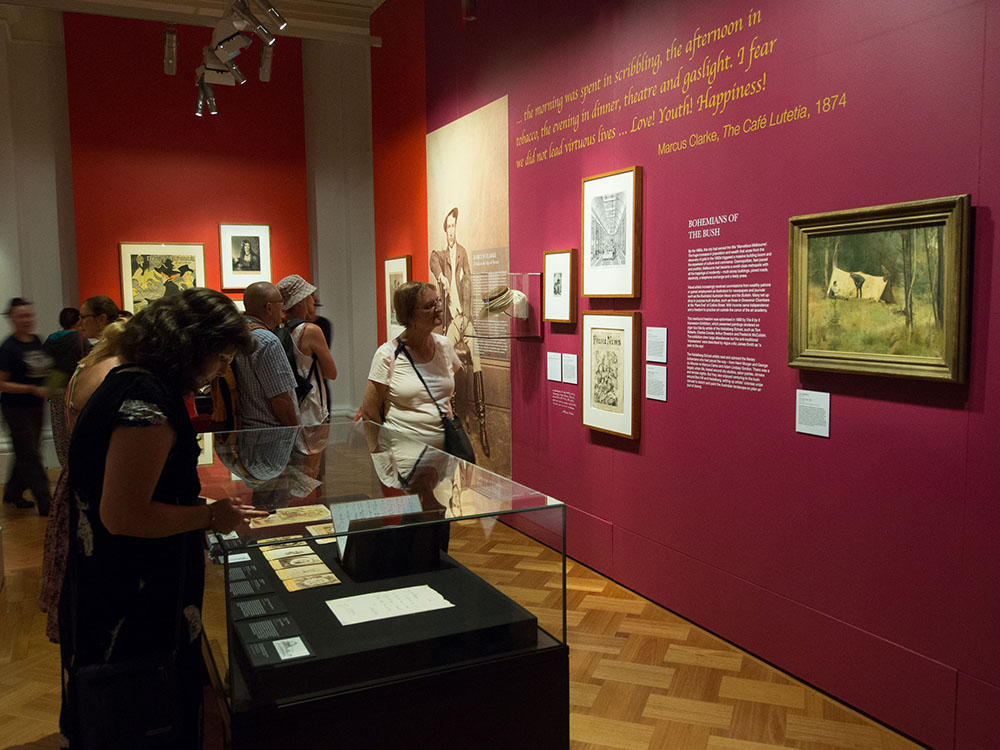
Bohemian Melbourne
FRIDAY MORNING: A breakfast of avocado, bacon and relish was partaken at a suburban street café while being interviewed by Australian Photography contributor Anthony McKee for a feature on photobooks. Morning tea with Robert Heather and Des Cowley at the State Library of Victoria and a visit to the SLV exhibition Bohemian Melbourne – a fascinating reflection on the creative, musical and arty sub-culture of Melbourne. Rennie Ellis’ photos contributed much to this history as well as poster art, paintings and the ephemera and memorabilia of the different eras represented by the theme.
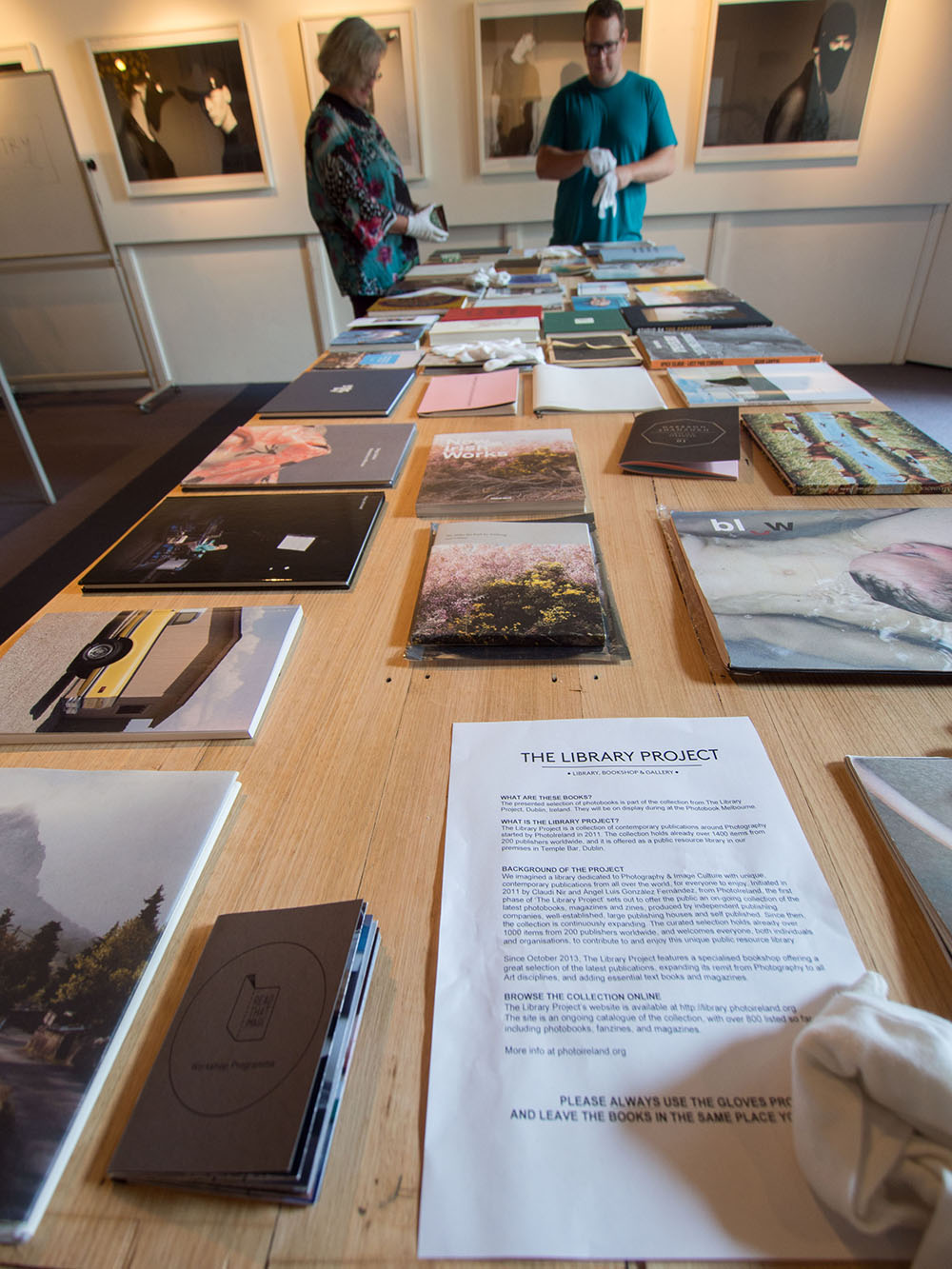
The Library Project @ PSC
FRIDAY AFTERNOON: We visited Photography Studies College to view ‘The Library Project’, a collection of photobooks brought to PM by Ángel Luis González Fernández from PhotoIreland. ‘The Library Project’ aim is to collect contemporary publications based on photography to create a public resource library. We viewed many books that are not easily available to see in Australia including Cristina de Middel’s Afronauts.
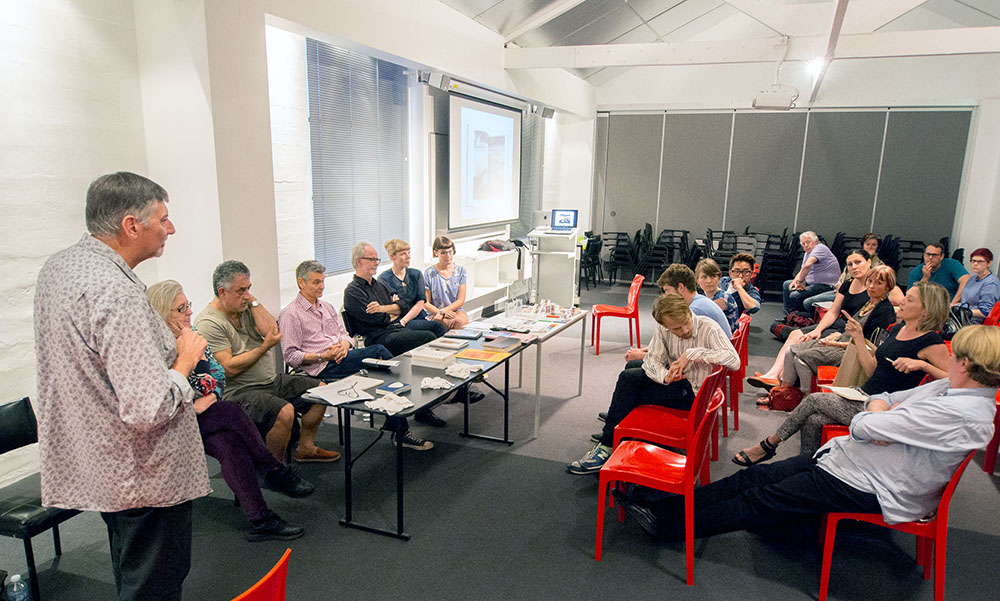
The ‘OTHER’ Photobook Forum – a question from the floor
FRIDAY EVENING: Later that evening we were involved with The ‘OTHER’ Photobook Forum – Artists’ Books, Zinesters and the Photobook took place. We have been working on this project for a couple of months now and we were able to bring together key practitioners from these ‘other’ photobook disciplines who discussed and provided commentary on their use of the photo in the book. The participants included photomonteur Peter Lyssiotis, zinesters Gracia Haby and Louise Jennison, artists’ book maker Dr Lyn Ashby, Des Cowley from the State Library of Victoria and Victoria Cooper who stood in for Georgia Hutchison who was unable to attend due to extenuating family issues.
It was an event that stirred much interest with artists like Deanna Hitti and Theo Strasser attending as well as Momento Pros’ Libby Jeffery, and photobook makers Kelvin Skewes, Daniel Boetker-Smith and Chris Bowes.
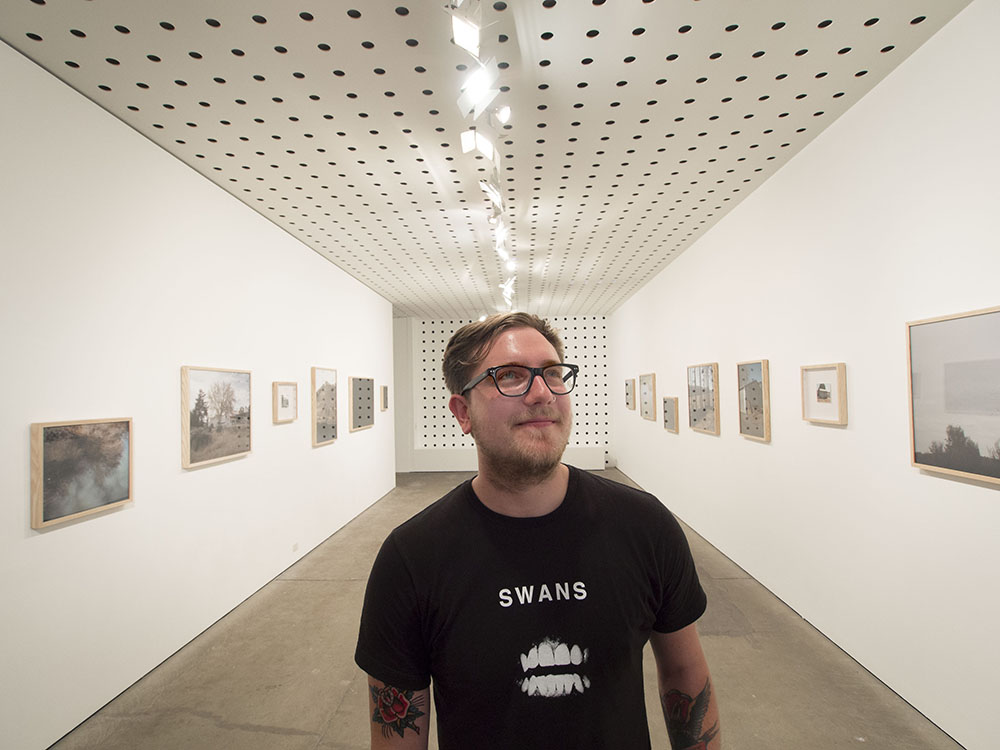
Jacob Raupach @ CCP
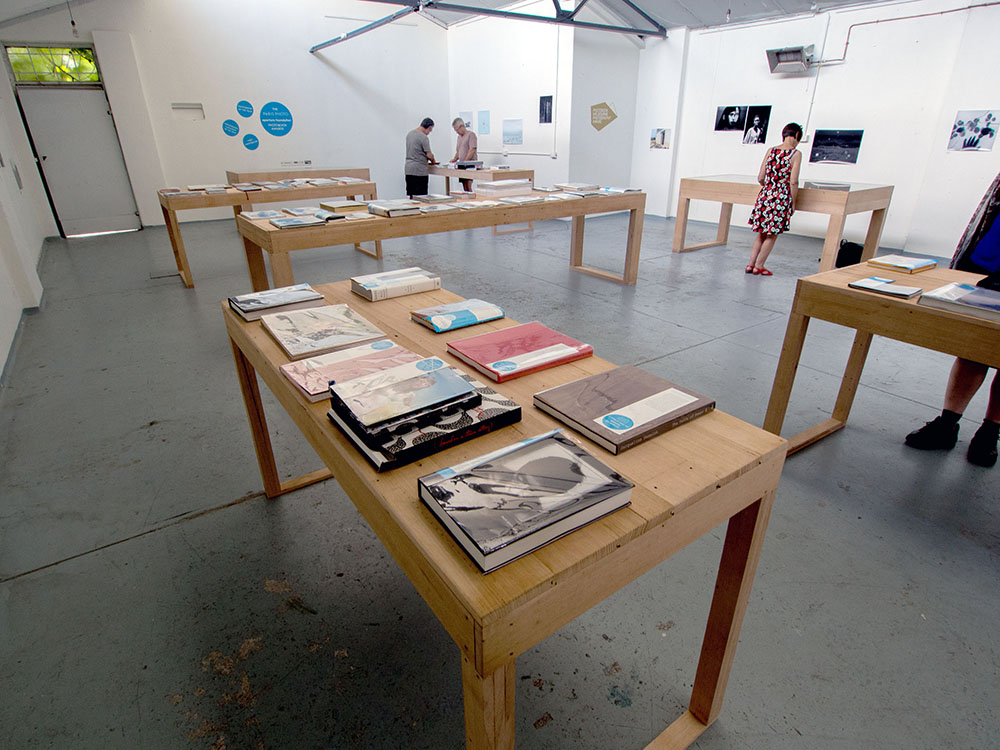
Aperture Books on display @ The Baron Said
SATURDAY: A day to attend artists talks at the Centre for Creative Photography by, amongst others photobookmaker Jacob Raupach and the exhibition FELL – Bought a copy of his latest book WEALTH. Following up with visits to the Momento Pro Australian Photo Book of the Year Award at the Asia Pacific Photobook Archive and the Aperture Photobook exhibition @ The Baron Said and a stimulating lunch with Peter and Tess Lyssiotis @Babkah.
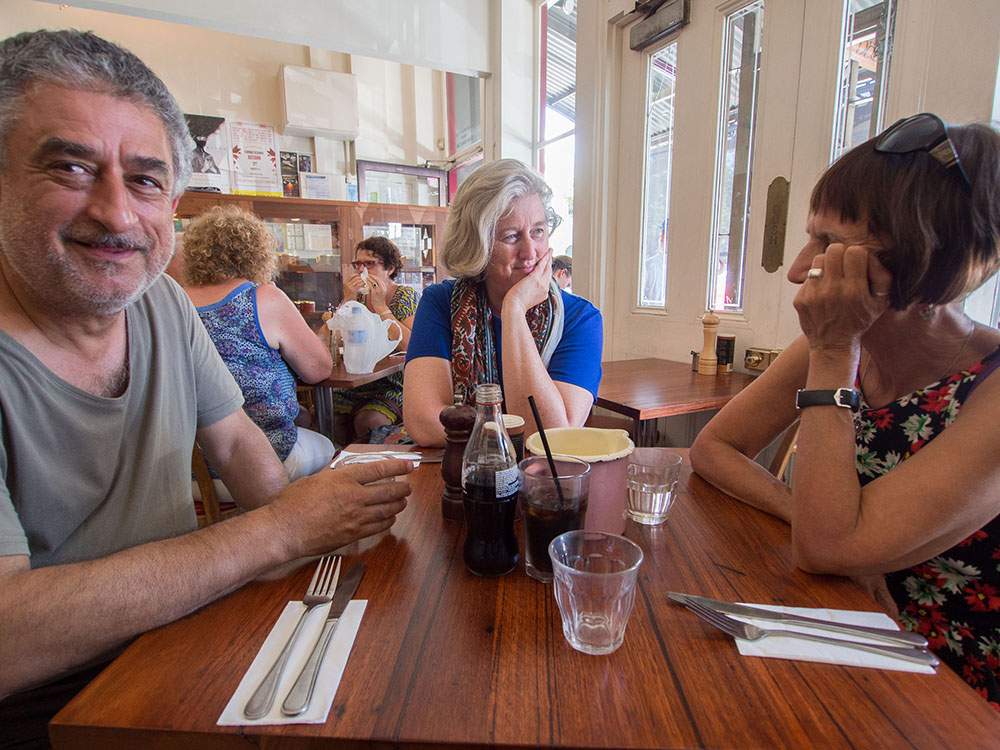
Lunch with Tess + Peter
Photobooked-out we headed back to the city by tram and had a chance meeting with Lismore artist and Siganto Artists Book Fellow Jan Davis who was attending a Print Council meeting – Only in Melbourne could strange intersections like that could happen.


SATURDAY EVENING: Melbourne White Night event
450,000 Melbournians took over the streets of the CBD – everything stayed open and performances and projections, bands and music were everywhere. Amongst other things we went to see the projections in the Dome at the State Library of Victoria at 10.30 at night – queued in line for 30 minutes with 1000s of others what a night…!
SUNDAY
A day of traveling home to cyclone weather drenched Brisbane.
UNTIL NEXT TIME —- For PHOTOBOOK MELBOURNE 2nd EDITION….
HABITAT OUT WEST: Environmental Art of the Darling Downs Exhibition
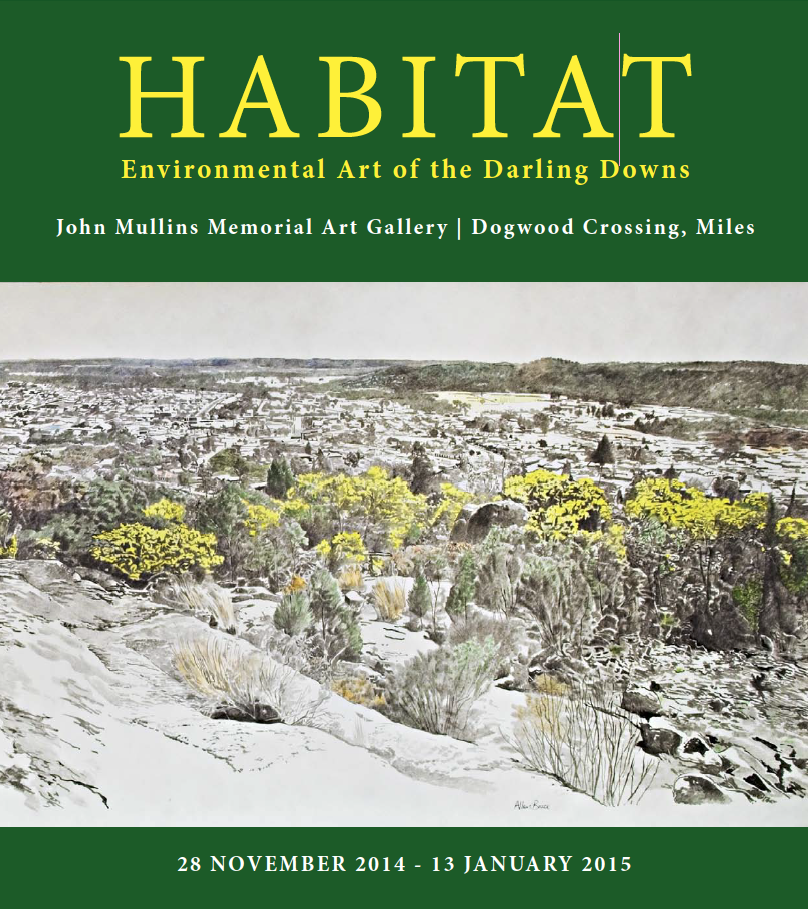
Curated by Ashleigh Campbell and Anne Keam.
When, how, and why did the locality Darling Downs come to be known as the Surat Basin? This question informed the exhibition curators Ashleigh Campbell and Anne Keam and with it came the recognition that such a shift was deeply important to the region’s connections and perceptions of their place.
.
Habitat is a word that accommodates the presence of life beyond the human shaped and perceived landscape. In any given habitat the living and the nonliving interact to the rhythms of the earth and the cosmos. As both observers and inhabitants, artists and scientists help shape human perceptions of and relations with the broader global environment. This includes the economy of the earth’s resources that supports humanity.
Campbell and Keam researched a broad range of influences including the natural and human habitat of the Darling Downs from colonial history to present. Through the eyes and minds of the region’s colonial and post-colonial artists, along with some scientific documentation and social artifacts, they sought to reflect on shift and its implications on the regions environment.
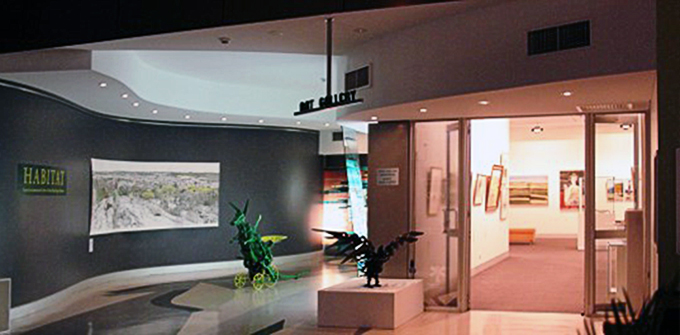
John Mullins Memorial Art Gallery entry – Dogwood Crossing, Miles.
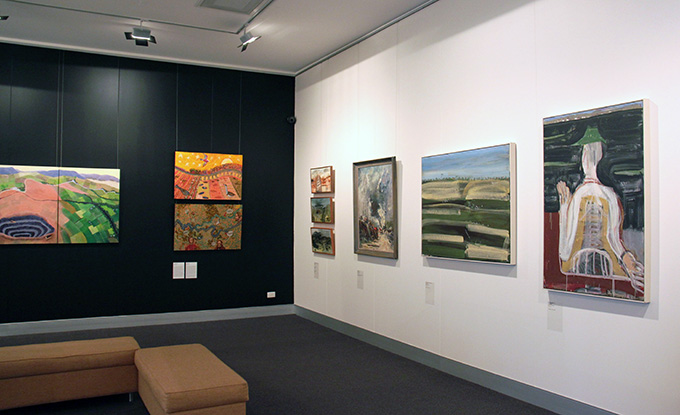
John Mullins Memorial Art Gallery interior
.
This exhibition brought together a diverse collection of works including: prehistoric fossils and other historical artifacts, references and narratives of the pastoralists struggle with the invasion of prickly pear cactus and other pests, floods and droughts. The artists represented in the show came from many disciplines. Paintings representing this landscape covered a range of movements and styles from romantic colonial pastoral period to impressionism, abstraction and modernism. Well known artists names: Kenneth Macqueen, Sam Fullbrook and Joe Furlonger are representative of the depth of creative work in this exhibition.
.
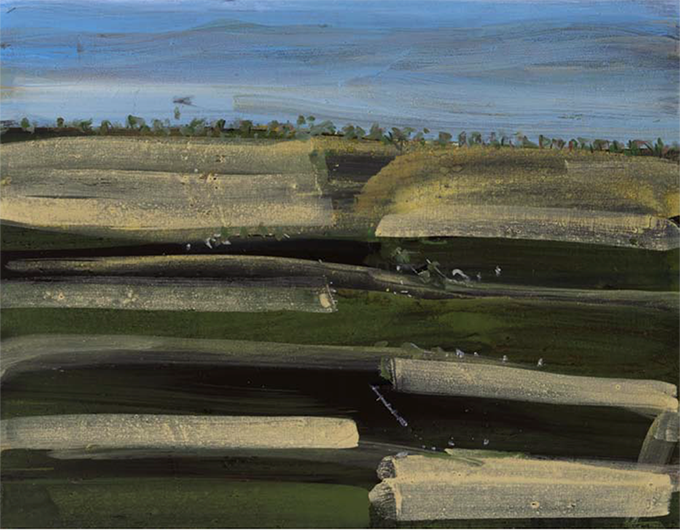
Joseph Furlonger Round Up Ready Field, near Dalby 2012 Acrylic bound pigment 91 x 122 cm Courtesy of The Hughes Gallery, Sydney
.
Some artists reflected on living with the natural environment as found in small corners of Patricia Hinz’s back yard in the work, Sanctuary (2014). Palpable in the drawing of Allan Bruce’s Stanthorpe, Late Winter (2008) is the feeling of being in the grand sun-soaked landscape of the Downs, and the relationship of small towns with the surrounding country. Bruce observes: “Stanthorpe is one of those towns where the natural and built environment coalesces almost seamlessly.”[1] The inventiveness and creativity that pervades every farmer’s shed and bushman’s camp is embodied in the sculptural work of Dion Cross’ Grass Harvester (2014), that highlights the competition for pasture between man and animal during periods of drought. The fine drawings of flowers and fungi by botanical artists and illustrators through scientific documentation reveal a deep understanding and investigation of the natural life forms found in this region.
.
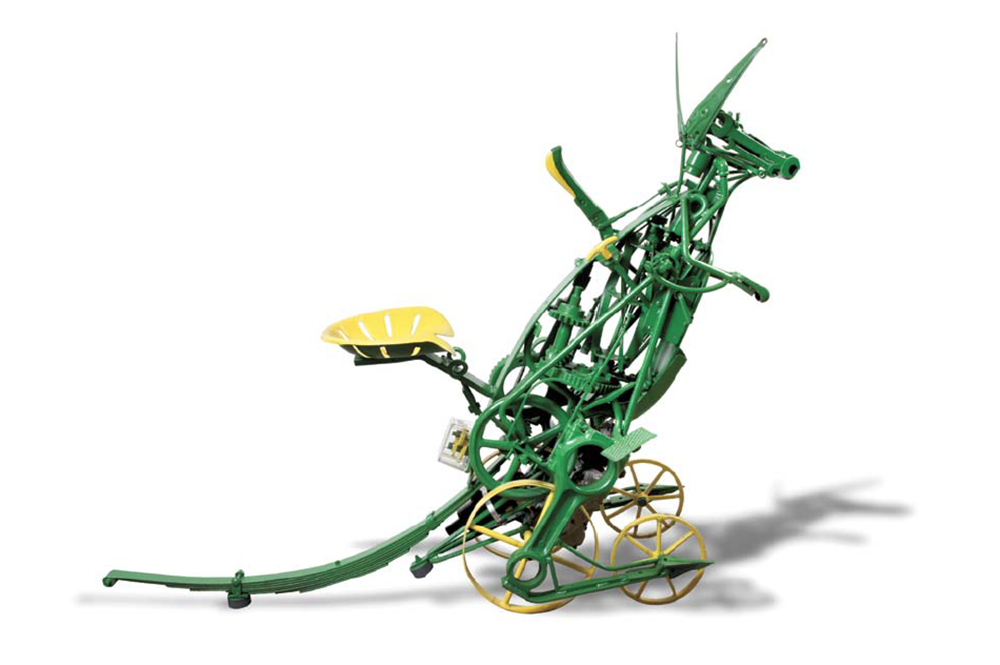
Dion Cross Grass Harvester 2014 Steel sculpture 150 x 60 x 180 cm Courtesy of the artist Image: Spowart + Cooper
.
Phil Bazzo’s painting, Miles: At the Crossroads (Triptych, 2008) presented two concepts: the physical nature of the intersections of roads in Miles including the dynamics of heavy road vehicles and the metaphor of crossroads to infer change and concerns for the future. Both found natural and manmade objects and materials were also utilized as the visual language of protest. This was evident in the mixed media works of Jennifer Wright (Summers): Searching for Life in the Anthropocene 1 (2014), using tea bags, feathers, fabric pen & ink, watercolour and Anthropocene Nest (2014), that was made from plastic bags and pelican bone. Nicki Laws’ Habitat Gone (2014) collaged and embroidered the materials found in the fluoro safety barriers widely used in the industries found in the region.
.
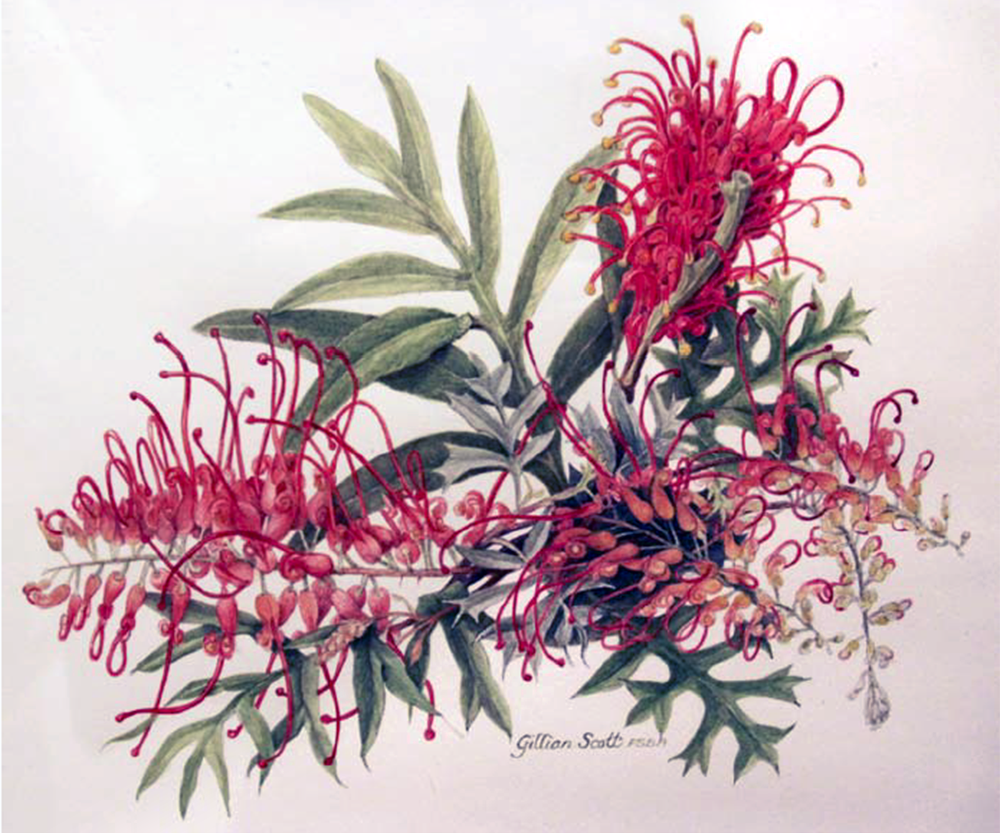
Gillian Scott Grevillea x ‘Robyn Gordon’ 1993 Watercolour on paper 25 x 35 cm Courtesy of the artist
.
The solastalgic plea for a balance with man and the land was also deeply felt when viewing the work of Barbara Hancock’s Brigalow Landscape (2014). Working with the land, technology and energy needs was also strongly referenced in the work of Sylvia Secomb (Mann), Synergism – Towards Regeneration I (2010), but also reflects on the question “What will we be leaving for those who come after?”[2]
.
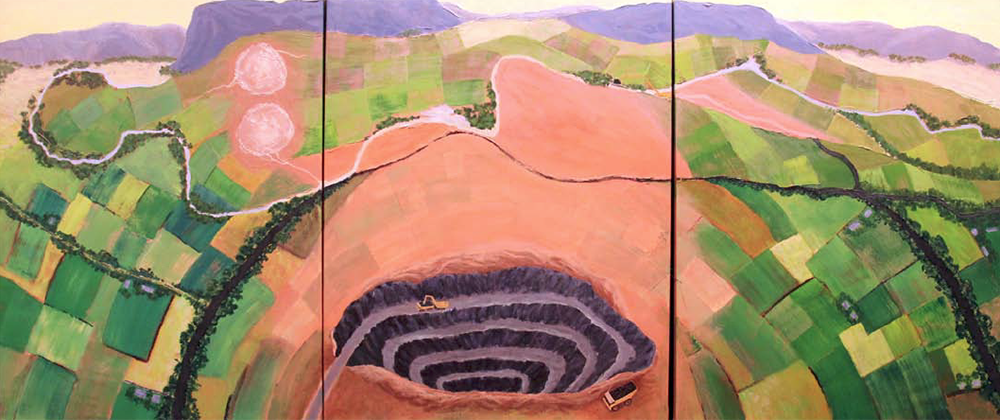
Sylvia Secomb (Mann) Synergism – Towards Regeneration I 2010 Acrylic and medium on canvas 91 x 213 cm Courtesy of the artist
.
For the city viewer who ventures out into the region to connect with this show, there is a unique experience: to be in the space and place of the exhibition, Dogwood Crossing, Miles, within the Habitat it references. This site-specific exhibition presents rare opportunity to engage with the historical and contemporary issues of living with the land through the creative energy and perception of those who chose to live and work in this region. The curators have also published an extensive and informative online catalogue to accompany the exhibition: Habitat_Catalogue or online at http://issuu.com/ourwesterndowns/docs/catalogue/1
Beyond the facts and information, the presence of a growing connection and love of the Australian environment pervaded strongly throughout this extraordinary show. Through visual story telling and lived experience, the artists and the curators have constructed a layered topology of the Darling Downs. A telling image of how the effects of a changing human condition: technology, energy and food production can be identified and chronicled through the artist’s vision.
.
Victoria Cooper
I am also privileged to have my work, 7 Gates (two forms: artists’ book, 2009; digital media presentation 2014), included in Habitat.
[1] Page 11, ibid.
[2] Page 21, Habitat: Environmental Art of the Darling Downs, 2014. The online catalogue for the show of the same name. See http://issuu.com/ourwesterndowns/docs/catalogue/1
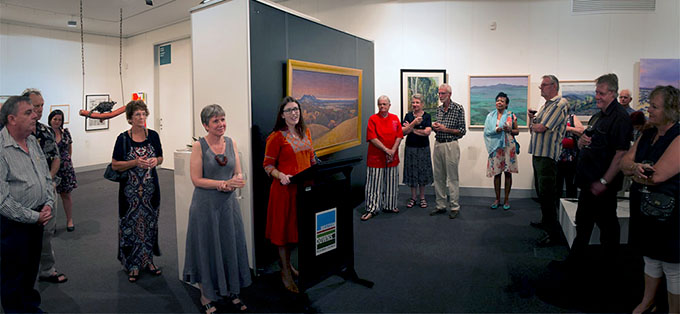
Anne Keam and Ashleigh Campbell at the opening.
DRAWING @ 2014 Jacaranda Acquisitive Drawing Award

Vicky disappearing into Wooli Escarpment 2014 by Andrew Tompkins
Jacaranda Acquisitive Drawing Award 2014
ENTRY DETAILS FOR THE 2016 AWARD can be downloaded HERE
Grafton Regional Gallery 18 October – 7 December 2014
The judge for 2014 was art critic and historian John McDonald.
Paul Klee is credited with stating that ‘drawing was taking a line for a walk’, and on viewing the current Jacaranda Acquisitive Drawing Award at the Grafton Regional Gallery one would come to the conclusion that the line meanders down a very wide path. What is on offer to viewers of the exhibition is an opportunity to engage with the many ways of telling a story through the medium of drawing. The media of drawing, as presented in the show, can be lead pencil, charcoal, brush strokes, hot wires, swipes of pigments, resin glossed over marker pen, fine paper cuts, inkjet applied lines and lines engraved in Perspex and yet there’s much more that that.

Part of the gallery installation of the JADA show
A drawing can emulate the camera’s slice of focus, and ability to capture a shape, a form or an association of elements. It can also be part of a process to unlock alternative or new ways of seeing or considering a subject. It may be the result of an artist’s doodle emanating from an unconscious experience. Some see drawing as a lesser art as it is usually a preliminary to the art making. In this space however, drawing in all its varied forms represents the strength of the discipline and easily dispels any challenges to it being an autonomous finished artwork.
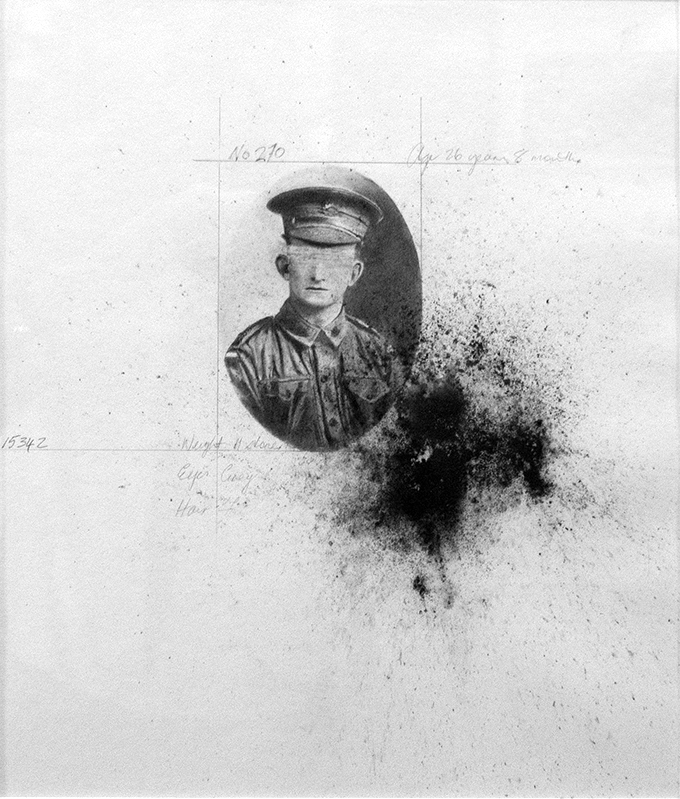
Christine Wilcocks’ Fit for Duty 2014
Some viewers may have an expectation that drawing relies on evidence of draughtsmanship will expect to see works exhibiting that skill. But just drawing to exactly mimic reality is not the way of the artist. In work entitled ‘Fit for Duty’ 2014* by Christine Wilcocks takes the direct transcript of a subject to another level in a portrait of a World War I soldier. The work comments on the man’s physical examination prior to being admitted to the army. The portrait’s eyes are covered by blankness and textual elements and an aggressive inkblot form provides the viewer with a reflection on the artist’s idea of the work.
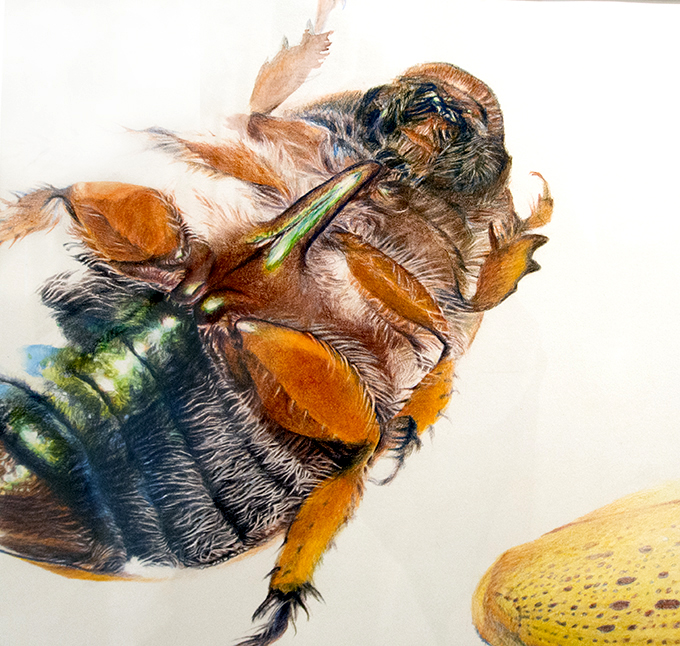
Petrina Seale’s Home Studies in Nature II 2014 (Detail)
A work about documentation is a study of a beetle by Petrina Seale entitled ‘Home Studies in Nature II’ 2014 uses coloured pencils on a white paper ground – the truncated composition to draws attention to the of the subject.
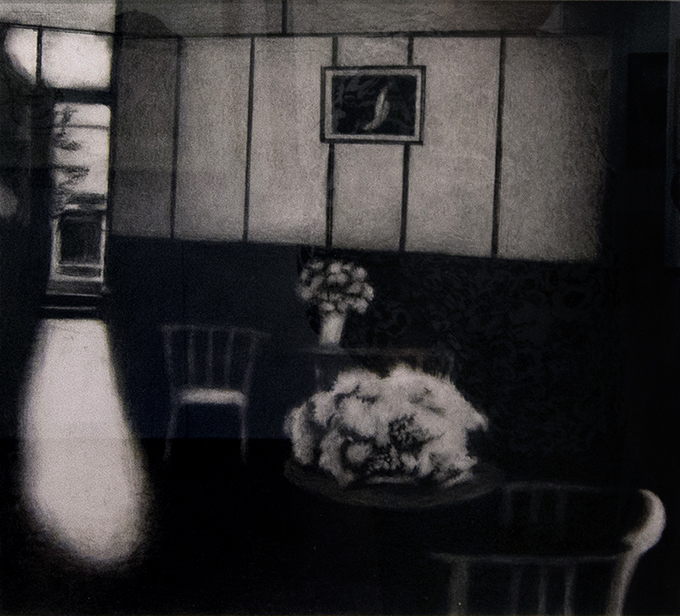
Matt Foley’s Hotel Lake Eacham 2014
In another work by Matt Foley entitled ‘Hotel Lake Eacham’ 2014 the artist has created a study in light of a dreamlike space, a vignette of a place imbued with a darkness and depth of black pigment that is the stuff of half remembered recollections.

Bruno Leti Ashes to Ashes 2013-2014
Four large framed pieces by Bruno Leti entitled ‘Ashes to Ashes’ 2013-2014 is a textural surface of the paper, abstracted, patterned, colourless with blurred edged shapes like fragments of memories. The work comments on the artist’s personal experience of the destruction of places of personal significance by fire. The work itself is partly pigmented by the charcoal retrieved from the fire.
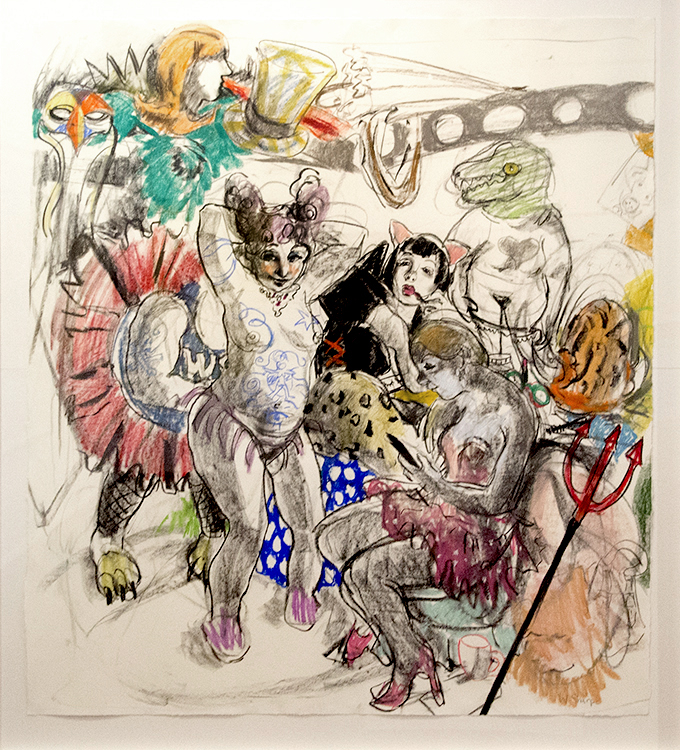
Wendy Sharpe’s Backstage Burlesque with Venetian Mask 2013
Klee’s line was taken for a dance into a seedy bohemian den by Wendy Sharpe in her work ‘Backstage Burlesque with Venetian Mask’ 2013*. A female figure being dressed presents an impish grin towards the viewer – provocatively displaying the comfort of her nakedness. Brightly coloured pastel gestures define other figures surround this main subject all preparing for the stage performance. Close viewing reveals squiggly lines that allude to other stories within the work.
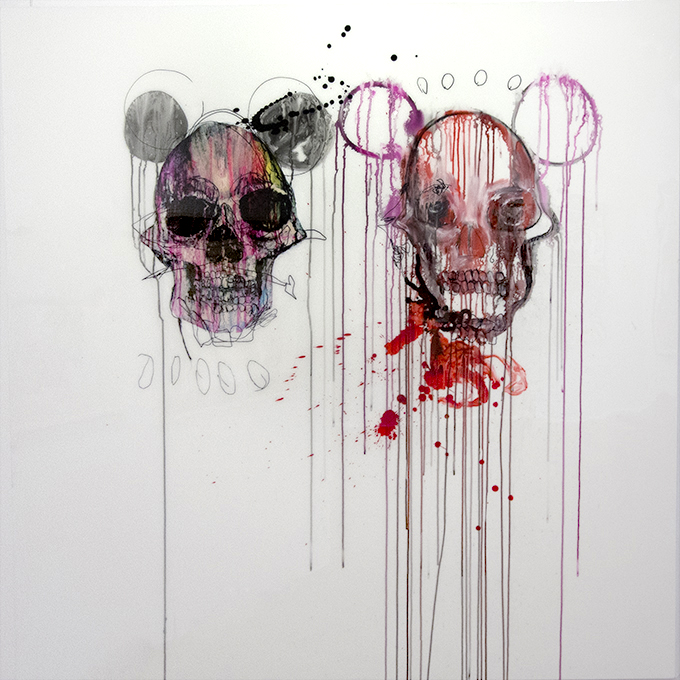
Anthony Bennett’s e pluribus anus – a portrait of tony abbott 2014
Anthony Bennett’s ‘e pluribus anus – a portrait of tony abbott’ 2014 makes a political statement about his subject. A skull with Micky Mouse ears is repeated twice on a white ground made glisteningly hard by its shiny resin coating. One of the skulls is in the process of de-colouring and the pigments dribble down the large-scale work. Bennett’s drawing has all the freneticism of a hastily sketched graffiti work interrupted by a police car coming around the corner.
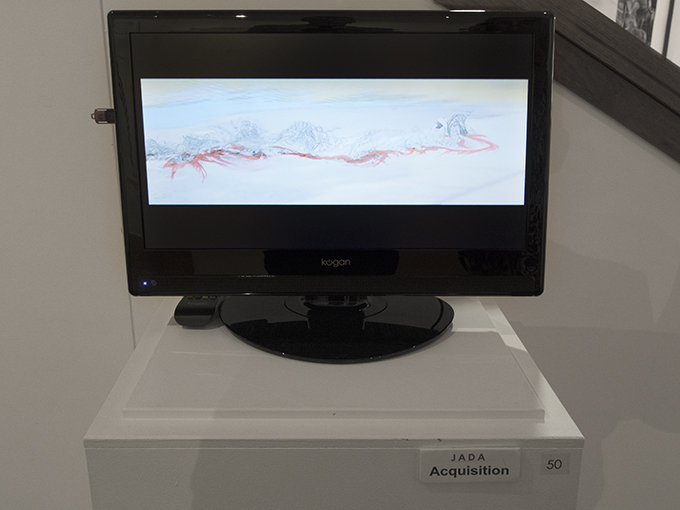
Todd Fuller’s A Dance for Paul Klee 2014
.Todd Fuller’s work ‘A Dance for Paul Klee’ 2014* celebrates Klee’s metaphor for drawing. The digitally presented artwork is of a choreographed dance performance that has its origin in a movie. The film has been overlaid by gestural line work positioned based on the movement of the dancer. Flourishes of colour, most noticeably red, follow and trace the subject’s animation across the screen.
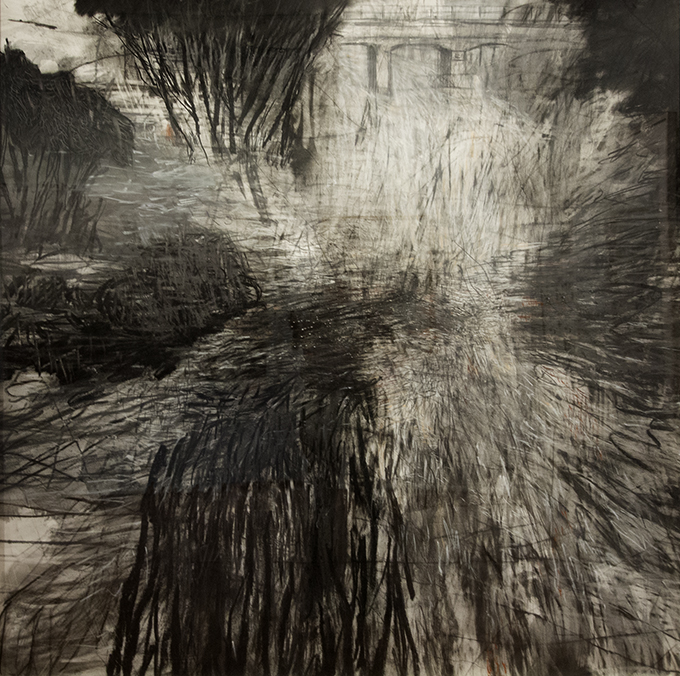
Emma Walker’s Keys Bridge in Flood 2014
.
The overall winner of the $20,000 prize was ‘Keys Bridge in Flood’ 2014* by Emma Walker. The work is 150 x 150cm and represents the movement of water through a flooded landscape. Gazing longer at the work the viewer is captured by the vitality, rush and flow of the graphite, charcoal, pencil and pastel marks on the paper. These marks become the substance of the artist’s inspiration – they are the water, they are the flood, they are the emotions that come from the artist to us. All of these things are in that drawing….
.
.
Doug Spowart
15 November 2014
.
.
* Denotes work was acquired
Other works acquired include:
- Michael Cusack ‘Vista’ 2014
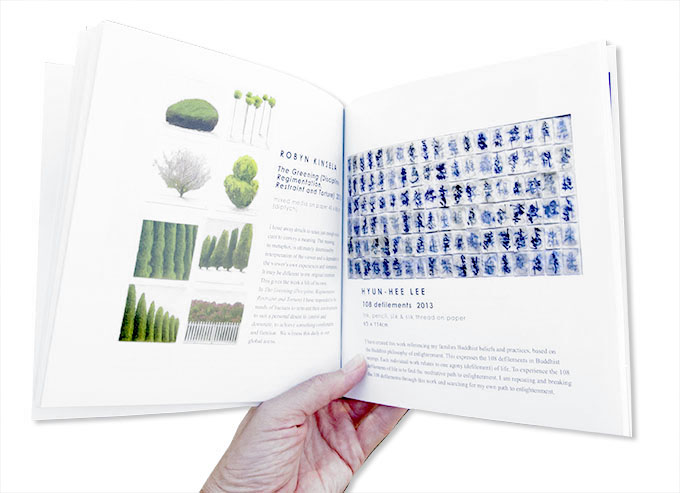
- Lee Hyun-Hee ‘108 defilements’ 2013.
.
The 2014 JADA will travel to seven venues over the next two years including; Manning Regional Gallery, Cowra Regional Art Gallery, the University of the Sunshine Coast Gallery, Glasshouse Port Macquarie, Redcliffe City Gallery, the Broken Hill Regional Art Gallery and the Tamworth Regional Art Gallery.

catalogue
ooo
A catalogue for the show contains an introduction by GRG Director Jude McBean, artists’ statements and images of the works.
For details contact:
.
Please note: Photographs of artworks are the copyright of the artist. All images were made by the author in the gallery space and may have elements of reflection and lighting variations that are not part of the original artwork.
WORLD PHOTOBOOK DAY – The Photobook Club Brisbane events
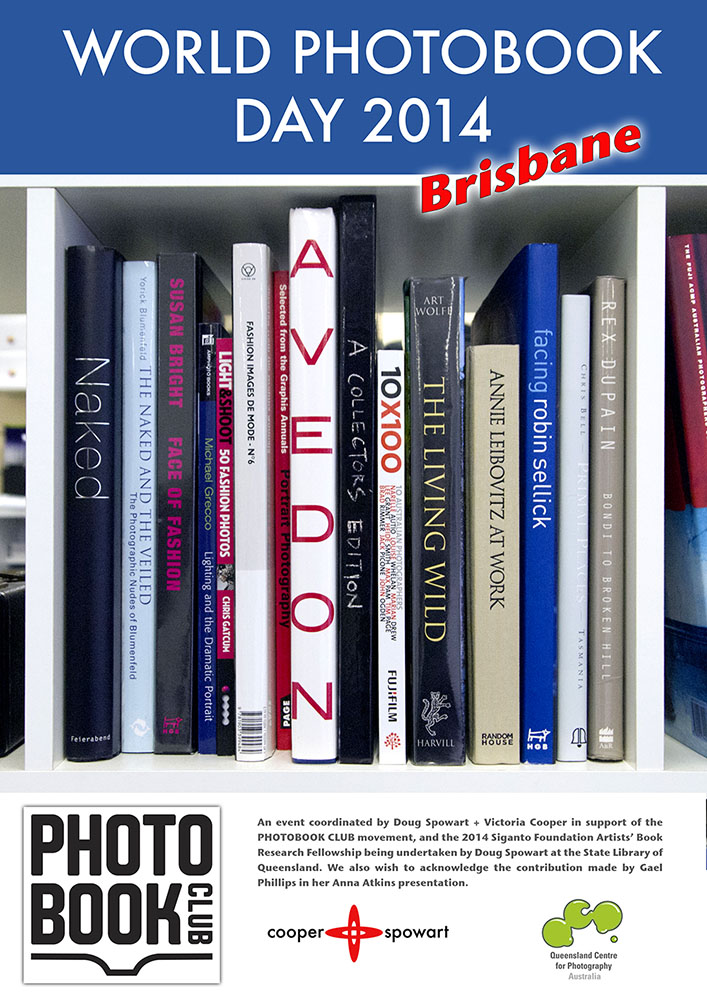
WPD Poster
.
For photobook people the 14th of October is World Photobook Day (WPD) and celebrations worldwide are coordinated through the Photobook Club group. On this day in 1843, the British Library catalogued Photographs of British Algae: Cyanotype Impressions by Anna Atkins, and is therefore considered historically significant as the first official record of a published photobook. In 2013 Victoria Cooper and I organised an event in Toowoomba. This year as part of my Siganto Foundation Artists’ Book Research Fellowship we arranged two events to take place at The Edge facility that is part of the SLQ.
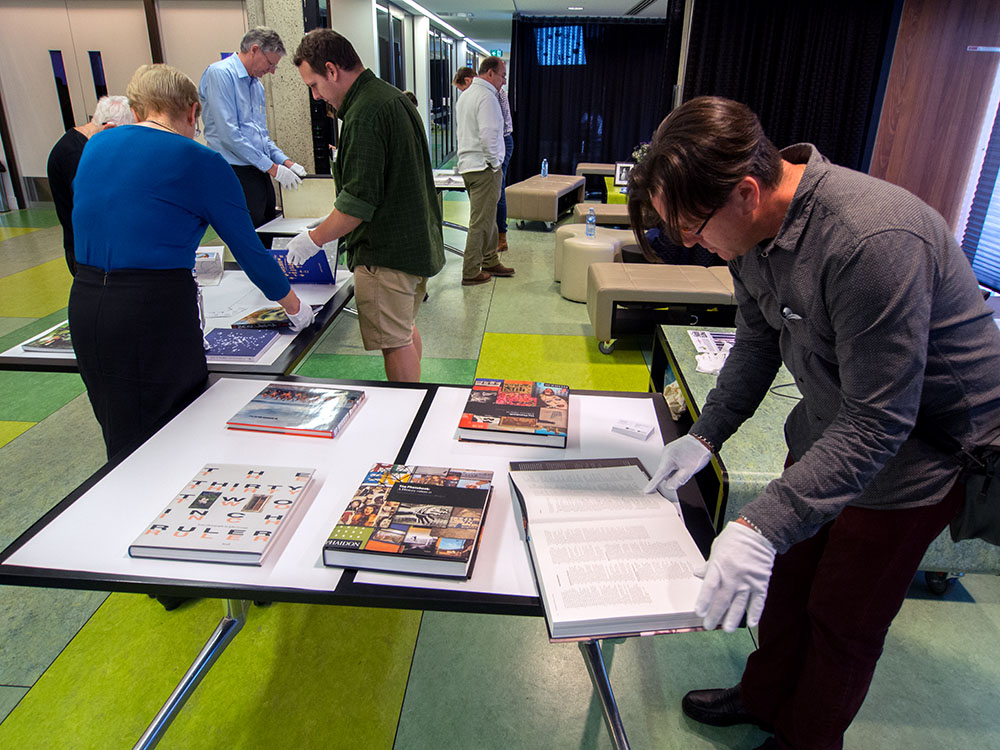
The QCP WPB event
.
The first event was arranged for Queensland Centre for Photography members to view contemporary photobooks, artists’ books, photo-zines and photo-papers from our collection. Around 30 publications, mainly by Australian photographers and artists, were presented to a group of around 18 participants. This selection included two books, Ying Ang’s Gold Coast and John Elliott’s Ju Raku En, which were launched only in the last few weeks. Staff members from the Australian Library of Art attended this opportunity to view examples of this emergent book genre.
.
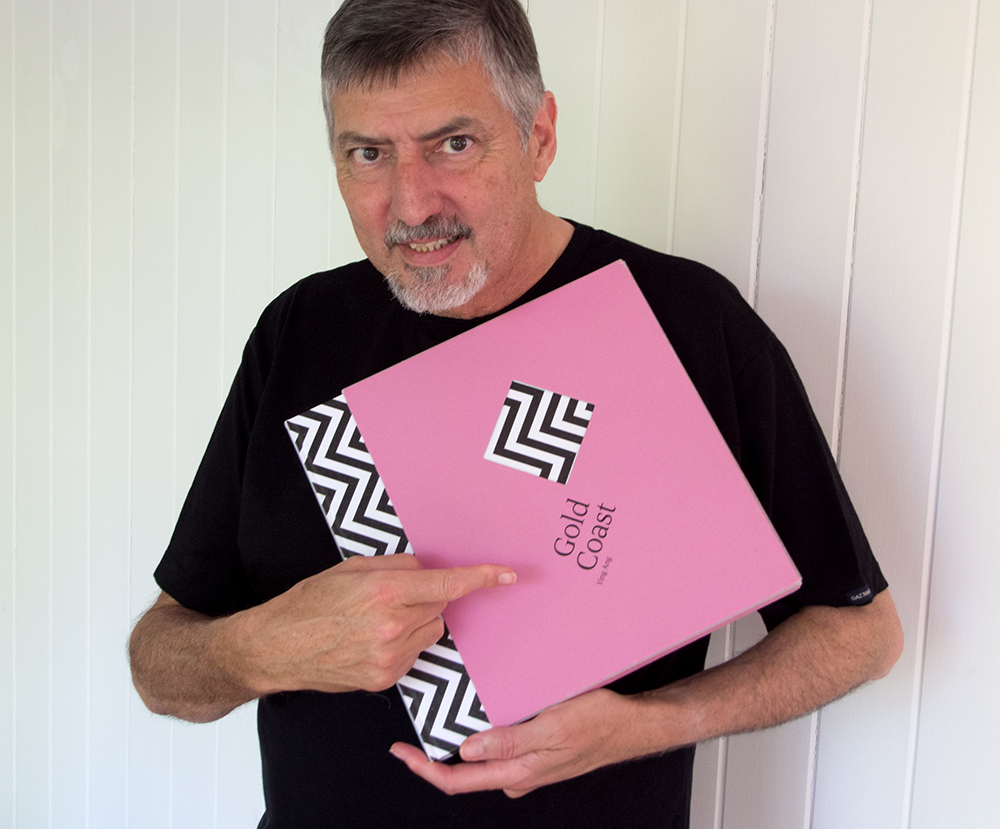
With Ying Ang’s Gold Coast
.
The main Photobook Club WPD event took place in the evening and was attended by around 24 participants. Each brought along their favourite photobook to share and discuss with their fellow attendees. The oldest book presented was a photographic portrait book from the 1860s, and the more recent books included, W Eugene Smith’s The BIG Book, Spada’s Gomorrah Girl, and Spottorno’s PIGS. Many participants contributed their own print on demand books, or bespoke handmade artists’ books thereby representing the spectrum of the photo and the book.
A special part of the evening WPD event was a presentation by Dr Gael E. Phillips about Anna Atkins, her family and motivations for her cyanotype work. Phillips, a local Brisbane resident, is a distant cousin of Atkins shared her extensive research of this significant family connection. The assembled group were presented with the fascinating story of Anna Atkins (‘Anna Children’ – her maiden name), her father – George, relatives and networks in photography, science and society in nineteenth century England. Two attendees Dr Marcel Saffier and Sandy Barrie both significant photo historians showed a strong interest in Phillip’s research and talk.
.
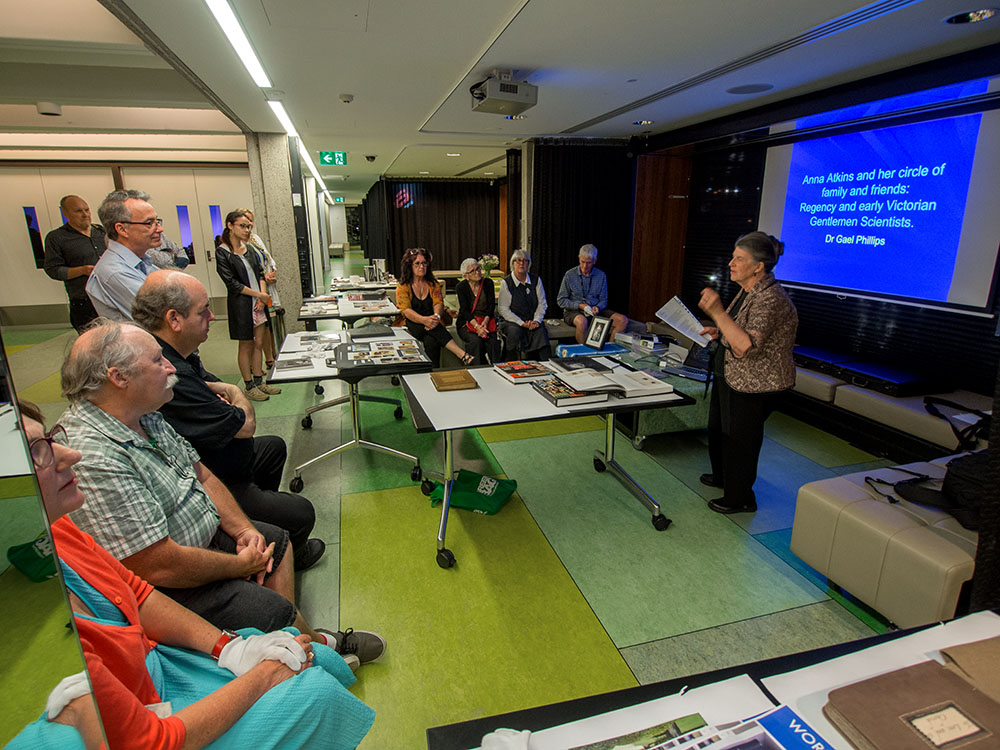
Gael makes her Anna Atkins presentation
.
Apart from the two events we curated this year, two new South-East Queensland organisers also presented WPD events. This provides evidence that there is a strong interest in seeing, talking about, publishing and collecting photobooks.
As part of my Fellowship activities I’m scheduling further events to keep the interest in his research growing, and to promote a greater awareness of the significant resource of ‘the photograph and the book’ held by the State Library of Queensland.
Keep in touch… Doug Spowart.
.
.
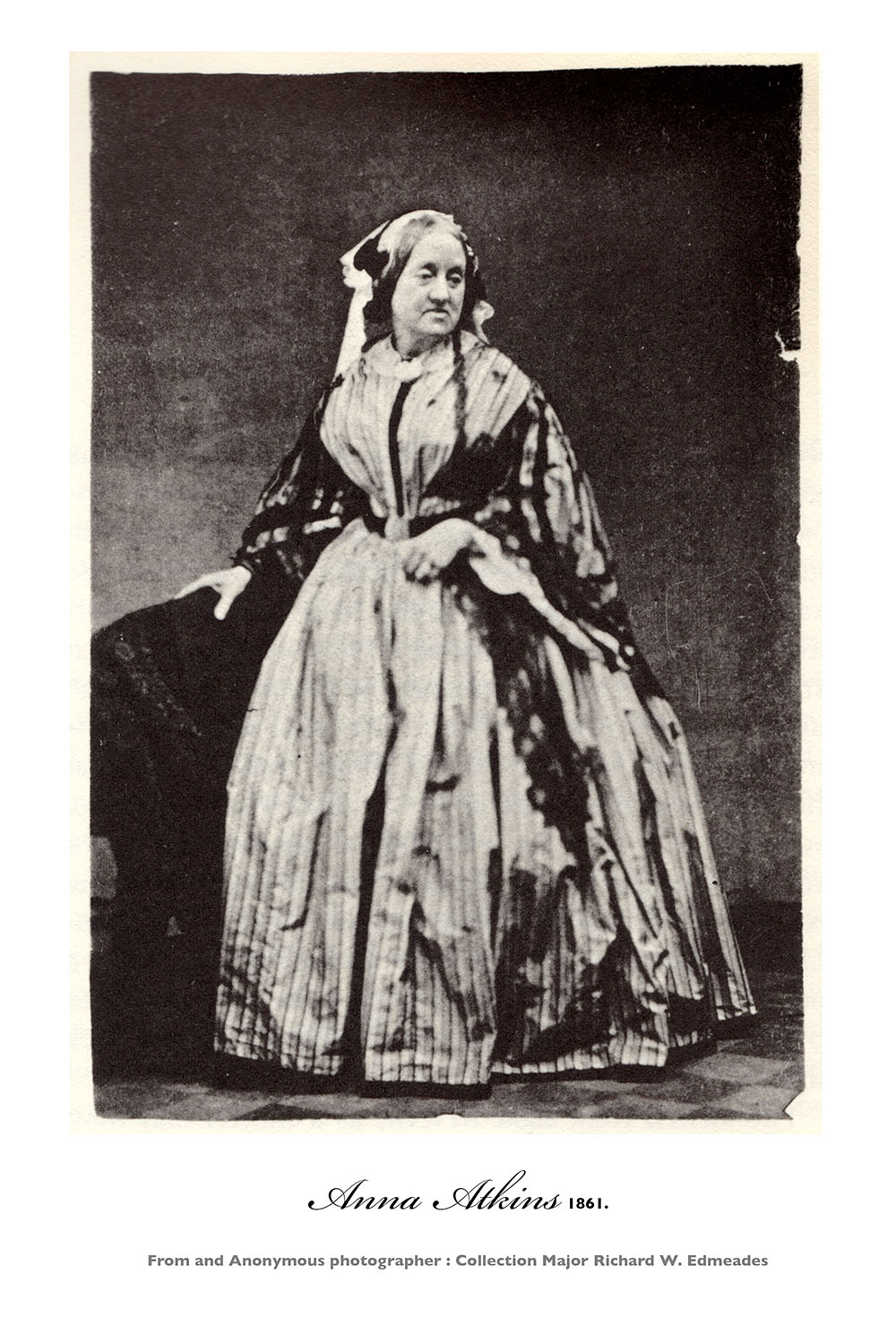
Anna Atkins-Portrait 1861
.
What follows is a precis of Dr Phillips’ presentation:
Anna Atkins (1799-1871) is now recognised as being the first person to publish a book using a photographic technique. This recognition has come late but is, I think, largely due to the work of Prof Larry Schaaf. My cousins, Jean Doggett, Elizabeth Parkes and I were also doing similar research at the same time because of a family link with the Children family. The Children family have been long established in Kent and trace their family back to Simon a Children in 1370.
Anna Atkins was born, Anna Children, her mother dying when she was a few months old, but she grew up in a wealthy household surrounded by family friends who included many of the great Gentlemen Scientists of the Regency period and later. These included Sir Humphry Davy, Dr W H Wollaston, Sir Joseph Banks, the Herschels and William Henry Fox Talbot. Her father, John George Children, was a well known scientist in the first half of the nineteenth century and his publications include descriptions of the largest electrical battery ever built, which he and his father constructed in their own laboratory at their home, Ferox Hall, in Tonbridge.
Following the failure of the Tonbridge Bank, George Children, Anna’s grandfather, was bankrupted. His properties were sold to pay the creditors of the bank. His son, John George Children, obtained a position at the British Museum, and appears in the painting of the Temporary Elgin Marble Room in 1819. Initially in the Antiquities Department, he later became the Keeper of Minerals and then the Keeper of Zoology.
Anna Children illustrated Lamarck’s ‘Genera of Shells’ which her father had translated. In 1825 Anna married John Pelly Atkins JP, and they made their home at Halstead Place. Mr Atkins was made High Sheriff of Kent for 1847.
In 1841 a Manual on British Algae was published. Anna used the Cyanotype process, newly invented by a close family friend, Sir John Herschel, to make numerous images of British seaweeds. The first volume appeared in 1843 and pre-dated William Henry Fox Talbot’s ‘Pencil of Nature’.
Anna’s father acted as an intermediary in her scientific endeavours, writing to Hooker at Kew Gardens about the progress of the imaging of the algae and Hooker, in turn, instructed Anna in botany. Her father’s chemical knowledge was invaluable in the production of the cyanotypes. Father and daughter had a very close relationship and when her father died on the first day of January 1852 she was grief stricken. Her Memoir of J G Children, privately published in 1853, was modestly signed AA, as were her volumes of cyanotypes of British seaweeds. The memoir includes poetry written by her grandfather, George, her father, John George and also poetry she herself wrote.
We celebrate the anniversary of the accessioning of the first of her volumes of cyanotypes into the Library of the British Museum. Anna Atkins, nee Children was an artist – she drew, she did lithography and was an author, writing poetry and the memoir of her father. She was also a scientific illustrator as well as being the first woman to produce a photo book and, many believe, the first woman photographer. She has no descendants but is memorialised in a beautiful mollusc, Anna Children’s lucine, Miltha childreni (Gray 1824). Her father is also memorialised in a number of animals, including molluscs and insects and the mineral Childrenite.
Gael E Phillips.
14 October 2014
.
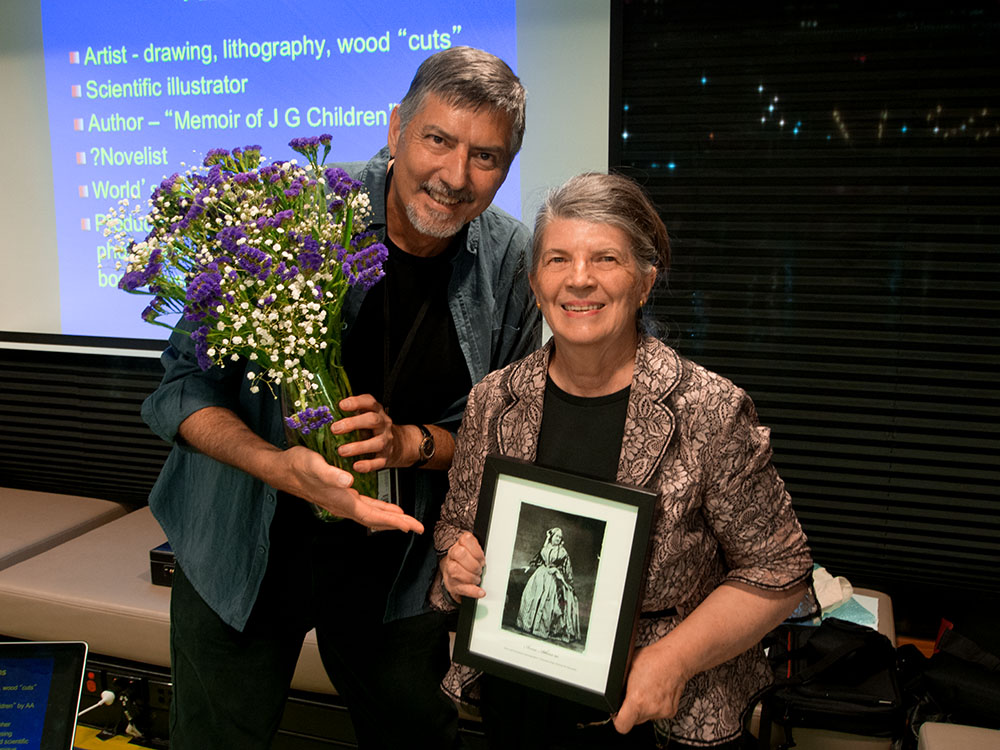
Doug makes a thankyou presentation to Gael
.
.
Other images from the events…
.
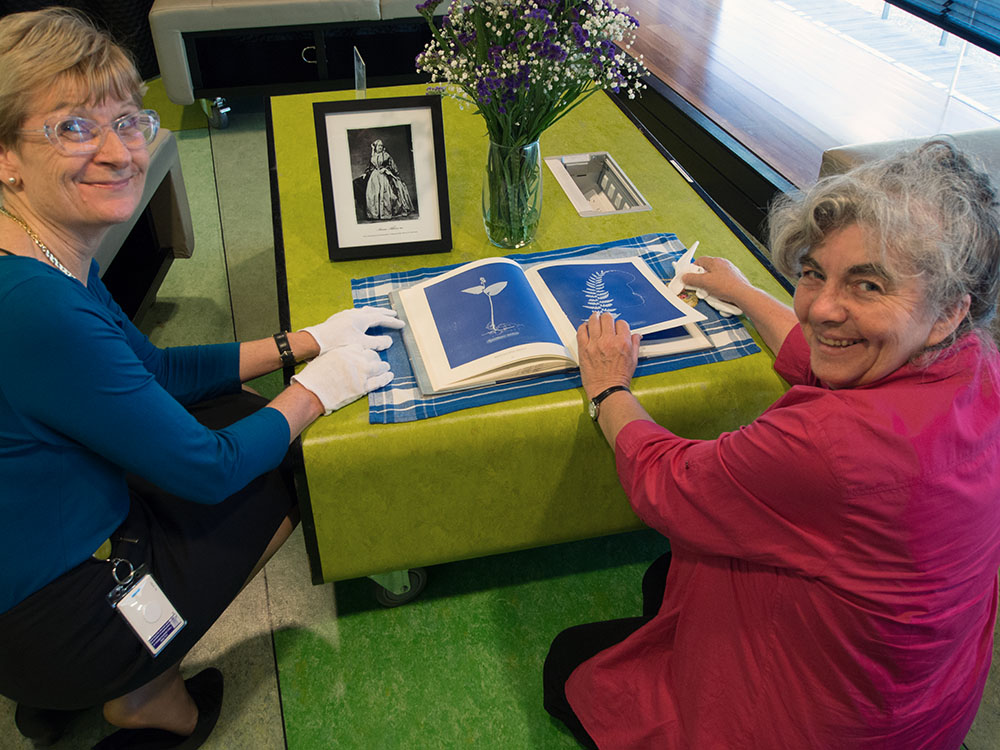
The Anna Atkins ‘memorial’ with Larry J Schaaf’s book Sun Gardens
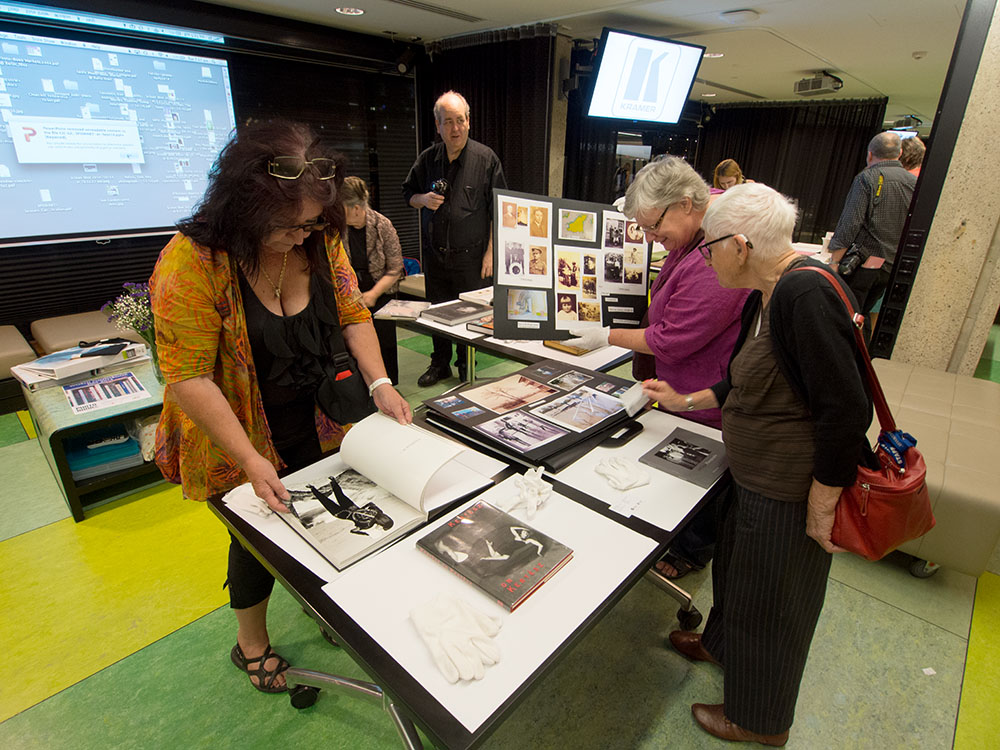
Looking at the books brought to the event
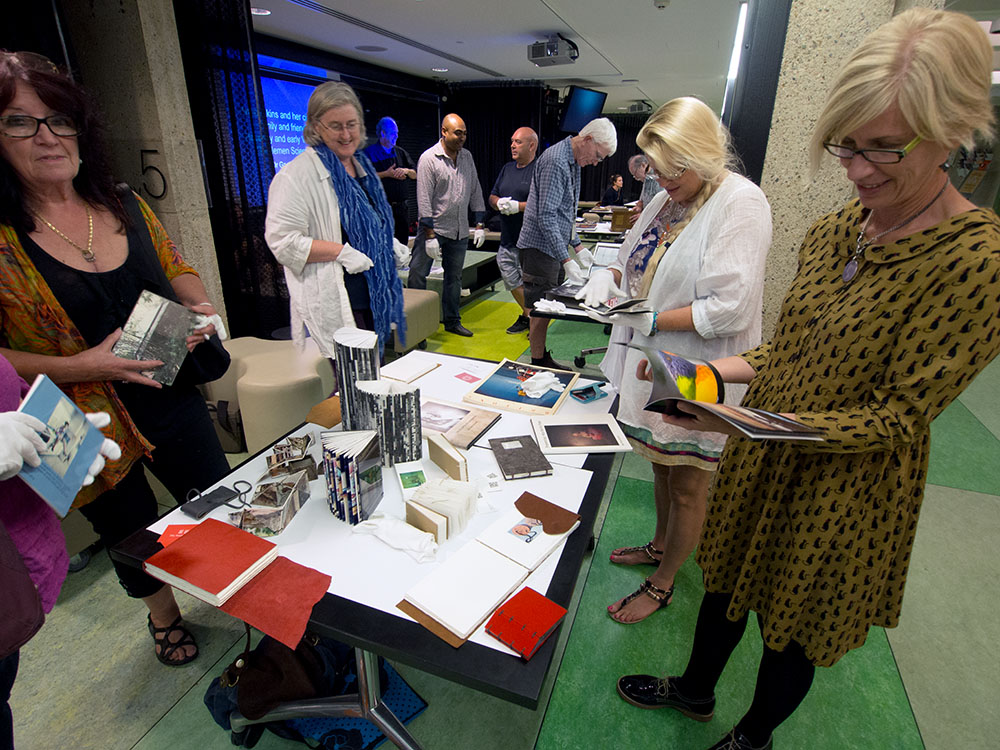
The artists’ photobook end of the books brought along by Adele Outeridge, Mel Brackstone and Jan Ramsay
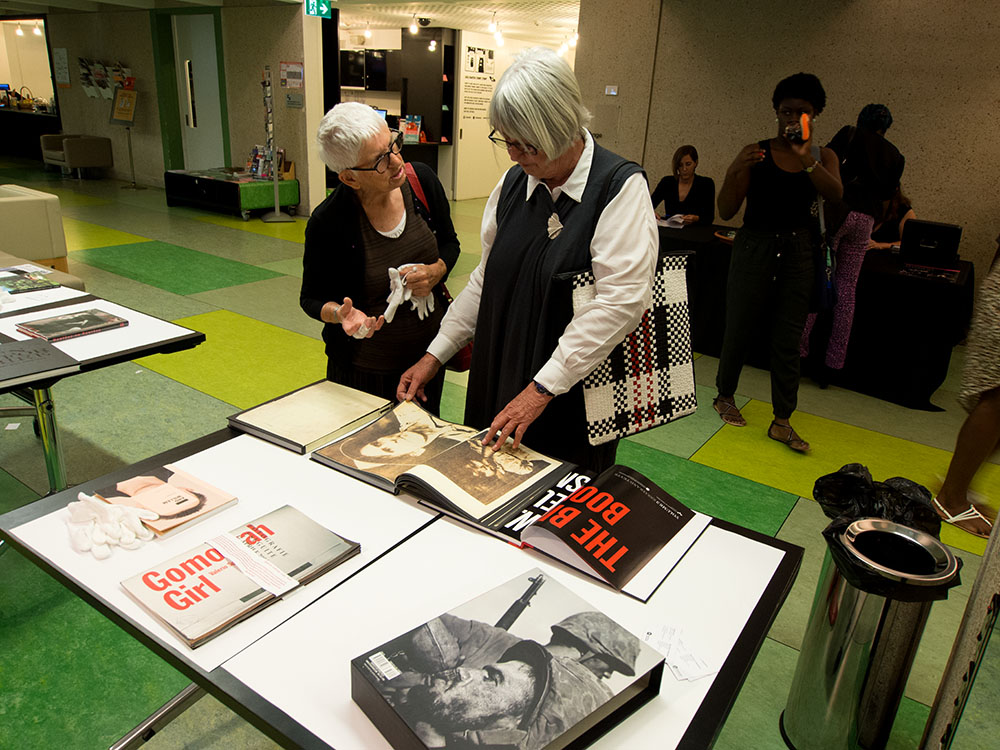
Looking at W Eugene Smith’s BIG BOOK.
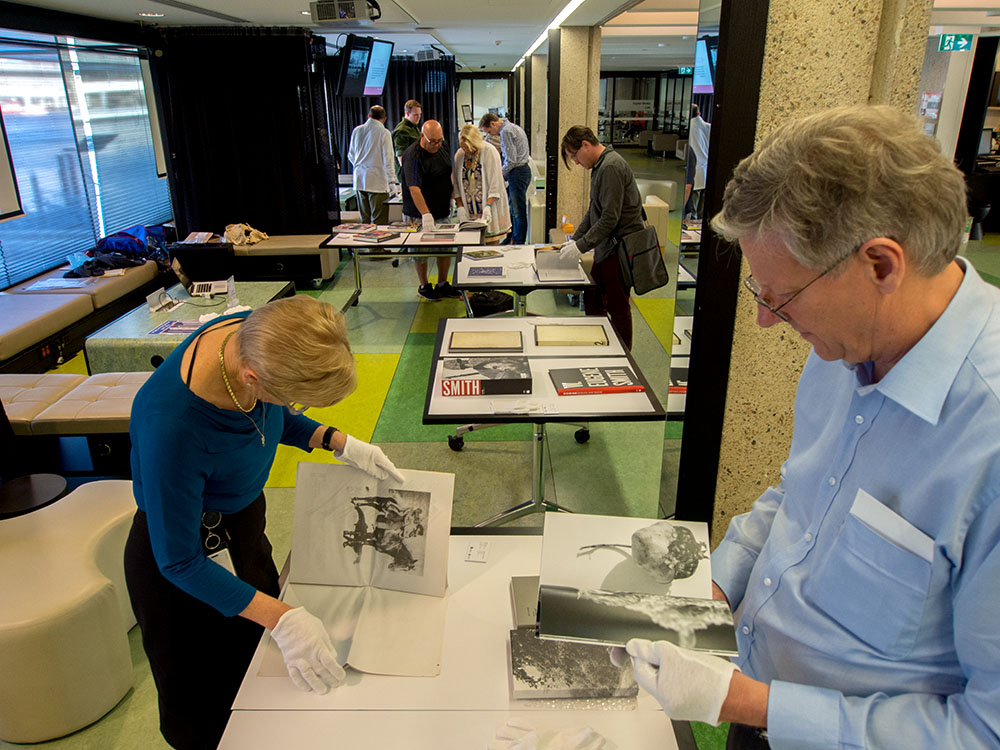
Checking out Jacob Raupatch’s newspaper
FOTO FRENZY’S WPD Event
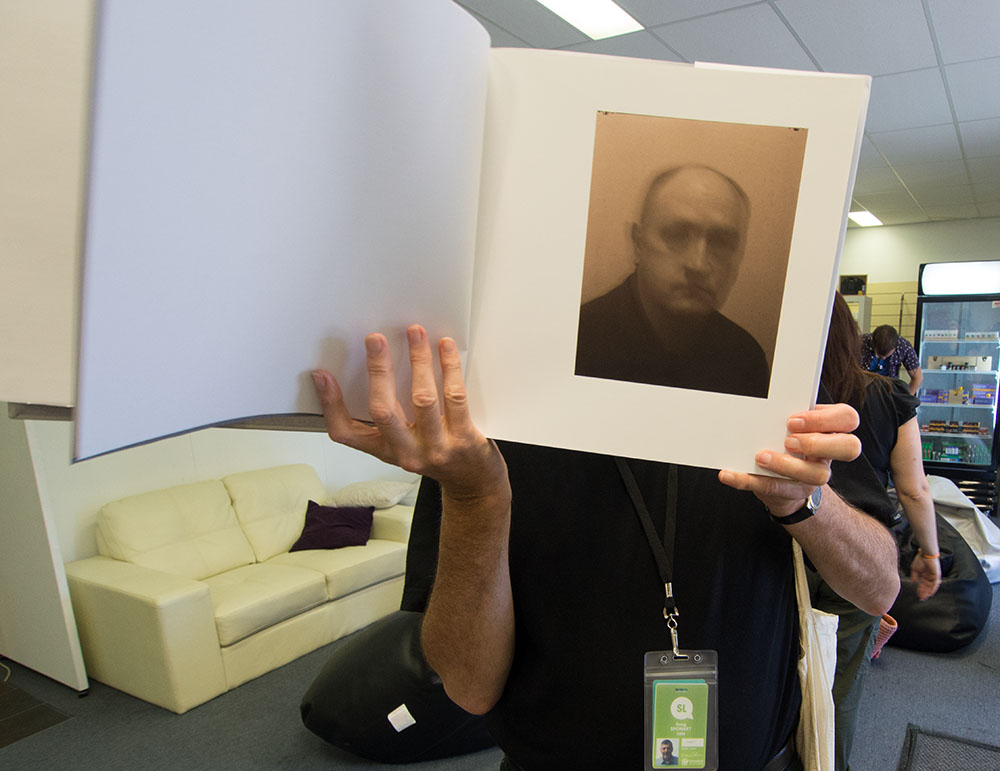
With Doc Ross’ book 37 @ the Foto Frenzy WPD event
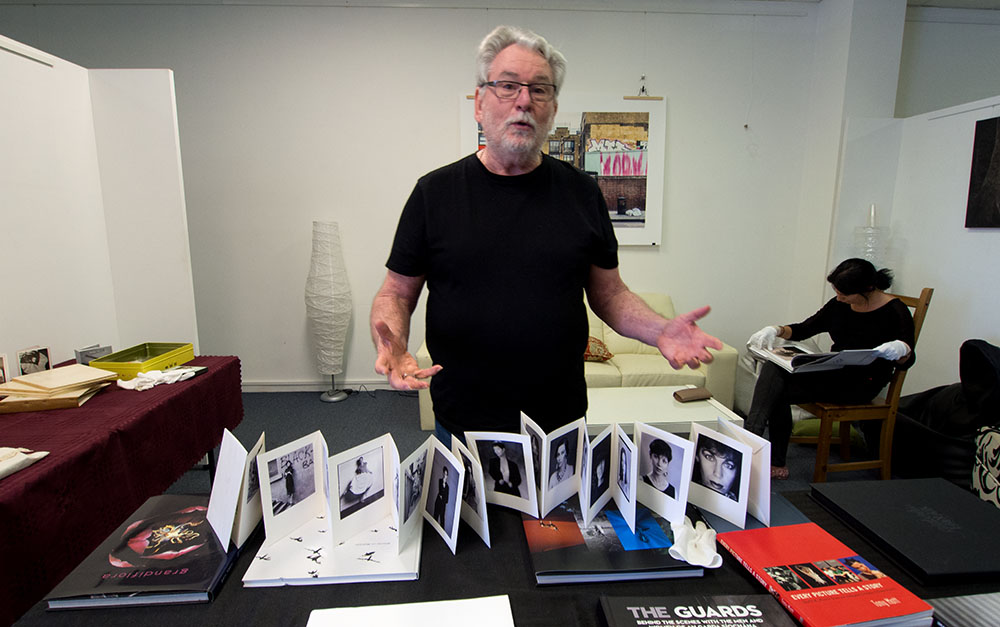
Ian Poole @ the Foto Frenzy WPD event
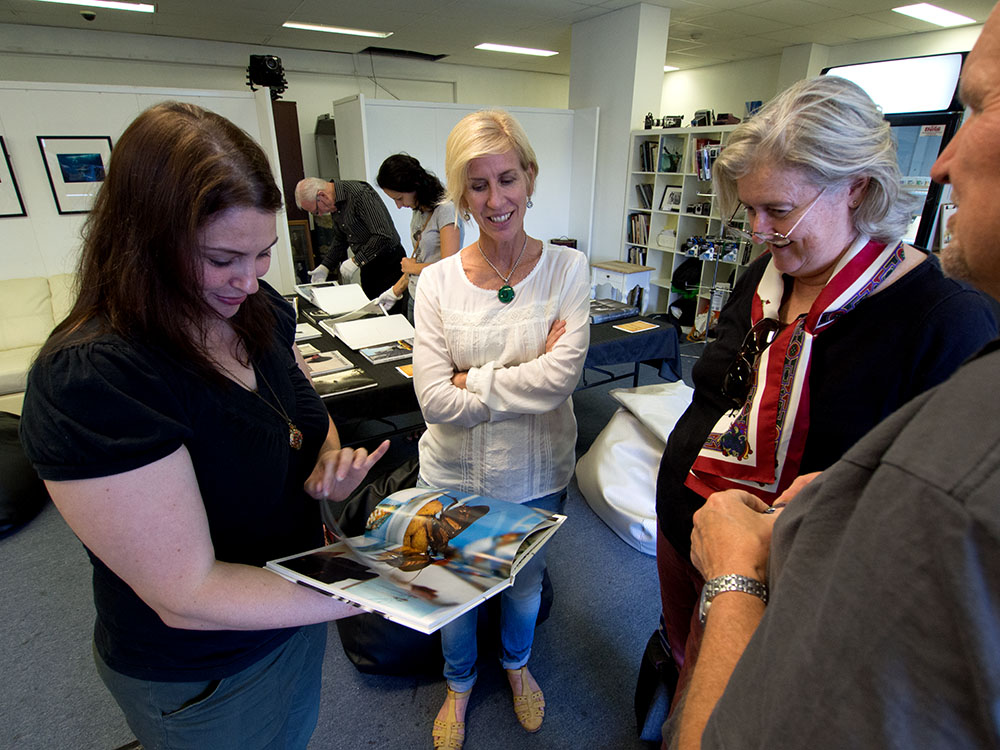
@ the Foto Frenzy WPD event
.
Until next year….
.
PBC logo
.
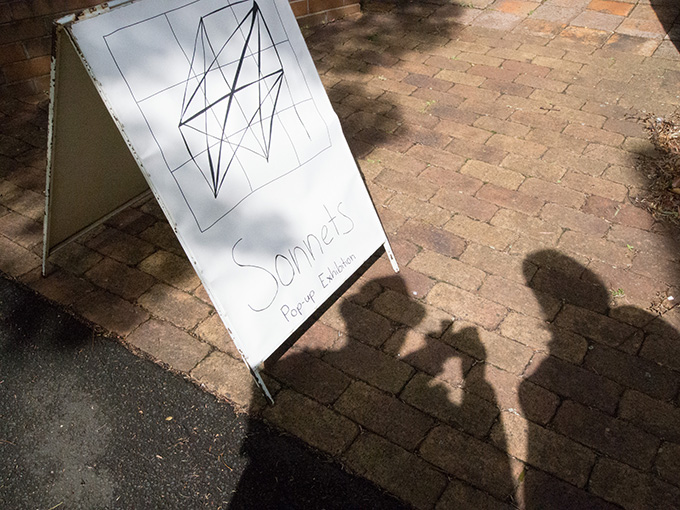
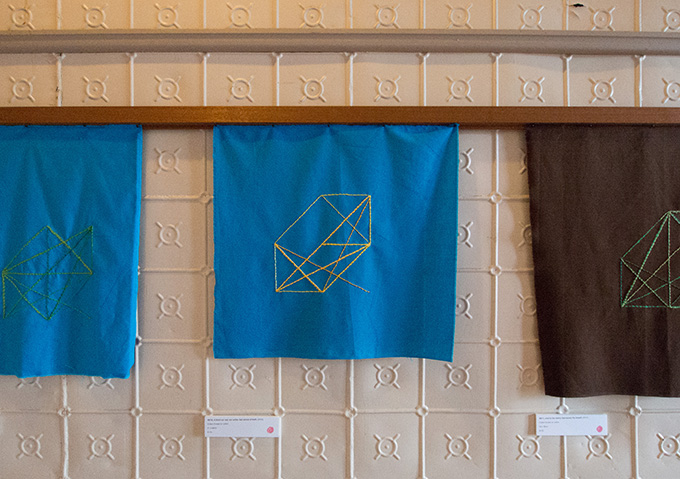
GEORGE PATON GALLERY: Artist’s Books (reprised) Exhibition
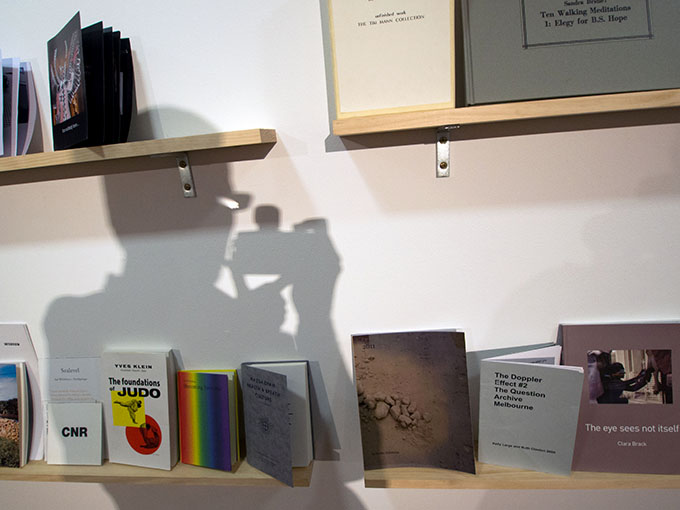
Artists’ Book Selfie
.
Digging in the archive: past and present
Artist’s Books (reprised) [artists’ books 1978-2014]: George Paton Gallery, University of Melbourne
Dates: 26 August to 5 September
A recent show entitled, George Paton Gallery, Artist’s Books (reprised), promoted that it would be showing “four decades of investigation into the possibilities and limitations of the artists’ book form.” Whilst the exhibition as presented had some gaps in the chronology, it did live up to its claim of presenting a significant collection of contemporary works alongside a carefully curated group of seminal artists’ book works from shows presented at the George Paton Gallery in the 1970s and 80s.
.
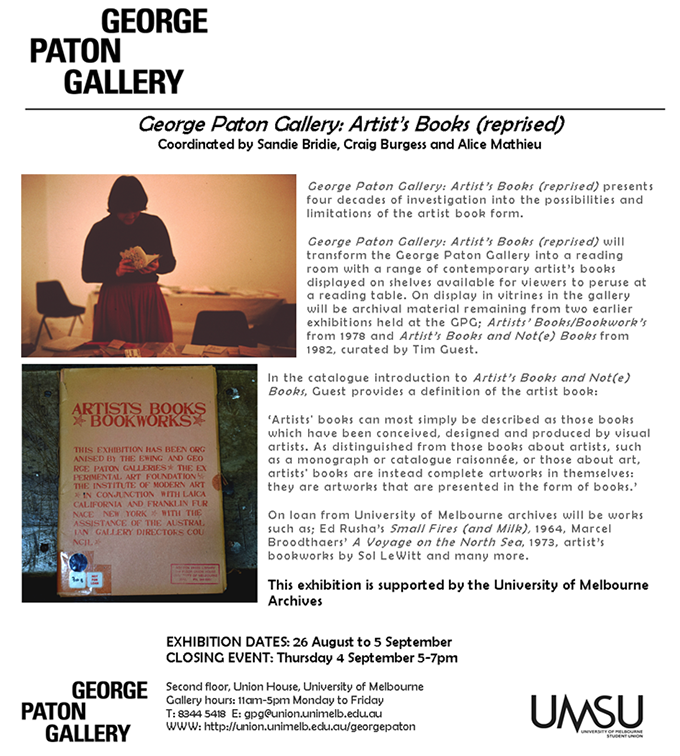
George Paton Gallery Website notice
.
Visitors to the gallery encountered a space resembling a reading room with trestle tables and bookshelves presenting the contemporary books for viewing, handling and reading. Some books were marked as ‘white-gloved’ handling whilst the majority was available for direct tactile experience. Enclosed in vitrines were the historical books on loan from the University of Melbourne archives. Interestingly during the 1970s and 80s these books would have only cost a few dollars to buy but now they attract significant values. Included in this prized collection of books are: Ed Ruscha’s Small Flres and Milk; 1964; Marcel Broodthaers’ A Voyage on the North Sea; 1973; Sol LeWitt’s Grids – using all combinations of straight, not- straight and broken lines; 1975; Richard Long’s The North Woods, 1977 and Dieter Roth’s, Gesammelte Werke, Band 7, 1974. These books were sourced from past exhibitions held by the George Paton Galley: Artists’ Books/Bookworks from 1978 and Artist’s Books and Not (e) Book! from 1982, the latter curated by Canadian Tim Guest.
.
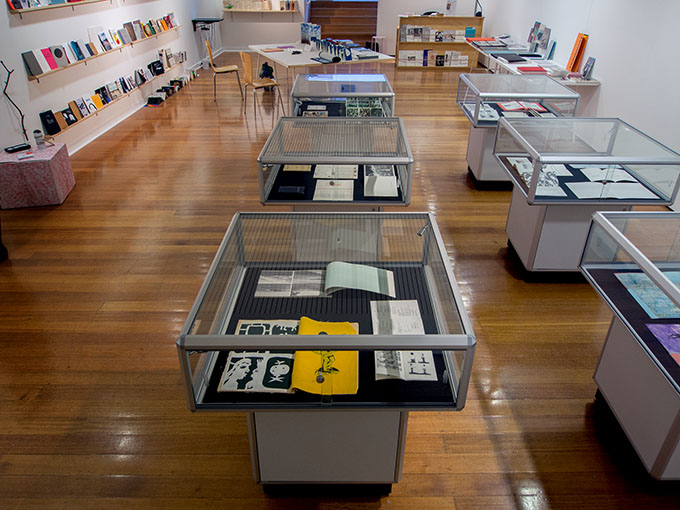
George Paton Gallery
In all just over 100 books were available for viewing essentially coming from a ‘call out’ for artists book makers to present work for the show. There were some interesting names; Peter Lyssiotis, Theo Strasser, Sandra Bridie, mail artist David Dellafiora, zinesters Gracia Haby and Louise Jennison, and photo-newspaper publisher Jacob Raupach. Anyone with a preconceived idea of what an artists’ book is, or should be, may have been challenged by some of the works in the show – but what an experience it was to be challenged in that way. It was a rare opportunity to view and compare such a diverse and historical collection of artists’ books.
.
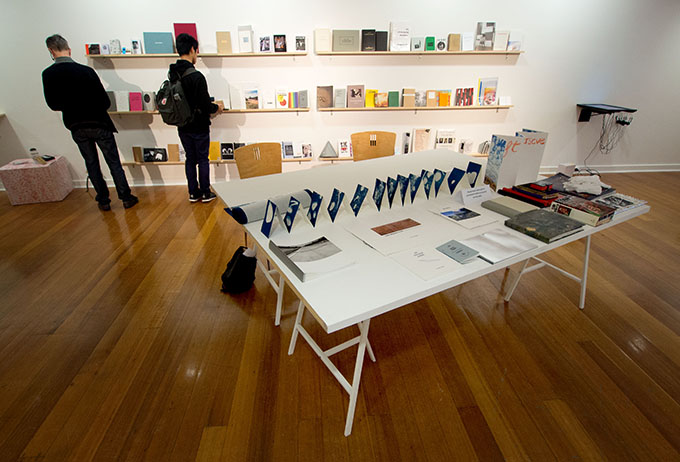
Exhibition installation
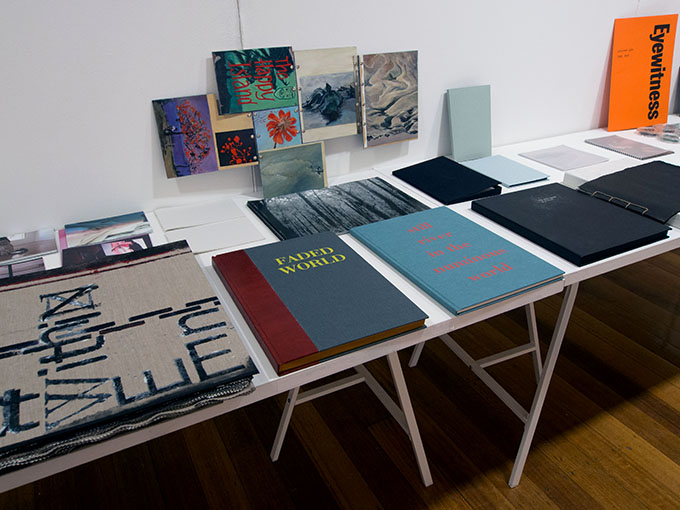
Antoni Jach’s Faded World and books by other artists
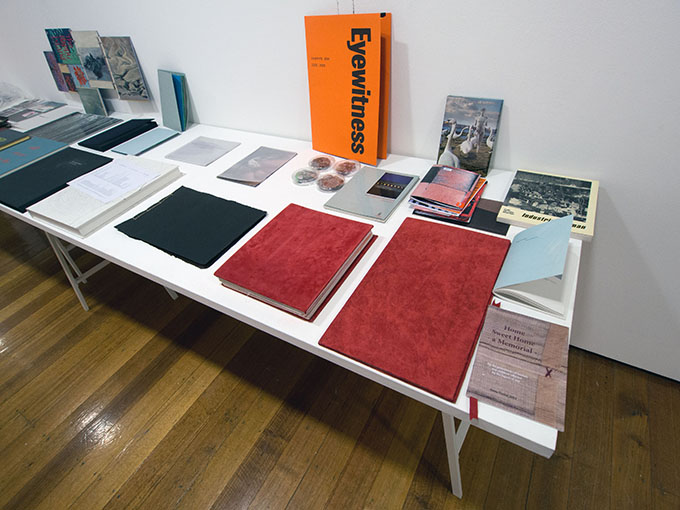
Books by Peter Lyssiotis, Theo Strasser and others
After spending a couple of hours in the exhibition space I searched for a way of describing the show. Then I found a text that offered a perceptive critical evaluation of the artists’ book genre. Some relevant passages from this text follow…
.
Artists’ books can most simply be described as those books which have been conceived, designed and produced by visual artists. As distinguished from those books about artists, such as a monograph of catalogue raisonee, or about art, artists’ books are instead complete artworks in themselves: they are artworks that are presented in the form of books.
Since about 1960 a distinct genre of artists’ books has appeared. These are by artists who are self-consciously exploring the possibilities of printed books: the social dynamics of a reproducible vs. a unique art object; the aesthetics of the mass print media vs. fine art prints or deluxe editions.
The contemporary genre of artists’ books is now a widespread phenomenon. Practically every significant development in western art has been reflected in the ongoing publication of artists’ books. There are books coming out of the movements of pop art, minimalism, arte povera, performance art, fluxus, happenings, and new image painting. Conceptual artists of the 1960’s and 70’s in particular, utilized the book form as a method of realizing artworks. We can regard these books now as a vein which runs through many areas of contemporary art and includes diverse movements, interests and preoccupations.
Or have the interests been so diverse? Pop art, minimalism, performance art, arts provera, were all movements distinct from (even antagonistic to) one another, yet they all belonged to a general tendency towards “non-objective” art… Briefly, this tendency has been reflected in a desire on the part of artists to explore new media, in an attempt to abandon the traditional (modernist) disciplines of painting and sculpture. It was/is in favour of the widened scope of the flux and flow of a multi-disciplinary approach. For example, an artist may be involved in sculpture as easily as film, performance, video, photography and/or books. Perhaps most significantly there has been a conscious determination to undercut the reification of artworks – society’s valuation of art – by concentrating on the non-objective. This has meant, for instance, producing works from common industrial or throw away materials (art povera, fluxus), works constructed only in theory (conceptual art, language art), imagery stolen from the banal repertoire of mass media (pop art) ….. All this seems to have been more successful as an ideal than as an actual practice. Minimal sculpture in the late 60’s was quite successful in the art marketplace. Conceptual art has been immensely influential, popular, and saleable. As much as these artworks were determined in opposition to the bourgeoise reification of art they were inevitably complicit with it. That is because capitalism is a social system which seems to embrace new ideas but in fact appropriates and establishes a commercial value for then.
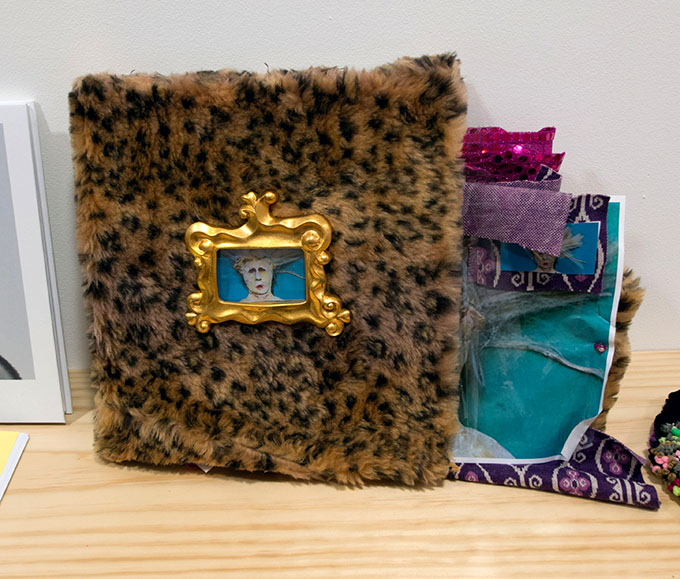
A book by Dianne Dickson
Artists’ books typify this interest in non-objectivity and reflect the internal contradictions of such an ideal in a particular way. In contrast to the traditional “livre d’artistes” of deluxe editions, artists’ books are usually inexpensively produced and sold. They are affordable, accessible and as plebeian as an art object can be. In fact they are almost too exemplary of the non-objective ideal.
As books they are not commercially viable simply because they defy the expectations of a mass market by presenting avant-garde information. Yet they have few patrons in the art world because their affordability to the public represents a low profit for a dealer. Also, books can not [sic] be viewed in the same way as other art objects; they must be held in one’s own hands and read. It is remarkable then that despite the contradictions and foils of art’s survival, artists’ books have become such a highly evolved genre of contemporary art, as evidenced by the works in this exhibition.
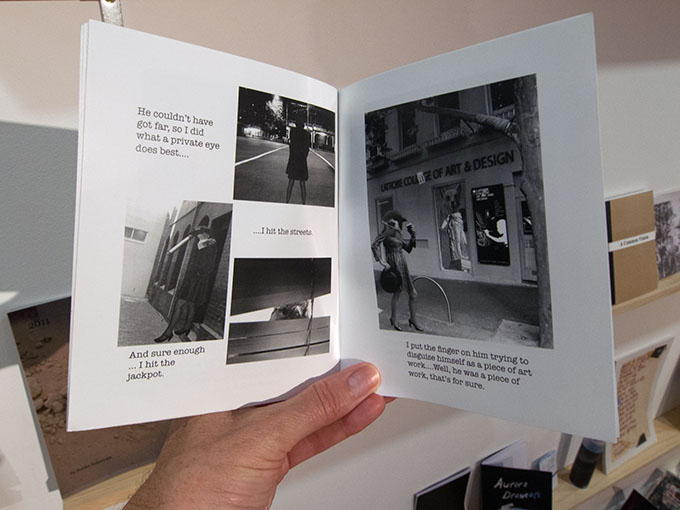
Suzannah Griffith’s While The City Sleeps
.
To illustrate means to make something clear by example, or to adorn a book with pictures. Within a publication, an illustration can be a picture, a drawing, a photograph, a design, or an ornament. Illustration is, of course, a prominent element in all mass media publishing. To consider all illustrations as a single genre is, in a way, quite boggling. It means imagining all magazines in the world and all the printed pictures.
With this imagining I try to analyze these pictures but have only an individual response to guide me. In principle my inquiries and suggestions are all subjective, my curiosity is intuitive, my critical remarks are speculative. These habits of mind and predilections constitute the trail of my argument. Because illustration operates as such an enormous social phenomenon, it is difficult to grasp its total meaning as a genre. It is too huge a concept. Yet paradoxically, all is intimately familiar.
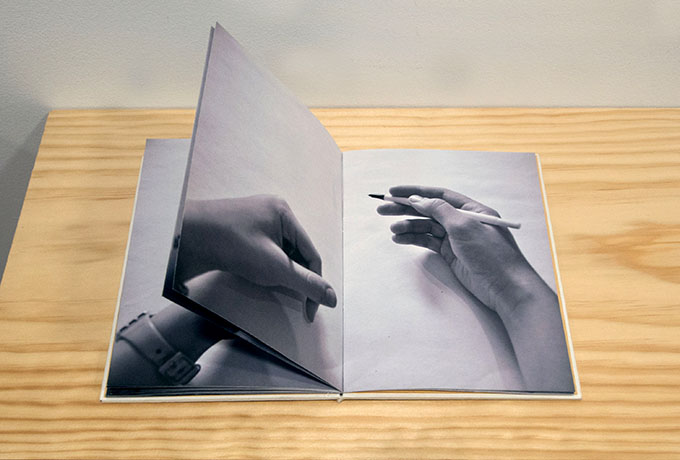
Sarah McConnell’s 29 2011
Practically everyone looks through magazines, sees the pictures, knows what they mean. But try to separate yourself from a simple recognition of the picture and examine the picture as a conceptual model and you may understand how difficult it can be. An illustration is not simply a picture of an object or thing. In that object’s absence a picture is a way of visualizing it, recalling it or conjuring it. Then all together the medium of illustration is a way of visualizing the world. As illustration is a mass medium, it is certainly a very powerful and influential instrument of ideas. As a conceptual model, a picture is showing us how to think and what to think about.
Art characteristically departs from conventions. In leading the way from these conventions and artists can end up revealing and/or inventing upon a given culture, popular or otherwise. Furthermore, the artists’ books in this exhibition occupy a middle ground between the hermetic region of high art and the mass culture of popular illustration. They also embody a comparison between the two; they have been produced as a way of participating (in theory at least) in the mainstream of popular culture at the same time as they are an extension of art, extending beyond galleries and museums, and outside of the realm of the rarified art object.
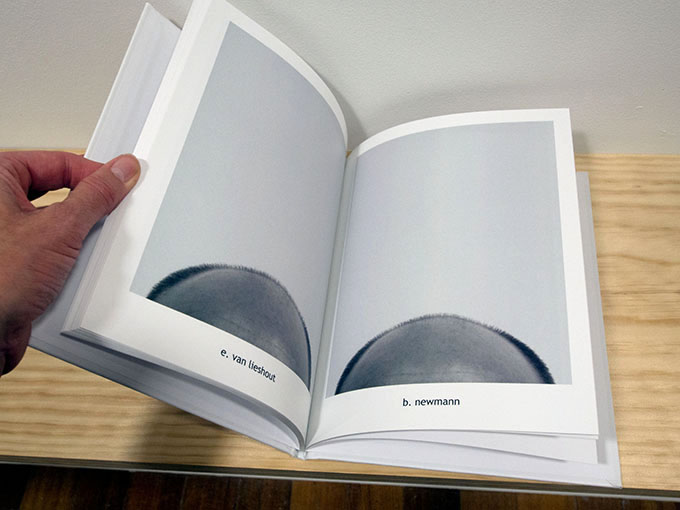
Jon Hewitt’s feel the confidence 2011
It may be noted that the photo works included in the exhibition are not photography books in the usual sense. For example in some books, the artist has exchanged the customary fine detail and high quality printing found in most art photography books for the flat, grainy, aesthetic of newswire or snapshot photographs, with all their vernacular associations. In other books the artist may manipulate the photographic frame by cropping it tightly to draw attention to narrative details or expanding it to the edge of the page for a window effect. Some books here constitute a repertoire of personalities through a wide array of photographic self-portraits. Others are collections of images specific thematic subject matter which suggests an interpretation of the complex meanings of culture and its institutions through the examination of its artifacts.
.
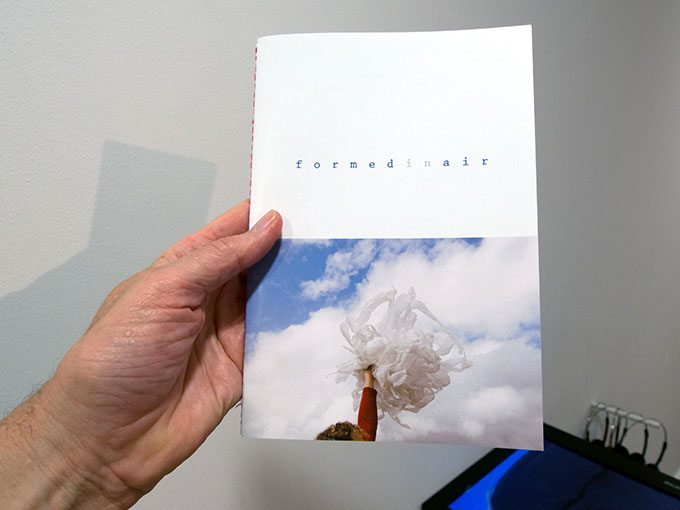
Yasmin Heisler’s formed in air 2014
In opposition to the conventions of art photography, which dictate an aesthetic around the “integrity” of an individual print, these photo books, to some extent, are each engaged with the qualities inherent in reproduction by offset and other printing processes. The artists represented in this exhibition are utilizing photographs as something other than a clear, well-composed picture. In their books they manipulate the “natural reality” of photographs and so inform our recognition of photographic images with their mannered inventiveness.
There are also a few books included here which are constructed sculpturally to introduce a tactile sensation to the fingertips and so expand the act of reading illustrations into the field of sensory awareness.
.
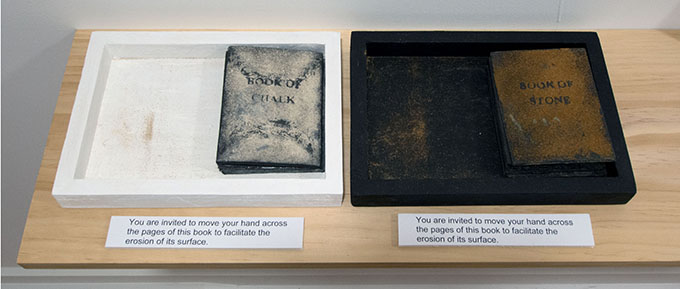
Bridget Hillebrand’s Book of Chalk 2014 and Book of Stone 2014
Finally, just as the works in this exhibition are included towards an exploration of the social and aesthetic attributes of illustration, they also demonstrate a way of looking at and experiencing the world. Theses artist’s books reveal and embody a way of reading deeply into they dimensions of contemporary culture. As much as they foster an incipient consciousness they ask for sensitivity on the part of the reader.
.
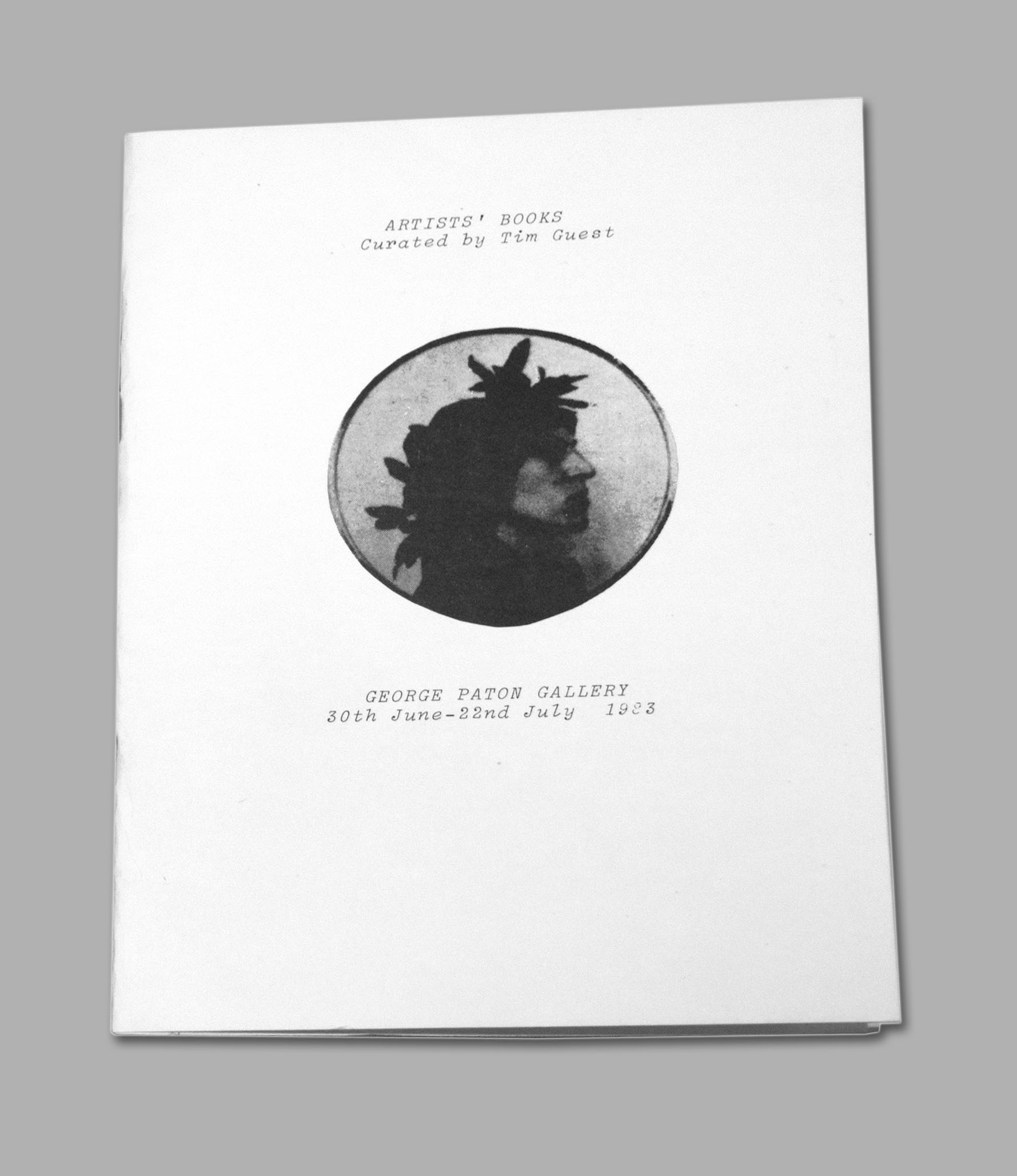
Tim Guest, the catalogue for the 1982 George Paton Gallery Artist’s Books and Not (e) Book!
These words come from Tim Guest, the curator for the 1982 George Paton Gallery Artist’s Books and Not (e) Book! A copy of his catalogue for the show was made available at the exhibition. Guest’s commentary is as relevant today as it was in the early 1980s, and while we have moved on, and now view the artists’ book works of that time with a degree of comfort and acceptance, the new artists’ book works continue, as Guest points out to, ‘demonstrate a way of looking at and experiencing the world’. For me it emphatically confirms that artists’ book are still ‘edgy’ and still pushing limits.
Doug Spowart
September 5, 2014
DOWNLOAD the contemporary list of artists’ books gpg artists books list of works
DOWNLOAD the books on loan from the University of Melbourne ArtistsBooksloanselectionGPG2014 docx
.
.
Part of the associated activity for the show – an artists’ book making event outside the gallery led by Michele and Laine. It was a a sunny and warm late winter’s day in Melbourne.
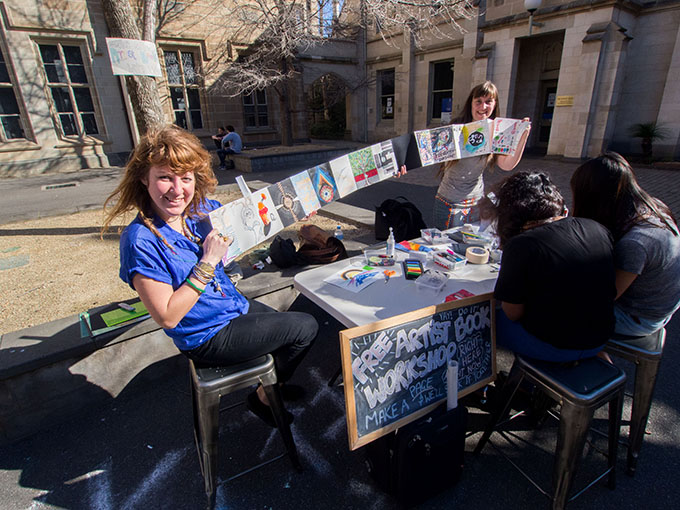
Michele Grimston and Laine Stewart and their Free Artist’s Book activity
.
.
.
.
DOUG’S PHOTOBOOK @ Phoenix Art Museum Self-Published Show
In Focus – banner
.
Doug’s Blurb book ‘Proposal for New Australian Landforms’ has been accepted in to the INFOCUS: Juried Exhibition of Self-Published Photobooks at the Phoenix Art Museum in the United States. The exhibition will be on show from August 23 to September 28, 2014 in the Doris and John Norton Gallery for the Center for Creative Photography. The information that follows in this post comes from the Phoenix Art Museum’s site. http://infocus-phxart.org/photobooks/
.
About this Exhibition (From the Phoenix Art Gallery’s website)
Earlier this year INFOCUS, the Photography Support Organization of Phoenix Art Museum, called photographers to send examples of their self-published photobooks. The purpose of the exhibition is to explore the range of ways that artists are using newly available commercial technologies in order to express themselves. A jury, made up of seven industry professionals including, Founder, Indie Photobook Library – Larissa Leclair and authors of Publish Your Photography Book Mary Virginia Swanson and Darius Himes, reviewed 271 submissions from 15 countries in the Americas, Europe, Asia and Australia. The exhibition represents the 151 books they chose, as examples of the wide range of photobooks being produced today.
We asked for books of any subject including retrospective, project-based, souvenir albums, fictional narrative, exhibition catalogues, poetic, biographical, or children’s books, and welcomed collaborative or collective books in addition to those by a single author. We found that in a well-crafted book, the artist considers every element of the book’s design, and uses each to enhance the finished product. Among the selections are noteworthy selection of paper weight and surface; cover material; printing method and reproduction quality; font style, color and size; text placement and justification (centered, aligned to the right or left); endpaper and title page design; binding (spiral bound, hard bound, paperback); size and placement of the images; sequence of the images; and inclusion (or exclusion) of and placement of the caption information.
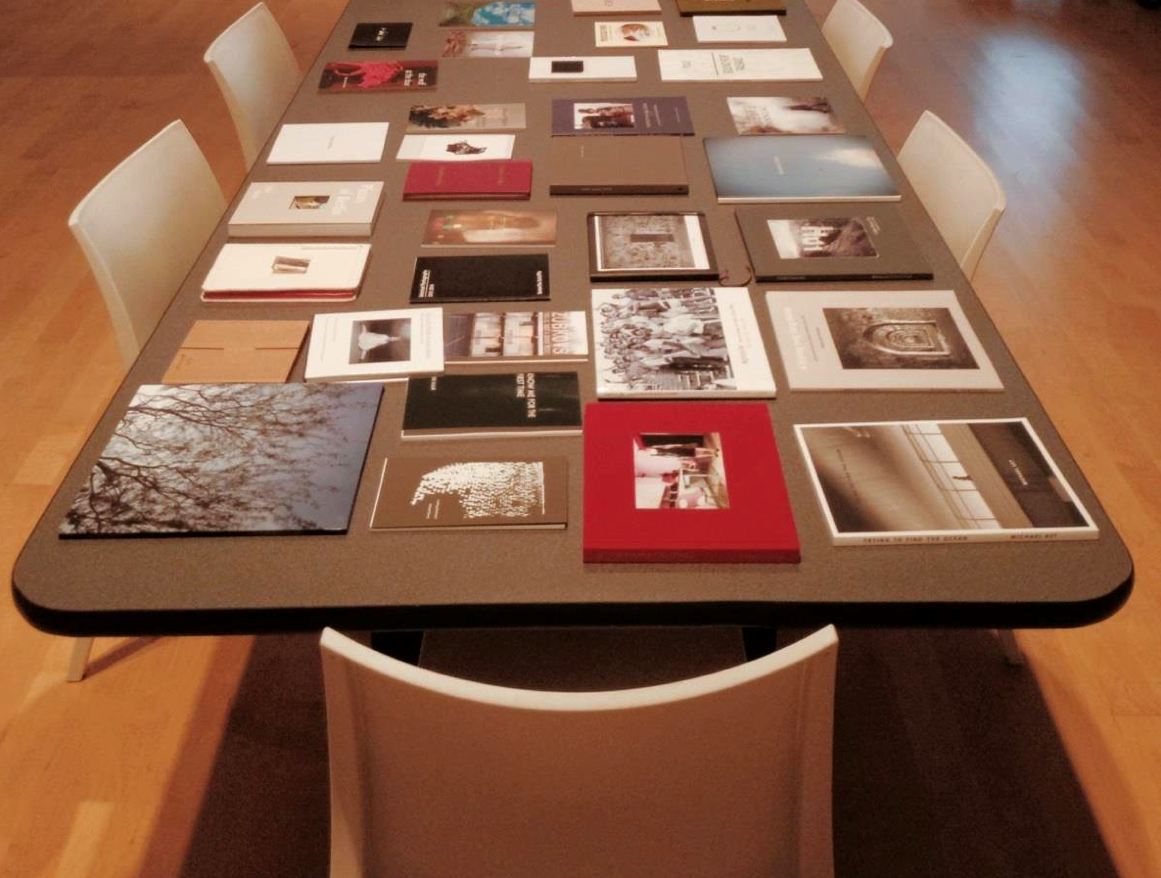
INFOCUS – Photobook display (from the INFOCUS page)
.
Read a few words from the curator, Rebecca Senf
From the earliest years of the medium’s history, photographers have embraced the book form as a way to present, organize and disseminate their work.
Books allow photographers to expand their reach to a much larger audience and to control the presentation of their work. Publishing a body of work also increases prestige and permanence; by creating books, artists know that their printed volume, in libraries and private collections, will long outlive them. Within the art field, there exists a reverence for books, a reverence that acknowledges the care and attention that went in to producing them.
Publishing photographic books has rapidly changed over the last twenty years, with the impact of technology on book publishing and photography. Costs of paper, printing and binding have increased and profit margins for traditional publishers are narrowing, creating a risk-averse climate in which unknown artists have difficulty getting books published by existing presses. The bookstores where we once browsed and purchased books are being replaced by online retailers, which in turn, changes our patterns of buying and the way products are marketed. Furthermore, many types of reading (including news, correspondence, and recreational fiction) have moved away from sheets of paper and bound books to digital displays of various kinds.
Despite these massive shifts in how they are made, the desire to produce photographic books is only increasing. Young photographers want their artwork to be presented as a book, and photographic books continue to be produced, discussed, admired, coveted, collected, and sold.
“The Process and the Page: Developing Photographic Books,” on view at Phoenix Art Museum from March 29 to August 17, 2014, presented book-making materials from the archival collections of the Center for Creative Photography, to show how photographers have participated in the creation of their photographic books over the course of the last 100 years. Now, with the INFOCUS Juried Exhibition of Self-Published Photobooks, we can shed light on an important new phase in the story of photographic books – the ability of photographers world-wide to produce high-quality books of their work through self-publishing.
.
The Jury
The photobooks in this exhibition were selected by:
Abigail Nersesian – Librarian, Phoenix Art Museum
Jennifer Barnella – Retail Sales Manager, Phoenix Art Museum
Joshua Chuang – Chief Curator, Center for Creative Photography
Becky Senf – Norton Family Curator, Center for Creative Photography
and Phoenix Art Museum
Mary Virginia Swanson – Co-author, Publish Your Photography Book
Darius Himes – Co-author, Publish Your Photography Book
Larissa Leclair – Founder, Indie Photobook Library
.
..
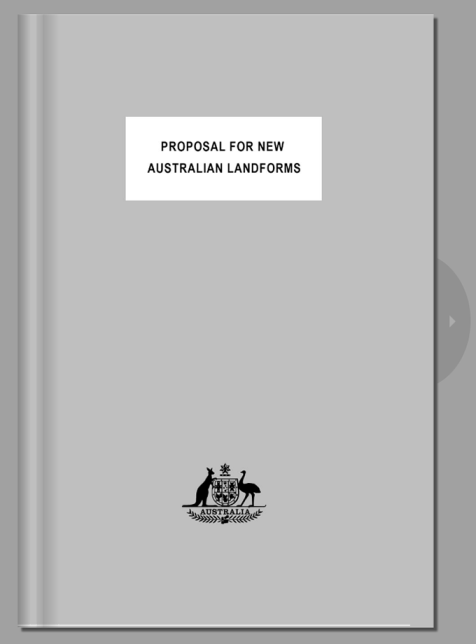
Doug’s Book
.
My book deals with the political scene and is a parody of the potential for government agencies and politicians to do absurd things for, as they call it, ‘the good of the people’.
SEE THE BLURB PREVIEW HERE: Doug’s Book.
.
CLICK the link below for a list of the accepted entries and links to the books
INFOCUS Photobook Exhibition list
..
.
.
SELECTING AN APPA PHOTOBOOK DISPLAY
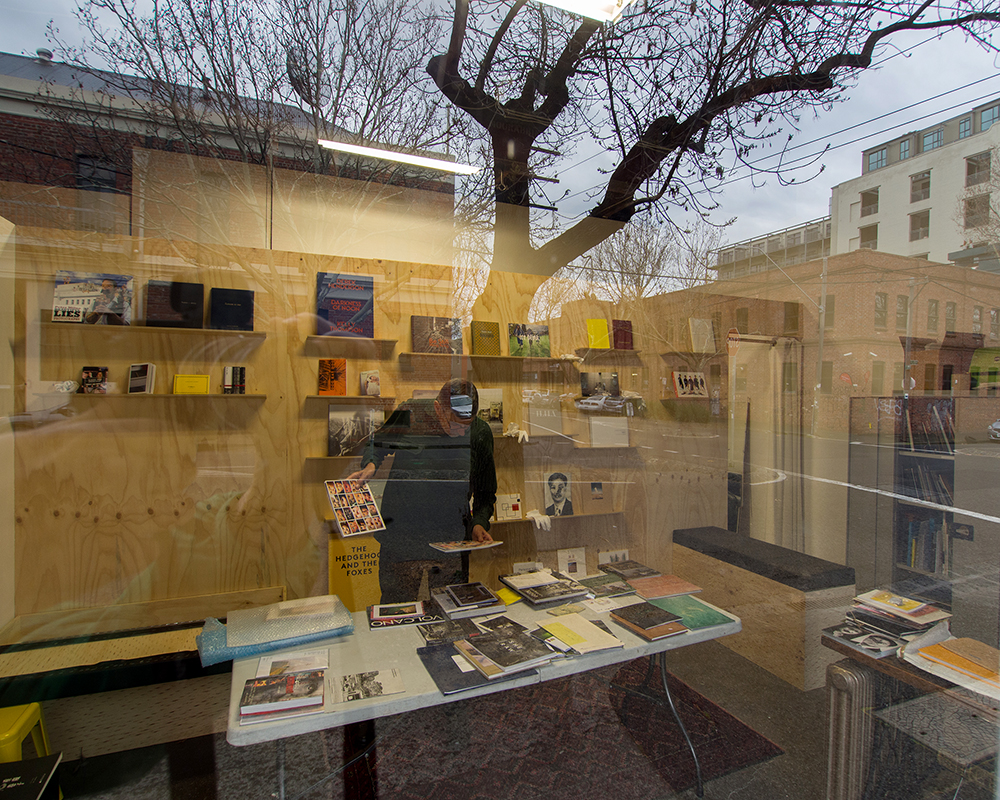
Doug in the APPA space working thru the books on a cold Melbourne winter’s day PHOTO: Victoria Cooper
.
Selecting photobooks @ APPA: A methodology and the list.
I was recently given the opportunity to select books from the Asia Pacific Photobook Archive for their wall display over the next month. While selecting a book to look at and buy in a bookshop can be a challenging enough, the task to review the archive and select around 30 books was daunting. I figured that I needed a methodology.
.
After some thought I put my ideas to Victoria Cooper, photomonteur Peter Lyssiotis, and APPA Director Daniel Boetker-Smith – here’s what we came up with:
- that I’d attempt to make a book array that mirrors the Asia Pacific geographical region
- that I’d select work that was reasonably contemporary
- that the names of the book makers would not unnecessarily bias my selection (interestingly the photographers of books from locations like China, Japan and south east Asia were quite unknown to me)
- that where possible I would select photographers working on their subject matter relating to their own country (the books of some localities were made by visiting photographers).
I wasn’t just going to look at books. As I reached out for, and held each book, I’d consider it as an object, feel its presence and weight, the tactile and sensory experience of the thing. Then I’d engage with its mechanical properties of turning the pages and becoming acquainted with it as a communicative device. In this the following would be considered:
- layout
- typography
- images and their sequencing
- paper, production and binding methods
- it as a narrative form.
In the final moments of engagement with the book I’d need to make a judgment call – was it successful? Whatever that may be? I am a firm believer in Roland Barthes’ proposition that the moment a written piece, I would say a book, is passed to others to read/view that the ‘author dies’ and that the ‘reader is born’. So, as the reader, I was to make the following decisions. I should note that towards the final stages of geographical assemblage I called upon Daniel and his extensive knowledge, to suggest books from, or about specific areas to be considered by me for inclusion.
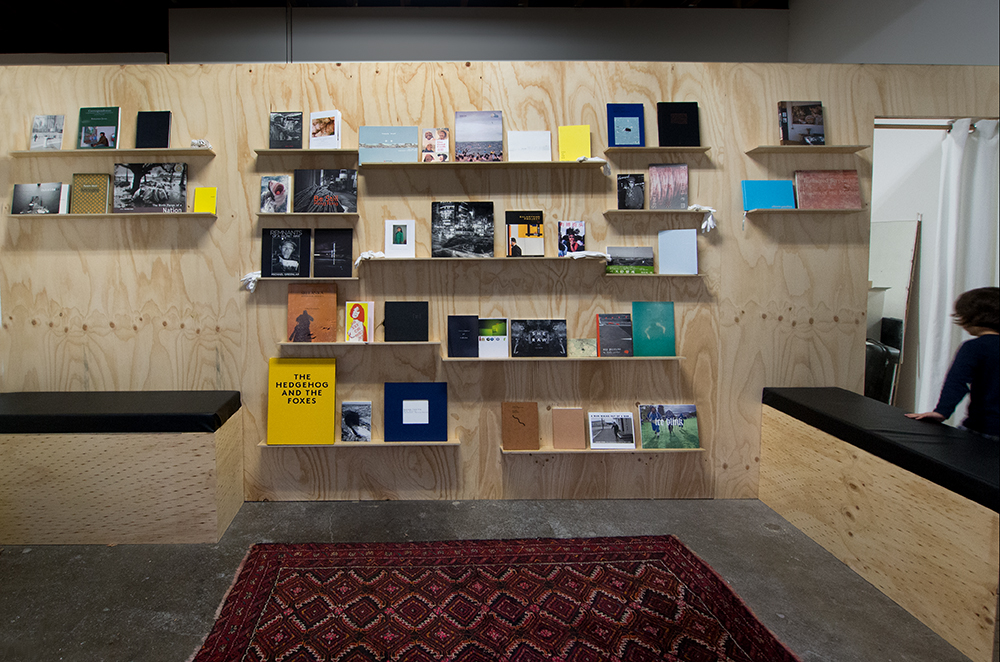
The Doug Spowart APPA Selection
.
.
Here is selection of the geographic locations, their makers and the titles:
Dubai/Surfers Paradise – Sean Fennessy ‘Gold’
Iran/Australia – Katayoun Javan ‘Correspondences: A photographic journey between past/Iran & present/Australia’
India – Munem Wasif ‘Belonging’
India – Pablo Bartholomew ‘Outside In’
Bangladesh – Shahidul Alam ‘The Birth Pangs of a Nation’
.
.
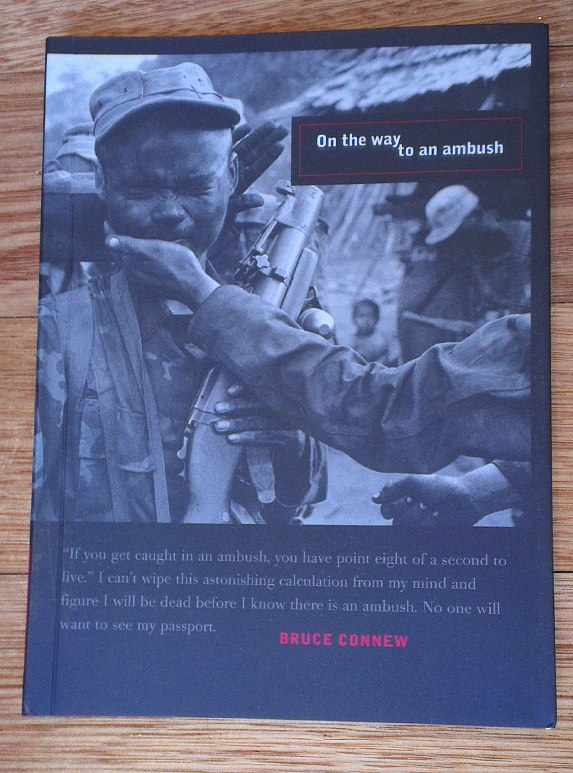
Burma – Bruce Connew ‘On the way to an ambush’
Cambodia – Isabella Capzio ‘Where the water once was: Boeung Kat Lake Phnom Penh
Thailand – Hiro Imai ‘Bangkok’
Thailand – Miti Ruangkritya ‘Thai Politics no.2’
Laos – Michael Greenlar ‘Remnants of a secret war’
Malaysia – Welan Chong ‘Please mind the gap: Singapore’
Hong Kong – Douglas Khoo ‘Be Still Hong Kong’
Sri Lanka – Nihal Fernando ‘Sri Lanka: A personal Journey’
China – Huang Qingjun & Ma Hongjie ‘Family Stuff’
.
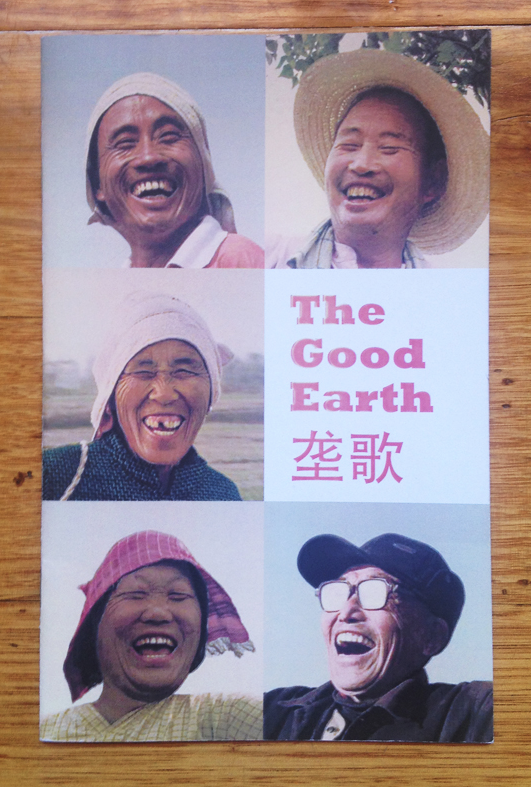
China – Li Kejun ‘The Good Earth’
China – Zhang Xiao ‘Coastline’ (?)
China – ‘Lens on Wesi Lake’
China – Vincci Huang ‘Eyes in the air’
.
.
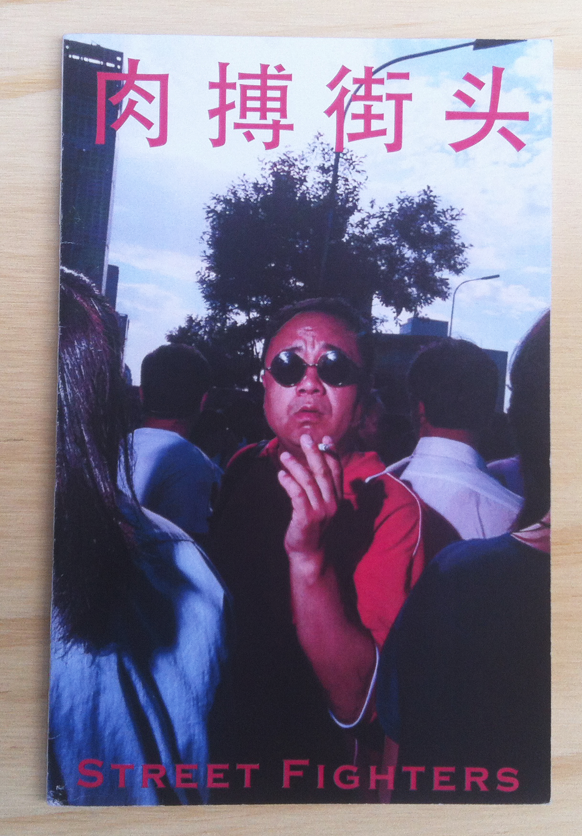
China – Wu Chenghuan ‘Street Fighters’ Beijing
Taiwan – Paul Koolher ‘Political Chaos’
Japan – Bruno Quinquet ‘Salaryman Project: Business Schedule’
Japan – Chie Murakami ‘Japanese Girl’
Japan – Sun Yanchu ‘Obsessed’
Japan – Big book Japanese cities
Japan – Saori Ninomiya ‘Requiem’.
.
.
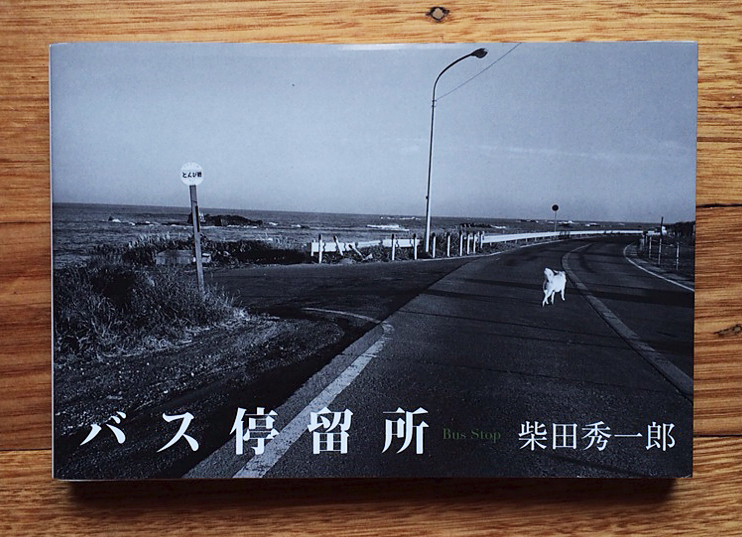
Japan – Shuichiro Shibata ‘Bus Stop’
Japan – Zhao Renbui & Satoshi Katnoku ‘The whiteness of a whale: a project with The Institute of Critical Zoologists’
West Coast American book
Canadian book
Philippines – Dina Gadia ‘Buxxxom Grind’
South Pacific region – Monini Chandra ‘Album Pacifica’
Mexico – Isabella Capezio ‘Feathered Serpents & Visions of the Mother’
Australia – George Voulgaropoulos ‘Children of Auburn’
Australia – [n]
Australia – Emma Phillips ‘Volcán’ (Variant ?)
Australia – Lilli Waters ‘She Raw’
Australia – Ingvar Kenne ‘The Hedgehog and the Foxes’
Australia – Melissa Deerson (Coordinated) ‘Docklands Field Trip’ Melbourne
.
.
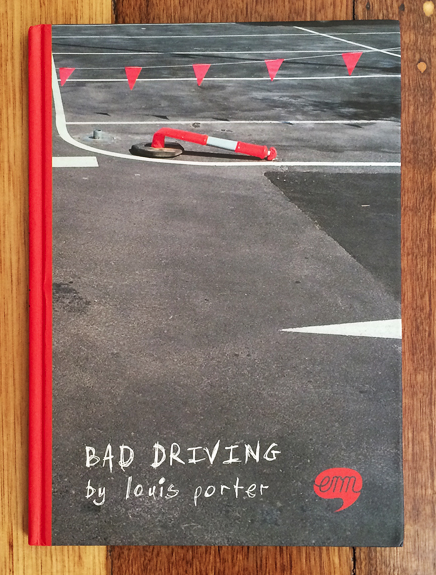
Australia – Louis Porter ‘Bad Driving’
New Zealand – David Cook, Wiramu Puke and Jenty Valentine ‘River–Road: Journeys Through Ecology’
New Zealand – Solomon Mortimer ‘Solomon’s Travels: Volume One 2012’
New Zealand – Lucien Rizos ‘A man walks out of a bar: New Zealand photographs 1979-1982’
.
.
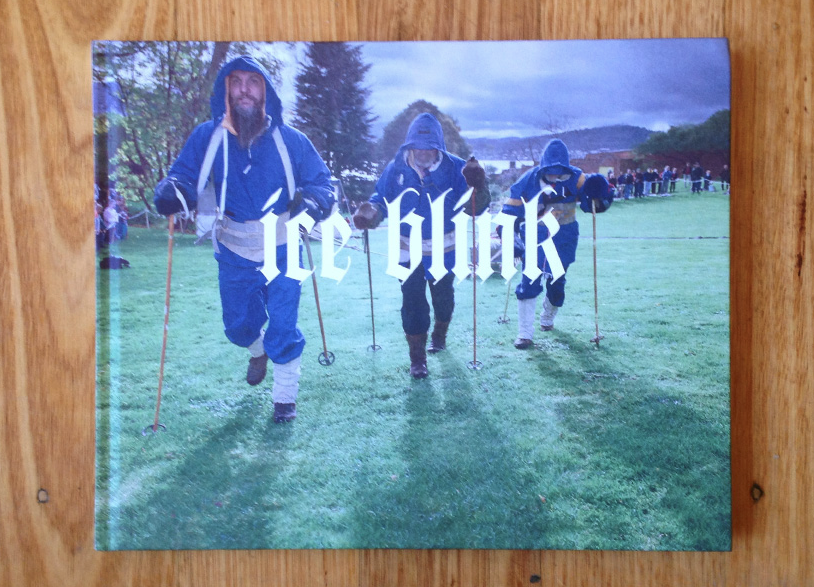
Antarctica – Ann Noble ‘Ice Blink’
END OF LIST (Some books are not listed here…)
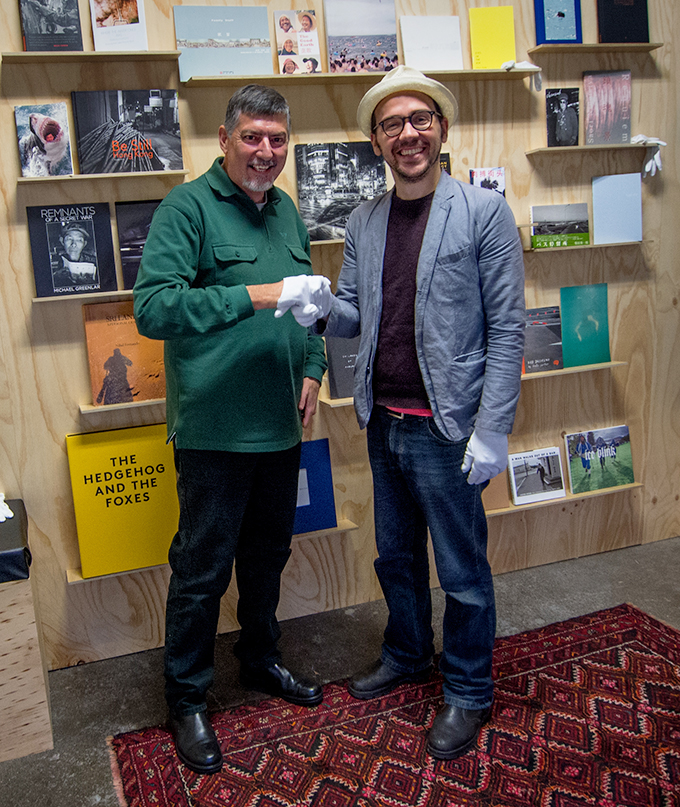
Doug and APPA Director Daniel Boetker-Smith PHOTO: Victoria Cooper
.
Thanks must go to Daniel’s ongoing support of this project and making this resource available for us all — And also thanks to the photographers for contributing to the archive.
Cheers Doug
.
APPA Sign
WISEMAN ON SAFARI @ Brisbane’s Maud Gallery
Respectfully Intruding by John Wiseman @ Maud Gallery, Brisbane
August 6 – September 13, 2014. The exhibition was opened by Ken Duncan on August 8.
.
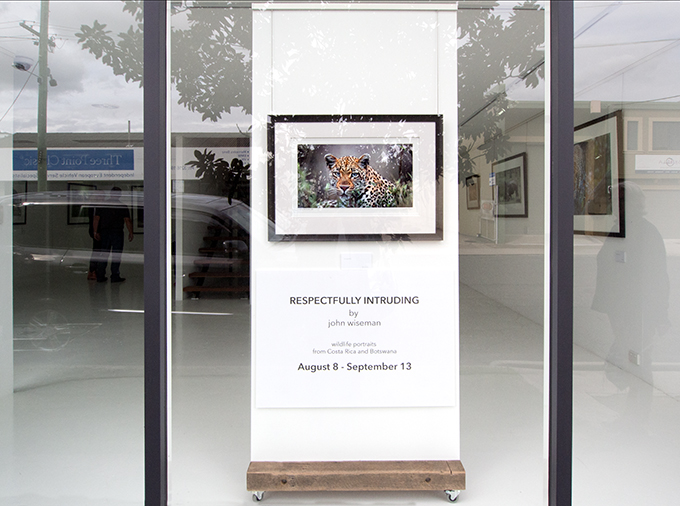
Maud Gallery window
John Wiseman’s photography exhibition Respectfully Intruding at Brisbane’s Maud Gallery presents an invitation to go on safari and peek over his shoulder while he observes and photographs wildlife on the African savannah or in the Costa Rican rainforest. Luckily for us his invitation is to the gallery and the trials and complexities of journeys to exotic places are made easy for us. He also saves us the trouble of waiting, waiting, fighting impatience and the agonies of cramped photography vehicles and observation hides. Dust, flies, mosquitoes, things that will sting or eat you are not part of Wiseman’s plan. We are also spared the burdens of travel, airports, border guards with guns and the grind of life in these exotic lands. What we are given are his photographs.
.
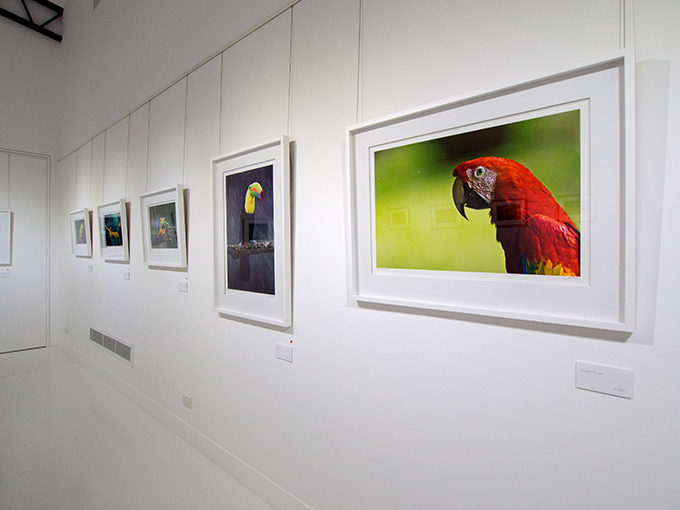
Maud Gallery installation
.
In the white spaces of Maud Gallery, a kind of ‘safari of wonder’ is encountered –as the visitor wanders through the exhibition of wildlife and flora images. Rhino, elephant, leopard and lion of Africa inhabit the front room. Then in contrast to the ochres, browns and blacks, there are birds, flowers, frogs and snakes in green, yellow and turquoise of the rainforest that inhabit the large inner gallery. The bridge between these two environments is the photography style and vision of John Wiseman.
.
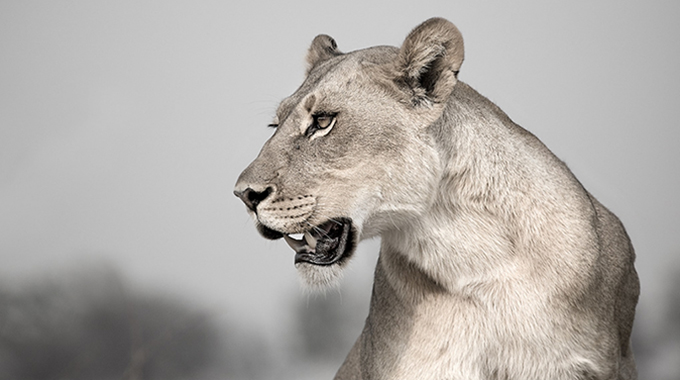
The Lioness
.
We are no stranger to subjects like these as they have adorned National Geographic magazines, a thousand Attenborough ‘Life on Earth’ TV programs and countless coffee table books. We may have become so familiar with these subjects that these new works may just become just another ‘one of those’. But I would say look again. Wiseman is no quick snap wildlife shooter – his images exhibit careful consideration for subject and the moment captured. His arrangement and design of the image and concern for lighting takes images to the perfect moment that we think only Photoshop fakery could reveal. But these are real images from single exposures straight out of the camera without much post capture treatment.
.
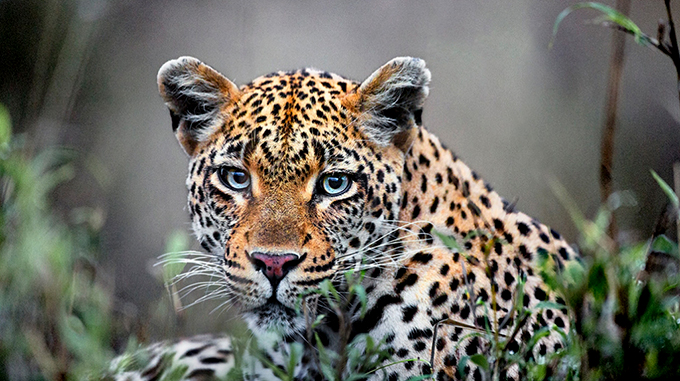
Blue Eyes
.
Individual images stand out and draw your attention to the framed photograph – for those who love cats, a stunning image of a leopard with clear eyes will hold you in it’s mesmerising and piercing gaze. In another photograph entitled, ‘Family Portrait’, a lioness and four playful cubs look off camera with ears pricked up, attention aroused – for the viewer there is an ability to take in that frozen moment. Someone with an understanding of safari photography will wonder low long and what patience it took for Wiseman to get such an image.
.
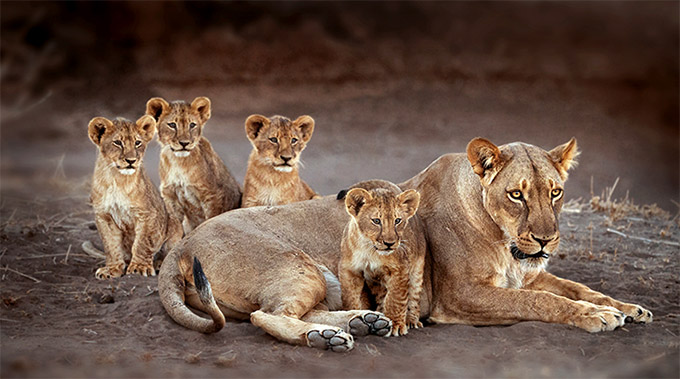
Family Portrait
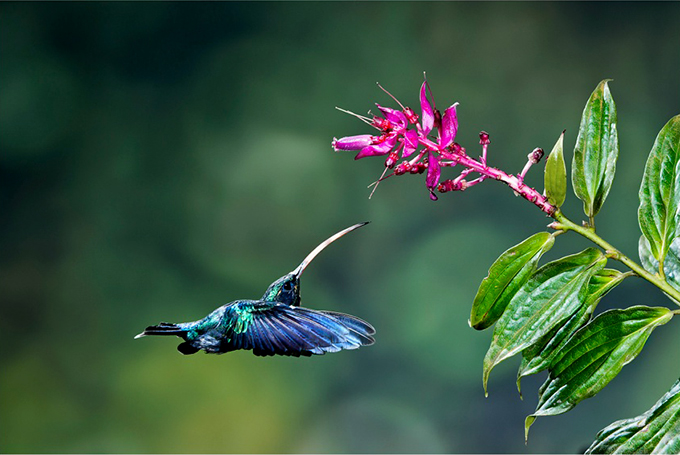
Blue Hummingbird
.
In the Central American space humming birds dance and glide in many frames. Frozen in flight, something that is particularly difficult to photograph, these birds are like airborne jewels with iridescent colouring attracted to equally colourific blooms. Once again Wisemans mastery of technique gets the photo but his sense of design, moment of capture, concern for background and subject placement make these extraordinary photographs. A multiple electronic flash setup is used to create these images and in a few photos Wisemen has synchronised the flash with a slow shutter speed allowing a frozen moment, as in the other images, to be combined with the blur of the wings in the longer moment of capture. For me this tells the greater story of the little bird’s hovering capacity and the beauty of this feathered flight.
.
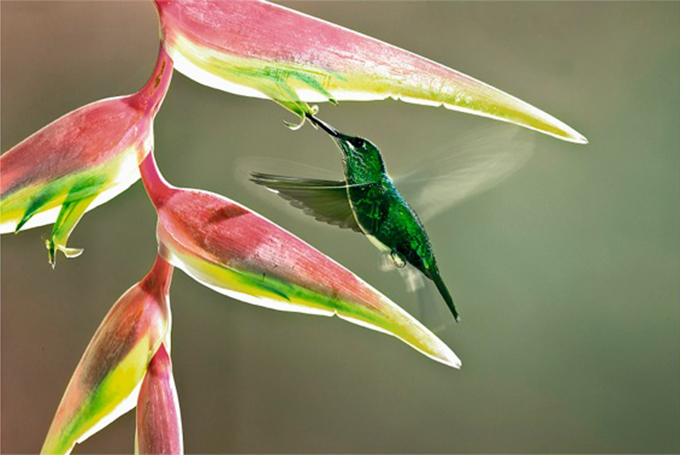
Hummingbird Feeding
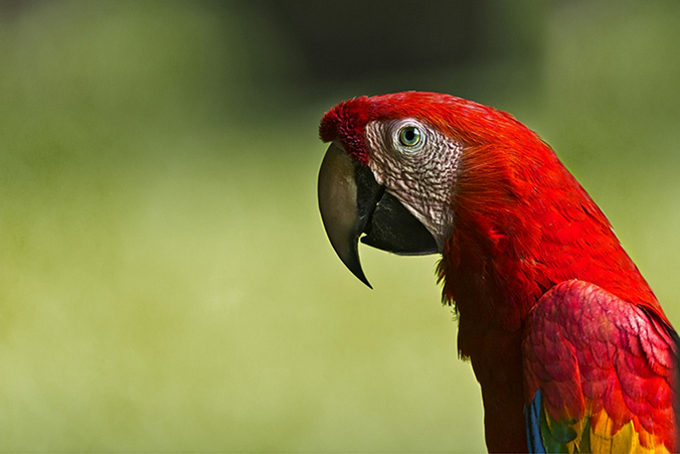
Scarlet Macaw
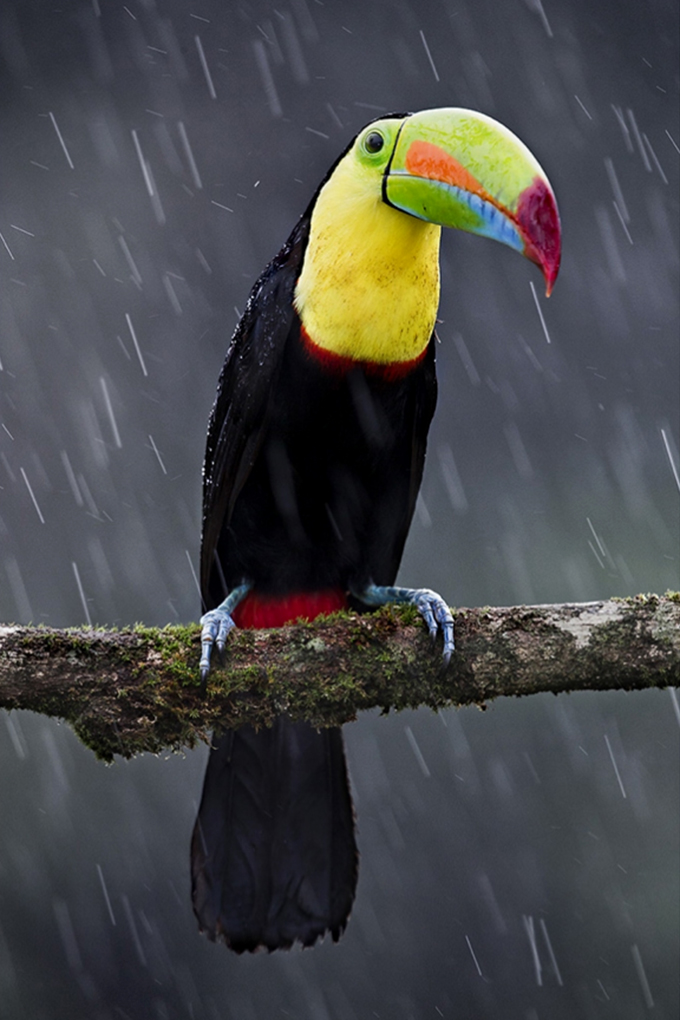
Toucan in the rain
The Costa Rican rainforest also has its share of frogs that perform for Wiseman’s camera. Colours, backgrounds, movement and clarity once again reflect Wiseman’s fascination for the natural world. Other images that evoke response include a toucan in the rain, and the sinister shapes of snakes, the most beautiful of which hides camouflaged in the framework of a heliconia flower.
.
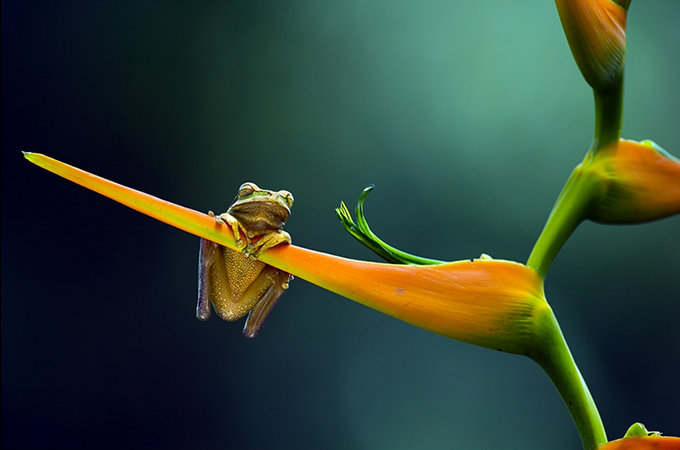
The Serenity of Sleep
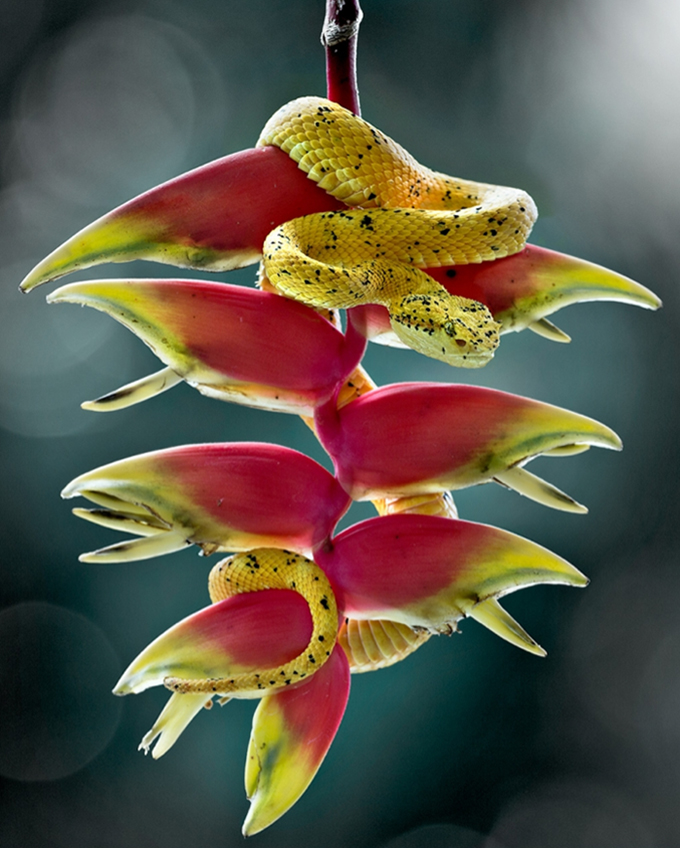
Viper on heliconia.
.
In an artist’s statement Wiseman states that he finds in his photography adventures: ‘The intoxicating excitement of the animals of Africa; the size, beauty and grace of these creatures and the love of the chase.’ And that most certainly is evident in the photographic works presented to us in this exhibition. And unlike many who venture, or have in the past, ventured into exotic lands in search of the hunt and big game with a gun – John Wiseman has been, and shot big and small game, and presented his trophies of the living things for us to observe and share his excitement and wonder of these things.
.
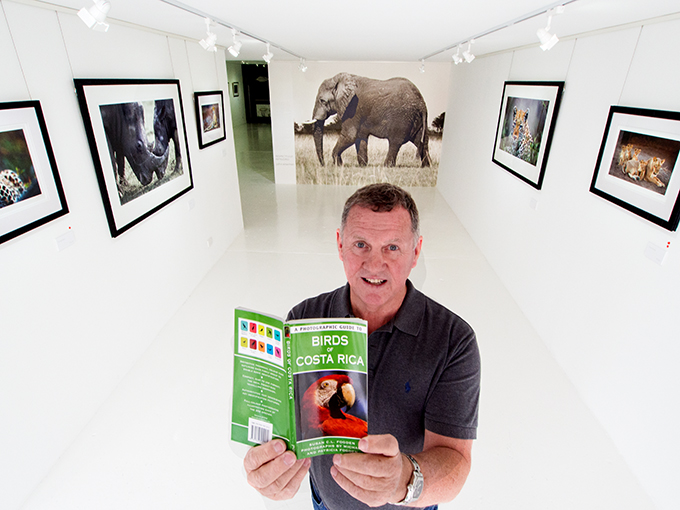
John Wiseman reading up on Costa Rican birds
.
Doug Spowart 18 August 2014
.
Texts and installation photos © Doug Spowart 2014 Photographs from the exhibition © John Wiseman
.
.
.
ALEX STALLING’s PORTRAITS [part two]
.
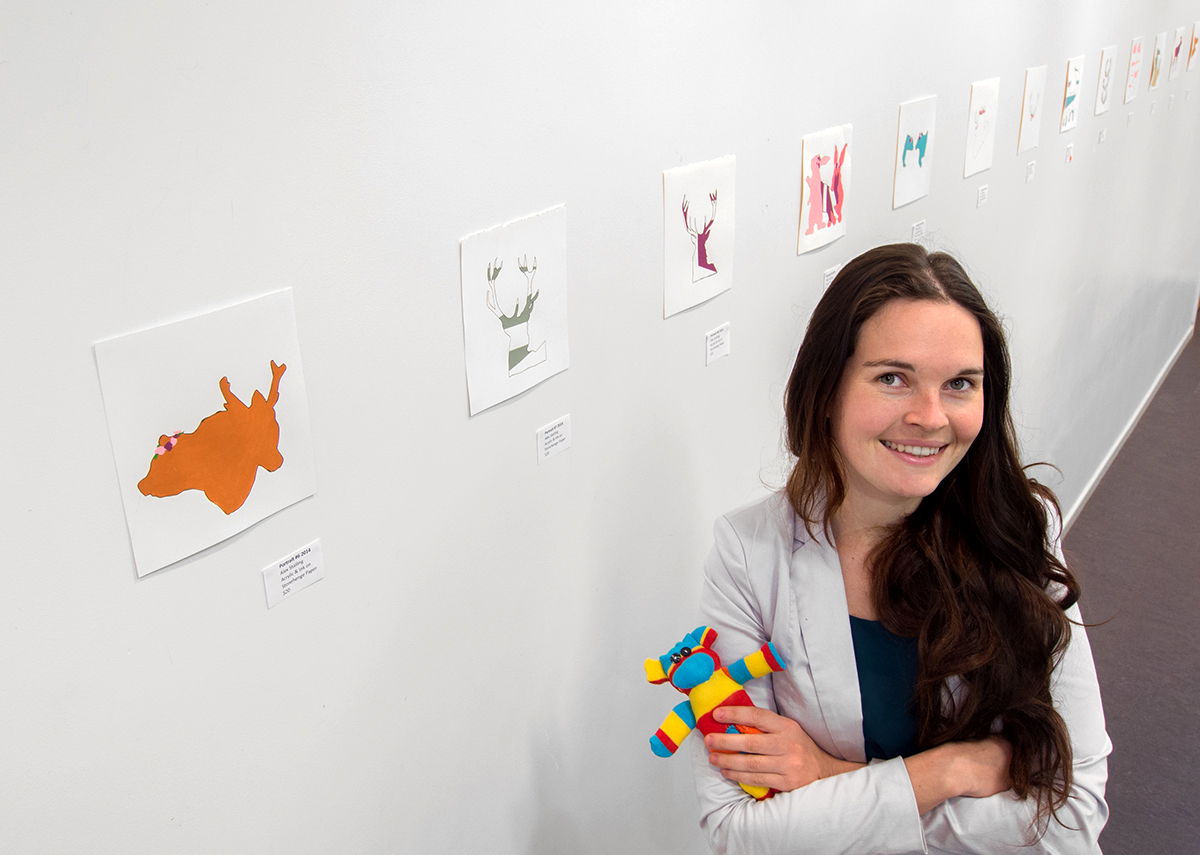
Alex Stalling in her Portrait exhibition
.
Portraits: Layers of Meaning
Portraits [part two] An exhibition by Alex Stalling at Culliford Gallery, Toowoomba. July 28 – August 24, 2014
.
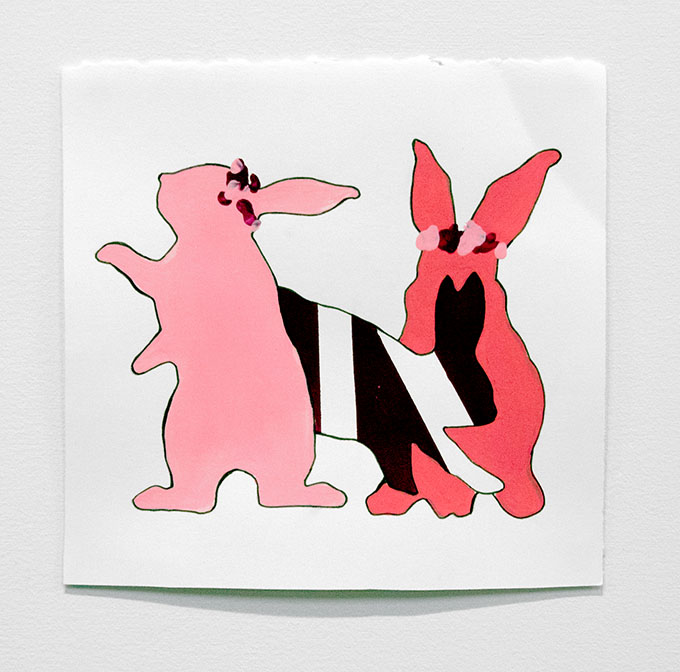
Alex Stalling’s latest exhibition Portraits [Part Two] will certainly challenge the idea we might have of what a portrait can be. The bare white walls of the Toowoomba Art Society’s Culliford House Gallery, are punctuated by 20cm square pieces of white art paper onto which the artist has meticulously drawn and painted a ‘portrait’. Now these portraits are not of people we might know, someone famous, auntie Ethel, a sleeping child or a happy couple – they are … of animals – meta animals!
.
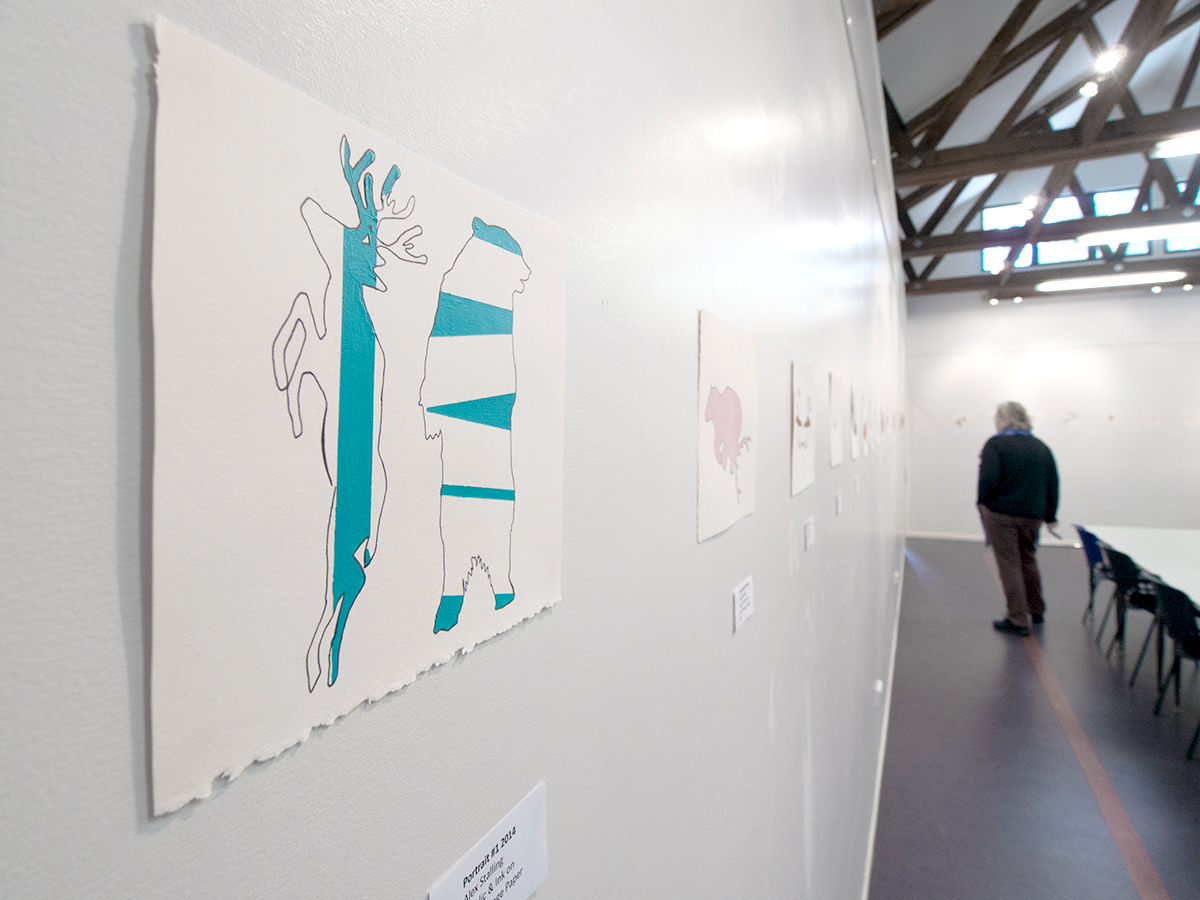
Alex Stalling’s Portrait exhibition
.
Stalling has essentially created works made up of the shape or outlines of different animals. The animals sometimes morph and overlap – other times they are juxtaposed to suggest associations. A deer’s head and antlers adjoin a similar shape at 180o to form what looks like tree roots. A prancing deer dances with the outline of a upright bear. A moose stands on top of another, and a doe stands yet again on top! These works are like Mr Squiggle drawings gone wrong, or prints where the paper has jammed in the printer.
.
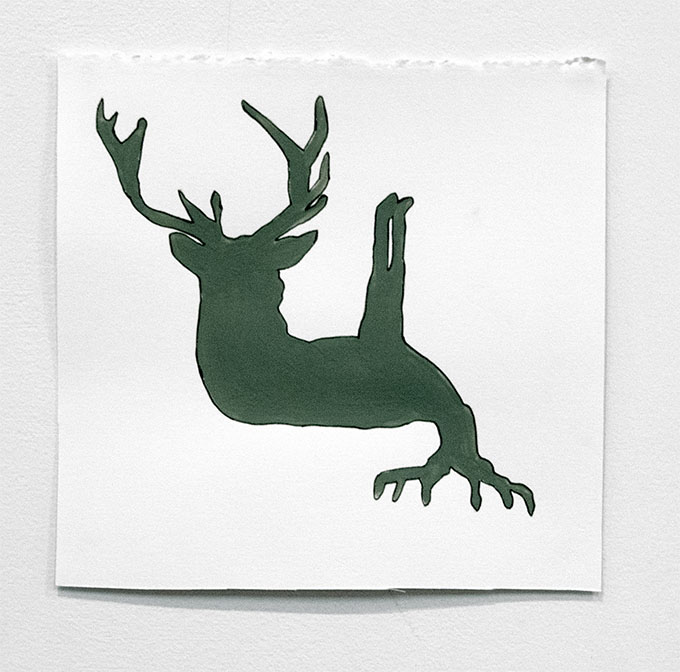
Portrait #5
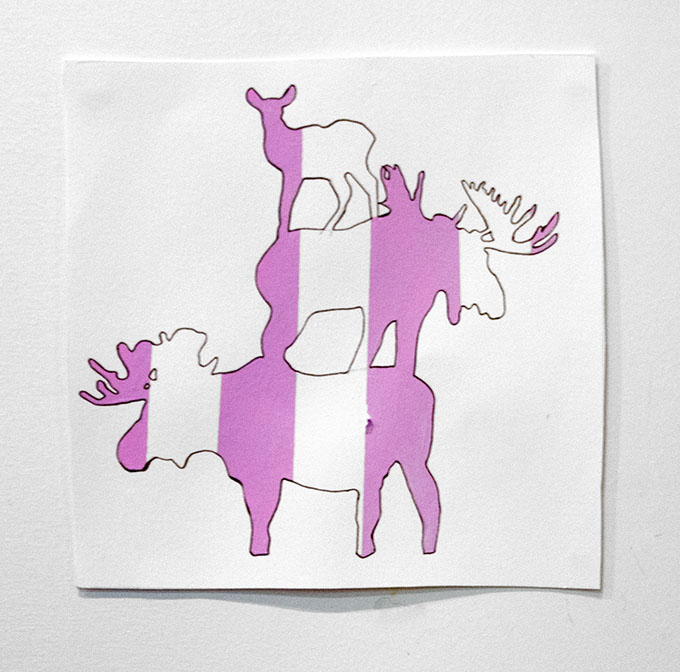
Portrait #36
.
Many animals are bedecked with garlands of pink and orange flowers. This decorative element links individual artworks in the exhibition. A limited palette of flat colours of brown, orange, bright blue, pink and dark green also provides a cohesive aspect to the show.
The confusion of meaning continues. As if to create a cryptic challenge to the viewer – the animal outlines are partially filled-in often with bright and fluoro colours, but not in ways that help identification. The colouring implies another shapes or patternings which are partially obscured by the outlined edge of the animal. It is as though the animal outline has been cut out to reveal the abstract flat colour shape below on a background sheet.
Portrait #9
.
From a distance the outlines and colour shapes may appear to the gallery visitors as maps of continents, countries or localities. The colours perhaps define boundaries within those spaces. Moving up-close the another interpretation emerges – but it too, as discussed, is puzzling. Every image becomes a game, a riddle of confused meaning, a mind recognition trick, something that can amuse, entertain or stimulate the viewer to action.
Just who are these animal motifs a portrait of? The artist? A thought? And idea? A dream or muse, or influence? Or all of these…
The strength of Alex Stalling’s Portrait works is that they are not unchallenging easy-lookers, but rather works that demand the viewer to seek within themselves a resolution to a visual challenge – there, maybe they will find their ‘portrait’, and the meaning within the artworks.
Perhaps too, when an artist does a portrait, it also becomes a self-portrait of the artist themselves …
.
Doug Spowart
August 12, 2014
.
MORE INFORMATION
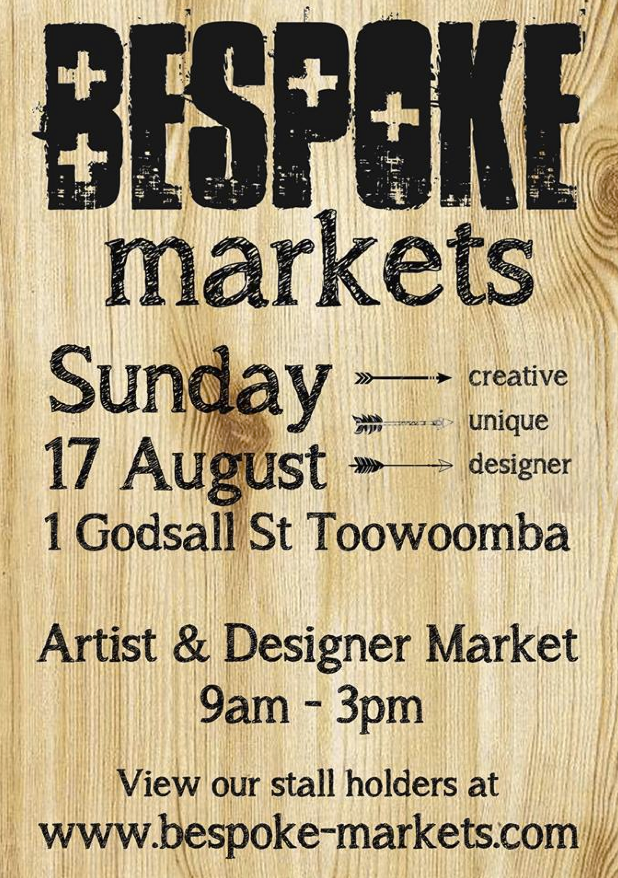
THIS SUNDAY in the exhibition space:
https://www.facebook.com/bespokemarkets
.
.
Text and installation photos ©2014 Doug Spowart All artworks ©2014 Alex Stalling
.

 wotwedid