Posts Tagged ‘Artists Books’
COOPER+SPOWART TALK ABOUT PHOTOBOOKS
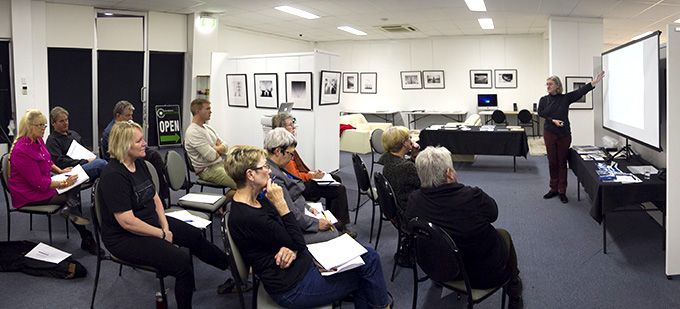
Victoria Cooper talking about photobooks @ Foto Frenzy
On the evening of May 21 Victoria + Doug presented a talk and showing of their self-published photobooks and artists books. Entitled LOOKING GOOD IN PRINT: PHOTOBOOK, the talk connected participants with concepts and techniques on how to personalize and create photo-stories in the form of the bespoke self-published book.
Participants engaged in a lecture presentation that helped them to develop a broader understanding of what a photobook can be—extending them beyond just a collection of photos into a resolved personal narrative of high technical and aesthetic values.
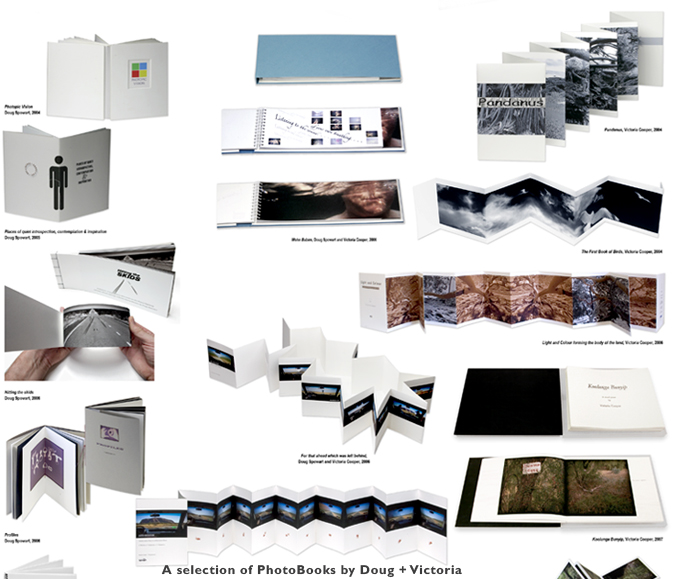
The range of options for making photobooks was discussed and samples of hand-made, inkjet printed and hand-bound artists’ books, as well as print-on-demand books were available for viewing and handling.
The Intro Session included an overview of the following topics:
- Simple and advanced forms and structures of books
- The creative influence of artists books
- The image, sequence and the narrative flow
- Production and design issues for handmade/print-on-demand book
- Computer processing of the book
- Simple bindings for the handmade book
.
.
.
Location:
Unit 3/429 Old Cleveland Road, Camp Hill, QLD 4152.
Time + Date: 6.00 – 8.30pm, Tuesday May 21, 2013.
THE FEE: $ 75.
Bookings were made through:

.
.
All photographs + text © Doug Spowart 2013.

This work is licensed under a Creative Commons Attribution-NonCommercial-NoDerivs 3.0 Unported License.
SLQ Siganto Seminar: The trouble with artists’ books
AT THIS TIME THE BLOG WILL FEATURE IMAGES OF THE EVENT
We are happy to receive comments and dialogue arising from the seminar and will post selected feedback. Please leave a comment on this blog for consideration by us for posting.
The podcast is available at http://www.slq.qld.gov.au/audio-video/webcasts/recent-webcasts/siganto-seminar
Cheers Doug+Victoria
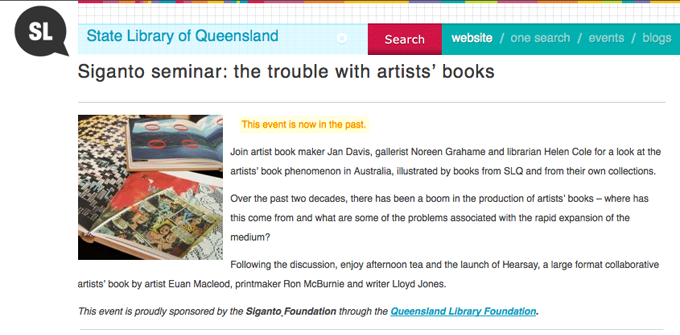
From the SLQ website – Promo for the evnt
.
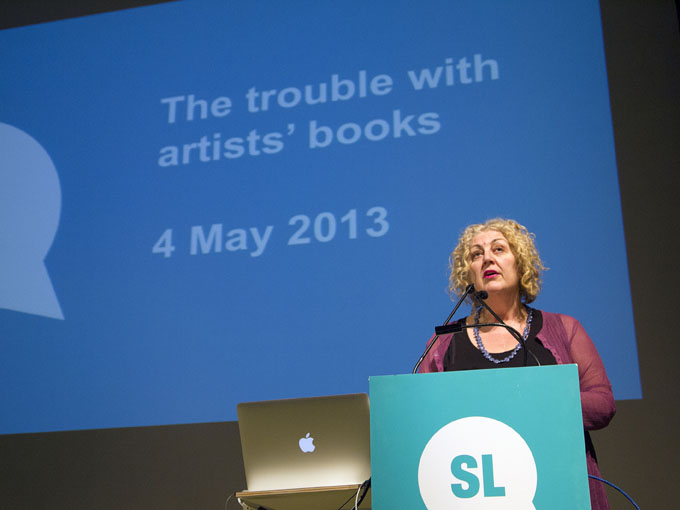
The State Librarian Jeanette Wright opens proceedings
.
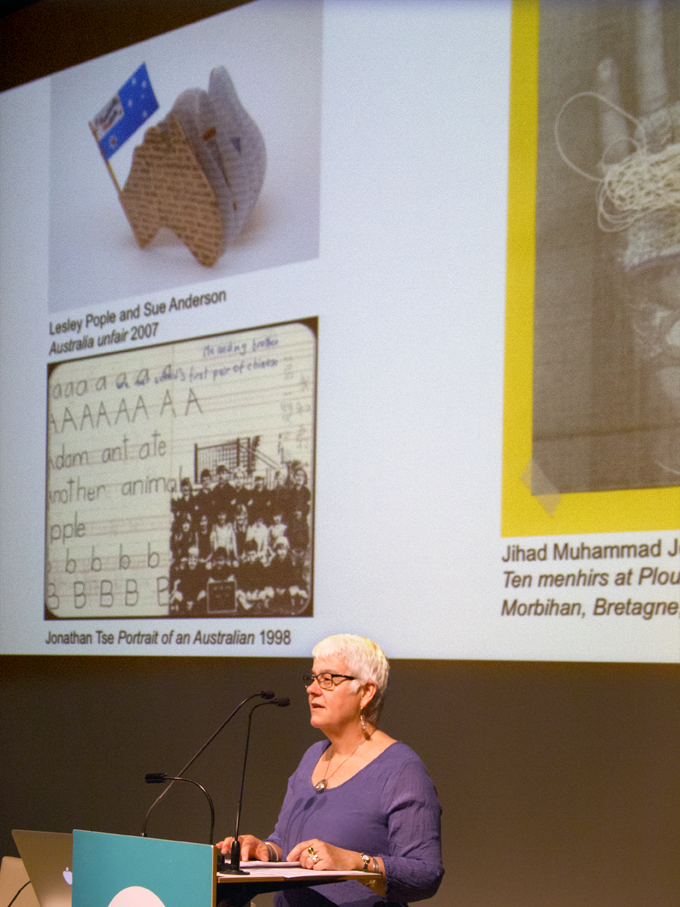
Helen Cole presents the Librarian’s view
.
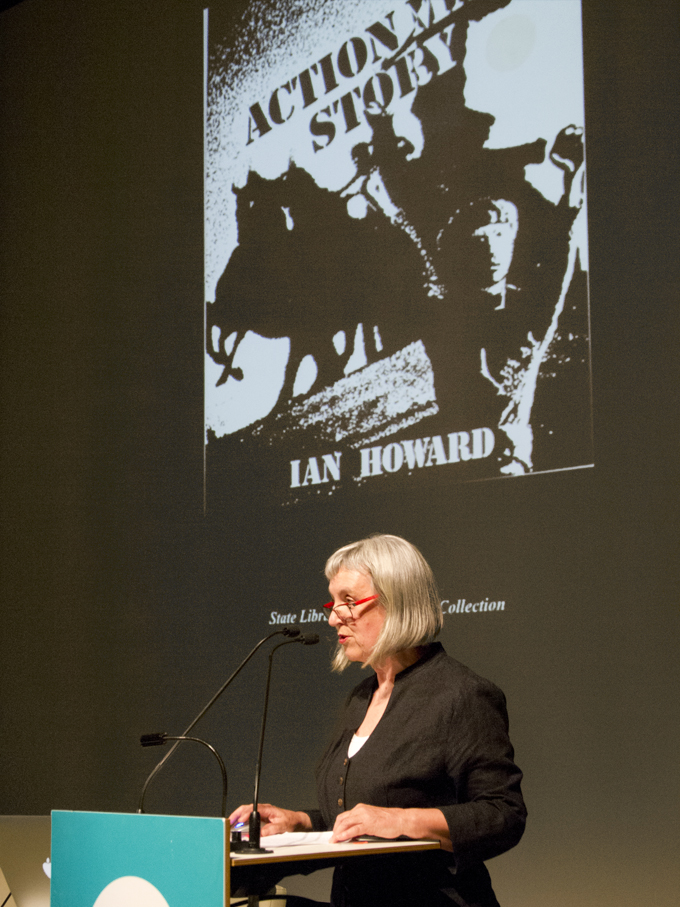
Jan Davis presents the Artist’s view
.
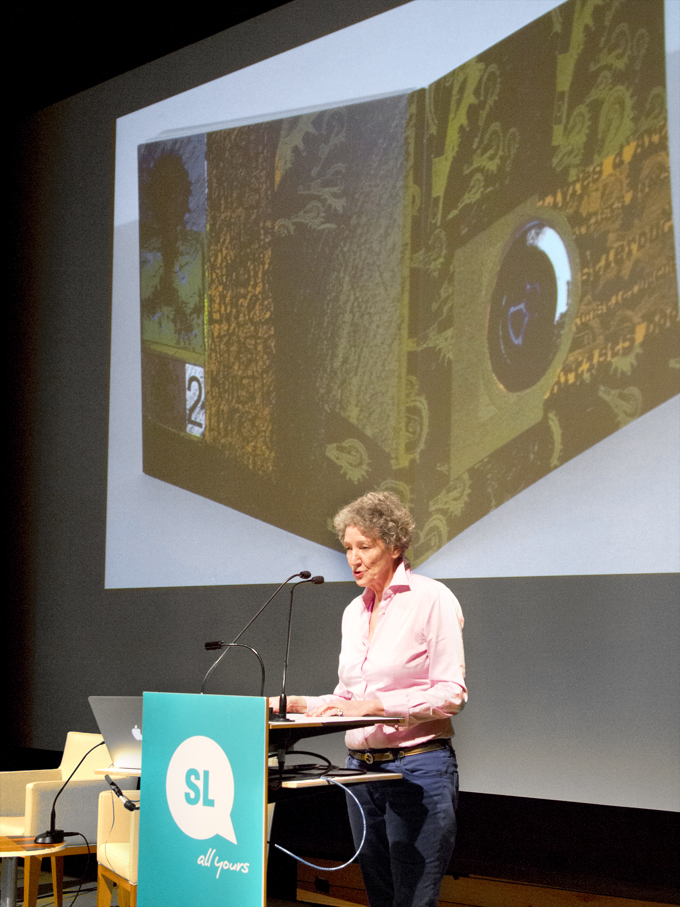
Noreen Grahame presents the Gallerist’s view
.
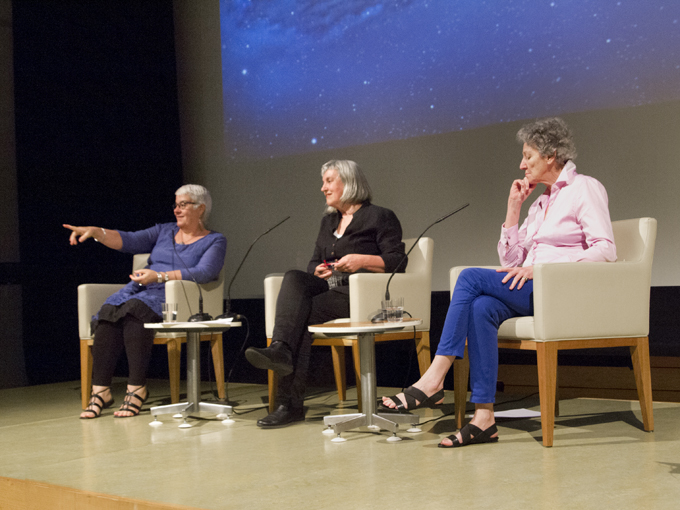
Helen Cole chairing the Question and Answer session
.
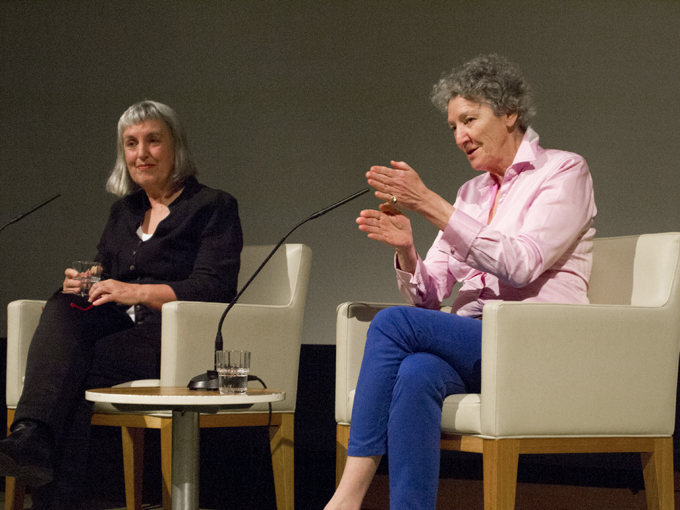
Noreen Grahame answers a question
.
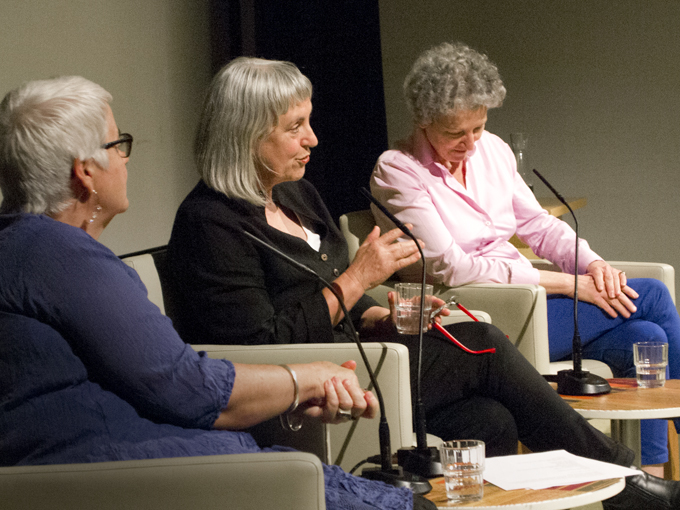
Jan Davis answers a question
.
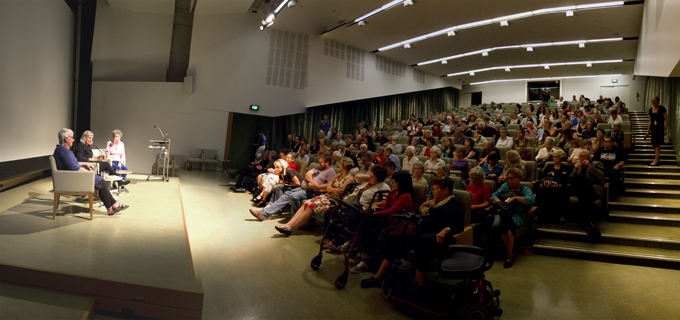
The Auditorium crowd
.
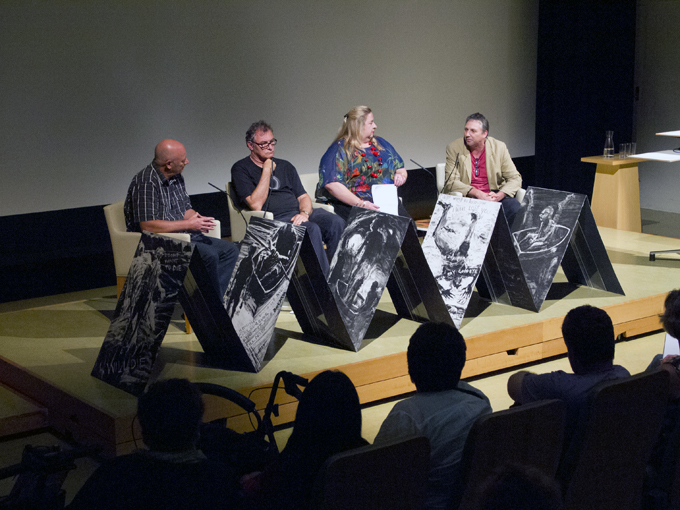
The Hearsay team members discuss the project
.
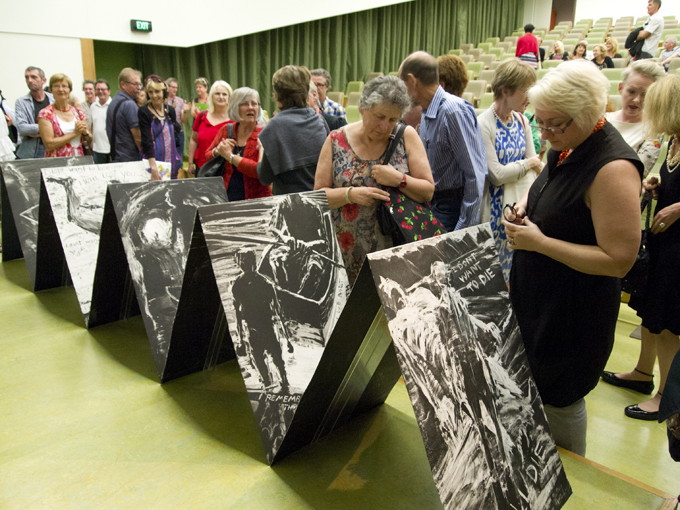
Attendees viewing the Hearsay book
BLOGPOSTS ABOUT THE EVENT ARE AVAILABLE AT THE FOLLOWING:
Judy Barrass ‘Critical mass Blog’ http://www.criticalmassblog.net/2012/?p=2568
.
All photographs © Doug Spowart 2013.
This work is licensed under a Creative Commons Attribution-NonCommercial-NoDerivs 3.0 Unported License.
ReNEWSing the Newspaper: A group exhibition @ Futures Gallery

An exhibition in which the local newspaper has been reinterpreted by 5 artists and reconstituted as a statement of a regional community in Australia.
‘ReNEWSing’ was opened by press photographer Bev Lacey. Bev has lived the life of a dedicated photographer commenting on her local community of Toowoomba for nearly 30 years. As an photographer and artists book maker Bev has participated in previous shows with SQIT. Her comments on the show provide an insight into the nature of the newspaper in a regional community as well as an interpretation of each artists books. Bev’s opening address follows after the images of the event.
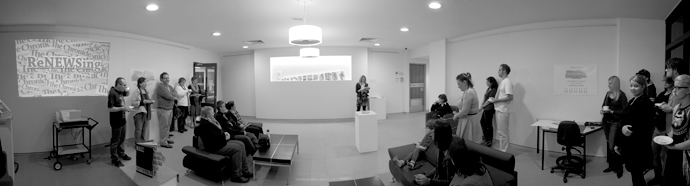
The ‘ReNEWSing’ exhibition panorama @ Futures Gallery
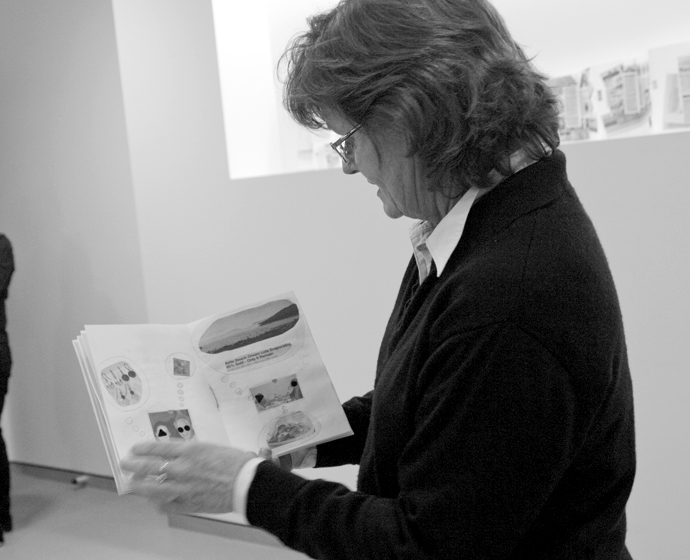
Bev Lacey discusses one of the books
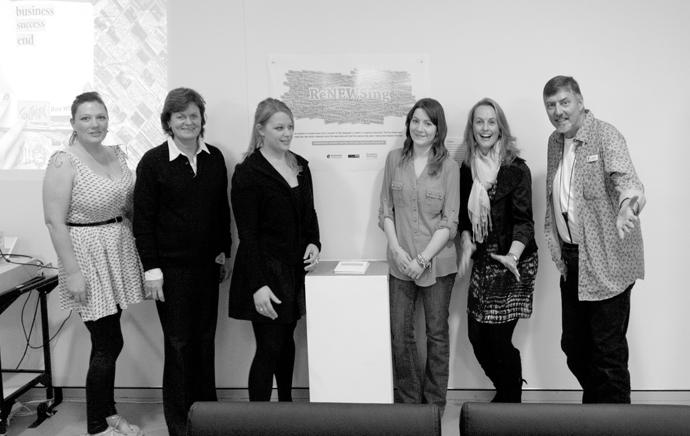
Artists: Kylie Noakes, Bev Lacey, Jess Martin, Yseult Taylor, Angela Moar and Doug Spowart
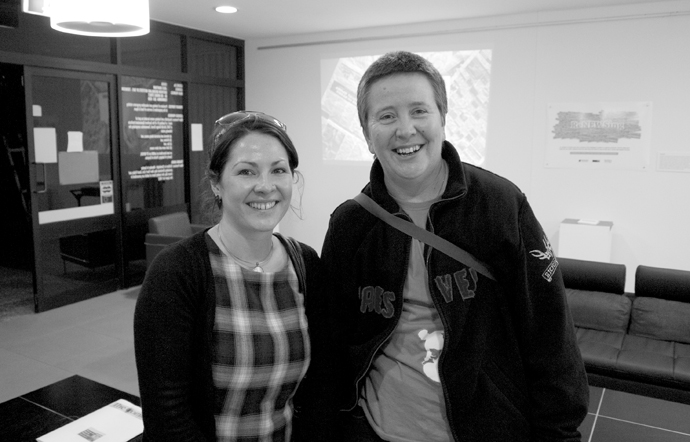
Exhibition visitors: Tina Wilson and Sue Lostroh
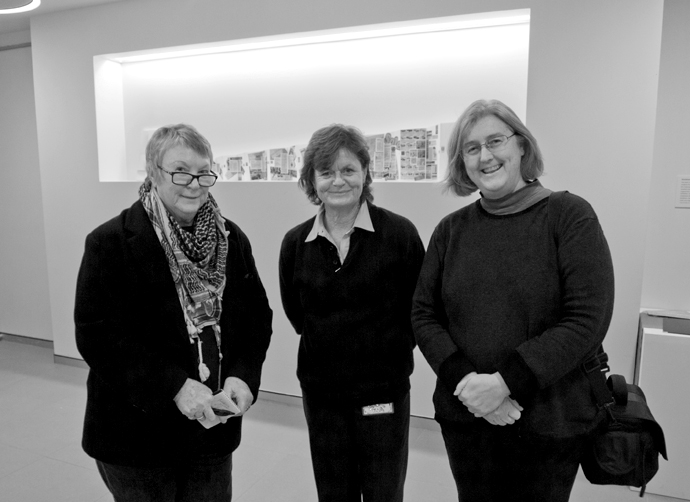
Sandy Pottinger, Bev Lacey + Victoria Cooper
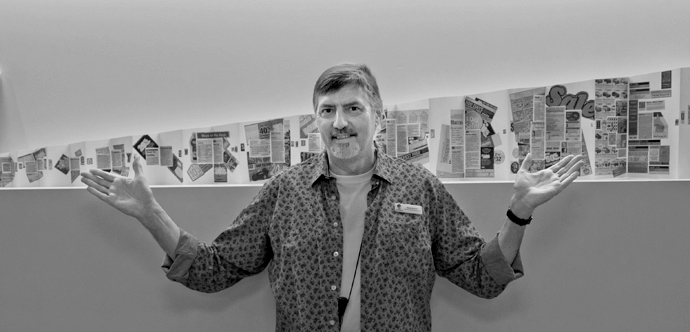
Doug + the book ‘Have you got your Chronicle today’
.
BEV LACEY’S OPENING REMARKS
Interestingly, as I attempt to write something tangible about the works produced, I am finding it difficult to disassociate from the production of the newspaper.
Each day the focus of my time in the office is spent on production of images for the next edition.
Or as in recent times, the production of images and video, for immediate release online and also for the printed edition.
The process is more in keeping with what other people’s expectations are and what they envisage as the final product.
This attention to a set formula – i.e. go to job, get back, quickly download and move onto next job – often narrows the thinking.
In the past when I have browsed through the work produced by the art students taking The Chronicle and creating an artist book, and this is an exciting interpretive assignment, I have been amazed, inspired, envious and a little in awe of the works produced.
I am always in awe of “the artists mind” the ability to see, the ability to transform often unobscure pieces into works of art that I cannot draw away from.
So I thought, taking about the works would not be a challenge at all. But in an attempt to say something worth hearing I am at a loss.
No not really……….
THE BOOKS – an artist book for me needs to be a tactile experience……
As I looked through the books on YouTube I found myself longing to turn the pages and feel the textures.
Does that make your books successful?? that I want to touch them, and experience more than flipping through them on a computer screen – yes I think so.
Yseult Taylor:
Sadly I found the interpretation on what was published on May 10, similar to what a lot of people think that The Chronicle is about; depressing stories about loss of life, jobs and accidents. We, the media do have a tendency to focus on the negative and in creating a book about what was published in the paper on that day May 10 – yes ….you have successfully captured the essence of our storytelling in that edition.
In saying that though, a new perspective was put to the viewer – a rather blunt and interesting division between the headline and advertising.
Jess Martin:
The constant, barrage of text and information which we all have in our lives at the moment,
Information – some useful most not.
Entering though the door of the commercial world, being given light relief , in cartoons and then the barrage again.
The page that I found most fascinating is the blank one – it stopped me in my tracks and you can feel your whole body just breathe out that sigh of relief – time out from the information overload.
Angela Moar:
As a reader , certain words or phrases mean more to one person than another, I found your isolation of the phrases that affected you, an interesting concept.
It make me think of how even in conversation; each individual’s interpretation of even, what I am saying here tonight, can be perceived differently.
Each person hears on a different level of understanding, all totally dependent on our individual life experiences , personal circumstances, and what we think of the person retelling the story.
And the stick men, the little soldiers that represent whom we all are, representing a formula, a set idea of what is news and the storyteller.
Klyie Noakes:
Kylie has isolated happier moments; selecting from the social pages. The moment in time, often totally set up where a photographer captures a moment in a social event.
The quotation, the who am I really, the what is that person thinking at that precise moment is often lost on the viewer as the person is represented, flat – not whole in three dimensional perspective, but as a “happy snap” of people out and about enjoying a moment .
But their real lives are still there, their thoughts their own we just don’t see beyond the smile, a mistake we make even when meeting other people.
Doug Spowart:
The multi layering effect of what is “The Chronicle” is I am sure what Doug is telling us.
A more sceptical self – realises the focus on advertising of cheap deals could be the reality.
But no – I am convinced Doug’s layering, is about a more in depth view of how production of a newspaper happens. The many people, the many processes, the many facets of a life in the office that create a product.
Overall:
Each of the books has that wonderful inviting appeal.
that “what is the artist trying to say to me, what was the artist thinking at the time of creating” ,
and I believe the success of these books lies simply in that – the questions that it asks the viewer, the simple fact that the viewer will ponder the questions, and the answers they themselves come up with – long after they put the books down.

 wotwedid
GRAHAME GALLERIES: Lessons in History Vol. II – Democracy
leave a comment »
grahame galleries panorama
.
Noreen Grahame and the catalogue
.
Jan Davis and her book Democracy Counts
.
Monica Oppen and her book Dare to VOTE!
.
Anne Kirker and Ron McBurnie discussing books
.
Stephen Spurrier and his book Canaries for Democracy
.
Looking @ Glen Skien’s Atlas 1
.
Heather Matthew and her book Occupy
.
Discussing Democracy books
.
Share this:
Written by Cooper+Spowart
November 23, 2012 at 8:16 pm
Posted in Artists Books, Exhibitions, Meeting People, Wot happened on this day
Tagged with Anne Kirker, Artists Books, artists comment on democracy, Glen Skien, grahame galleries, grahame galleries and editions, Heather Matthew, Jan Davis, Lessons in History Vol. II - Democracy, Monica Oppen, Noreen Grahame, Ron McBurnie, Stephen Spurrier