Archive for the ‘Wot happened on this day’ Category
20 October: THE END OF THE ROID
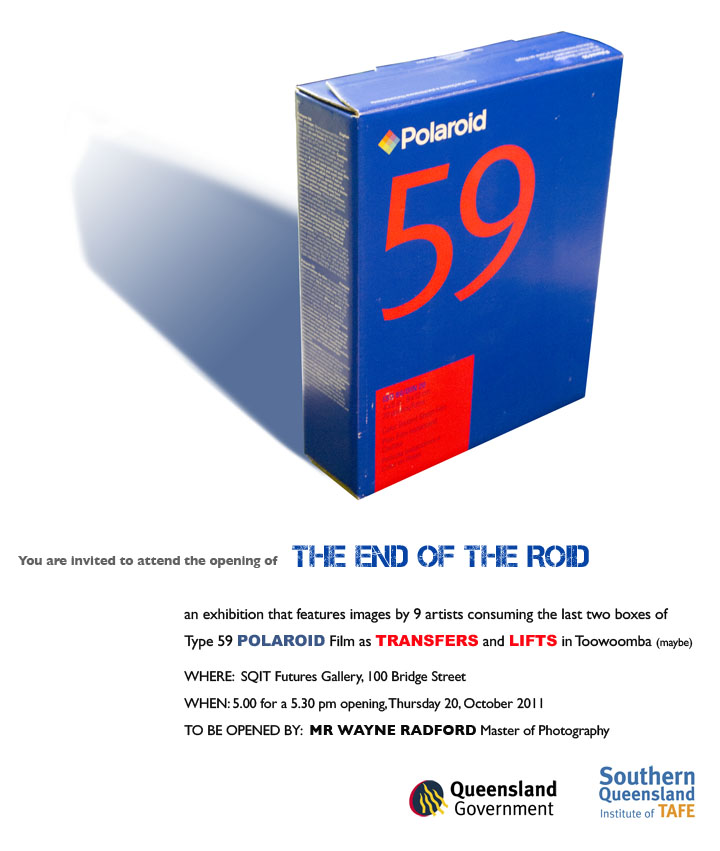
Watch a Video of the momentous occasion – the last Polaroid box opening, loading the Polaroid back, the last Polaroid “Pull”, the last few transfers and lifts ever to be taught to and done by students – teachers – anyone!!
A Gallery of images will be posted soon.
Cheers
Doug
19 Sept Shutterbug Photo Comp – Carnival of Flowers
To coincide with he annual Carnival of Flowers in Toowoomba a competition called ShutterBug Tales takes place. This year I participated as a judge for the comp alongside photographers John Elliott and Maurice Alamos. The judging was held in the theatre of the Southern Queensland Institute of TAFE and was an unusual event. The audience, consisting of entrants and interested members of the public, watched on and asked questions of the judges about their selection of the finalists – the winners were determined later ‘in camera’.
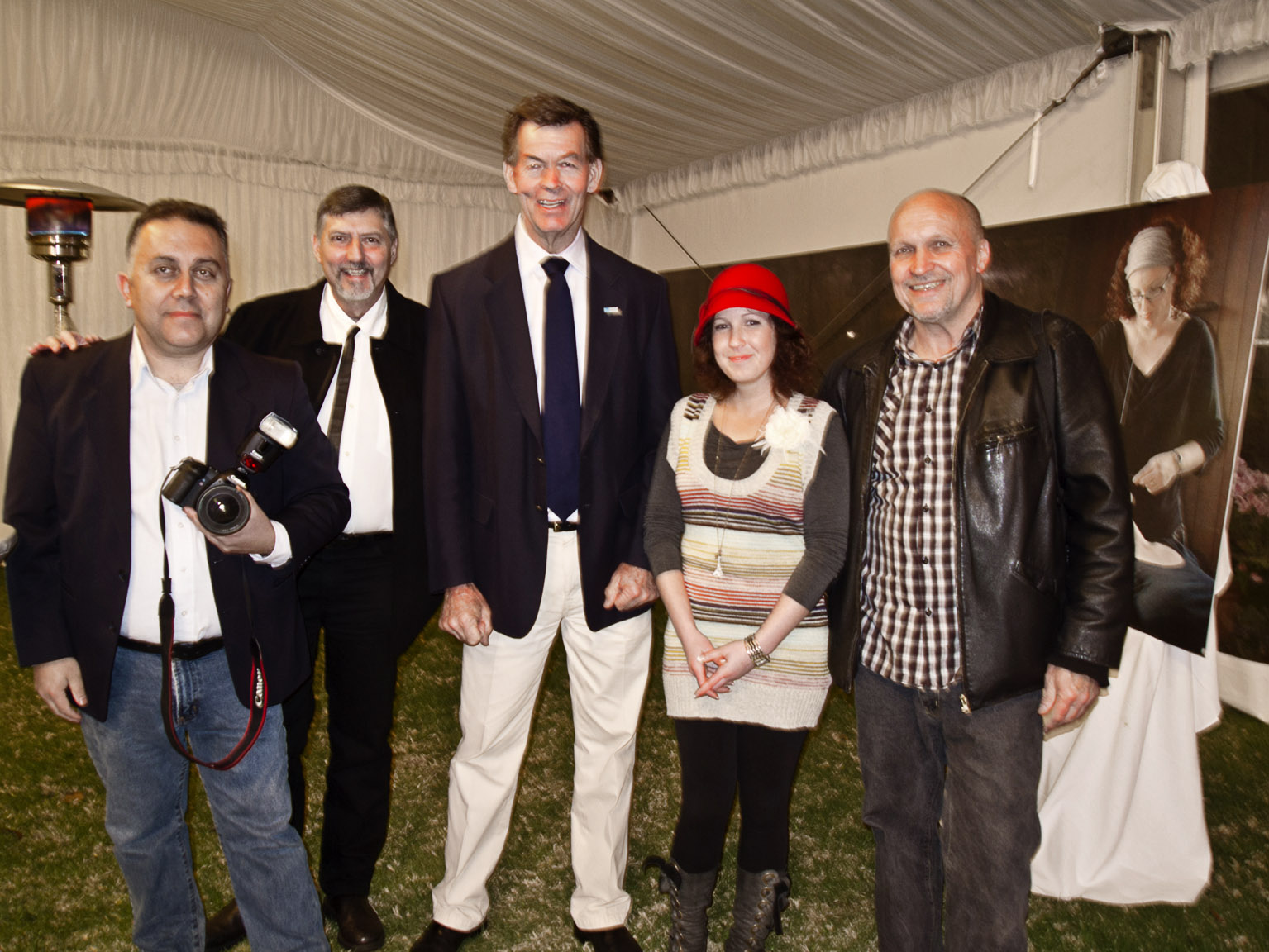
Maurice, Doug, Peter, Heather (organiser)+John
A presentation to the winners was made on September 19 and was attended by around 40 interested persons. The Mayor of the Toowoomba Regional Council Peter Taylor even got into the spirit of things by making an image or two on the night.
The winners were:
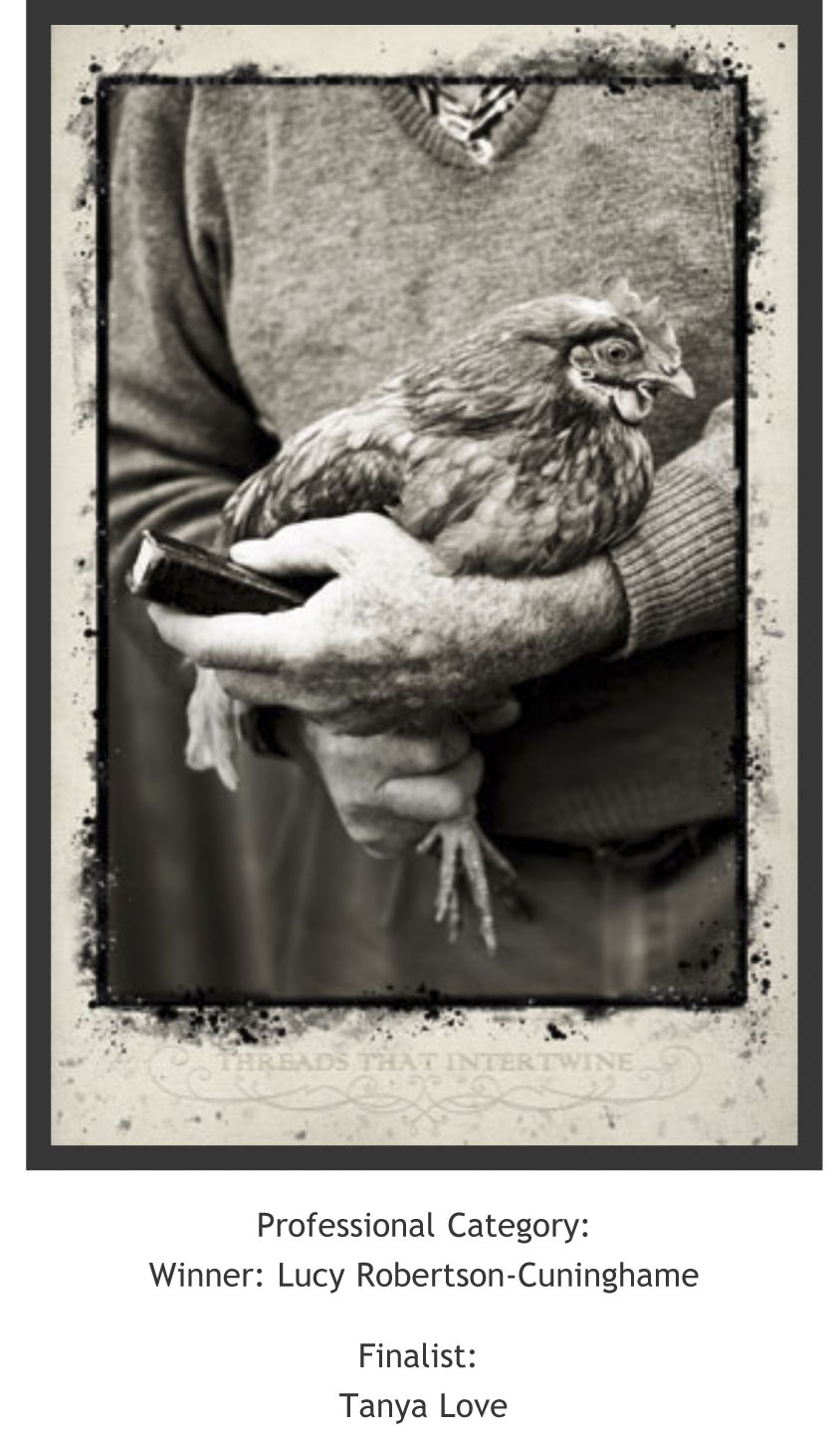
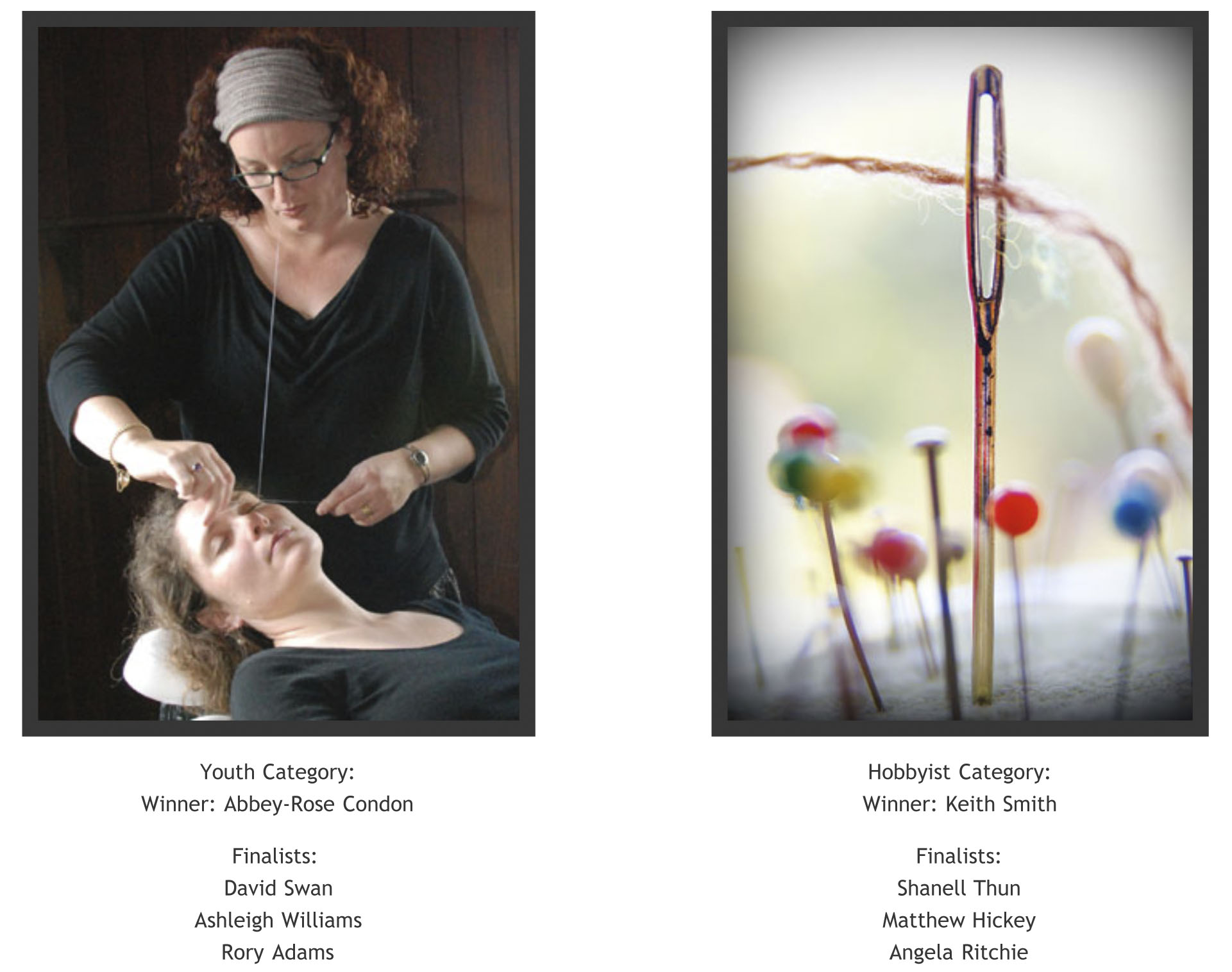
SEE this link for further details and the Carnival of Flowers
http://www.tcof.com.au/index.php?option=com_content&view=category&layout=blog&id=97&Itemid=1092
1 October: Picking up some thesis help
At a break during thesis reworking – bringing it up to the penultimate draft we went down to Diggers Beach. The challenge of philosophy is to contemplate the inconceivable: find clarity in the profoundly obscure.
I was faced by the ultimate in natural phenomena – a shadow. My recent readings of Deleuze, Derrida and Bachelard gave me an understanding to perceive and confront the impossible – – – – –
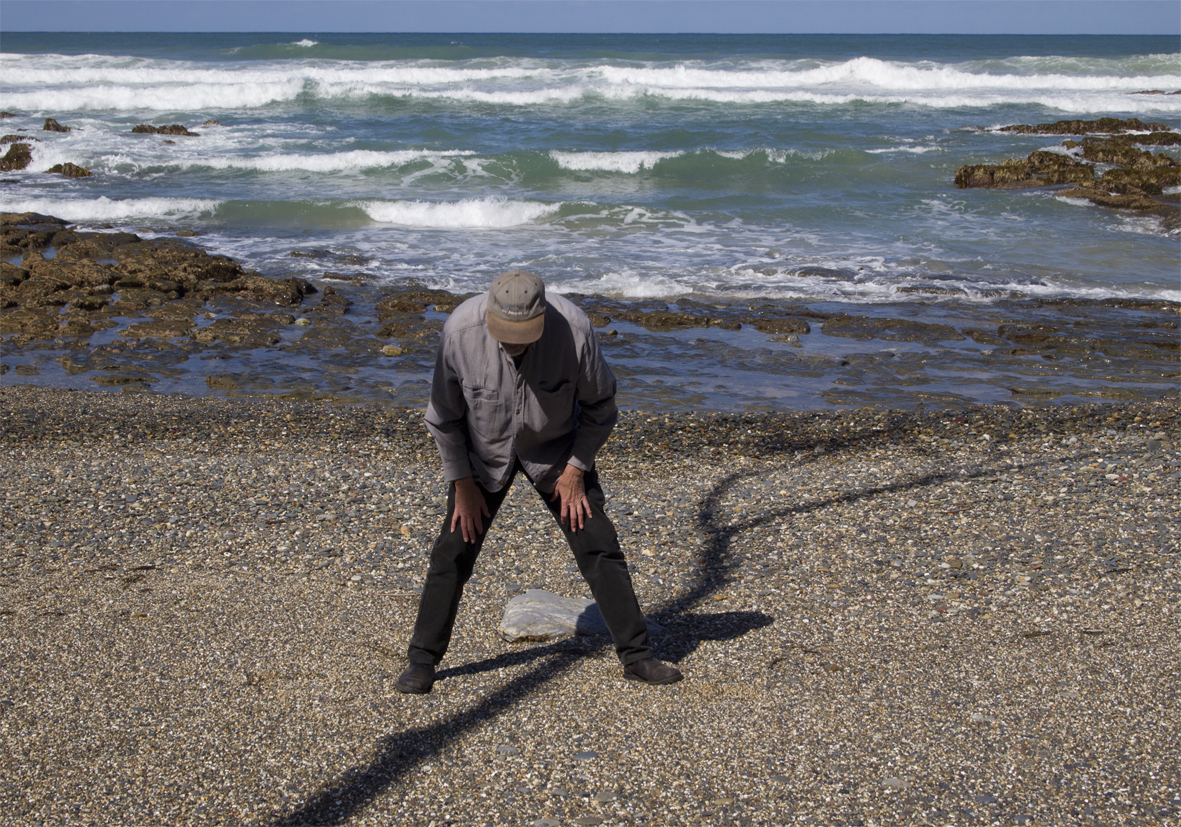
This one's for Bachelard
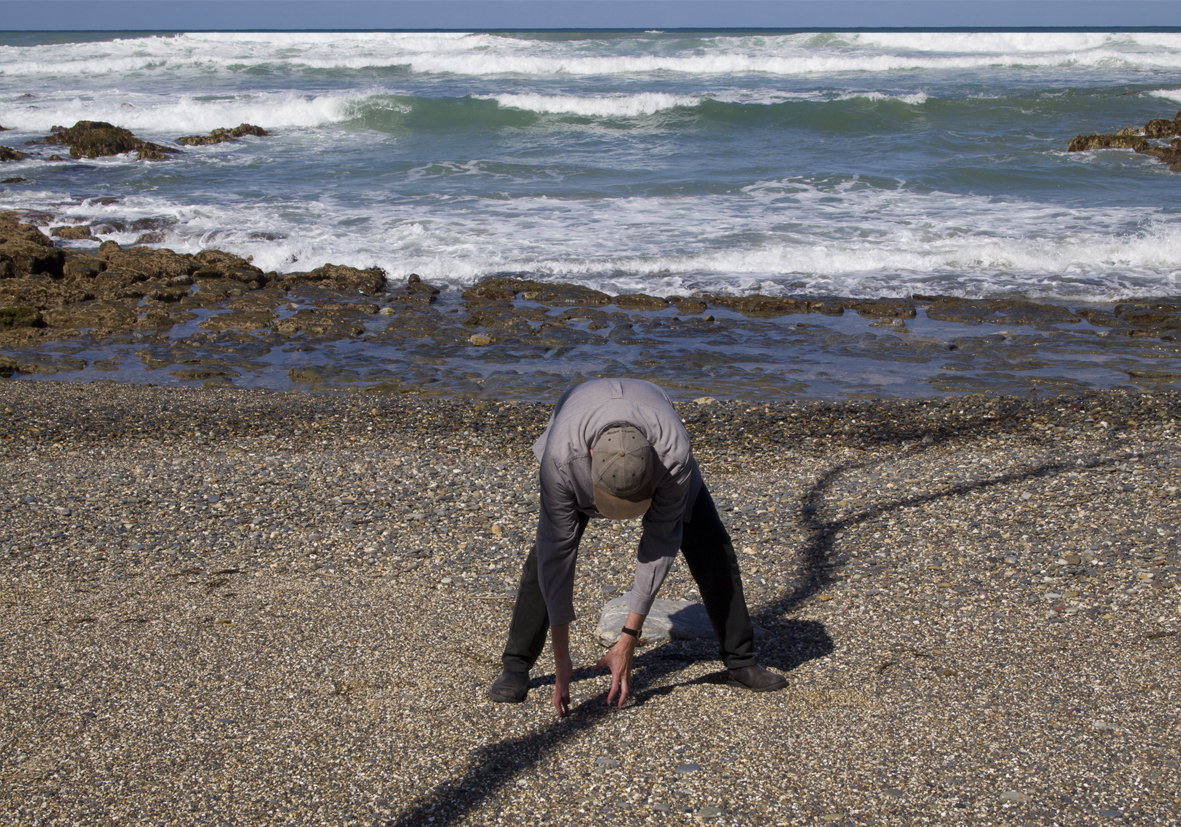
This one's for Deleuze
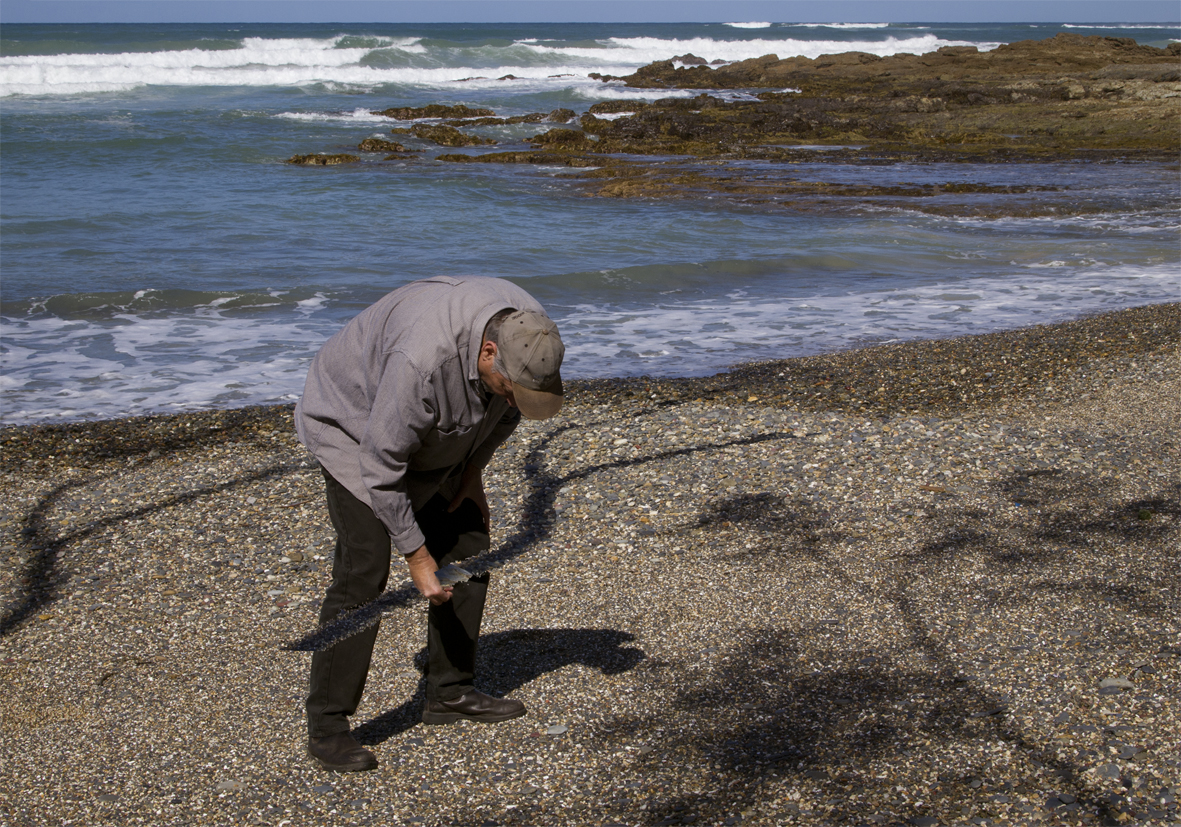
This one's for Derrida
Pictures by Victoria Cooper under direction.
23 Sept Yuraygir National Park Flowers
I was there
Wrong time of day
But . . .
Here are some
Along the road
I quickly captured
Bright light
On a warm spring day
.
posted by Victoria Cooper
September 15, 2011 Visit to Sandy Barrie – Ipswich flood update
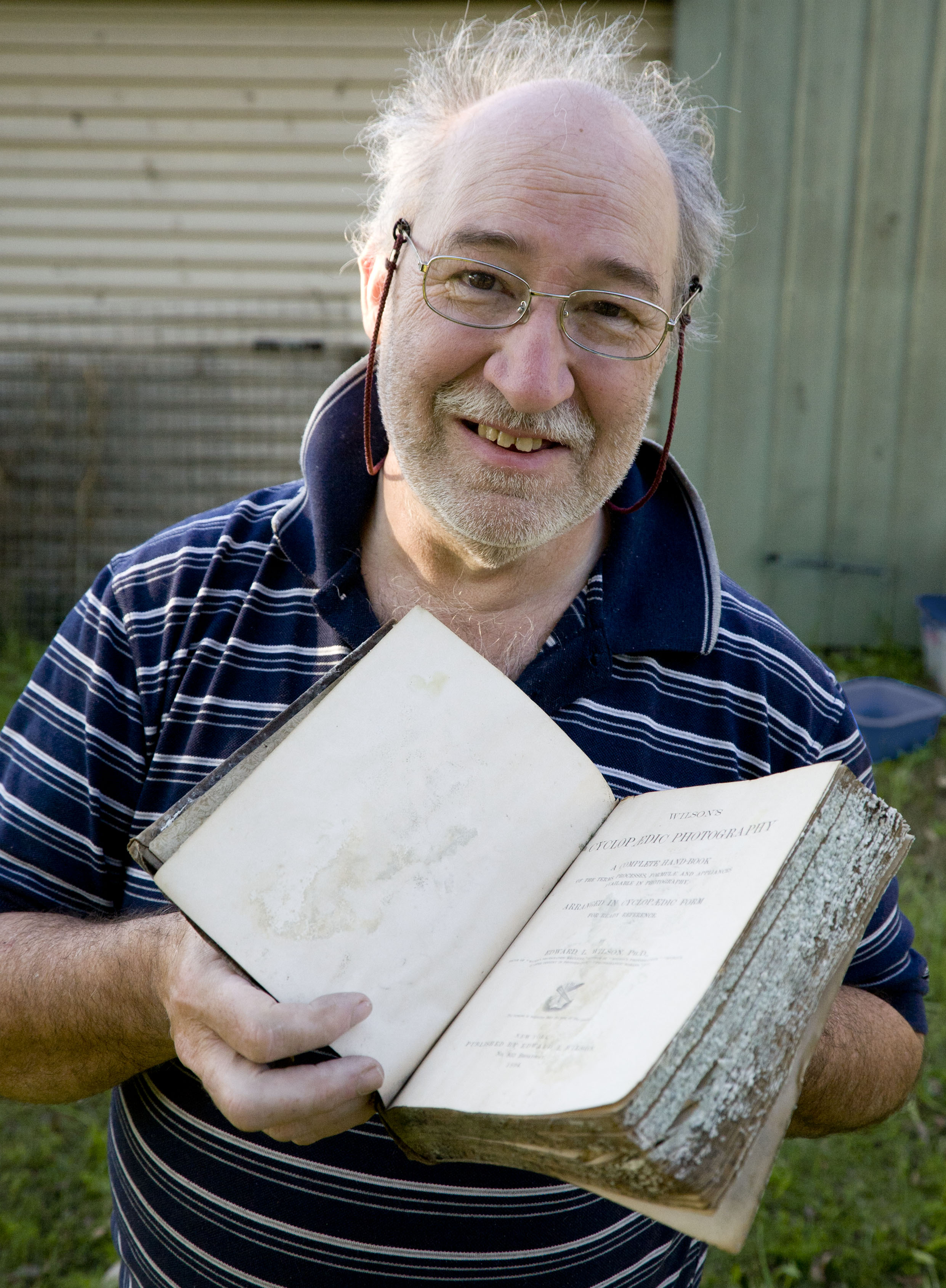
Sandy Barrie and a lost treasure
Today we dropped in to see Sandy and to deliver some furniture items that may be useful to him. It has been 9 months since the devastating floods that drowned Sandy’s collection. He is still awaiting the completion of the restoration of his house – the insurance company finally paid up and he did receive funds from the Premiers Flood Relief program to help. The problem is getting tradesmen as they are highly sought after fixing other flooded properties.
Despite loosing nearly everything including his extensive photographica collection, computers, printers, workshop equipment and car he is forging ahead with regaining a scaled back collection of photo items that interest and excite him. He talks enthusiastically about new eBay discoveries and the massive additions he has made to his research on early photographers both here in Australia and the United Kingdom.
He has the mementos of the past still around him as seen in the photo where he holds a decaying 1890s photo reference book, but somehow his vision is to the future. His observant eye is as sharp as ever enabling him to make connections between photographic stuff that others want to get rid of via eBay, auction and car boot sale, and the provenance that makes these things valuable objects of the past.
Our best wishes go to Sandy …
https://wotwedid.wordpress.com/2011/04/08/flood-image-salvage-sandy-barrie-collection/
August 26, 2011 HENRI CARTIER-BRESSON Opens @ QAG
Henri Cartier-Bresson exhibition opens at the Queensland Art Gallery.
Can you get into trouble at an exhibition opening – doing what Henri did: Taking photos, that is?
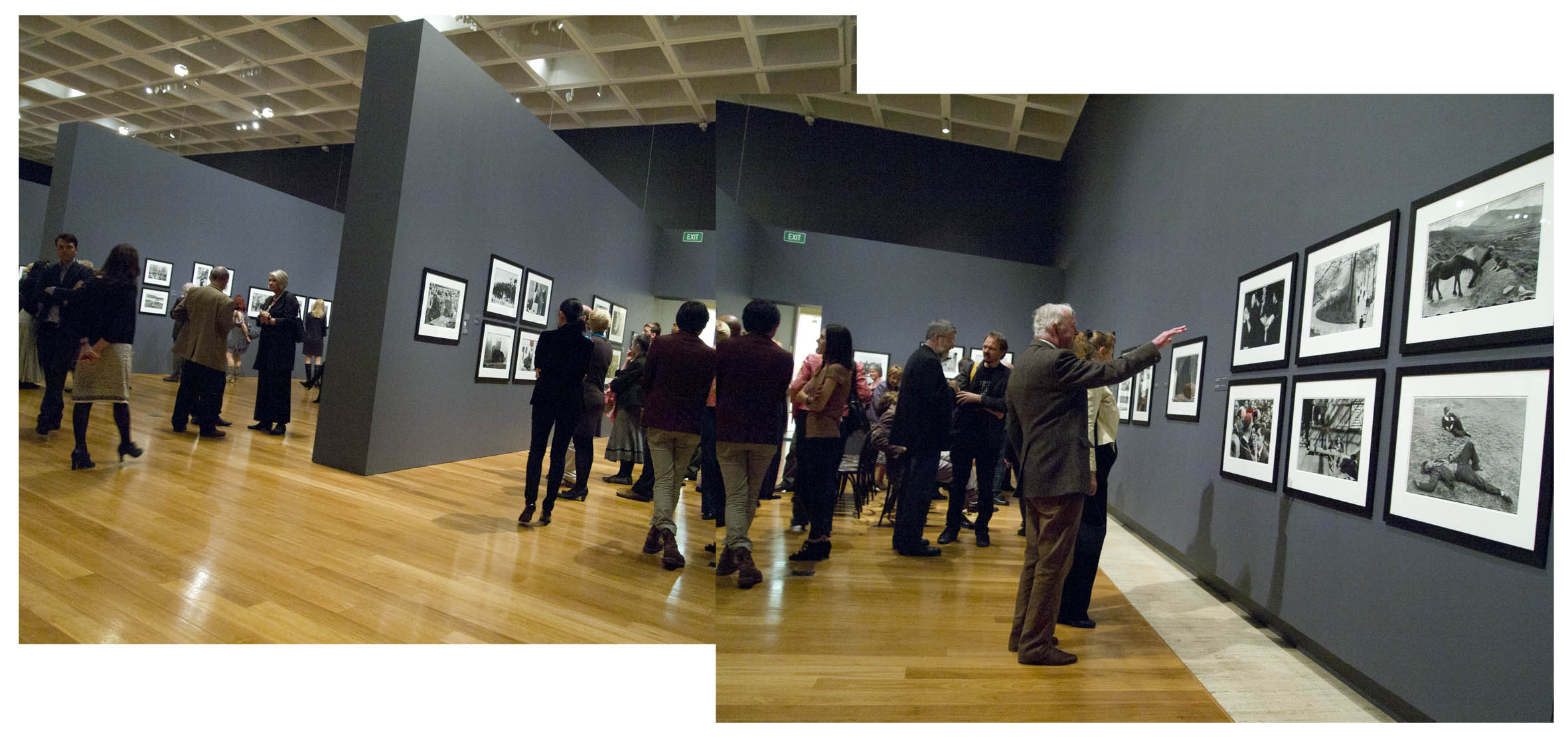
HCB Panorama instalation
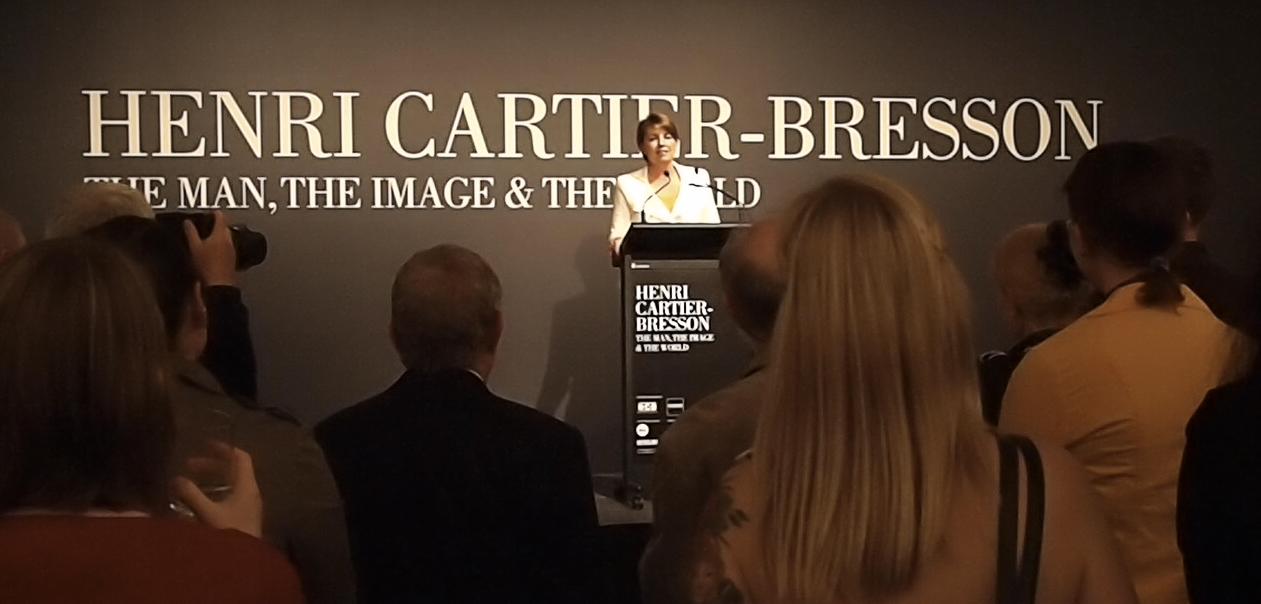
The opening of Henri Cartier-Bresson’s exhibition The Man, The Image and The World at the Queensland Art Gallery was an event and an experience befitting the celebrated position that HCB holds within the genre of documentary photography. The exhibition was opened by Queensland Premier Anna Bligh, who spoke of a personal love interest in HCB’s work. The reason being, that her husband had given her the image, On the banks of the Marne, France 1938, as a gift while courting her in the 1980s.

Queensland Premier Anna Bligh opens the HCB
The occasion was auspicious by the presence of swishy attired, mainly older people unknown to the writer who must have been art gallery members and patrons. Scattered here and there were photographers, who to me, also seemed of the older age group. It has been a long – long, time since an exhibition of photography such as this has gained entry to the QAG/GOMA duopoly – and perhaps the invitation list, at least the photographers one, may have originated in that long past era of the last photo show. Additionally it seemed strange that some important players in the world of photography including a now, local renowned photojournalist, who actually knew HCB, wasn’t on the invitation list but secured entry as guests or by unofficially passed on invites.
After the usual opening speeches the invitees were allowed access to the exhibition. The show takes in the history of the photographer’s work in around 250 individual mounted and framed images. Those familiar with the HCB oeuvre will no doubt shuffle from one iconic image to the next, lingering long enough to grasp the moment, the intensity of light and the message that Henri composed. This exhibition puts into perspective his remarkable career behind the camera. For many however, the sheer volume of imagery could be too much. HCB himself said ‘you’ve got to milk the cow a lot to make a little cheese’ but this cheese platter may be so rich it is beyond quadruple Brie!
HCB worked as a photographer over a significant period of time, the exhibition media release quotes 70 years (although this may be misleading if we follow the HCB Foundation’s chronology of his first photographs being made in 1931 and then retiring in 1974 to take up drawing). He photographed portraits, the world in turmoil, the street corner and moments of poetry in everyday life. He lived, and worked, in a time where images were cherished, published and communicated. A time when photographers revered each other’s work and banded together to ‘make a difference’ to the world through the truthfulness of their lens and mass communication of journals like George Luce’s LIFE magazine. In its day the magazine was the TV news and the up-to-the-minute blog post – the world was a wide and weird place and HCB used his trusty Leica as a divining rod to seek out the unfamiliar and in doing so make order from the chaos of the continuum of time.
HCB was aided in the making of his distinctive photo work by his training under the tutelage of the cubist André Lhote and Cartier-Bresson’s passion for surrealism. It is often quoted that he found reality stranger that anything he could conjure up in his mind – so he took up photography. HCB, was inspired to photograph in particular, after seeing an image by Martin Munkacsi entitled Three boys at Lake Tanganyka 1930, of silhouetted boys running into surf.
Commentators on his HCB’s work such as Clement Greenberg (1964) described him as an ‘art photographer’ and added that ‘even among painter-photographers he stands out by the sophistication of his art consciousness[i]’. Art historian Ernst Gombrich (1978) honing in on HCB’s artist-training background claims that everything in our environment ‘resonates in our mind, tough we are rarely fully aware of these reverberations. It needs an artist to make us attend to the message of reality. Henri Cartier-Bresson is such an artist.[ii]’ Interestingly the ‘artist’ tag was played down by photographers who thought of him as being a ‘photographer’. None-the-less by 1974 HCB had had enough of photography and returned to his beloved drawing which he continued to practice until his death in 2004.
The world of 2011 is a different place to that which was inhabited by the camera toting HCB. Today he could be arrested, or at least hassled by police or overly protective parents for attempting to make the kind of photos for which he is famous. In 2011 he would have problems getting his work published as essays in major magazines usually don’t allow such in depth reportage. He may have been required to shoot in colour. He would still be able to pursue gallery exhibition and book publishing – one could even imagine a HCB Blurb book or two and maybe an online sales website. Could HCB have accepted the death of film, the spectre of the digital age and digital enhancement, and the public’s scepticism of the photo as truth? It’s interesting to note HCB disciple Sebastio Salgado has made the switch to digital and is proudly advertising his use of DXO film emulation software to enable his digital later images to have the same ‘look’ and grain ‘feel’ of the early film photos.
Ultimately one needs to ask the question ‘is Cartier-Bresson’s work meaningful today?’ Some, including this writer, may consider HCB a significant influence and guide in their personal practice as documentary photographers. Others will trace the meaning of the photographs as a thread that runs through their own lived experience – for them the images are touchstones for nostalgia and remembrance. Contemporary photographers may be inspired to emulate the ‘decisive moment’ and stage it in tableaux a la Jeff Wall, because that’s how it would be done today. We could lament the fact that the huge curatorial interest invested in iconising Cartier-Bresson many cause other, perhaps equally brilliant photodocumentary workers, to end up being overlooked. Wouldn’t it have been perhaps fitting for the QAG to have curated a companion show that could have provided an Australian context for HCB’s local peers and followers.
Admittedly the allure of the HCB street photographer persists today for many young practitioners. If they get a chance to see this work they may respect the provenance of their trade and find inspiration making documents of life as candid moments. This new work will enter the public record to feed the need for future nostalgia binges – for those who can remember, and be faithful documents of these times for those who aren’t born yet, to peer at and think how quaint it must have been to alive then.
After seeing the show I went home and pulled out my old Leica M3. I held it in my hands and reverently fired off all the shutter speeds several times, I pined for the times past when we were inseparable, before putting it back, as HCB had done so many years before, in safe storage.
Doug Spowart September 17, 2011
August 26, 2011 SCOTT BELSKY @ THE EDGE
Scott Belsky – Creative mind and the man behind Behance Creative Portfolio presented to an enthusiastic audience at Brisbane’s Edge on August 26.
DRAFT: MORE TO COME
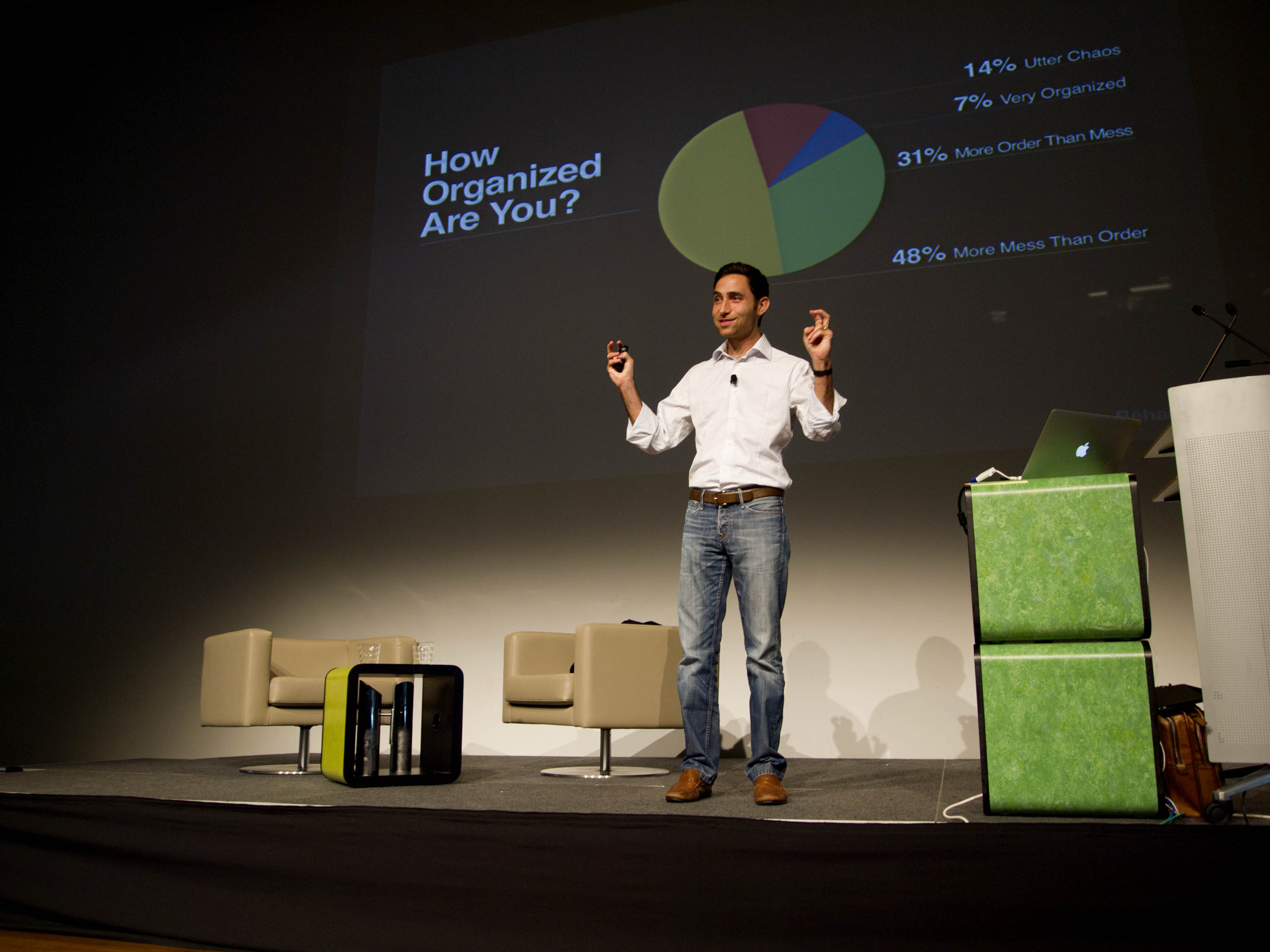
Scott Belsky @ the Edge
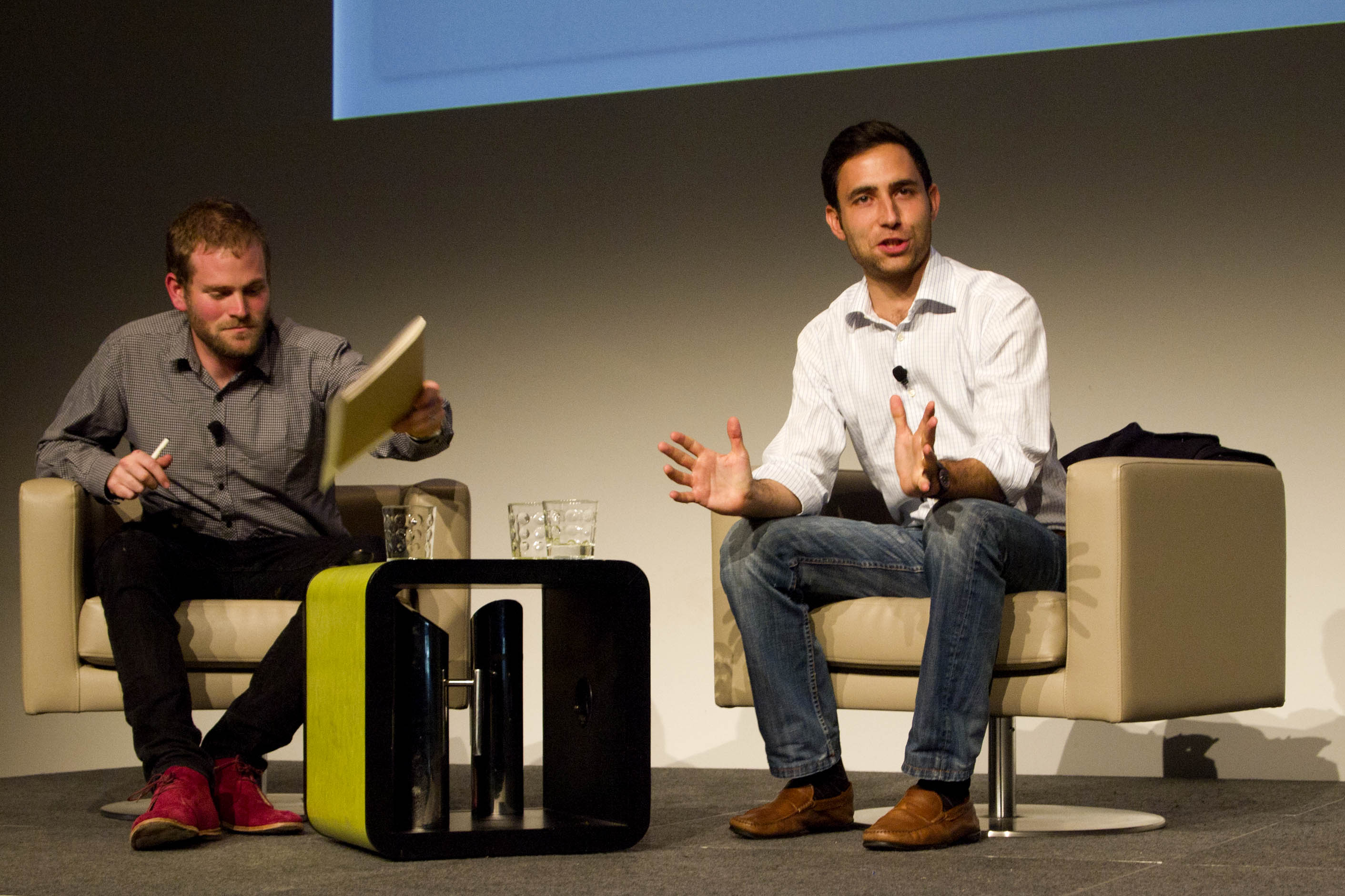
Scott Belsky interview @ the Edge
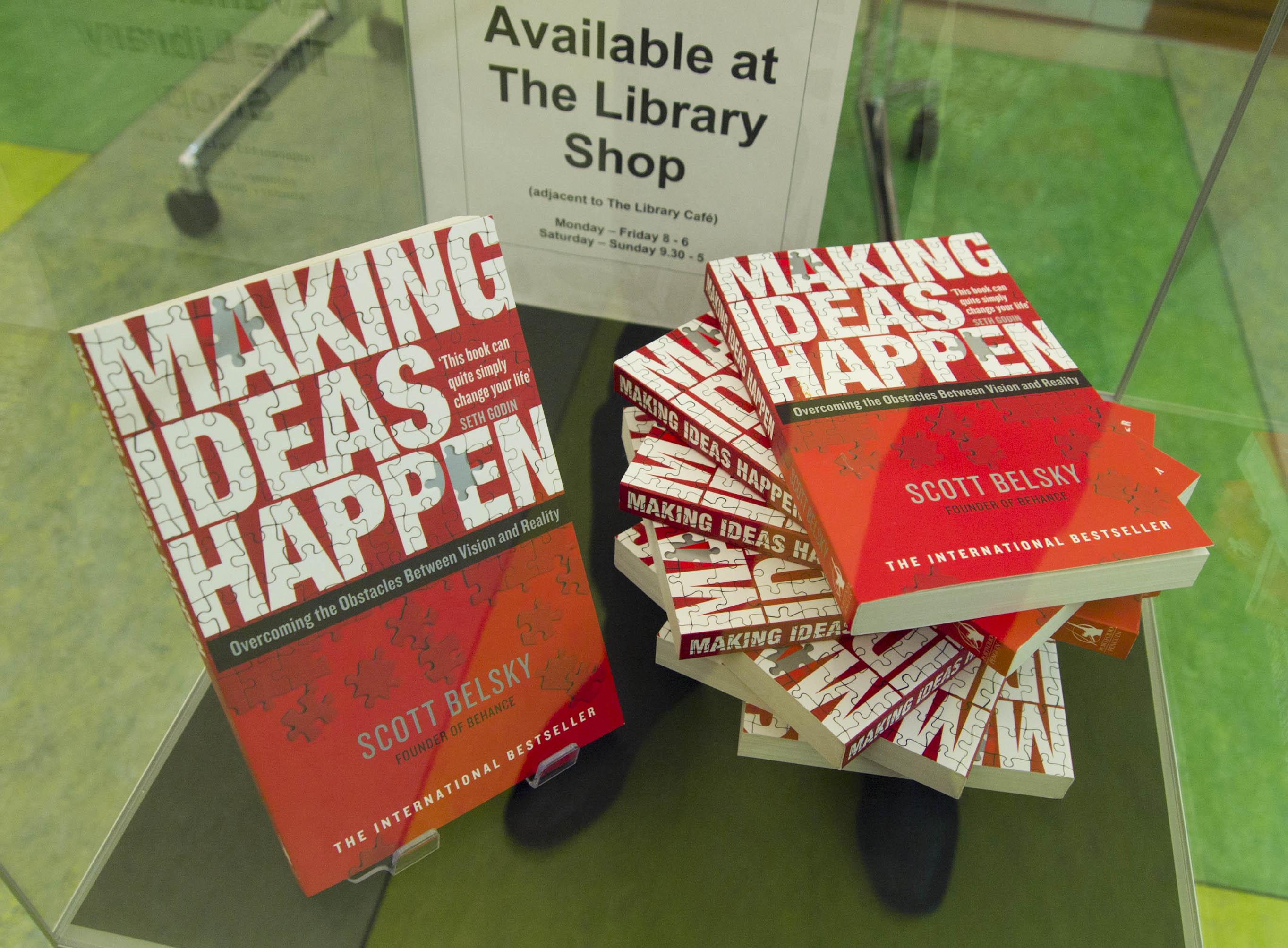
Scott Belsky's book "Making Ideas Happen"
August 14: QLD COLLEGE of ART – OPEN DAY – Gold Coast
On Sunday we visited the Griffith University’ Open Day at the Gold Coast Campus. Both Vicky and I are QCA Alumni – I go back to 1972 when it was simply the ‘College of Art’ and a sessional teacher from 1977 to 1993. Vicky from 1992 as a student of the Associate Diploma of Photography program. We’ve never visited the Gold Coast campus – it’s a remarkably fresh looking place in a natural bushland environment. Students manned the info tents and displays alongside lecturers and their presentation packages represented quality outcomes for their graduating students. They offer interesting and contemporary programs in photography, ephotojournalism, fine art and commercial photography.
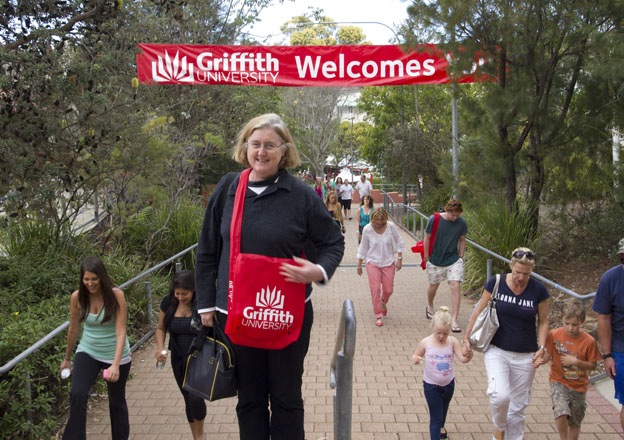
Vicky@QCA Open Day - Gold Coast
While in the studio we met up with photo lecturer Jack Picone. A fellow PhD candidate – exchanged some interesting ideas about the challenges of professional practice, teaching and keeping up with the demands of higher ed academic study. Jack has worked around the world as a photojournalist – he showed us a book of his amazing work.
Visit Jack Picone’s website – http://www.jackpiconeportfolio.com
We also caught up with long term QCA identity Earle Bridger who up until last week was deputy director of the QCA Gold Coast campus. Earle has transferred back to the South Brisbane campus.
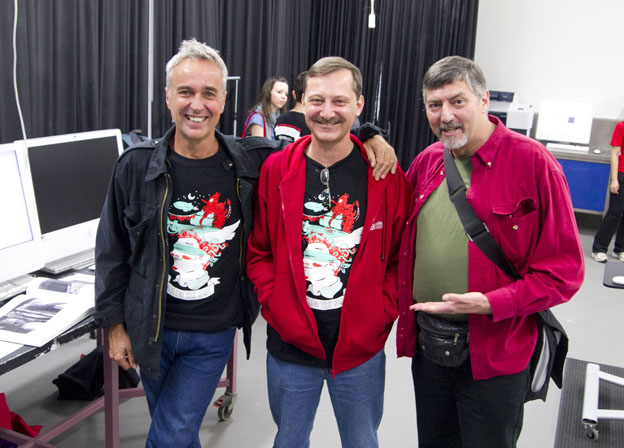
Jack Picone, Earle Bridger & Doug
July 24 Allan Bruce Floor Talk
Allan Bruce talks about his exhibition Panoramic Drawings at Toowoomba Regional Art Gallery
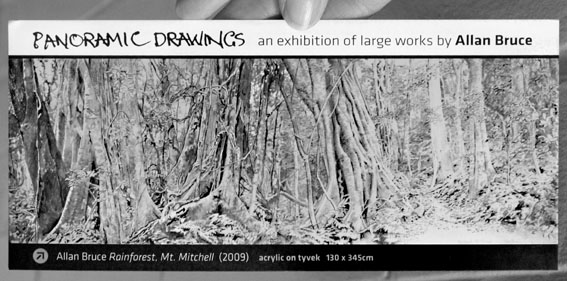
Invitation: Panoramic Drawings
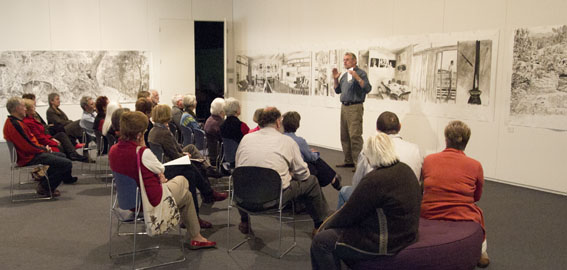
Allan Bruce floor talk in the exhibition space
Walking into Gallery 1 at the Toowoomba Regional Art Gallery, one expects to see large wall works to fill this large space – Allan Bruce’s impressive black and white occidental inspired works are no exception.
In the exhibition, Panoramic Drawings, Bruce presents urban and natural landscapes and room interiors as seamlessly blended composite images where each work: “while recognizable, tends to be an evocation rather than an absolutely literal statement of place”[1]. As with oriental scrolls these works allow the viewer a multi-perspective journey through the spaces that have captured Bruce’s attention and inspiration.
Bruce utilizes ‘in situ’ documentation (photos, video and sketches) and memory to reconfigure the essentials of being in each place. The viewer of this work maybe drawn to the detail and textures of the subject captured within the brushwork of the shadows but the absence of detail in the highlights energizes the work and provides a space for the imagination.
1. From the room sheet for the exhibition
Words: Victoria Cooper
Panoramic Drawings is on at Toowoomba Regional Art Gallery from June 30 to August 7.
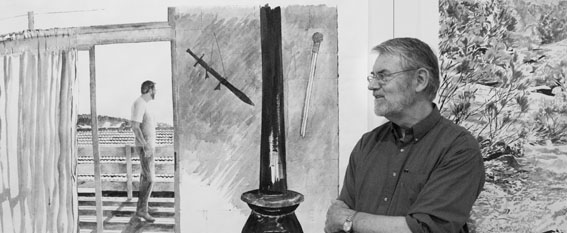
Portrait of Allan Bruce with work by Victoria Cooper
For more info on Allan Bruce see:
July 23 : BIZOO ZINE BOOK LAUNCH
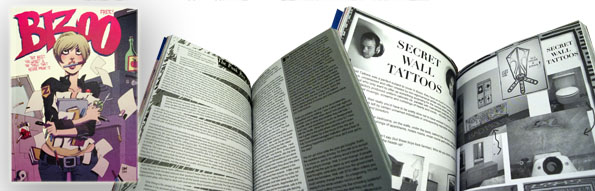
Launch of the BIZOO Book at the Toowoomba Regional Art Gallery
“Bizoo: The Best, The Worst and The Trash That Never Made It” Bizoo was a street culture zine which gave a voice to the young people of Toowoomba from early in 2000 until 2006.
Its story and success lies in the needs that brought about the fanzine world-wide publishing phenomena over the last 20 years. Essentially it’s a response to the fact that the world is controlled by the media and those who control the media pretty well control everything. To combat the communication gulf those from outside the mainstream formed collectives and groups that collated the stories, prose and poems, lyrics, interviews, gig guides, critiques, rants, rude stuff and commentaries about their end of society.
These self-published newspapers/newsletters featured simple layouts, rough illustration and were usually output by photocopiers. Those making contributions did so under various tags and pseudonyms and distribution was made through coffee shops and venues where like-minded people hung out. Copies of the zine were free.
Ultimately the zine became respectable and these days many resemble ephemeral artists’ book styled products. Real names appear and the practice is studied and commented on by university academics – all a far cry from the anonymous gonzo street journalists of the early days.
Somehow, perhaps, the future of communication that was once carried in print by fanzines like Bizoo is gradually being eroded by Blogs (like this one), Facebook, texting and youTube.
But what is important is that the self-published zine created a voice for the stories that were not able to find a vehicle for communication. Now, with the publishing of BIZOO these chronicles of street-life in Toowoomba in the first half of the 21st century will pass into the history of our times. Something that the zinesters, now that their grown up a little, got or getting reliable work, having kids and getting on with life, will find an important and amusing part of their lives. The publication was supported by a grants from the Australian Government’s Regional Arts Fund and the Queensland Government’s RADF.
Make your own zine today ….
Cheers, Doug
SEE the following for more ….
The best place around to find zines – ElouiseQ at http://smellslikezines.com/
JOHN ELLIOTT’s YouTube video and interviews http://www.youtube.com/watch?v=mkZV5Mg16vQ
THE CHRONICLE Newspaper’s story http://www.thechronicle.com.au/
WHAT’S HAPPENING – Workshops, events, gigs etc. www.bizoo.com.au

 wotwedid