Archive for the ‘Victoria Cooper’ Category
THE ARTIST & PHOTOBOOK MELBOURNE
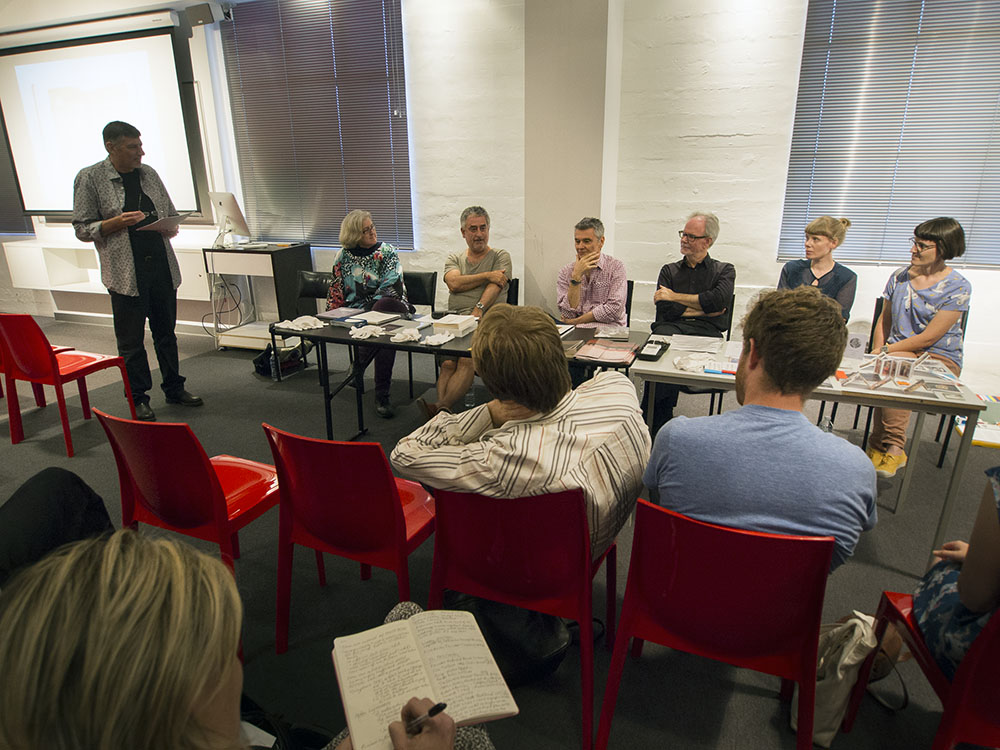
The forum panel….Photo: Anthony McKee
In February this year Melbourne hosted the biggest photobook event ever in this country. Called Photobook Melbourne the event brought together exponents, collectors and critics from around the world as well as from around Australia and New Zealand. Hundreds of books were handled, read and appraised in the many galleries and venues that came on board to support the event.
Martin Parr and Gerry Badger in their second volume of The Photobook: A History (2006), recognised artists who worked with photographs in a specific chapter entitled Appropriating Photography: The Artist’s Photobook.
Participants in the artists’ book discipline have been active indie, DIY publishers worldwide for sixty years or more and many of them use photography in their books. They have well established networks, events activities, awards, critical debate and collectors both private and public.
At a time such as Photobook Melbourne where all things photobook are celebrated and discussed it may be worthwhile to consider what concurrence may exist today between the artists’ book and the photobook. How do artists consider their use of photography and the photograph in their books? Is there any sympatico between the photobook and the artists’ book.
To address these and many more questions I was supported by the Photobook Melbourne organisers Heidi Romano and Daniel Boetker-Smith, to convene a forum to bring the voice of the artists’ book into the photobook conversation. The participants in the forum were; Dr Lyn Ashby, Gracia Haby and Louise Jennison, Peter Lyssiotis, Des Cowley and Dr Victoria Cooper (who was co-opted as Georgia Hutchison withdrew due to personal reasons in the final days).
The proceedings of the forum, with the support of the participants, have now been formed into a PDF booklet that can be downloaded FREE from this site. To provide a taste of the presentations I present the following quotes from the texts:
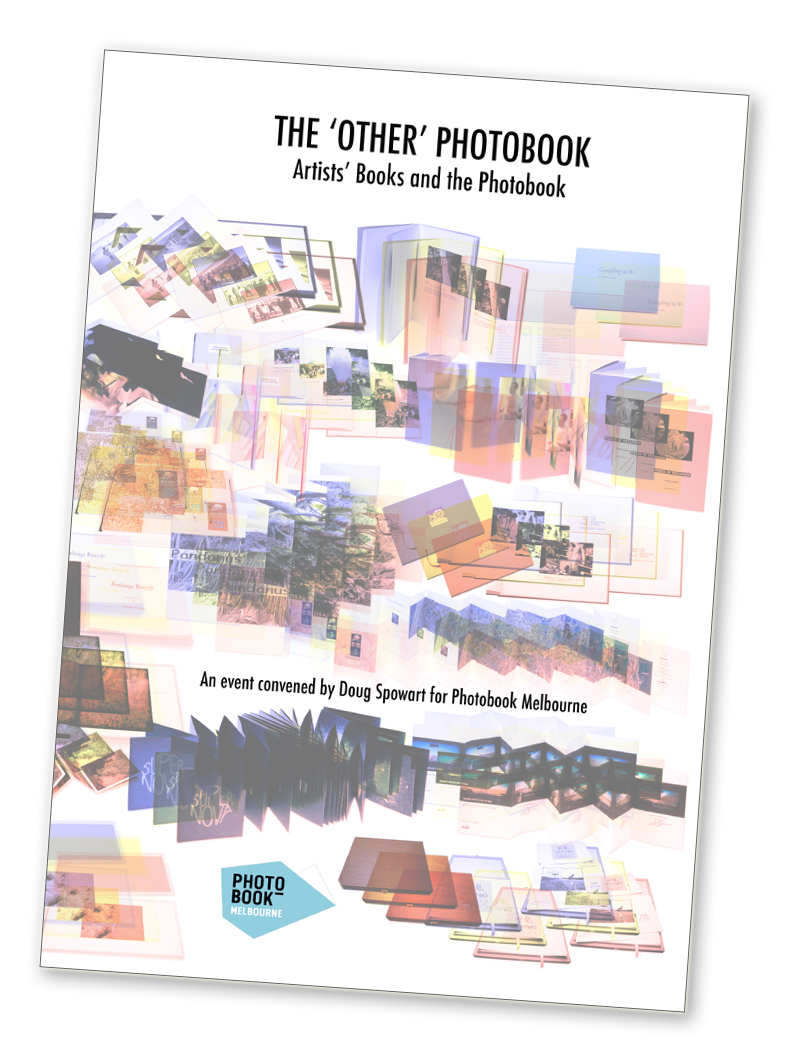
The PDF Forum book
.
DOWNLOAD HERE: PM-OTHER PB-BOOK
.
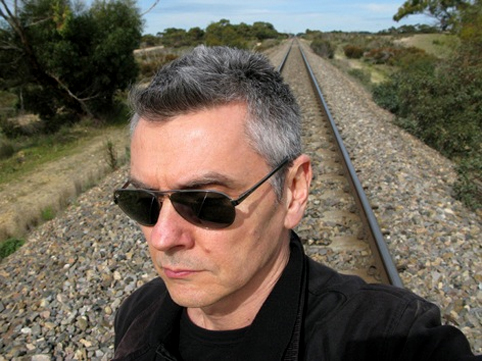
Lyn Asby
Lyn Ashby
I make books. With few exceptions, these are hand-made, limited-edition books that would generally be considered to be “artist’s books” using the standard codex form. These are not photographic books. That is, the photograph is rarely the core of the meaning or purpose of the book. But I often use components or aspects of photographs and composite these with graphics, texts, drawings and painting etc, all of which feed into the overall material on each page.
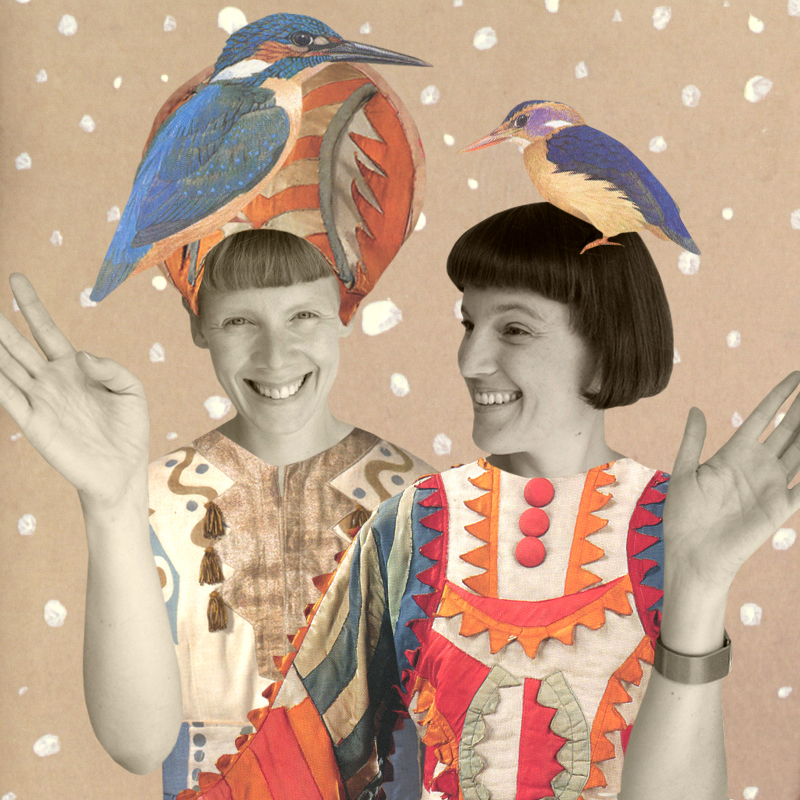
Gracia Haby + Louise Jennison
Gracia Haby and Louise Jennison
For those of you who we have yet to meet, we are besotted with paper for its adaptable, foldable, cut-able, concealable, and revealing nature. In our artists’ books, prints, zines, drawings, and collages, we use play, humour, and perhaps the poetic, to lure you closer. And sometimes this will incorporate photography. For us, it is not the medium that is always of greatest import, but the message. And so, we use found photographs in our artists’ books and zines not because they are photos, but because of what they can enable us to say, and what we hope you might feel.
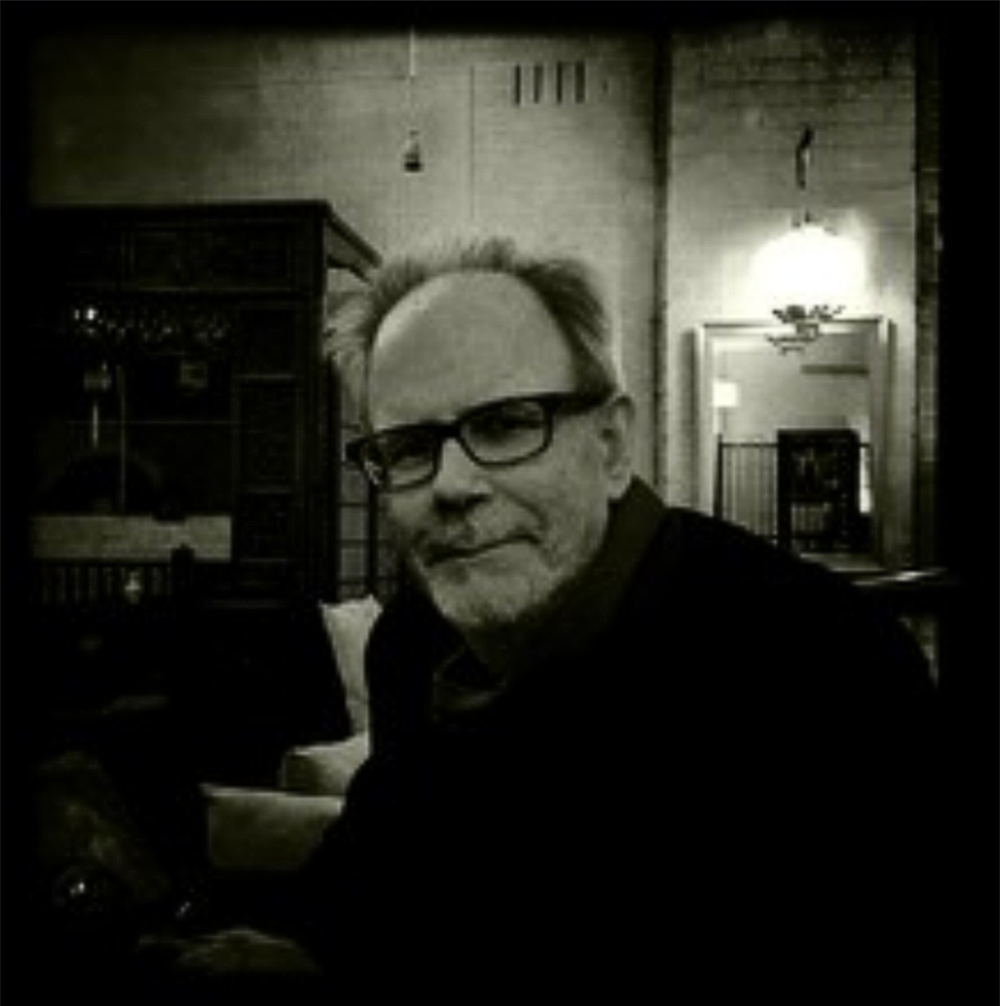
Des Cowley
Des Cowley
History of the Book Manager, Collection Development & Discovery, State Library Victoria
One of the challenges for libraries and collecting institutions is to build representative collections of contemporary books and ephemeral works created by artists, photographers, and zinemakers. Artists books, photobooks, and zines generally circulate outside mainstream distribution channels – publishers, general bookshops, distributors – and are effectively off-radar for many libraries. It is therefore incumbent upon staff in these institutions to build networks and relationships with the communities creating this work in order to be informed about what is being produced, and to ensure this material is acquired and preserved for future researchers.
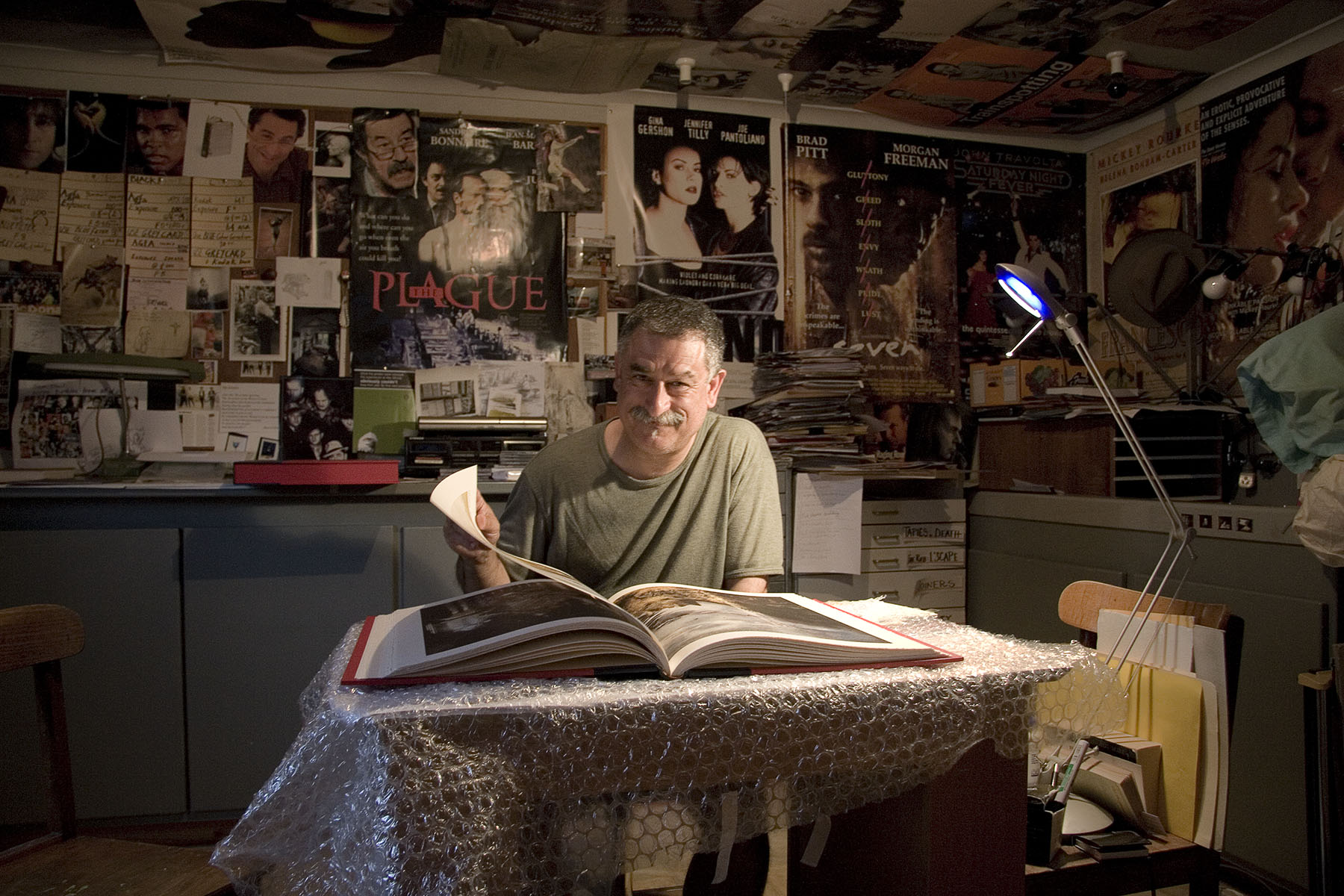
Peter Lyssiotis
Peter Lyssiotis
I had a friend who lived in Belgium. He died a while back. Before he did, though, he painted a pipe on a canvas and underneath it he wrote “This is not a pipe”.
To continue my friend’s mission I say “This is not a book”.
The artists’ book is rather a workshop, a garage; a space where a time-honored craft is practised: it is here that the world gets repaired, reconditioned, reassembled.
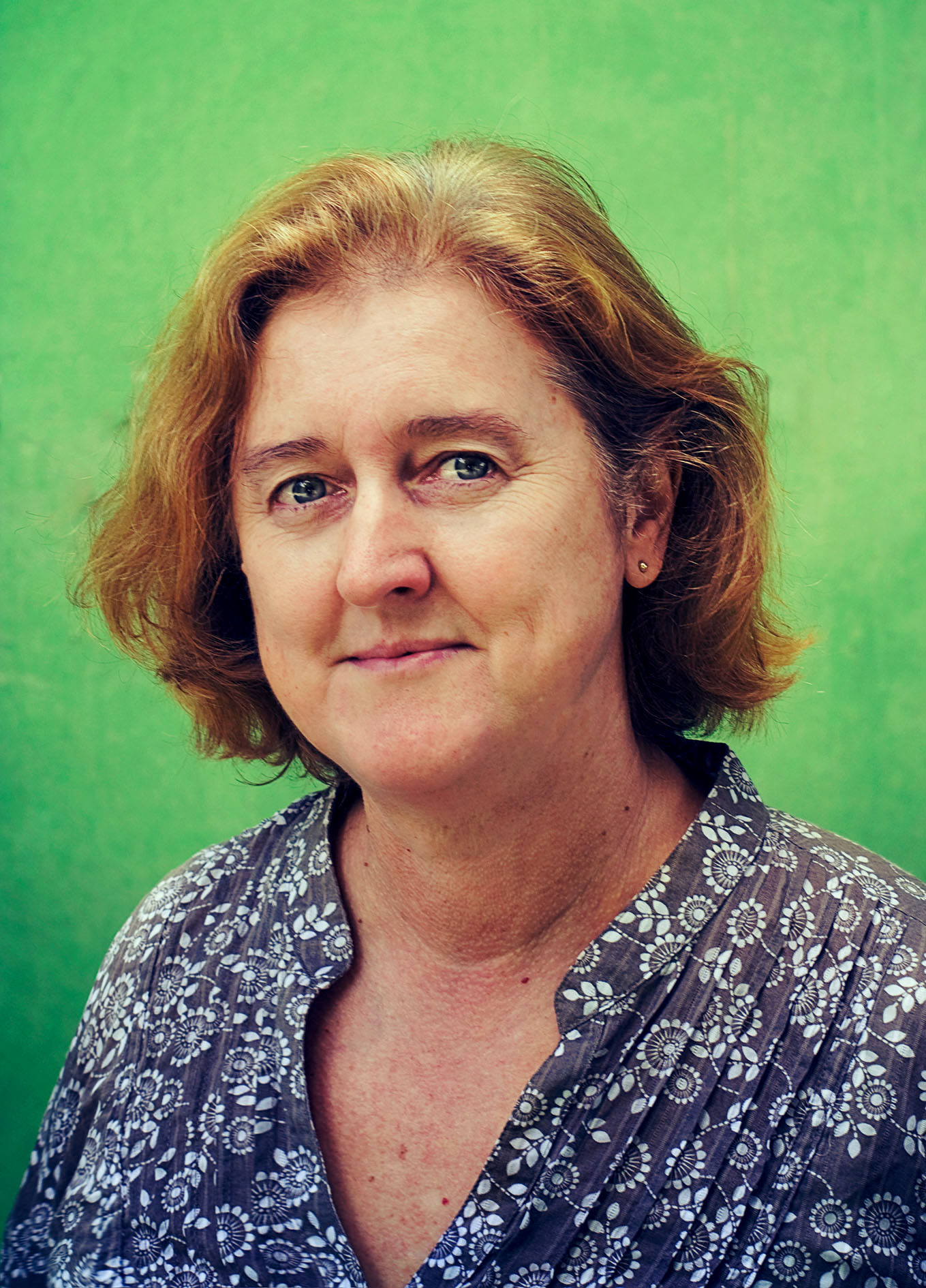
Victoria Cooper
Victoria Cooper
The digital cutting, dissecting, layering and suturing of the photographic quotations is an absorbing process through which the visual story emerges. I then materialize this virtual image of the narrative as a physical book in many forms: scroll, concertina or codex. Rather than images on a gallery wall, the narrative space of the book offers for me an endless potential for interplay of the corporeal and the imagination through the idiosyncratic experience of reading.
.
.
DOWNLOAD THE BOOK HERE: PM-OTHER PB-BOOK
.
.
.
PHOTOBOOK INDEPENDENT: Our books in Hollywood – thanks to QCP
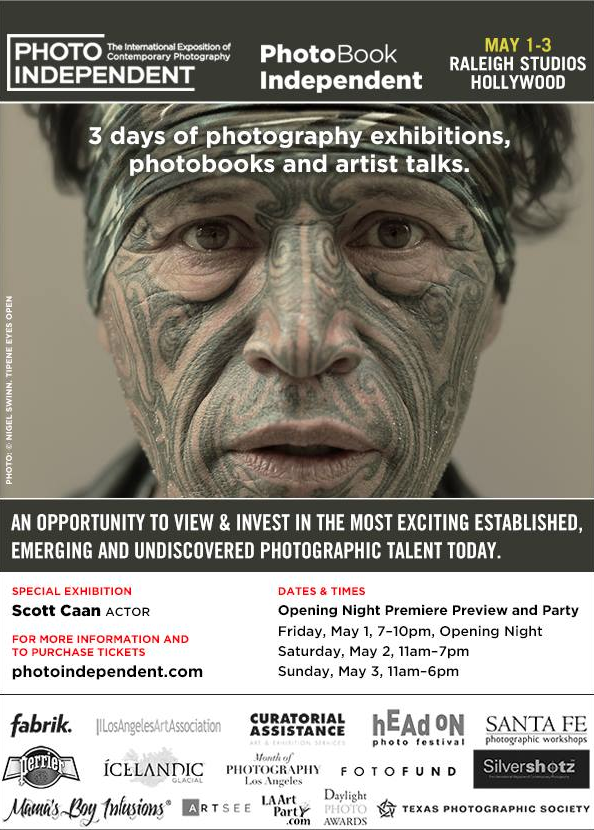
Photo Independent poster
.
As part of its international activities for Queensland and Australian photographers the Queensland Centre for Photography participated in the inaugural Photo Independent art fair at Raleigh Studios, Los Angeles 1–3 May, 2015. The main Australian contingent consists of the wall images of 12 photomedia artists. They are Anna Carey, Belinda Kochanowska, Chris Bowes, David La Roche, Henri van Noordenburg, Kim Demuth, Kelly Hussey-Smith & Alan Hill, Katelyn-Jane Dunn, Lynette Letic, Michael Cook and Marian Drew.
.
An additional aspect of Photo Independent is one dedicated to the recognition of photographers who work in the book format. Called Photobook Independent the QCP curated a selection of 16 Australian photo publishers to present in the L.A. event.
In QCP media about these two events the following statement was made:
The QCP is excited to be part of this ground-breaking event as the world of photography will set its focus on Los Angeles 1–3 May, 2015 for a weekend celebrating international photography and the most talented image-makers across various genres of the medium. Numerous high profile art fairs including Paris Photo Los Angeles, Photo Contemporary, Photo Independent and PhotoBook Independent will launch their annual editions in Hollywood with additional special photography exhibitions throughout Los Angeles. The weekend promises to offer the enthusiastic art patron a plethora of opportunities to experience photography at its highest calibre.
The photobook publishers were: Ingvar Kenne, Dane Beesley, Anne Ferran, Lindsay Varvari, Rohan Hutchinson, Julie Shiels, Prudence Murphy, Christopher Young, Paul Batt, Ian Tippett, Doug Spowart, Victoria Cooper, Gemma Avery, Michelle Powell, Mathias Heng and Christopher Köller.
Interviews with the artists and photobook makers can be found on the LUCIDA Site: http://lucidamagazine.com/
Biogs on the photobook participants can be seen here: http://qcpinternational.com/portfolios/photo-book-independent-2015/
.
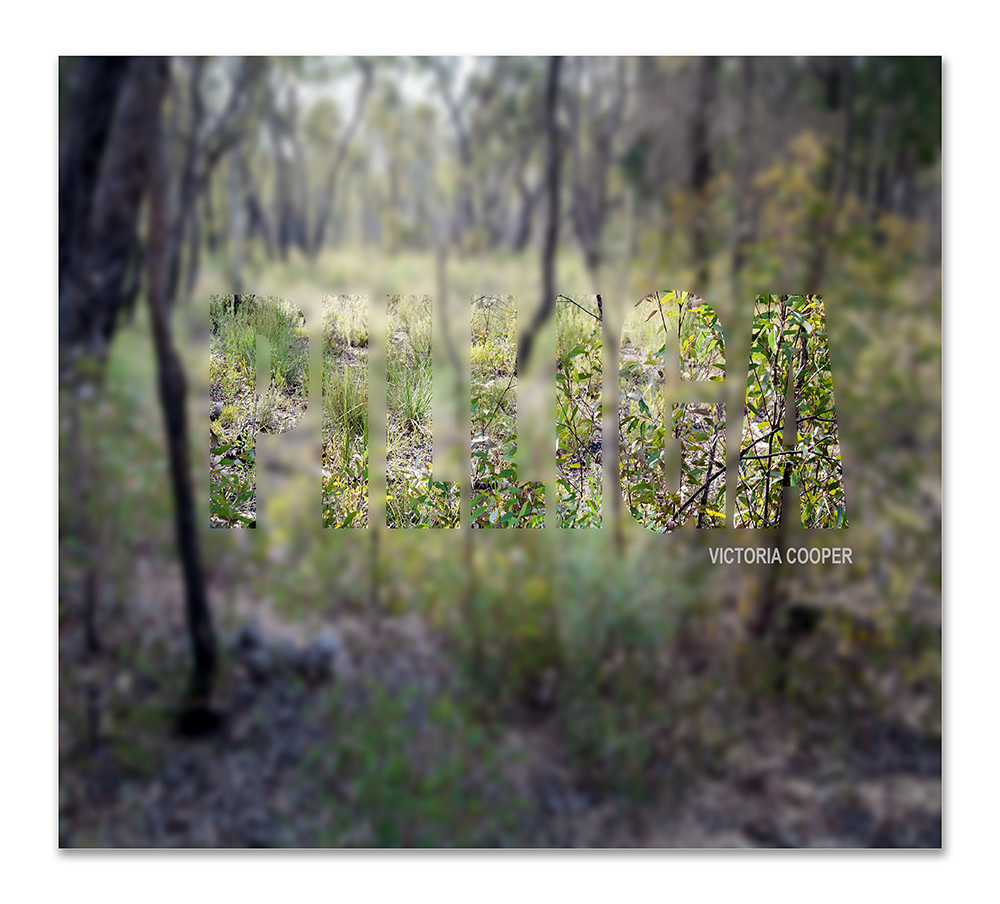
Victoria Cooper’s PILLIGA
.
About Victoria’s Book: PILLIGA
Pilliga is the culmination of 10 years work. It is informed by the many physical, psychological and metaphorical journeys through this enigmatic place during the decade of its creation.
This book is not a topographic depiction of the Pilliga Scrub, a remote location in the Australian Bush. Rather it is a human story of lurking deep anxiety manifested as a destructive invisible entity feeding on fears of the unknown and unknowable.
A PDF of the book can be seen here:PILLIGA-redsmr
The book can be purchased from BLURB here: http://blur.by/1Q9cGhh
.
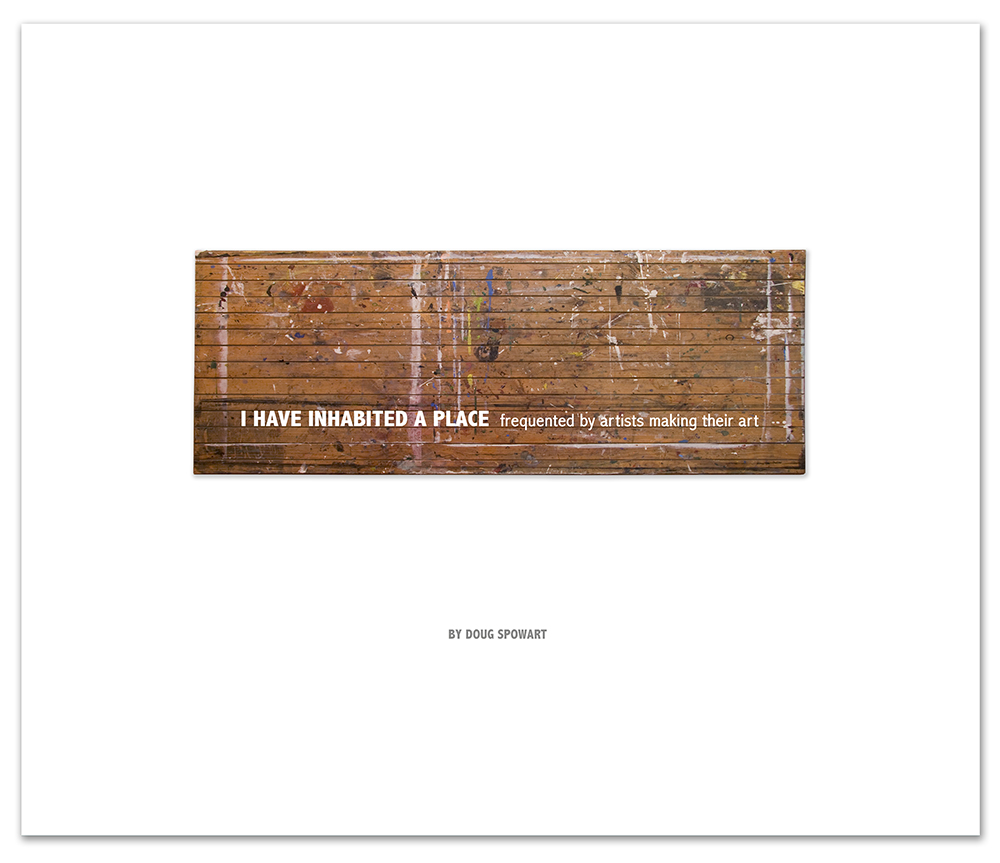
Doug Spowart’s I have inhabited a place …
About Doug’s Book: I HAVE INHABITED A PLACE FREQUENTED BY ARTISTS MAKING THEIR ART …
This book relates to the experience of being a documentary photographer within the world. The subject, a deserted artist’s studio, becomes an immersive landscape for investigation. This photobook expresses a personal narrative about loss, absence, place, and concepts around the relationship between the non-human and the working practices of artists.
A PDF of the book can be seen here: I have inhabited a place …red2
The book can be purchased from AMAZON here: http://blur.by/1K65dMu
.
.
.
WOTWEDID BLOG: 2014 in review – interesting facts + stats
The WordPress.com stats people prepared a 2014 annual report for our WOTWEDID blog.

Here’s an excerpt:
The concert hall at the Sydney Opera House holds 2,700 people. This blog was viewed about 13,000 times in 2014. If it were a concert at Sydney Opera House, it would take about 5 sold-out performances for that many people to see it.
BEING [photo]BOOKED @ QLD COLLEGE OF ART
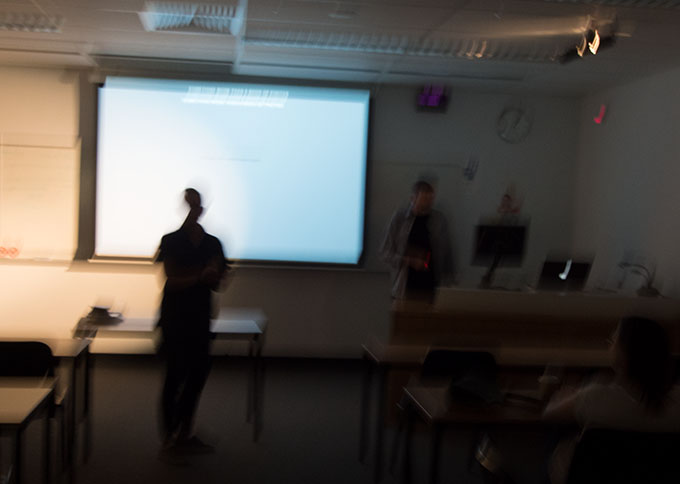
Heather introduces Doug’s lecture…
.
Last week we were guest presenters at the Queensland College of Art on the Gold Coast. We worked with photo media and digital media students and their lecturer Heather Faulkner discussing the topic of the contemporary photobook.
.
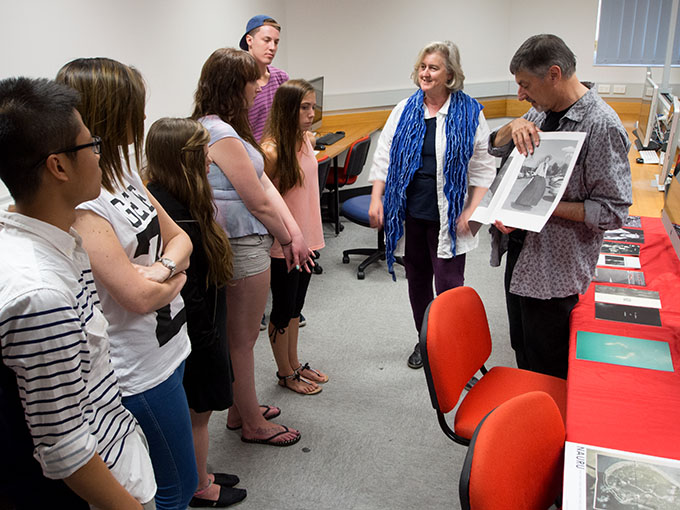
Victoria Cooper and Doug Spowart talking about photobooks….PHOTO: Heather Faulkner
.
Doug presented a lecture on the history of the photobook and brought students up to date with the contemporary photobook including Ying Ang’s latest book ‘Gold Coast’. Students then were given an opportunity to hold, handle and view a range of contemporary photobooks from Australia and overseas including books by, Alec Soth and Brad Zellar, Martin Parr, Garry Trinh, Daniel Milnor, George Voulgaropoulos, Jacob Raupach, Lloyd Stubber, Emma Phillips, Kelvin Skewes, Joachim Schmid, James Mollison, Paul Graham, Gracia and Louise as well as a selection of zines from the Sticky Institute. We also presented a selection of our own photobooks and artists’ books. Of particular interest to the students was the structure, construction, printing and binding of photobooks.
.
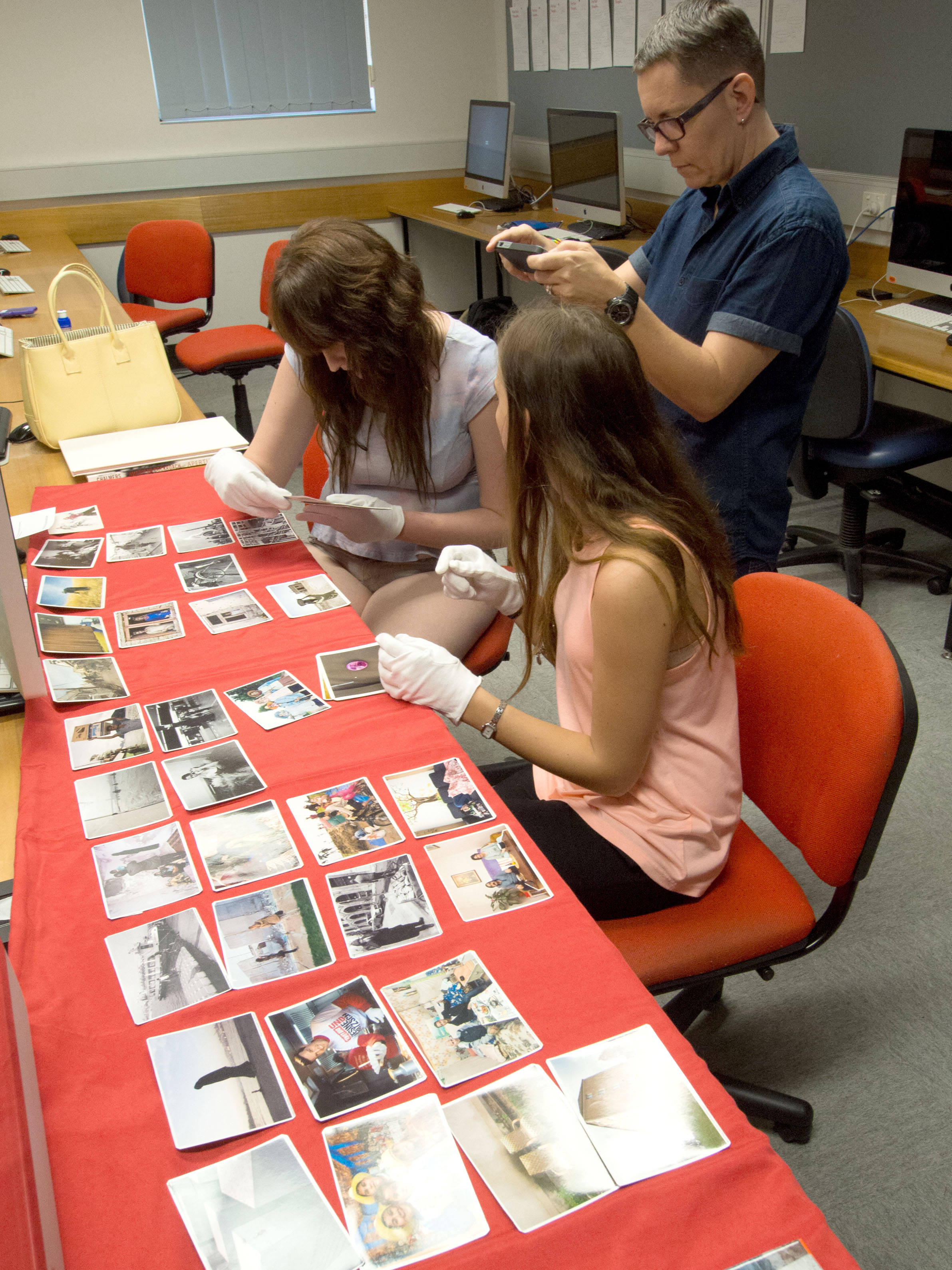
Students working on a sequencing task with Heather Faulkner
An important part of an accompanying tutorial covered ideas around the sequencing of images in photobooks and the ways in which narrative could be expressed. Students were then tasked to work with a series of images using unusual sequencing strategies that we suggested.
.
We enjoyed the opportunity to engage with these students and discuss one of our favourite topics and share amazing books from our photobook library. Thank you Heather Faulkner for arranging this event…
.
.
.
.
MEMORY COLLECTIVE: Super Moon + Phoenix
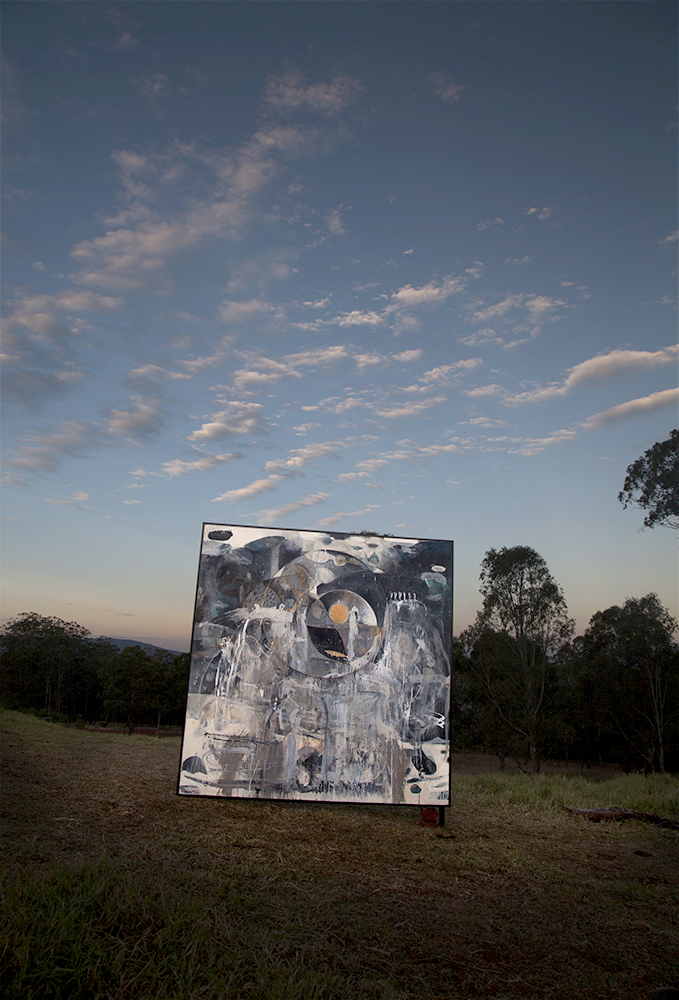
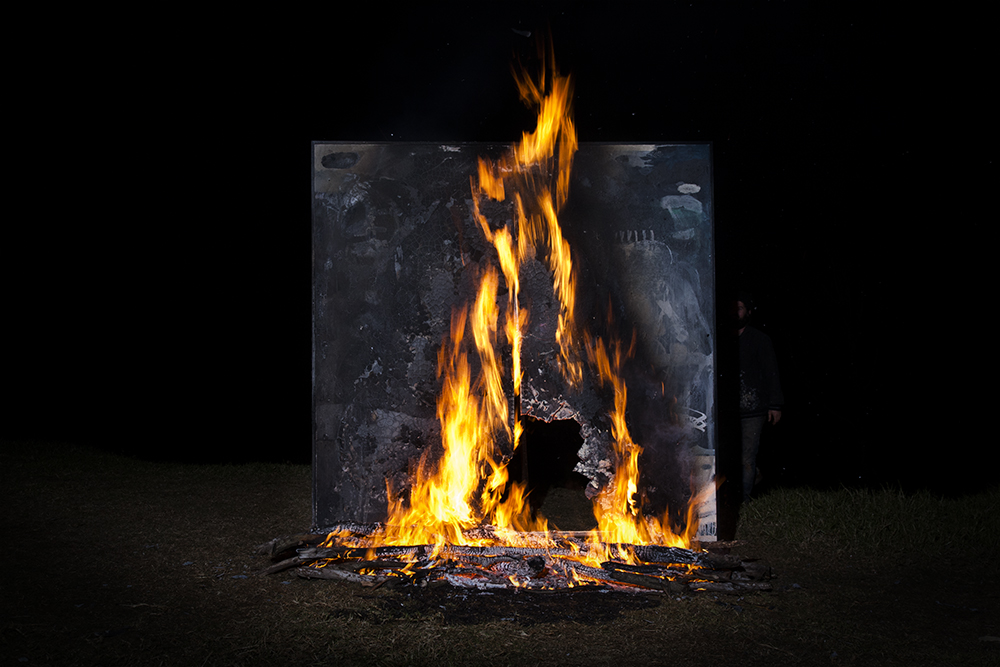
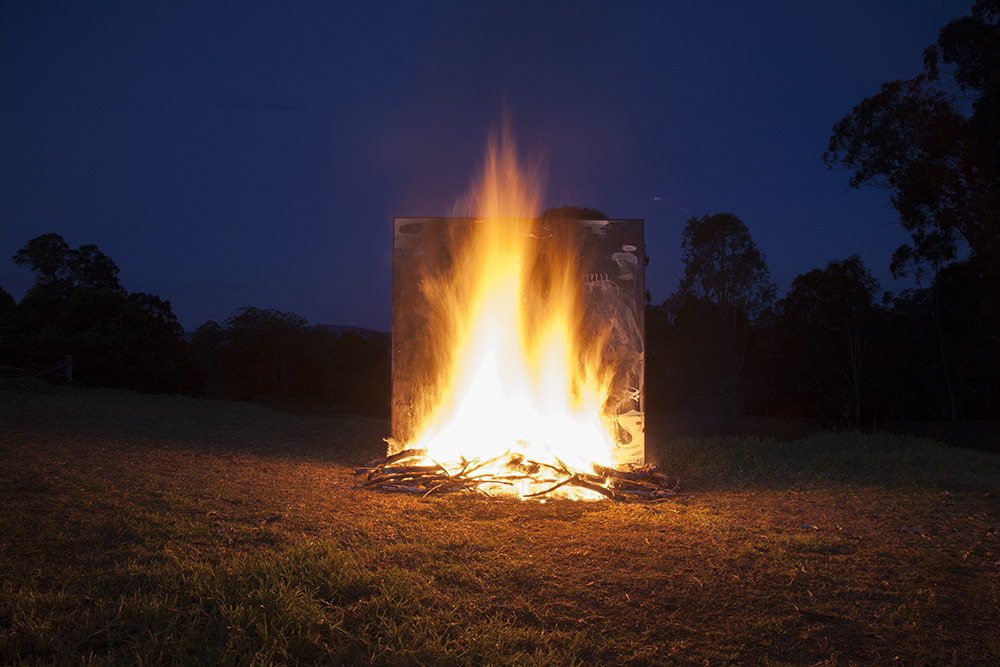
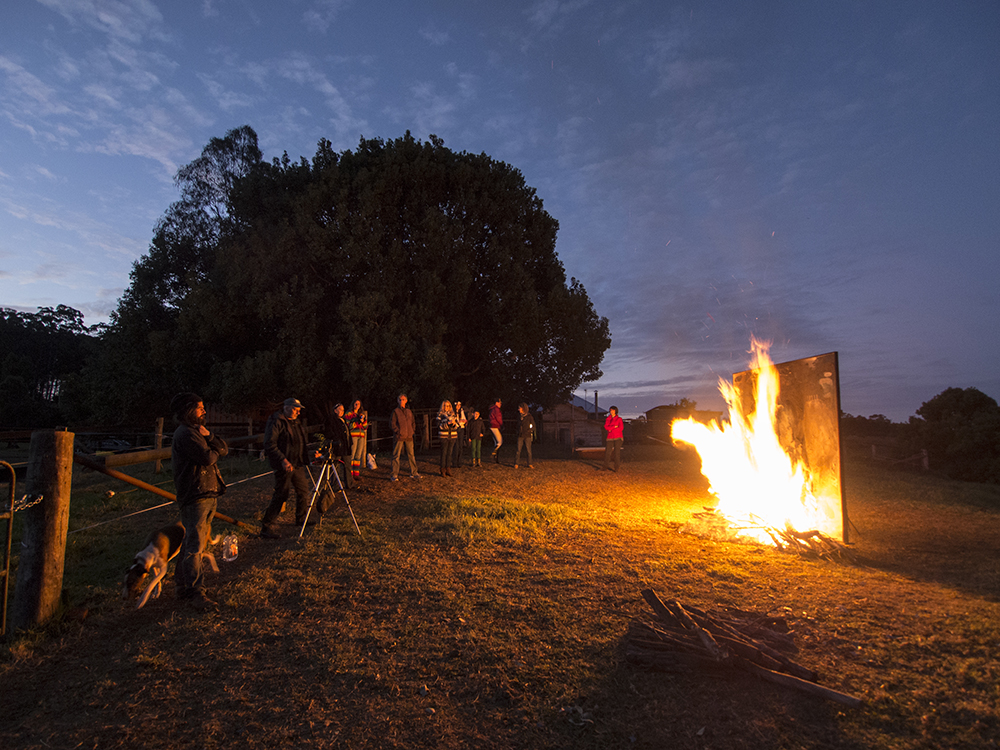
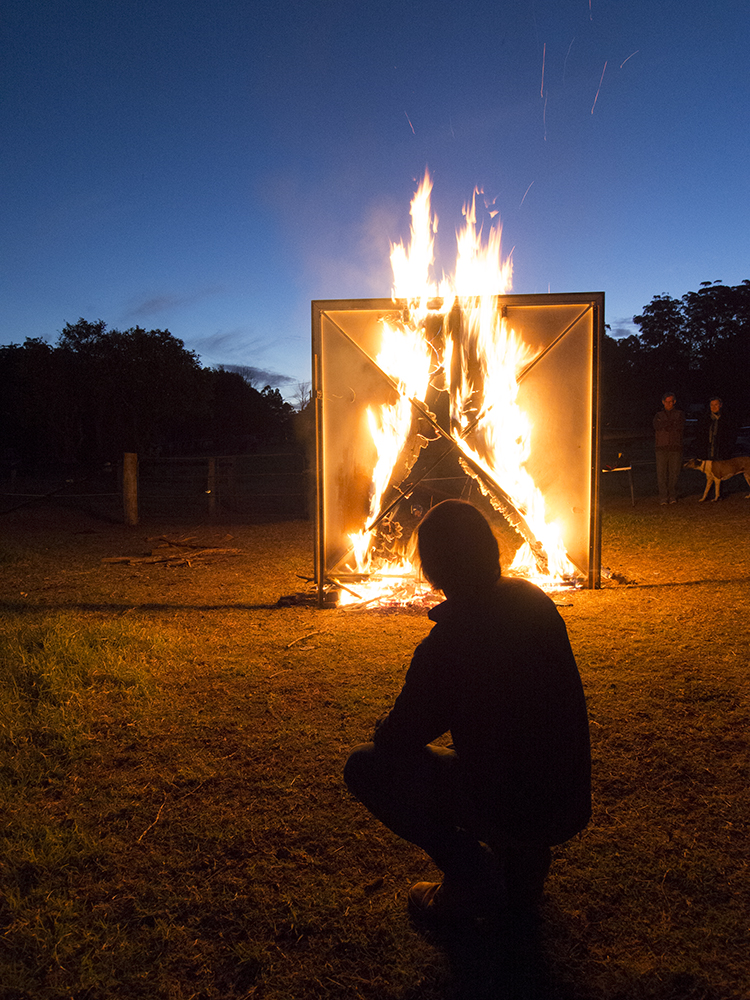
Eighteen months ago Toowoomba artist Damien Kamholtz began a project that was to bring together a team of local artists to participate in a conceptual artwork that would have many states and private and public iterations. The first public presentation of the The Memory Collective was at the Toowoomba Regional Art Gallery in August/September 2013.
.
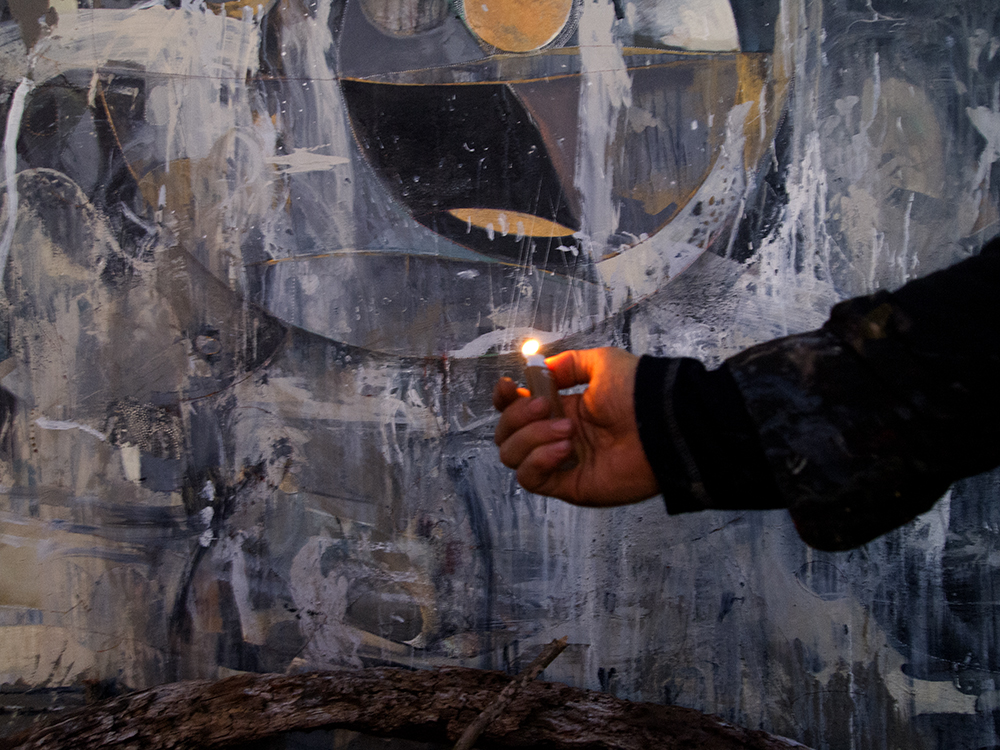
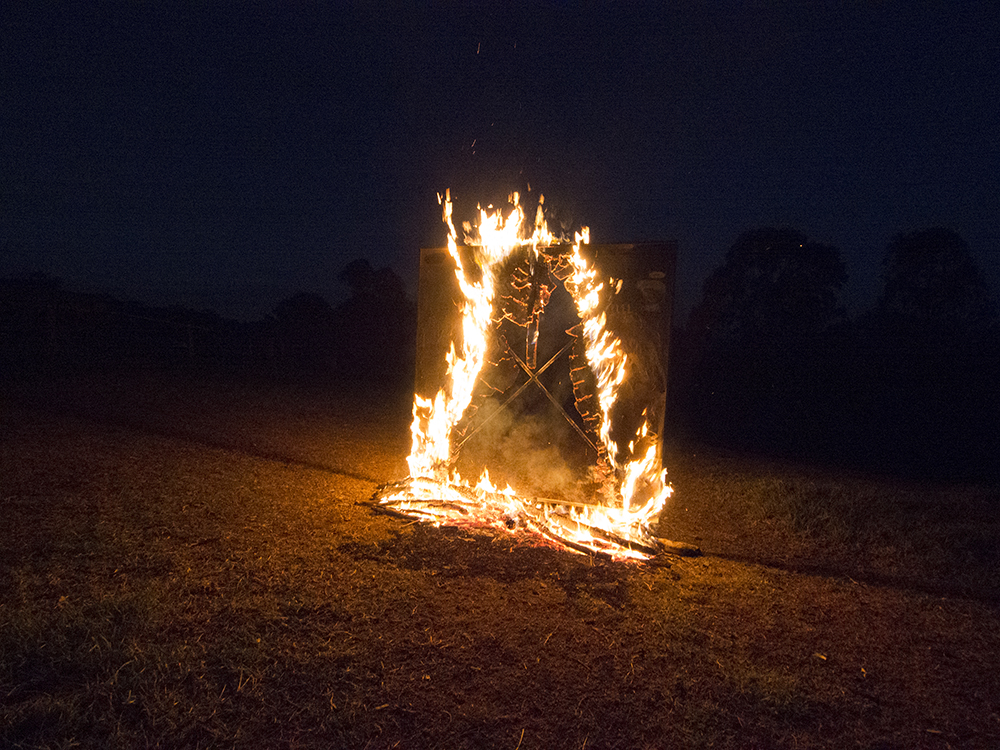
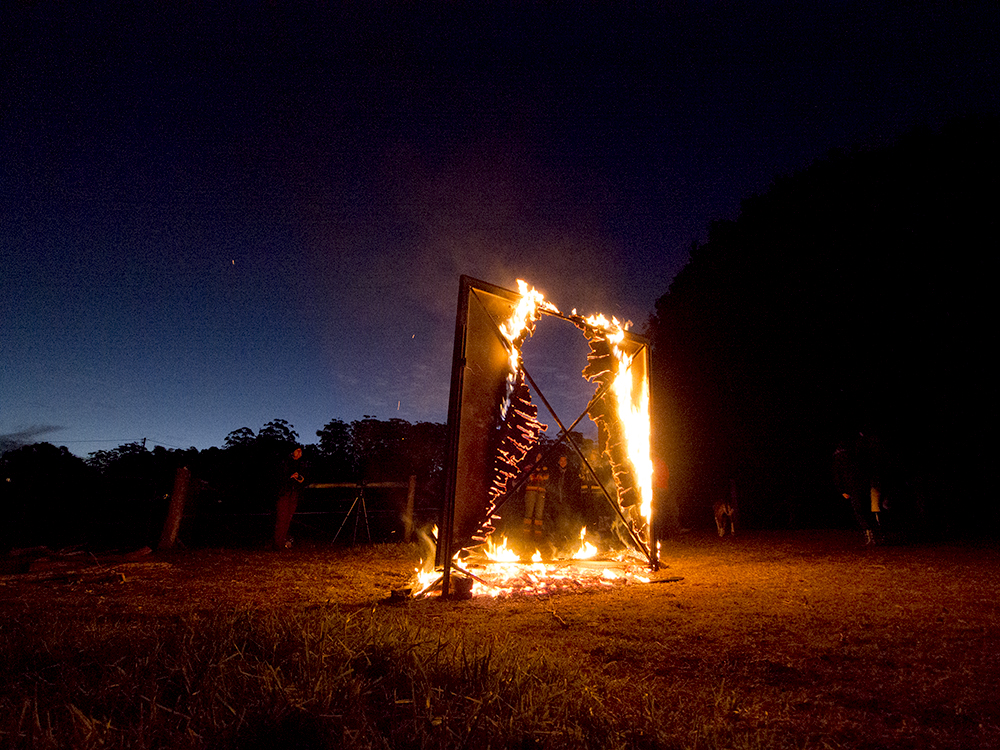
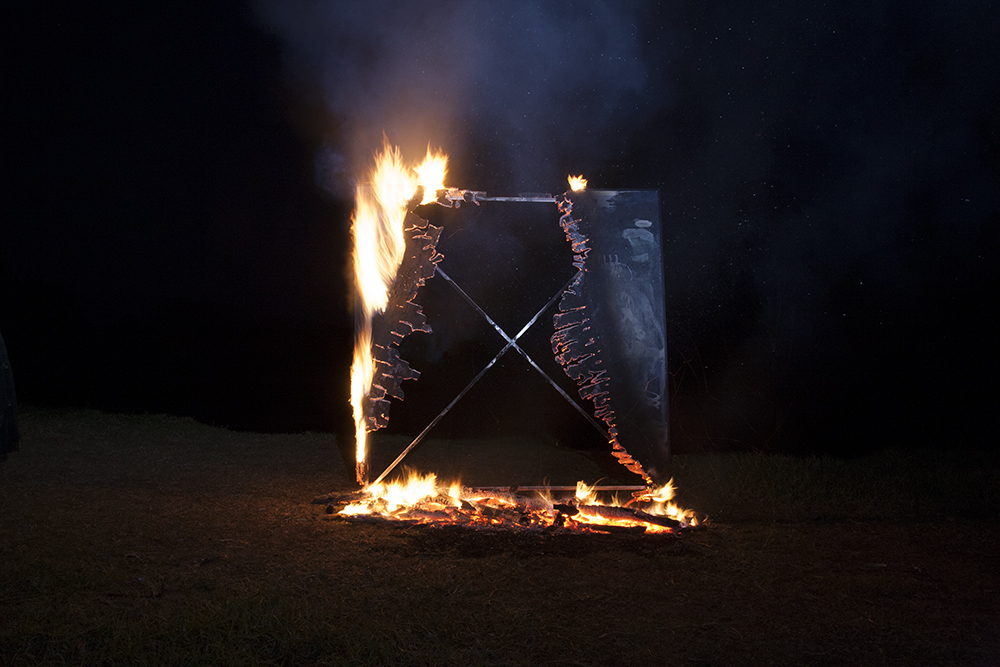
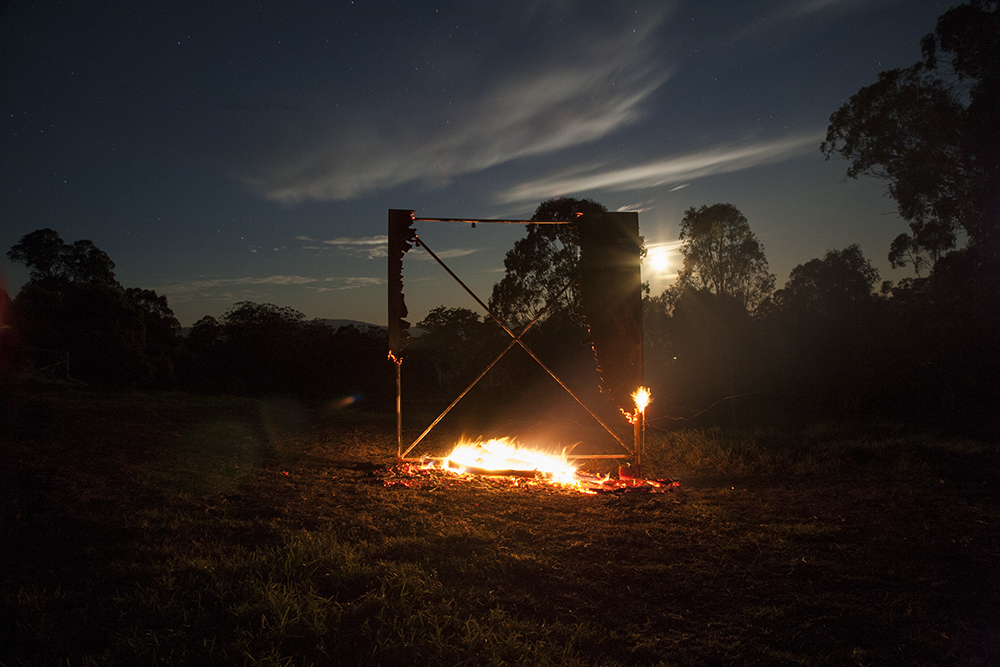
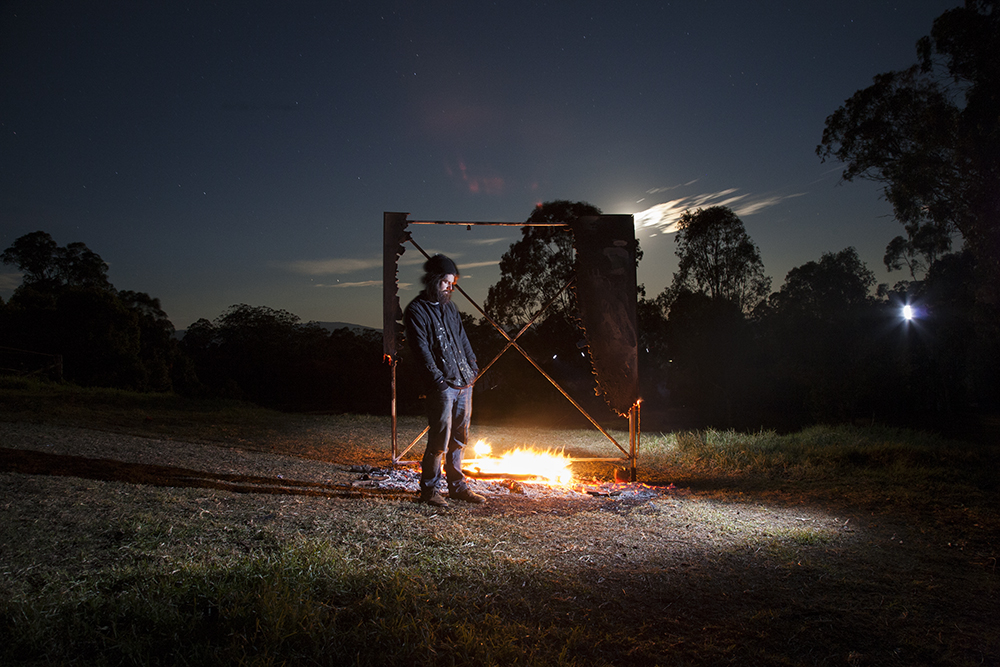
Two weeks ago a key element of The Memory Collective project was altered yet again into a new state. This took place near Cabarlah at a symbolic time for Kamholtz, the recent super moon…
.
Here is part of the document made on that July evening.
.
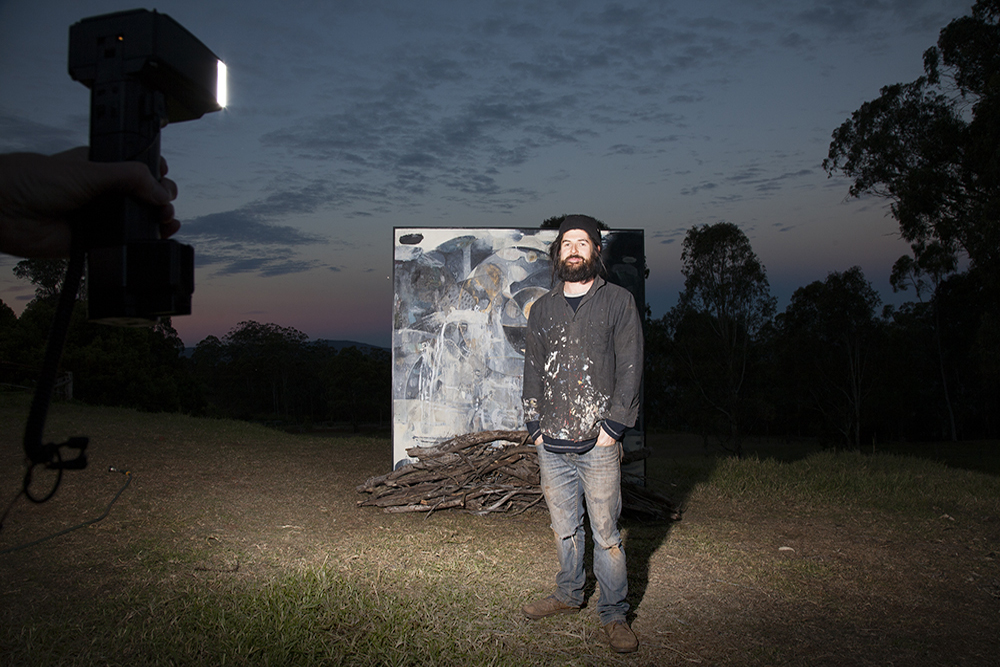
Damien Kamholtz before the burning Photo: Cooper+Spowart
.
.
.
.
.
 .
.
.
.
.
..
.
.
.
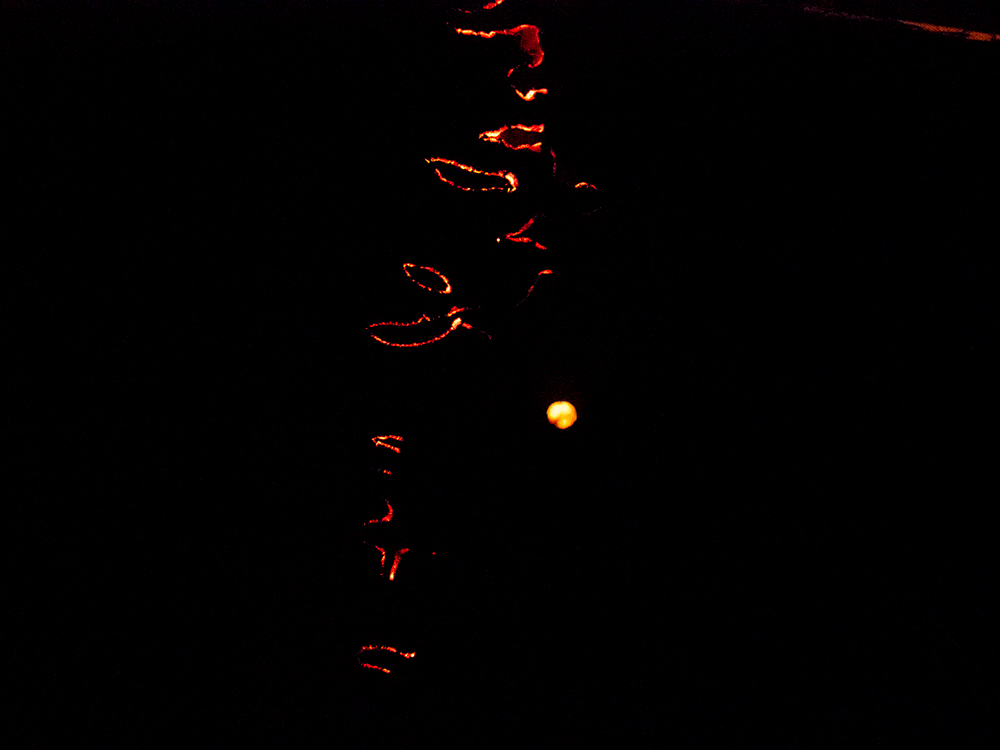
The super-moon rising and the embers of the phoenix rising
.
.
Aftermath of the fire
.
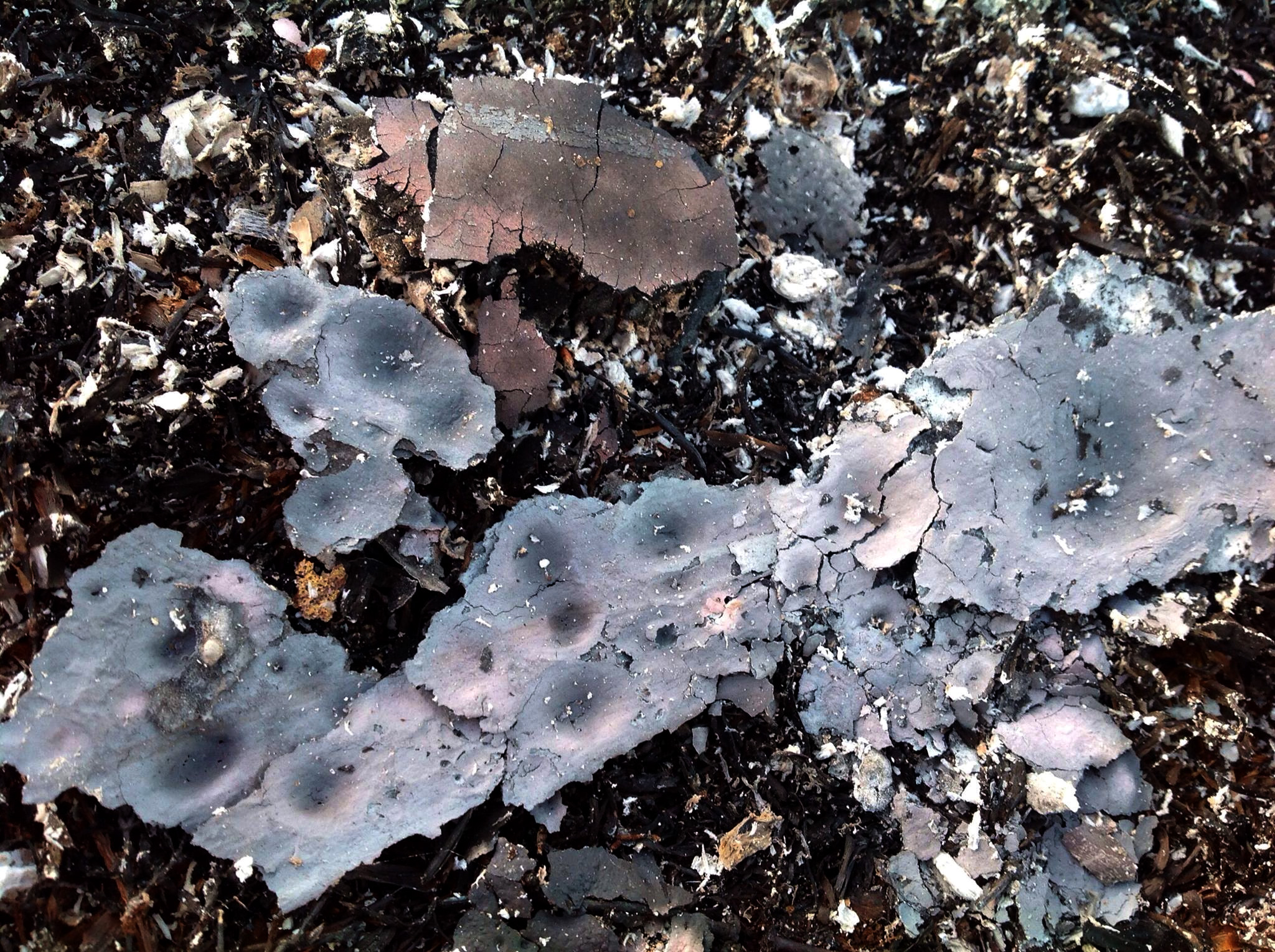
Aftermath: ashes of the painting the next morning. Photo: Damien Kamholtz
…. this is not an ending for the Memory Collective…
.
THE BACKSTORY OF THE MEMORY COLLECTION
.
An exhibition of the collaborative artwork as a singlarity
.
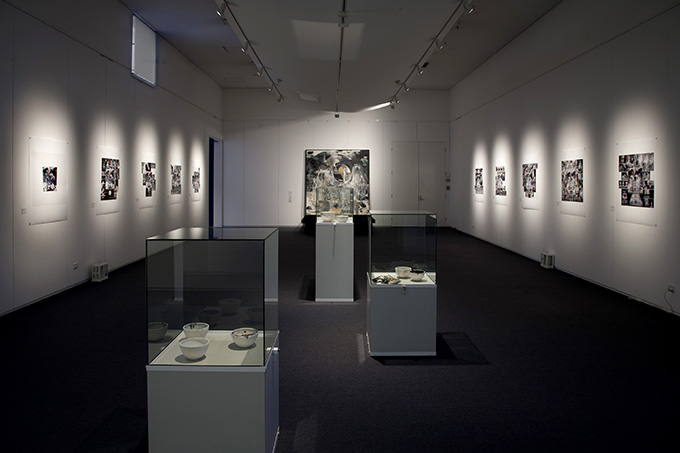
Memory Collective image from the exhibition @ Toowoomba Regional
.
A painting and a performance
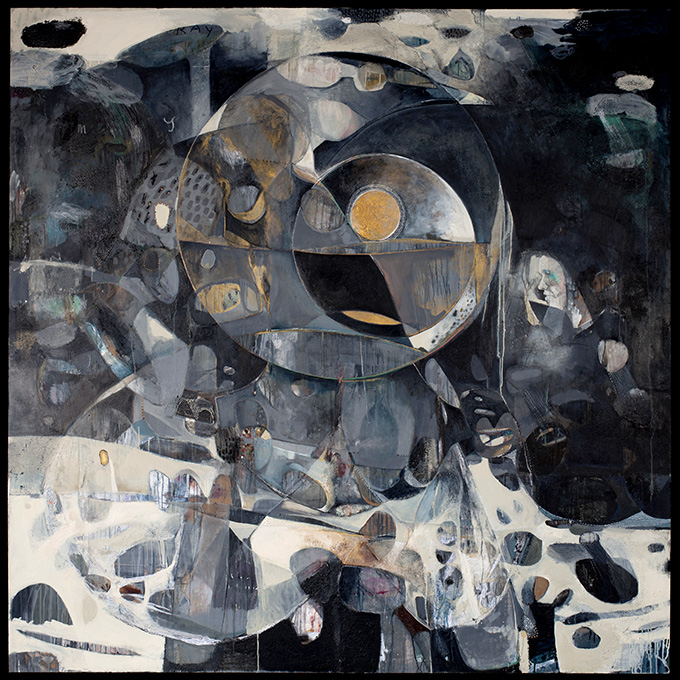
The Memory Collective painting by Damien Kamholtz
.
The Memory Collective is a multi-disciplinary collaboration orchestrated by artist Damien Kamholtz. Kamholtz states: The Memory Collective Project is a creative collaboration between 12 artists across eight artistic disciplines exploring concepts and themes relating to the human condition such as change, constants, history, refection and memory. The artworks created during the project will make up an exhibition to be held at the Toowoomba Regional Art Gallery in September 2013.
There are different stages to the project. First Kamholtz created a large 2.2 metre square painting, while sculptor, Jessie Wright constructed the large vessel to hold the water. Kamholtz’s painting is embedded with personal meaning in the form of fragments of his past art, the ashes of diaries. In the presence of this artwork we are drawn into a poetic landscape where faces emerge; symbols and totems slip from passive dark spaces and come into conscious awareness.
The second stage of the work was the performance in the form of 9 responses to the painting by Kristy Lee. The painting and the pool created the reflective and reflexive performative space and the transformative process of the original painting then began. Integral to the space were David Usher’s delicate pots; these vessels contained the pallet of shades that then shrouded and clouded the memory of the work. Over the course of the day the painting’s physical form was transformed into something different loosing its current visual form as only a memory.
Our part of the collaboration was to witness, respond and record the transformation of the work over the day. The next stage of the Memory Collective’s work will continue over the next month our component will be to create 9 large collaged photograph memory states of the work for the show in September. Works by others include; a video art piece, a documentary video, a soundscape, interviews, prose and poems. It is a significant project and is being funded by the RADF and supported through the exhibition at the Toowoomba Regional Art Gallery.
.
A fragment of photographic memories made by us for the MEMORY COLLECTIVE…
.
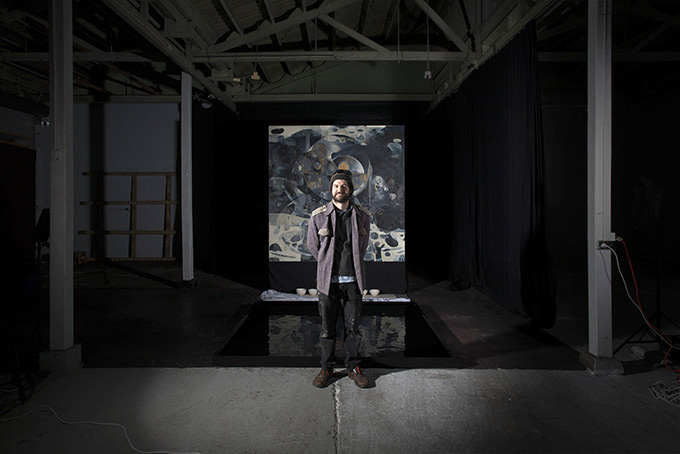
Damien Kamholtz in the performance space with the painting and pool
.
.
A performance
..

Kirsty Lee and painting – in the early state…
…
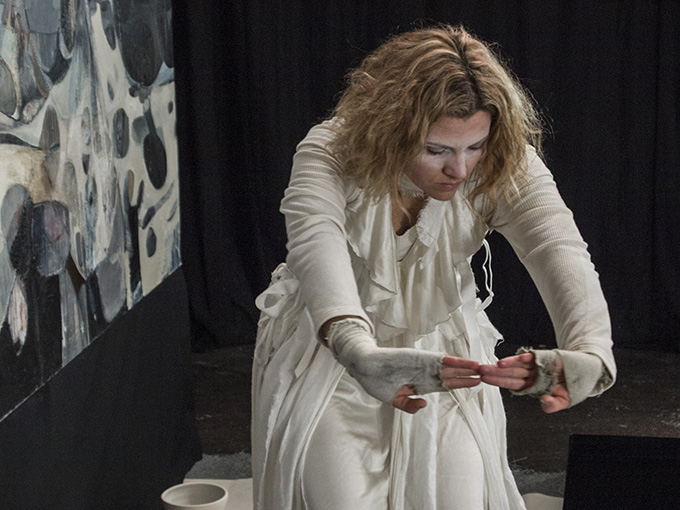
Kirsty Lee performs before the painting
.
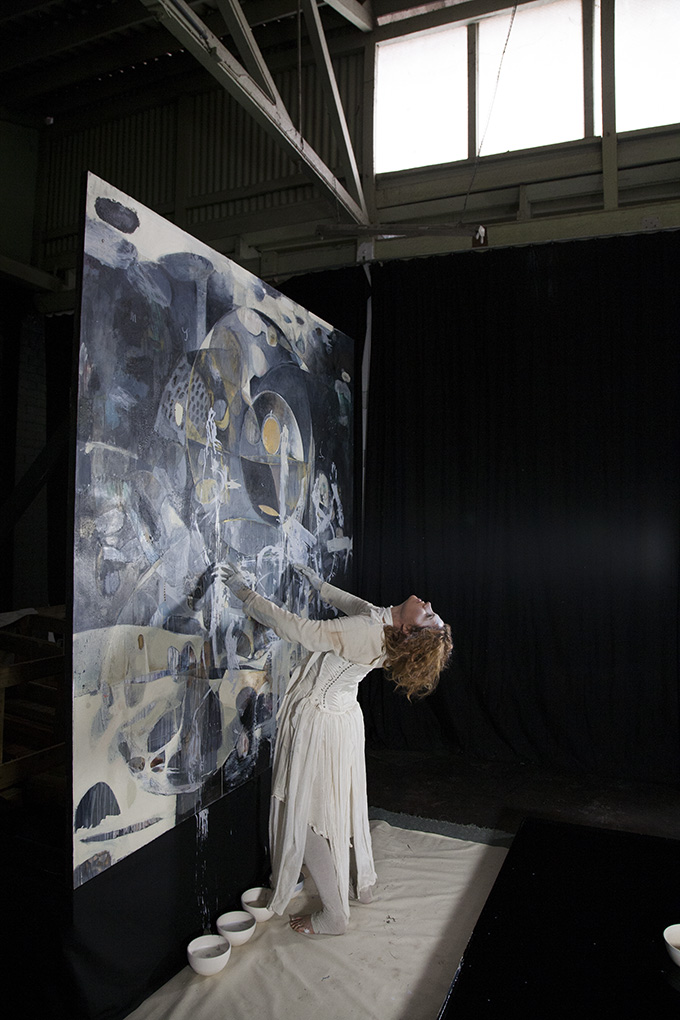
State 3 Kirsty applies paint to the paining…
.
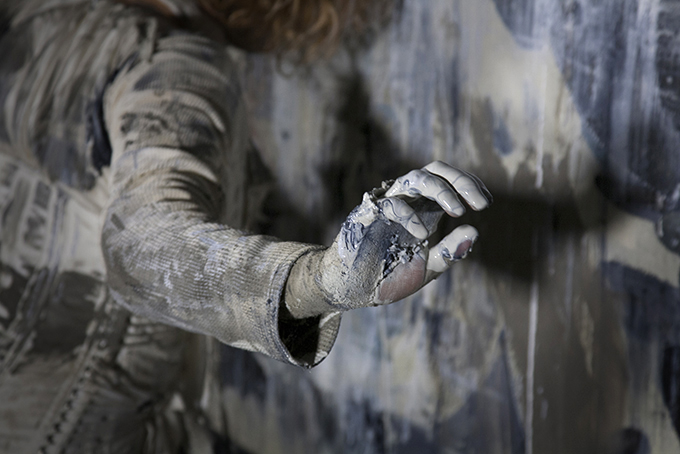
Hand paint
.

Kirsty Lee and her interaction with the painting … around Stage 6
.
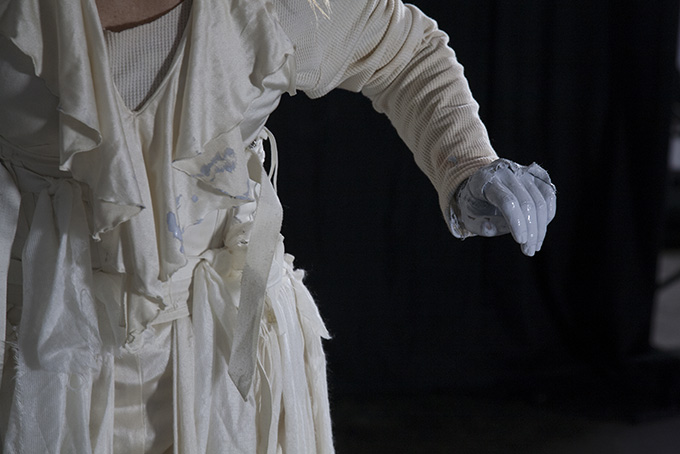
Blue hand…
.
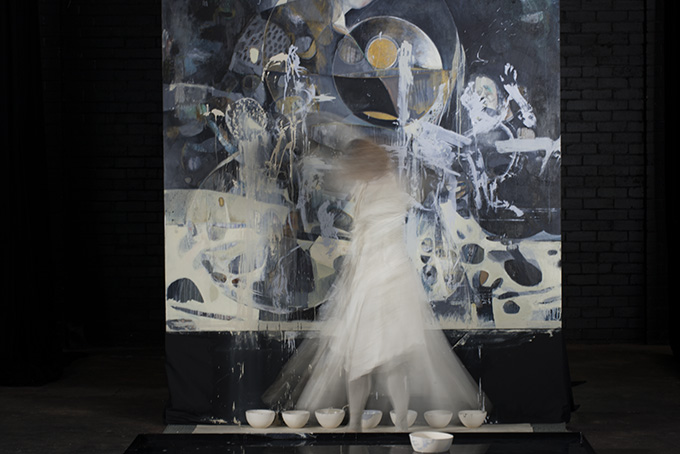
Kirsty Lee in a frenetic stage…
.
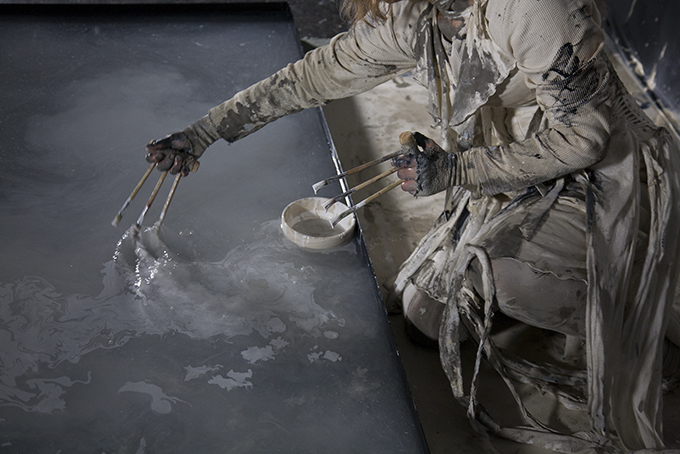
Kirsty Lee and brushes before the pool
.
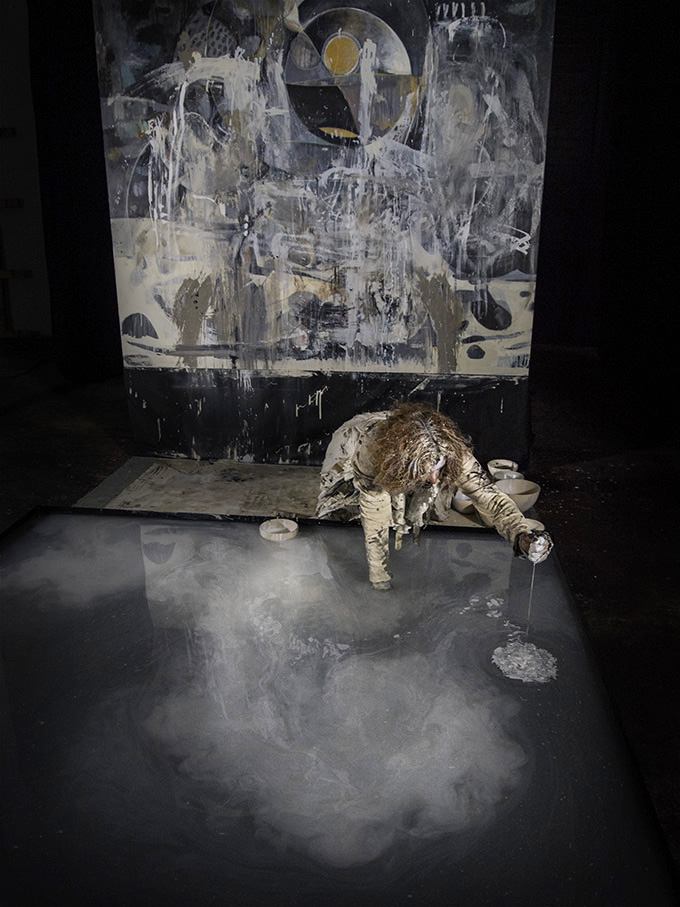
Paint fluid in the pool…
.

Towards the final state…
.
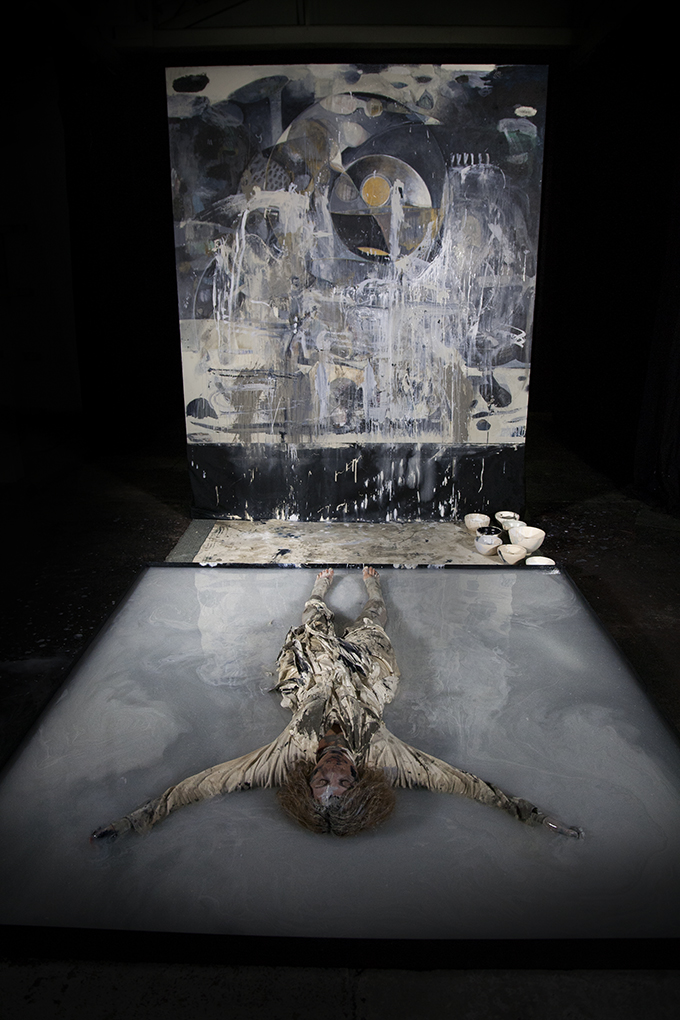
The final state …
…
.
 .
.
.
Additional material
/.

Damien discussing movement with Kirsty
.
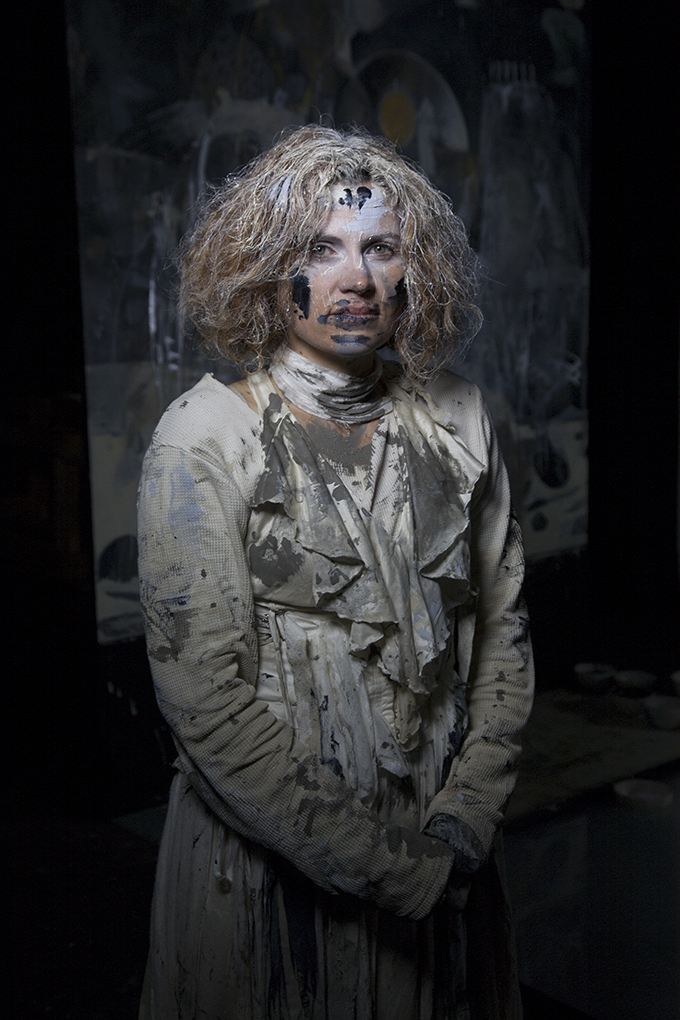
Kirsty Lee towards the end of the performance
.
Another creative work from the performance by Jason Nash…
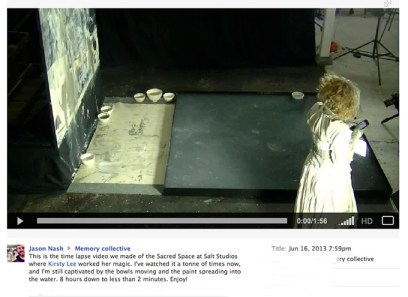
Jason Nash – Time lapse video
CLICK HERE to see Jason Nash’s ‘Memory Collective’ time-lapse video
.
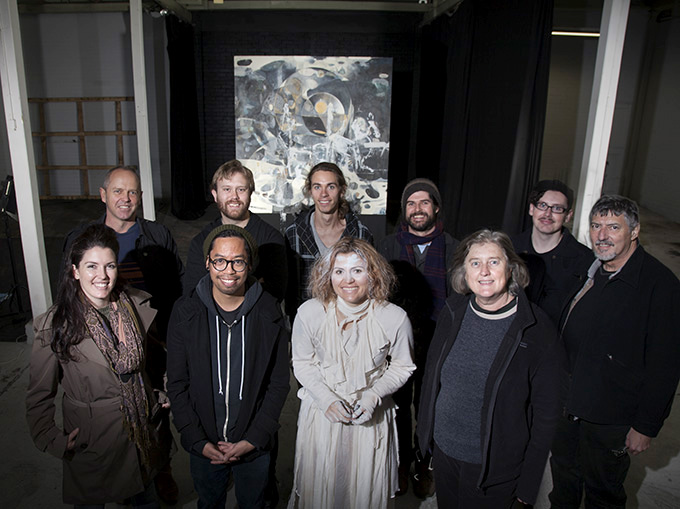
The Team: Front Ashleigh Campbell, Julio Dunlop, Kirsty Lee, Victoria Cooper, Doug Spowart
Back: David Usher, Jason Nash, Jesse Wright, Damien Kamholtz, Zac Rowling ( weakling).
Not present: Craig Allen & Jake Hickey
.
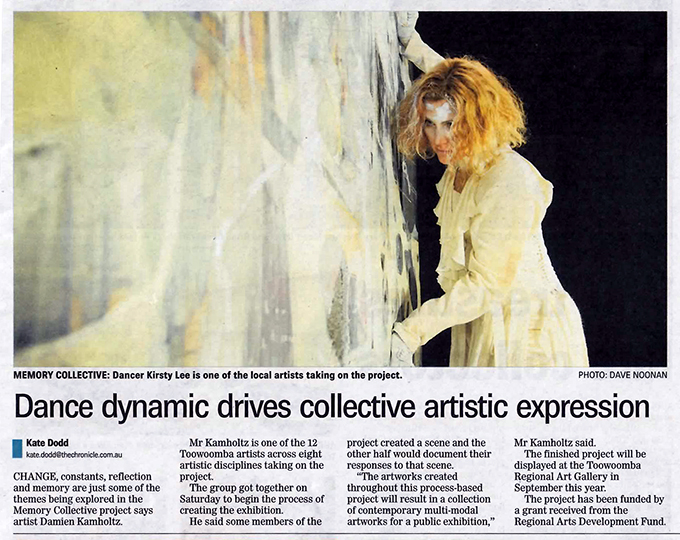
Toowoomba Chronicle 17 June, 2013 by Kate Dodd PHOTO: Dave Noonan
.
..
 .
.
.
© 2013+2014 Victoria Cooper and Doug Spowart for The Memory Collective
.

This work is licensed under a Creative Commons Attribution-NonCommercial-NoDerivs 3.0 Unported License.
.
.
MAUD GALLERY: TRANSLUCENCE: Jacqui Dean’s Xrayograms
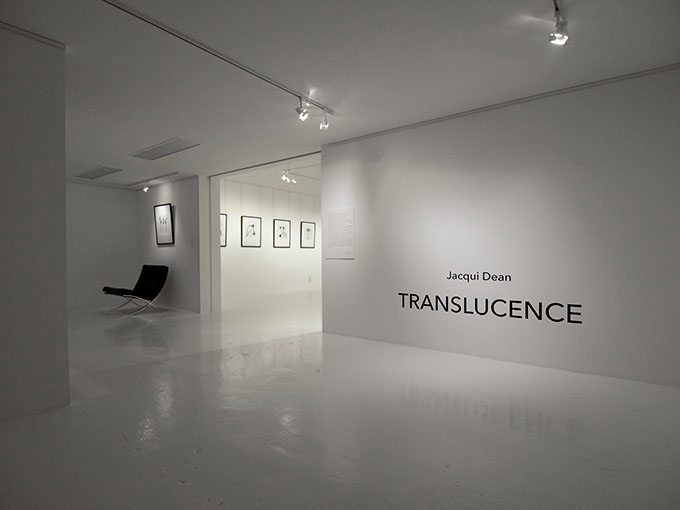
Jacqui Dean’s TRANSLUCENCE @ Maud Gallery, Brisbane Photo: Doug Spowart
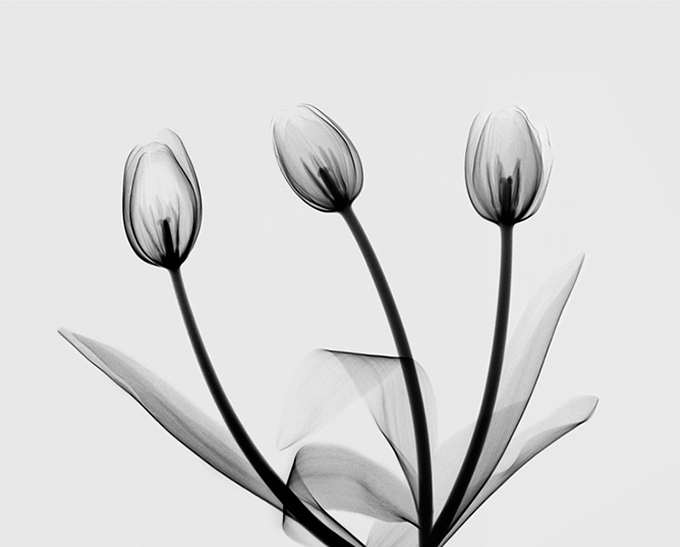
An image of tulips from the Translucence exhibition
.
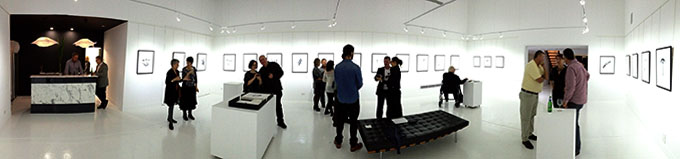
Translucence @ Maud Gallery, Brisbane. . iPhone Photo: Doug Spowart
.
TRANSLUCENCE: Jacqui Dean’s Xrayograms
Maud Creative Gallery June 18th – July 19th, 2014
6 Maud Street Newstead, QLD 4006
Ph 07 32161727
www.maud-creative.com
.
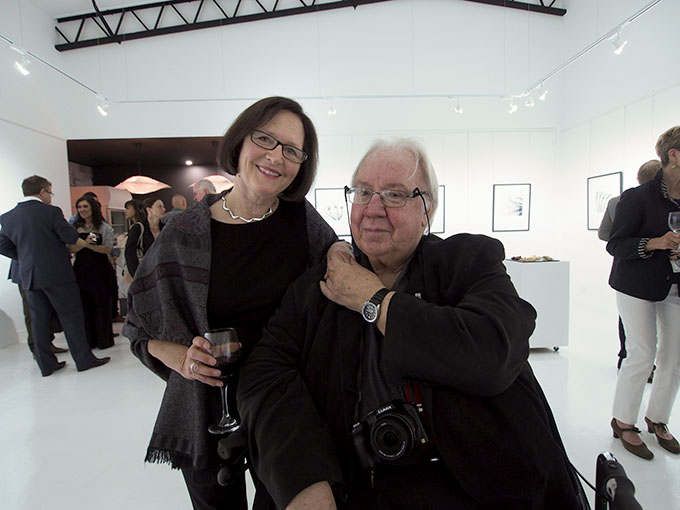
Jacqui Dean + Robert MacFarlane Photo: Doug Spowart
.
A comment about the work by the exhibition speaker Robert McFalane
In TRANSLUCENCE, photographic artist Jacqui Dean reveals Australia’s flora, both native and introduced – in radically new ways. Dean’s searching vision reduces flowers to their essential, sculptural shapes, translating them into exquisite, archival black and white prints. Calla lilies are seen as never before – with their curved flowers resembling the shape and texture of a crystal goblet. Dean’s delicate images of roses, through composition and digital magic, reveal interlaced petals that mimic the textures of a Tulle bridal veil.
Dean’s delicate, dancing images in TRANSLUCENCE mirror the elegance of Nature while resonating deeply with the work of artists as disparate as photographic pioneer William Henry Fox Talbot (1800-1877) and the affectionate, intricate drawings of Nature by Albrecht Durer. (1471-1528)
Jacqui Dean is a talented Sydney architectural, corporate and fine-art photographer known for her rigourous sense of composition and peerless black and white printmaking skills. Twenty seven prints will be on display at Maud Creative Gallery during this first Brisbane exhibition of TRANSLUCENCE.
“Look deep into nature, and then you will understand everything better.”
ALBERT EINSTEIN (1879 – 1955)
‘Another Universe’ a review by Victoria Cooper
.
From the late 19th, and into the early 20th century there was a growing movement in the sciences and the arts that associated with Nature’s inherent resonance of form and structure from the microscopic to the cosmic. These new vistas and universes were recorded not only by the scientists’ hand but also by new developments in technology, notably the invention of the photographic process. Visual communication through imaging technologies continues to be an important tool in scientific research. But these images were not just useful as scientific evidence they were and continue to be inspiration for the creative work of artists and designers.
One noted exemplar utilising this visual medium was Karl Blossfeldt (1865-1932), a sculptor, metal craftsman and teacher. Blossfeldt began taking photographs of botanical specimens to use in his classes as ideas for students to create design forms from nature. But Blossfeldt’s work became very influential in the art, craft and design movement that popularised natural forms as templates for architecture, sculpture and 3D design work. His photographic documentation revealed abstract views of humble everyday roadside plants as visually interesting structural and aesthetic forms. As a result, Blossfeldt’s photographs also became renowned as works of fine art.
Jacqui Dean’s exhibition Translucence, at 2 Danks Street Gallery, Sydney, and now at Maud Gallery in Brisbane, is the result of artistic curiosity and visual investigation natural forms through the phenomenon of Xrays. Art in this respect is the revelation of the unseen, the beholding of the essence within ordinary objects or a transforming perception of the everyday experience. The photograph, or in this case ‘xrayograph’, seals the object within the frame safe from the changes and inevitable decay over time. At first glance these images could appeal to the naturalist or perhaps a student of design (after Blossfeldt). Yet a deeper – more poetic vision immanent in nature is also suggested through a more contemplative viewing of these images.
Some may argue that this is an uncomfortable clash between the modernist and the romantic, or the objectivity of scientific evidence and the subjective imagination. But could this work identify with a need to embrace a sense of wonder rarely seen within a super-hyped, virtual digital-image society? Dean’s work in Translucence is informed by the poetry of music and her life’s experiences and her prodigious professional practice in photography. However the rewards for the thoughtful viewer will be to share in her wonder of the natural world that surrounds and nourishes our everyday life.
Victoria Cooper . . . June 9, 2013.
.
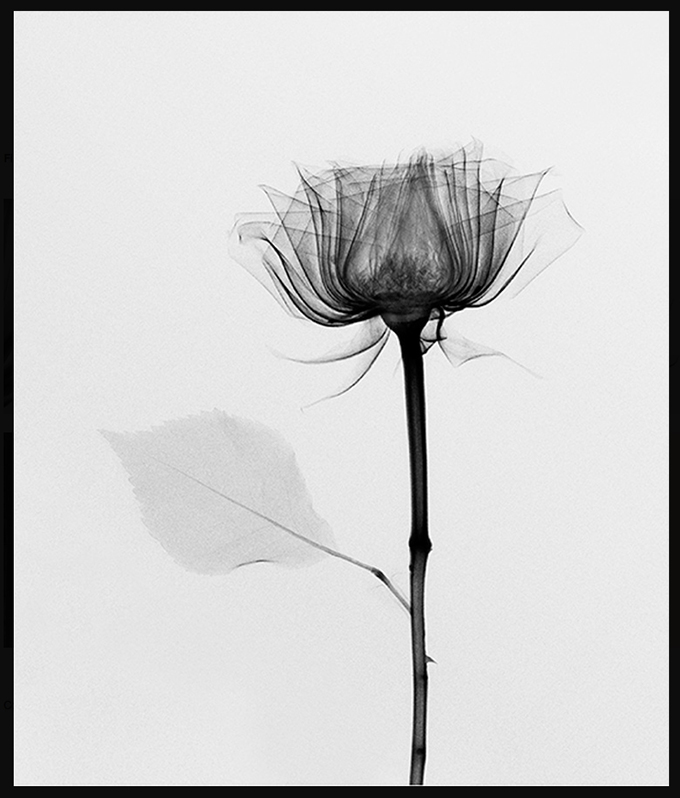
Rose Xrayogram by Jacqui Dean
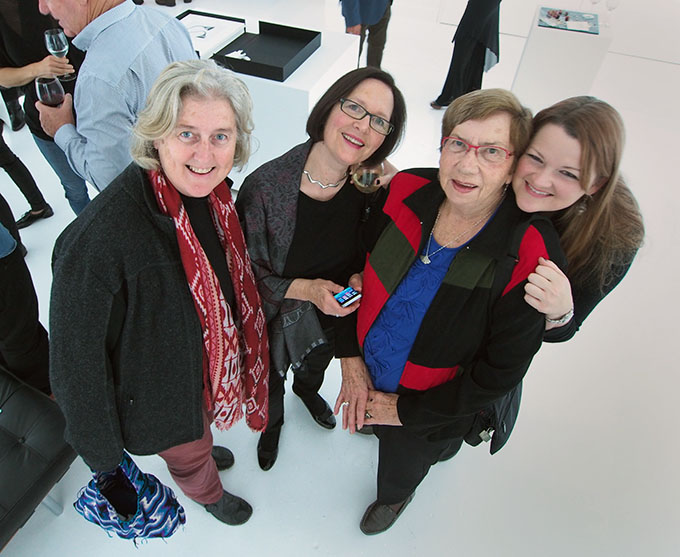
Victoria Cooper, Jacqui Dean, Ruby Spowart & Mel Anderson Photo:Doug Spowart
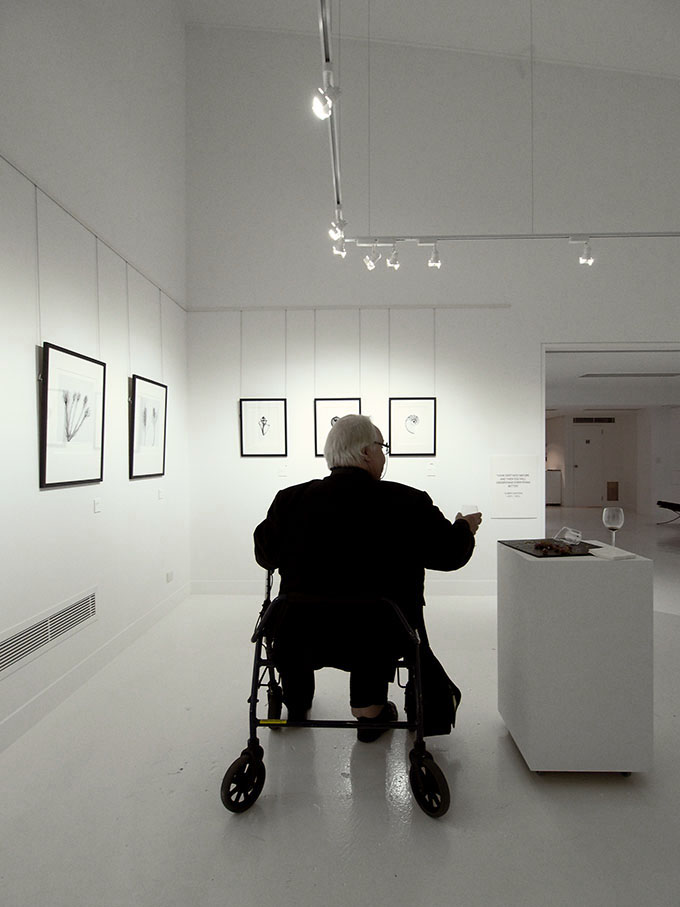
Robert takes a drink — Photo: Doug Spowart+Steve Jones
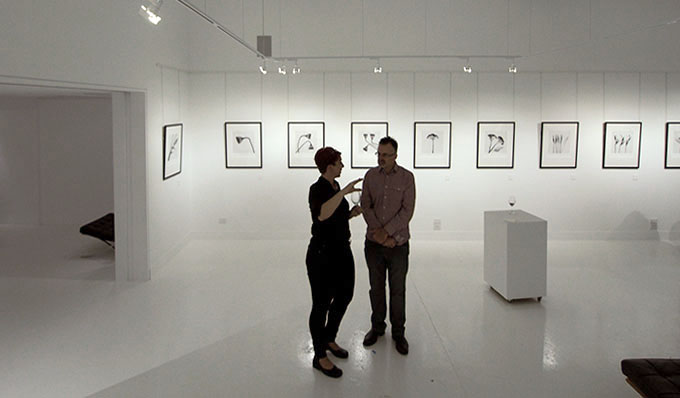
Bibiana Stanfield and Neil Burton @ Maud Gallery
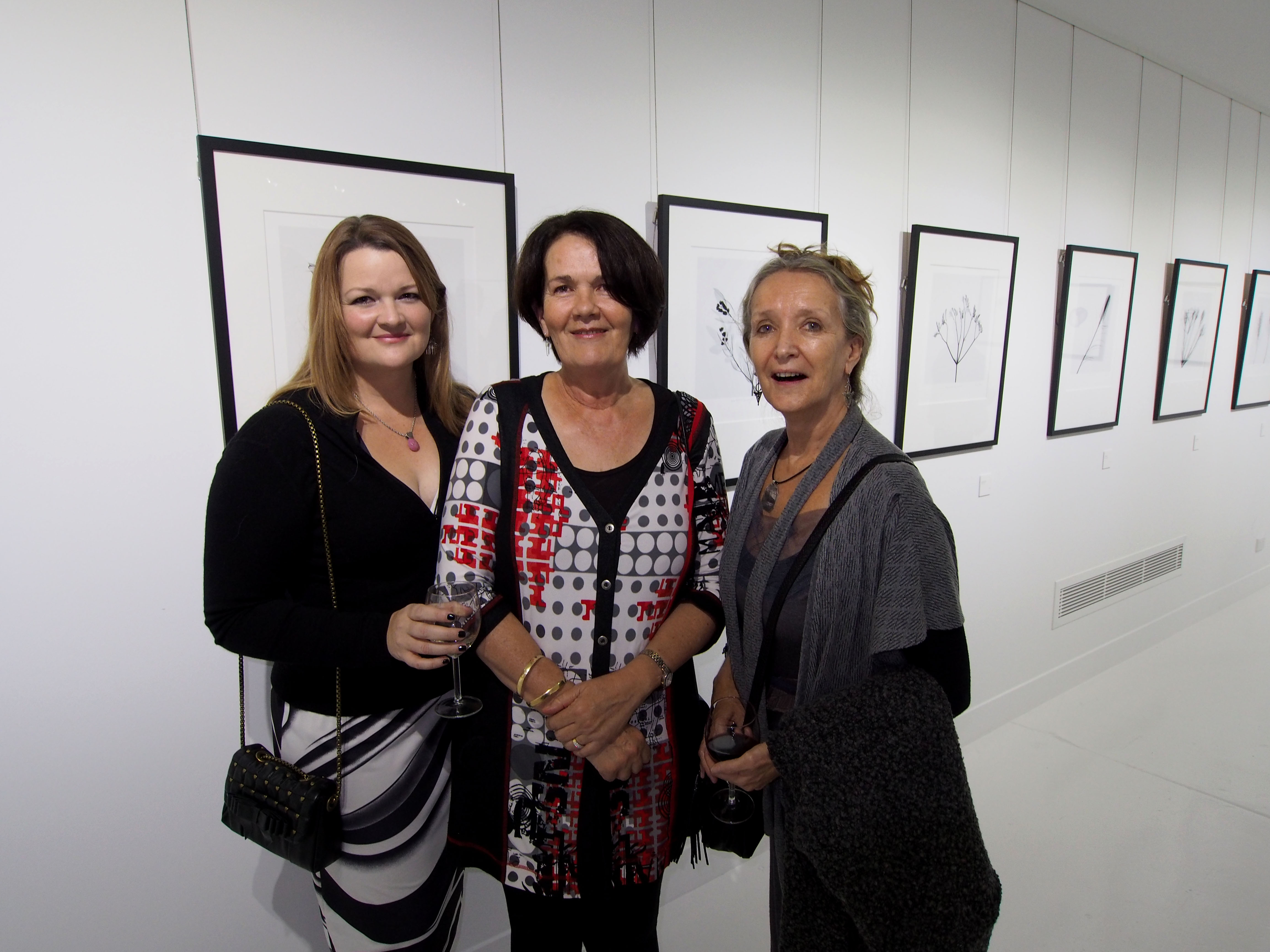
Mel Anderson, Ros Stakes and Lesle Downie @ the opening Maud Gallery Photo: Doug Spowart
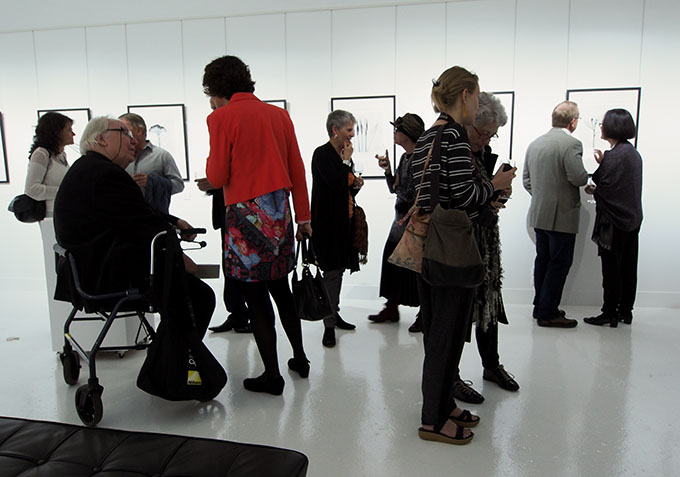
Guests at the Translucence opening Maud Gallery Photo: Doug Spowart
.
MORE INFORMATION:
Jacqui Dean’s Website: http://deanphotographics.com.au/fine-art/
Interview by Gemma Piali of FBi Radio, Sydney: http://fbiradio.com/interview-jacqui-dean-on-translucence/
.
Xrayograms: © Jacqui Dean
Review text © 2013 Victoria Cooper
All exhibition opening photographs © 2014 Doug Spowart
.
This work is licensed under a Creative Commons Attribution-NonCommercial-NoDerivs 3.0 Unported License.
.
.
HeadOn–AddOn: Cooper+Spowart invited to participate
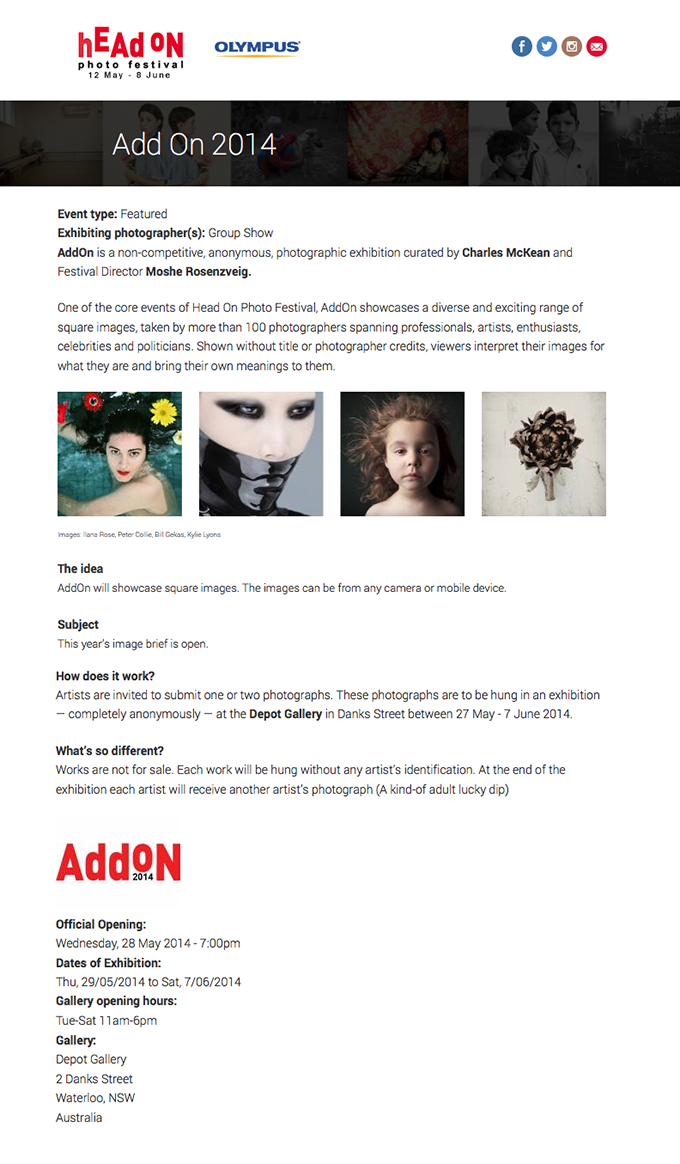
This year we were invited to participate in the 2014 HeadOn – AddOn event: Here are the details behind the event from the HeadOn Website…
.
.h
AND HERE ARE OUR IMAGES …
.
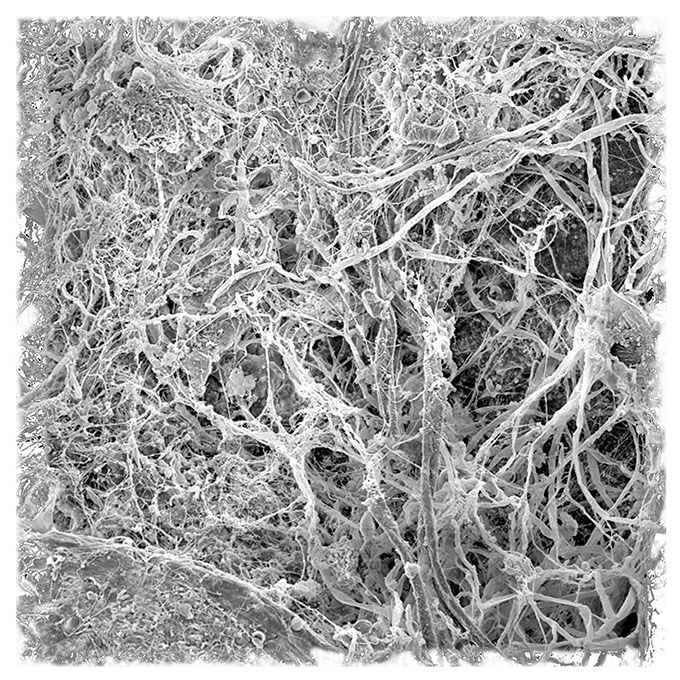
Victoria COOPER’s – Detail from Home 2011–2014
.
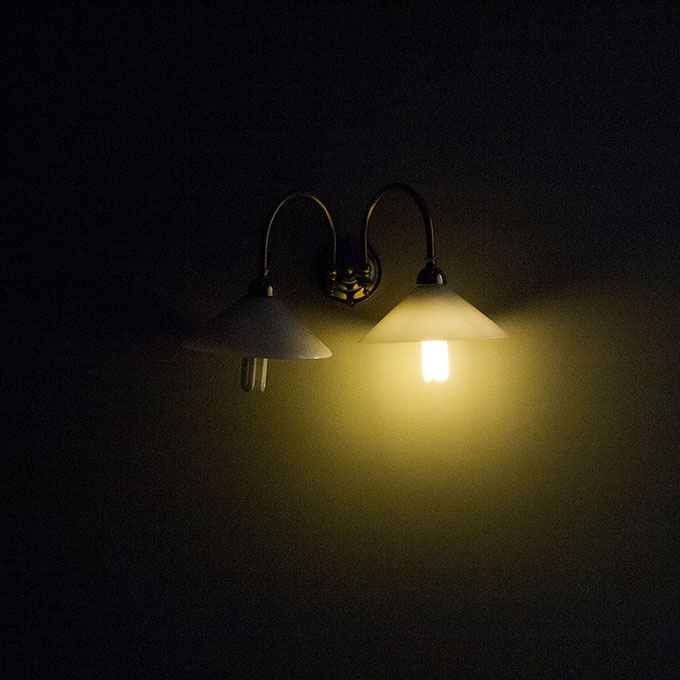
Doug SPOWART’s – Half-light
.
Part of the 2014 programme of:

HeadOn logo
.
.
© 2014 Cooper+Spowart
.
WORLD PINHOLE DAY, 2014: Our Contribution
.
Round the [w]hole world on the 27th of April pinholers were out having fun – Making their images for the 2014 WPD. We’ve used our Olympus camera again and this time made duo self-portraits. This is the 10th year we have made pinhole images to support the WPD project!
.
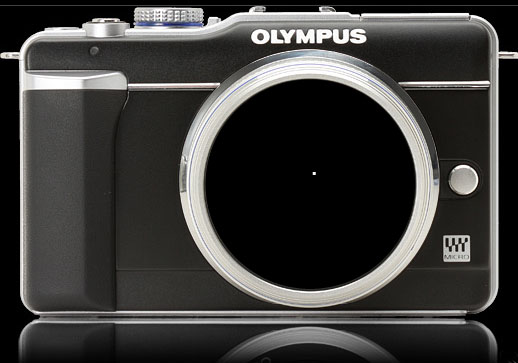
Olympus Pen with hand pierced aluminum foil hole, Auto exposure mode, ISO 1600.
.
VICKY’s Submission:
.
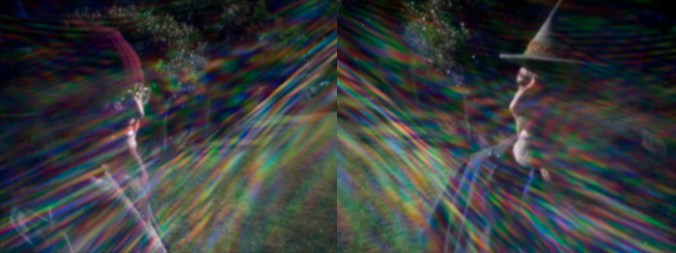
Victoria+Doug RayPortrait
.
DOUG’s Submission:
.
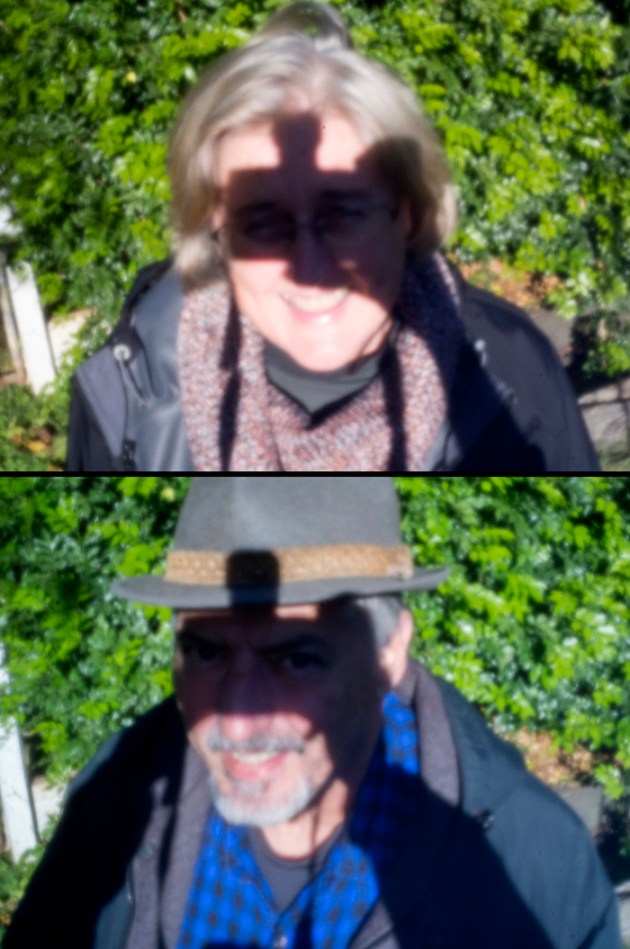
“A duo portrait – camera shadow to block the sun from the eyes — A bit of self-portrait fun…”
.
Vist the WPD Site for other contributors: http://www.pinholeday.org/gallery/2014/
Our Past WPD images:
.
2013 https://wotwedid.com/2013/04/29/world-pinhole-photography-day-our-contribution/
2012 http://www.pinholeday.org/gallery/2012/index.php?id=1937&searchStr=spowart
2011 http://www.pinholeday.org/gallery/2011/index.php?id=924
HERE IS THE LINK to the 2011 pinhole video http://www.youtube.com/watch?v=Yk4vnbzTqOU
2010 http://www.pinholeday.org/gallery/2010/index.php?id=2464&Country=Australia&searchStr=spowart
2006 http://www.pinholeday.org/gallery/2006/index.php?id=1636&Country=Australia&searchStr=cooper
2004 Vicky http://www.pinholeday.org/gallery/2004/index.php?id=1553&Country=Australia&searchStr=cooper
2004 Doug http://www.pinholeday.org/gallery/2004/index.php?id=1552&Country=Australia&searchStr=spowart
2003 http://www.pinholeday.org/gallery/2003/index.php?id=615&Country=Australia&searchStr=spowart
2002 http://www.pinholeday.org/gallery/2002/index.php?id=826&Country=Australia&searchStr=spowart
.
.
ROCKHAMPTON CYANOTYPE: A workshop in ‘Blue’
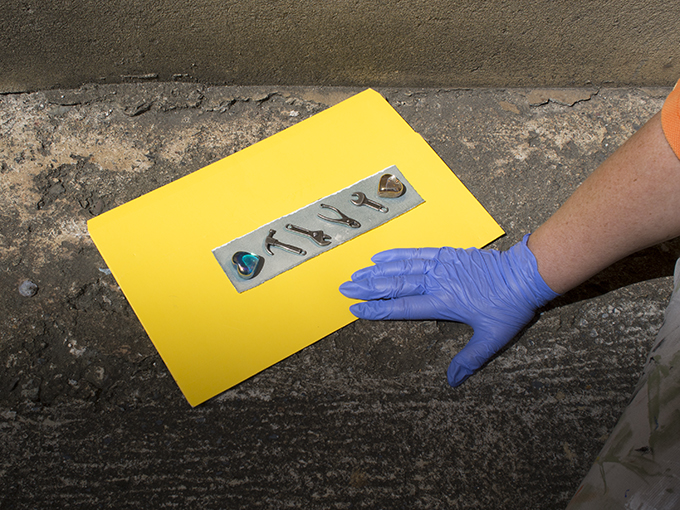
A Capricornia Printmaker’s hand and cyanotype being exposed
.
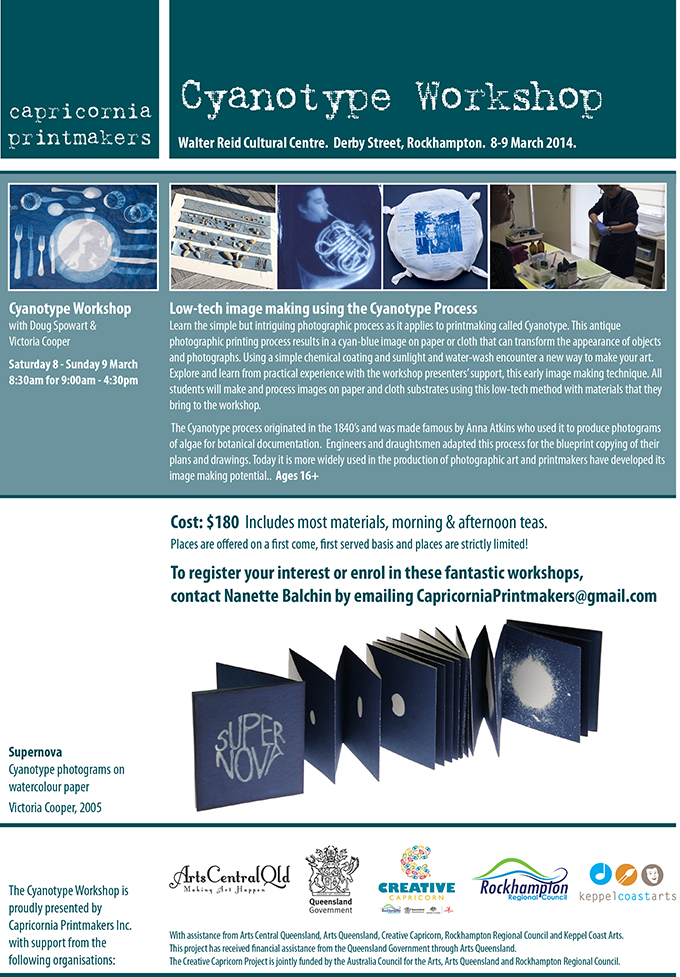
Last weekend we worked with members of the Capricornia Printmakers Inc in an investigation of Sir John Herschel’s 1840s historical cyanotype process. The 12 participants spent two days working with a range of shadow making objects and the blue image of the simple ferrous iron.
.
The process relies on coating paper or cloth with a chemical made by the combination of potassium ferricyanide and ferric ammonium citrate. On drying the light sensitive material has objects placed on it and then exposed in sunlight. Ultra-violet light is required and exposure times may be 8-10 minutes although times may vary depending on the time of year – or day – or if clouds get in the way.
Advanced work uses enlarged contact negatives of photographs made on overhead projection transparencies through laser photocopiers or inkjet printers.
We experienced one day of intermittent sun that worked out well for us. The next day though presented us with thick clouds of tropical cyclone Hadi making the direct sunlight system all but impossible. Luckily we had our A2 UV exposure unit with us that enabled us to continue work indoors regardless of the weather.
We all had a great time and the Capricornia Printmakers pushed the limits of the process and will, with the chemistry remaining, continue having the ‘blues’.
.
What follows is a report in images….
.
 .
.
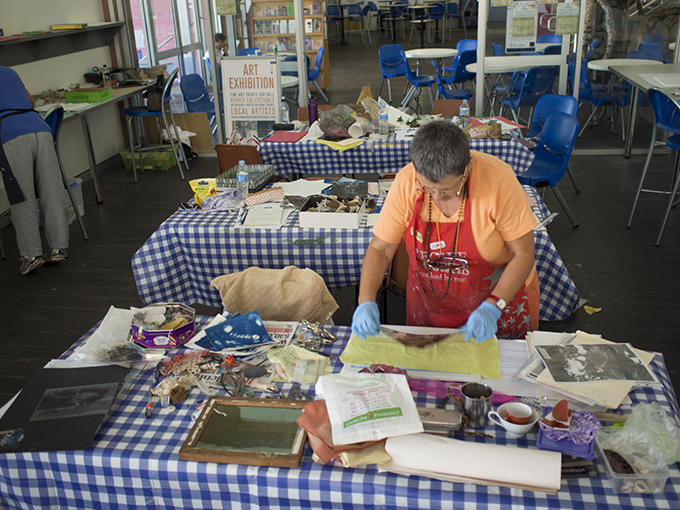
This goes with that — selecting objects to image…
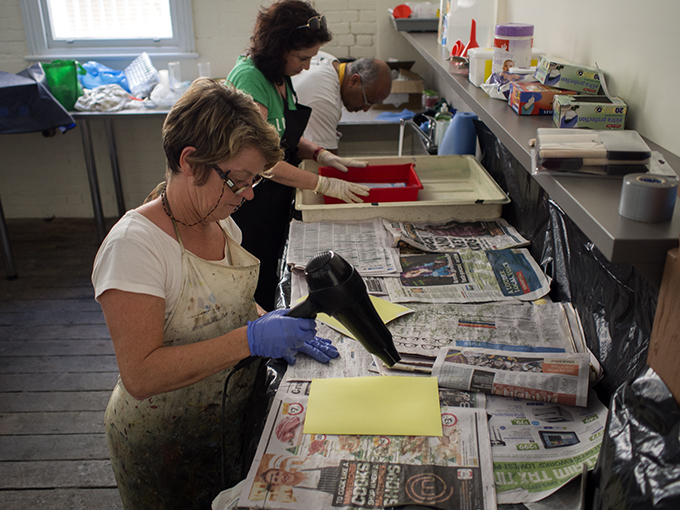
Drying a coated sheet
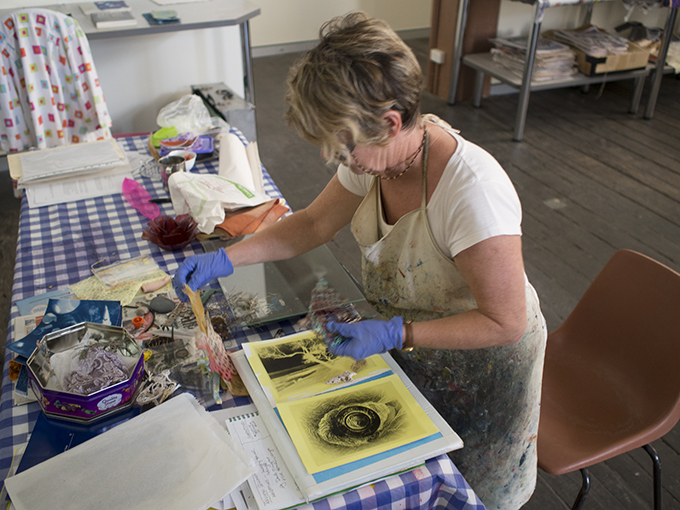
Nanette selecting stuff to image
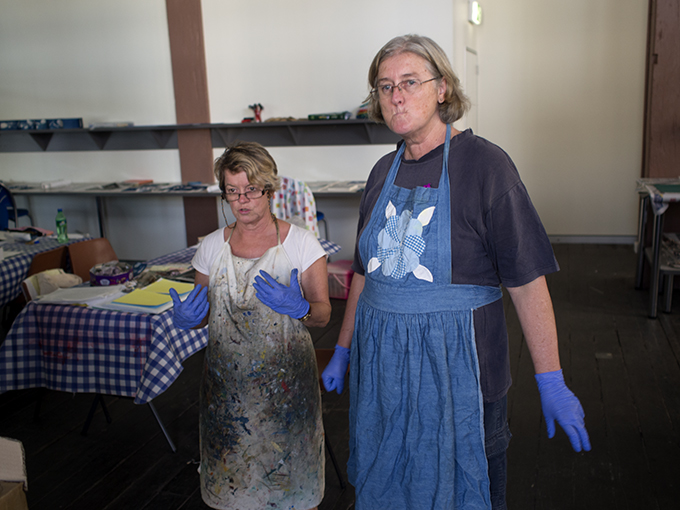
Ready for action – Nanette and Vicky
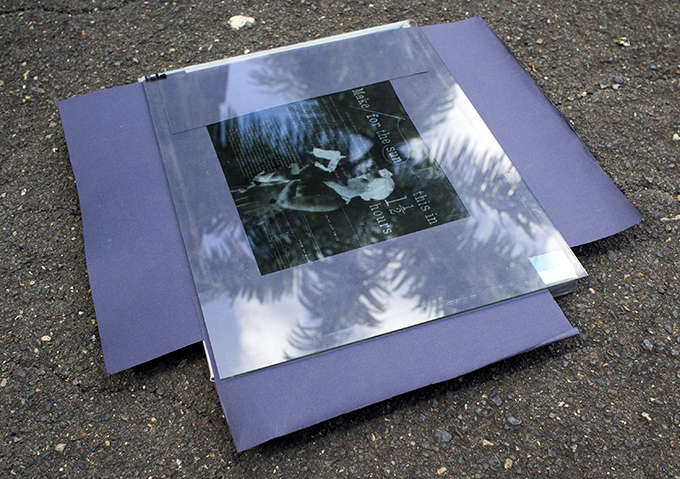
Exposing a negative of image and text
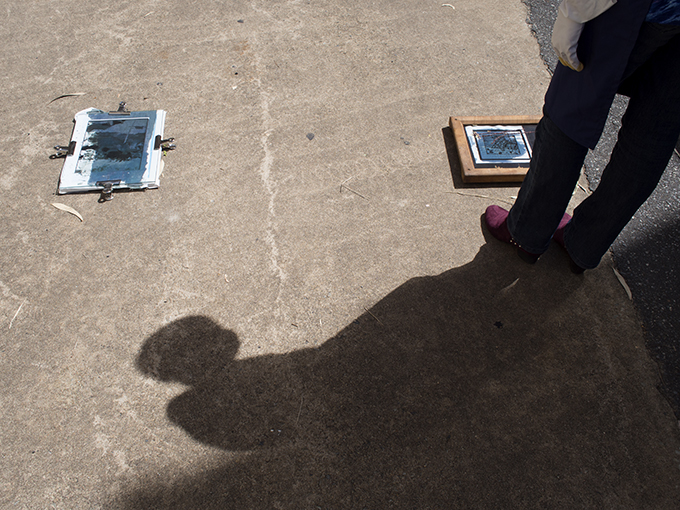
Exposing the contact frams to the sun
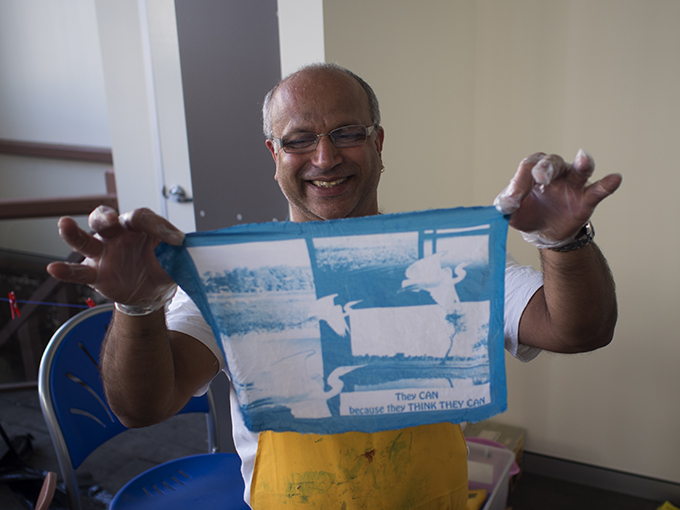
Image and text on cloth — a success!
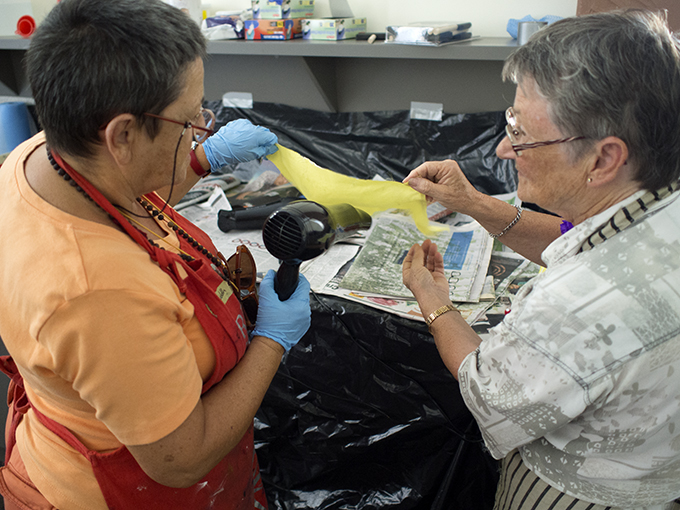
Drying coated cloth
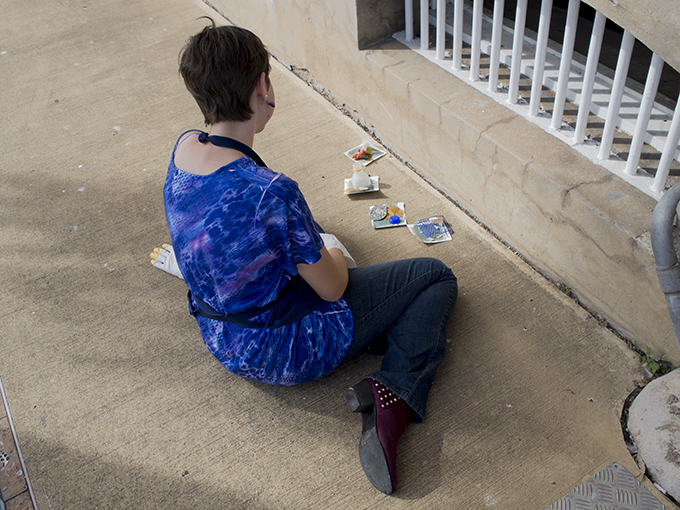
- Exposing some miniature cyanotypes in fading light
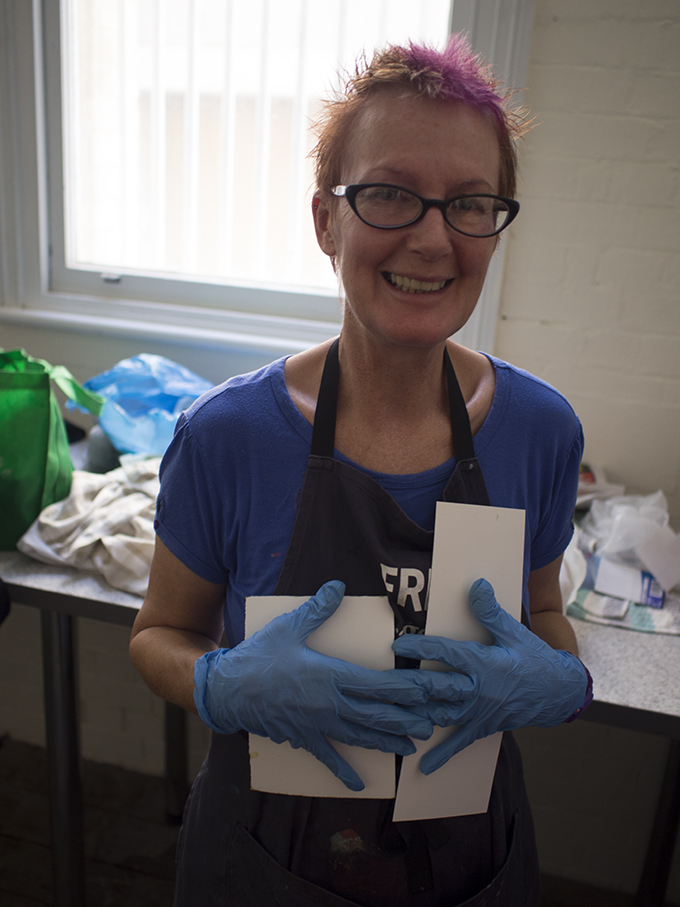
Peta holding her images close before washing-out.
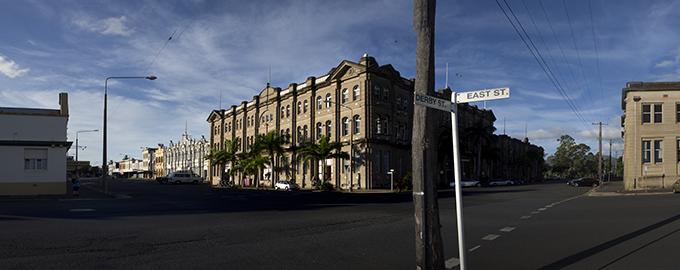
The Walter Reid Cultural Centre in Rockhapton – The venue for the workshop
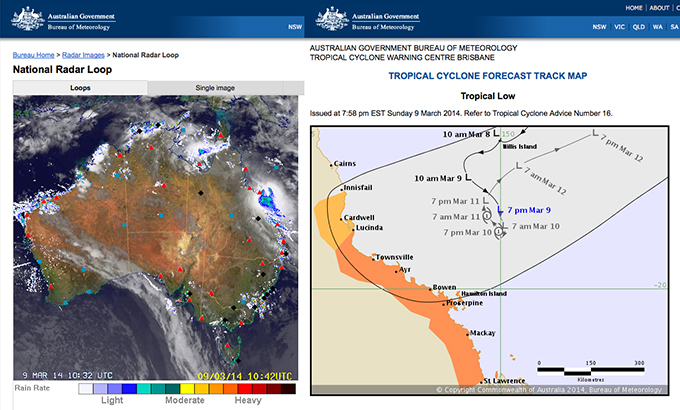
The BOM cyclone track map
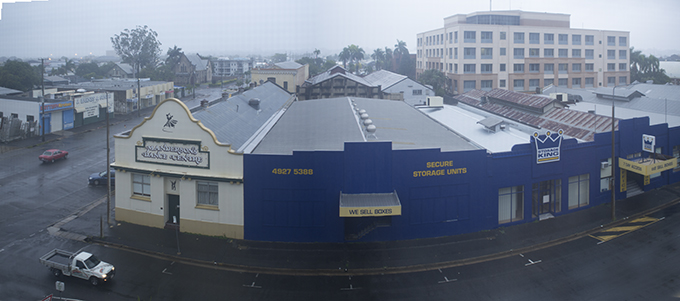
Rain coming in on Sunday – Not good for sunlight exposures
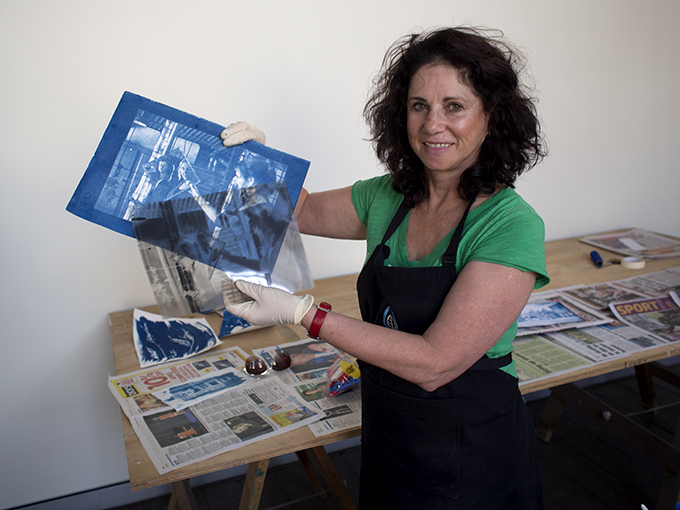
Aileen with one of her works
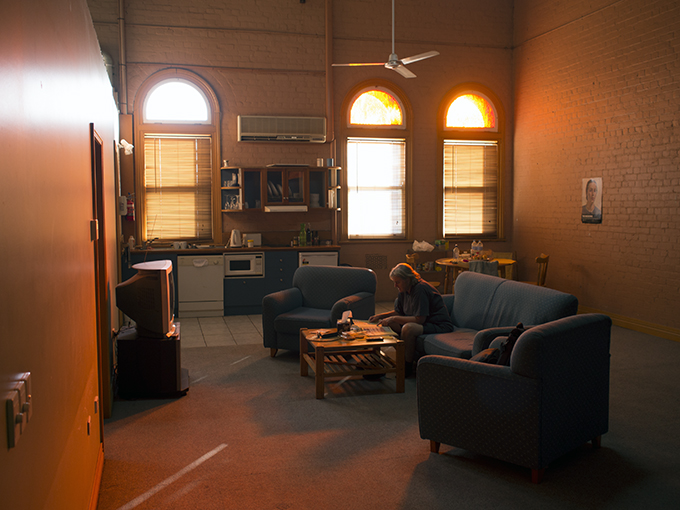
Taking a break at the artists residency @ Walter Reid Cultural Centre after a frenetic Saturday’s workshop
.
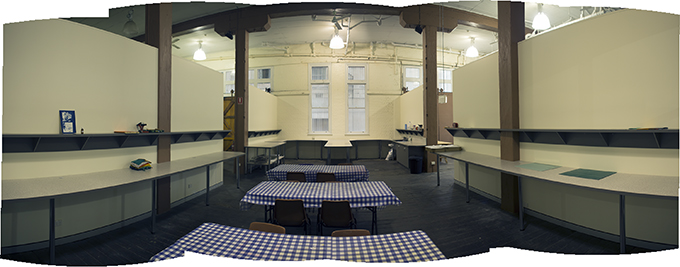
The workspace cleared and ready for the next time …
.
All photos © Doug Spowart. Participants are welcome to access their photos…
BUNDABERG: A New Nocturne Community Project


.
NOCTURNE BUNDABERG: Stage One of a new community project concept
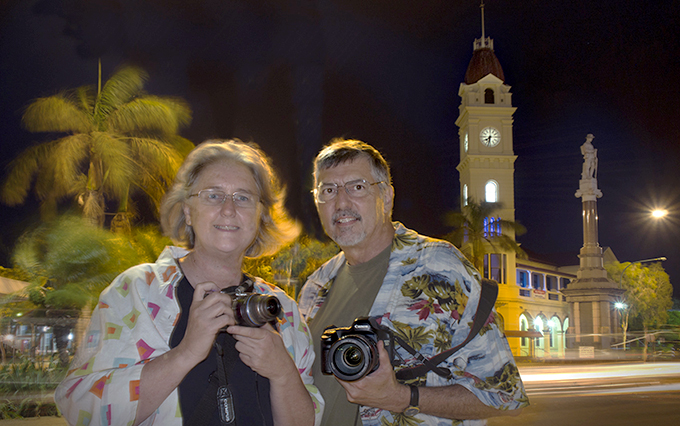
Vicky and Doug go tropical (shirts anyway) in Bundaberg
.
We’ve been in Bundaberg this week (January 5-12)doing preliminary work on a new concept in our nocturne work. Here is the overview of the project:
.
In April 2014 Bundaberg Regional Galleries will be hosting an artist in residency program with artists Victoria Cooper and Doug Spowart. An exhibition of their Nocturne work including new images from this region will be on show at CHARTS Gallery at Childers during April in conjunction with the Queensland Festival of Photography 5. The artists will be also working on their next Nocturne photodocumentary project, entitled Nocturne Bundaberg Region. As with the previous Nocturne Muswellborook and Nocturne Grafton projects the photographs they make will be posted on the Nocturne Bundaberg Region Facebook page so that communities can connect with the project, and importantly, share their stories about each place.
.
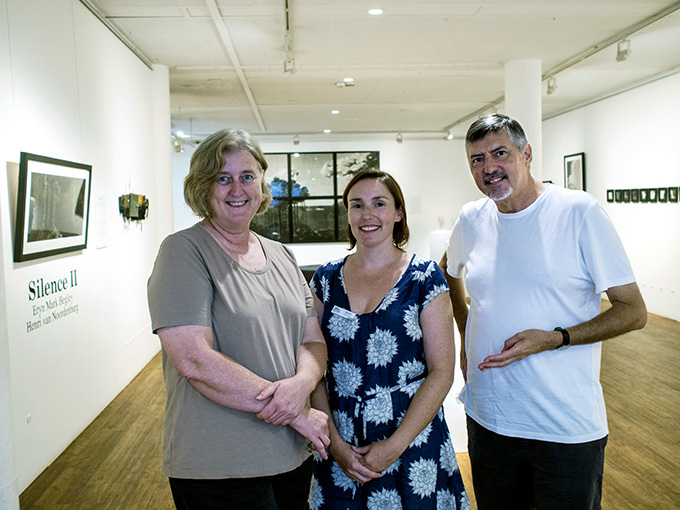
Talking with Trudie Leigo – Exhibitions Officer @ Bundaberg Regional
.
To extend the community’s connection with the project, Victoria and Doug will be working with a small group of photographers from across the Bundaberg Regional Council area to be contributors to the image-making part of the project. The participants will be selected using an EOI process that will be launched on the project’s Facebook page by the end of the month. Successful applicants will be advised in mid-March and they’ll attend a workshop in specialist aspects of nocturnal photography, image enhancement and the safety considerations for this work. After attending the workshop the local photographers will have an opportunity to add their images to the project’s Facebook page. Preferably, applicants should be 18 or over. Other community members may be invited to post images as well.
Any community member or person who has stories inspired by the photographs can post comments to the Facebook page..
.
The Nocturne Bundaberg Region’s Facebook page images, as well as the community conversation derived from the project, may be incorporated in other outcomes including exhibitions or publications associated with the project. A selection of images may go into the Picture Bundaberg Archive.
.

Nocturne Bundaberg Logo
.
All photographs © 2014 Cooper+Spowart for the Nocturne Bundaberg community documentation project
.
.
This work is licensed under a Creative Commons Attribution-NonCommercial-NoDerivs 3.0 Unported License.
http://creativecommons.org/licenses/by-nc-sa/2.5/au/
.
.
.

 wotwedid