Archive for the ‘Place-Projects’ Category
SUPPORT THIS PROJECT: Retake Melbourne App
In the opening paragraph of a review of John Elliott’s rephotography exhibition The Last Show and Re-shoot that was published in Art Monthly (#240 June 2011) I made the following comment:
Part of the mystique bestowed upon photography is the notion that a photograph captures a moment of time that enables a viewer to reconnect with or gain insights into the subject portrayed. Since its inception photographers have utilised photography’s inherent connection with time and place by reimaging the original subject days, months and years after the originating photographic ‘moment’. One notable re-photography project began in the 1970s by Mark Klett and his team in the United States with the Second View: The Rephotographic Survey Project, and continues with the recent Third views, second sights: a rephotographic survey of the American West. These projects draw upon the concept that comparative images over time extend the narrative of the single image, and that the differences and similarities observed tell a larger story – that of time and change.
I am excited by rephotography projects and from the early 1980s I have undertaken many myself. Now I have encountered news of an exciting project in Melbourne that will make this specialised photographic activity available to anyone with a smart phone or imaging device . Entitled Retake Melbourne the project will do two significant things; firstly, it will create an APP where earlier photographs of Melbourne can be located and aligned for the contemporary photographer to image the exact same view; and secondly, the source images will be from the the Sate Library of Victoria’s extensive Mark Strizic photography collection.
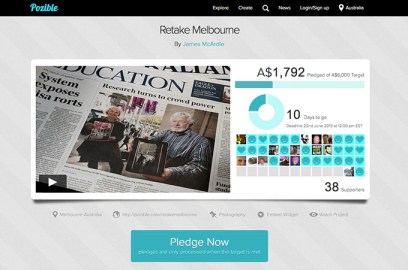
The project is being ‘floated’ via Pozible crowd sourcing, and time is running out to ensure this project gets the support to make it happen. I would ask you to review the project details that follow – login to Pozible, and make a pledge to support this valid and innovative project.
Thanking You
Doug Spowart
.
Here are the details … From the POZIBLE Project page
..
.
.
POZIBLE – Project Title: Retake Melbourne
Overview:
We Melburnians jealously defend our city as the ‘most live-able’; a cultured grande dame with a creative dash, anti-establishment street art, a larrikin love of football and lots of delicious secrets.
To participate in this project will be to illuminate and contrast her hidden past with her contemporary face.
Key to this is the mine of visual data in the State Library of Victoria’s collection, in particular immigrant Australian photographer Mark Strizic’s 5000 half-century-old negatives, colour transparencies and slides, acquired in 2007.
Aims:
When associate Greg Neville saw this archive, he envisaged a repeat photography project based on Strizic’s images which would uncover the glorious Melbourne buildings of his childhood memories.
We’d like to share this chance to retake Melbourne’s past. But re-photography is technically demanding. I realised that a mobile app would make the process accessible to everyone.

Image: © Mark Strizic: Melbourne GPO, 1950s

Mobile App mockup: © Strizic image overlay enables user to compose their own version accurately

A finished ‘re-photograph’ accurately duplicating Strizic photograph angle of view
By tapping the ‘crowd’ we can include you in this project. Your images might become valuable records, as Strizic’s are now, to researchers in the still further future! They will compare your view with Mark’s to see how the city has changed. You can be in on the birth of Melbourne’s first comparative photographic research project.
But first we need the tech to do it; a photography app that contributors will be first to use!
Background:
Close associate of architects Robyn Boyd and David Saunders, Strizic’s love of architecture and his European eye provoked his condemnation of the ugliness he saw invading Australian city-scapes during the 1960s when architecture of the Gold Rush era coexisted with, and was being demolished for, Modernist curtain-glass high-rise office buildings.

LHS Image: © Mark Strizic: Russell Street Melbourne, 1950s
RHS image: Greg Neville: Russell Street Melbourne, 2013

Image: © Mark Strizic: Melbourne Museum and State Library, 1950s
Outcomes:
By contributing to the development of our crowd-funded app, you will create the means to contribute accurate repeat photography of the locations of Strizic’s thirty-to-fifty year-old images of architecture, street-scenes and pedestrians, and to uncover the layers of history.
Historical and Creative results
Re-photography is studied and recognised for its value for historical, scientific, geographic, geologic and social science research; this use of crowd sourced material will be innovative.
Rather than being slavish copies of old photos, yours will be interpretations of Strizic’s originals which will build a picture of how a city has changed, and is in turn transforming us. There is a creative dimension in the ratio of interpretation to replication each contributor will employ in this process, that will add to value of their artefact. Their resultant contribution may be incorporated in the SLV online collection for comparison, by these and future researchers, with Strizic’s original.
The Mobile App:
With this app, members of the public can find locations photographed by Strizic on a map, orient their device’s camera closely to the angle, orientation and framing that he used using a transparent overlay of his image, downloaded from the SLV online collection, over their screen image.
This app will simplify the repeat photography exercise and enable you to produce a comparative image which will match or contrast existing conditions and features with those in his original image.
Contribute to our shared archive:
The State Library of Victoria‘s huge archive opens up a rich resource for Victorians online; now that everyone can access it; they can also interact with it. This crowd-sourced project will give the archive more exposure and contribute new resources.
Provide a resource for future research:
The Strizic archive forms a reference for participants who will be asked to repeat the making of the images in the same location. In doing so they will record a contemporary street scene peopled with pedestrians who may regard, occupy and use the city of Melbourne in very different ways now.
Increase your own knowledge of Melbourne and Photography:
Part of the durable, interactive and updatable project outcomes is that participants will make a substantial contribution, they in turn will benefit from the exercise of finding the locations in coming to understand at first hand the operation of the forces of change on the city, the influences of crowd behaviour on the city, and its power to change us and our societal interactions. You too can become a ‘re-photographer’!
- What will your contribution do?
Level of funding sought: $6,000 – $10,000
A huge volume of photographic contributions will be required to enable worthwhile comparison of the old and new images to show how Melbourne’s buildings and streets have shaped, and are shaped by, its populace and its society. Achieving the necessary quantity and accuracy will require $6,000 base funding for the development and distribution of a mobile-device app.
$6000 will pay for six months of the developer’s time in building the app.
Researcher Dr James McArdle, will contribute $12,000 in-kind support; for research into the State Library collection and mapping of locations of Strizic images for GPS locator in the app.
*Reaching $10,000:
will enable us to map significantly more locations and to pinpoint the date/time of capture for more Strizic photographs as a guide to the re-photographers.
Twitter: JamesmMcArdle
Content on this page is licensed under

DOCUMENT MAKING IN METROPOLIS

.
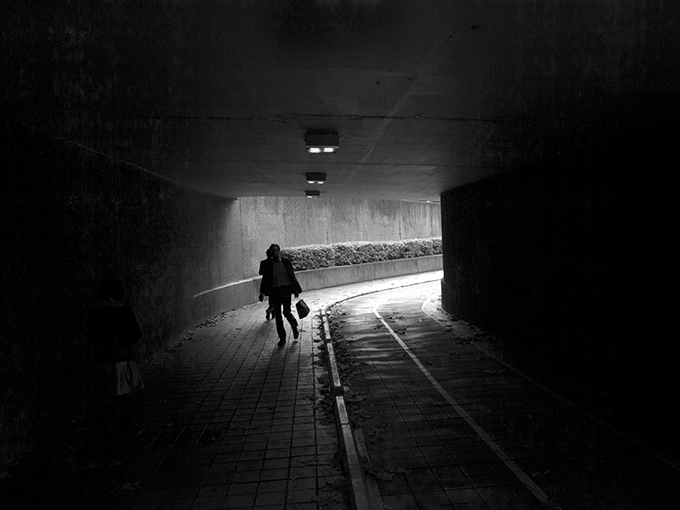
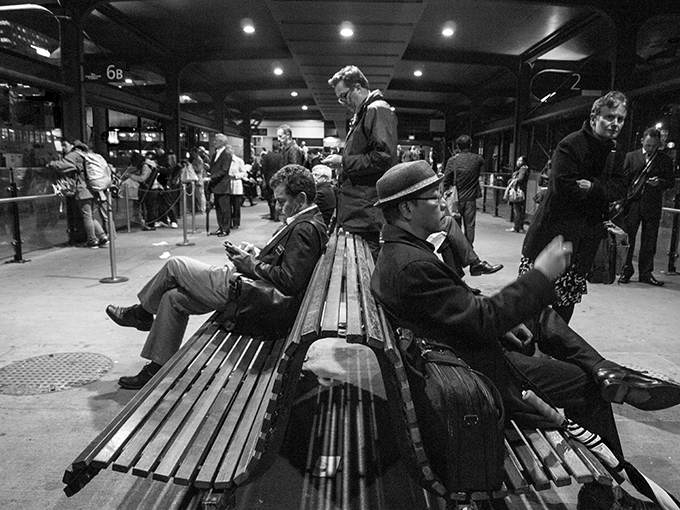
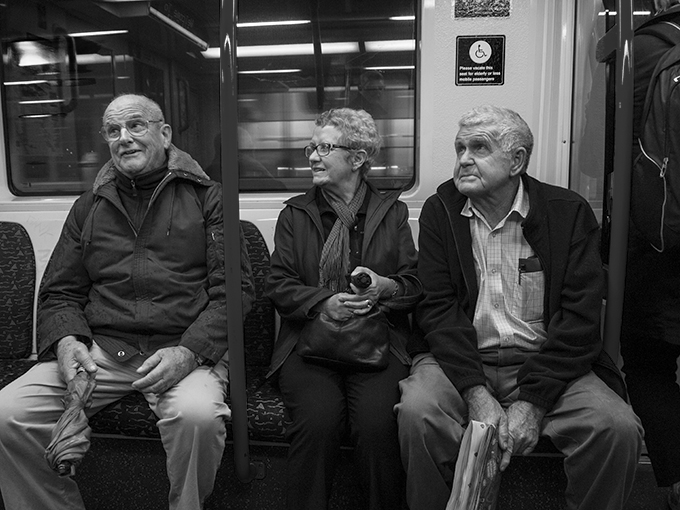
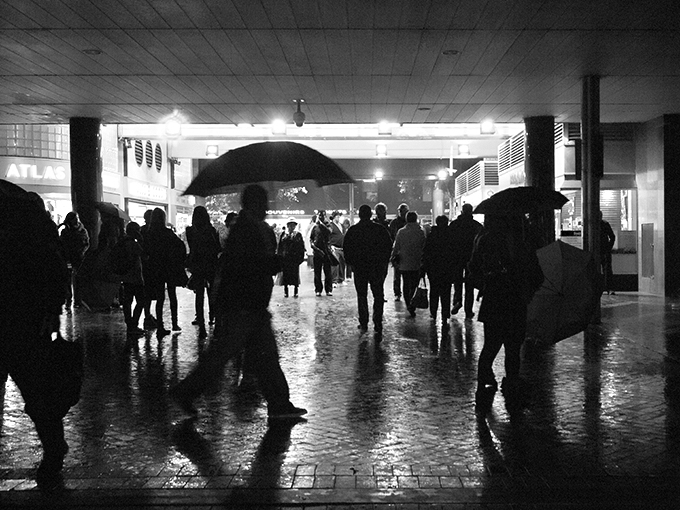
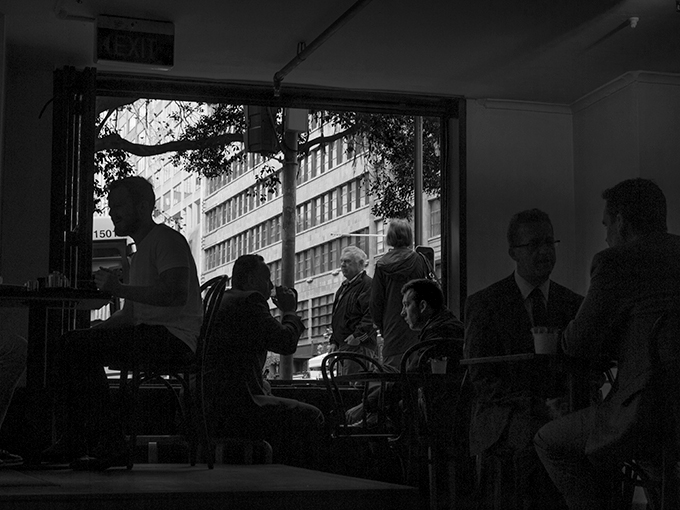
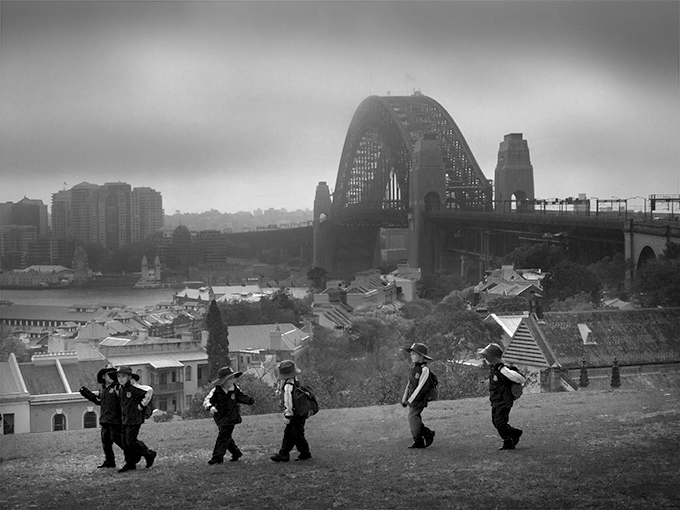
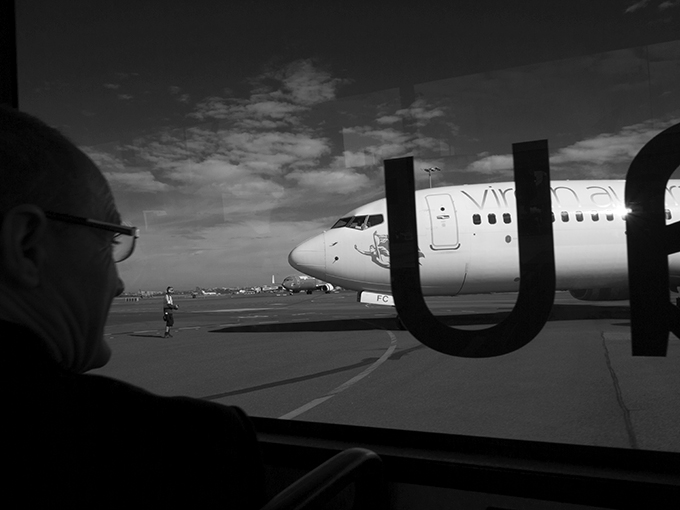
Vicky and I were in Sydney last week. It is a Big city, lots of things to see and do, festivals; Vivid, Headon and Reportage, people everywhere with phones, iPads and DSLRs shooting. We joined in the photo foray that is Sydney and found in ourselves – and in our subjects, a connection with Australian documentary photography that threaded from Parke’s glowing ghost-light, to Dupain and Moore’s modernist clean lines and then all the way back to Cazneaux’s warm pictorialist pictures. These connections with the history of photography were warm and fuzzy for me and gave a feeling of confidence, comfort and purpose for my engagement with image making.
.
I began to think about photography and photographers today, particularly the often cited us and them divide between those who have a significant history, both professional and academic in photography, and those who pick up a camera, or use their smart imaging device and just take pictures.
Questions arose – I’ll use the terms vernacular and serious to distinguish my discussion of these two groups:
- Does a sense of history and experience in photography really make a difference to the ‘quality’ of the resulting image?
- There is a lot of hype and acceptance of the snapshot ethic within photography circles – so what is the difference when between a serious and a vernacular snapshot photo?
- Is the general public today more astute about image design, content, moment of capture than serious photographers choose to give them credit for?
- Is there any difference in the workflow between serious photographers and those ubiquitous vernacular snappers? Isn’t photography still about; having access to imaging technology>looking/seeing/experiencing the world>responding to visual triggers>readying the imaging device>considering it in the viewscreen>take the picture at a selected time/timing> and then doing something with it?
- Does it make a difference if the vernacular photographer engages in a spontaneous act of self-documentation and the serious photographer engages in the process with a methodology that which is informed by a past lived in photography and the appreciation of the underpinning awareness of the photoimaging process, technology, visual literacy and human sociology?
- Are both the vernacular and the serious photographer’s images ultimately the result of the assimilation of every studied or subliminal idea and visual influence that they have encountered?
On these days in Sydney I made my photographs, as did thousands of other photographers who shared my interest in using the photograph, or the very act of photography, to ‘still’ a moment in time. But are there other synergies at play? The philosopher Wilém Flusser might an alternate view on what photographer, vernacular and serious alike. In his book, Towards a Philosophy of Photography (2000) Flusser proposes that everyone using photography is essentially being seduced by the camera and its ‘program’. He states:
Both those taking snaps and documentary photographers, however, have not understood ‘information.’ What they produce are camera memories, not information, and the better they do it, the more they prove the victory of the camera over the human being. (Flusser 2000:59)
Perhaps then, if Flusser is right, we have no say in the process at all and that we are merely slaves to the technology. With that in mind, I guess I’ll just continue to make ‘camera memories’ so that the camera and I can connect with the times, and the places, that we shared together …
Doug Spowart 8 June 2013
.
.
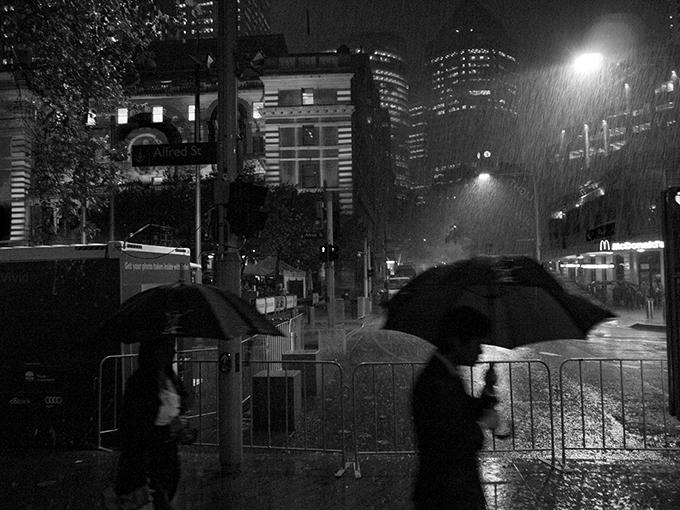
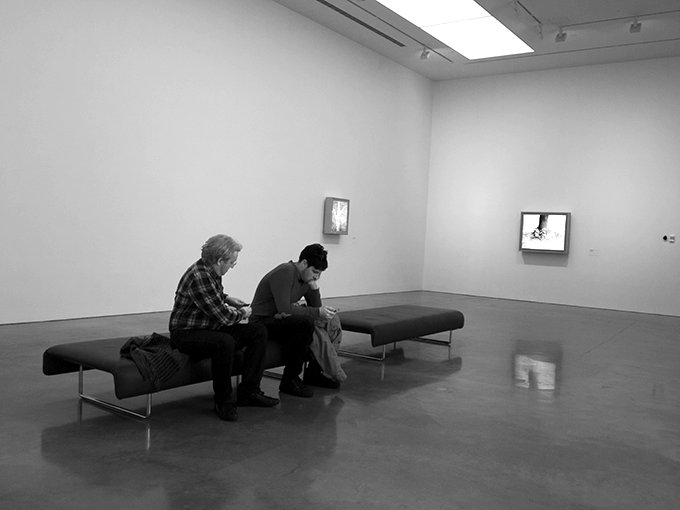
SOME CAMERA MEMORIES OF THE METROPOLIS
My Olympus Pen & me: May 27-30, 2013
.



.
.
All photographs by my Olympus Pen whose ‘program’ made me take the photos….
© Doug Spowart 2013.
.

This work is licensed under a Creative Commons Attribution-NonCommercial-NoDerivs 3.0 Unported License.
.
.
ANIMATING SPACES: Toowoomba Projects Announced
Animating Spaces is a state-wide multi-arts initiative, which is intended to revitalise and celebrate significant or unusual spaces within regional communities through locally-driven arts activities and events. Animating Spaces is funded by the Australia Council for the Arts, Arts Queensland, Regional Arts Australia and participating local councils. The initiation and coordination of the Animating Spaces in Queensland will be supported by Artslink over the next three years and will assist 15 regional Queensland communities and their local projects.
.
Toowoomba Celebrates Animating Spaces Celebration
After the invited guests and artists had time to mingle and participate in refreshments provided Community Coordinators Alex Stalling and Elysha Gould addressed the meeting. The following is from Elysha and Alex’s speech.
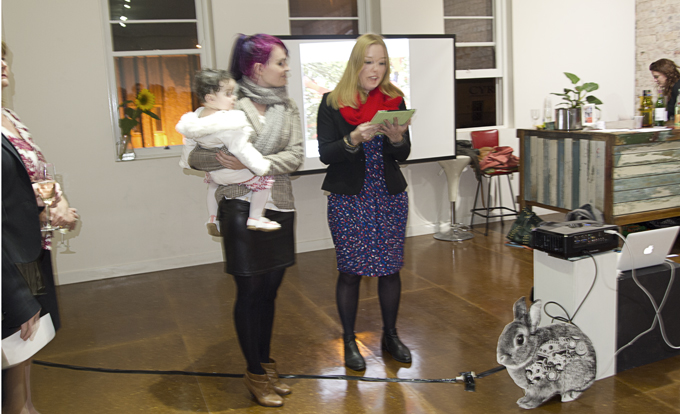
Alex Stalling and Elysha Gould
.
I firstly like to acknowledge the traditional owners of the land in which we are gathered, and acknowledge any elders past and present. Formal welcome to Cr. Billl Cahill and Cr. Geoff McDonald, Artslink Queensland Regional Arts Development Officer Kerryanne Farrer, Curator of Art Galleries Toowoomba Regional Council Di Baker, and Animating Spaces Project Coordinators Andrew MacDonald, Tarn McLean and Ian McCallum and the artists involved in each project.
Tonight we celebrate the beginning of Animating Spaces in Toowoomba. We will start with an introduction from Kerryanne from Artslink Qld, then Cr Geoff McDonald will speak on behalf of Toowoomba RC, and then I will briefly introduce the Project Coordinators who will talk more about their projects.
So to introduce you to Animating Spaces please welcome Artslink Queensland Regional Arts Development Officer Kerryanne Farrer. [Kerryanne spoke of the Artslink connection with the Animating Spaces Project – SEE video for details]
.
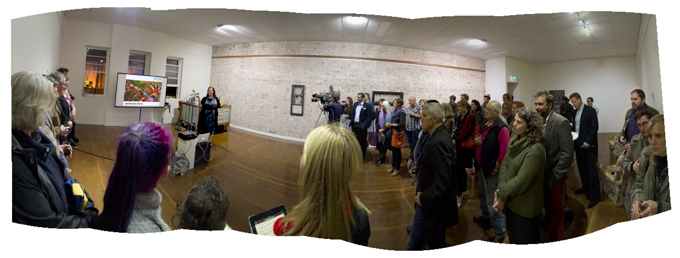
Kerryanne Farrer addresses the assembled group
.
Now welcome Cr. Geoff McDonald from TRC. [Geoff spoke of the Toowoomba Regional Council’s support for Animating Spaces and the important role of art and artists in the community]
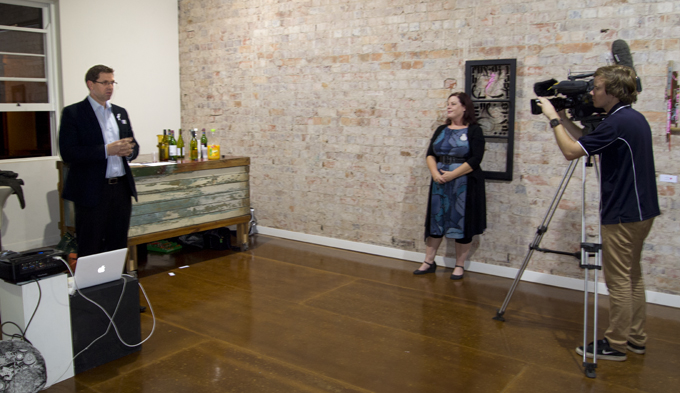
Cr Geoff McDonald speaks
.
I am so pleased to be participating alongside my Co-Director of made.Creative Space – Alex Stalling as the Community Coordinators for Animating Spaces Toowoomba.
Animating Spaces represents an opportunity to identify, embrace and celebrate the some of the city’s unexpected places through the collaboration and creativity of some of this region’s best artists.
It provides a chance for everyone in the community to contribute to the cultural fabric of Toowoomba and inspire a sustainable creative culture.
Toowoomba is home to a passionate and close knit arts community. Through Animating Spaces, Artslink Queensland, have given this community the chance to establish and strengthen the needed skills to develop and coordinate projects like this, and nurture the potential for future projects. These are projects that can further promote the value and participation of the arts, which in turn contribute to the resilience and identity of our community.
We encourage everyone here to it to get involved. Whether you are an artist, or an arts lover, this project’s success relies on the generosity of financial and in-kind sponsors and volunteers. A sign up sheet is available to record your details on the front desk.
There are three amazing public art projects which are Animating Spaces in late August. It is my pleasure to introduce the three project coordinators who are also artists in their own right.
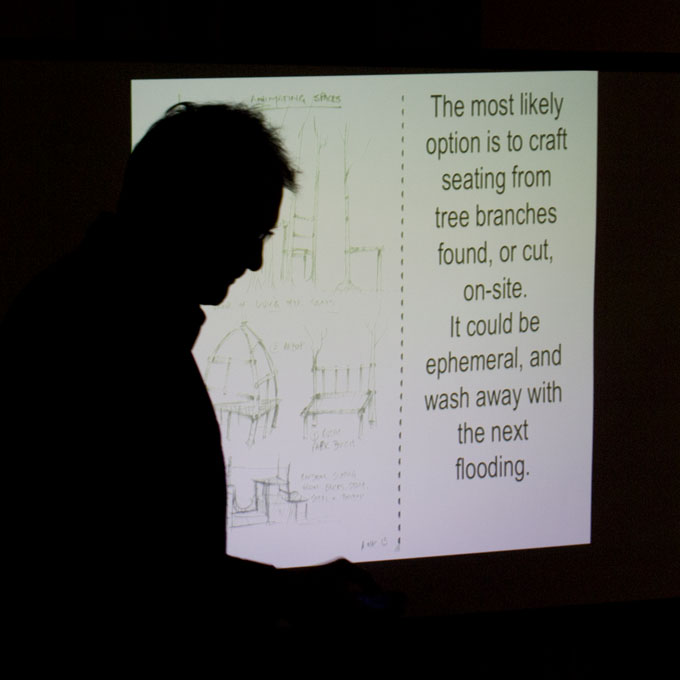
Andrew MacDonald speaks
Andrew MacDonald
Andrew is a technician and sculptor with 20 years experience in the industry. With a passion for recycling, Andrews practice has seen him through an amazing list of career success. Working at USQ, Andrew was the visual arts studio manager and then later production manager working on productions such as the renowned Shakespeare in the Park. He featured as an artist in residence at the 2010 Crush Festival in Bundaberg, and has been involved as an artist in the Woodford Folk Festival, Hampton Food and Wine and numerous other festivals.
He has public artwork in Brisbane’s West End, and I’m sure you’ve all seen his striking work cloud trees just down the road on Margaret Street. He is now working as the factory Manager at Cobb and Co Museum.
Andrew’s project is entitled Up the Creek and will feature the use of pest timbers (such as Chinese Elm, Camphor Laurel and Privet) which will be removed from Toowoomba’s waterways and made available as materials in timber whittling workshops in a public space. Participants work together to create large ephemeral sculptures from the timbers sourced. The artist-designed sculptures will then be displayed back along highly visible waterways.
Local artists Christian Low and Jesse Wright will be involved with the project.
.
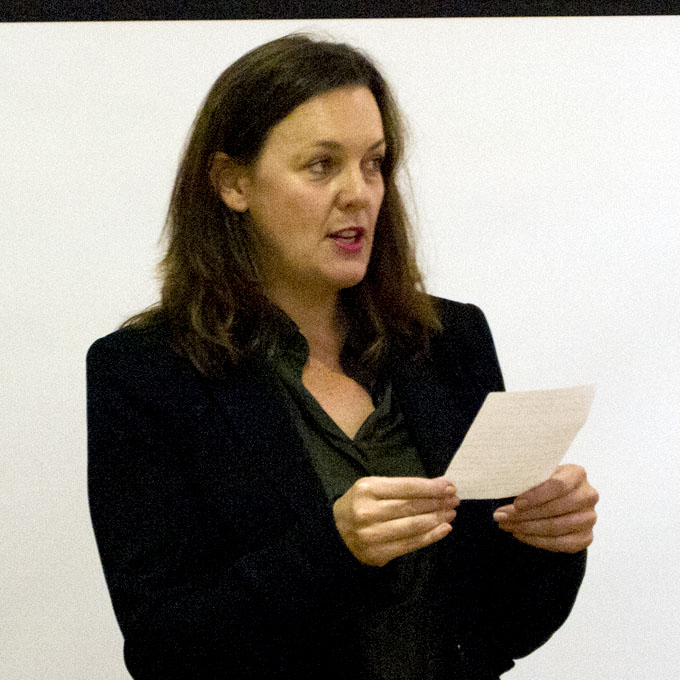
Tarn McLean speaks
Tarn McLean
Tarn has 5 years experience as a painter who also bridges into design and video installation. She launched her successful accessories and textiles label ochre designs in 2009, which services international clientele and is also located just down the road upstairs at 249 Margaret Street. As well as being a star mum and devoted wife, Tarn is Co-Director of the artist run gallery Raygun Labs which continues to connect Toowoomba with international arts communities.
She is currently working in collaboration with an architectural design company in Melbourne and has just started her PhD in painting with a cross over into design and architecture.
Tarn’s project is entitled Real Time Your Time and will animate the Toowoomba CBD.
Real Time Your Time will create a public, interactive video projection in the main street of the CBD illuminated at night. Described as a very different experience for people, encouraging them to play and interact with the installation. Free movement and painting workshops will encourage maximum involvement of people.
Participating in the Tarn’s project will be Beata Batorowicz, Ric Carlsson and Aidan Ryan.
.
Ian McCallum speaks
Ian McCallum
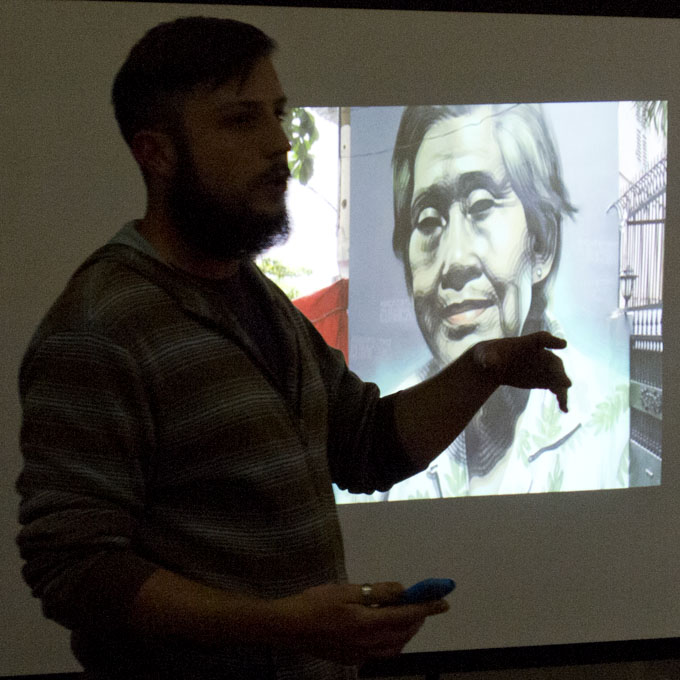
Ian is a sign writer by trade and a local street art advocate and artist. He is currently completing his Bachelor of Creative Arts at USQ, and also runs his business Kontraband right here at the GRID. Ian has worked alongside internationally renowned street artists at the 2012 crush festival in Bundaberg. You can also see his work right here in Toowoomba’s CBD through his commission with Cracker Print and Press at Club Lane on Ruthven street, Ground Up alley’s Seales walkway just across the street, and the former Sojo’s collections on Margaret Street.
Ian’s project will centre on Serls Laneway including the wall of TheGrid in Chandler Laneway. Entitled Story Wall it will feature a large-scale, comic-book-like urban artwork drawn up by three graffiti artists from around Australia that depicts local children’s stories and drawings of our town. This project includes workshops for children and opportunities for all ages of the community to learn new skills.
.
FOR MORE INFORMATION ON ANIMATING SPACES
ARTSLINK QUEENSLAND FAQs http://artslinkqld.com.au/animatingspaces/faq
TOOWOOMBA REGIONAL COUNCIL http://www.toowoombarc.qld.gov.au/about-council/newspublications/8529-funding-for-toowoomba-arts-project-announced
.
In the Beginning…
Where the planning for the Animating Spaces project began at a community meeting at the Toowoomba Regional Art Gallery on May 24, 2012.
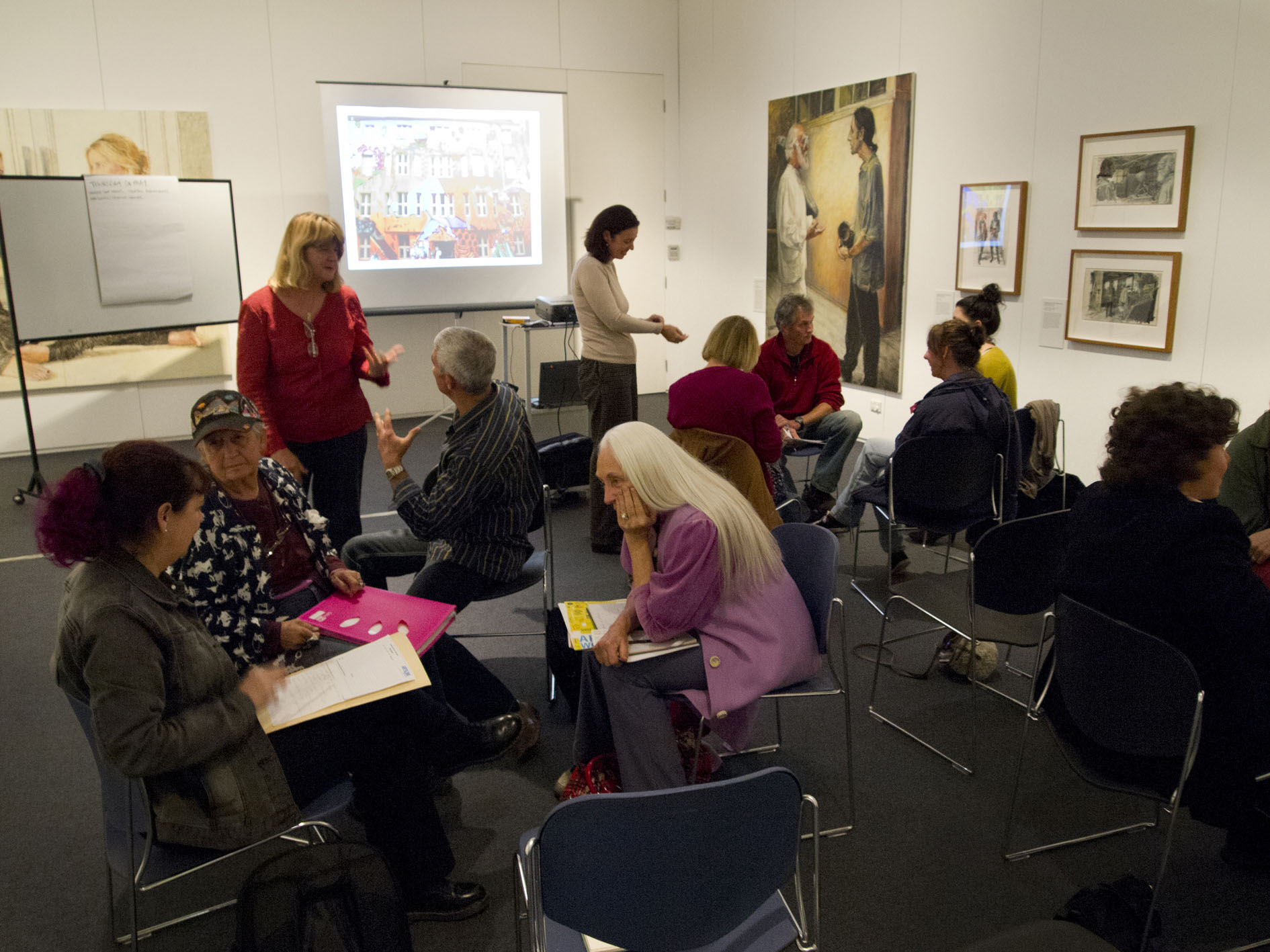
Animating Spaces workshop @ TRAG May 24, 2012
.
All photographs © Doug Spowart 2013.
This work is licensed under a Creative Commons Attribution-NonCommercial-NoDerivs 3.0 Unported License.
.
VISITING ARTISTS: Foto Frenzy ‘Exploring Photography’ Workshop @ Mt Barney Lodge
Mt Barney soon after dawn
.
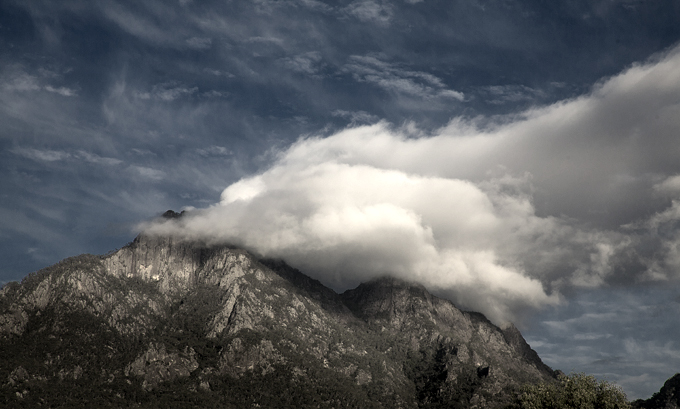
Last weekend we participated in a Foto Frenzy workshop at Mt Barney Lodge in South-East Queensland’s World Heritage listed Scenic Rim.
This bushland retreat is nestled in a valley only a few kilometres from the rugged Mt Barney peak alongside the upper reaches of the Logan River. The location for the workshop is ideally suited for photographers as there are views of both pastoral and rugged natural landscapes in abundance.
.
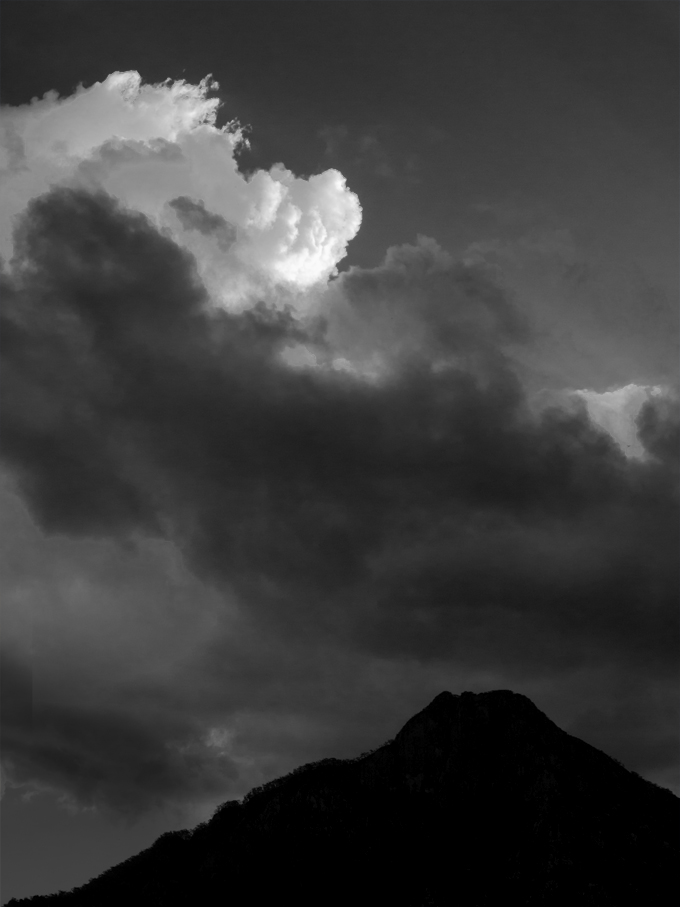
Late afternoon clouds over the Mt Barney peak

An early morning encounter
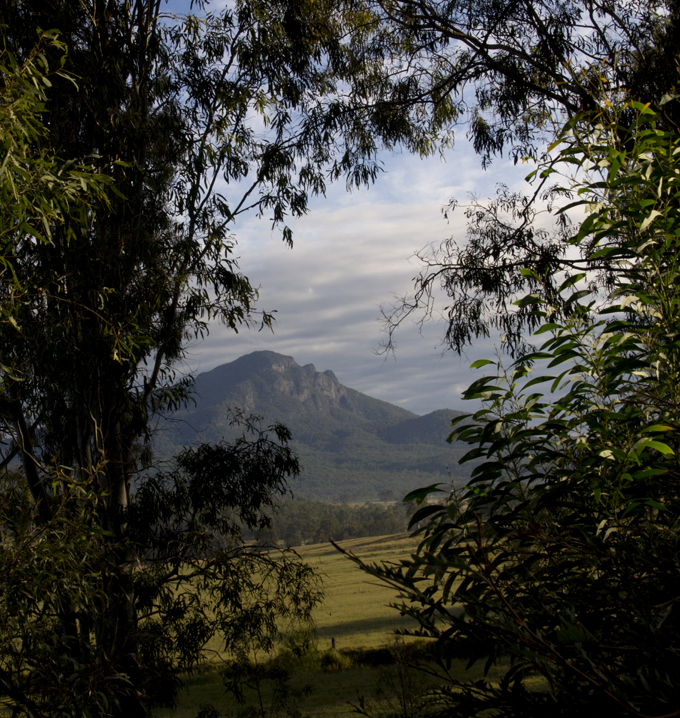
A nearby peak
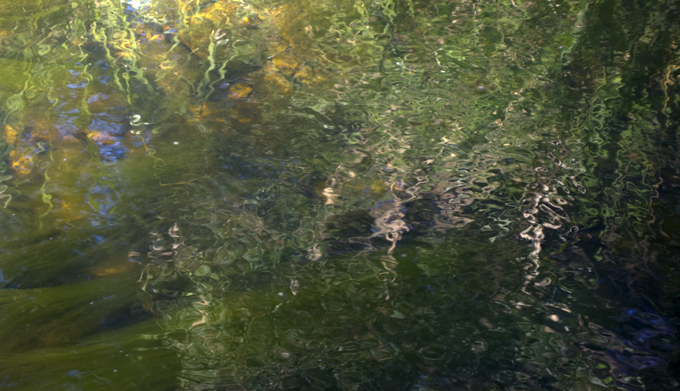
Reflections on the upper Logan River
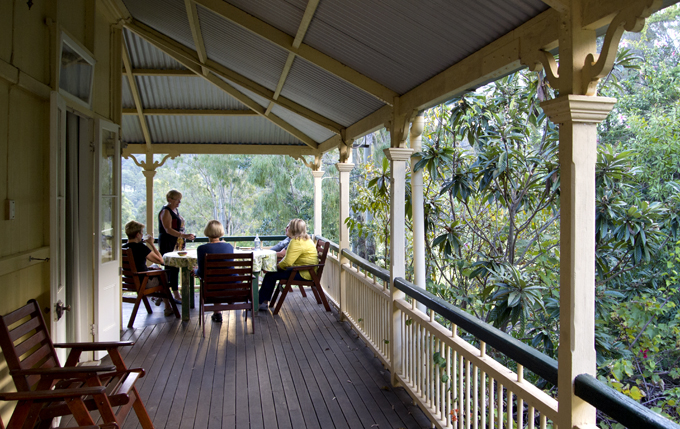
Workshop participants relaxing in their accommodation @ Moringararah Homestead, Mt Barney Lodge
.
Workshop lecturer Darren Jew links opportunities for photography with a hands-on computer set-up with a fine art printing facility. Participants start with an inspirational introductory session followed by colour management induction and calibration of their monitors to ensure quality output.
The keen photographers assembled pre-dawn on Saturday to witness and photograph the setting full moon behind the Mt Barney summit and a cloud-streaked sunrise.
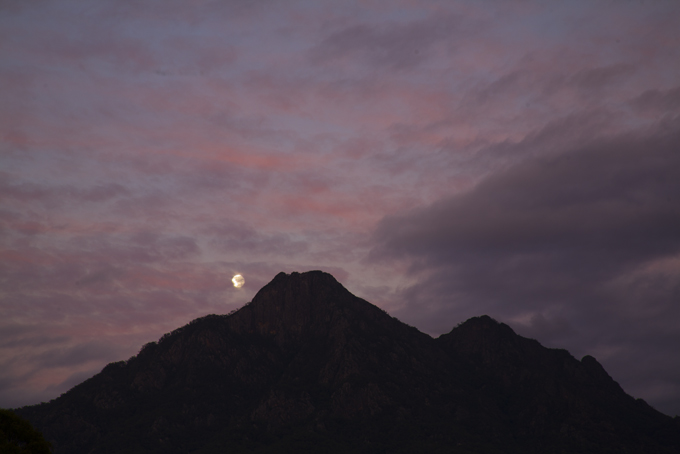
The setting moon over Mt Barney
.
Darren, assisted by Vicky and I, worked with the photographers to ensure that they made full use of the photographic opportunities provided. Breakfast followed and the work of editing and optimising files was carried out with tutorials presented by Darren.
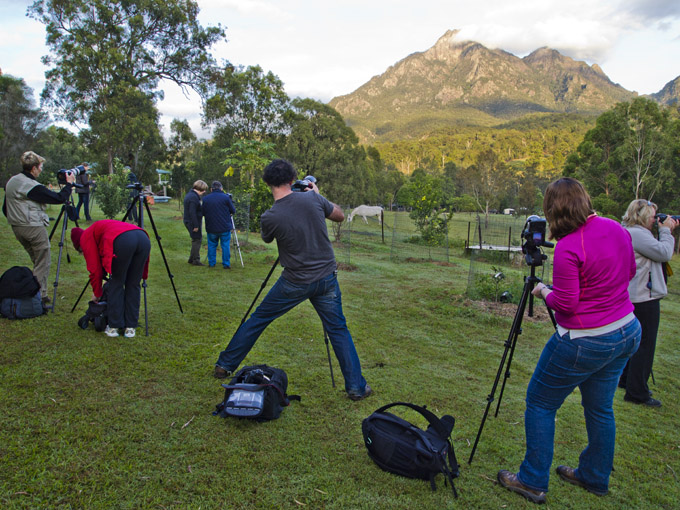
Darren working with participants @ dawn
.
As part of our visiting artists program we worked with the participants offering suggestions and ideas for image enhancement. Other projects undertaken with the group included the setting-up of a camera obscura in Boolamoola Homestead and a ‘projection and light painting’ on Saturday evening.
For many years we have created images of place by combining projected images with electronic flash light painting on outdoor subjects and buildings. These Projections or light sculptures are constructed from individual exposures to make a composite photograph. The final image or series of images presents the viewer with a visual story that is drawn from our exploration of, and empathy with, each place.
On Saturday night we included the participants to witness and make their own photos of the projection work around and on the Moringararah Homestead. The capture of separate elements for the final image was presented by Doug as a performance of how we work in these situations. First we projected a dawn image of Mt Barney over the front of the house for an initial exposure. Next, the internal house lights were switched on to create an exposure for the windows. Finally, additional flash work illuminated aspects of the garden surrounding the house–on this occasion the time exposure for the light painting enabled the ambient moonlight to create a glow in the sky.
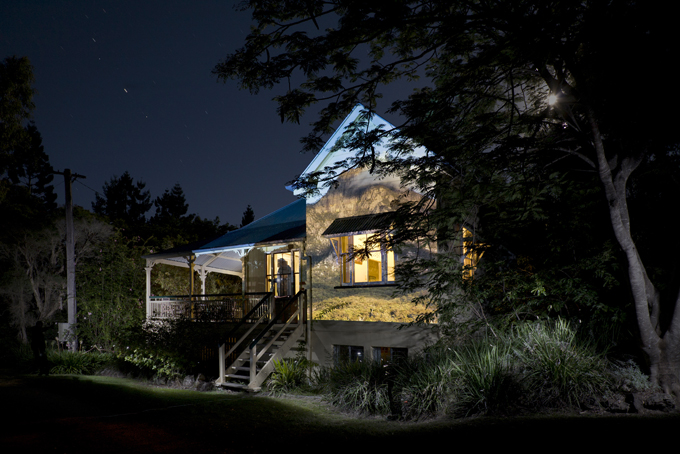
Moringararah Homestead projection and light paint
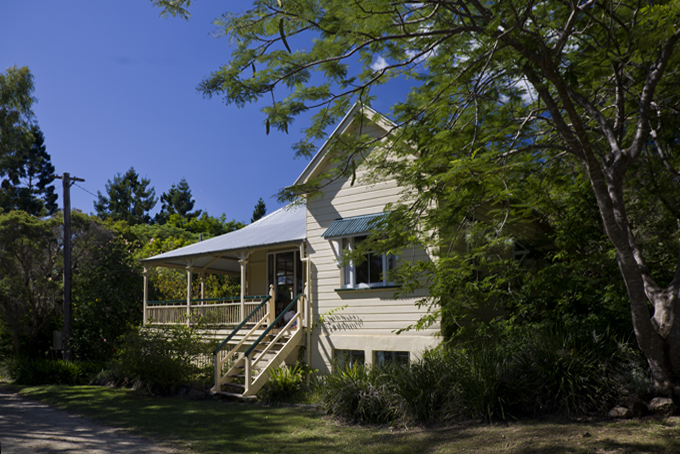
Moringararah Homestead in daylight
.
After this there was another ‘painting with light’ performance and photography opportunity for the participants in a sheoak grove by the small stream at the entrance to the Lodge. Each of the photographers present was given an opportunity to photograph the performance of the projection and light sculpting work.
.
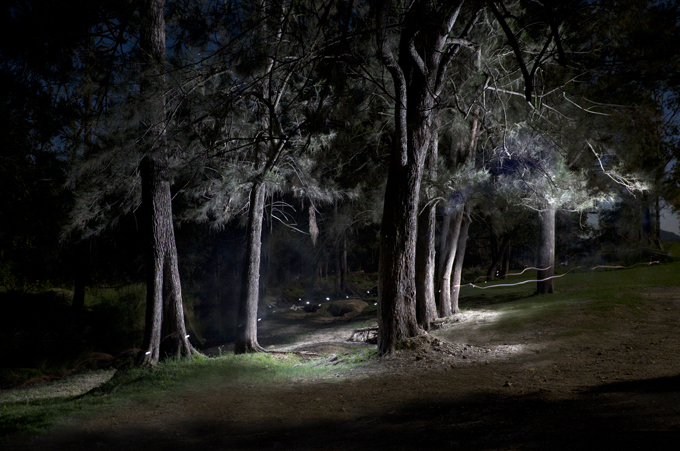
Sheoak grove light paint
.
On Sunday 28th April students were assisted in taking photographs for World Pinhole Photography Day using pinhole devices made at the workshop and fitted to their DSLR cameras. The Boolamoola camera obscura was also available to the students a subject to document or just experience..
The workshop concluded with a frenzy of fine art printing of student work overseen by Darren.
.
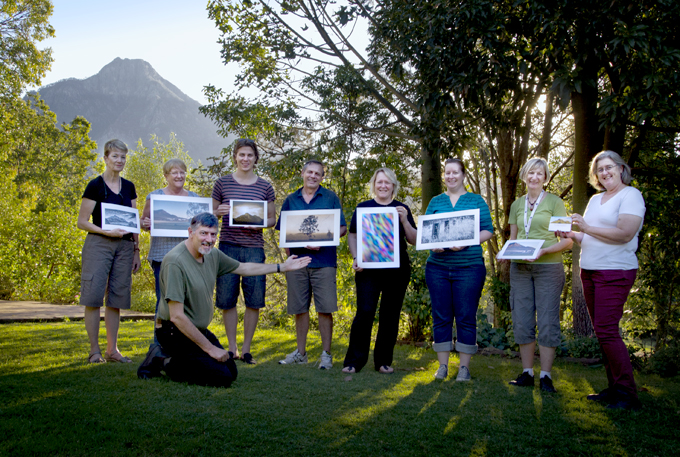
Student group Photo: Darren Jew
.
The natural location of Mt Barney Lodge, the facilities and catering provided by the owners Innes and Tracy Larkin helped to make the workshop a great success. The Lodge provides access to this remote and rugged part of South East Queensland. For accommodation and camping information see their website HERE
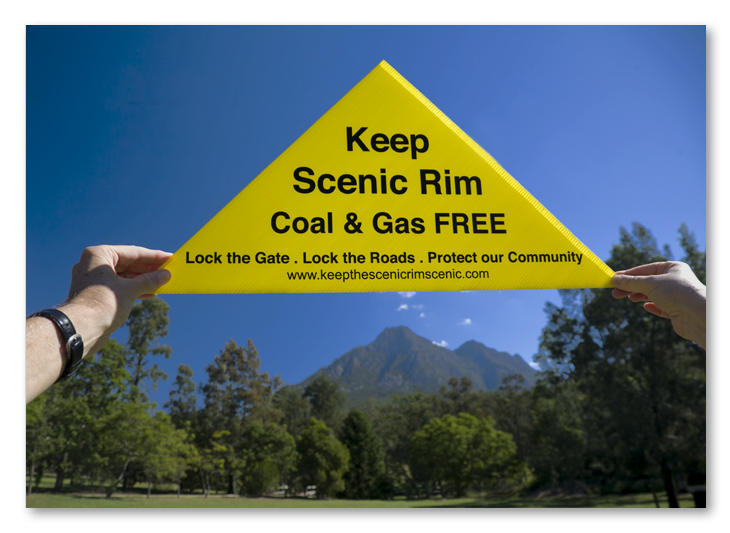
This region, alongwith most of Queensland and other Australian places of natural beauty and agricultural importance, is under threat of Coal Seam Gas extraction and open cut mining – Being in this place makes you realise the need for care and consideration of the natural places in this energy hungry, development crazy world. For details of CSG and mining in the Scenic Rim click HERE
.
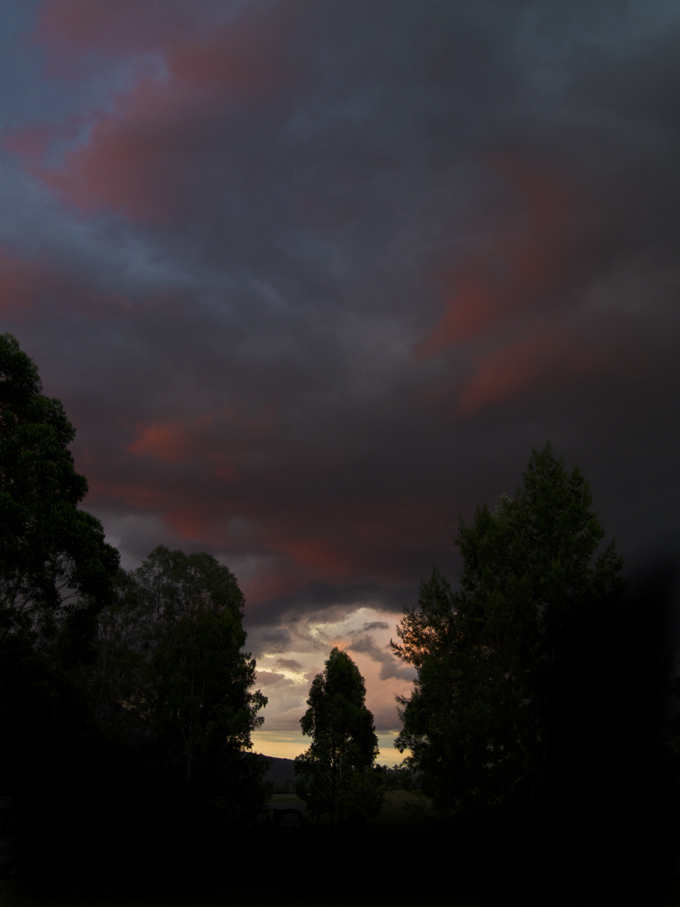
OTHER IMAGES FROM THE WORKSHOP FOLLOW


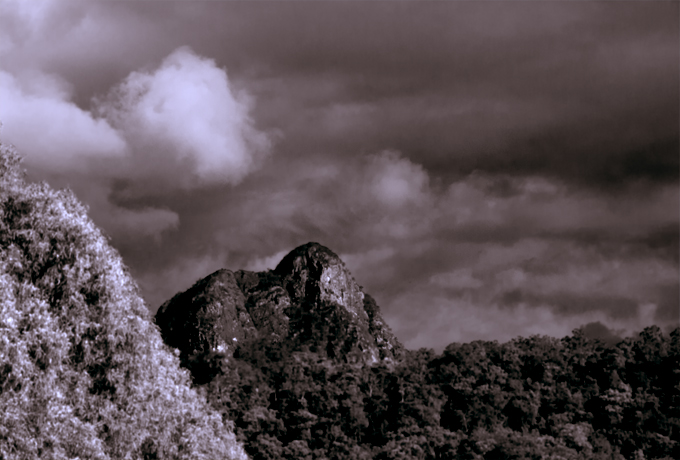
.
All photographs and texts © of the authors 2013.
This work is licensed under a Creative Commons Attribution-NonCommercial-NoDerivs 3.0 Unported License.
.
.
WORLD PINHOLE PHOTOGRAPHY DAY: Our Contribution
We were working with Darren Jew on a Foto Frenzy ‘Exploring Photography’ workshop @ Mt Barney Lodge, a bushland retreat in South-East Queensland’s World Listed Scenic Rim.
We briefed workshop participants on pinhole photography and helped them make pinholes for their DSLR cameras, and everyone joined in the activity of ‘pinholing’.
On Saturday we blacked-out a store room of about 3 x 3 metres square in the rear of the Boolamoola Homestead using plastic and curtain material in readiness for the big WPPD on Sunday.

Boolamoola Homestead – store room window at upper left

The room before set-up
While the others sat outside eating lunch on Sunday (World Pinhole Photography Day) we sneaked into the Camera Obscura and made our image of our lunch time. The ‘pinhole’ was around 8mm. Exposure of the image was by lensed (focal length=16mm) DSLR using f8 200 ISO and time exposure of 30 seconds.
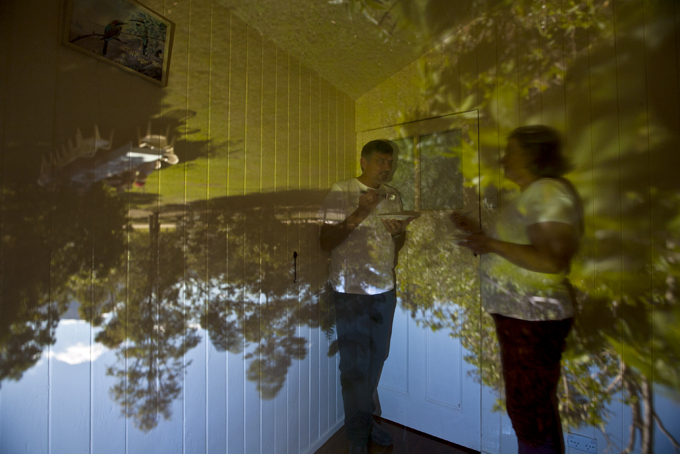
Lunchtime Camera Obscura Mt Barney Lodge
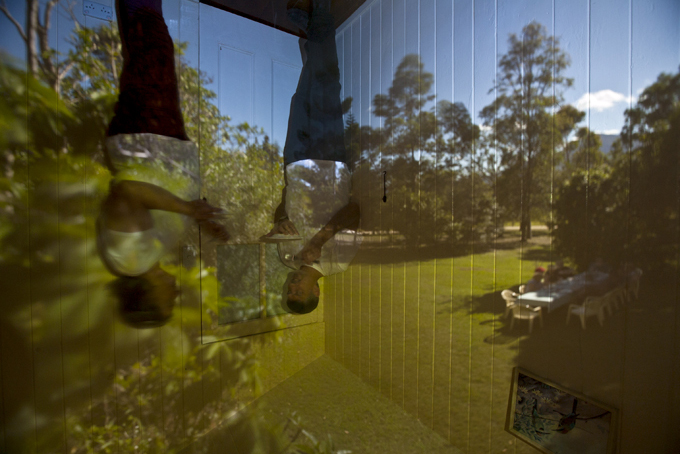
The other way ’round
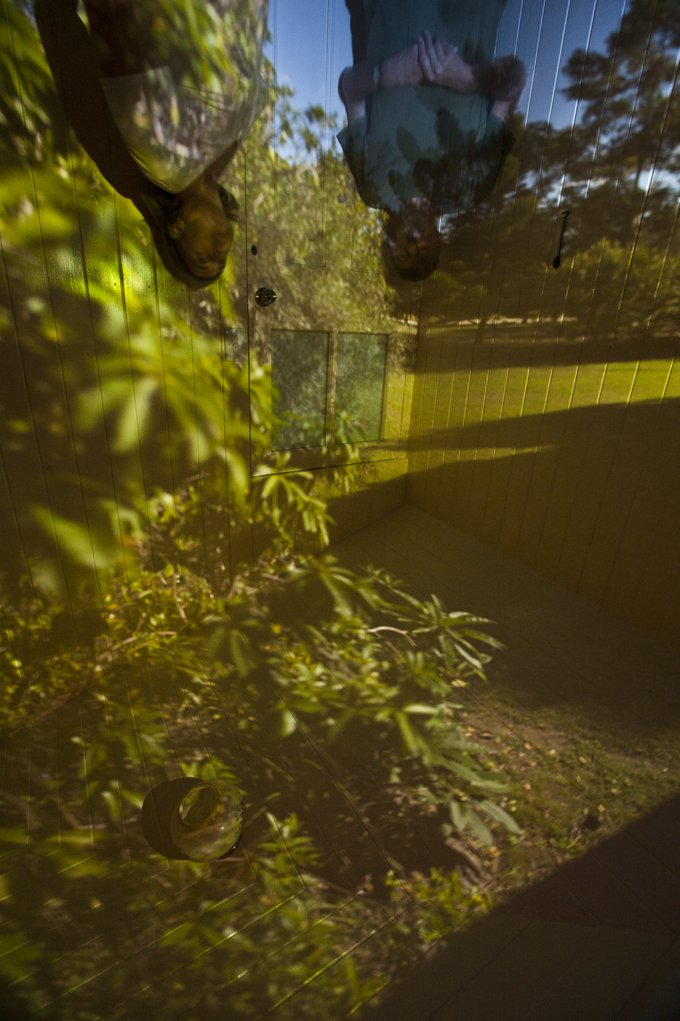
Looking up to the ceiling – Camera Obscura Mt Barney Lodge
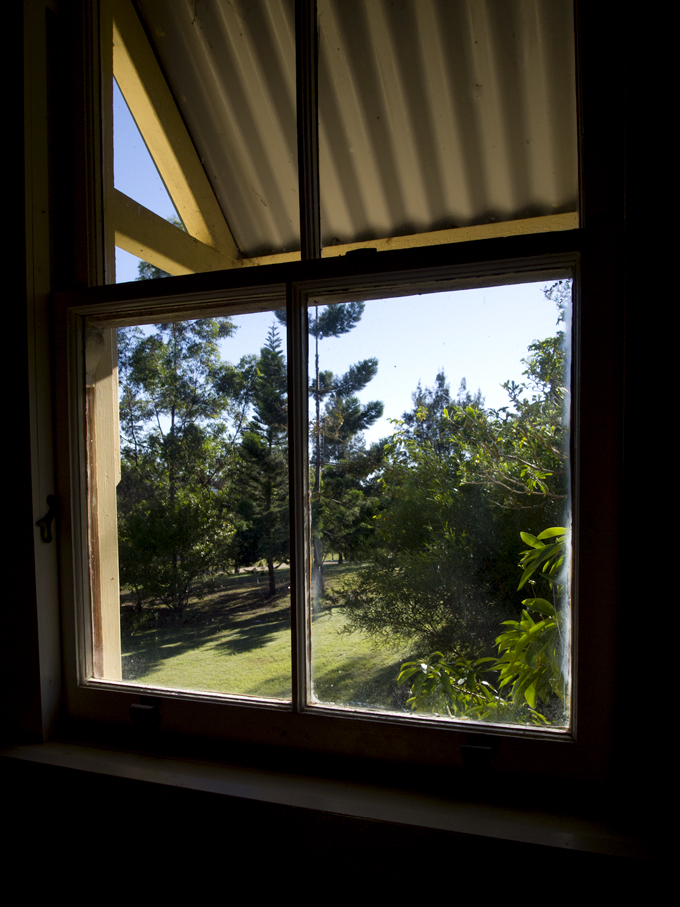
View from the window
 .
.
VISIT THE GALLERY OF IMAGES http://www.pinholeday.org/gallery/
.
All photographs and texts © of the authors 2013.
This work is licensed under a Creative Commons Attribution-NonCommercial-NoDerivs 3.0 Unported License.
.
CAMERA OBSCURA + Pinhole Event @ Foto Frenzy: A Report

Since the year 2000 we have been making large-scale room camera obscuras. These have been made as part of visual research for our Place Projects. Usually we document the process and the images form a narrative for inclusion in photobooks and exhibitions. In 2009 we launched WINDOW/s, a limited edition photobook of 9 copies, along with an exhibition of the 9 camera obscura images @ the Queensland Centre for Photography.
SEE the book as an Adobe Flash Pageflip HERE
In our Place Project work we have found that the camera obscura connects us directly with the place or site that we are working in. We have found that anyone witnessing the place-specific camera obscura responds enthusiastically this natural phenomenon. Time spent inside the camera obscura evokes a sharing of different perceptions: of the visual, of memory and of experiences in the lives of each visitor. So we decided that we should create a camera obscura as part of our Foto Frenzy artist in residence.
As a result of a conversation with a past QCA student of Doug’s from the 1980s, photographer John Pryke, through some great research on the internet, found that not far down the road was the site of an historical camera obscura on Whites Hill.
.
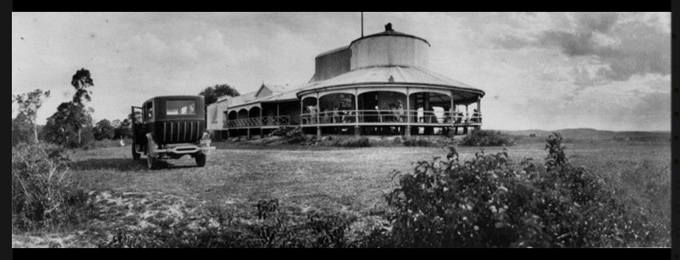
The Whites Hill Camera Obscura c1924 from the ‘Lost Brisbane’ Project site
.
The view from the front entry of Foto Frenzy was selected as its outlook is of the defining feature of this place – the major intersection of Bennetts and Old Cleveland Roads Coorparoo. A plan was created, the room blacked out with thick black agricultural plastic, a light admitting hole of around 12 mm was made and fitted in the door of the building, and screens arranged inside onto which the image could be projected.
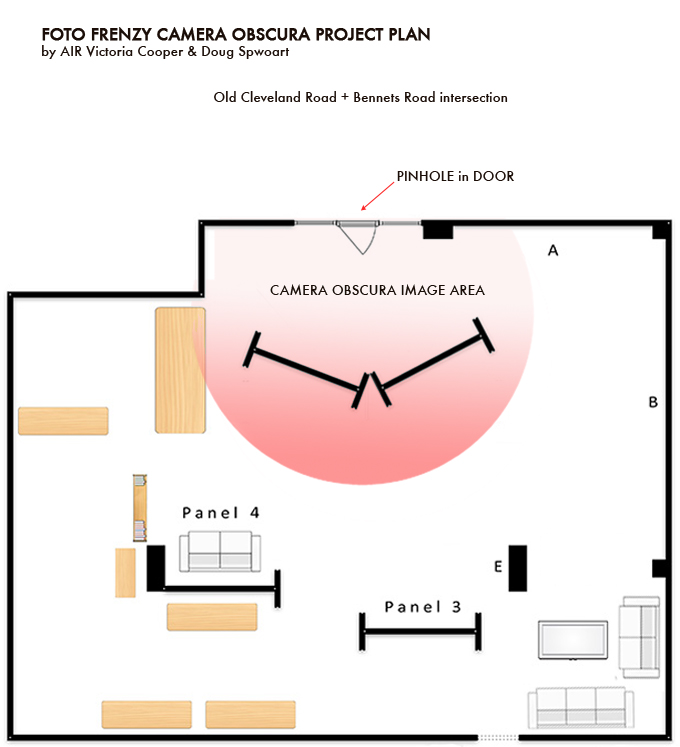
.
Saturday the 20th of April was a bright sunny day with occasional clouds and the 40 or so visitors witnessed the wonders of this simple device. Many brought cameras with them to make images, some brought family members including children – all, as we hoped, were taken by the visual experience of being ‘IN’ a camera, one which did not even require a lens.
As artists in residence working with the Foto Frenzy / Brisbane Camera Hire Team, we were around some amazing technology and people with special knowledge. Director Darren Jew produced his Canon EOS 1D and a high speed 12mm lens for the cover image of this post. If you’ve not been in a ‘lensless’ camera obscura you will not be aware of how dark the images is – usually it takes several minutes for your eyes to adjust to see what is going on, it is that dark. There are perhaps only a few movies of camera obscura images that have ever been made as it requires specialized cameras and equipment. Darren Jew offered to wind up the ISO of his latest camera and at 40,000 ISO we were able to create a movie of the impromptu performance of our antics outside the building as – ‘Vicky and Doug do a Selfie’.
SEE the movie here ….
.
What fascinated us was the excitement and enthusiasm for the project, much of which was posted on Facebook soon after the event. With the permission of the respondents we have posted some of their images and words in the screen grabs that follow …
.

Megan Rizzo and family visit and photograph the camera obscura
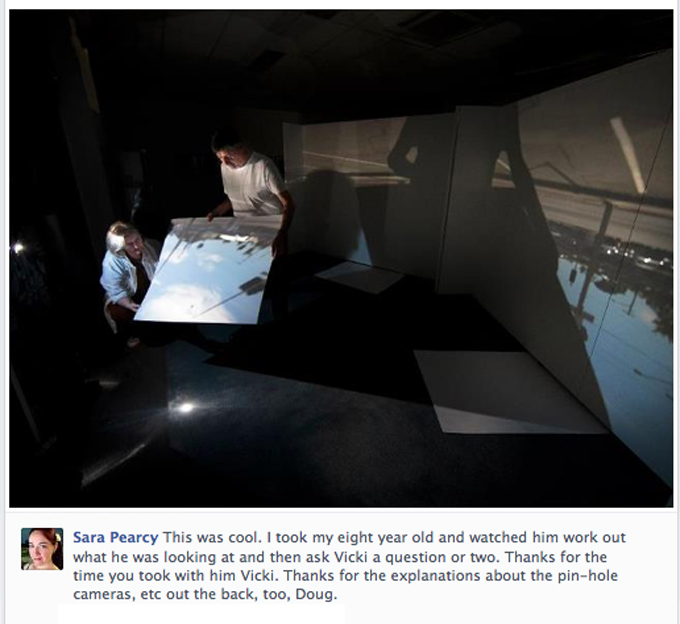
Sara Pearcy comments on her experience with son Nicholas in the camera obscura
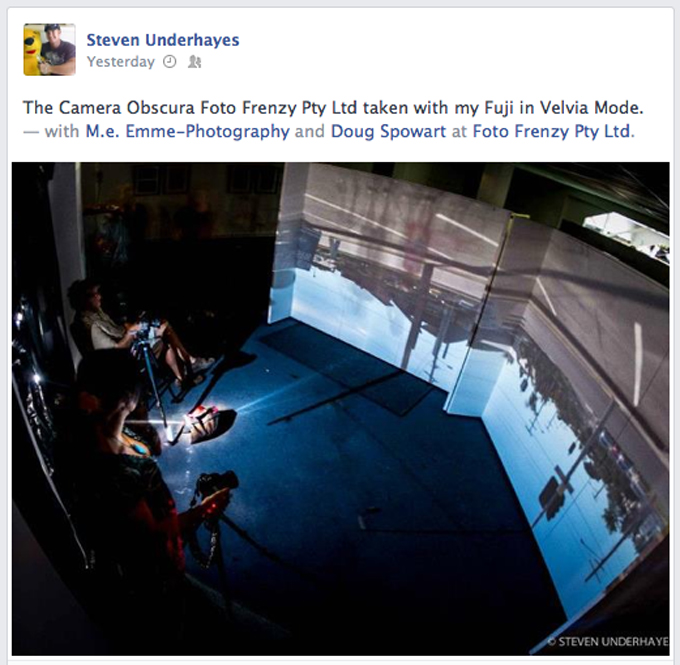
Steven Underhayes’ terrific camera obscura image

John Pryke does a ‘Selfie’ in the camera obscura
SEE more of John’s photographs on his blog: <http://johnprykephoto.blogspot.com.au/2013/04/camera-obscura.html>..
.Additionally the event included a presentation of some of our pinhole cameras, pinhole making techniques, and discussions about how to make pinhole images with SLR and DSLR cameras. Most importantly we encouraged participants to make and enter photos made on April 28 in the 2013 World Pinhole Photography Day event.
Thank you to the participants, the Foto Frenzy / Brisbane Camera Hire team, in particular Darren Jew and Jacob Schneider, for helping to make this a successful event
.
All photographs and texts © of the authors 2013.
This work is licensed under a Creative Commons Attribution-NonCommercial-NoDerivs 3.0 Unported License.
.
ADVANCE NOTICE: View a Camera Obscura + Pinhole Event ……….. @ Foto Frenzy 20 April 2013
.
SEE THE REPORT ON THIS EVENT ‘CLICK HERE’
.
Foto Frenzy (Brisbane) Camera Obscura and WPPD prelude: 20 April 12 Noon to 4.00pm
On this day the photographers Cooper+Spowart will create a camera obscura in the foyer of Gallery Frenzy for visitors to view and make photographs in. Additionally attendees will be advised on how to convert Digi and Film cameras into pinhole devices to participate in World Pinhole Photography Day on 28 April, 2013.
Foto Frenzy is situated @ Unit 3 – 429 Old Cleveland Road, Coorparoo. (Next to Brisbane Camera Hire)
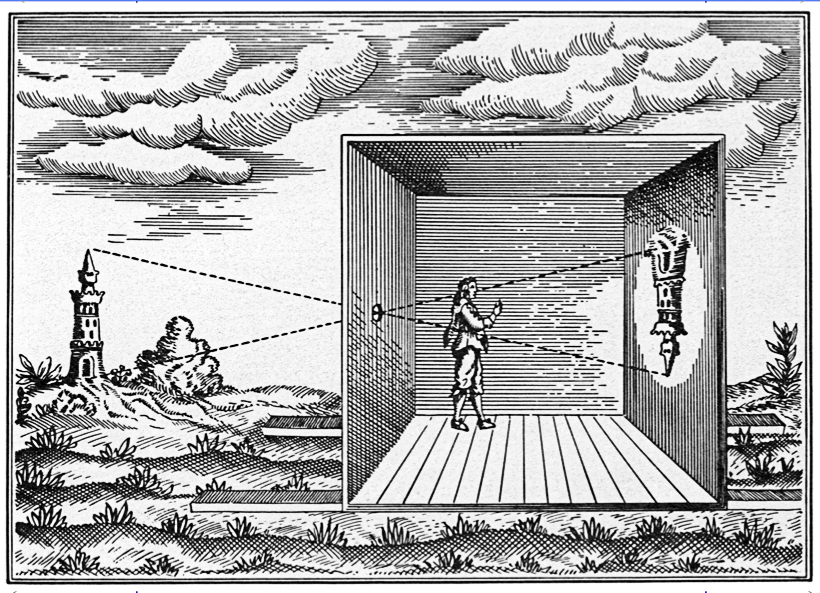
A 17th century camera obscura illustration
HERE IS THE PLAN
The foyer of Foto Frenzy will be blacked out – a pinhole will be placed in the window facing Bennetts Road. Screens will be set up inside the gallery area to image the light from outside.

.
The camera obscura will be available for viewing from 12 Noon until 4.00pm and we are hoping for a sunny day as that will yield the most visible best results.
At 1.00, 2.00 and 3.00pm Vicky and Doug will demonstrate how to convert your Digi or Film SLR into a pinhole camera. Bring a plastic body cover if you have one, it may be able to be drilled for pinhole insertion. Materials will be available for you to make your own pinhole.
And at 1.30, 2.30 and 3.30pm Darren will demonstrate wet darkroom pinhole camera shooting (with a simple box & paper) and print processing in the NEW Foto Frenzy darkroom.
Instructions for preparing and uploading pinhole photos to the World Pinhole Photography Day site will be available.
 http://www.pinholeday.org/events/?event=2629
.
.
IT IS A FREE EVENT BUT YOU MUST BOOK AT THE EVENTBRITE SITE
 http://pinholefrenzy-eac2.eventbrite.com.au/
.
FRENZIED A.I.R. ‘PoPuP’ Exhibition @ Brisbane’s GALLERY FRENZY
We are now in Brisbane participating in an Artist in Residence @ Foto Frenzy in Coorparoo.
On Wednesday evening we presented an artist’s talk about our previous residencies and our approach to ‘Place Projects’. The event was attended by around 40 photographers, artists and students.
The exhibition will be on show on Easter Monday April 1st and Tuesday 2nd of April – We will be in attendance at the gallery between 11.00 am and 4.00 pm on those days.
GALLERY FRENZY is in the Foto Frenzy Photography Centre
Unit 3/429 Old Cleveland Rd, Coorparoo QLD 4151
We are also presenting a series of workshops @ Foto Frenzy–for details visit the website WWW.WOTWEDO.COM.
FRENzied A.I.R. Poster

Ian Poole, a Director of Foto Frenzy, opens the exhibition.
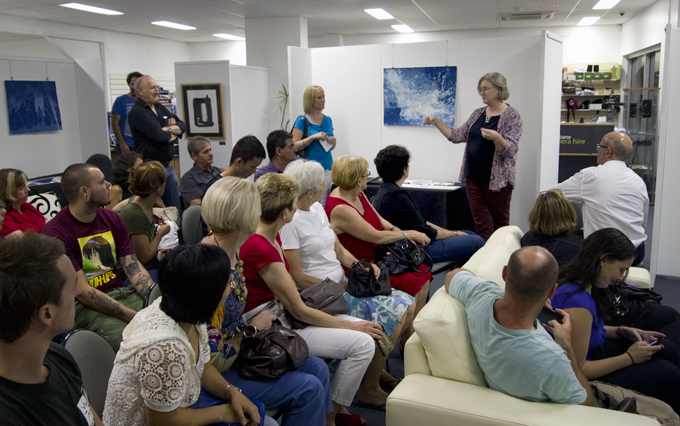
Vicky talking about her work

Selfie with Ian Poole
.
SOME OF THE WORK ON SHOW …
The exhibition features a selection of Camera Obscura works, Projections, cyanotypes and artists’ book and photobook works.

CarCamera concertina book
.
PLAY A VIDEO OF SOME OF THE CARCAMERA WORK

The ‘Hitting the Skids’ flipbook
.
PLAY A VIDEO OF THE FLIPBOOK
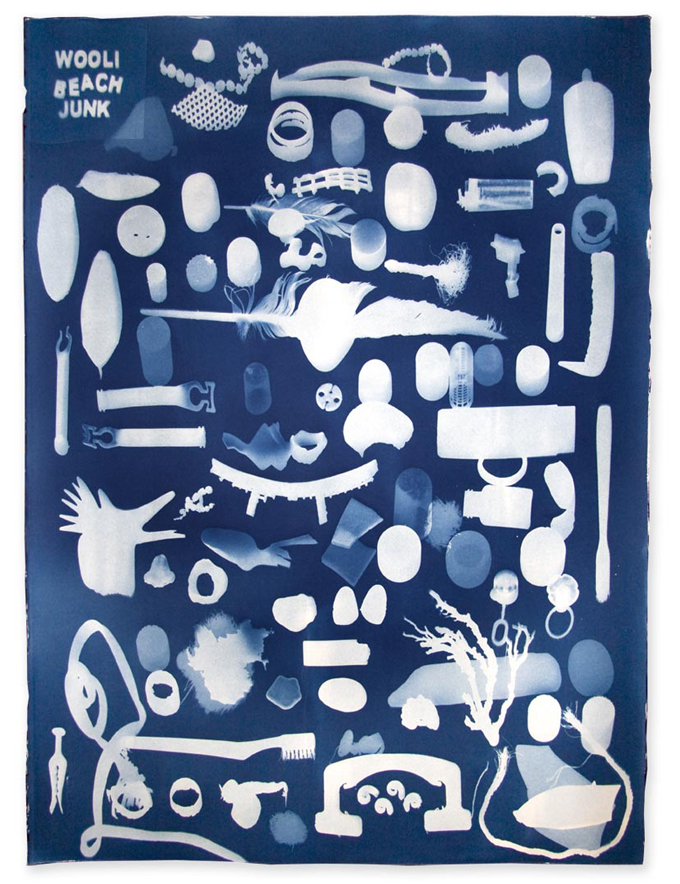
‘A cyanotype by Doug Spowart ‘Wooli Beach Junk’
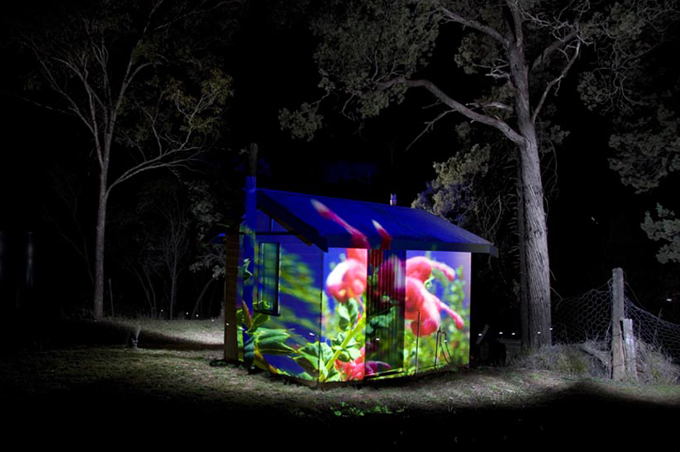
Projection – Myall Park Botanic Gardens
.
This work is licensed under a Creative Commons Attribution-NonCommercial-NoDerivs 3.0 Unported License.
.
.
COOPER SCROLLS @ Toowoomba Regional Art Gallery
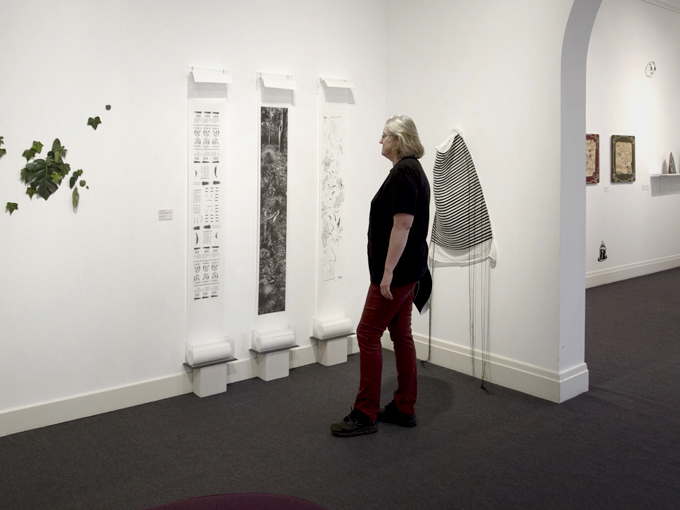
Victoria Cooper in the Off The Wall installation of three scrolls from the series of five
.
ABOUT ‘THE STORIES OF THE GORGE’ ON SHOW @ TRAG
Victoria Cooper’s digital montage Stories from the Gorge scrolls, made over ten years ago were included in Toowoomba Regional Art Gallery show. The exhibition was entitled Off the wall and was on show in Gallery 2 and Amos Gallery in May 2013.
The information about the exhibition that follows comes from the exhibition room sheet prepared at the time by Toowoomba Regional Art Gallery Exhibitions Officer, Ashleigh Bunter:
The works in the exhibition have been selected from the Toowoomba Regional Art Gallery’s City Collection. They have been placed simply together due to their three-dimensional nature and to highlight their derivation from the traditional two-dimensional picture plane.
This exhibition demonstrates the way that artists manipulate physical depth within their works which can often create a greater engagement between the object and the viewer. Interestingly, many of the works in this exhibition focus upon environment, whether it is the natural, public or the domestic environment. Materiality is also a common consideration. Throughout this exhibition one can see the influence of ‘the collector’, artists who gather images or common materials, reusing and reinterpreting them to create their art.
Victoria Cooper’s Stories from the Gorge: Order, chaos and the story of the hillside is a Chinese-landscape-scroll inspired series that represents “the last bastion of a natural chaos and order, an anti-culture, occurring on the fringes of agriculture.”[i] Human effects on the natural environment are central to Cooper’s practice and her prints and artists’ books in various formations lead the view from a flat two dimensional plane into the landscapes she investigates. These printed scrolls rise up from handmade acrylic boxes like the tall gum trees on their surfaces.
Other artists in the Off The Wall show include; Michael Schlitz, Marieke Dench, Tiffany Shafran, Judith Kentish, and Brigid Cole-Adams and the exhibition will be on the wall until May 26, 2013.
.
PRIZES AND AWARDS
2001 The Gorge was purchased by Australian Library of Art at the State Library of Queensland
2001 – Photographer and gallery director Sandy Edwards awarded The Gorge, First Prize in the Muswellbrook Photography Award
2001 – MCA Director Elizabeth Ann Macgregor awarded The Cliff, First Prize for Works on Paper, Martin Hanson Memorial Art Awards, Gladstone Regional Art Gallery and Museum
2002 – Five Stories from the Gorge was a Finalist in the 2002 Josephine Ulrick & Win Schubert Foundation for the Arts Photography Award at the Gold Coast City Art Gallery was selected by Isobel Crombie Curator at the National Gallery of Victoria
2002 –The triptych was acquired during its showing in the Toowoomba Biennial Acquisitive Award selected by Julie Ewington, then Curator at the Queensland Art Gallery..
.
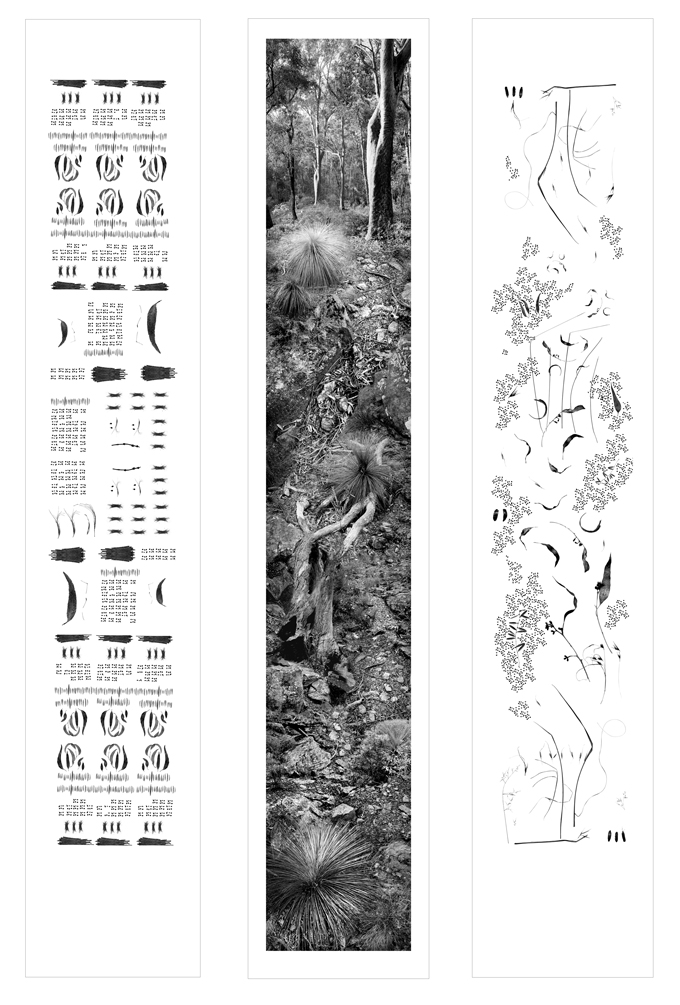
Three images of the Stories from the Gorge triptych as presented @TRAG
.
THE BACKSTORY OF THE SCROLLS AND THE SERIES OF 5 WORKS
Cooper’s scrolls were presented for the TRAG exhibition as a triptych, however in the original exhibition, entitled Searching for the Sublime, there were five scrolls. Searching for the Sublime was a collaborative project with sculptor Jim Roberts, fellow artist Doug Spowart and curator Deborah Godfrey. The inspiration for the project was a wilderness area in the Helidon Hills a mere 20 kilometres north-east of Toowoomba. Supported by an RADF Grant, the show featured Roberts’ sculptures, Spowart’s abstract water photographs, and Cooper’s scrolls and was shown at 62 Robertson Gallery in Brisbane in August 2001.
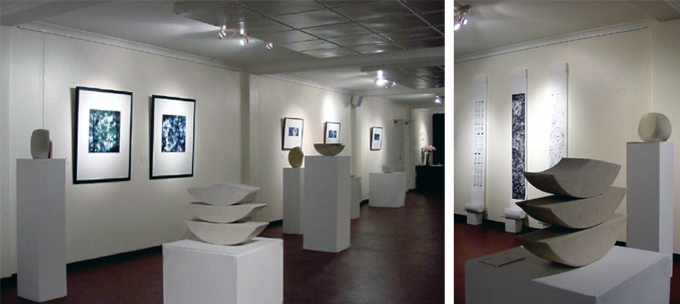
Searching for the Sublime @ Gallery 62 Robinson PHOTO: Courtesy of 62 Robertson
.
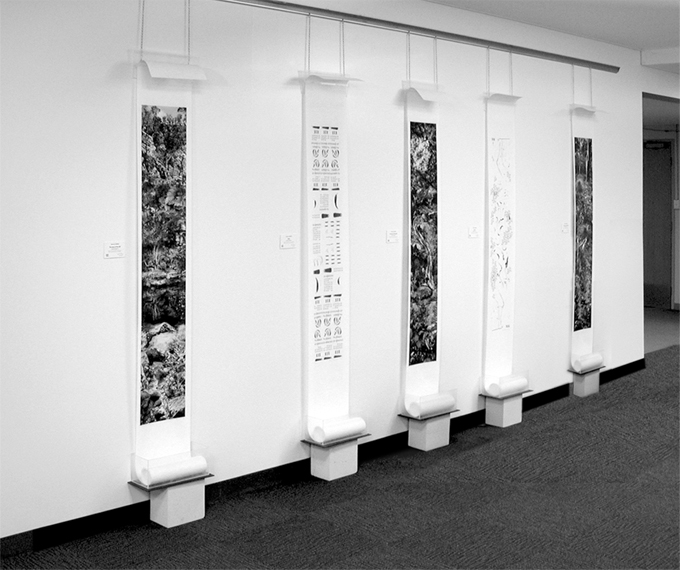
Five Stories from the Gorge installation at SQIT Gallery
.
The images were assembled as a photomontage in the tiny, by current sizes, Blueberry iMac computer. At times Victoria juggled 200 layers in one Adobe Photoshop document to create the fiction panoramas. Seeing the whole image was a problem as most of the time Cooper’s view was no bigger than the iMac screen requiring her to ‘scroll’ the image up and down–just as you will do in looking at the images in this post. Saving the files took 20-30 minutes and the system often crashed. The images were printed in pigment inks on an Ilford Novajet printer onto Hahnemühle Japan ‘rice paper’ by IMT on the Gold Coast. Victoria worked with artist Wim de Vos to design the bespoke handmade acrylic boxes. The design featured the ability for the box to not only serve as a container, but also act as a device to display the scrolls.
The complete set of scrolls, Five Stories from the Gorge, was shown in many venues and awards (see prize list at the end of this post), including Photospace at National Art School, Australian National University, Canberra. Canberra Times arts reviewer Myra McIntyre commented that Cooper’s works are:
Most elegant and fascinating photographic objects are Landscape stories, a series of five Asian-inspired scrolls. Cooper crawls, wanders and flies through the Australian landscape gathering hundreds of objects, patterns, and perspectives that she digitally intertwines, creating a continuum of almost imperceptibly diverse perspectives and a physical sense of vertigo in the viewer.
Review, Canberra Times, May 10, 2002
In 2002 the triptych was acquired during its showing in the Toowoomba Biennial Acquisitive Award selected by Julie Ewington, then Curator at the Queensland Art Gallery. Interestingly the rules of the competition at the time restricted entries to work that had not previously won an art award–as such only the three scrolls The Story of the Hillside, Chaos and Order were entered. When purchased the two other scrolls were orphaned from the set.
So here in this blog, we reunite the Five Stories from the Gorge presented in a form for you to scroll/stroll through … Enjoy.
.
By Doug Spowart
.

Story of the Cliff
.

Story of the Gorge
.

Story of the Hillside
.
This work is licensed under a Creative Commons Attribution-NonCommercial-NoDerivs 3.0 Unported License.
YOU ARE INVITED: Meet the Artists Talk @ Foto Frenzy
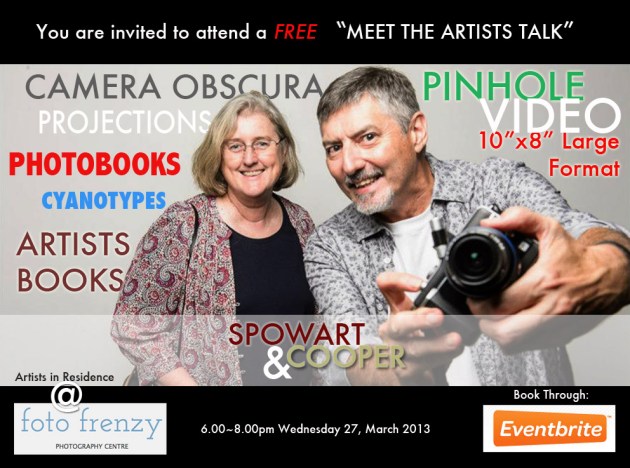
Meet the artists, see their work, hear them talk about creativity, invention, tinkering with art, and how to pursue personal directions in art-making and life.
The artists will also launch their Foto Frenzy workshop series and Artist in Residence.
Foto Frenzy
Unit 3, 429 Old Cleveland Road
Brisbane, QLD 4151
Australia
Wednesday, 27 March 2013 from 6:00 PM to 8:00 PM (EST)
.
The event is FREE but seating is limited. Please book through Eventbrite
Click Here
.
Victoria Cooper and Doug Spowart of Photographers of the Great Divide, are visual artists working in the fields of photoimaging, books as art, cultural research and education. They have collaborated on many art projects and exhibitions of book works that have featured their room and car camera obscuras.
As part of their PhD studies research and artworks produced were in the form of Photobooks and Artists Books. Both are Masters of Photography and Honorary Fellows of the Australian Institute of Professional Photography.
Spowart and Cooper have both lectured in Australia and New Zealand on the topic of the photobook and artists’ books and their book have been purchased for the rare book and manuscript collections in the State Libraries of Queensland and Victoria, and the National Library of Australia.
.
Visit <wotwedo.com> for the Cooper and Spowart Workshops.
.