Archive for the ‘Photobooks’ Category
A COMMENT ON JUDGING PHOTOBOOKS
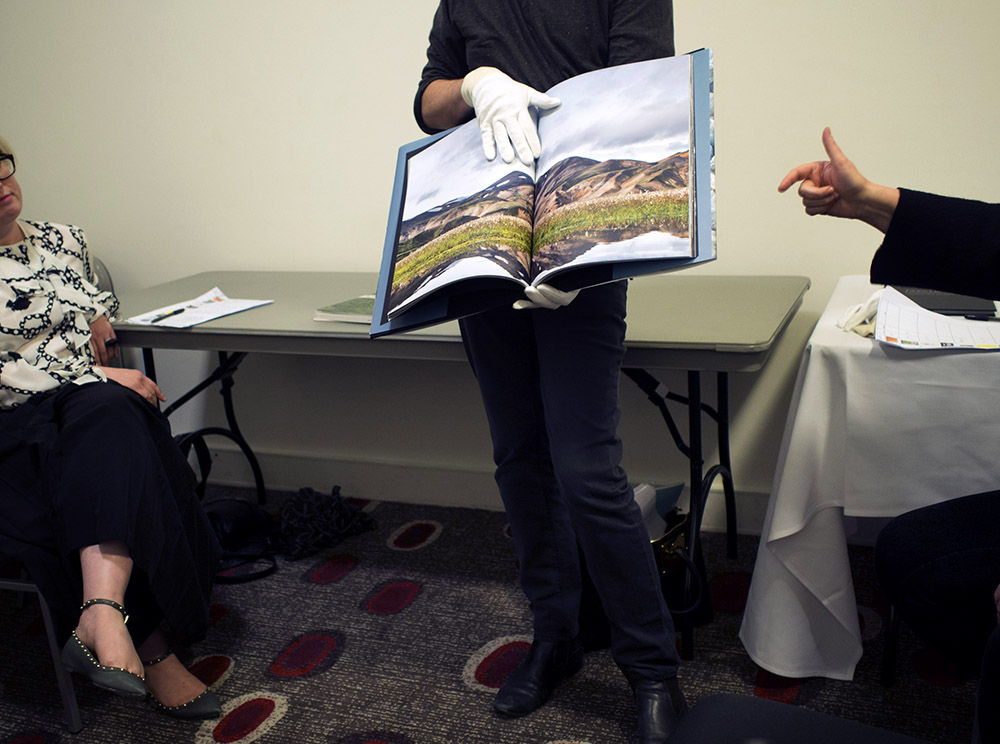
In a photobook judging…
The photobook: And the winner is…
Any field of human endeavor seems to have connected with it a need for measurement, for qualification and quantification – a need to find the best, the fastest, tallest, smartest, dumbest, prettiest and ugliest. The photobook is no exception. Every year when the call goes out for entries to be submitted, or when the winners of numerous awards are announced the worldwide photobook community responds.
To attract those who make, or share an interest in, the photobook there are many incentives to participate in awards including:
- Winning an award leads to sales for the book
- Winning awards enhances reputations and future opportunities for the maker/s
- Winning awards can provide opportunities to publish through prize money and/or ‘in-kind’ services
- Entering awards provide an opportunity to present your ideas, your stories and your creation process to other participants of the discipline
- By entering an award your concepts and narrative expression can reach extended audiences.
Additionally those who coordinate awards also receive compensation. Companies promote their products and services through organising and/or sponsoring awards. Organisations like art museums, professional associations, and significant commentators of the discipline all stand to gain prominence through the awards that they support. An interesting cross-section of photobook awards could include: The Kassel Photobook Dummy Awards, InFocus Photobook Exhibition at the Phoenix Art Museum, Photobook Bristol Festival, New Zealand Photobook of the Year Award, and The Paris Photo–Aperture Foundation PhotoBook Awards. The income from entry fees can also go towards offsetting the costs of prize monies and running the award.
Any award would not take place without a judging, but how are judges selected? What are the attributes of a good judge? Generally judges come from the various, and sometimes disparate, groups within the discipline for example: a photographer, a publisher, a book designer, a printer or a critic. As each judge brings to the judging his or her ideas and opinions regarding what makes a great photobook, the assessment session can be an interesting space to witness.
There is one common discussion point for any photobook judging – What is a photobook? The diversity of the discipline defies a standard definition and may include: newspaper styled items, funky zines, and the bespoke hand-made ‘artists book’, self-published books using digital POD technologies, trade published books and designer confections. Photobooks can contain photographs only, they can be books with photographs and accompanying texts, prose, poetry, captions and they also can be complex and sophisticated design experiences – book as object. In a photobook competition all these can compete for the overall award title. It’s like all the Olympic pool-based events being run simultaneously in the one pool, from high diving to the 100 metre dash –– Chaos…!
Getting a result requires consensus that can only be achieved through a process of review, discussion and the sharing of opinions and insights. Perhaps the assessment task would be simpler if there was a solitary judge.
Another concern is the number of books could a judge be reasonably expected to fully engage with before being overcome by the inability to fairly and consistently consider each entry. Other questions arise: Do strong and articulate judges sway the panel decision? Does every book say the same thing to every reader? And how does bias for or against certain book styles, photographers, and publishers or photographic content affect the judging outcome?
In the world of photobooks one thing is for certain – awards and competitions are not going to go away anytime soon. Social scientist Pierre Bourdieu in his book ‘Photography: a middle brow art’ commented that:
It is no accident that passionate photographers are always obliged to develop the aesthetic theory of their practice, to justify their existence as photographers by justifying the existence of photography as a true art. 1
Perhaps all those who, through organizing, entering and judging awards ultimately help to create dialogue, definition and an aesthetic that justifies the photobook’s existence as a ‘true art’.
Dr Doug Spowart August 25, 2016
- Bourdieu, Pierre. Photography: A Middle-Brow Art. Translated by Shaun Whiteside. Stanford, USA: Stanford University Press, 1996.
Text+Image ©2016 Doug Spowart
COOPER+SPOWART – JOURNEY NORTH
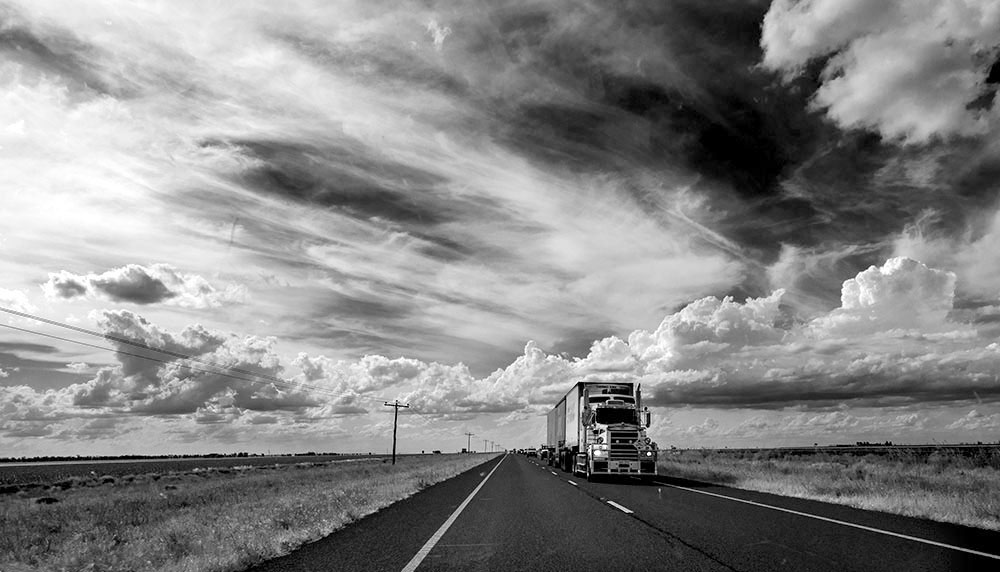
Travelling along highways north….
.
We are travelling up to north Queensland at the end of September for a month of artists’ book and photography projects, workshops and lectures.
.
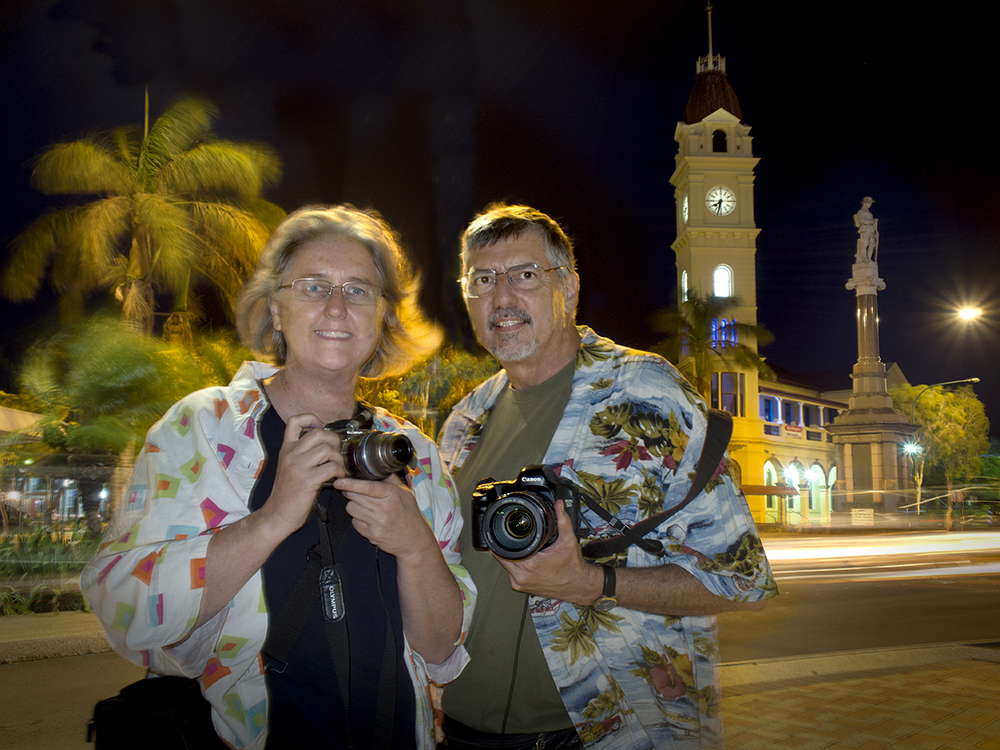
The artists in tropical garb with palm trees…
.
Our Journey …


Capricornia Printmakers logo
.
September 27 ROCKHAMPTON: CAPRICORNIA PRINTMAKERS
We will present an evening talk about our artists books/photobooks and the Siganto Foundation Research Fellowships work we have been doing in the Australian Library of Art at the State Library of Queensland.
.
.
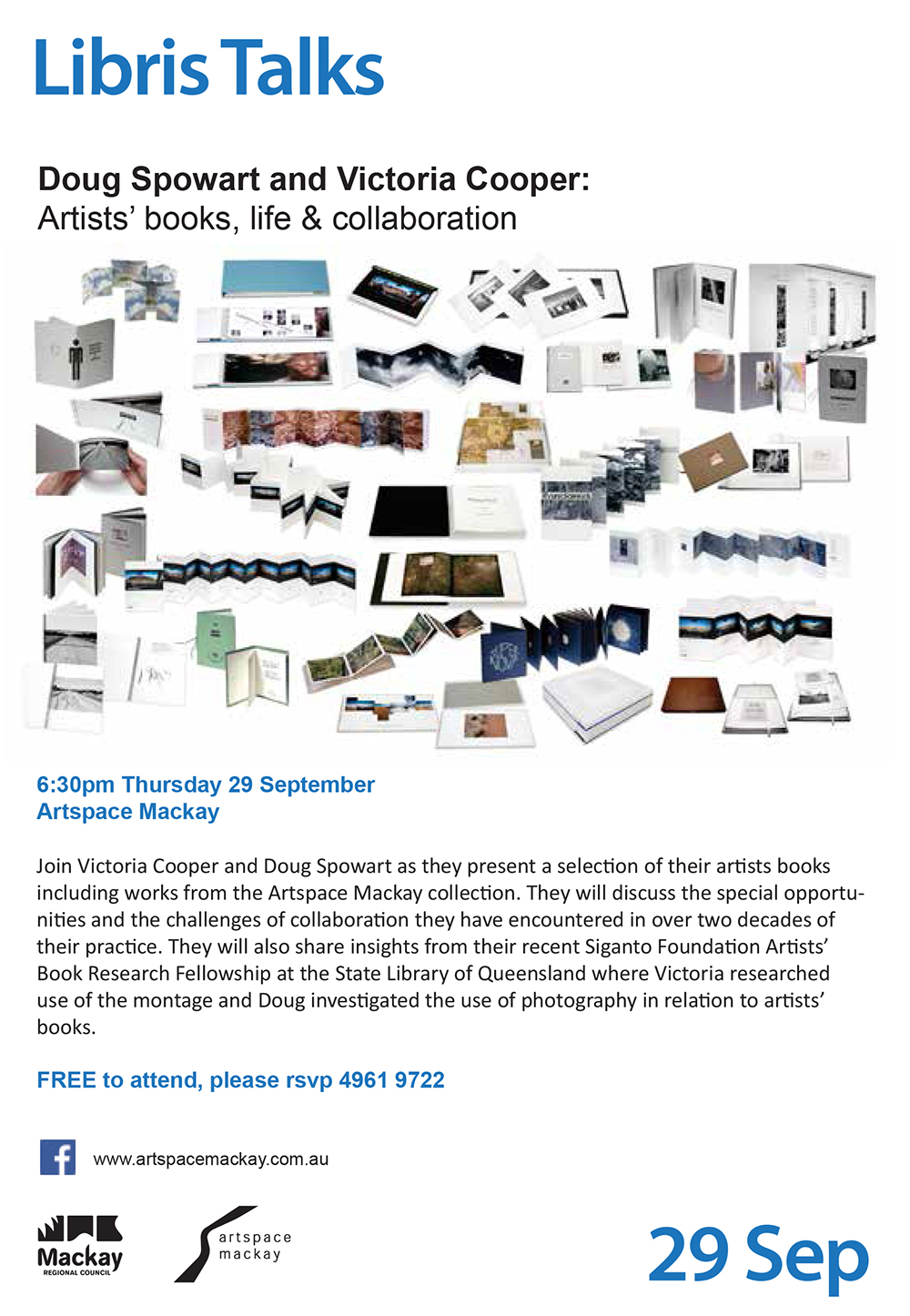
September 29 MACKAY: ARTSPACE MACKAY as part of the LIBRIS AWARDS PROGRAM
Here are the details…
.
.
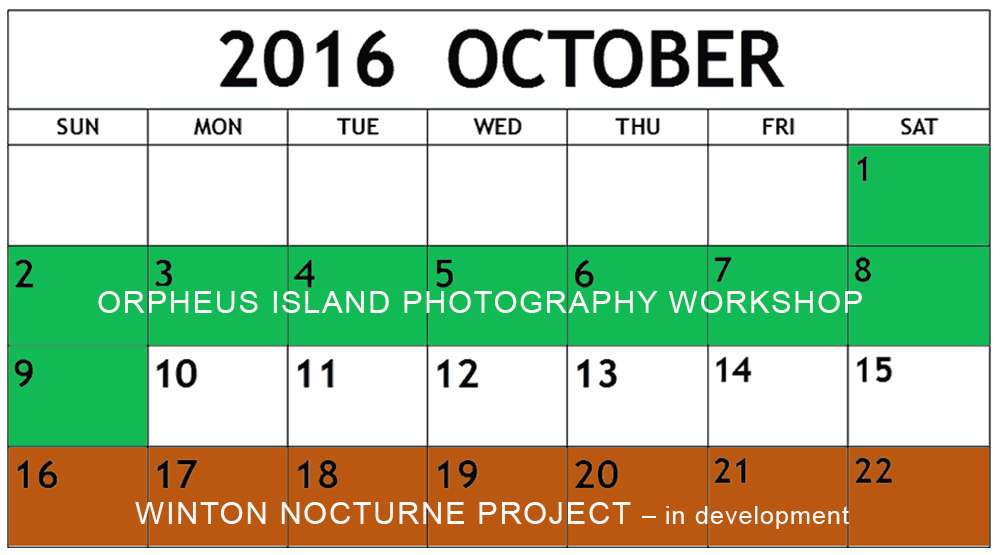
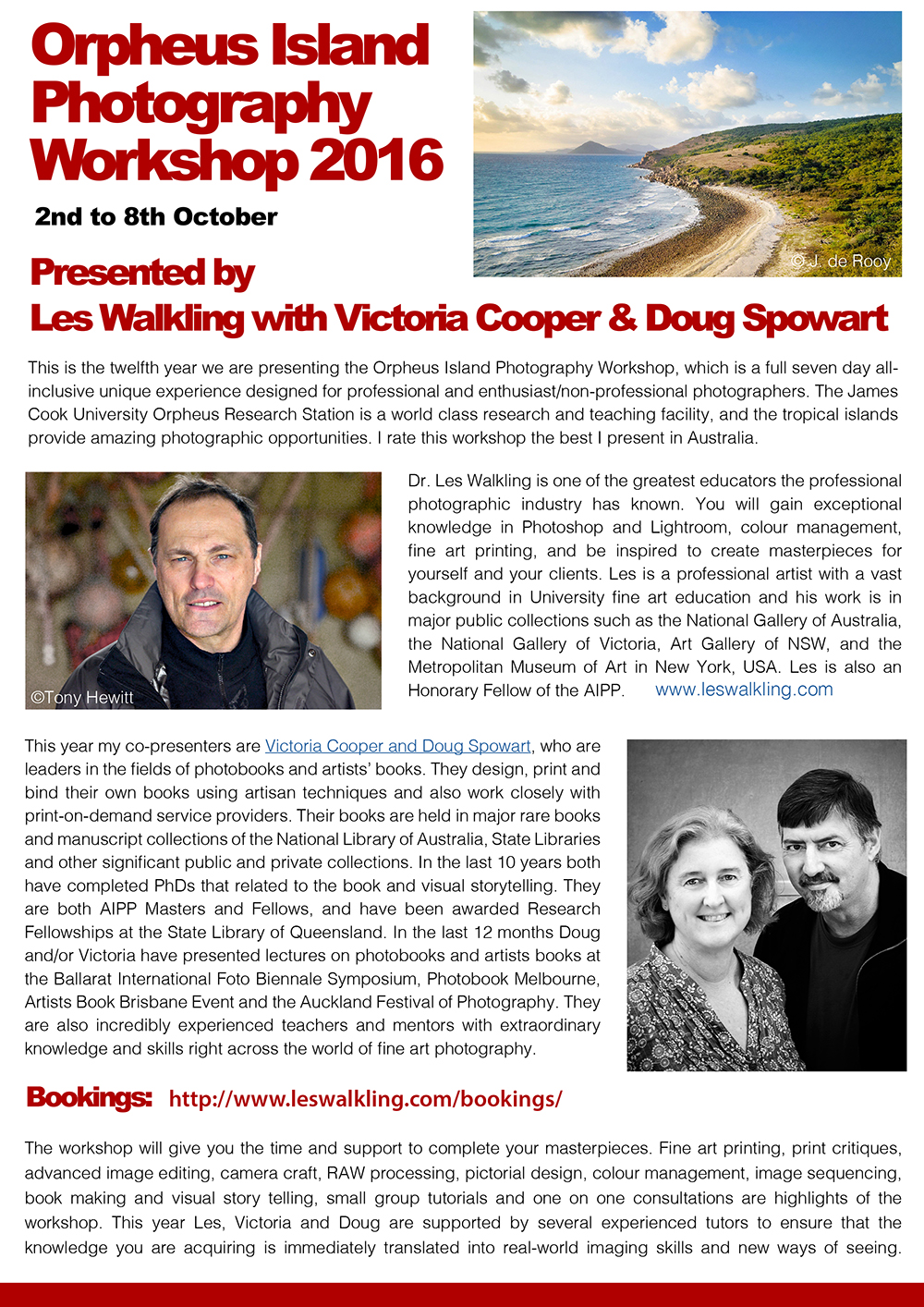
October 2-8 ORPHEUS ISLAND
Here are the details…
.
.
October 16-22 WINTON: NOCTURNE WINTON – To be confirmed
See our other Nocturne Projects … HERE
A few images like those we could be making at Winton follow…
.

Walker’s Hotel, Grafton
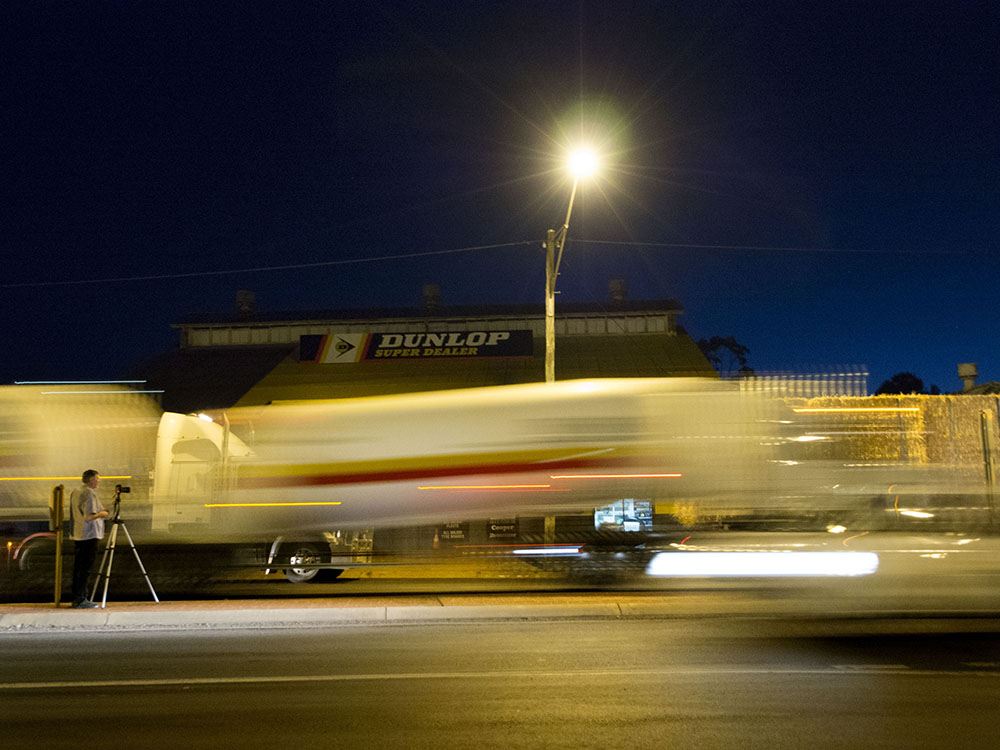
Trucks through town…
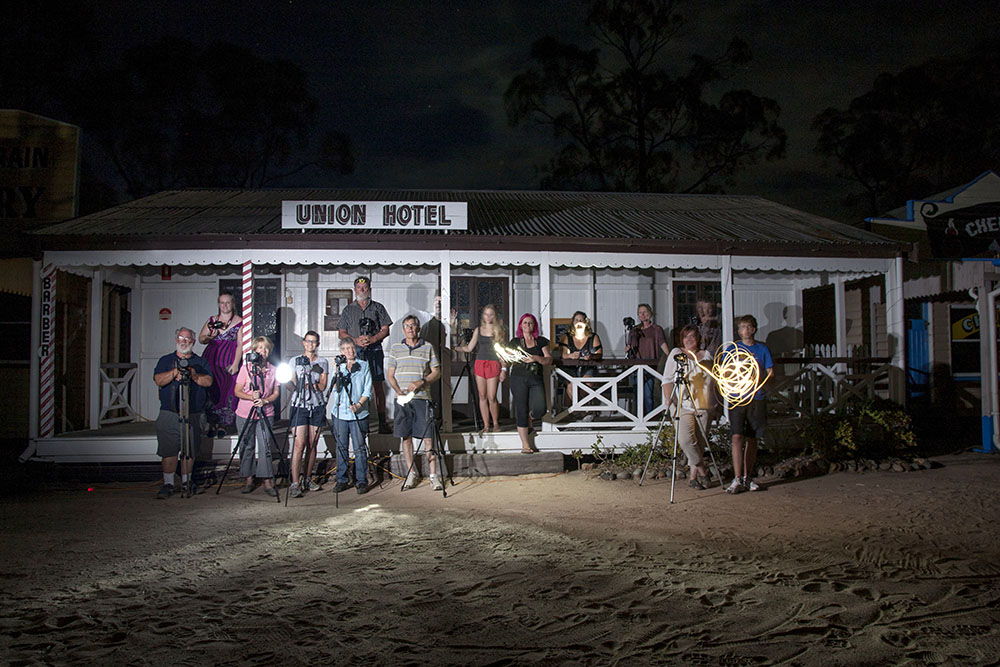
A group of Nocturne photographers
.

Nocturne Winton FB Logo
.
CONTACT US FOR DETAILS OF ANY OF OUR JOURNEYS NORTH ACTIVITIES
.
.
ADVANCE NOTICE: COME TO THE ISLAND
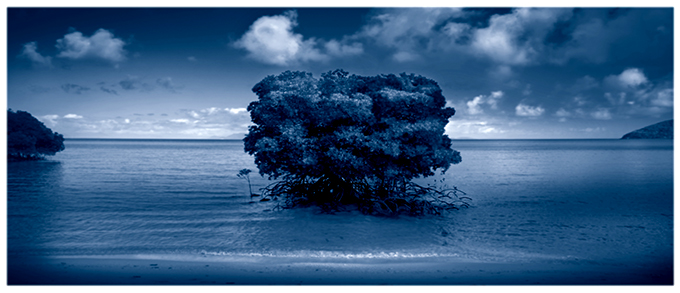
Mangrove Blue – Orpheus Island 2005 PHOTO: Doug Spowart
Victoria + Doug
“Come with us to the Great Barrier Reef’s Orpheus Island
2-8 October 2016 for a workshop with Les Walkling …”
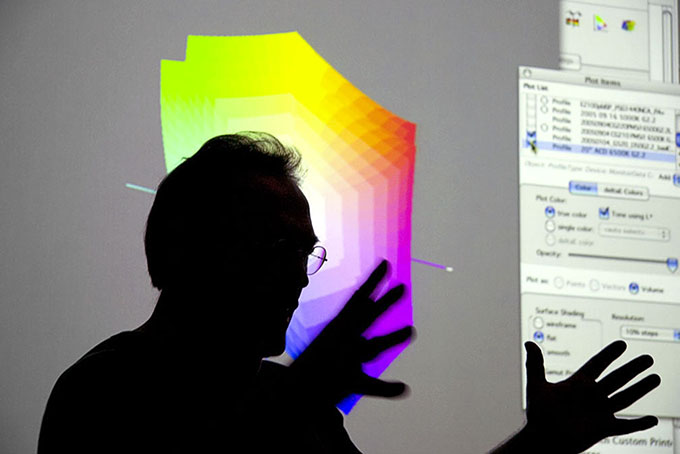
Les Walkling’s Colorspace portrait – Orpheus Island 2005 PHOTO: Doug Spowart
.
.
Orpheus Island Photography Workshop is a full seven day all-inclusive unique experience designed for professional photographers and enthusiast/non-professional photographers. The James Cook University Orpheus Island Research Station is a world class research and teaching facility, and the tropical islands provide for amazing photographic opportunities. Featured this year will be Victoria Cooper and Doug Spowart. This is the twelfth year Les has presented this workshop and he rates it as his best.
The workshop comprises lectures, demonstrations and presentations each morning, backed up with hands-on work after lunch and into the evening utilizing state-of-the-art printing facilities and a fully colour managed professional workflow.
Escape the winter blues for a week on a tropical island and be inspired by an amazing photography experience with Les, Victoria and Doug.
- Gain creative insights and how to put the “Wow” factor into your images;
- Explore bookmaking and fine art photography with Doug and Vicki;
- Learn self development and marketing ideas for you and your business;
- Polish your digital capture and advanced processing techniques;
- Print perfect colour or black & white images every time, whether through your own printer or at your pro lab;
- Work with our sponsors and try out their latest equipment, all types of printing media, and win lots of prizes;
- Polish your workflow for maximum efficiency while achieving brilliant colour and the highest impact in images for your clients, your gallery, or for award competitions;
- Experience superb underwater photography locations for snorkeling and beachcombing;
Check out the videos from past workshops:
Book now to reserve your space at Orpheus Island.
Experience the best “live in” workshop for photographers in Australia.
Go to:http://www.leswalkling.com/courses/orpheus-2016/
.
.
.
AUSTRALIAN & NEW ZEALAND PHOTOBOOKS OF THE YEAR 2015
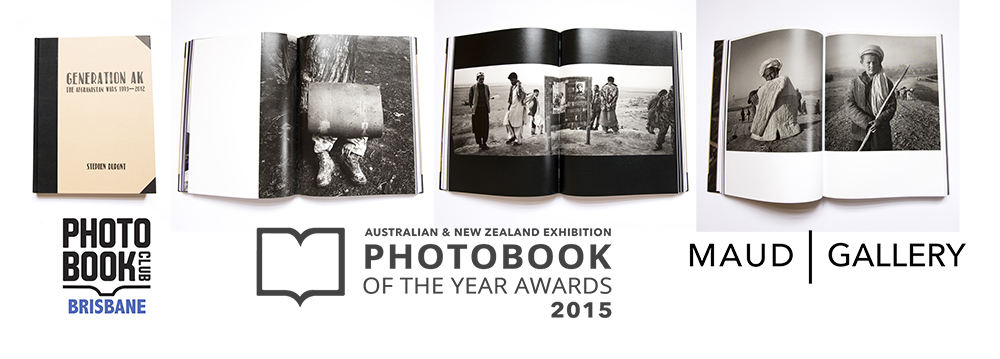
AUSTRALIAN + NEW ZEALAND PHOTOBOOK @ MAUD GALLERY
The photobook continues to capture the imagination of not just photographers but a broader community who enjoy ‘reading’ the visual nature of photostories. Part of the enthusiasm for the photobook lies in the diversity of the discipline from hand-made zines stapled together on the kitchen table to the slick graphic design of commercially printed books. The other major aspect of interest in the photobook is it’s accessibility – anyone can make his or her own book within the diverse range of practice. How then can the best books be acknowledged, rewarded and celebrated?
In Australia there have been awards for photographic books such as the Australian Institute of Professional Photography’s Photography Book of the Year Award, and more recently the Australian Photobook of the Year. This year for the first time, New Zealand photographers were able to enter their own Photobook of the Year Awards and have the ‘best’ books defined by a group of respected photobook judges and commentators on the art. An important contributor in the development of a critical evaluation structure for photobooks in Australia and New Zealand is the ongoing work being done by Australian print-on-demand service provider Momento Pro. Once again Momento Pro teamed up with Heidi Romano of Photobook Melbourne to sponsor and coordinate the Australian award. The creation of a New Zealand photobook award was also sponsored through Momento Pro’s local branch was coordinated with the organisers of this year’s inaugural Photobook New Zealand event in Wellington.
From April 14-22, under the auspices of the Brisbane Photobook Club, I coordinated an exhibition of the award winners and the finalists of both the Australian and the New Zealand Photobook of the Year Awards at Brisbane’s Maud Gallery. A special ‘launch’ event was followed by around a week of potential viewing time for those interested in seeing 26 of the ‘best’ books from our part of the world.
Conscious of the need to provide a ‘reading’ experience rather than the usual gallery ‘viewing’, Vicky and I installed the books within the gallery space on tables with chairs or stools. To highlight the winners, I chose to place these four books on plinths and therefore provide not only a prominent positioning within the space but also to allow a more intimate access the books without the visual ‘clutter’ of other displayed works and their readers.
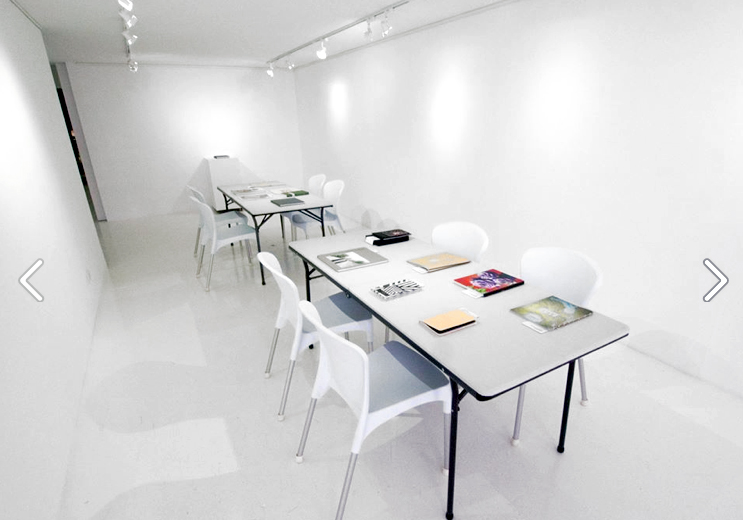
The tables setup
.
Around 60 people attended the launch event. It was an unusual gallery experience as attendees found a space at a table, sat down and began reading. Moving on occasionally to the next chair and the selection of books in close proximity. A group of students clustered around certain books discussing quietly amongst themselves the book design and narrative features that interested them. I had intended to present a welcome and a short talk about the books but chose not to as it just seemed that everyone was engrossed in the process of reading. The video made in one part of the evening shows the intensity of the ‘shush — I’m reading’ vibe permeating the gallery.
That evening, and over the following days, I had many conversations with those who had come to see the show. Many attendees enquired about technical production attributes of the books. Some seemed to have been expecting a collection of books that were of a more traditional bookshop nature. Readers noted the diversity of physical forms of the photobook, how the story was communicated and the themes pursued by these successful book award entrants. Most attendees enthusiastically accepted the opportunity to cast their vote for the People’s Choice Award.

ANZ Photobooks of the Year @ Maud Gallery
An interesting topic of discussion emerging from conversations with attendees related to the current categories of entry and the characteristics of the selected books. It was noted that the awarded books and finalists from both categories seemed to blur these category perceptions. This is in part because self-publishers may create ‘trade-like’ products and trade publishers may make ‘creative style products’.
Ultimately it comes down to the question ‘Did they like what they saw?’ I would say yes… although some comments related to the seriousness of selected photobooks as they often dealt with austere, conceptual themes or raw documentary – ‘Where are the happy books?’ one reader commented.
Would they come again to another Photobook of the Year showing? I would think they would. Many indicated that they would enter the next awards…
A call for entries in the 2016 Photobook of the Year Awards will be made later in the year
REPORT: Doug Spowart
WHAT FOLLOWS ARE COMMENTS ABOUT EACH AWARD AND THE WINNERS
(Edited from the Awards’ press releases)
APBOTY LOGO
.
AUSTRALIAN PHOTOBOOK OF THE YEAR AWARDS 2015
The judging panel included representatives from photography, publishing and art institutions, and was co-chaired by international art consultant and curator, Alasdair Foster, and Photobook Melbourne Director, Heidi Romano. The judges assessed the physical books for excellence in photography, layout and design, and the suitability of the format for the book’s theme and purpose, resulting in a selection of 14 finalist books.
The winners were announced at the Photobook Melbourne project space, Southbank, on 25 February. “Australian photographers are continuing to embrace the book format as a means for exploring, documenting and disseminating photography, just as locally created photography books and the artists behind them are being applauded internationally,” stated Foster. “Our finalists prove that a successful photo book does not require a major capital investment or an expensive publicity machine, but it does require a strong and engaging visual narrative in a sophisticated design, as well as genuine relationships within the photo book community.”
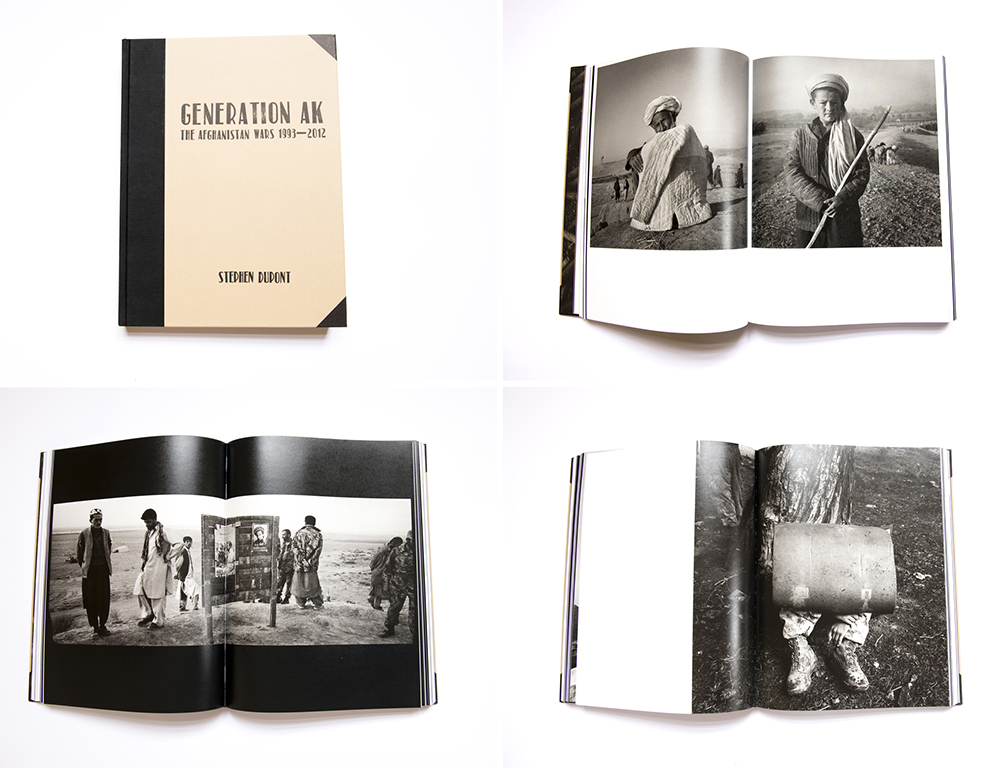
Generation AK: The Afghanistan Wars, 1993 – 2012 by Stephen Dupont
TRADE PUBLISHED
Winner – Generation AK: The Afghanistan Wars, 1993 – 2012 by Stephen Dupont, Steidl –
Commended – Belanglo by Warwick Baker, Perimeter Editions, Dan Rule –
Commended – Birdland by Leila Jeffreys, Hachette
Finalists
+ The Middle of Somewhere by Sam Harris, Ceiba Foto
+ Arc by Zoe Croggon, Perimeter Editions, Asia Pacific Photobook Archive
+ Limits to Growth by James Farley, Currency Editions
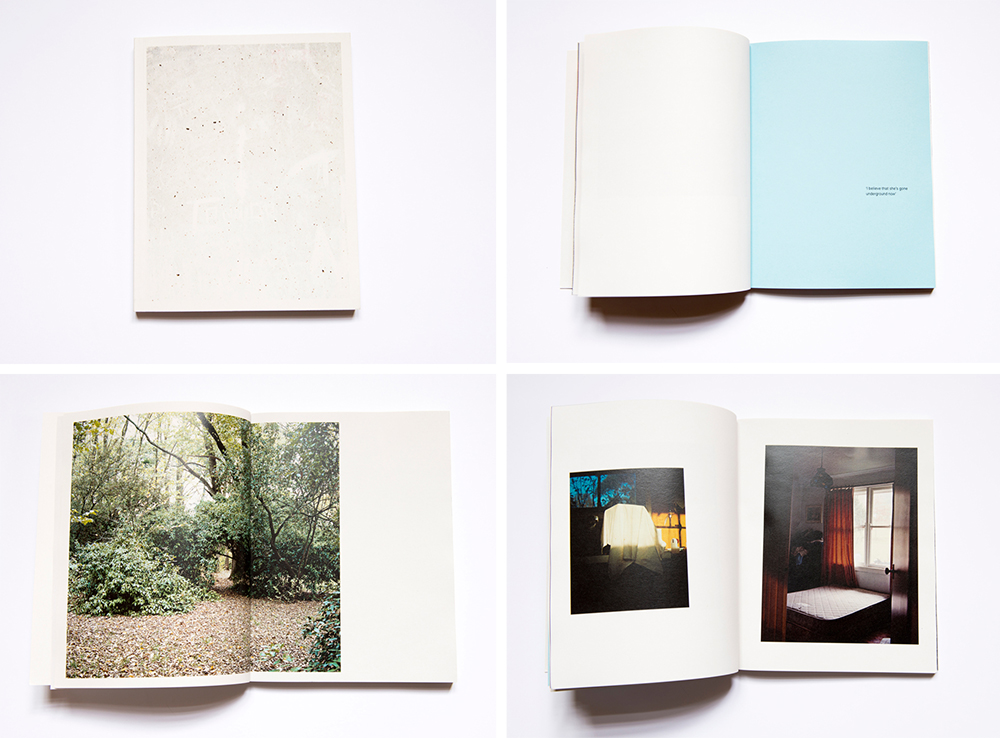
SELF-PUBLISHED WINNER – Red Herring by Jordan Madge
SELF PUBLISHED
Winner – Red Herring by Jordan Madge
Commended – Your love is not safe with me by Ailsa Bowyer –
Commended – LA – NY by Sam Wong and Jack Shelton –
Finalists
+ By the River by Ian Flanders
+ The Smell of Narenj by Hoda Afshar
+ Magic City #2 by Chloe Ferres
+ The Moon Belongs to Everyone by Stacy Mehrfar
+ STAN by Christian Belgaux and Jack Pam
People’s Choice – The Middle of Somewhere by Sam Harris, Ceiba Foto
.
.

NZPBOTY LOGO
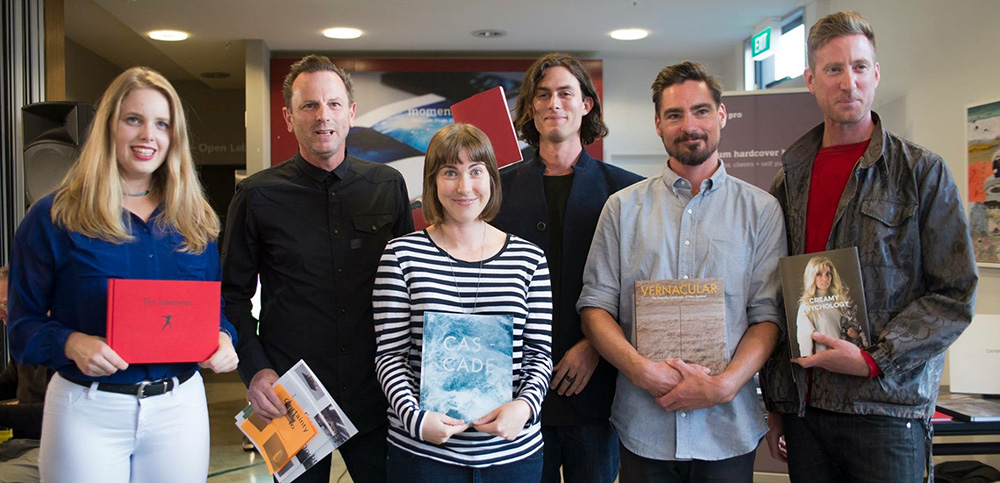
THE NZPBOTY WINNERS
.
NEW ZEALAND PHOTOBOOK OF THE YEAR AWARDS 2015
.
The judging panel, chaired by David Cook, a Senior Lecturer in photography at Massey University, Wellington, selected 13 finalist books that presented excellence in photography, layout and design, and whose format complemented the book’s theme and purpose.
“The best works presented a carefully edited selection of images, in an engaging visual narrative, with sophisticated design that didn’t overwhelm the imagery,” stated Cook, “Age and experience weren’t the defining characteristics, it was the skill of visual storytelling and the ability to combine photos with graphics, text and materials to enhance the story told by the images, to create a new artwork in its own right.”
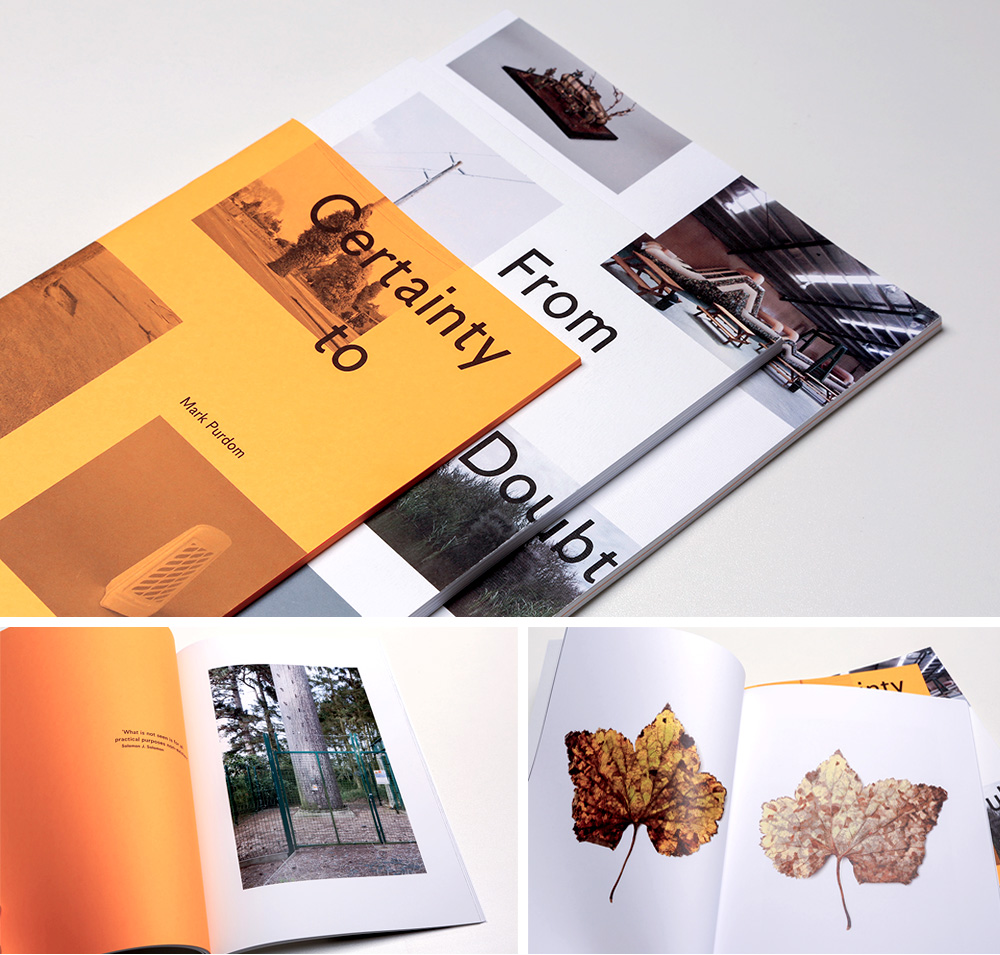
Winner – From Certainty to Doubt by Mark Purdom
Trade Published
Winner – From Certainty to Doubt by Mark Purdom, Ramp Press
Commended – Creamy Psychology by Yvonne Todd, Victoria University Press
Commended – Vernacular by David Straight, Potton & Burton
Finalists
+ New Zealand Photography Collected by Te Papa Press
+ Karakia by Ben Clement, Sallyann Clement, Bloom Publishing
+ The Imperial Body by Fiona Amundsen, split/fountain
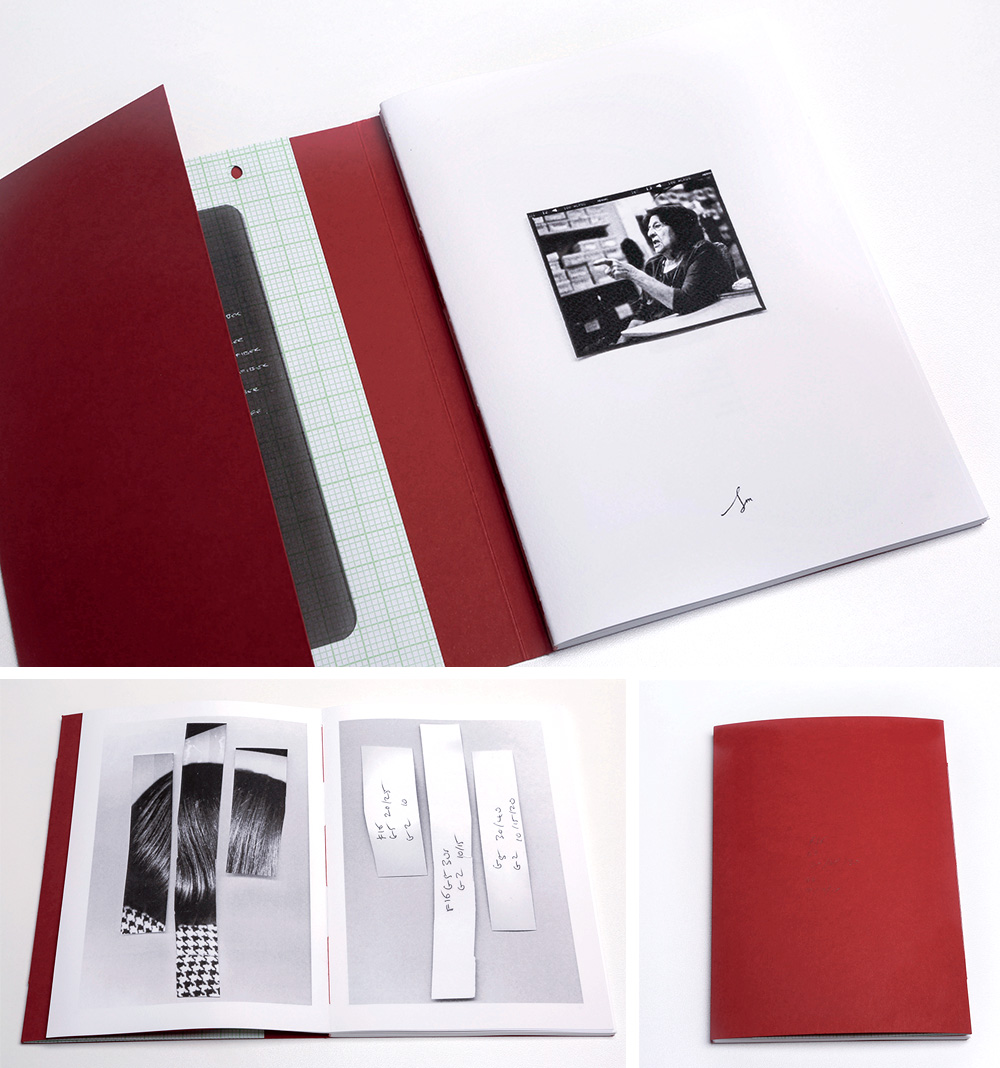
F.16 G3 20/25/30 by Solomon Mortimer
Self Published
Winner – F.16 G3 20/25/30 by Solomon Mortimer
Commended – Cascade by Shelley Jacobson
Commended – The Inbetween by Georgia Periam
Finalists
+ Some kind of life in dying by Shelley Ashford
+ The Reality Principle by Yvonne Shaw
+ Waipureku by Conor Findlay
+ When the sun sets your eyes change colour by Solomon Mortimer & + Zahra Killeen-Chance
People’s Choice – Waipureku by Conor Findlay
A PDF Catalogue of the New Zealand Awards is available NZPOTY 2015 Exhibition Brochure
.
.
All photographs of books and the individual awards text supplied by Momento Pro.
Photographs @ Maud Gallery and introductory text ©2016 Doug Spowart
SLQ – 2016 SIGANTO FOUNDATION ARTISTS’ BOOK SERIES
Post event refreshments on level 5 of the SLQ
.
CELEBRATING ARTISTS’ BOOKS @ THE STATE LIBRARY OF QLD
The Program: The Siganto Foundation Fellowship artist book series 2016 – April 17
From 10am-1pm – White Gloves Room, level 4. The Siganto Foundation Fellows presented a display that featured their research and creative works which included research papers, artist books, drawings, letterpresses and prints. The Fellows spoke with attendees about their work and research outcomes. Participating in the Fellows White Gloves event were Peter Anderson, Lyn Ashby, Julie Barratt, Victoria Cooper, Marion Crawford, Jan Davis, Clyde McGill and Doug Spowart.
At 1:30pm on the Knowledge Walk Stage on level 1 – Clyde McGill presented Looking for Place, a performance for his artist book.
At 2pm The lecture component of the event was opened by Chief Executive Officer and State Librarian, Sonia Cooper. This was followed by a presentation by guest, UK artist and designer, Guy Begbie who talked about his current interdisciplinary arts practice. Following on – Dr Victoria Cooper, the 2015 Siganto Foundation Fellow, talked about her research into the use of montage in the State Library of Queensland’s artists’ book collection.
From 3.30pm attendees enjoyed refreshments in the SLQ Boardroom on level 5.
HERE ARE SOME PHOTOS AND OTHER DETAILS OF THE EVENT:
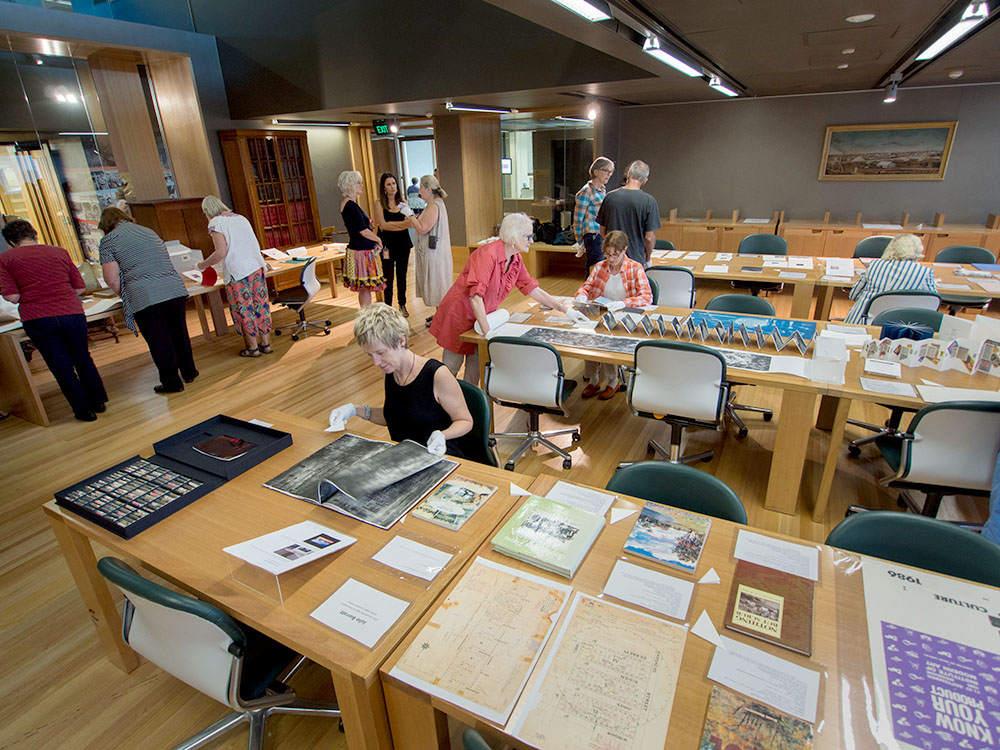
Siganto Foundation Fellows in the White Gloves Room
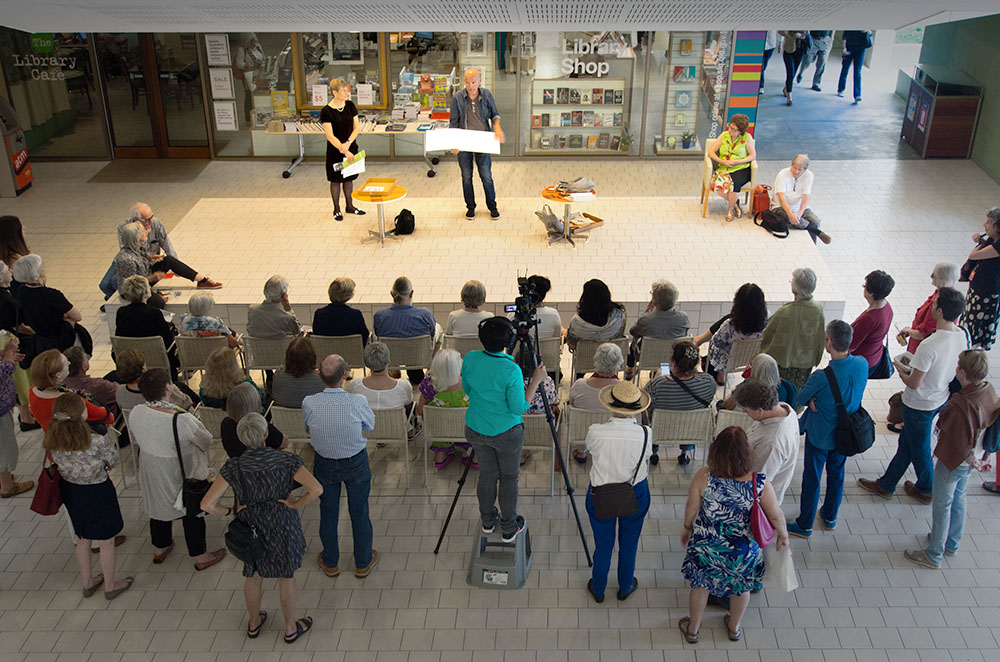
Clyde McGill performing Looking for Place @ SLQ Sigantio Artists Book Series 2016 event
CLYDE McGILL: Looking for Place, a performance for artist book (an extract)
Crossing the river under the Goodwill bridge, knee then neck deep in the warm water, not too salty, navigating around the mangrove roots, expecting to hear mud crabs clanking and whistling, curling my toes just in case, alloneword, who calls me fictivefriend, if only he knew, shows me another pressed flower (soggy) and a leaf. Then a pterodactyl feather he says was floating down from Mt Bartle Frere last night, I suggest it was the southern end of the Glass House Mountains. It looks like it’s from the ibisosaurus between GOMA and SLQ. We are dodging the rivercat (aow carrying our bag of sandwiches above his head), the tide is running. Finally making our way over to HMAS Diamantina to borrow her (alloneword thinks we’ll have to pay), in our bid to sail her along the Diamantina River (there is water). It’s an incredible resonance of names and place, isn’t it fictivefriend, he asks. Soon we’ll picnique (no replacements found, typeahead here) on the shores of the Inland Sea. We drip mud as we tell the man at the dock entrance about our project, it’s exciting, he raises his eyebrows, says what(?) looks away and closes the gate.
.
SLQ VIDEO of the performance: http://www.slq.qld.gov.au/audio-video/webcasts/recent-webcasts/clyde-mcgills-performance
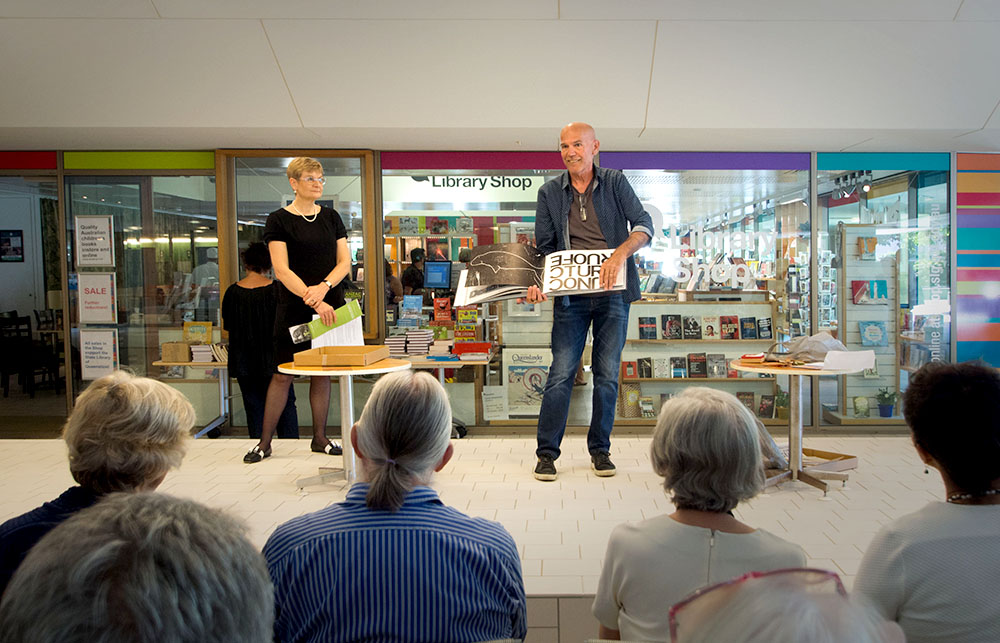
Clyde McGill performing his artists’ book Looking for Place
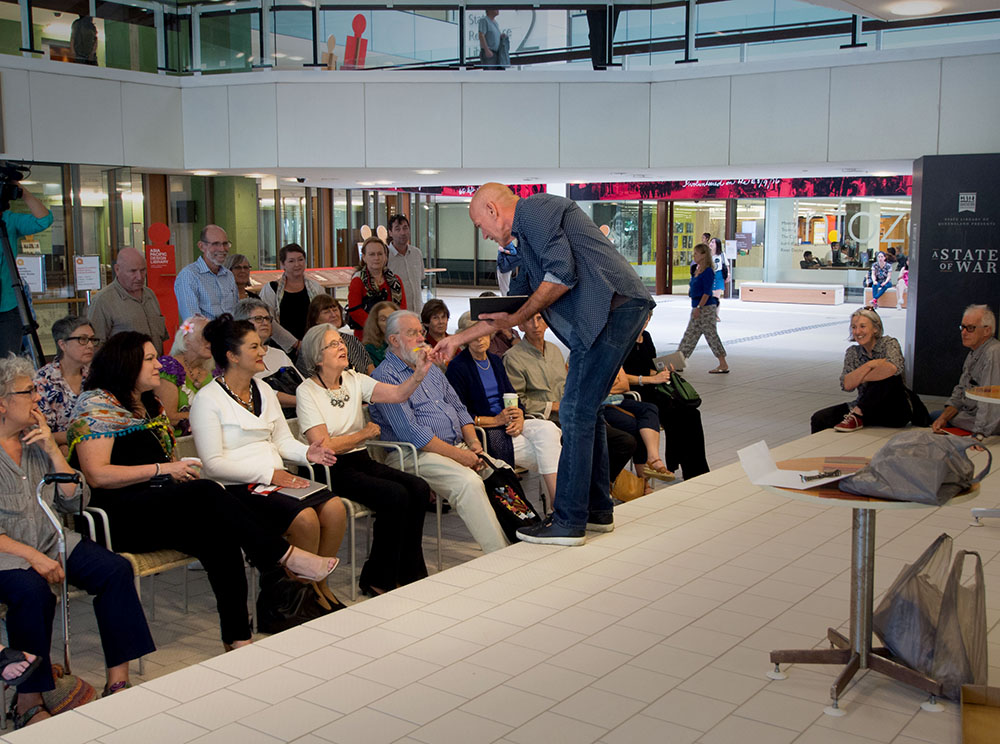
Clyde McGill presents a fragment of his presentation to Dr Marie Siganto.
Christene Drewe from the SLQ introduces the program for the day
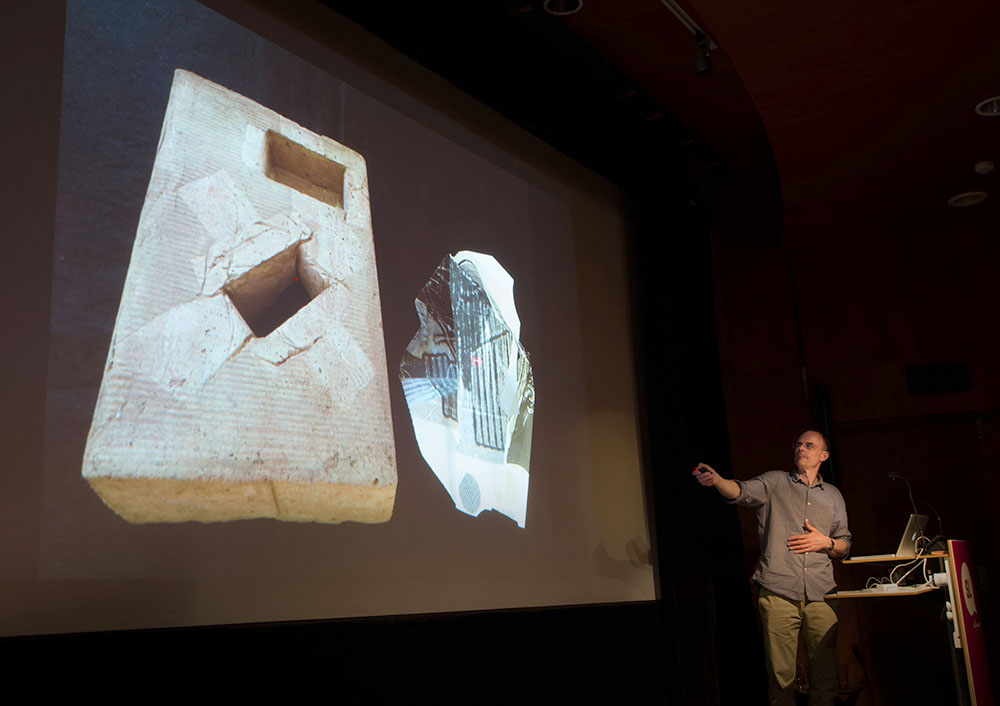
Guy Begbie presenting @ Siganto Seminar Series 2016
THE GUY BEGBIE PRESENTATION
Guy Begbie is an interdisciplinary artist, bookbinder & university associate lecturer.
As an artist, he makes book works influenced by a core interest in parallels between bookbinding structures & architectural forms.
He works in a variety of media, that includes traditional bindery materials, drawing, painting, printmaking, sculptural casting and filmmaking.
His work uses non-linear narrative and sculptural forms to investigate further innovative structures for the book and the potential in its transition from a closed two dimension to an opened three dimensionality.
The notion of a contained space in the book is of particular interest, both conceptually and physically, with book works alluding to spatial qualities in architecture and the built environment.
Filmic and time based qualities are also examined in other book works, using painterly printmaking media to present visual distillations of memories of place and the the fleeting moment.
The relationship of the book juxtaposed with the solid non-paper based artifact is also of concern and is tested through placement and the filming of constructed books and cast objects that both share some common aspects in media and construction methodologies.
This dichotomy of the kinetic book structure and the static cast form, is re-scaled in projection and further informed by the sound of the book, captured through recording the making and placement processes, then configured to provide audio soundtrack supporting the moving visual image.
http://www.guybegbie.com/Pages/default.aspx
SLQ Video of Guy’s presentation: http://www.slq.qld.gov.au/audio-video/webcasts/recent-webcasts/guy-begbie
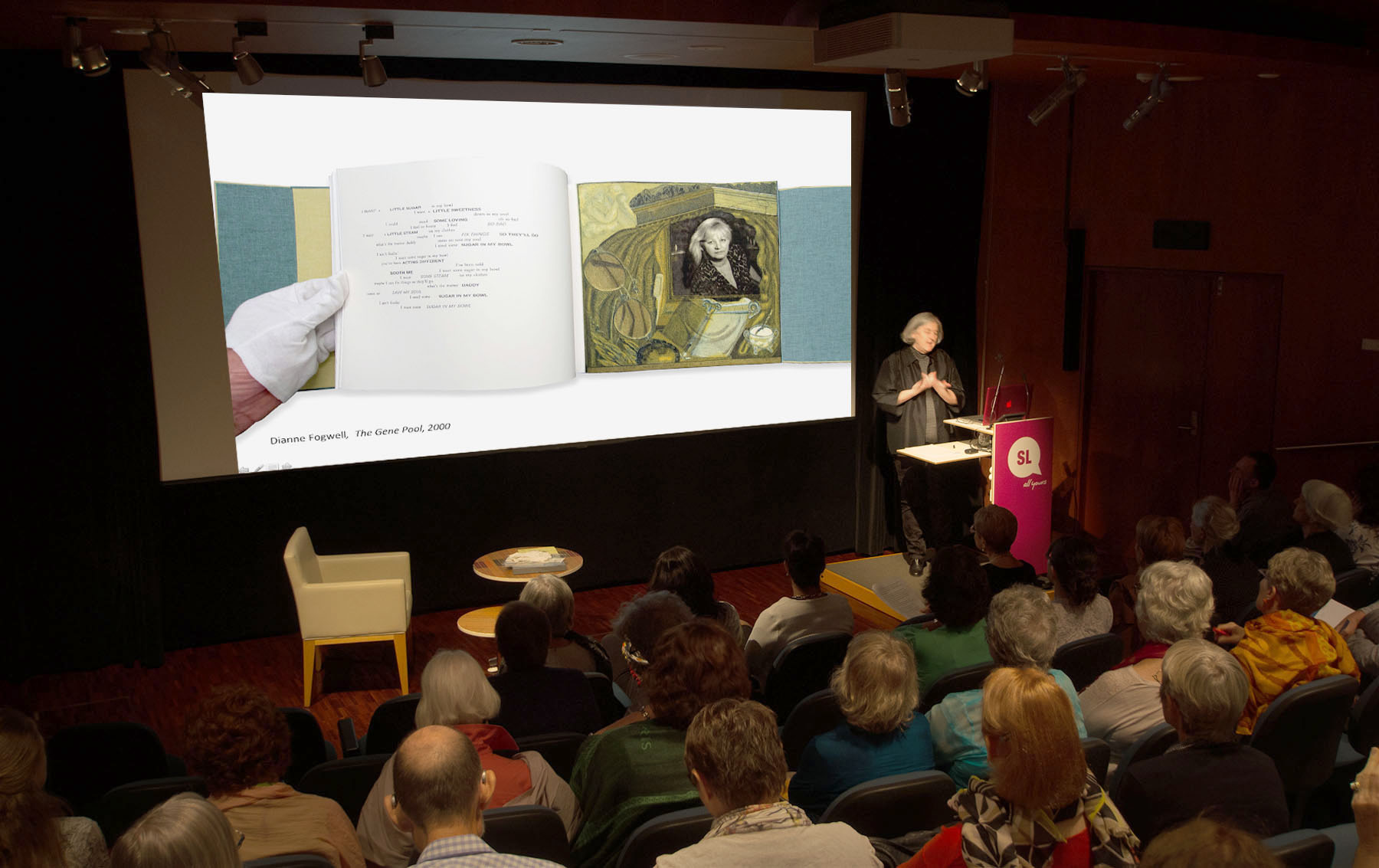
Dr Victoria Cooper presenting @ Siganto Seminar Series 2016
.
DR VICTORIA COOPER’s PRESENTATION
A segment from Victoria’s presentation follows:
Montage Readings: Informed by History
There is a long tradition of artists and designers creatively combining images.
Photomontage or combination printing has its origins in late-nineteenth-century pictorial photography, most notably in the work of Henry Peach Robinson and Oscar Rejlander.
Then in the early twentieth century, Russian filmmakers, notably Sergei Eisenstein, pioneered the practice of montage in motion picture films to present animated visual concepts and to record the passing of time. Also in the first part of the 20th century, there was the work of the German and Russian visual artists including Hanna Höch, George Grosz, John Heartfield, El Lissitzky and Alexander Rodchenko used the “cut and paste” mediums of photocollage and photomontage to create political and social commentaries.
The surrealists such as Max Ernst, and Salvador Dalí and many other artists of this movement used the montage/collage to create visual contradictions referencing the uncanny connection between psychology of dreams and familiar experiences of the world.
Bauhaus teacher, pioneering designer and experimental artist László Moholy-Nagy became well known for his creative use of photomontage with text and image to construct innovative posters and page designs for his visual narratives. In a 1925 text, Painting Photography Film, Moholy-Nagy described this work as photoplastics.
My Project
Rather than see the concept of montage limited to that of a special case of film editing, he argues that the montage … is a principle to be found underlying artistic construction of all kinds …
Eisenstein’s original concept of montage was that meaning in the cinema was not inherent in any filmed object but was carried by the collision of two signifying elements.
Geoffrey Nowell-Smith Eisenstein on Montage, in Towards a Theory of Montage, 2010 pp. xiii-xvi
From the research I was drawn to the montage as a way of thinking and making. In this Fellowship I am now engaged with the montage and its ‘reading”. In this project I intended to investigate the montage through the Reading the elements… their Edges, Borders and Intervals.. or their ‘collisions’ The act of cutting and splicing in the creation of the collage/montage assigns new meanings and readings to the individual fragments. Each element, fractured by tearing or careful cutting (whether physical or virtual) before the blending, overprinting, or collage construction phase, forms the basic structure, a mise-en-scène, or syntax, of the final visual composition and narrative work.
I am interested in the differences of reading that is created through of the visible edge As opposed to the Fused and the seamless edge of the elements in montage.
These edges, whether seamless or visible, always refer to the nature of its original content, as in the grafted fruit tree where the origins of the elements are still evident. The narrative then becomes embedded or montaged inside the reading of the image or the page.
More to follow in a subsequent post on this Blog. The SLQ will post a video of the presentation shortly
SLQ Video of the lecture: http://www.slq.qld.gov.au/audio-video/webcasts/recent-webcasts/victoria-cooper
We offer our thanks to the SLQ team: Christene Drewe, Sharon Nolan, Bec Kilner, and Janette Garrard and also to the Dr Marie Siganto and the Siganto Foundation for their support of this event.
PHOTOBOOK WORKSHOPS by Spowart+Cooper @ Maud Gallery
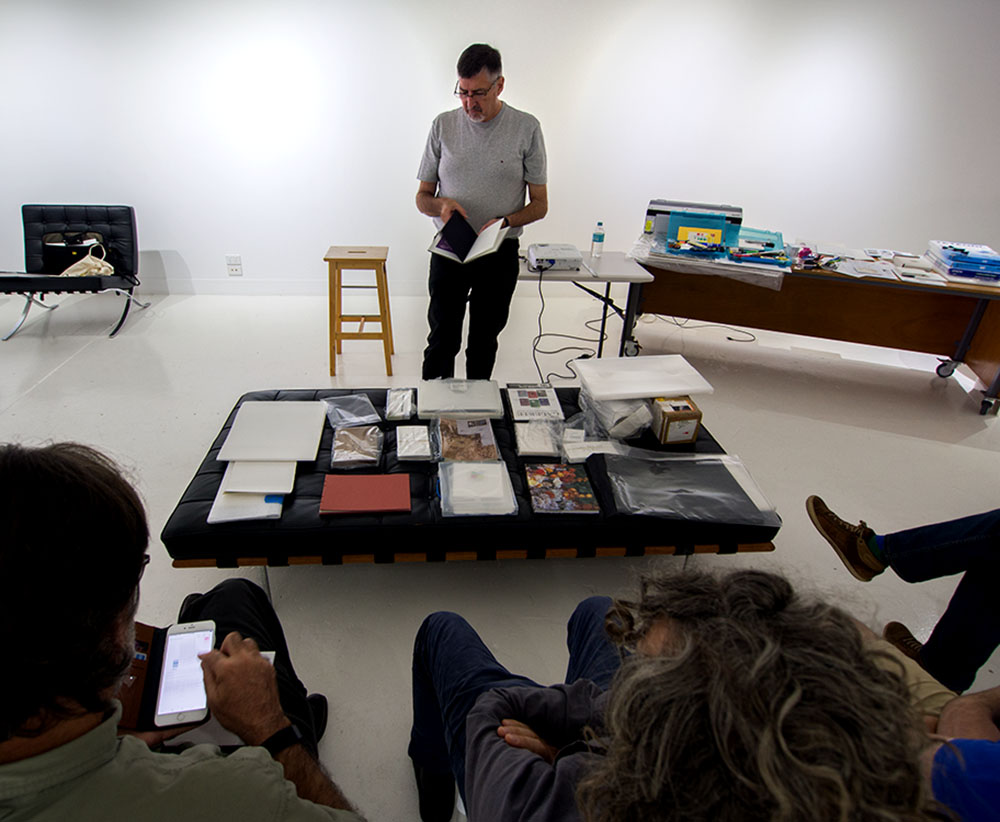
Doug doing a show ‘n’ tell with examples of their handmade photobooks and artists’ books
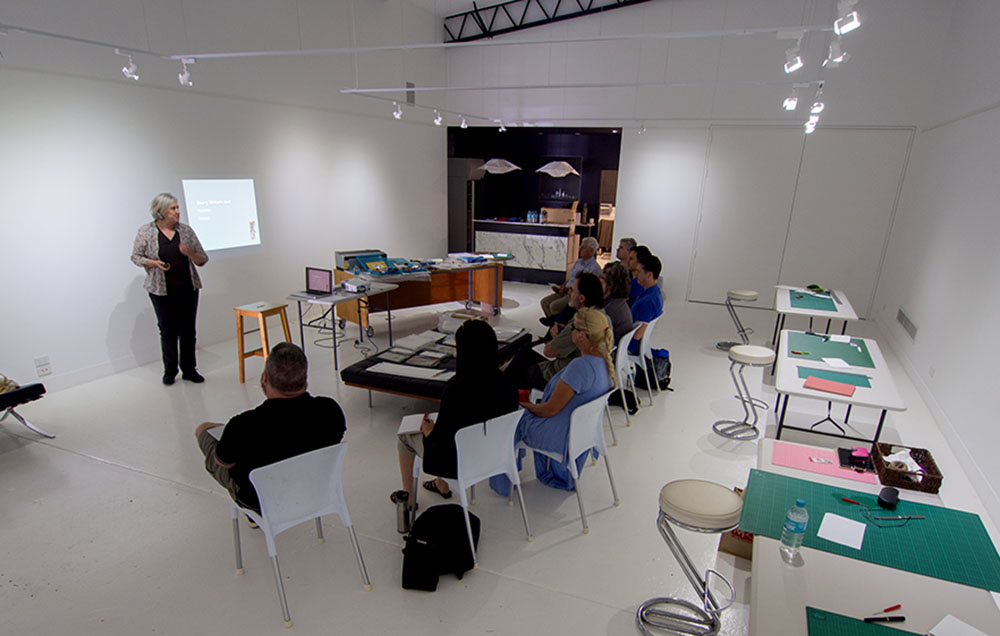
Vicky making a presentation on constructing narrative in the photobook form
.
As a companion to the exhibition of the Australian and New Zealand Photobooks of the Year at Maud Gallery we developed and presented a workshop series on the Photobook.
Our next series of Photobook workshops are in the planning stage – if you are interested please get in contact with us by filling out the form at the bottom of this page….
.
- These workshops are ideally suited to people who want to know what is happening within the discipline
- How to DIY photobook projects within your studio workspace
- How to access and master online Print-on-Demand photobook-making services – their needs and products.
- One-on-one mentorships.
The program has the following 4 sessions:
.
DIY PHOTOBOOKS: YOU CAN MAKE IT FOR YOURSELF
Show and tell tips, tricks and secrets

The photobook ‘Borderlines’ by Doug Spowart
Participants will engage in a lecture presentation that will develop a broader understanding of what a photobook can be—extending them beyond just a collection of photos into a resolved personal narrative of high technical and aesthetic values.
$35
Wednesdays – 2.5 hours, 6pm-8.30pm
.
.
.
DIY PHOTOBOOK DESIGN and INKJET PRINTING
Demonstrate, share and do – tips, tricks and secrets

Photoshopping a book
In participating in this workshop you will gain awareness and knowledge of how to create documents and templates, design, colour manage (for books), select papers, prepare files, print and output self-made photobooks.
$70 including materials (limited to 8 participants)
Saturdays – 3 hours 9.30am-12.30pm
.
.
.
MAKING IT – THE HANDMADE PHOTOBOOK
Demonstrations and Practical hands-on

Making a book
- Folding, stitching and sewing
- Materials, methods and making
- The 8-page single sided fold booklet
- The 3-hole pamphlet stitch
- Concertina and snake books
$70 including materials (limited to 8 participants)
Saturdays – 3 hours 1.30pm-4.30pm
.
.
PHOTOBOOKS: THE ONLINE (PRINT-ON-DEMAND) + TRADE BOOKS
Demonstrate and share tips, tricks and downfalls
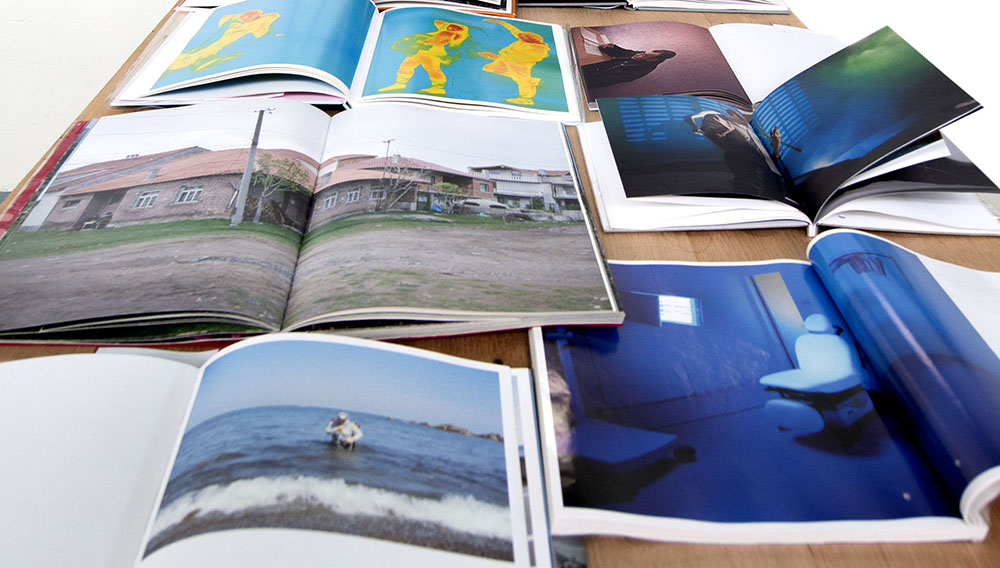
POD and trade books
- Working with Print-on-Demand service providers
- Using Publishers and Trade Printers
- Coffee table books, Zines and Newspapers
- Colour management
- Selecting a provider
- The things that no one ever tells you…
$40
Wednesday April 20, 2.5 hours, 6pm-8.30pm
BOOK HERE: http://photobookspod.eventbrite.com.au.
.


VICTORIA’S SLQ BLOG POST – Montage Research
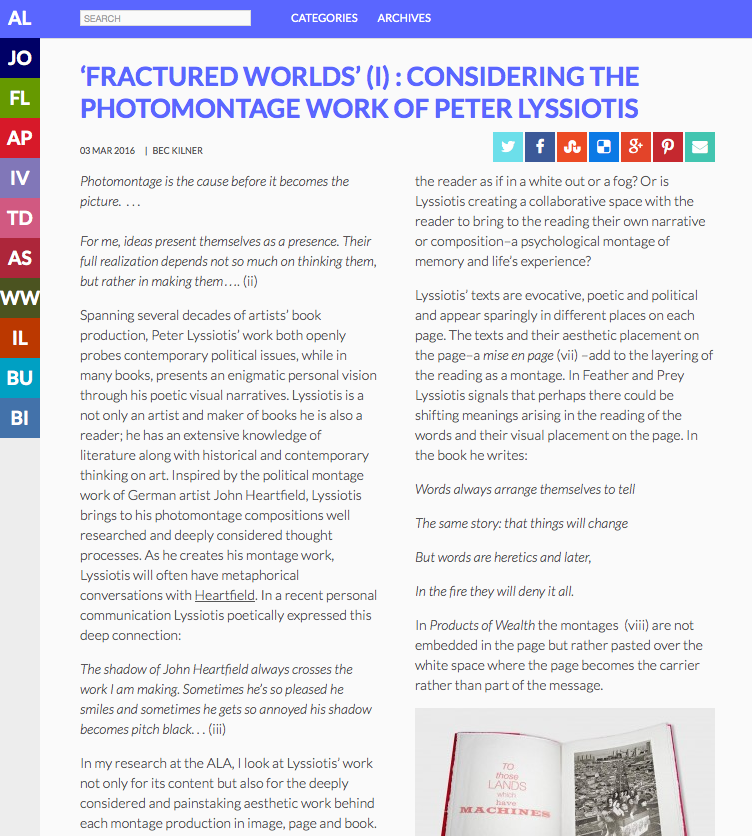
http://blogs.slq.qld.gov.au/ala/2016/03/03/fractured-worlds-i-considering-the-photomontage-work-of-peter-lyssiotis/
.
Recently Victoria’s ongoing research on the topic of montage in artists’ books was published. This paper discussed Peter Lyssiotis’ work and the use of photomontage.
.
‘Fractured Worlds’ (i) : Considering the photomontage work of Peter Lyssiotis
.
Photomontage is the cause before it becomes the picture. . . .
For me, ideas present themselves as a presence. Their full realization depends not so much on thinking them, but rather in making them…. (ii)
Spanning several decades of artists’ book production, Peter Lyssiotis’ work both openly probes contemporary political issues, while in many books, presents an enigmatic personal vision through his poetic visual narratives. Lyssiotis is a not only an artist and maker of books he is also a reader; he has an extensive knowledge of literature along with historical and contemporary thinking on art. Inspired by the political montage work of German artist John Heartfield, Lyssiotis brings to his photomontage compositions well researched and deeply considered thought processes. As he creates his montage work, Lyssiotis will often have metaphorical conversations with Heartfield. In a recent personal communication Lyssiotis poetically expressed this deep connection:
The shadow of John Heartfield always crosses the work I am making. Sometimes he’s so pleased he smiles and sometimes he gets so annoyed his shadow becomes pitch black. . . (iii)
In my research at the ALA, I look at Lyssiotis’ work not only for its content but also for the deeply considered and painstaking aesthetic work behind each montage production in image, page and book. In his statement in Products of wealth (cited in the epigraph) he discloses how the power of the work is developed through the making. It is this Material Thinking (iv) process that informs my ‘reading’ of the artists books I have chosen to engage with in this research. All artists’ books are invested with rich imagery drawn from the artist’s mind and hand, including computer or photo-mechanically generated and composed narratives.
As a reader of these books I now hold the object that represents the time spent problem solving, the years of knowledge in making and working with materials, the conceptual development of all elements that is the book–whether simple or complex, the aesthetic choices for image, page and text design, the many small or big decisions that are embodied in this work of art that is made to be held and considered by a reader. My challenge now is to find a way to share these insights with you as a distant reader who is unable to take in the necessary sensory and haptic experience of reading these works of art. In this blog I share my ruminations and questions that inspire me to read and read again many times these books of wondering and wandering, which are deeply poetic and sometimes melancholic.
I chose, Feather and Prey, for the deeply considered and poetic use of the page; the balance and arrangement of image, text and white space. Alternatively, Products Of Wealth has politically motivated photomontage prints tipped-in or glued onto the page. These are two very different ways of composing a narrative with photomontage and text and ultimately presented two different experiences for reading the montage.
Feather and Prey is bound in black leather with details of red leather on the spine and embossed images on the front and back covers.

These embossed images at the beginning and end importantly announce that the reading starts from the cover rather than from inside the book. Along with this distinctive book binding, the use of fine art papers and considered printing processes, suggests a reverence in the reading of each page.
The photo-elements in Lyssiotis’ montage narratives are no longer records of reality but now have emerged, through a process of poiesis, as visual codes with a new life and purpose:
In these images giant moths are nibbling away at the perfect mechanical reproduction that photography promises. They don’t rely on the traditional borders of a photograph to tell them when to start and where to finish. They don’t want to be a photograph; they would prefer to be maquettes for pieces of sculpture. (v)
These new hybrid images create a disturbance within the familiar routine of everyday practice and present an alternate way of perceiving and referring to the world. The visual semiotics of reality that photography represents is now channeling through montage–new spaces for imagining–a poetics of dreams.
But what characteristic does Lyssiotis identify in each element as he carefully separates them from their original contexts? Does this question really matter, as each fragment will be transformed having little relationship to its origin. These montaged elements are then fused together perhaps as a metaphorical act of transcendence and then placed or montaged within the page.
These fragments of images and text strategically appear across the white space in the book. In a short exegetic essay or artist’s statement on this book Lyssiotis discusses his intention for the white space in the book:
The white spaces here constitute something unassuming: a whiteness more like a whisper; something neutral.
In the whiteness there are things the photographic paper has not been allowed to reveal; these are not omissions, they are commissions … of sins, failed intentions, of habit. (vi)
I turn the pages and they ‘whisper’ of something hidden where only hints and clues are allowed through as the photomontage emerges through the white space. A cherub holds a curtain rope that reveals a narrow view of the sky behind.

Does the white space hide knowledge from the reader as if in a white out or a fog? Or is Lyssiotis creating a collaborative space with the reader to bring to the reading their own narrative or composition–a psychological montage of memory and life’s experience?
Lyssiotis’ texts are evocative, poetic and political and appear sparingly in different places on each page. The texts and their aesthetic placement on the page–a mise en page (vii) –add to the layering of the reading as a montage. In Feather and Prey Lyssiotis signals that perhaps there could be shifting meanings arising in the reading of the words and their visual placement on the page. In the book he writes:
Words always arrange themselves to tell
The same story: that things will change
But words are heretics and later,
In the fire they will deny it all.
In Products of Wealth the montages (viii) are not embedded in the page but rather pasted over the white space where the page becomes the carrier rather than part of the message.

These images become windows–looking into a montage hybrid world that may seem alien to us but paradoxically it is of us. Looking into the space of the image–rather than the page as in Feather and Prey–I am transported to a place where there is no space left to think… claustrophobic. The view shows the reader terrifying and perhaps even diabolic territories for consideration and reflection.
The edition consists of six separate books stored and presented in a bespoke box.

The books are bound using the simple pamphlet style, perhaps referencing the tradition of the political publication. The covers of the books are red and the box is covered in red and black cloth again suggesting the political nature of the reading. As I read, I notice that the 3D relief pattern of the letterpress texts (ix) seems to bite emphatically into the paper. Lyssiotis’ choice of font styles along with the red and black font colours also adds to the political tone that is invested in the photomontages and the binding. In book 6, Lyssiotis writes about the montage:
In these montages, the planet isn’t about to explode; the explosion has already happened. What is left is a fractured world
Finally, I find it interesting to note that these books were produced in the same year, 1997, and yet each have quite different approaches to the montage of image, text and page. Can these differences point to a deeper comprehension of the value in and values of visual reading? In this kind of reading the psychology and memory of the reader can be engaged in the transference of something more than knowledge and information.
So is the montage a space for questions rather than answers? Reading these artists’ books is in some way also a montage where the visual narrative and the artistic intention is adapted and interpreted by the memory and mind of the reader. Perhaps the nature of the montage hybrid including the page could be comprehended in terms of gestalt. As it is greater than the individual parts–the montage can be a holistic comment or reflection on the cultural and human questions of its historical location.
Victoria Cooper PhD
Feb 2016
(i) Peter Lyssiotis, 1997, The Products of Wealth, Book 6: Political Photomonteurs Can Give You The Courage To Eat Bricks, Masterthief Enterprises, Melbourne.
(ii) Ibid.
(iii) Handwritten note sent by email to the author, February 23 2016. In this note, Lyssiotis presents an evocative and intriguing discussion on the montage works in his books Feather and Prey and The Products of Wealth. Although seemingly a dialogue between himself and Heartfield, it is more a self-critique informed by the Heartfield polemics and the political montage. This note will be published in full with the permission of Peter Lyssiotis in a future article I am writing on his work.
(iv) As presented in: Paul Carter 2004, Material Thinking, Melbourne University Publishing Ltd, Melbourne. In many ways this book is a philosophical discussion on the work and methodology of the artist including: the interaction with their materials, the intellectual nature of the artists’ visual research and their resulting art.
(v) In the ALA original Materials Archive there are several boxes of Peter Lyssiotis papers. This quote is cited from unpublished writing discussing his book “Feather and Prey” Call Number: item #29358/3 box # 13331.
(vi) ibid.
(vii) This references the mise en scène in cinema theory.
(viii) The montages are black and white archival fibre-based silver gelatin photographic prints where Lyssiotis worked with Robert Colvin to print for this publication.
(ix) Texts were handset and printed by Nick Doslov, Renaissance Bookbinding
ADVANCE NOTICE: COOPER+SPOWART @ AIPP Brisbane ‘Hair of the Dog’ Conference

Hair of the Dog header
On the 6th of February we will be presenting a breakout session at the annual AIPP Hair of the Dog Conference in Brisbane. Our presentation, entitled OPENING-UP THE PHOTOBOOK will provide a commentary on the contemporary photobook/artists book. Our spiel from the HOTD website states:
The photobook has emerged as a ubiquitous form of story telling. Now everyone makes these books to varying levels of expertise. Photobooks and albums have always been the domain of photographers. To maintain their leadership and innovation in this discipline, professional photographers need to be aware of the options available and emergent trends in the photobook. This Breakout session will present a contemporary view of the photobook in all its forms from simple photo-zines to print-on-demand productions and handmade artisan books.
We will be giving attendees a digital presentation to introduce the topic and a major show ‘n’ tell session will follow that will unpack the contemporary photobook/artists’ book. The books presented will come from our collection including some of our own works. A special part of this session will be inclusion of books from Australia’s best print on demand service providers ASUKABOOK, BLURB, MOMENTOPRO and PICPRESS who have given us examples of their most innovative books.
As a result of this session participants will be able to consider innovative and new commercial publishing products that will provide them with a point of difference from competitors and the general public.
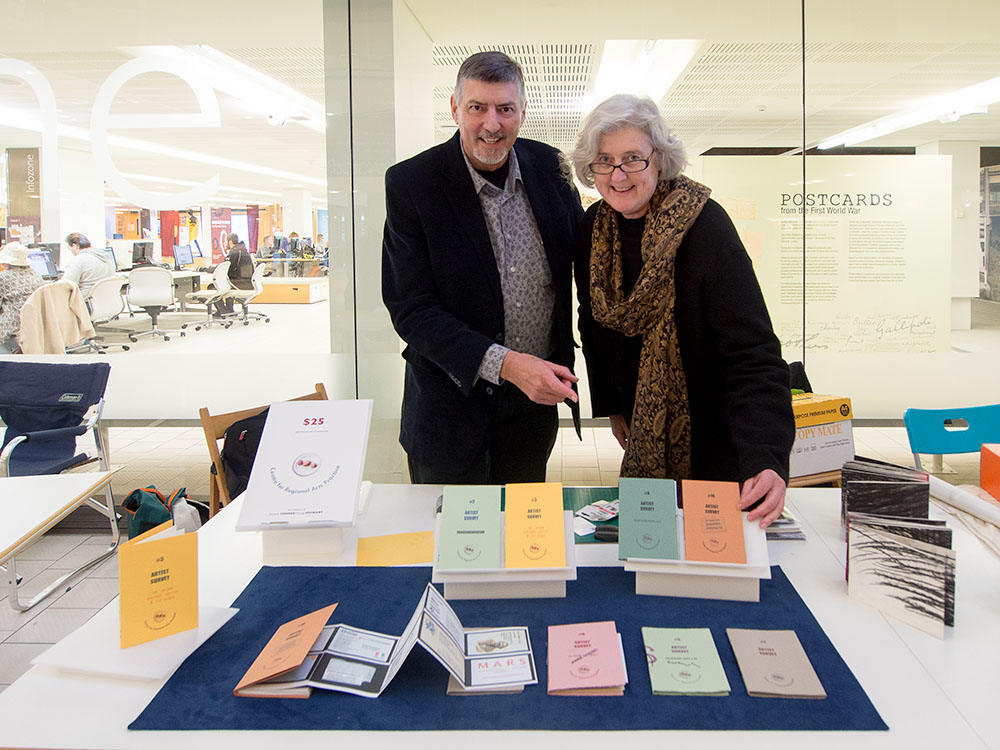
Doug Spowart and Victoria Cooper at the State Library of Qld’s 2015 Art Book Fair
.
Victoria Cooper and Doug Spowart are leaders in the fields of photobooks and artists’ books. Their books are held in major rare books and manuscript collections of the National Library of Australia, State Libraries and other significant public and private collections. In the last 10 years both have completed PhDs that related to the book and visual storytelling. They have both been awarded Research Fellowships at the State Library of Queensland. In the last 12 months Doug has presented lectures on photobooks at Photobook Melbourne, the Ballarat International Foto Biennale and the Auckland Festival of Photography.
FOR MORE INFORMATION VISIT:
http://www.hotd.aippblog.com/index.php/speakers-2016/doug-spowart-victoria-cooper/
PRICING INFORMATION:
Earlybird Rates (End January 15th, 2016)
AIPP Member 2 Days plus the Business Masterclass on Monday – Early Bird $420 After Early Bird $520
AIPP Member 2 Days Only (Sat & Sun) – Early Bird $290 After Early Bird $390
AIPP Member 1 Day (either the Sat or Sun) – Early Bird $200 After Early Bird $280
Student 2 Days plus the Business Masterclass Monday – $150
Student 2 Days (Sat & Sun) – $120
Student 1 Day (either the Sat or Sun) – $90
Non-Member 2 Days (Sat & Sun) – Early Bird $435 After Early Bird $585
Non-Member 1 Day (either the Sat or Sun) – Early Bird $300 After Early Bird $420

Hair of the Dog header
PERSONAL HISTORIES–Artists Books @ Uni of NSW–ADFA, Canberra
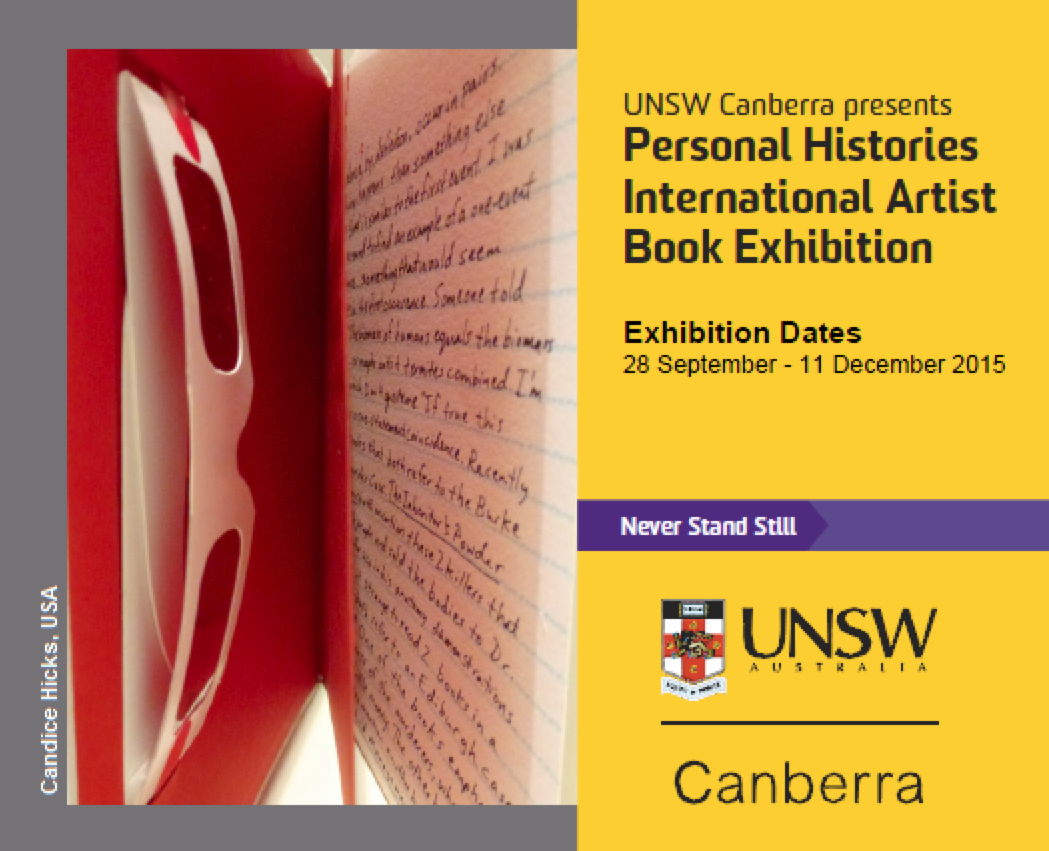
‘Personal Histories’ invite
To survive and work as an artist is a big enough challenge in this day and age–but for some that’s not enough. A few have dreams for fantastic extravaganzas and then commit themselves to the necessary problem solving and planning to bring these wild ideas into fruition. One such inspired individual is Robyn Foster who curated an international exhibition of artists books that was first shown at the Redland Museum, then Redlands Art Gallery. The show, Personal Histories was then traveled as a self funded initiative for the third exhibition at the University of NSW Library at ADFA in Canberra.
.
Ms Selena Griffith, Senior Lecturer in Design, UNSW Art & Design, officially launched the exhibition on the 1st October in Canberra and was attended by members of the local artists book community. We also attended the Canberra opening, viewed the exhibition and met some of the artists.
The exhibition is a curatorial masterpiece, the like of which is usually only undertaken by an institutional team! The works shown represent a wide gamut of practice from books that look and operate like books, to books as sculptural object. The books presented were made by every conceivable process and materials. Represented in the exhibition was every form of container for stories from codices, to concertinas and prosaic ‘ready-mades’. There is no resolution to the question ‘what is an artists book?’ as it continues to be challenged by the diversity and inventiveness of the works in this exhibition.
The stories in Personal Histories came from each artist’s life and experiences expressed through their creative art process. Through the intimacy of the book and the visual and haptic experience of reading, these personal narratives have the potential to be shared with those encountering these books in the future.
Congratulations Robyn Foster for curating and presenting this wonderful opportunity for us to experience the diversity of books by artists and the opportunity for these books to be seen.
Doug Spowart

Judy Bourke talking about her book ‘Born to life’ 2014. A tribute to Anne Murray.
A video of the exhibition showing a ‘fly through’ of some of the works as well as the opening address from Ms Selena Griffith and Robyn Foster’s response is available HERE:
.
.
FROM THE PERSONAL HISTORIES WEBSITE:
Bringing together artists from around the globe to share their own stories in artist book form.
Sharing similarities, diversities and individual perspectives.
Highlighting the dynamic world of artist books.
The Personal Histories International Artist Book Exhibition highlights the dynamic world of contemporary artists’ book practice, with contributing artists from over 16 countries who attempt to reconfigure and reignite our relationship with the book.
This exhibition intimately catalogues a perspective of individual life experience exploring various structures and content, with curator Robyn Foster inviting us to contemplate our evanescent relationship with books at a seminal point in history where technology has overtaken books as society’s primary information source.
A detailed website discussing the project, the exhibitions and the works can be found HERE
http://personalhistoriesartistbooks.weebly.com/
Some images from the event:
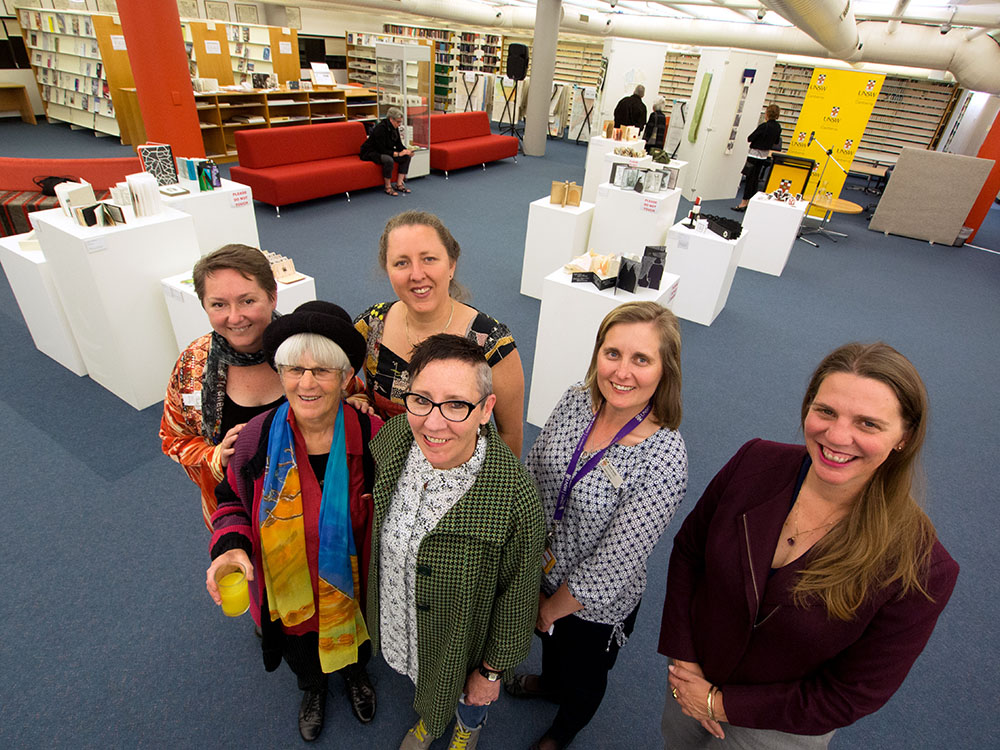
Robyn Foster, Judy Bourke, Selena Griffith, Tracie Toohey, Rachel Hunter, Lisa Morisset.

Tracie Toohey @ ‘Personal Histories’ opening Uni NSW, ADFA, Canberra.

Judy Bourke @ ‘Personal Histories’ opening Uni NSW, ADFA, Canberra.
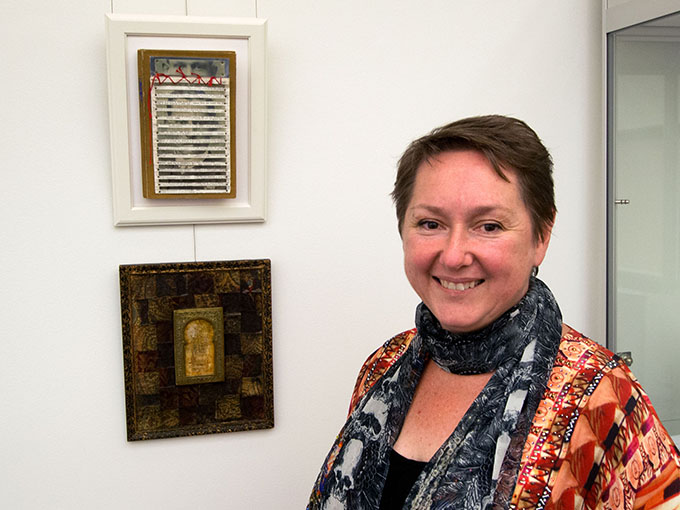
Robyn Foster @ ‘Personal Histories’ opening Uni NSW, ADFA, Canberra.
.
.
.
.
.
.
ROGER SKINNER: A Life in Light – the book
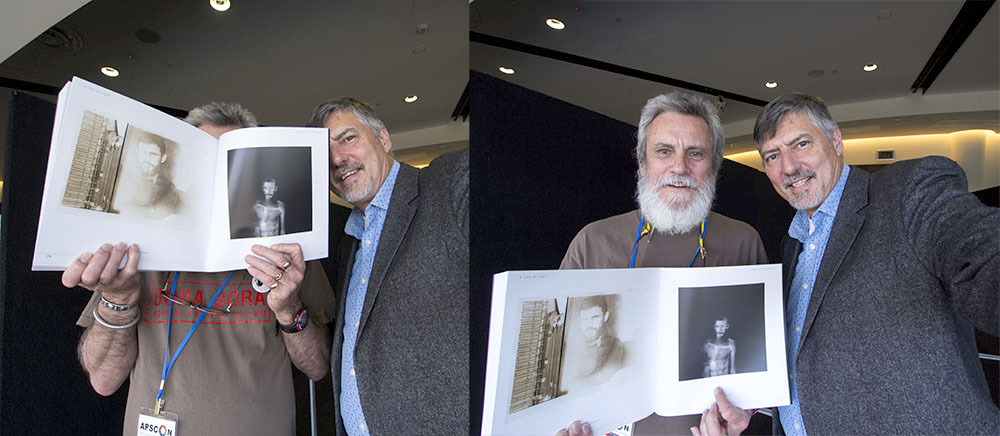
Roger Skinner and the blog author at the APSCON book launch
.
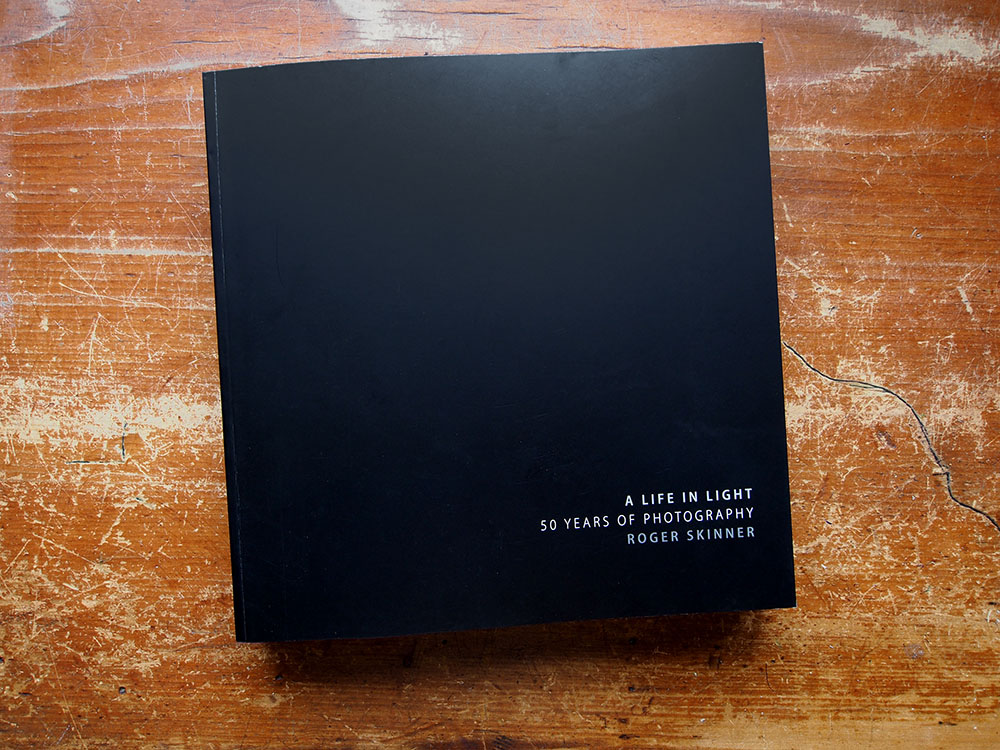
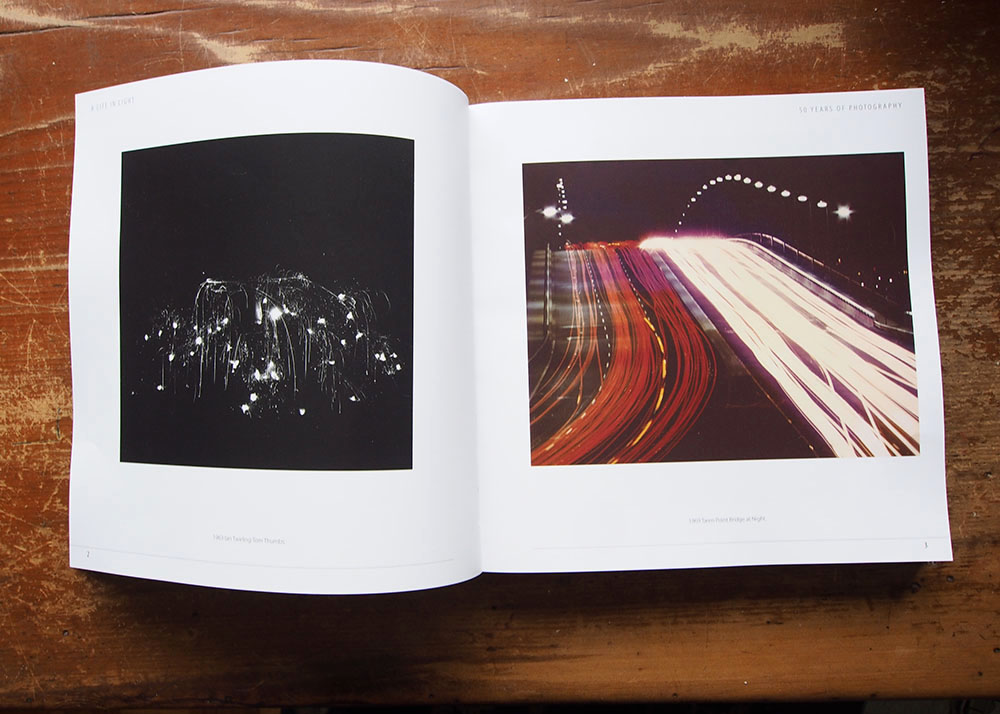
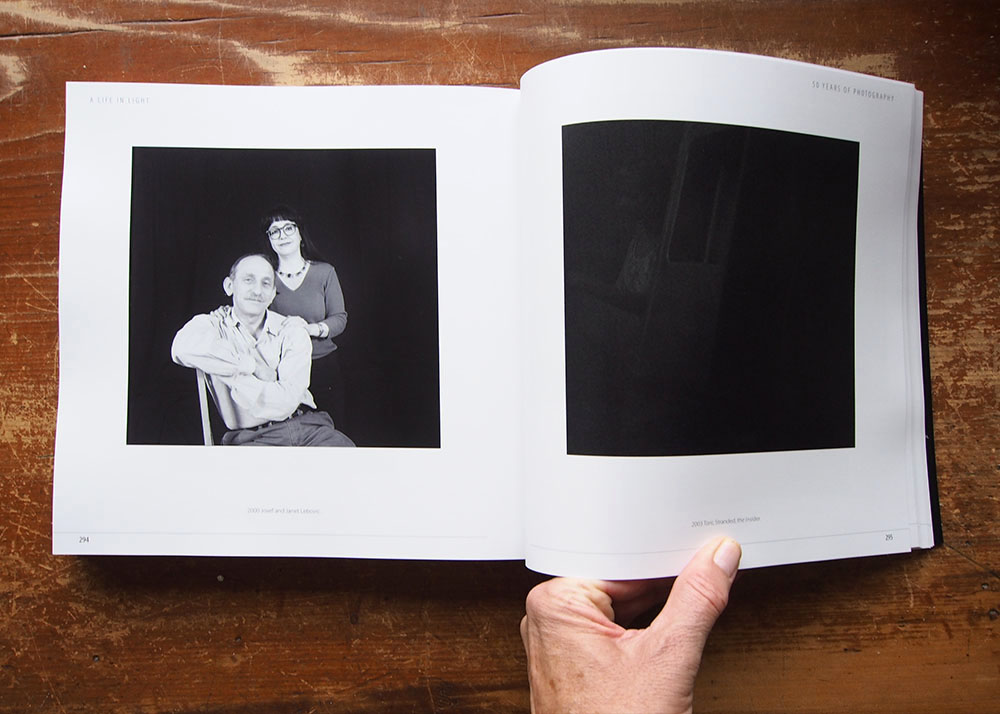
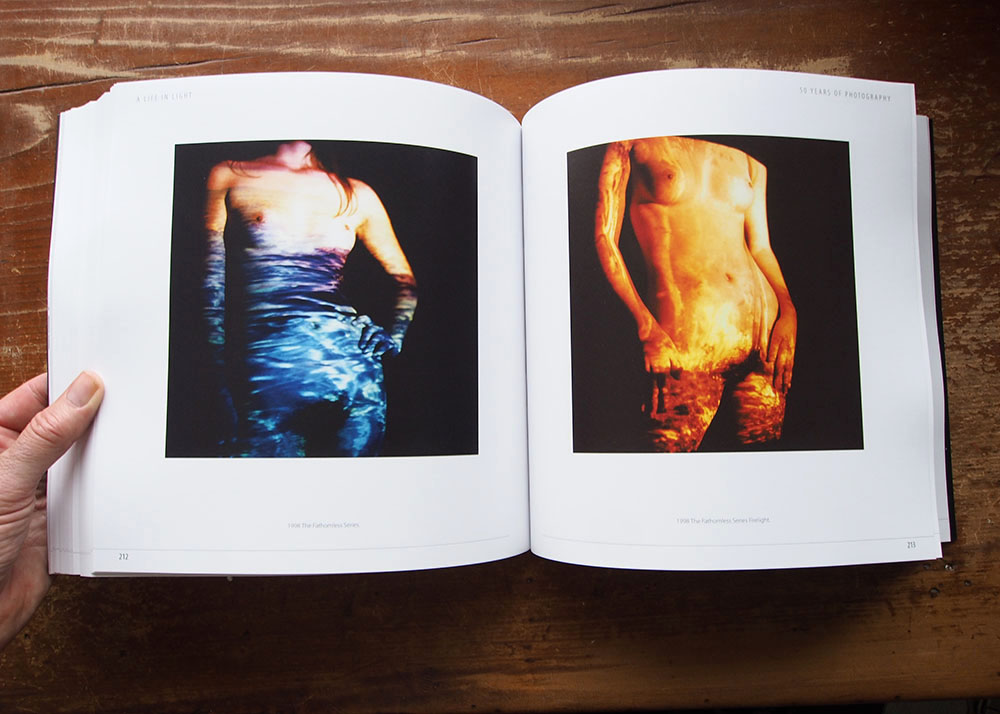
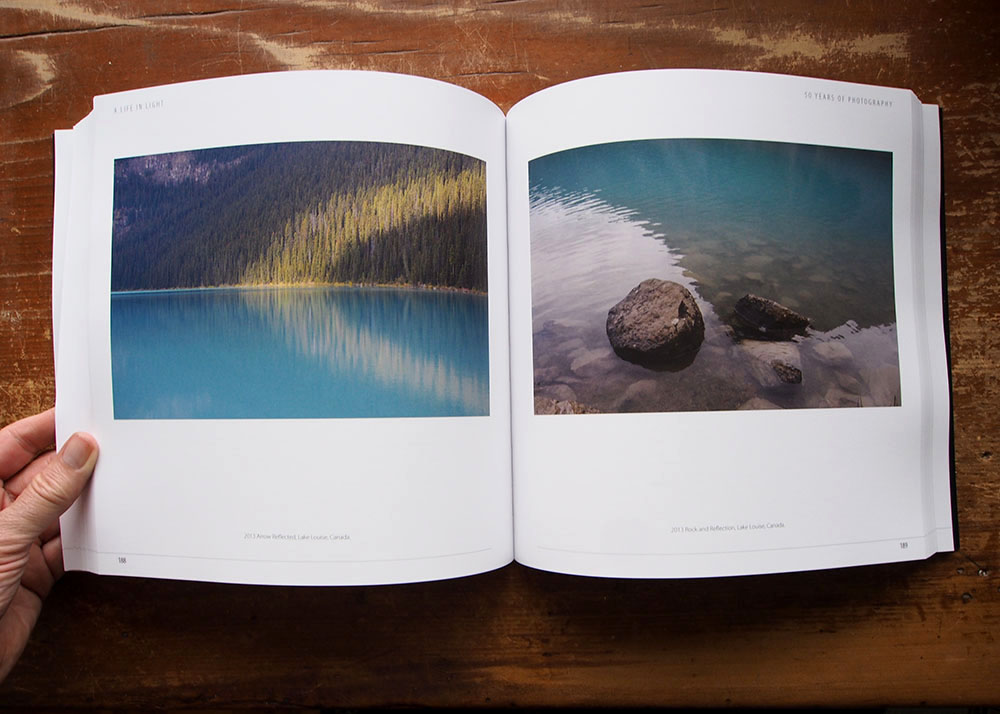
Roger Skinner is a prolific image maker, artist, photobook maker and poet. Skinner has won many of Australia art photography awards yet he also pursued an interest in the camera club movement. Celebrating 50 years of his photography Roger has compiled a weighty book divided into the subject themes that he chose to explore. Earlier this year he spoke with me about his self-published folly – 500 books, over 300 pages of colour and black and white photographs, every page a picture with consideration for the double page pairings. He also asked me to write a foreword to the book. In September Roger visited the printers in Canberra, picked up the proofs and brought them around to our house-sit in Queanbeyan with his print coordinator and brother Ian. What a moment to witness as the table before us was covered with the uncut pages of the book … A few suggestions and some corrections were made – then the presses rolled.
.
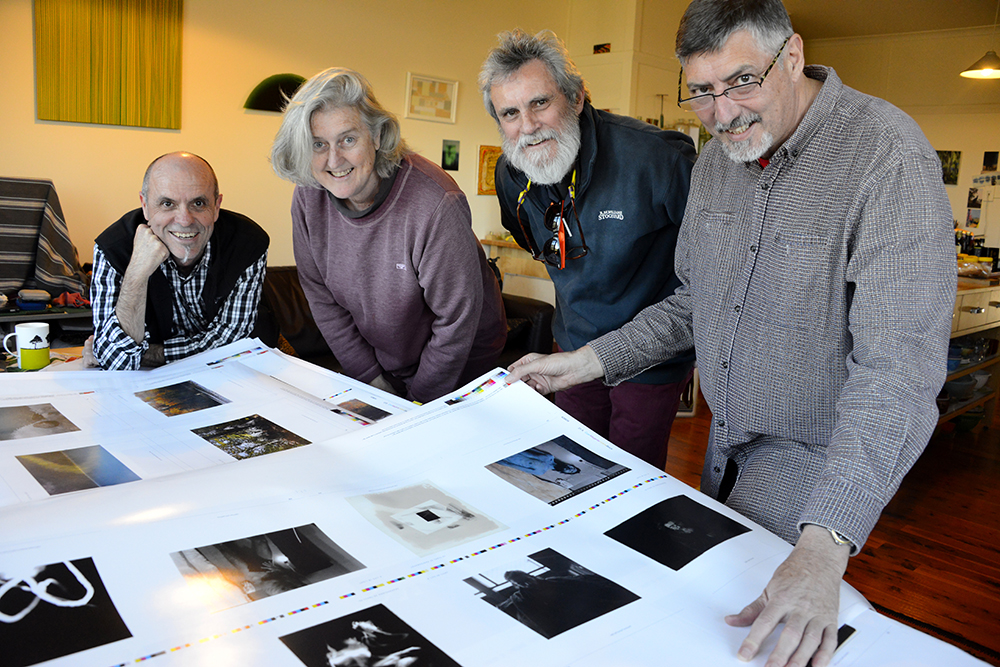
Ian Skinner, Vicky, Roger and Doug looking at proofs
For many years Roger was a director of the ‘Contemporary Group’ in Australian Photographic Society. Although he resigned his membership of the Society many years ago he was invited back to the APSCON convention at Tweed Heads to launch the book and make a presentation about self-publishing. As the proverbial ‘prodigal son’ Roger gave the 100 or so attendees the back story to his life in photography from the first photograph to those made relatively recently. He alluded to the complexities of self-publishing and the anxiety associated with committing to a personally funded book project in the many thousands of dollars. However his presentation was not intended to dissuade others from considering making their own books, but rather the realities of such an undertaking.
.
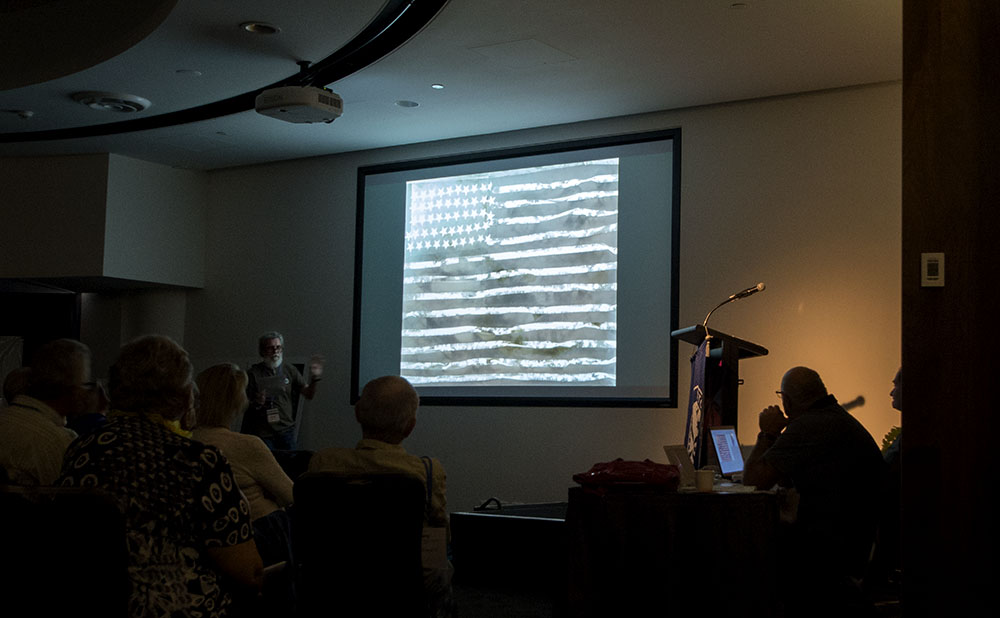
Roger Skinner presenting his book story @ APSON Conference
.
Towards the end of Roger’s lecture he asked me to come forward and officially launch the book. As I stood before this APSCON audience I was reminded of my first experience as a presenter in 1977 as a young budding photographer. Then, as now, the audience contained some of my mentors and heroes. These included Bill Smit gave me my first experience of a properly setup darkroom and printing techniques. And Graham Burstow, the Toowoomba photographer who inspired me in the late 1960s, and who is still as lively as ever with a new show just opened at the Gold Coast City Art Gallery. Like Roger my APS membership has now lapsed – I first joined in 1967 – perhaps I digress.
I spoke of Roger’s A Life in Light book as being a brave venture. Of how all photographers have libraries and that they learn principally from the books of others. I told them about the great variety of Roger’s work: was he a pictorialist? A photodocumentist? An abstractionist or a poet with a lens…? It gave me great pleasure to launch the book and I encouraged those present to support Roger, and their interest in photography to buy a book that very day … many did.
.

Doug Spowart launches Roger Skinner’s ‘A Life in Light’ PHOTO: Victoria Cooper
.
If you have an interest in seeing a collection of inspirational work created over 50 years then A Life in Light may be an ideal book to have in your library – to purchase:
.
Book $40.00 each
Postage and packing in Australia $13.40
Email address is rojpix@ipstarmail.com.au
Direct Deposits to Newcastle Permanent BSB 650 000 Acct No 915531504
.
SOME SAMPLE PAGES FROM BOOK
.
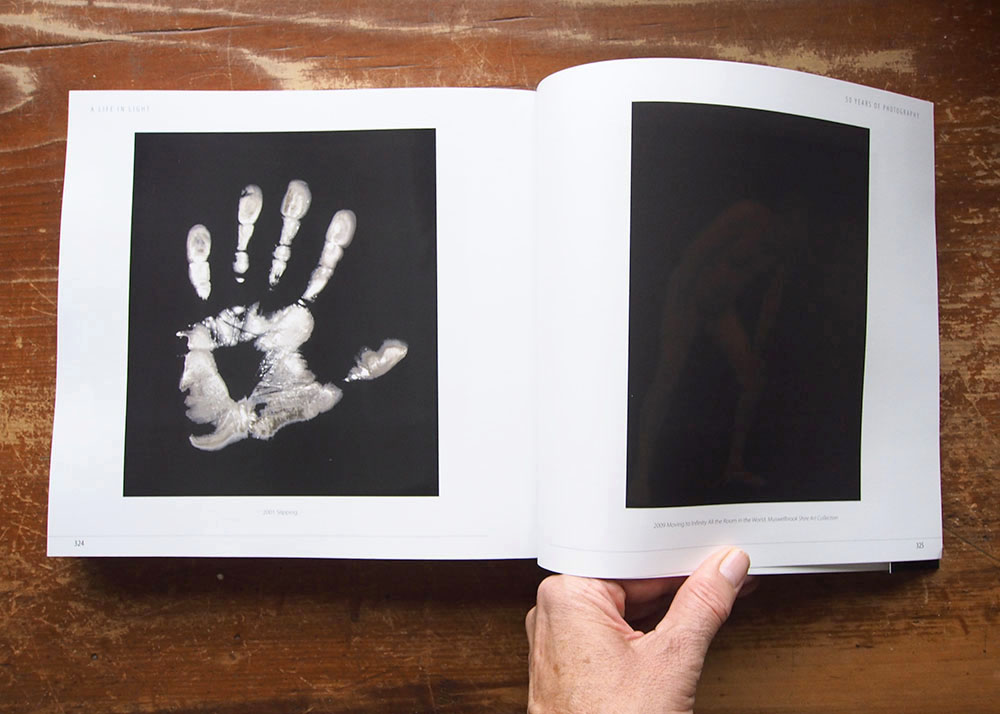

HERE IS MY FOREWORD TO THE BOOK ‘A LIFE IN LIGHT’ by ROGER SKINNER
The life and work of the regional artist
I have known Roger Skinner for over 30years and I can say that in the art of photography, he is a regional artist who cares little for his farawayness from the city. Spending a lifetime devoted to the camera and its image Skinner has pursued a range of activities in the camera club movement, professional photography associations and the photomedia art scene. Although he has an interest in the photograph as a historical document, Skinner’s practice also includes investigations into the nude, landscape, light painting, the self-image and environmental portraiture. His work has been extensively exhibited in solo and group shows, he has won numerous awards in every field of photographic endeavour, and his work is held in major private and public collections.
Not only is Roger Skinner the consummate artist, he is an organiser, facilitator and committee member. He is a builder and champion of networks that provide opportunities for others. Many will know him for his coordination of the Muswellbrook Art Photography Prize, an award won by major Australian photographers and judged by elite Australian curators, critics and commentators of the art. As a conference presenter, teacher and mentor, he has inspired and enthused many to extend their photography activities. For some time he was Education Officer at the Muswellbrook Regional Arts Gallery, and has also served as the Director of the Contemporary Group of the Australian Photographic Society.
But has the remoteness of his practice affected recognition for his own work? Apart from significant urban artists who have taken to living fashionably in the country after they have achieved their fame – how many regional artists have well deserved recognition in this country? Not many … not many. Recognition or not Roger Skinner just gets on with making his art and pursuing his other activities.
The regional space, people and their stories have revealed themselves to Skinner. His eclectic visual style exudes a kind of poetic response to the subject and life. Roger Skinner’s photographs tell us not only something of his interest and his eye for the world, but also how these photographs can touch with our experience of life and tell us something about ourselves.
Proximity has located Skinner in regional New South Wales, and despite a modicum of national infiltration of his work, this isolation may have served him well. However one could ponder the broader recognition and opportunities for his work had he lived in the creative networked proximity of a big city. Perhaps the extensive body of work presented in this book may enable a repositioning of his work within a pantheon of significant Australian photographers.
Dr Doug Spowart
Co-Founder – Centre for Regional Arts Practice
.
.
IMAGES OF THE BOOK FOLLOW…


.
All texts and photographs except that by Victoria Cooper ©Doug Spowart

 wotwedid