Author Archive
May 7, 2011 ALT Exhibition opens @ Qld Centre for Photography
SEE TWO NEW EXHIBITIONS @ QCP – Our video work “CARCAMERA” is on show
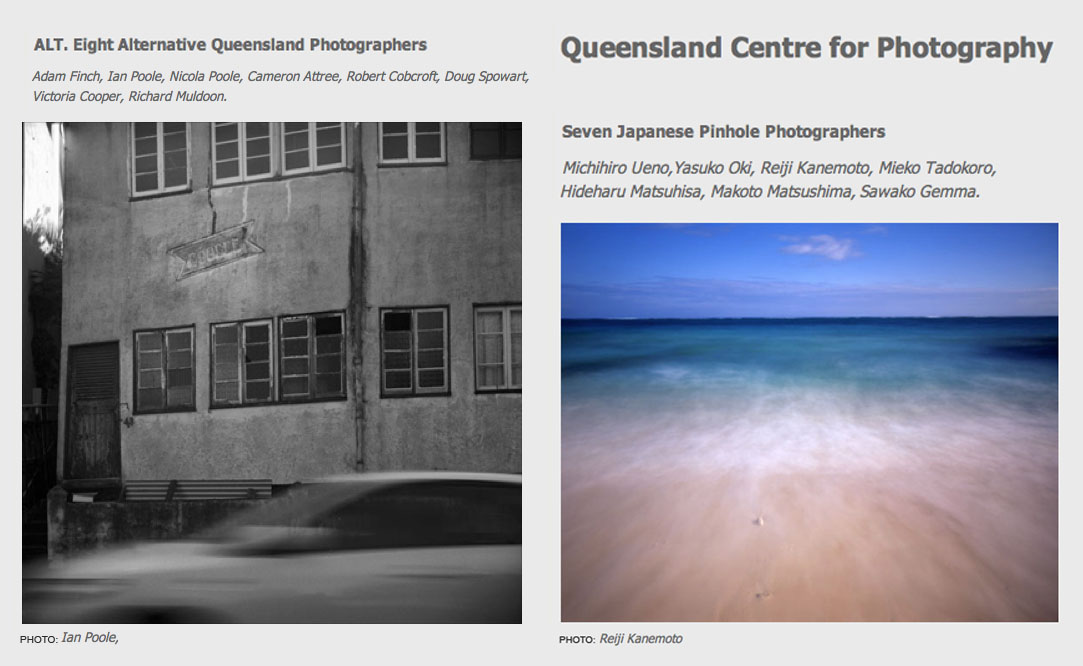
SEE <http://www.qcp.org.au/exhibitions/current/album-603/28>
SEE OUR VIDEO <https://www.youtube.com/watch?v=Wg8zdvr1nfY&feature=mfu_in_order&list=UL>
.
We wrote the exhibition catalogue text – See below
.
Somewhere between the making, the idea and dreaming: Post-technology Photography
Ban lenses and viewfinders. Ban your auto-wind buzzy-flashing built in obsolescence jewellery.
Give up aspiring to the conventional. Play with light, rediscover your vision and party.
Justin Quinnell[1] talking about pinhole photography
Who would have thought that age old processes along with out dated technology would have any relevance in the seamless slick technological digital image world. Or even that the latest digital technology could become hijacked as a mere emulator of the appearance of old time photos. With its arcane history of chemicals, darkrooms and focussing cloths photography is now morphing into a brave new emancipated world where everything old can be new again and anything goes.
Many photographers find this review of processes and technologies liberating—providing an alternative avenue for exploring photography often resulting in the excitement of discovering new visions. A recent popular photobook on the Holga[2] camera illustrates a kaleidoscope of visual imagery created with this simple plastic camera. In the introduction to the book Adam Scott exemplifies this method of working, “I had already been shooting for many years with single lens reflex cameras and was beginning to get bored of photography, but the Holga reopened my eyes and injected me with new love, I felt as though I had discovered a new sense or a new colour.”[3]
Into this argument steps curator Ian Poole with this exhibition entitled ALT. Photographers in this show are similarly enamored by this technological tinkering as Scott and dust off old junk cameras like the Russian Lubitel or dislocate a Diana lens and relocate it onto a DSLR sensor. Some photographers may use new technology like the ubiquitous iPhone as creative stimulation for follow-up imaging. But is it the technology that lubricates creativity in these photographers work? As in Justin Quinnell’s challenge in the opening quote “give up aspiring to the conventional” these image makers aim to subvert the ‘conventional’ and reinvent photography for and by themselves.
The images made by photographers in the ALT exhibition exalt and capitalise on the vagaries and flaws arising from technology, uncontrolled serendipitous moments and the slowing of time. All of these questionable qualities are commonly regarded as poor technique from faulty and inadequate equipment. Through their experimentation these photo-rebels appear to be reacting against technological control by preferring the serendipity and imperfections of real human experience.
It seems that these processes allow a space for pure wonderment much like that of children at play. Here the photographer’s imagination is stimulated by ‘tinkering’ with technology and the conventions of photographic practice from which new approaches to subjects and concepts arise. Critically the act of making, discovery and reflexive action is fundamental throughout the process. In other words the photographer makes the photograph—not the technology.
Pinhole photography is another malleable medium for the tinkerer. The exhibition, Seven Japanese Pinhole Photographers, brought together by Hideharu Matsuhisa a respected graphic designer and pinhole photographer, shows the diversity and commonalities of the pinhole experience. In the catalogue specially produced by Matsuhisa for this show, Reiji Kanemoto comments, “These pinhole views of restless waves show me the passage of time, condensed into a single moment that lives forever.” This is an experience that is common to many pinhole photographers as long exposures are inherent in the process. In a recent exhibition of Matsuhisa’s pinhole photography at Caloundra Regional Gallery, the Director, John Waldron referred to pinhole photography as “part of the Slow Revolution”[4]
Slow cameras: slow photography—creates a kind of image making approach that is just as satisfying and as good for you as slow food. For some Japanese pinhole photographers the work is meditative as Michihiro Ueno finds when working with pinhole cameras that, “I’m made to be more conscious to face time and objects.”[5] Alternatively Yasuko Oki is motivated by the pure wonderment of capturing unseen visual phenomena as she photographs fluids in glasses (water, juice and beer) that she drinks everyday.
As the camera, the lens and the darkroom/computer are increasingly open to subversion, the photograph maybe now free from connection to a specific technological time and place and it’s associated obsolescence. Although there has always been a cult following for the “alternative” in photography, what we see strongly from this exhibition series, and more broadly in the electronic medium, is that photographers are well equipped and ready to grasp, shape and fiddle with any means to extract images. Is this the sign of the onset of a post technology condition? Has the “alternative” contagion gone viral? Can technology or iPhone apps keep pace with the imagination and the inventive nature of the photographer? Certainly, photography has loosened up. Rather than being the keeper of secret knowledge and technological proficiency, the photographer is now more . . .
Victoria Cooper and Doug Spowart
Victoria Cooper and Doug Spowart are visual artists working in the fields of photoimaging, artists’ books and photo education. Victoria and Doug have collaborated on many art projects and exhibitions including pinhole, projections, the room and car camera obscura. Their images and artists’ books are included in major national collections.
[1] The World through a pinhole (catalogue) curated by Diane Stoppard and Ellie Smith, Wellington, New Zealand, 1998.
[2] Lomographic Society International (ed), 2006. Holga, The world through a plastic lens, compiled by the Lomographic Society International and Adam Scott. Lomographic Society International, Vienna, Austria.
[3] Introduction by Adam Scott, Holga, The world through a plastic lens, Page 17.
[5] See catalogue, Japanese Seven Pinhole Photographers, by Hideharu Matsuhisa
WORLD PINHOLE DAY: April 24, 2011
‘Round the [w]hole world today pinholers were out having fun – Making their images for the 2011 WPD.
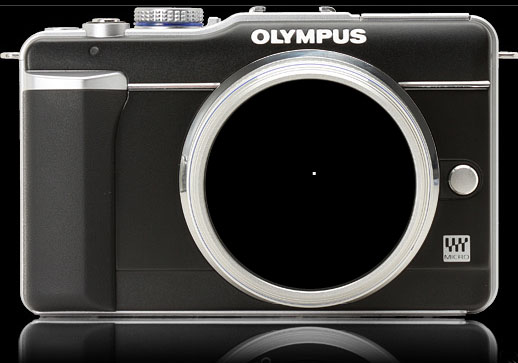
We have just purchased an OLYMPUS EPL1 a Micro Four Thirds digital camera. It features interchangeable lenses, 12 megapixel capture and HD Video – It’s not the latest and greatest but it is very reasonably priced @ around $450 at JB-HiFi or Harvey Norman.
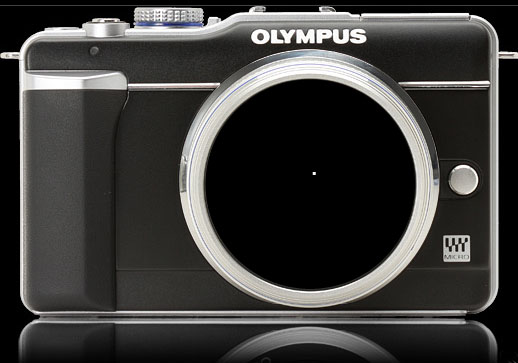
What is exciting is we drilled out the body cover – put about a 10mm hole in the middle and stuck an old home-made pinhole into it and made pictures. In ‘LiveView’ mode you can even see what you are shooting and, better still, we are shooting pinhole movies!!! In fact out 2011 WPD offering will feature a ‘stilled’ image (SEE Below) with a link to a YouTube video.
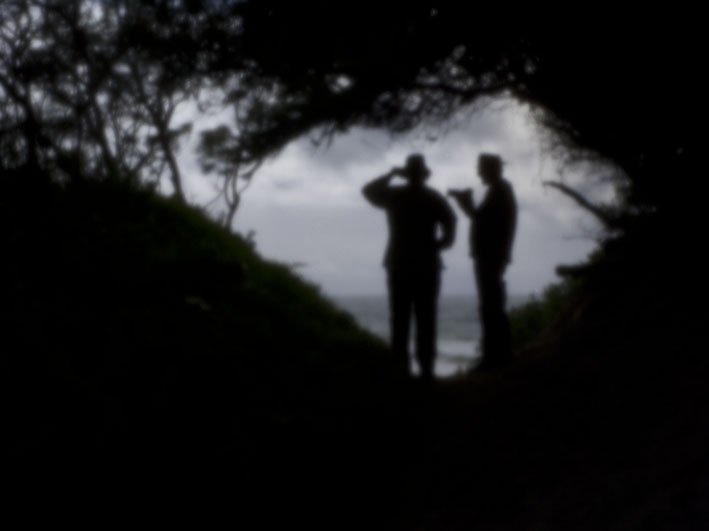
Still from the Pinhole Movie: "Being There . . ."
HERE IS THE LINK http://www.youtube.com/watch?v=Yk4vnbzTqOU
Vist the WPD Site for other contributors: http://www.pinholeday.org/gallery/2011/
Our WPD images:
2011 http://www.pinholeday.org/gallery/2011/index.php?id=924
2010 http://www.pinholeday.org/gallery/2010/index.php?id=2464&Country=Australia&searchStr=spowart
2006 http://www.pinholeday.org/gallery/2006/index.php?id=1636&Country=Australia&searchStr=cooper
2004 Vicky http://www.pinholeday.org/gallery/2004/index.php?id=1553&Country=Australia&searchStr=cooper
2004 Doug http://www.pinholeday.org/gallery/2004/index.php?id=1552&Country=Australia&searchStr=spowart
2003 http://www.pinholeday.org/gallery/2003/index.php?id=615&Country=Australia&searchStr=spowart
2002 http://www.pinholeday.org/gallery/2002/index.php?id=826&Country=Australia&searchStr=spowart
EASTER 2011 – At the Beach: WOOLI
Well Easter has come and gone – WOT DID YOU DO? Did it rain? Were you able to get away? Did you mow the lawn? Did you get to the Beach? Did you do things that you’ve been hanging out to do?
Well, Here’s what we did . . . .
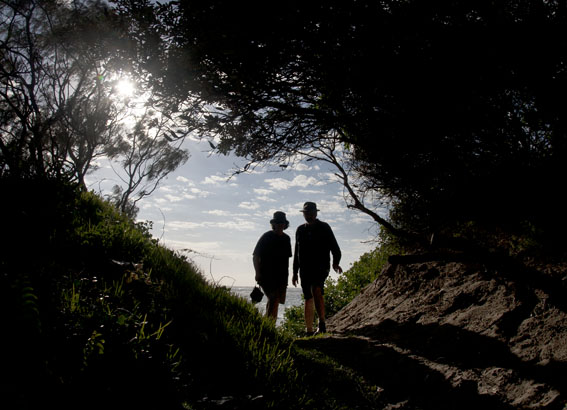
Entering the Sunlight: Entering the darkness
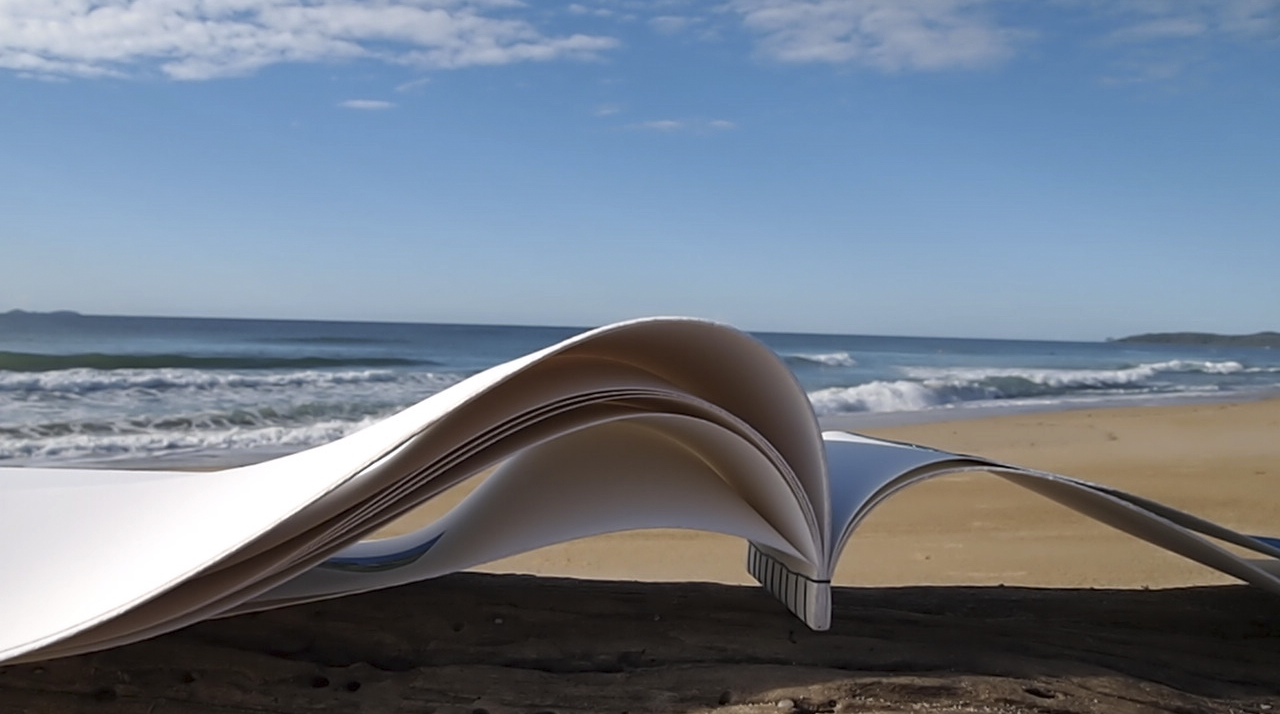
'White Shadows' The Book: On Wooli Beach
SEE: Other Wooli Books on our website
http://www.cooperandspowart.com.au/2_PLACES/WOOLIflipBOOKS/index.html
SEE: An introductory WOOLI BEACH video on YouTUBE
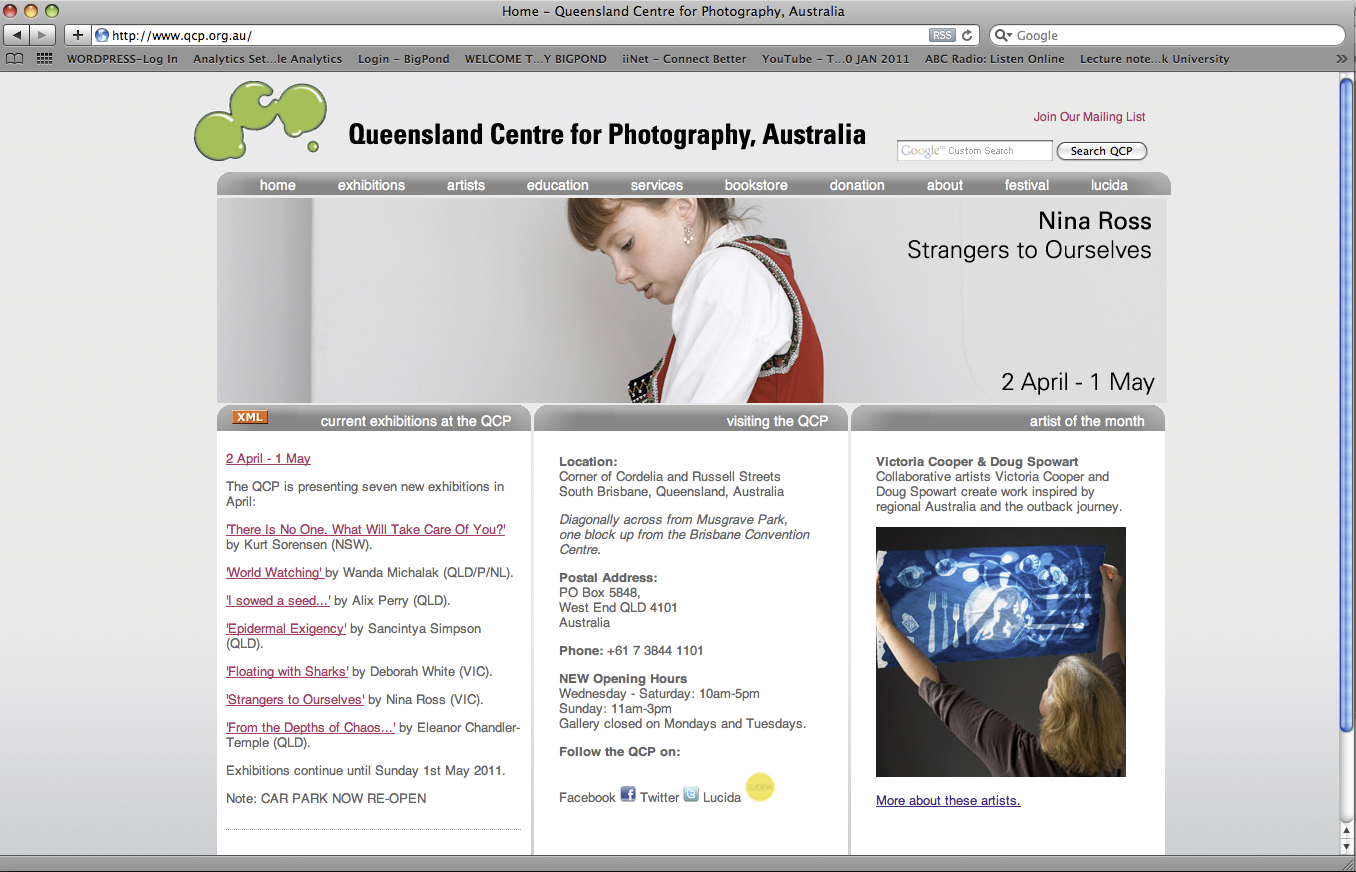
April – QCP Artists of the Month
This month we are ARTISTS OF THE MONTH on the QUEENSLAND CENTRE FOR PHOTOGRAPHY website
SEE the site here: http://www.qcp.org.au/
GLEN O’MALLEY visits Toowoomba April 12+13, 2011

Significant Queensland documentary photographer Glen O’Malley visited Toowoomba over the last few days to catch up with old friends and acquaintances. On the evening of April 12 he made a presentation and showed recent work to students from the Southern Queensland Institute of TAFE.
Glen is one of Queensland’s great photography characters. Well known for his street documentary photographs which go back to the earliest days of ‘art photography’ – his first solo exhibition was held in 1975. Coming from way up north, near Babinda, Glen has for years been a master of traditional black and white. In recent years he has ‘crossed over’ to the digital and that has opened up a whole new vision for him – one that is very coloured. Originally trained as an artist Glen considers his ‘colourist’ background has re-emerged in his digital capture.
Another aspect to the O’Malley style is that he is a surrealist. Images in recent exhibitions ‘Hotplate Heaven’ and the ‘Pet Show’ feature prosaic home environments which are inhabited by ordinary looking people who do the most bizzare things. His latest work for a new show at the Queensland Centre for Photography in June. The exhibition is entitled ‘What a night!’ and features not only his own work but also images by Kellie White.
 Students viewing Glen and Kellie’s works
Glen and Kellie’s work feature images made at night or dusk with flash or torch work illuminating the subject. Technique is one thing but the images are something else – they are, as you might expect, surreal but there is more! The images appear as spontaneous, serendipitous and intuitive moments. Intrigue and mystery are embedded in each image and do demand intense and prolonged viewing
 Glen frames his point
Some of Kellie’s images
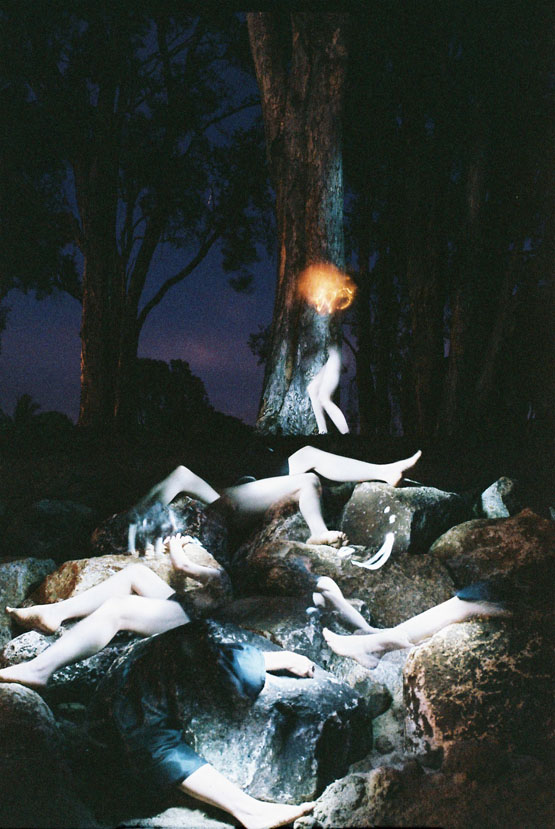
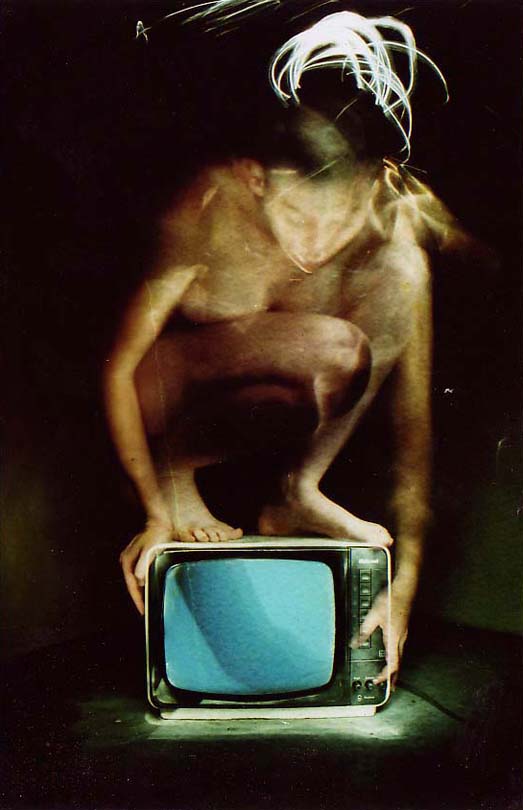
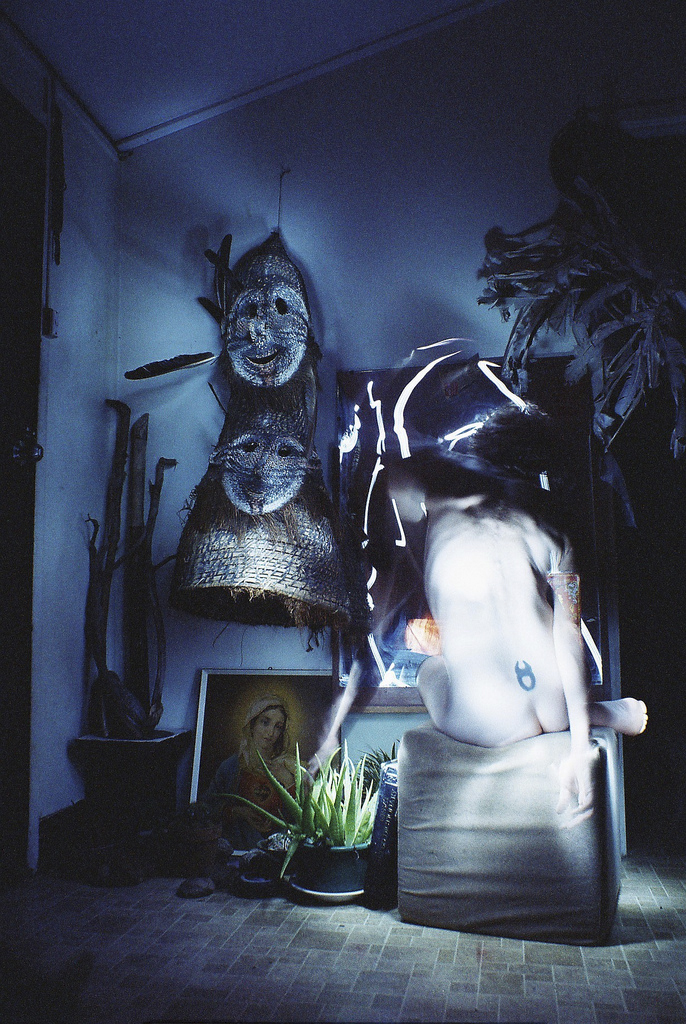
Some of Glen’s work

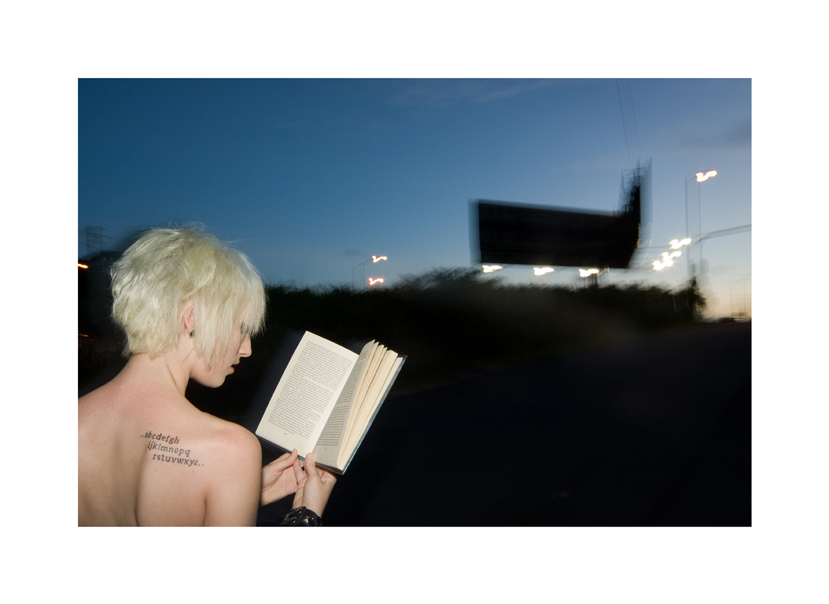
Written by Doug Spowart
DOUG’s ‘Borderlines’ Book Wins QAIPP Photographic Book of the Year
On April 9 & 10 the Queensland Division of the AIPP held its 2011 Professional Photography Awards. The photographic book of the year category was won by my BORDERLINES book, my FLIP-Book NARCISSUS MEETS HIMSELF ON THE ROAD TO BUNDANON was the runner-up. Although not a heavily contested category it was a great thrill to have the book receive the award as well as a SILVER WITH DISTINCTION certificate.
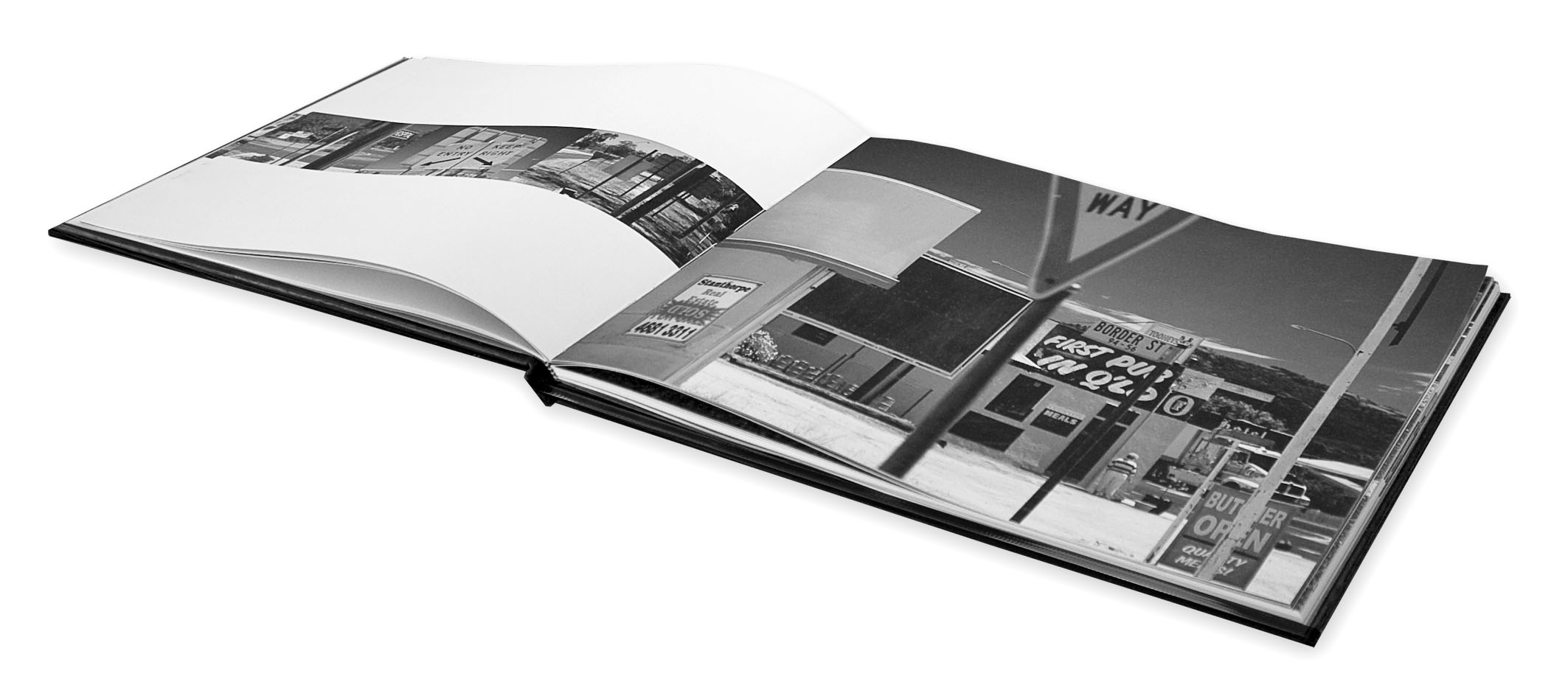
The Toowoomba Chronicle ran a quick news story with portrait and story – See text only here CHRONICLE 13 April
MORE TO FOLLOW
http://www.thechronicle.com.au/story/2011/04/12/local-photographer-scoops-award
SCU Acquisitive Artists Book Award – February 26, 2011
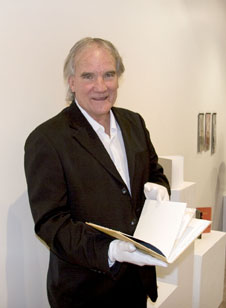
Judge: Prof Ross Woodrow
The 2011 Southern Cross University’s Acquisitive Artists Book Award was announced at the Next Gallery in Lismore on February 26. Shortlisted works represented a cross section of the discipline from sculptural books to the ephemeral oddities, readymades, recycled, sticks ‘n’ feathers and solidly traditional weighty codexes. The exhibition was a ‘something for everyone’ sampler of contemporary approaches to the art—whatever that may be.
The exhibition venue, whilst modest in size, amply accommodated the works and gave an intimate viewing experience to the books. Importantly the gallery places the works within the centre of the Lismore Central Business District enabling a very public connection to artists’ books as art gallery presentation content. This is contrary to the almost secular way in which this kind of work is presented in libraries and specialized venues.
Professor Ross Woodrow, from the Queensland College of Art, as this year’s judge was charged with the responsibility of selecting works to compliment the books already held by the university’s library that are used not only for exhibition and reading, but also for lecture discussion samples.
Woodrow listed his three principal criteria for selection; (1) the best books for the collection, (2) personal taste and (3) books that look like books and acted as books. His selection of 3 books confirms this criteria:
- Lyn Ashby: The Ten Thousand Things, digital prints, Arches Watercolour paper, boards, 24 x 30cm closed, Edition 50.
- Peter E Charuk: Glacies Lux, digital photographs, 21 x 34cm
- Peter Lyssiotis + Ann-Marie Hunter: A Modern Forest, screenprint, 26.3 x 17.5cm Edition 10, Publisher: Mastertheif / Psyclonic Studios
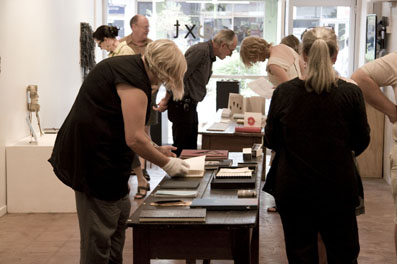
Viewing books @ the NEXT Gallery
As usual the judge’s selections have created some contention in the artists book scene. Some commentators on the awards seem to miss the point that this is an acquisitive award that contributes to the university’s teaching library of artists books. Each acquisitive award event is presided over by a different judge and different areas of artists book practice will be represented in their selection. Ultimately the winner is everyone interested in artists books as the collection will quite possibly become one of the most diverse, in terms of examples of exemplary practice, in the country.
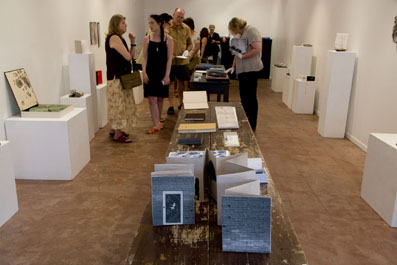
More viewing of books
An online catalogue is available for viewing on the Next Gallery Site
Check it out!
Cheers
Doug
Judging the Myrtle Street 2011 Pinhole Photography Competition
Over the last few days we’ve been involved in the judging of a new and unique photography award – The Myrtle Street 2011 Pinhole Photography Competition. Initiated and organised by artist and gallerist Jay Dee Dearness of Myrtle Street Studio this is a new and exciting opportunity for pinhole photographers to present their best works.
Our comments on the judging were:
TWINSCAPES Opening – March 12, 2011
Japanese pinhole photographer Hideharu Matsuhisa presents the exhibition The TwinScapes @ the Caloundra Regional Art Gallery – March 9 ~ April 10.
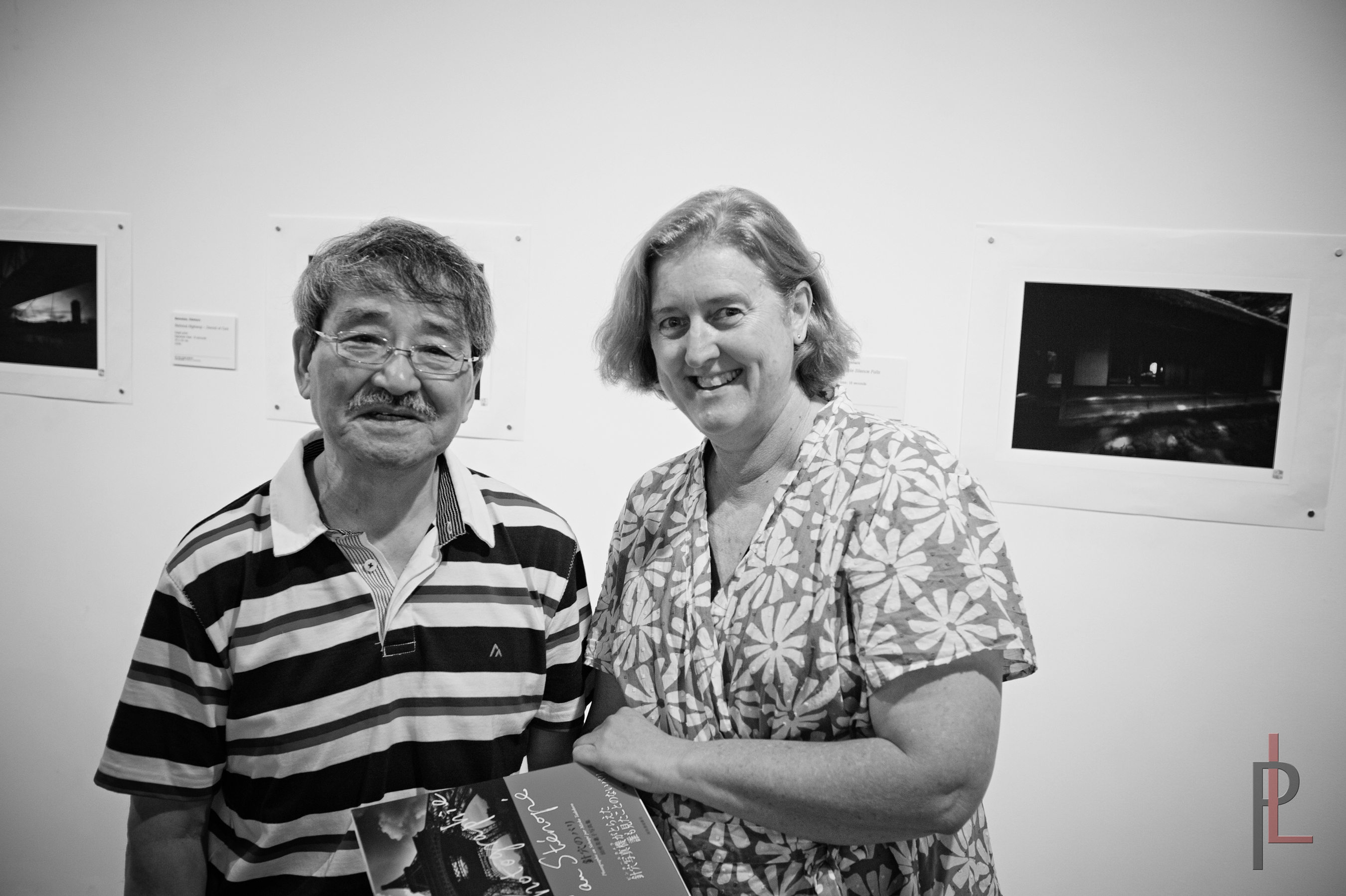
 PHOTOS: Mark Schoeman
Hide has been a regular visitor to Australia for many years – staying with Brisbane photographic identity Ian Poole. For 7 years Hide has been working with pinhole film cameras in Japan, the US and Australia. The Caloundra gallery exhibition is a selection of his color pinhole images made over this period.
As pinhole photographers and friends to Hide we supported his exhibition by providing pinhole cameras and other resources. We were invited by Hide to include two camera obscura images to be included as visiting artists in his show. On the morning of Saturday 12th we presented a lecture on pinhole photography to around 40 participants. After lunch John Waldron, (Cultural Heritage & Collections Manager, Creative Communities, Sunshine Coast Council) presented a commentary on Hide’s approach to pinhole photography (SEE http://lucidamagazine.com/?p=414). We officially opened the exhibition.
The TwinScapes exhibition features color pinhole imagery that has the profound feeling of a memory – in encountering the works the viewer may have a sense of looking at the image of a past experience. Hide’s feeling for the sweeping expanse of the Australian landscape is complimented by the tight compositions of urban Japanese buildings.
Thanks Hide for sharing your “light” with us.

'Trees in fog' by Hideharu Matsuhisa

 wotwedid